Flanges are crucial components in a wide range of systems, providing secure connections and ensuring the integrity of fluid and gas flow. Different types of flanges serve specific purposes across various industries and household applications. This exploration delves into the world of hose flange, hydrant flange, hydraulic flange, kitchen sink drain flange, and kitchen sink flange, uncovering their characteristics, functions, and significance.
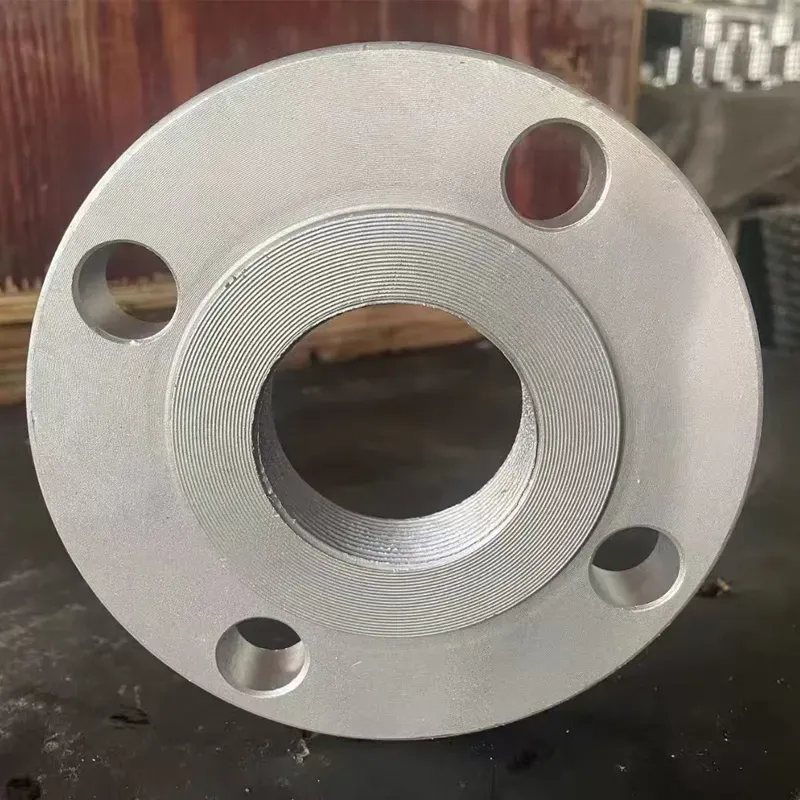
In fluid - transfer systems, the hose flange plays a vital role. Typically made from materials like stainless steel, brass, or durable plastics, a hose flange is designed to create a leak - proof connection between a hose and another component, such as a pipe or a fitting. For example, in industrial settings where hoses are used to transport chemicals or water, the hose flange ensures that the connection remains secure under pressure. Its structure often includes bolt - holes or clamping mechanisms that allow it to be tightly fastened, preventing any unwanted spills or leaks that could pose safety risks or lead to inefficiencies in the system. The flange's surface finish and sealing capabilities are also key, as they contribute to the overall reliability of the hose connection.
Hydrant flanges are essential components in fire hydrant systems. These flanges are engineered to withstand high - pressure water flow, which is crucial in emergency firefighting situations. Usually constructed from robust metals like ductile iron or cast steel, hydrant flanges provide a secure connection between the hydrant body and the water supply pipes. Their design ensures that when firefighters connect hoses to the hydrant, the connection can handle the intense pressure of the water being released. The flanges are often coated or treated to resist corrosion, as they are frequently exposed to the elements. A well - maintained hydrant flange is not only necessary for the proper functioning of the hydrant but also for the safety of communities, as it enables a reliable water source during fires.
In hydraulic systems, where high - pressure fluids are used to transmit power, hydraulic flanges are indispensable. These flanges are designed to handle extreme pressures and temperatures, ensuring the seamless operation of hydraulic machinery. Made from high - strength alloys, hydraulic flanges provide a rigid connection between hydraulic pipes, cylinders, and other components. Their precision - engineered surfaces create tight seals, preventing fluid leakage that could lead to a loss of power or damage to the system. For instance, in heavy - duty construction equipment or industrial manufacturing machinery, hydraulic flanges maintain the integrity of the hydraulic system, allowing for efficient and reliable operation. Regular inspection and maintenance of hydraulic flanges are essential to prevent failures and ensure the safety of operators and the equipment.
In the realm of household plumbing, the kitchen sink drain flange is a small but important part of the drainage system. Positioned at the bottom of the sink basin, this flange forms a connection between the sink and the drainpipe. It is typically made of materials like stainless steel, plastic, or brass, and its primary function is to create a watertight seal to prevent water from leaking out of the sink and onto the floor. The flange also holds the sink strainer in place, which catches food scraps and other debris, preventing them from clogging the drain. A properly installed and maintained kitchen sink drain flange is essential for the efficient drainage of water from the sink, helping to avoid unpleasant odors and costly plumbing issues.
The kitchen sink flange serves as a support and sealing element for the entire sink installation. It is the part that attaches the sink to the countertop or cabinet. Made from materials that can withstand moisture and regular use, such as stainless steel or durable plastics, the kitchen sink flange provides stability to the sink, preventing it from shifting or wobbling. Additionally, it creates a seal between the sink and the countertop, preventing water from seeping underneath and causing damage to the cabinetry. The design of the kitchen sink flange often includes a gasket or rubber seal to enhance the waterproofing, ensuring a long - lasting and reliable sink installation.
Selecting the appropriate flange depends on several factors. First, consider the type of fluid or gas being transferred, as different materials are suitable for different substances. For example, if dealing with corrosive chemicals, a flange made of stainless steel or a specialized alloy may be required. Second, assess the operating pressure and temperature of the system, as flanges are rated for specific pressure and temperature ranges. Additionally, the size and shape of the components being connected, as well as the installation method (bolted, welded, etc.), should also be taken into account. Consulting with a professional or referring to industry standards can help in making the right choice.
Common signs of flange damage include visible leaks around the connection, corrosion on the flange surface, and abnormal vibrations or noises in the system. Leaks can indicate a worn - out gasket or a damaged flange face, while corrosion may weaken the flange over time. Vibrations and noises could suggest that the flange is loose or that there are issues with the alignment of the connected components. Regular inspection of flanges is important to detect these signs early and prevent more serious problems from occurring.
To ensure the long - term use of flanges, regular maintenance is key. This includes cleaning the flanges regularly to remove dirt, debris, and any corrosive substances. Inspecting the gaskets and bolts for wear and tear and replacing them as needed is also crucial. In addition, applying protective coatings or lubricants, depending on the type of flange and its operating environment, can help prevent corrosion and ensure smooth operation. Following the manufacturer's guidelines for maintenance and replacement intervals will help keep flanges in good working condition.
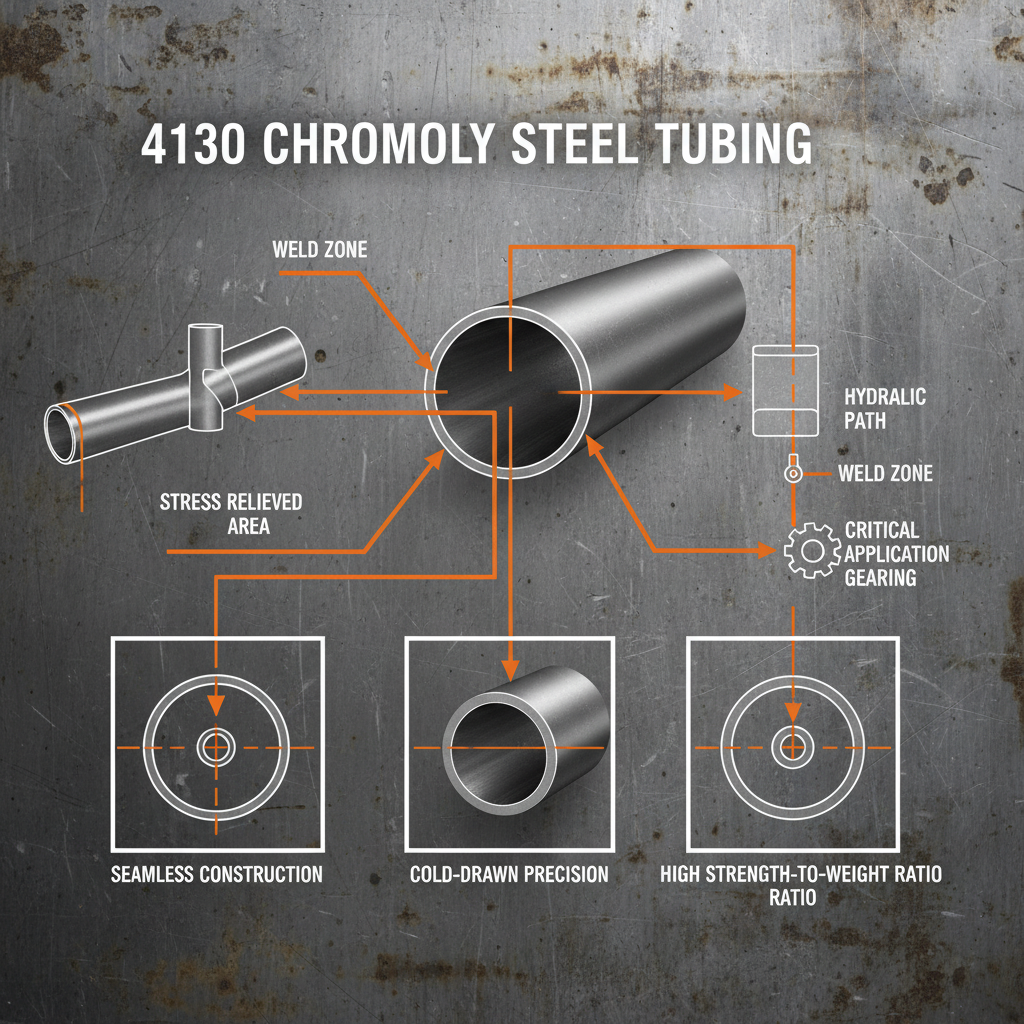
Ultimate Guide to 4130 Tubing Strength Performance and Applications
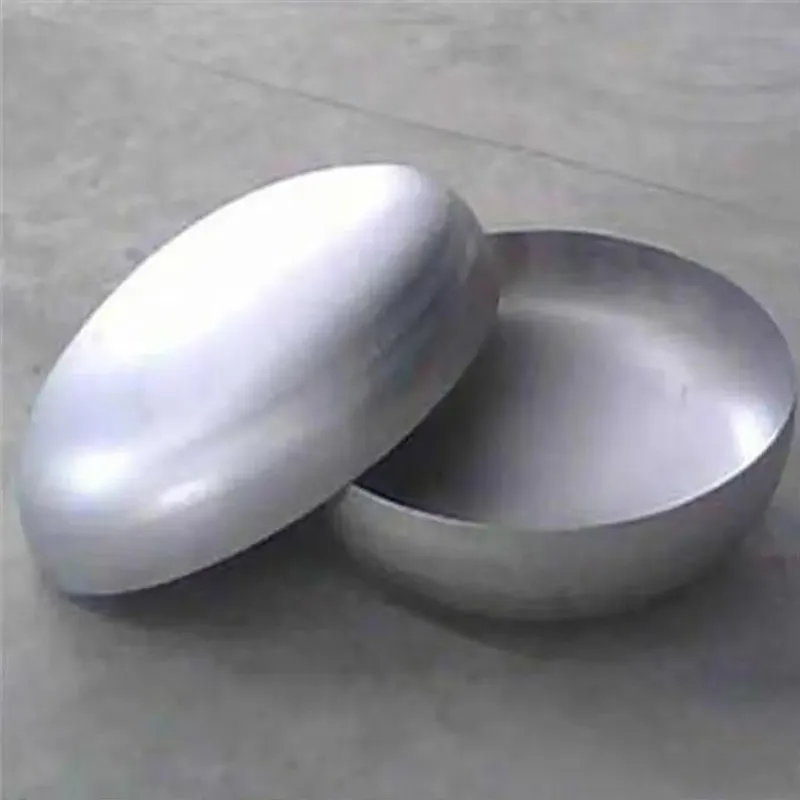
Pipe Cap-Cangzhou Lion Technology Co., Ltd.|Enhancing System Efficiency&Durability
Pipe Cap-Cangzhou Lion Technology Co., Ltd.|Enhancing System Efficiency&Durability
Pipe Cap-Cangzhou Lion Technology Co., Ltd.|Enhancing System Efficiency&Durability
Pipe Cap-Cangzhou Lion Technology Co., Ltd.|Enhancing System Efficiency&Durability
Pipe Cap-Cangzhou Lion Technology Co., Ltd.|Enhancing System Efficiency&Durability