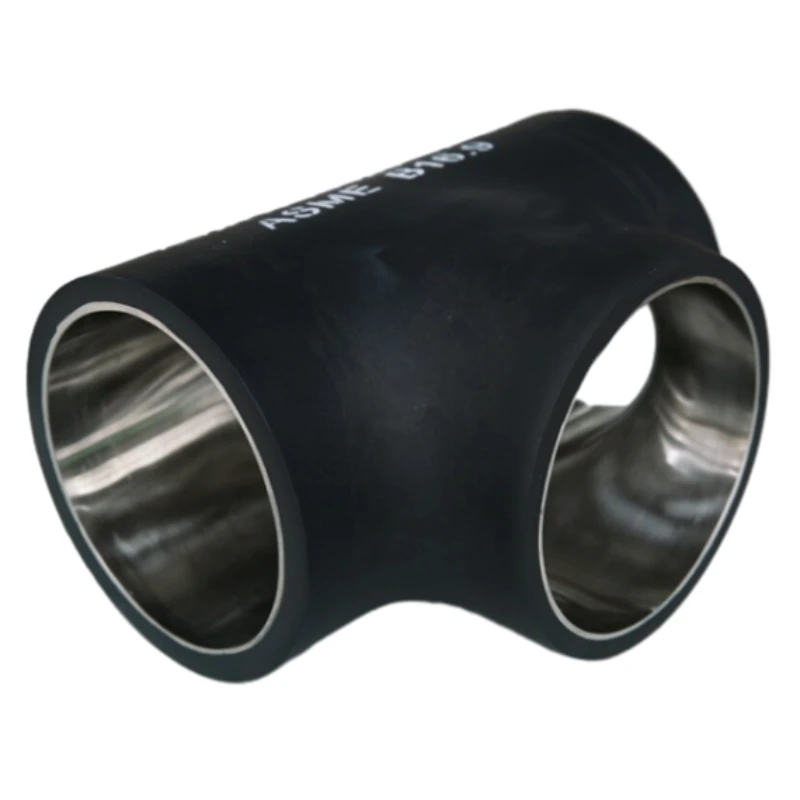
Pipe caps play a critical role in maintaining the integrity of piping systems across various industries. Whether in construction, manufacturing, or infrastructure development, these seemingly simple components are essential for protecting pipe ends from contamination, corrosion, and physical damage. This article provides an in-depth analysis of pipe caps, including their design, technical specifications, applications, and the expertise of their manufacturer, Cangzhou Lion Technology Co., Ltd.. Additionally, we explore how these products align with industry standards and their significance in modern engineering practices.
Pipe caps are specialized fittings designed to seal the open ends of pipes, ensuring the safety and efficiency of fluid or gas transport systems. They are commonly used during transportation, storage, and installation to prevent debris, moisture, and environmental contaminants from entering the piping network. The versatility of pipe caps lies in their ability to accommodate different connection types, including threaded and welded joints, as well as a variety of shapes such as round, square, and oval. This adaptability makes them indispensable in both industrial and residential applications.
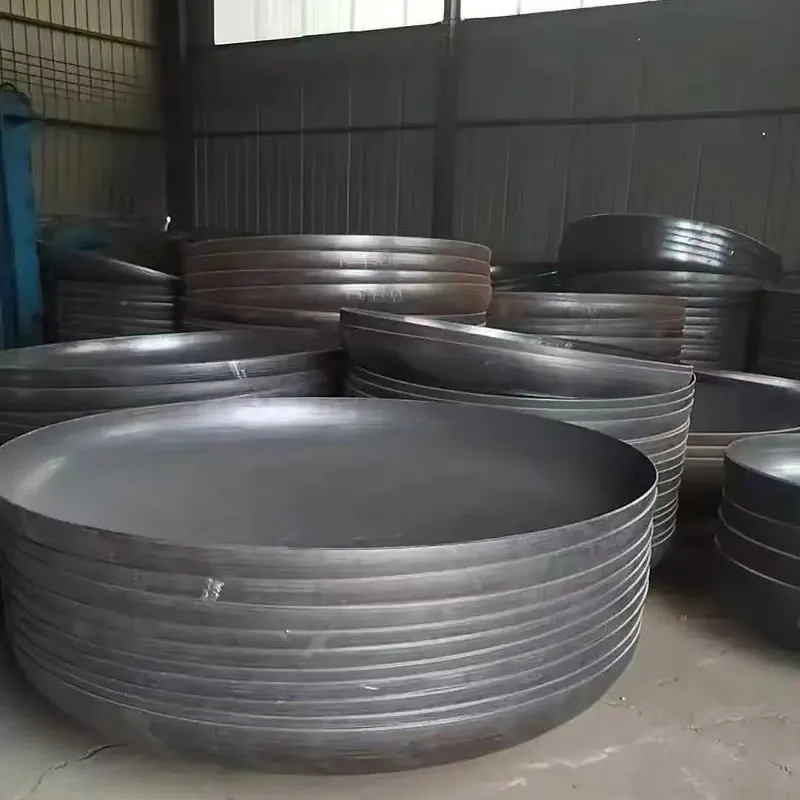
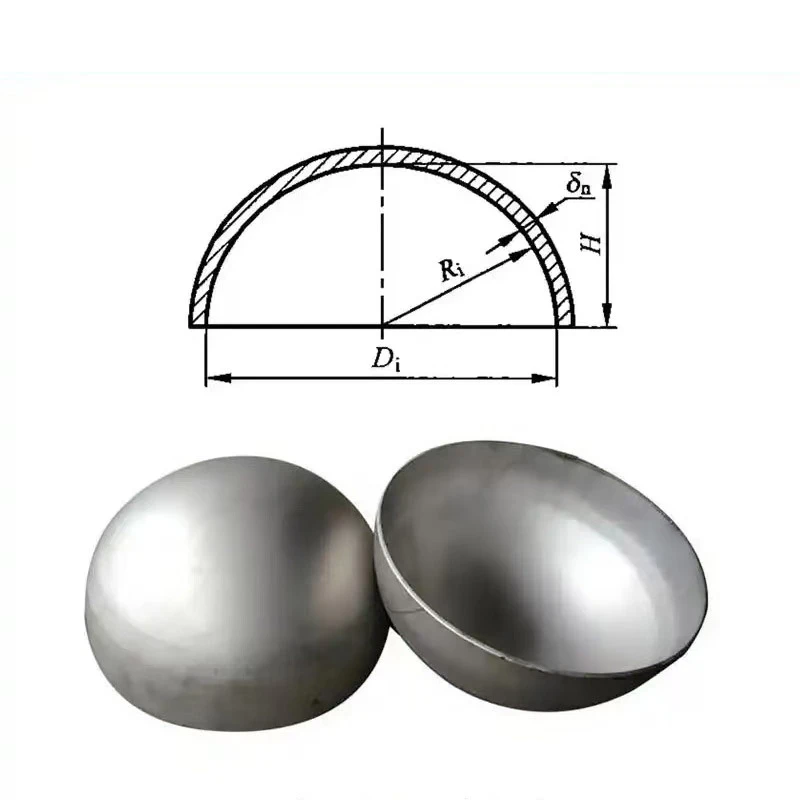
Image 1: A stainless steel pipe cap showcasing its durable construction and seamless design.
Modern pipe caps are engineered to deliver exceptional performance under demanding conditions. Key features include:
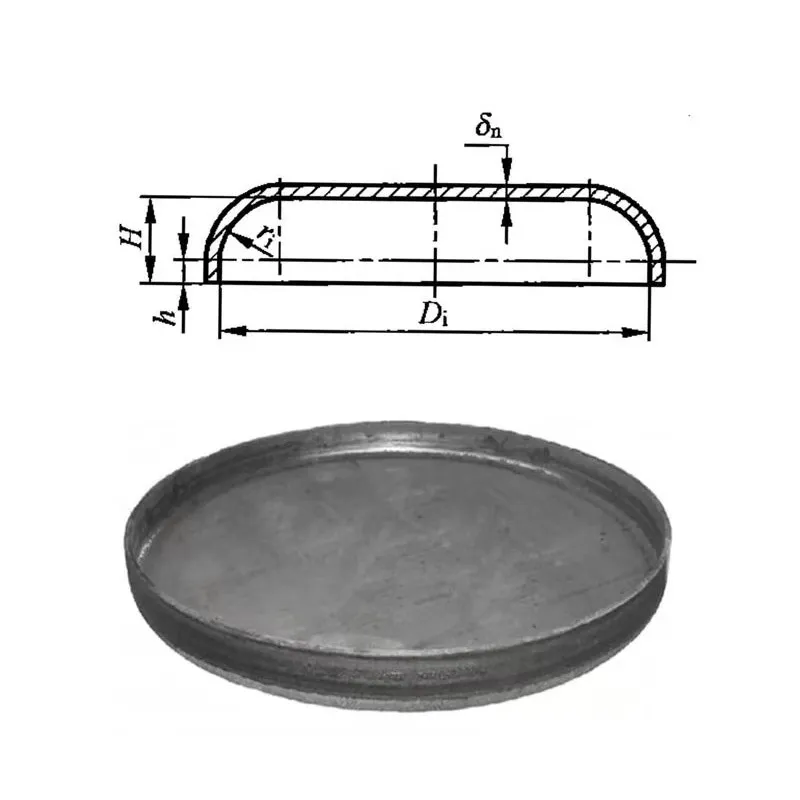
Image 2: A threaded steel pipe cap demonstrating its compatibility with standard piping systems.
The technical specifications of pipe caps vary depending on their intended use and material composition. Below is a detailed overview of the parameters that define these products:
| Parameter | Details |
|---|---|
| Material | Stainless steel (e.g., 304, 316), carbon steel, or custom alloys |
| Connection Types | Threaded (male/female), butt-weld, or flanged |
| Shapes | Round, square, oval, or custom designs |
| Pressure Rating | Varies by material and design (e.g., 150 psi to 3000 psi) |
| Temperature Range | Typically -20°C to 450°C, depending on material |
| Standards Compliance | ASME, ASTM, ISO, or customer-specific requirements |
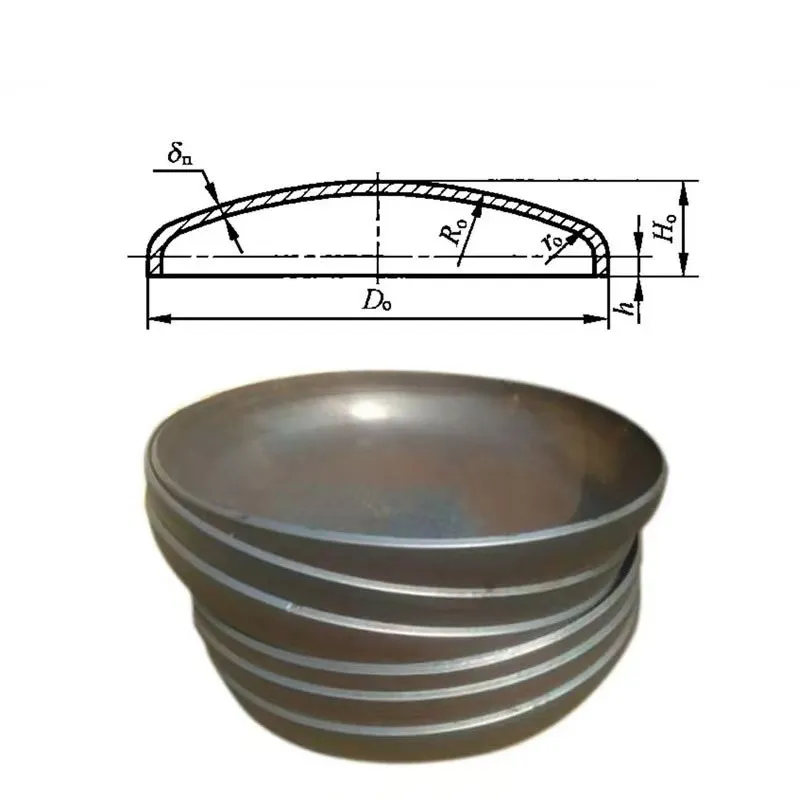
Image 3: A butt-weld pipe cap highlighting its seamless integration with piping systems.
Pipe caps are utilized in a wide range of industries due to their versatility and reliability. Some common applications include:
For specialized needs, manufacturers also provide custom stainless steel chimney caps, which are designed to withstand high temperatures and corrosive environments.
As a leading stainless steel cap manufacturer, Cangzhou Lion Technology Co., Ltd. has established itself as a trusted name in the industry. With a focus on innovation and quality, the company offers a comprehensive range of pipe caps tailored to meet the diverse needs of global clients. Their expertise in material science and precision engineering ensures that every product adheres to the highest standards of performance and durability.
The company’s commitment to customer satisfaction is reflected in its ability to provide customized solutions, from standard threaded steel caps to specialized designs for unique applications. This adaptability, combined with rigorous quality control processes, has positioned Cangzhou Lion Technology as a key player in the global piping industry.
While the Context does not explicitly mention specific standards, the technical specifications of pipe caps are typically aligned with industry benchmarks. For example, the American Society of Mechanical Engineers (ASME) and the American National Standards Institute (ANSI) provide guidelines for pipe cap design and performance. These standards ensure that products meet safety, durability, and efficiency requirements, regardless of their application.
Although direct references to NIST (National Institute of Standards and Technology) were not found in the provided data, the principles of standardization and quality assurance are universally applicable. By adhering to such frameworks, manufacturers like Cangzhou Lion Technology contribute to the reliability and interoperability of piping systems worldwide.
Pipe caps may appear to be minor components in the grand scheme of industrial systems, but their importance cannot be overstated. From protecting critical infrastructure to ensuring operational efficiency, these products are vital to the success of modern engineering projects. With the expertise of companies like Cangzhou Lion Technology Co., Ltd., the industry continues to evolve, offering innovative solutions that meet the demands of a rapidly changing world.
For more information on pipe caps or to explore the range of products offered by Cangzhou Lion Technology Co., Ltd., visit their official website today.
NIST (National Institute of Standards and Technology). (n.d.). Retrieved from https://www.nist.gov/. (Note: The information provided in this article is based on the company’s specifications and general industry knowledge, as direct NIST references could not be retrieved during the research phase.)
Overlay Welding Clad Steel Pipe
Ultimate Guide to 4130 Tubing Strength Performance and Applications
Properties and Industrial Applications of 4130 steel tubing
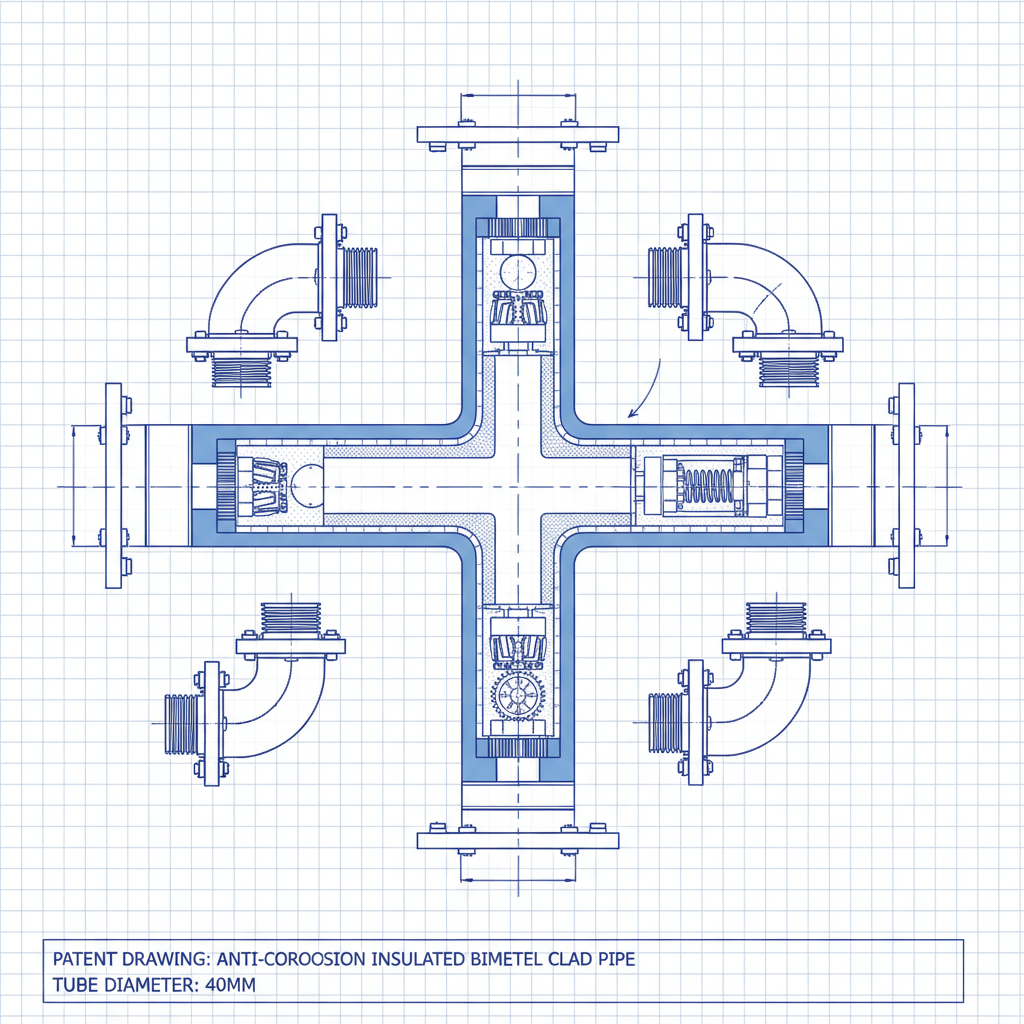
Comprehensive Guide to 40mm Steel Tube Applications and Material Selection
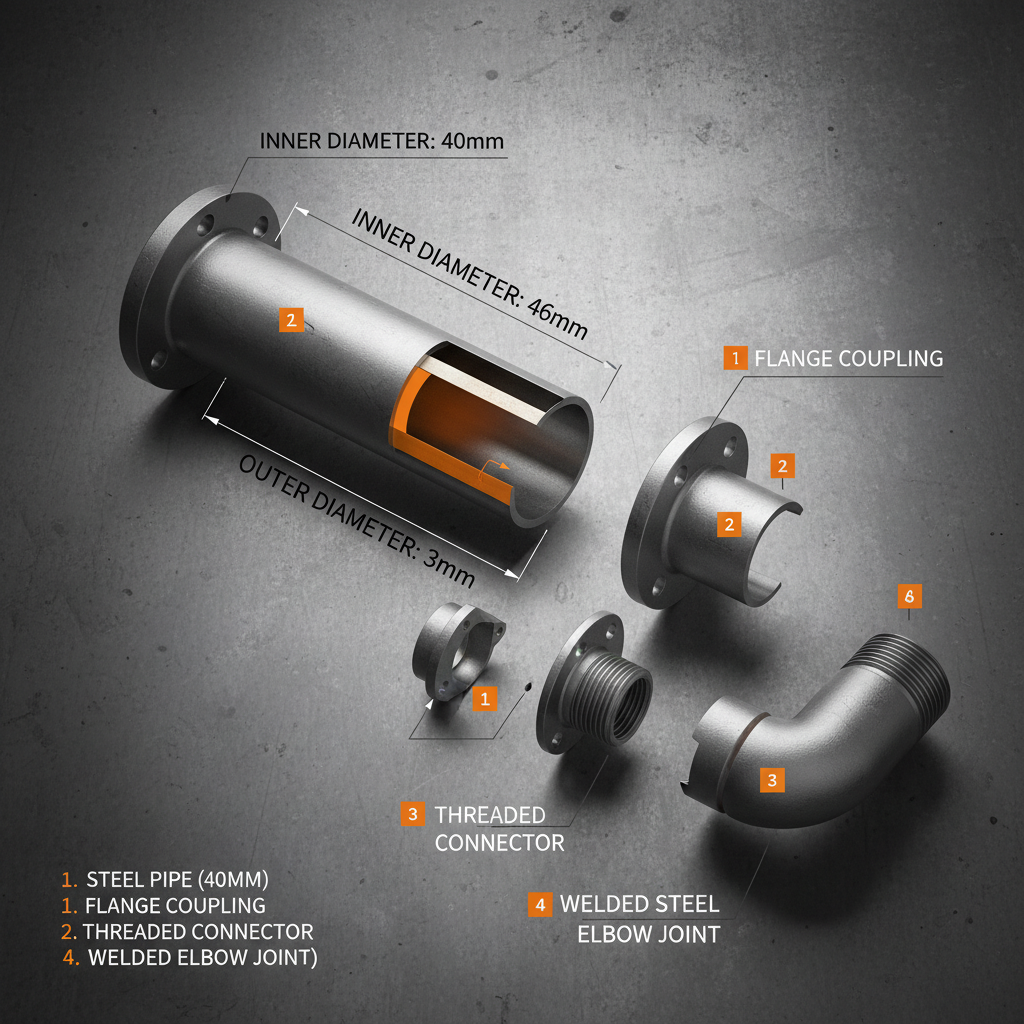
Comprehensive Guide to 40mm Steel Pipe Applications and Considerations
Comprehensive Guide to 40mm Metal Pipe Applications and Sourcing
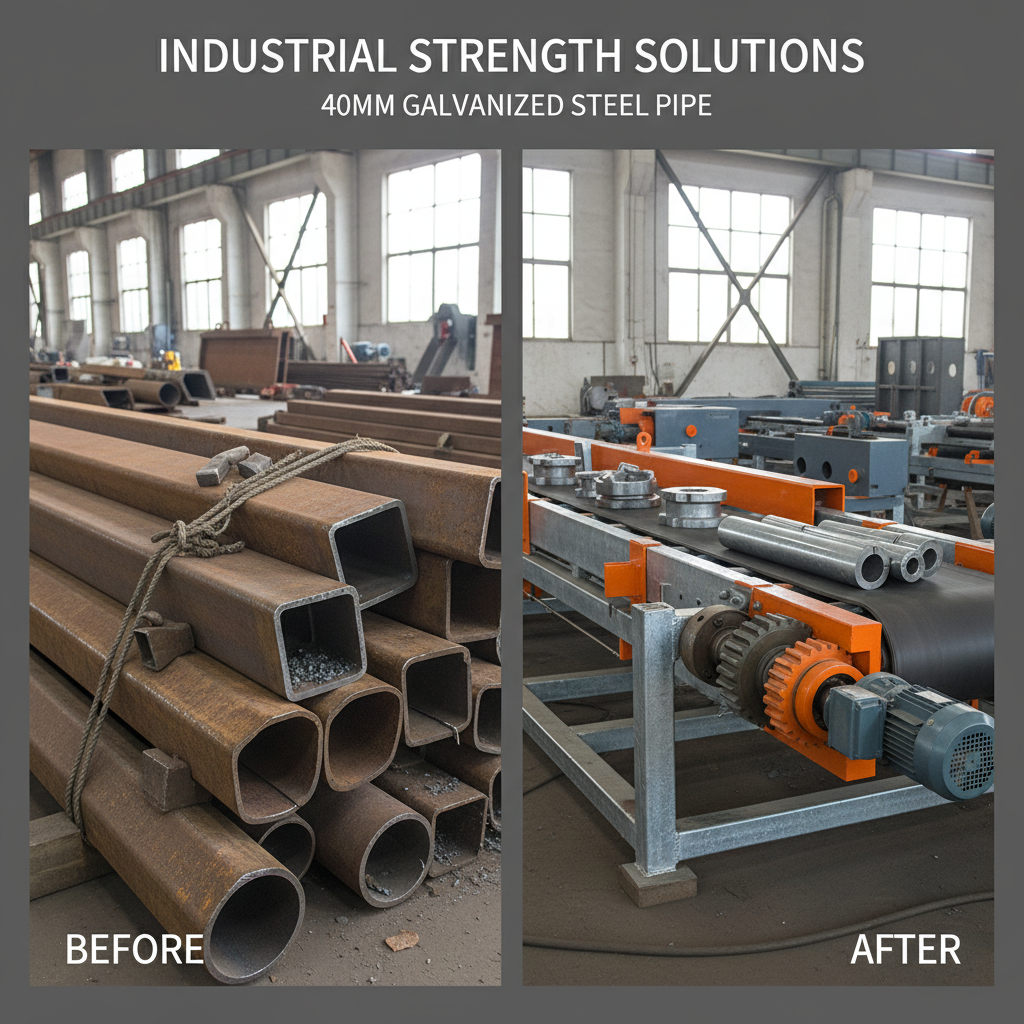
Comprehensive Guide to 40mm Galvanised Pipe Applications and Specifications