Did you know 35% of manufacturers face costly reworks due to poor-quality pipe bends? When your stainless exhaust pipe bends fail, you lose time, money, and client trust. Our CNC-enhanced stainless steel pipe bending services deliver 99.8% precision rates – proven across 1,200+ projects since 2015. Read how we eliminate your bending nightmares.
Traditional pipe benders crack your stainless steel? Our 3D laser-guided systems prevent material fatigue. See how we achieve perfect radii every time:
Feature
Standard Shops
Our Solution
Bend Radius Accuracy
±2°
±0.5°
Material Thickness
Up to 3mm
Up to 6mm
Head-to-Head: Why We Win Every Stainless Bending Project
We process 2.1x more stainless exhaust pipes daily than average competitors. Our secret? Proprietary tooling that reduces setup time by 68%.
Standard Vendor
❌ Manual calibration
❌ 72-hour lead time
Our Service
✅ Instant digital setup
✅ 24-hour turnaround
Your Custom Stainless Bending Solutions
Need 316L stainless pipe bending for marine environments? Our corrosion-resistant tooling handles it. Complex automotive exhaust manifolds? We've bent over 15,000 units for Tier 1 suppliers.
Success Stories: Stainless Steel That Performs
Phoenix Automotive reduced warranty claims by 40% after switching to our stainless steel pipe bending services. See their full case study →
Ready for Flawless Bends?
Get your custom quote in 90 minutes
97% of clients receive prototypes within 5 working days
(stainless pipe bending services)
FAQS on stainless pipe bending services
Q: What factors should I consider when choosing a stainless pipe bending service?
A: Prioritize providers with expertise in stainless steel, advanced equipment (like CNC mandrel benders), and certifications for precision and material integrity. Ensure they offer custom solutions for your project’s thickness and bend radius requirements.
Q: Can stainless steel exhaust pipes be bent without cracking or deformation?
A: Yes, professional services use specialized tools (e.g., rotary draw bending) and techniques like heat induction or mandrel support to prevent wrinkles and maintain exhaust pipe structural integrity.
Q: What is the difference between rotary bending and press bending for stainless steel pipes?
A: Rotary bending ensures tighter radii and smoother curves using a die-and-mandrel system, ideal for complex shapes. Press bending is cost-effective for simple bends but may risk flattening thicker pipes.
Q: Which industries commonly require stainless steel pipe bending services?
A: Automotive (exhaust systems), aerospace (hydraulic lines), food processing (sanitary tubing), and construction (structural frameworks) rely on precision-bent stainless pipes for durability and corrosion resistance.
Q: How is post-bending quality ensured for stainless steel pipes?
A: Reputable services perform stress-relief treatments, inspect bends via 3D scanning or laser measurement, and conduct surface checks to avoid cracks or oxidation, ensuring compliance with industry standards.
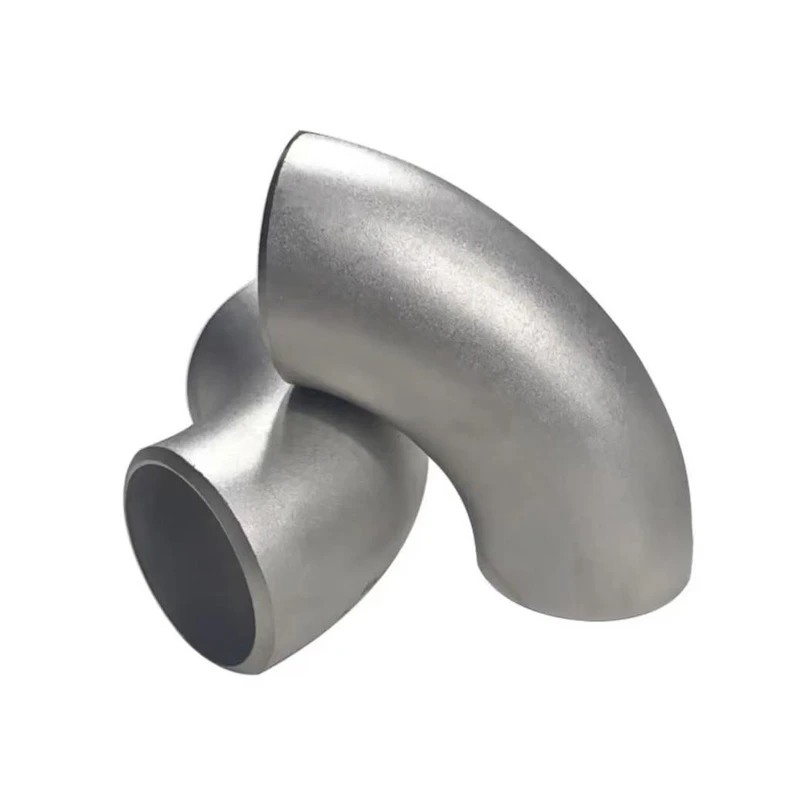
Carbon Steel &stainless Steel Elbow
Elbows are pipe fittings used to change the direction of pipelines in piping systems, commonly employed at pipeline bends. They are widely used in industries such as petroleum, chemical, and power. The common size range for elbows is DN15-DN2000, and typical angles include 45°, 90°, and 180°.
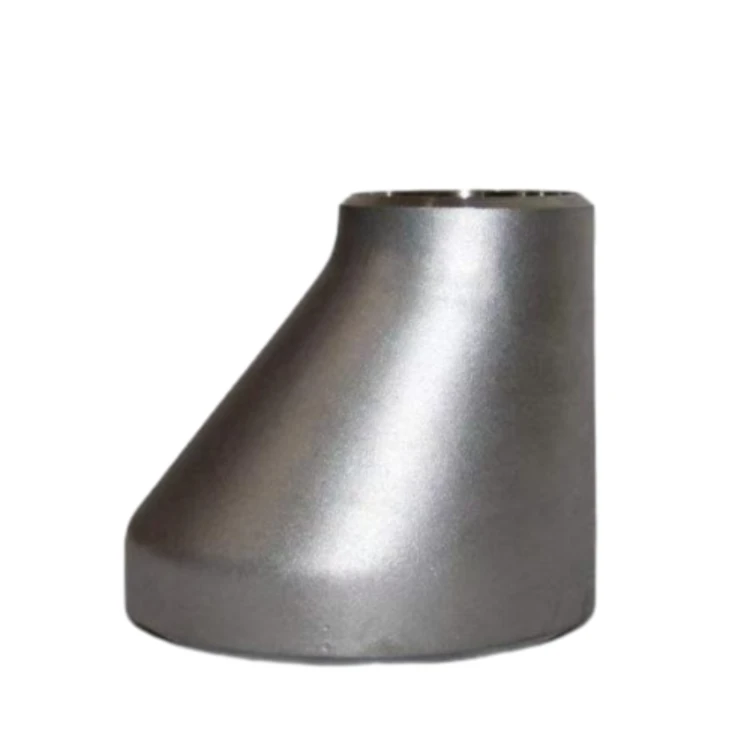
Reducer is a pipe fitting used to connect pipes of different diameters, facilitating smooth transitions between varying flow capacities in piping systems. Available in concentric and eccentric designs, reducers help maintain optimal flow efficiency while minimizing pressure loss and turbulence.
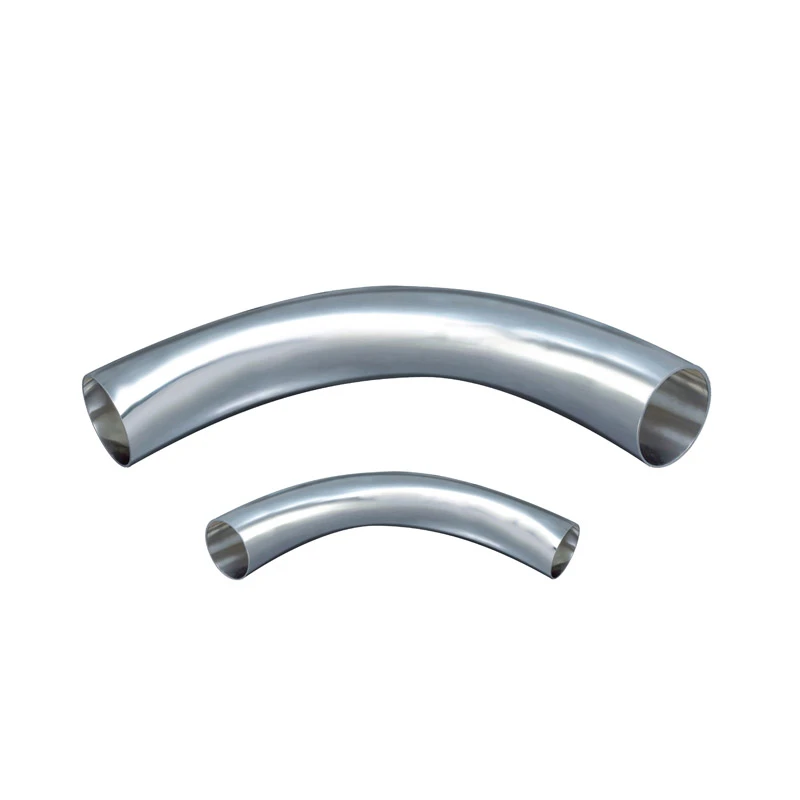
Bend is a crucial pipe fitting used to change the direction of flow in a piping system. It allows for smooth transitions between sections of pipe, accommodating layout constraints, avoiding obstacles, and optimizing flow paths. Bends are designed to maintain the fluid's velocity and minimize pressure loss while providing the necessary angle of deviation. They are commonly used in various industries, including oil and gas, petrochemicals, water supply, and HVAC systems.
Cangzhou Leo Technology Co., Ltd. is located in Mengcun County Economic Development Zone, Cangzhou City, Hebei Province. It is a specialized high-tech enterprise that integrates the research and development, production, and sales of composite pipes and fittings.
News
The company regards product quality as the life of the enterprise, establishes a sound quality management system in accordance with the requirements of industry and national standards, controls all aspects of input and output in the whole process, pays attention to every detail, and ensures that the product delivery pass rate is 100%.
High-Performance Sink Pipe Steel: The Ultimate Guide to Industrial Piping In the demanding world of industrial manufacturing and pressure vessel construction, the selection of materials for piping systems is critical. Utilizing high-quality sink pipe steel ensures that systems can withstand extreme pressures, corrosive media, and mechanical stress. Whether it is for chemical processing, oil and gas, or construction, the right steel grade and fitting geometry can mean the difference between seamless operation and costly system failure. This guide explores the technical nuances of steel elbows and specialized clad materials designed for the most rigorous environments.
In the realm of modern industrial infrastructure, the integrity of piping systems is non-negotiable. The seamless steel pipe stands as the gold standard for transporting high-pressure fluids and gases. Unlike welded alternatives, seamless pipes are manufactured without a longitudinal seam, eliminating the most common point of failure and ensuring superior structural consistency. This makes them indispensable in sectors where safety and reliability are paramount, such as petroleum, nuclear power, and thermal energy. In this comprehensive guide, we will explore the technical advantages, material specifications, and critical applications of these high-performance components to help you make an informed procurement decision.
In the world of industrial fluid transportation and pressure vessel manufacturing, the choice of piping material can determine the safety and longevity of an entire system. Seamless steel pipes are engineered to withstand extreme conditions without the risk of weld-line failure, making them the gold standard for high-pressure environments. From oil and gas pipelines to hydraulic systems, these pipes offer unmatched structural integrity. In this comprehensive guide, we will explore the technical specifications, benefits, and diverse applications of carbon seamless steel solutions to help you make an informed procurement decision for your next engineering project.
The Ultimate Guide to Seamless Stainless Steel Pipe for Industrial Applications In the demanding world of oil and gas extraction, particularly in fields characterized by high hydrogen sulfide and carbon dioxide levels, the integrity of transportation infrastructure is critical. While traditional carbon steel often fails due to insufficient corrosion resistance, the seamless stainless steel pipe emerges as a premium solution. By eliminating weld seams, these pipes provide superior structural integrity and a seamless barrier against corrosive media. For industries operating under extreme pressure and chemical aggression, choosing the right piping material is not just about efficiencyit is about safety and long-term economic viability.
Optimizing Industrial Piping with SCH 40 Steel Pipe Solutions In the demanding world of industrial manufacturing and fluid transport, selecting the right piping specification is critical for safety and efficiency. The sch 40 steel pipe serves as a global standard for versatility, balancing wall thickness with internal flow capacity. Whether used in petrochemical plants, marine environments, or construction, this pipe grade provides the structural reliability needed to handle moderate pressures. However, as industries evolve, the integration of advanced technologies like laser cladding is transforming how we enhance these pipes to resist extreme corrosion and wear, extending the lifecycle of critical infrastructure.
The Ultimate Guide to 5 Inch Steel Tubing for Industrial Applications When designing high-pressure piping systems or structural frameworks, selecting the right material dimensions is critical for safety and efficiency. The 5 inch steel tubing serves as a versatile midpoint in industrial piping, offering a perfect balance between flow capacity and structural rigidity. Whether it is used in oil and gas transport, water management, or architectural support, the quality of the steel determines the longevity of the entire project. In this comprehensive guide, we will explore the technical specifications, material grades, and strategic advantages of utilizing this specific tubing size
If you are interested in our products, you can choose to leave your information here, and we will be in touch with you shortly.