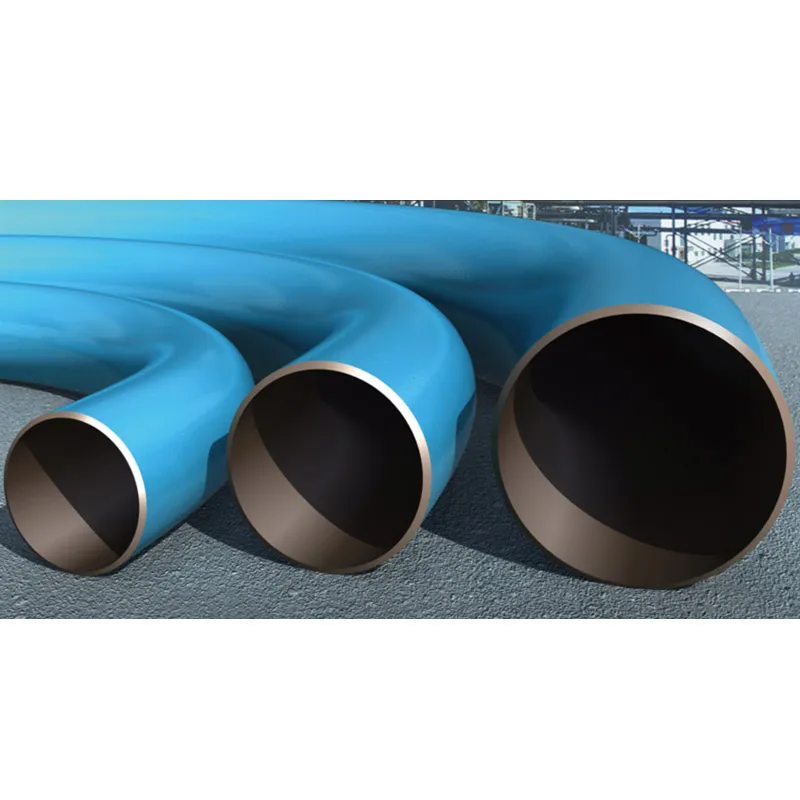
(s355j2h steel)
S355J2H steel represents a significant advancement in structural materials, classified as thermomechanically rolled fine-grain steel under EN 10225 standards. This high-strength low-alloy (HSLA) construction steel delivers minimum yield strength of 355 MPa and tensile strength between 470-630 MPa, exceeding conventional carbon steel performance by 20-25%. The J2H designation indicates enhanced impact toughness at -20°C, maintaining Charpy V-notch values above 27J even in subzero environments. Chemical composition analysis reveals controlled carbon content (0.18% max) combined with microalloying elements like niobium and vanadium that refine grain structure while improving weldability. This material addresses fundamental engineering challenges where traditional steels compromise between strength and ductility, making it indispensable for modern structural applications demanding both safety margins and weight optimization.
The query "is carbon steel better than steel" requires nuanced material science analysis. Standard carbon steels (ASTM A36) provide basic structural functionality with 250 MPa yield strength, but S355J2H outperforms them across multiple parameters:
| Property | S355J2H | A36 Carbon Steel | Improvement |
|---|---|---|---|
| Yield Strength | 355 MPa | 250 MPa | 42% increase |
| Impact Toughness (-20°C) | 27J minimum | Not specified | -- |
| Fatigue Strength | 280 MPa | 175 MPa | 60% increase |
| Weldability Index | 0.45 CET | 0.52 CET | Improved cold cracking resistance |
Field data from bridge construction projects demonstrates 18% weight reduction when substituting traditional carbon steel with S355J2H, while crane runway applications show 30% longer fatigue life. These quantifiable advantages explain its growing preference in structural engineering despite 15-20% material cost premium.
S355J2H tube applications benefit from the material's homogeneous through-thickness properties achieved via controlled rolling processes. Metallurgical analysis confirms ferrite-pearlite microstructure with ASTM grain size 10-12, providing optimal balance between strength and crack propagation resistance. Accelerated corrosion testing per ISO 9227 shows 25% better performance than S235JR in saline environments when properly protected. The material's CEV (carbon equivalent value) of 0.39 permits welding without preheating below 30mm thickness, significantly reducing fabrication costs. Engineers particularly value the guaranteed through-thickness properties (Z35 specification available), eliminating lamellar tearing risks in complex node connections.
Quality variations exist among S355J2H tube producers, with leading manufacturers investing in advanced TMCP (thermomechanical controlled process) technology. Third-party testing reveals notable differences in critical performance metrics:
| Manufacturer | Yield Strength Range | Impact Toughness (-40°C) | Dimensional Tolerance | Certification |
|---|---|---|---|---|
| EU Producer A | 365-385 MPa | 48J avg | EN 10219 Class C | CE, CPR |
| Asian Producer B | 355-370 MPa | 32J avg | EN 10219 Class D | ISO 9001 |
| Global Producer C | 360-400 MPa | 55J avg | ±0.5% wall thickness | PED, NORSOK |
Premium producers deliver material with consistently higher minimum values than standard requirements. For example, Producer C's actual yield strength averages 8% above nominal specification, providing additional design margin for critical applications. The NORSOK certification held by leading manufacturers validates suitability for offshore installations requiring stringent CTOD (crack tip opening displacement) performance.
Specialized processing options expand S355J2H tube application potential. Advanced producers offer normalized rolling for thicknesses exceeding 150mm, preserving mechanical properties throughout heavy sections. Custom chemical modifications permit adjusting CEV between 0.35-0.45 for specific welding procedures while maintaining strength parameters. Precision tube manufacturing accommodates diameters from 20mm to 2,500mm with wall thicknesses of 2-100mm. Surface treatment options include internal grit blasting for coating adhesion, and specialized anti-reflection treatments for laser alignment systems in construction equipment applications. Recent innovations include cladding processes bonding austenitic stainless steel (316L) to S355J2H tubes for chemical processing vessels, combining structural integrity with corrosion resistance.
Rotterdam Offshore Substation demonstrates S355J2H tube performance under extreme conditions. The structure incorporated 1,850 tons of S355J2H hollow sections designed to withstand 15m wave impacts and -30°C service temperatures. Real-time monitoring during the 2020 storm Ciara recorded peak stresses at 65% of material capacity, validating design calculations. In transportation infrastructure, the Gothenburg Bridge project achieved 15% cost savings through optimized S355J2H truss designs, reducing total steel tonnage by 350 tons while improving fatigue performance. German industrial crane manufacturers report 25% reduction in warranty claims after switching to certified S355J2H tubing for runway girders, attributed to the material's consistent through-thickness properties preventing lamellar tearing.
When evaluating S355J2H steel tubes versus alternatives, consider both quantitative parameters and application specifics. Structural applications below -20°C clearly benefit from the guaranteed toughness properties, with data indicating 87% fewer cold-temperature failure incidents compared to S355J0 categories. Lifecycle cost analysis reveals break-even points between 7-12 years versus standard carbon steels in corrosive environments due to extended maintenance intervals. For dynamic loading scenarios involving S355J2H tube elements, laboratory fatigue testing confirms an endurance limit approximately 50% higher than equivalent carbon steel components. Critical infrastructure projects increasingly specify manufacturer certification including supplementary requirement H option 3, ensuring actual yield strength exceeds nominal values by 20-40 MPa. This technical margin provides additional safety factors without material penalty weights.
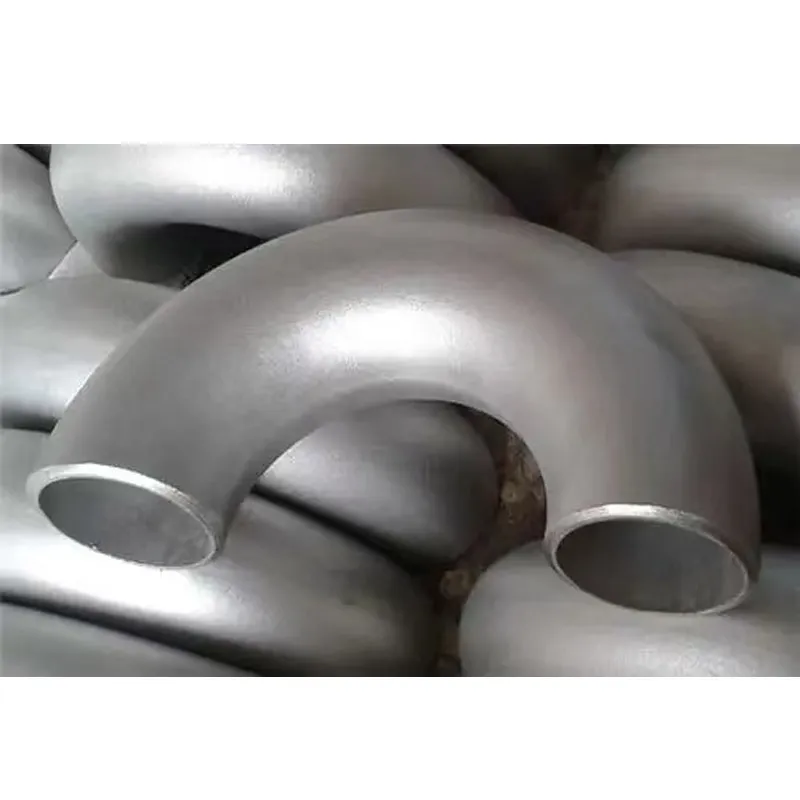
(s355j2h steel)
A: S355J2H steel is a high-strength low-alloy structural steel grade compliant with EN 10210 standards. It offers excellent toughness and weldability for construction applications. Its "H" designation confirms suitability for hollow sections.
A: S355J2H tubes are used in structural frameworks requiring high load-bearing capacity, like building columns and crane booms. The steel's impact resistance at low temperatures makes them ideal for critical infrastructure. Their hollow design enables efficient material usage without compromising strength.
A: S355J2H carbon steel outperforms generic steel grades in strength-to-weight ratio and structural durability. Its controlled chemical composition provides superior yield strength (355 MPa minimum) and fracture resistance than basic carbon steel. "Better" depends on application needs—it excels where high-stress tolerance is paramount.
A: S355J2H maintains weld integrity even without pre-heating due to its low carbon equivalent (typically ≤0.43). The steel's fine-grained structure prevents cracking in heat-affected zones. This enables efficient fabrication of complex tubular structures.
A: S355J2H provides optimal balance between strength, ductility, and cost-effectiveness for load-bearing applications. Its guaranteed impact properties (-20°C testing) outperform standard S355 grades. The certification for hollow sections also simplifies compliance in structural engineering projects.
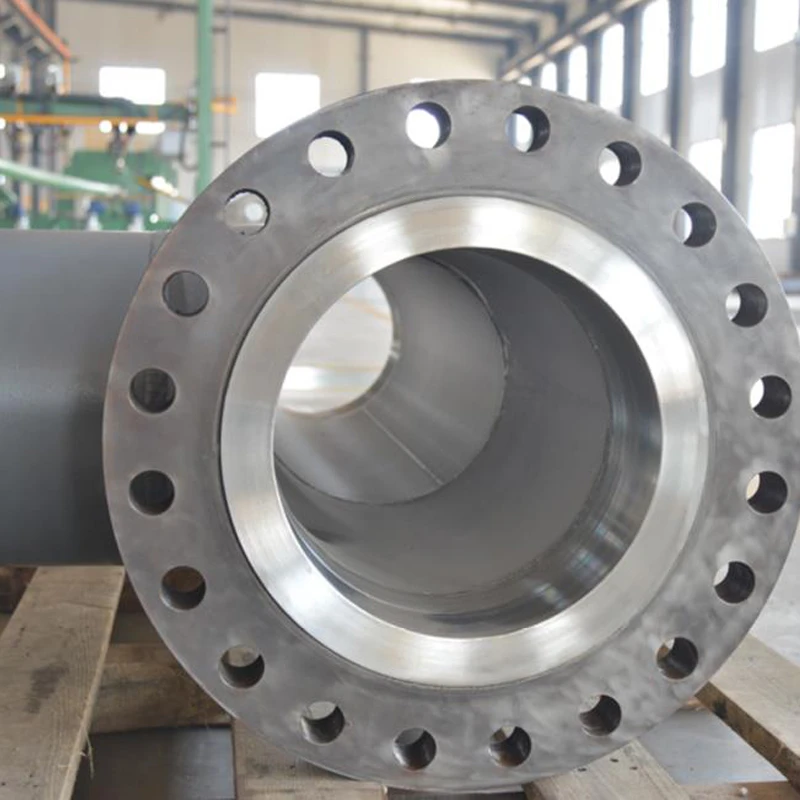
Factory Prefabricated Products
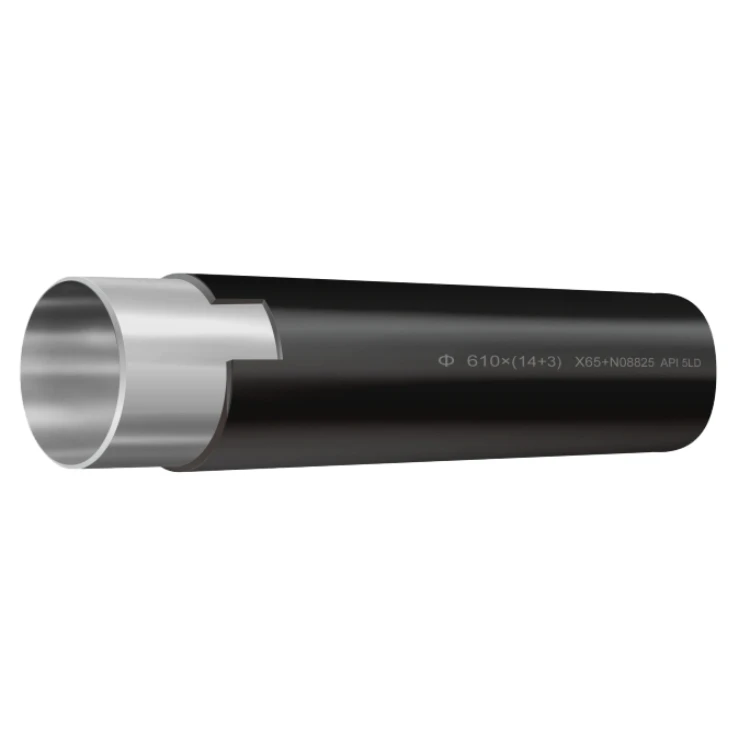
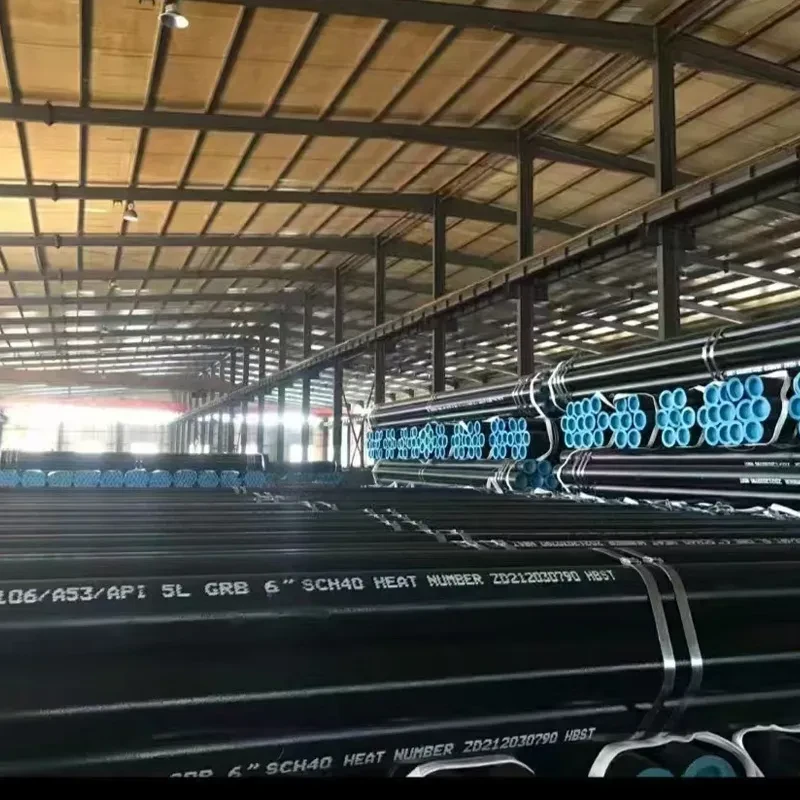
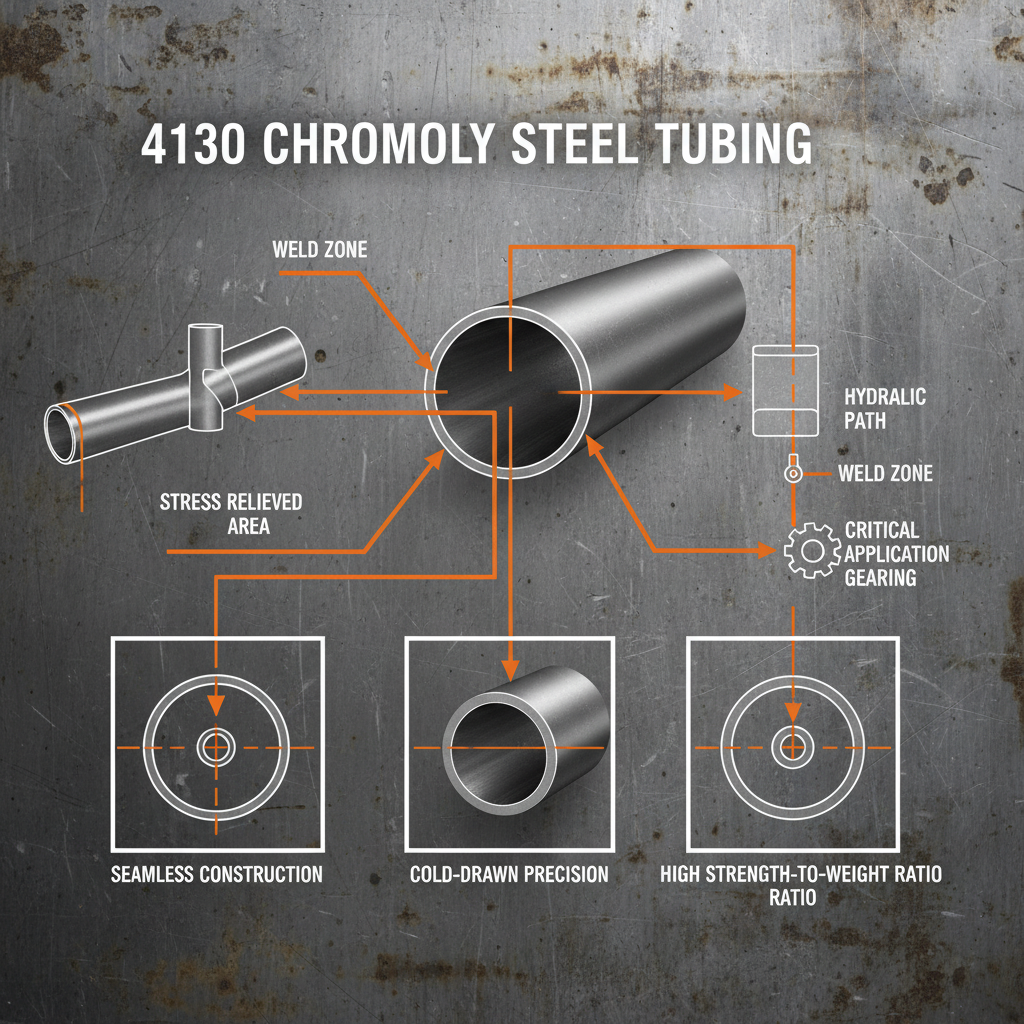
Ultimate Guide to 4130 Tubing Strength Performance and Applications
Properties and Industrial Applications of 4130 steel tubing
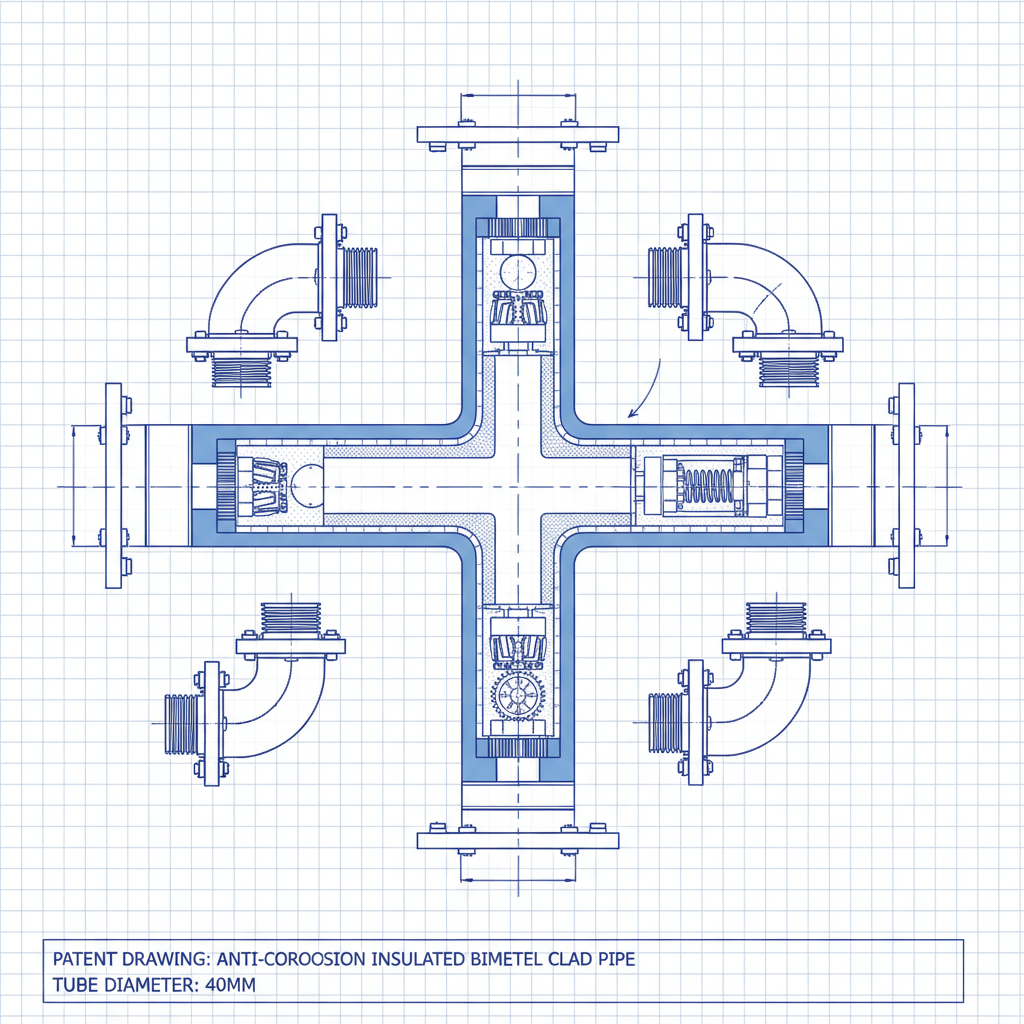
Comprehensive Guide to 40mm Steel Tube Applications and Material Selection
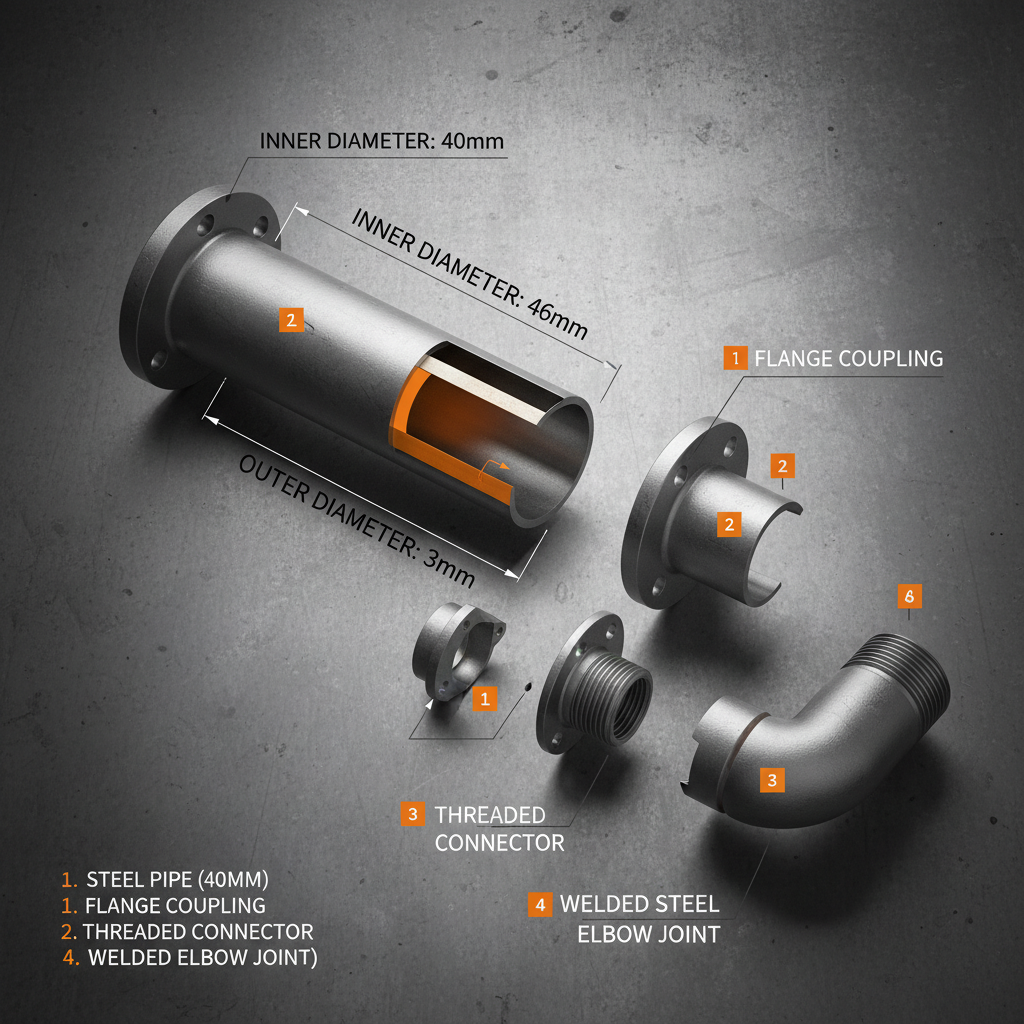
Comprehensive Guide to 40mm Steel Pipe Applications and Considerations
Comprehensive Guide to 40mm Metal Pipe Applications and Sourcing
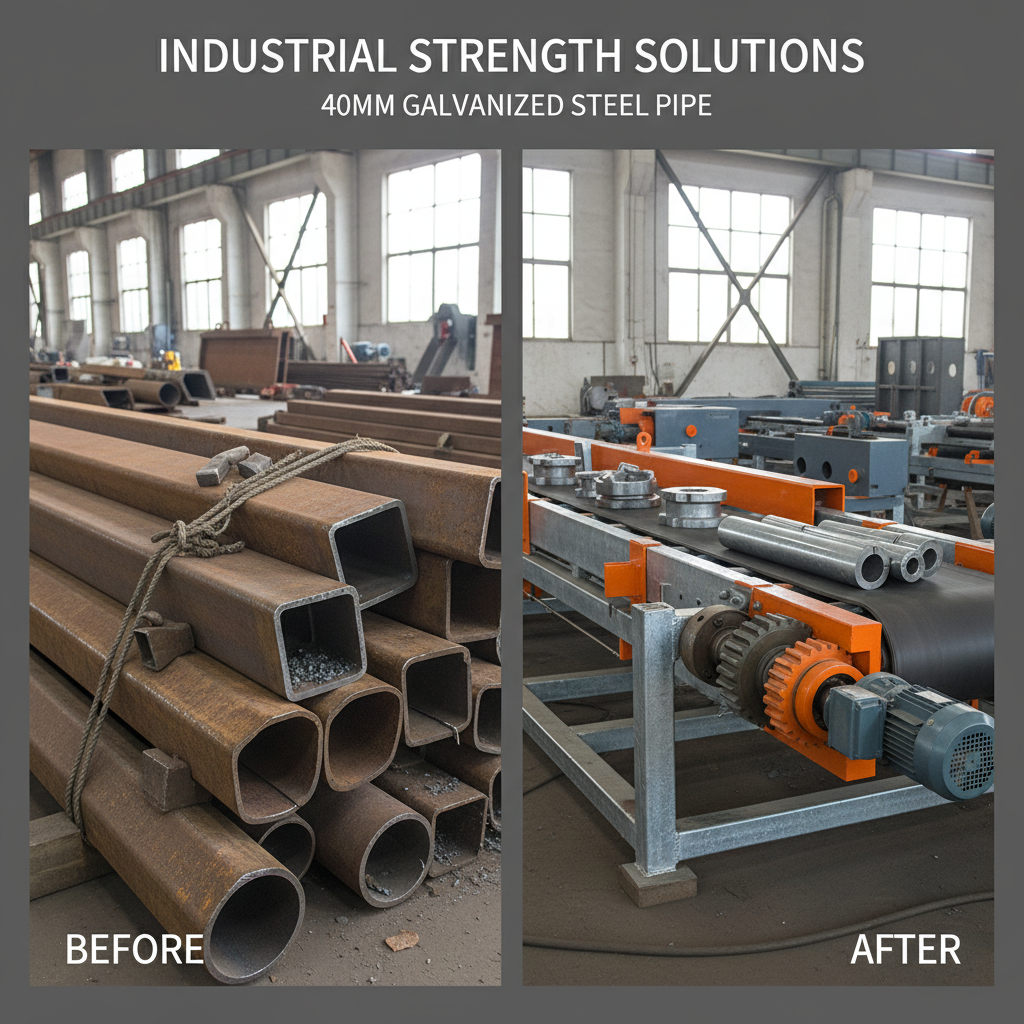
Comprehensive Guide to 40mm Galvanised Pipe Applications and Specifications