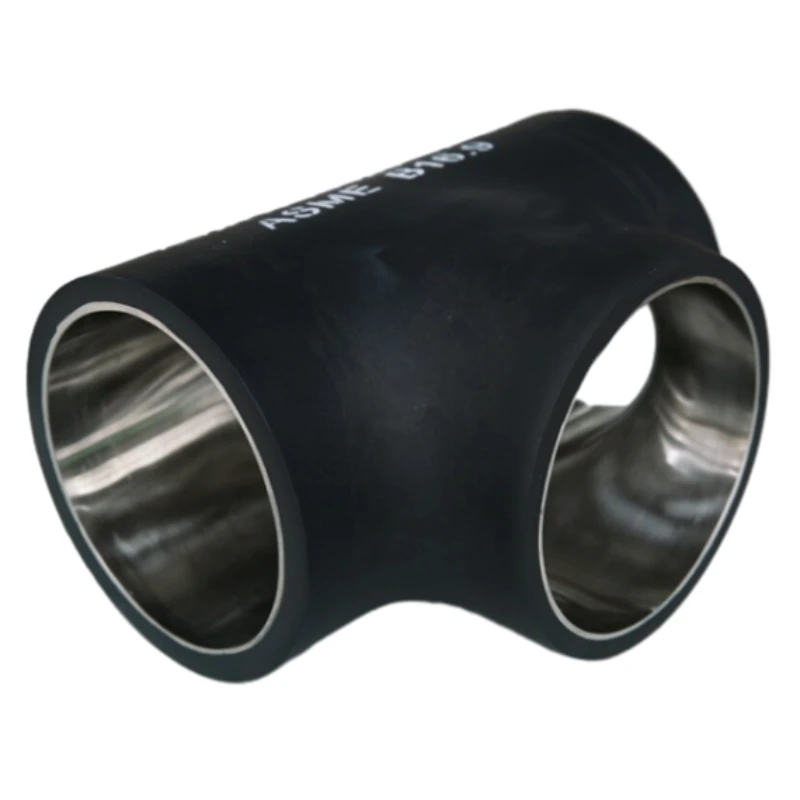
Having worked in the industrial equipment sector for over a decade, I can say there’s something genuinely dependable about the 3/4 inch metal pipe — its size strikes a great balance between durability and versatility. You often hear engineers debate larger diameters or fancy composites, but oddly enough, this size remains a staple across many industries.
The 3/4 inch metal pipe is kind of a “Goldilocks” dimension — not too big, not too small — making it ideal for everything from plumbing systems to structural frameworks. The material choices usually vary between carbon steel, stainless steel, and sometimes galvanized steel for corrosion resistance. I suppose one of the reasons it’s so trusted is that it’s been around long enough for us to understand exactly how it behaves under pressure and in different environments.
Speaking of materials, carbon steel pipes are often favored for their strength-to-weight ratio, while stainless steel versions are selected when corrosion resistance is paramount. It’s fascinating to note how metallurgy advancements have improved pipe longevity over time. For instance, the inclusion of molybdenum in certain stainless grades increases resistance to chlorides, something critical for chemical and marine applications.
Testing protocols for these pipes are quite rigorous. Standard procedures involve hydrostatic pressure tests and ultrasonic inspections to catch any internal defects. It may seem straightforward, but I’ve seen cases where a tiny imperfection in a weld can cause costly downtime — so quality assurance can never be skipped.
In real terms, the 3/4 inch pipe usually supports flow rates appropriate for small to medium-sized setups. It’s often found in water supply lines, gas distribution, and even heating systems. One longtime client I worked with recently mentioned how switching to a higher-grade 3/4 inch stainless pipe reduced their maintenance frequency drastically — they were pleasantly surprised by how much of a difference “just” upgrading material quality can make.
Customization remains a strong selling point. Whether you need precise lengths, special threading, or particular flange fittings, manufacturers nowadays cater quite well to specific job-site demands. You know, sometimes it’s the little tweaks that make installation faster and more secure.
| Specification | Details |
|---|---|
| Outer Diameter | 26.7 mm (1.05 inch) |
| Wall Thickness (schedule 40) | 3.91 mm (0.154 inch) |
| Material | Carbon Steel / Stainless Steel / Galvanized |
| Length | Standard 6 m / Custom cuts available |
| Pressure Rating | Up to 150 psi (varies by material and schedule) |
| Common Uses | Water, gas lines, structural supports, HVAC |
Let’s briefly glance at how a few vendors stack up in terms of offerings — it’s always wise to compare before buying, even if the specs look similar on paper.
| Vendor | Material Options | Customization | Price Range | Notes |
|---|---|---|---|---|
| Lion Pipeline | Carbon, Stainless, Galvanized | Length cuts, threading, coatings | $$$ (mid-range) | Strong quality control, good lead times |
| SteelPro Supplies | Carbon Steel mainly | Standard cuts only | $ (budget) | Lower cost, less customization |
| Prime Metals | Stainless Steel specialized | Full custom fabrication services | $$$$ (premium) | High-end, suited for critical uses |
In my experience, choosing the right supplier and pipe quality can be the difference between smooth project execution and untold headaches down the line. Frankly, I’ve always advised clients to avoid cutting corners here. It feels like a small investment for big peace of mind, especially when pipes serve as the backbone for critical systems.
All in all, if your project involves fluids, gases, or structural needs within a moderate scale, the 3/4 inch metal pipe is a workhorse you can trust. And if you’re interested in exploring reliable options, the 3/4 inch metal pipe from Lion Pipeline is worth a look — solid specs, decent pricing, and a proven track record.
One takeaway? Pipes might seem mundane, but their impact on industrial reliability and safety is enormous — never underestimate the power of the right metal tube.
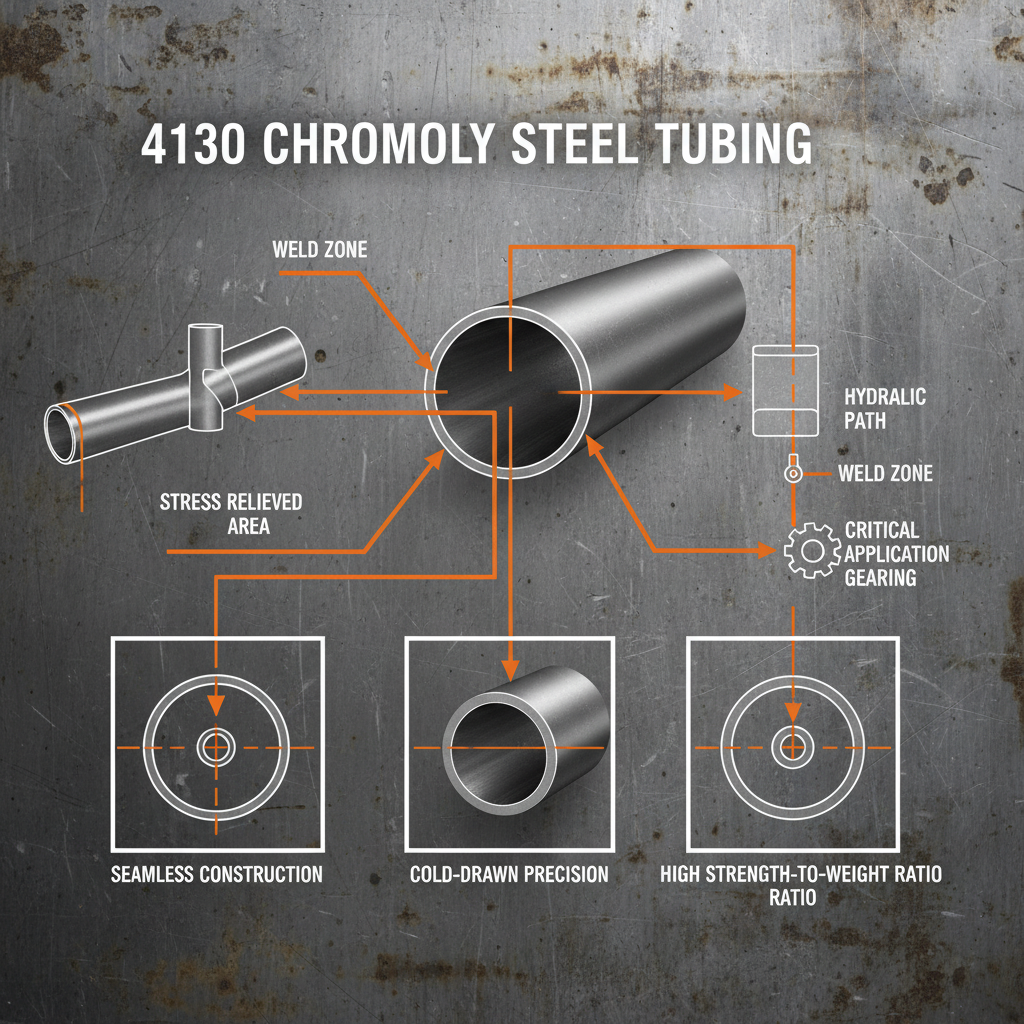
Ultimate Guide to 4130 Tubing Strength Performance and Applications
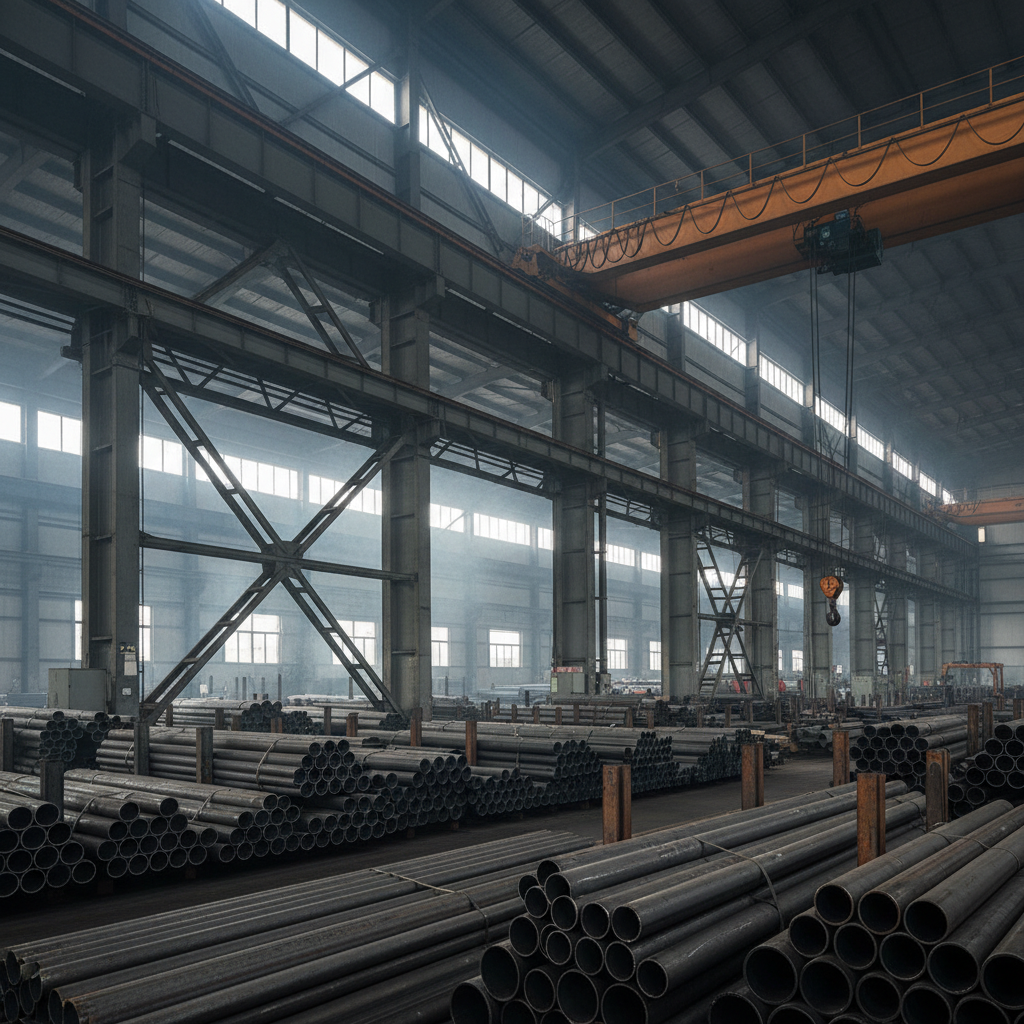
Properties and Industrial Applications of 4130 steel tubing
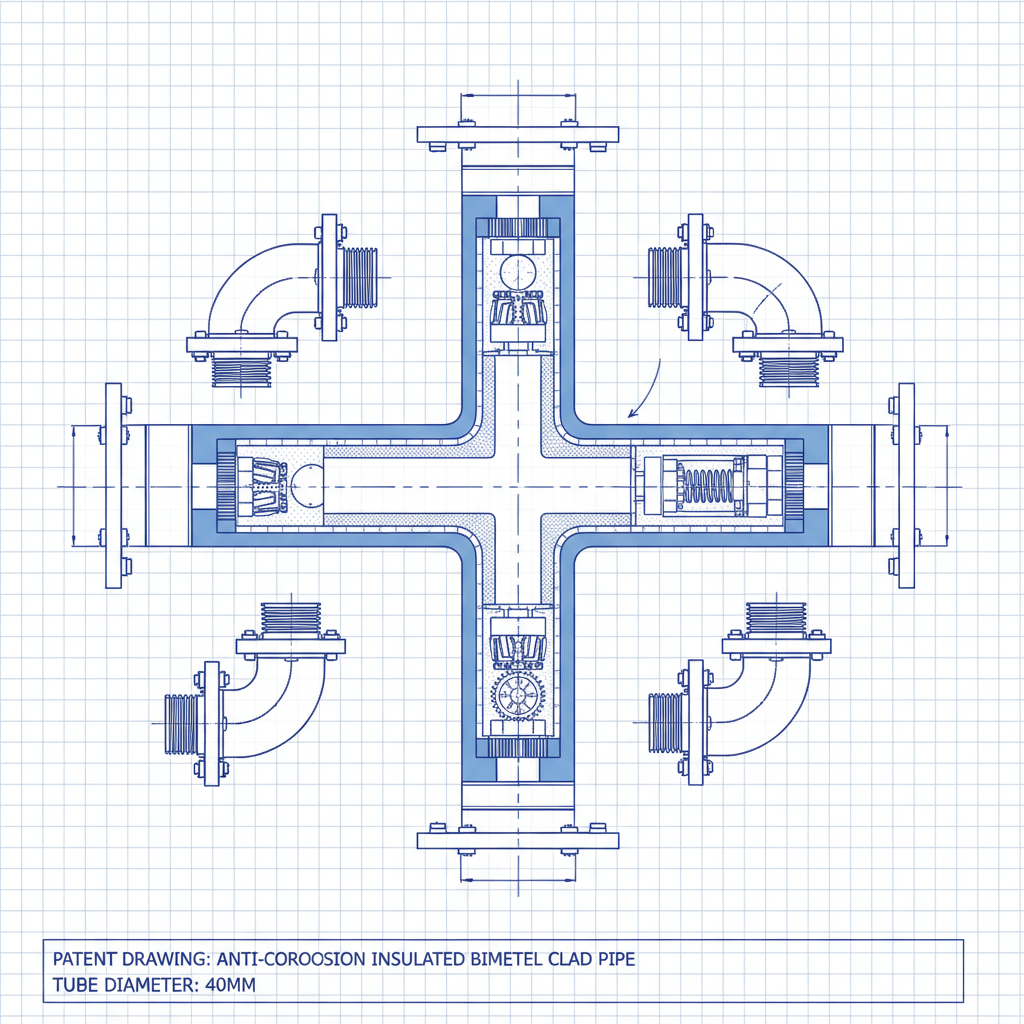
Comprehensive Guide to 40mm Steel Tube Applications and Material Selection
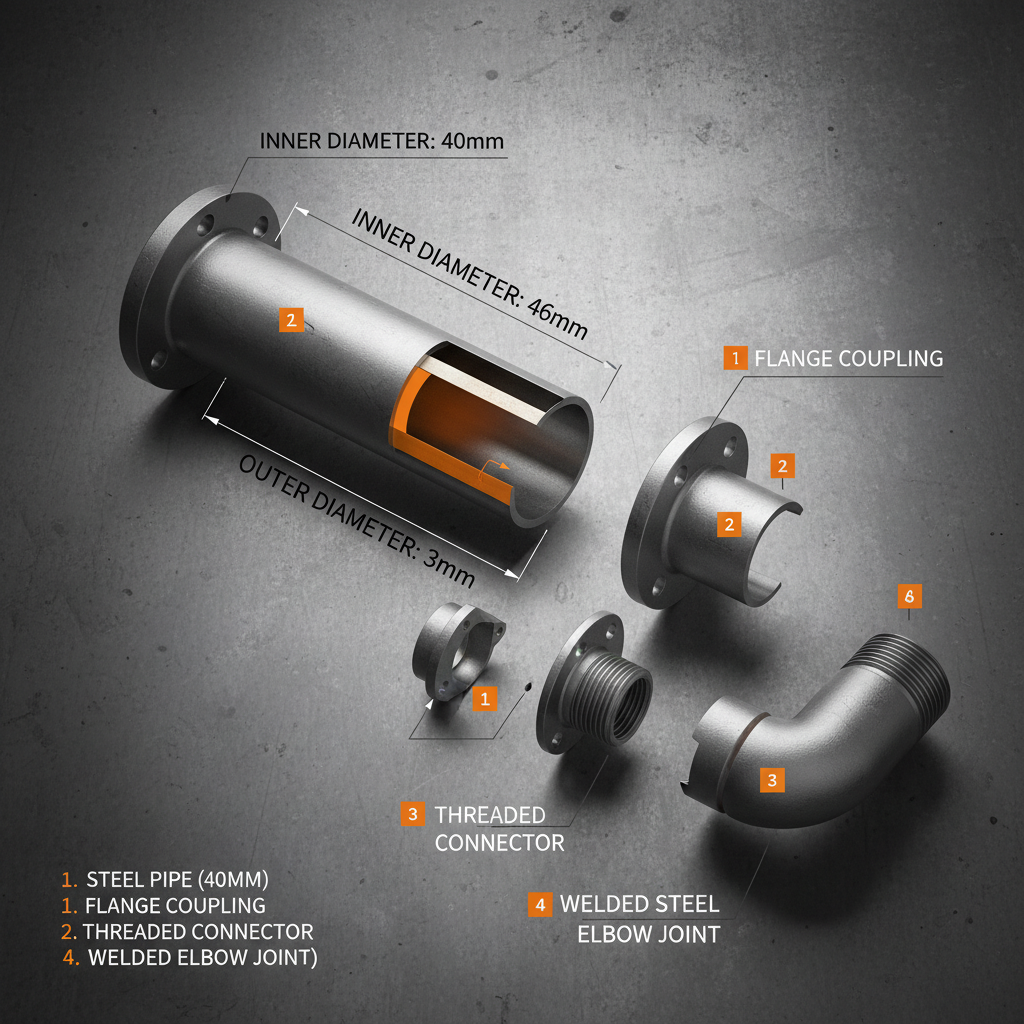
Comprehensive Guide to 40mm Steel Pipe Applications and Considerations
Comprehensive Guide to 40mm Metal Pipe Applications and Sourcing
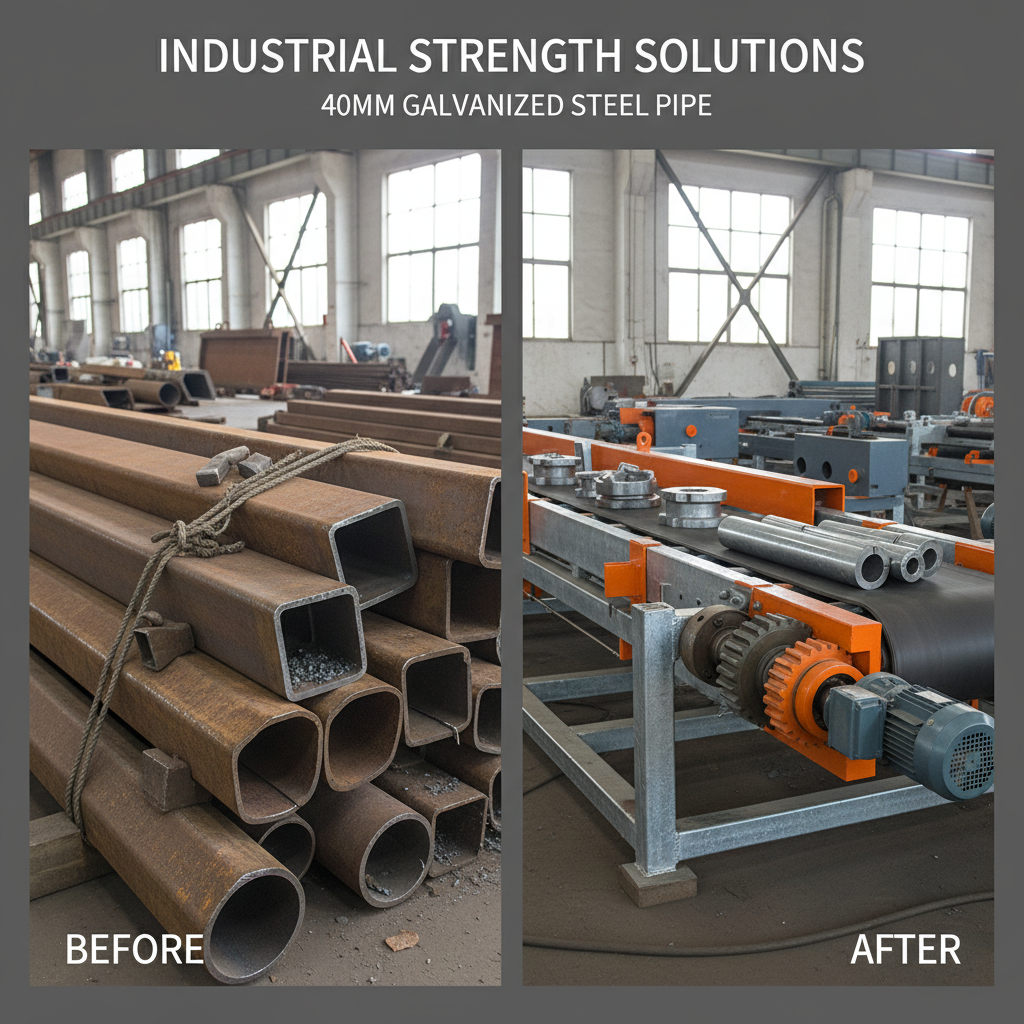
Comprehensive Guide to 40mm Galvanised Pipe Applications and Specifications