Having spent well over a decade navigating the ups and downs of the industrial equipment sector, I've seen a lot of materials come and go. But 20 ft galvanized pipe somehow always remains a staple. It’s oddly dependable — the kind of product that doesn’t get flashy but quietly supports some of the toughest infrastructures you can imagine.
What’s great about galvanized pipes, especially the 20-foot variants, is that they're essentially the workhorses of the piping world. You can find them threading through water supply systems, bracing heavy-duty scaffolding, or lining up for oil and gas pipeline projects. I suppose their all-round reliability lies in the zinc coating — that thin layer that guards steel pipes against rust and corrosion. Over the years, I’ve noticed that this galvanization process doesn’t just add years to a pipe’s life but also cuts down maintenance headaches, something engineers and site managers universally appreciate.
Let’s talk specs because, frankly, that’s where the rubber meets the road. A standard 20 ft galvanized pipe typically features:
| Specification | Details |
|---|---|
| Length | 20 feet (approximately 6.1 meters) |
| Material | Carbon steel, galvanized with zinc coating |
| Diameter Range | Typically 1/2” to 12” nominal pipe size |
| Wall Thickness | Varies by Schedule (e.g., Schedule 40, 80) |
| Coating Thickness | 40–85 microns (variable by galvanizing standard) |
| Standards | ASTM A53, A123, or equivalent |
Now, if you’re wondering how this compares to other suppliers — well, that’s kind of where things get interesting. Quality control varies, and in an industry where specs really matter, even tiny differences in wall thickness or galvanization can impact the lifespan and safety of the installation. I remember one project where a cheaper batch led to premature rusting, causing delays and costly rework. To help you get a better handle on the landscape, here’s a quick vendor comparison based on standard product quality, pricing, and delivery reliability.
| Vendor | Quality Control | Pricing | Delivery Time | Customer Service |
|---|---|---|---|---|
| Lion Pipeline | High — consistent lab testing & certification | Competitive, volume discounts available | Usually within 2–3 weeks | Responsive, seasoned account reps |
| Standard Pipes Co. | Moderate; occasional inconsistencies | Lower than average pricing | 4+ weeks, sometimes delayed | Basic support, limited info |
| Global Tubes Ltd. | High, but premium prices | Higher end of the market | Reliable, well-planned | Excellent, multilingual support |
In real terms, for most industrial projects, the 20 ft galvanized pipe hits just the right balance between strength, corrosion resistance, and cost. Ships, refineries, and infrastructure engineers I’ve talked to often rely on this length for logistical convenience too — easier to handle, move, and install compared to longer custom cuts.
One anecdote sticks with me: a regional water utility once opted for non-galvanized alternatives to cut costs upfront and—spoiler alert—that backfired after just three years of heavy exposure. On the other hand, switching back to galvanized pipes saved them millions in repairs and downtime down the line. I guess that’s an industrial classic, really. Sometimes you pay a little more now to save a lot more later.
If you’re sourcing pipes for critical projects, it’s worth taking the time to choose the right supplier who doesn’t just offer a product but stands behind it. That’s where experienced vendors like 20 ft galvanized pipe makers come in—they combine solid manufacturing processes with consistent quality checks and that kind of reliability hard-won through years of field feedback.
To sum it all up: galvanized pipes, especially in the standard 20 ft length, have earned their place in industrial piping and construction because they do what they promise—resist rust, carry pressure, and last long. While technology and materials keep evolving, this old faithful keeps proving its worth in environments where failure isn’t an option.
So next time you’re on a job site and see those plain, galvanized pipes lined up, you might just appreciate that they represent decades of engineering know-how, practical testing, and real-world grit.
Reflection: I’ve always found it fascinating how something as “simple” as a zinc coating can transform steel’s life expectancy and performance under harsh conditions. It’s a reminder that sometimes the most trustworthy solutions are the ones quietly working in the background, not the flashy headline-grabbers.
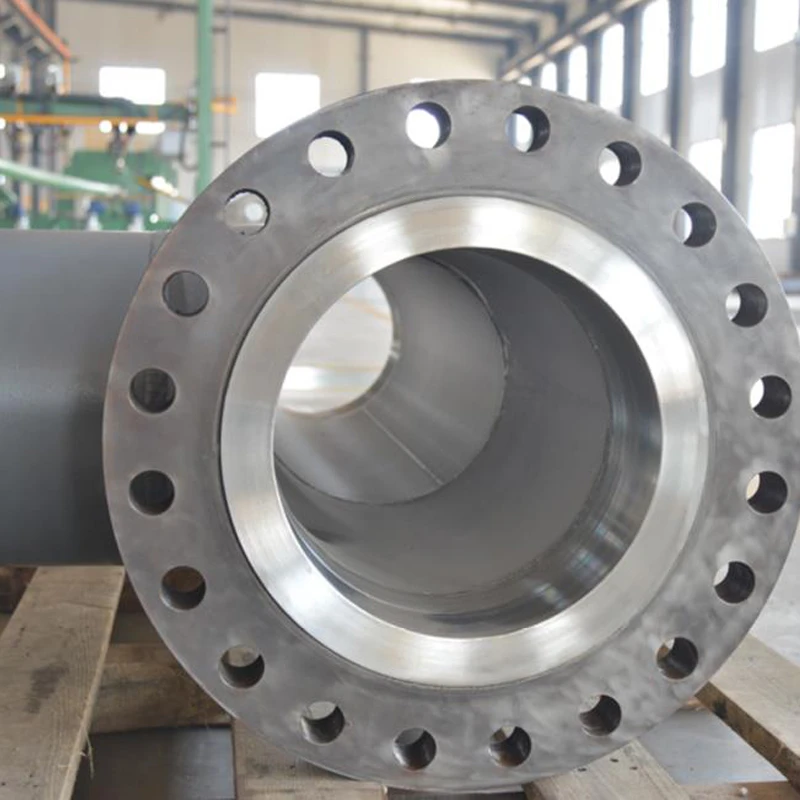
Factory Prefabricated Products
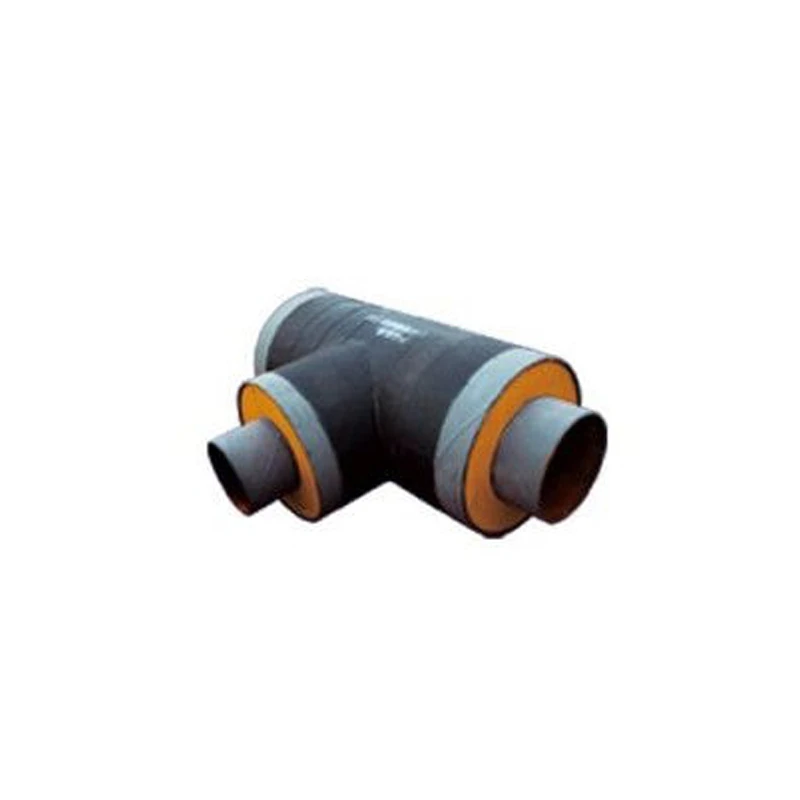
Anti Corrosion And Thermal Insulation Products
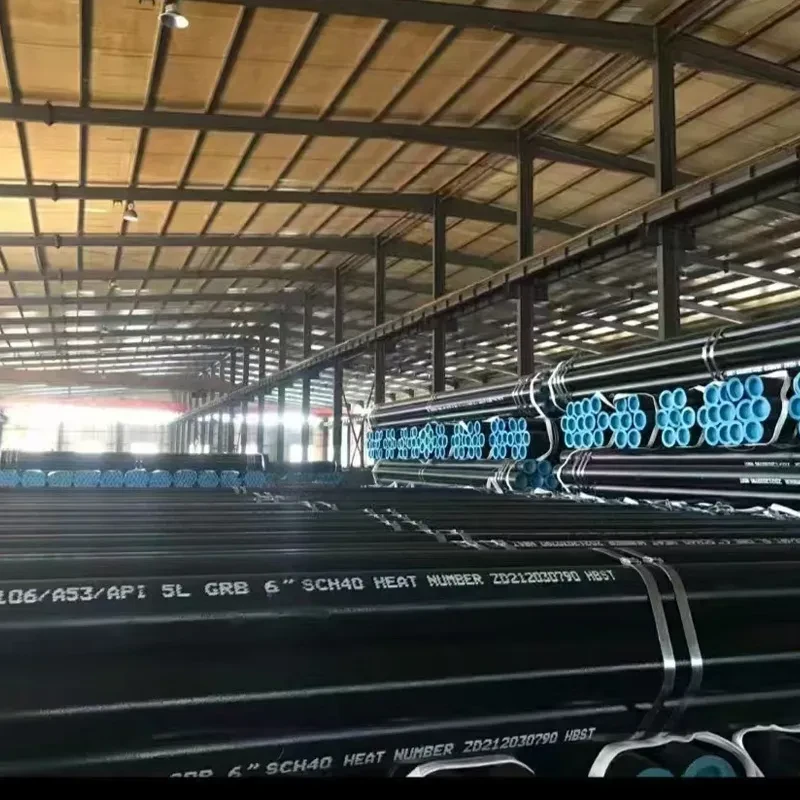
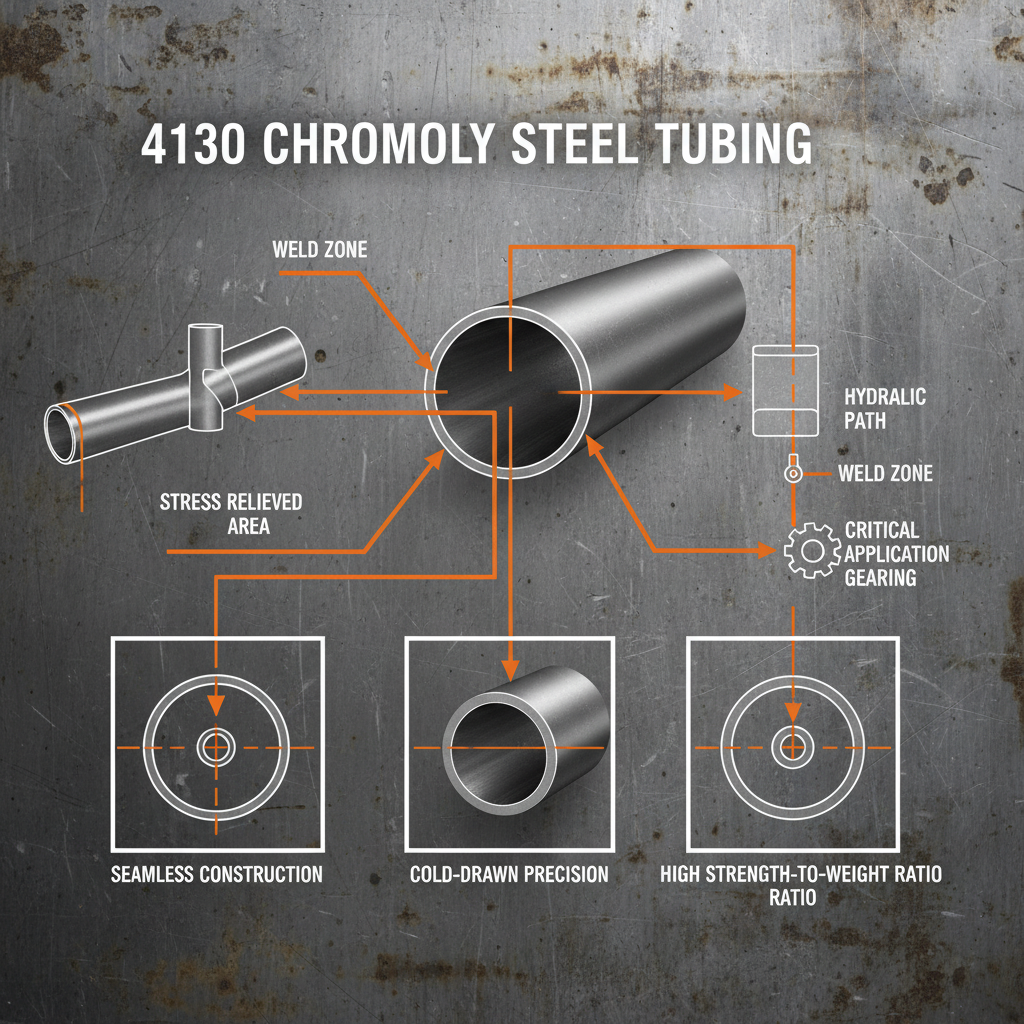
Ultimate Guide to 4130 Tubing Strength Performance and Applications
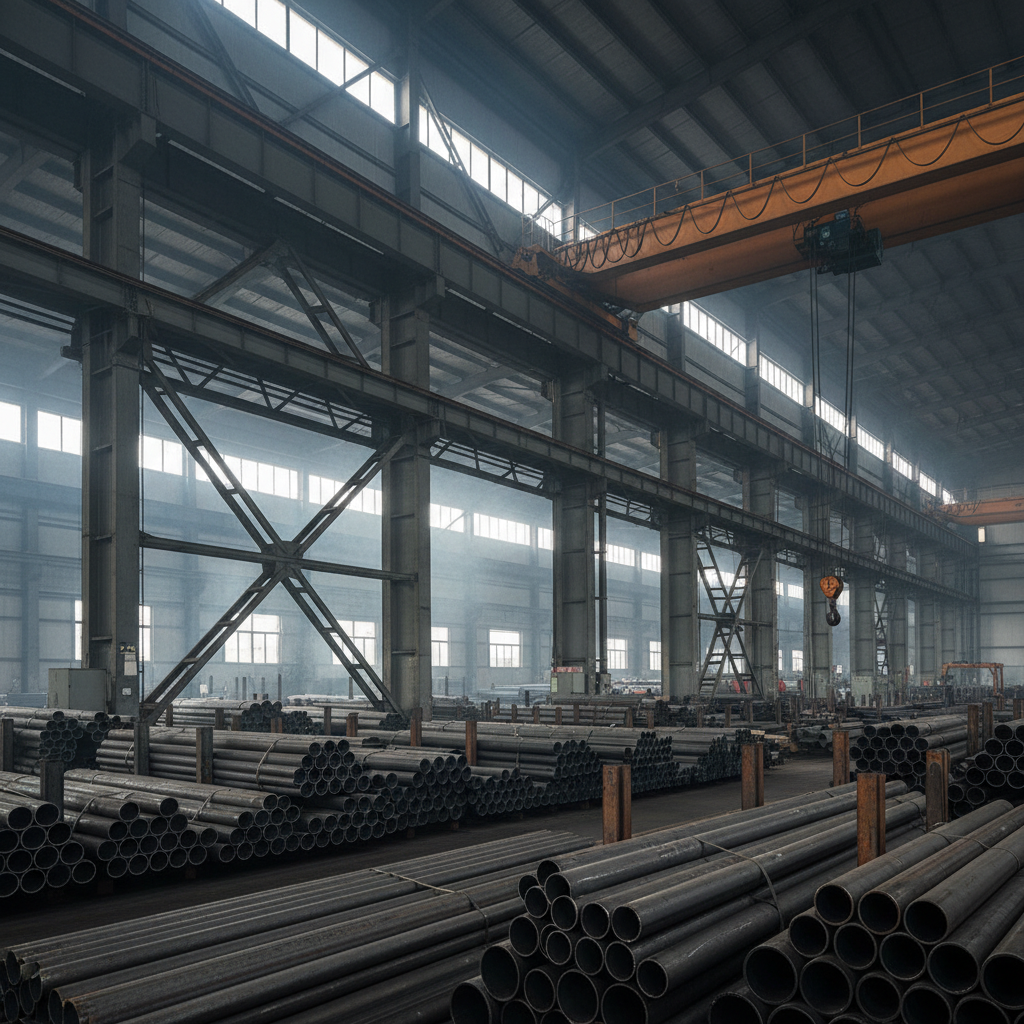
Properties and Industrial Applications of 4130 steel tubing
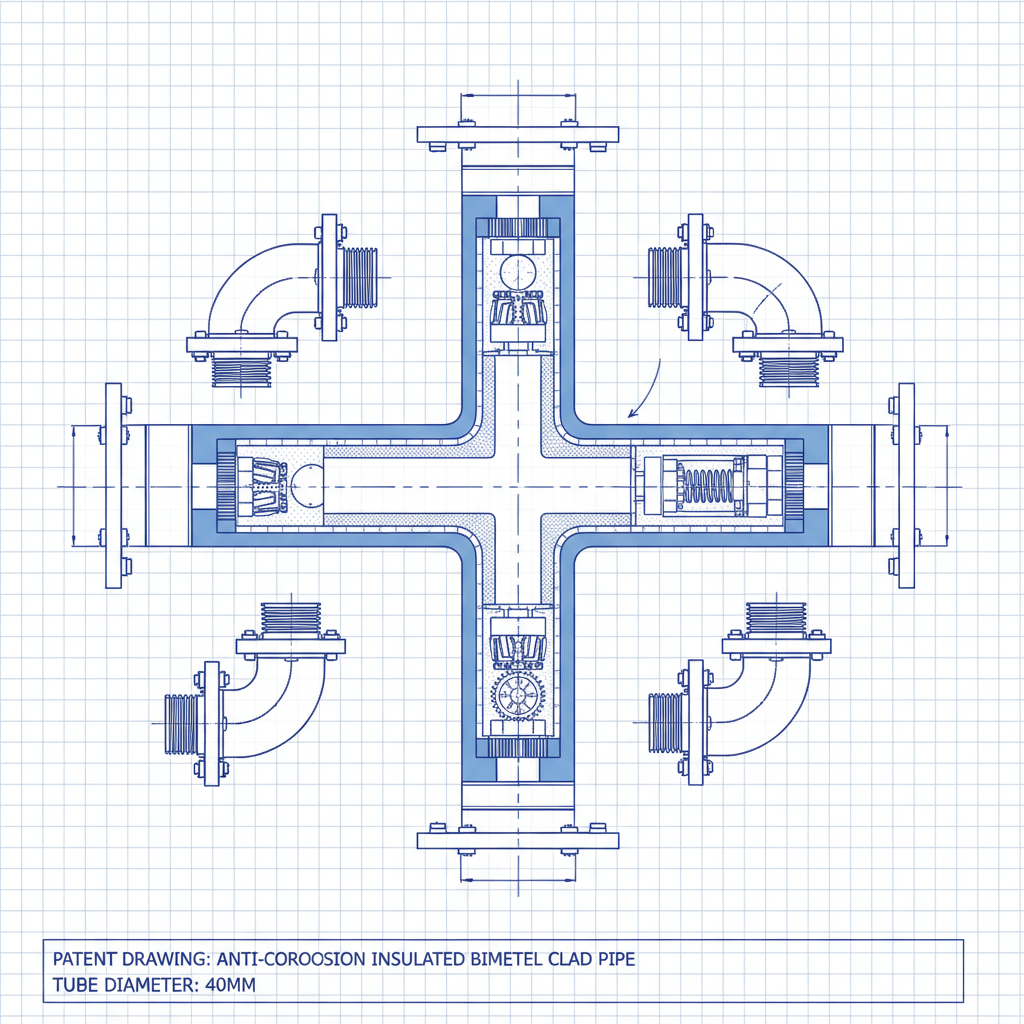
Comprehensive Guide to 40mm Steel Tube Applications and Material Selection
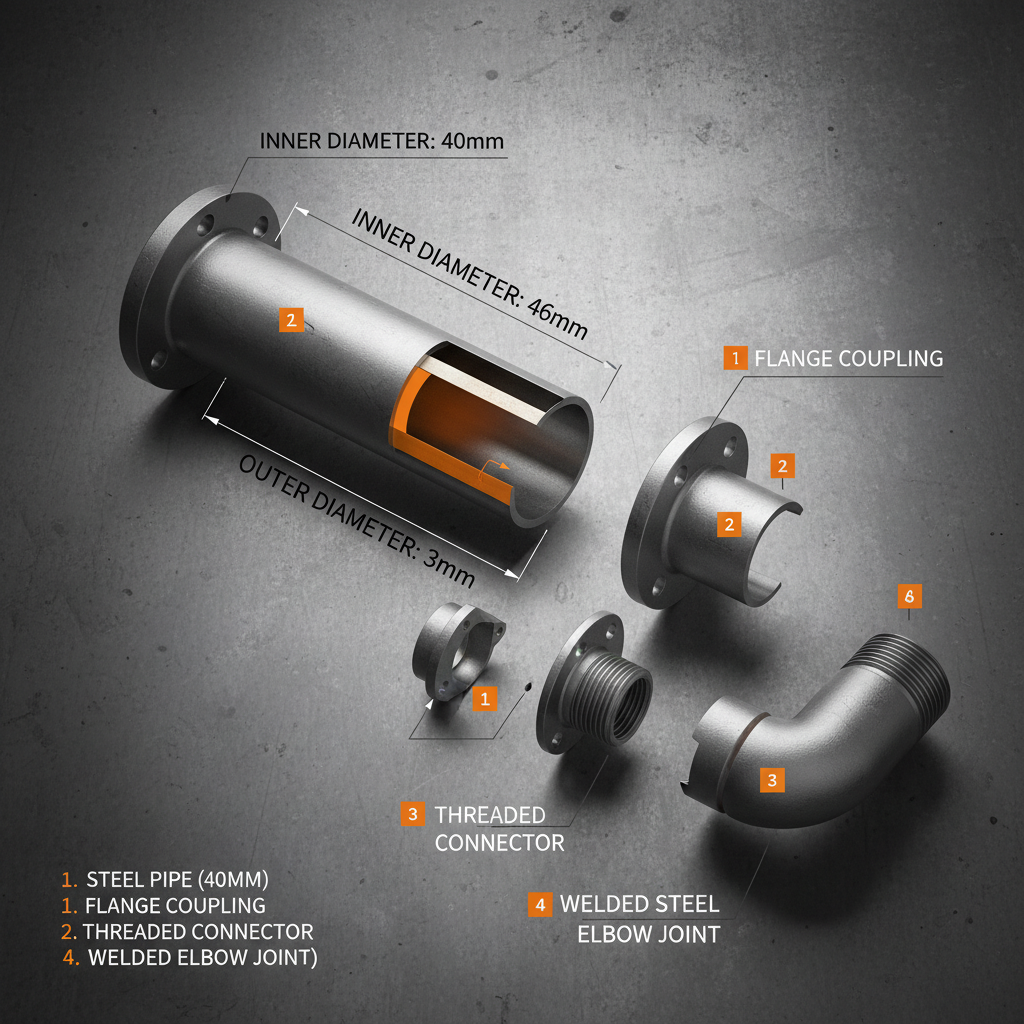
Comprehensive Guide to 40mm Steel Pipe Applications and Considerations
Comprehensive Guide to 40mm Metal Pipe Applications and Sourcing
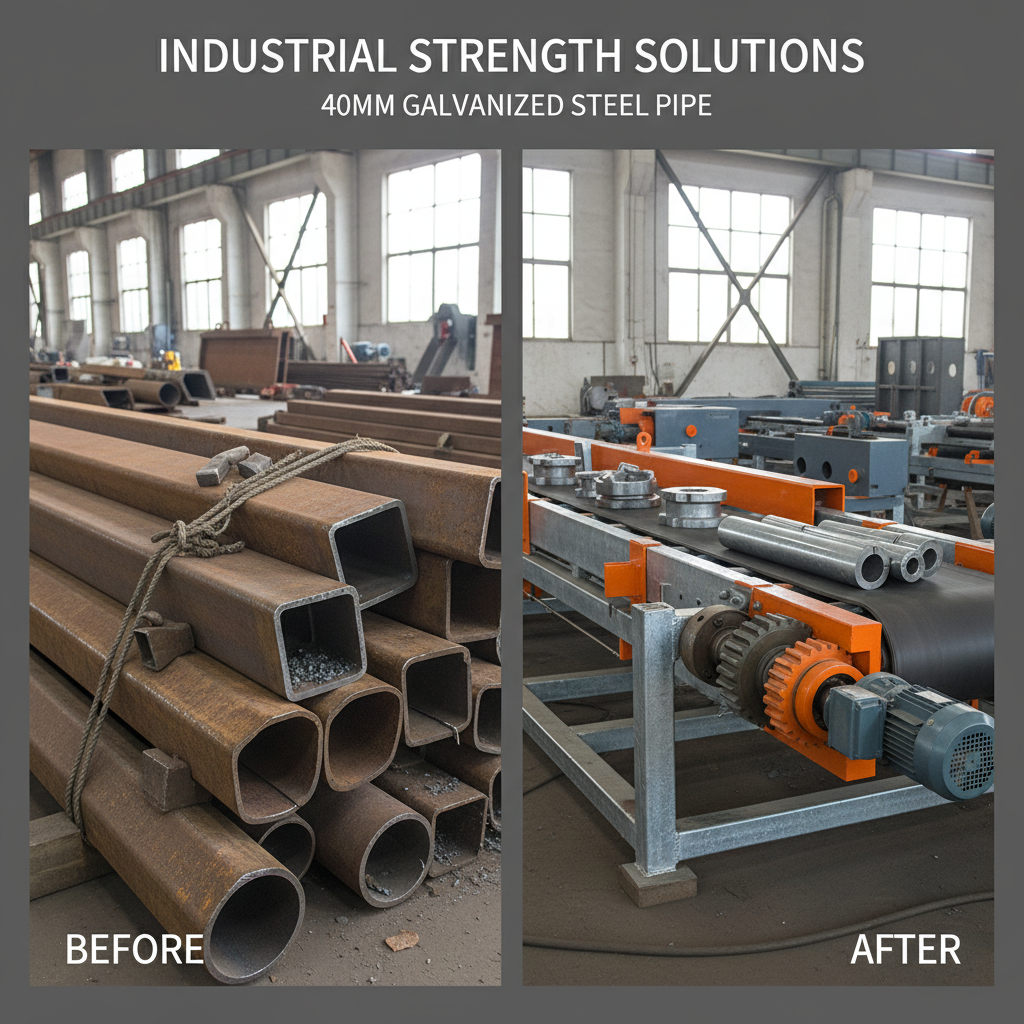
Comprehensive Guide to 40mm Galvanised Pipe Applications and Specifications