tel
Email
to top

Premium Tee Pipe - Durable & Affordable Plumbing Solution

Jul 21 2025
share:

Understanding Tee Pipe Fittings

Premium Tee Pipe - Durable & Affordable Plumbing Solution

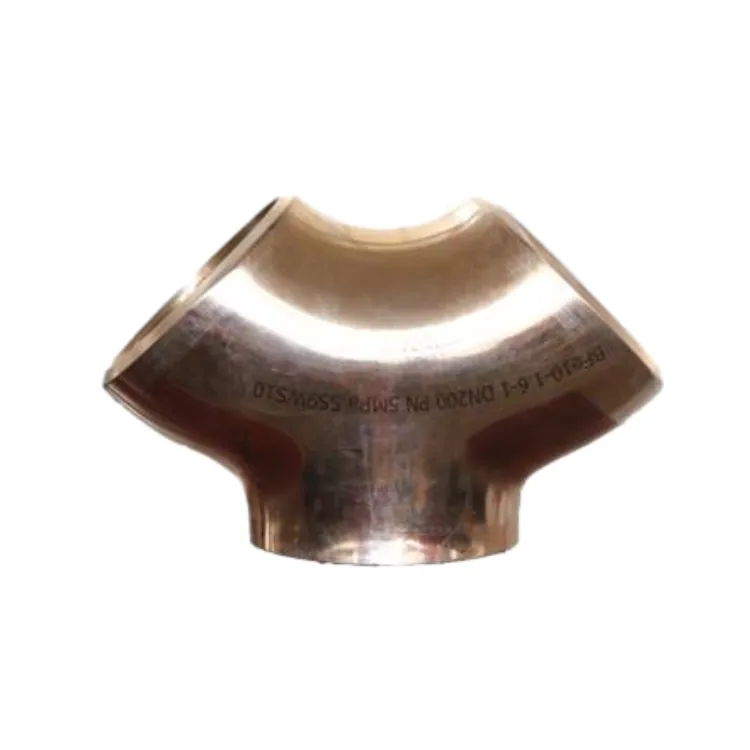
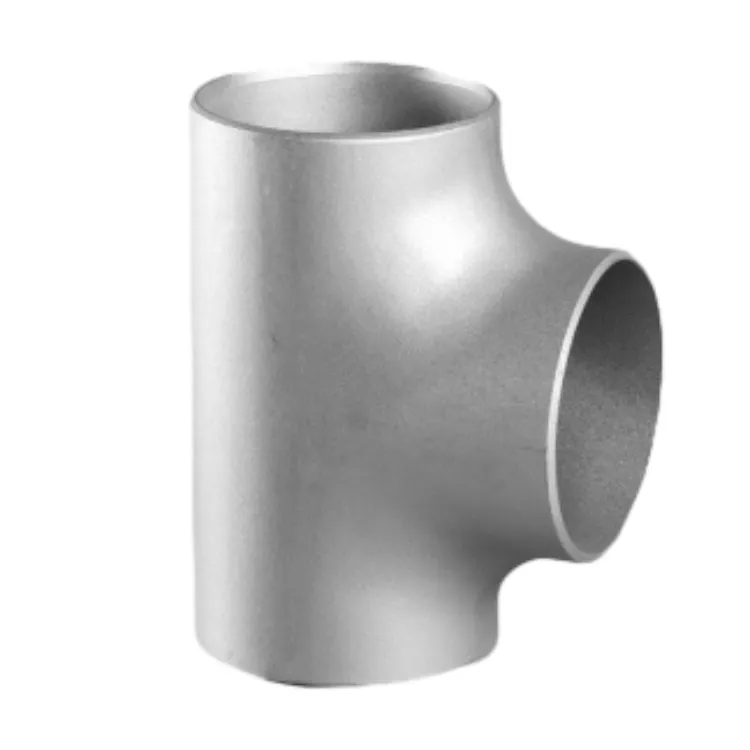
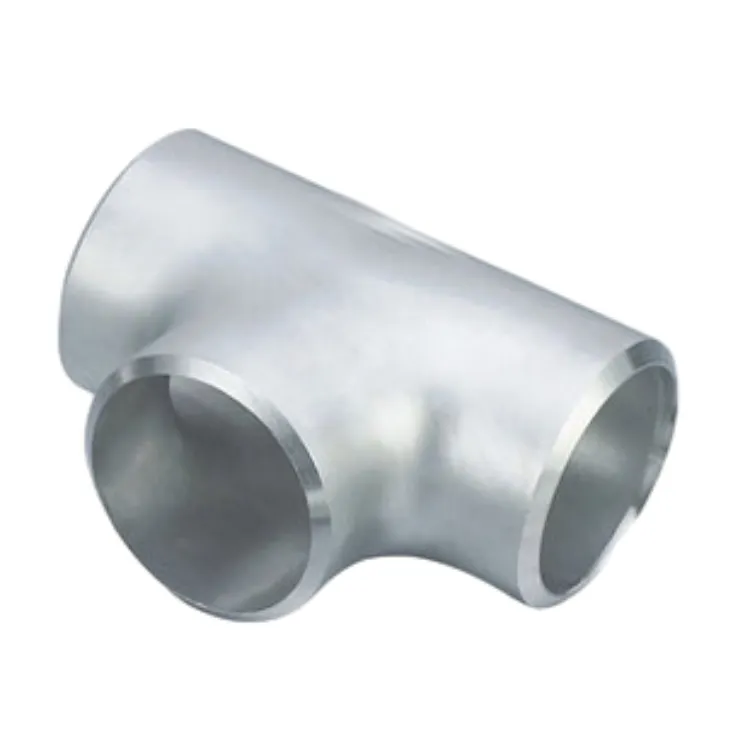
Tee Pipe products are essential pipe fittings used to connect three sections of piping, forming a "T" shape. Available in various materials like carbon steel, stainless steel, and alloy steel, they are designed for systems requiring the diversion or junction of fluid flow. As industry standards evolved, these crucial components have undergone significant technological improvements.

The global pipe fitting market is projected to reach $136.8 billion by 2028 (ASME Market Research 2023), with Tee Pipe fittings representing approximately 23% of all directional fittings used. At Cangzhou Lion Technology, we've specialized in manufacturing precision-engineered Tee Pipe solutions for over 15 years, adhering to strict ASME B16.9 and B16.11 standards.

Industry Trends in Tee Pipe Technology

Recent developments in piping systems have significantly impacted Tee Pipe design and manufacturing processes:
  • Increased demand for corrosion-resistant materials like duplex stainless steel
  • Adoption of computational fluid dynamics for pressure optimization
  • Implementation of automated inspection systems using X-ray technology
  • Growth in customized Tee Pipe solutions for specialized applications
Premium Tee Pipe - Durable & Affordable Plumbing Solution

"The transition to high-performance alloys in pipeline junctions represents the most significant material innovation since the adoption of galvanized steel in the 1980s," notes Dr. Richard Kohler in his Materials Innovation Report 2023. This shift is particularly relevant for Tee Pipe fittings in high-pressure applications.

Tee Pipe Technical Specifications

Material Grade Pressure Rating (PSI) Temp Range (°F) Corrosion Resistance Standard Compliance
A234 WPB Carbon Steel 2,000 -20 to 800 Medium ASTM A234, ASME B16.9
A403 WP304 Stainless 1,500 -425 to 1500 Excellent ASTM A403, ASME B16.9
A815 UNS S31803 2,500 -40 to 600 Exceptional ASTM A815, ASME B16.9
A182 F91 Alloy Steel 3,500 0-1000 Good ASTM A182, ASME B16.11
A815 SMO 254 2,500 -60 to 400 Superior ASTM A815, MSS SP-43

Tee Pipe Application Scenarios

Premium Tee Pipe - Durable & Affordable Plumbing Solution

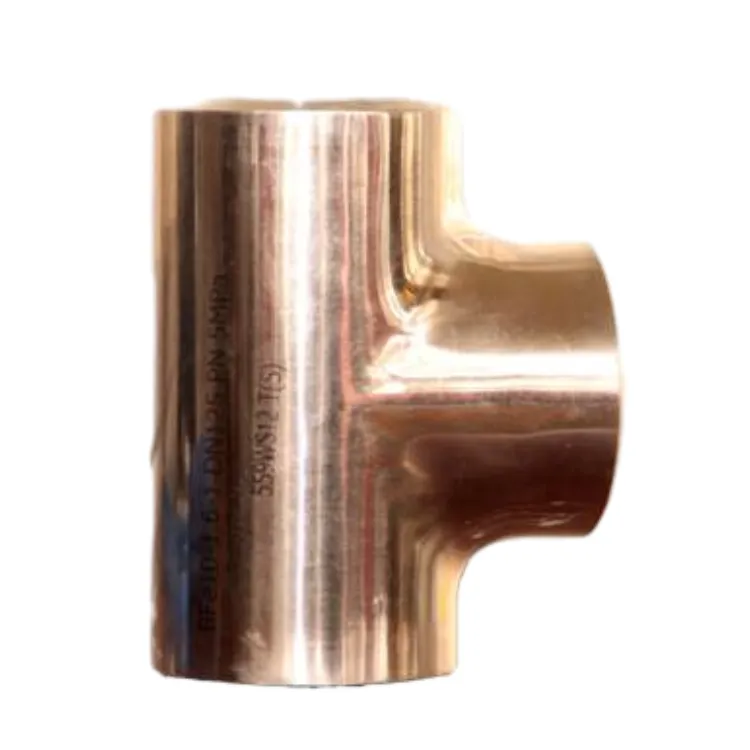
Oil & Gas Pipelines

High-pressure Tee Pipe fittings used at pumping stations and junction points
Premium Tee Pipe - Durable & Affordable Plumbing Solution

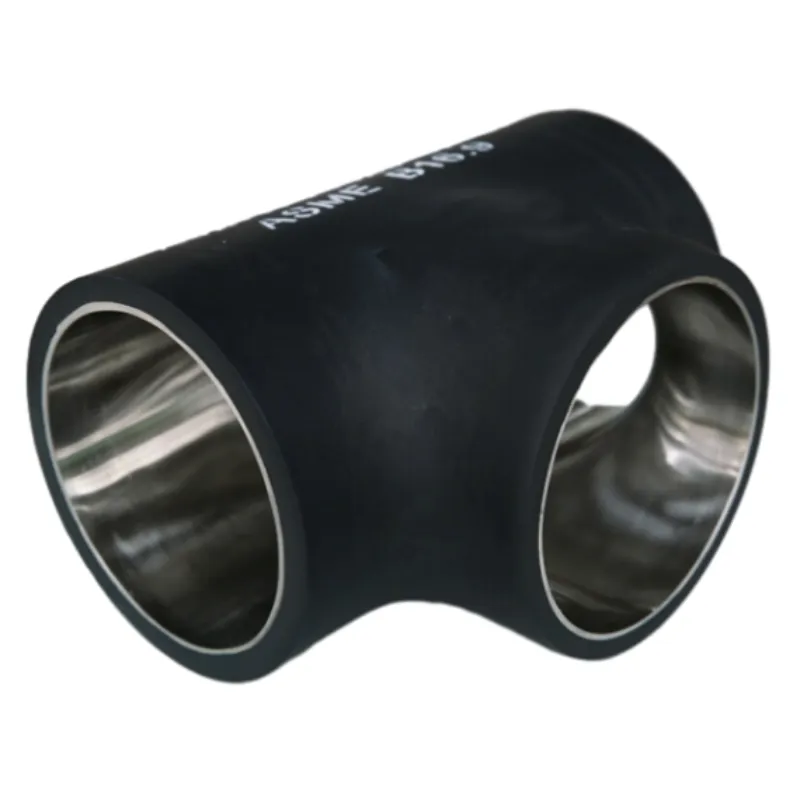
Chemical Processing

Corrosion-resistant tees for acid and solvent transfer systems
Premium Tee Pipe - Durable & Affordable Plumbing Solution

HVAC Systems

Thermally efficient fittings for building climate control networks

Innovative Implementation: Offshore Platform Project

Cangzhou Lion Technology provided specialized duplex stainless steel Tee Pipe components for the Northstar Offshore Platform, designed to withstand:

  • Saltwater corrosion (ASTM G48 testing certified)
  • Operating pressures exceeding 2,750 PSI
  • Water temperatures from -40°F to 210°F
Read the full case study in Maritime Engineering Journal

Tee Pipe Technical Expertise FAQ

Q1: What factors determine Tee Pipe wall thickness requirements?

Wall thickness is calculated based on:

  1. Internal pressure requirements (ASME B31.3 formula)
  2. Material tensile strength
  3. Temperature conditions
  4. Corrosion allowance (typically 0.125" additional)
  5. Mechanical stress factors

Q2: How do butt-weld and socket-weld Tee Pipe fittings differ?

Butt-weld fittings join pipe ends directly for higher integrity in critical systems. Socket-weld fittings insert pipe into recessed areas, preferred for smaller diameters below 4". ASME B31.1 requires socket welds for pipe sizes ≤2" in power piping applications.

Q3: What inspection methods verify Tee Pipe quality?

Cangzhou Lion Technology employs:

  • Liquid penetrant testing (ASTM E165)
  • Radiographic examination (ASTM E94/E1032)
  • Hydrostatic testing at 150% operating pressure
  • Material spectroscopy verification

Q4: When should equal vs. reducing tees be specified?

Equal tees maintain consistent branch/main diameters. Reducing tees feature different branch diameter for flow control applications. Fluid dynamics simulations (CFD) determine optimal configuration for pressure distribution.

Q5: How does cold forming affect Tee Pipe material properties?

Cold forming increases yield strength while reducing ductility. We apply post-forming heat treatment at 1150°F (621°C) for carbon steel tees to restore material properties per ASME Section VIII requirements.

Q6: What coating options enhance Tee Pipe longevity?

Options include:

  • Hot-dip galvanizing (ASTM A153)
  • Epoxy fusion-bonded coatings
  • Electropolishing (stainless steel)
  • PTFE lining for chemical resistance

Q7: What dimensional tolerances apply to ASME B16.9 tees?

Standard permits:

  • Out-of-roundness: ±1% of nominal diameter
  • Wall thickness: +12.5%/-10% nominal
  • End preparation: ±1/32" for bevel angle (37.5°±2.5°)
  • Center-to-end: ±1/16" for NPS ≤24

Future Developments in Tee Pipe Technology

Innovations currently in development include:

  • 3D-printed inconel tees for extreme temperature applications
  • Smart fittings with embedded pressure/temperature sensors
  • Nanocomposite materials with self-healing properties
  • Friction stir welding techniques for dissimilar metal tees

As Petroleum Engineer Quarterly reports, "The evolution of pipeline junction technology represents critical infrastructure advancement worth $3.2 billion annually." Continuous innovation ensures Tee Pipe components meet increasingly demanding operational requirements.

For your specialized piping requirements, consult with Cangzhou Lion Technology - industry leaders in precision-engineered solutions since 2005.

Contact our engineering team:
+8619931775189 | sales@laiaokeji.com
Explore our Tee Pipe product range
Technical References & Industry Publications:

  1. ASME Piping Systems Standards (ASME Press, 2022)
  2. Materials Selection for Corrosive Services (NACE International, 2023)
  3. ISO 10807: Pipe Joint Performance Parameters (2021 Edition)
  4. Fitness-for-Service in Pipeline Systems (ASTM Special Publication)
  5. Offshore Plumbing System Design Advances (Energy Engineering Journal, 2022)
  • Laser Clad  Pipe

    Laser Clad Pipe

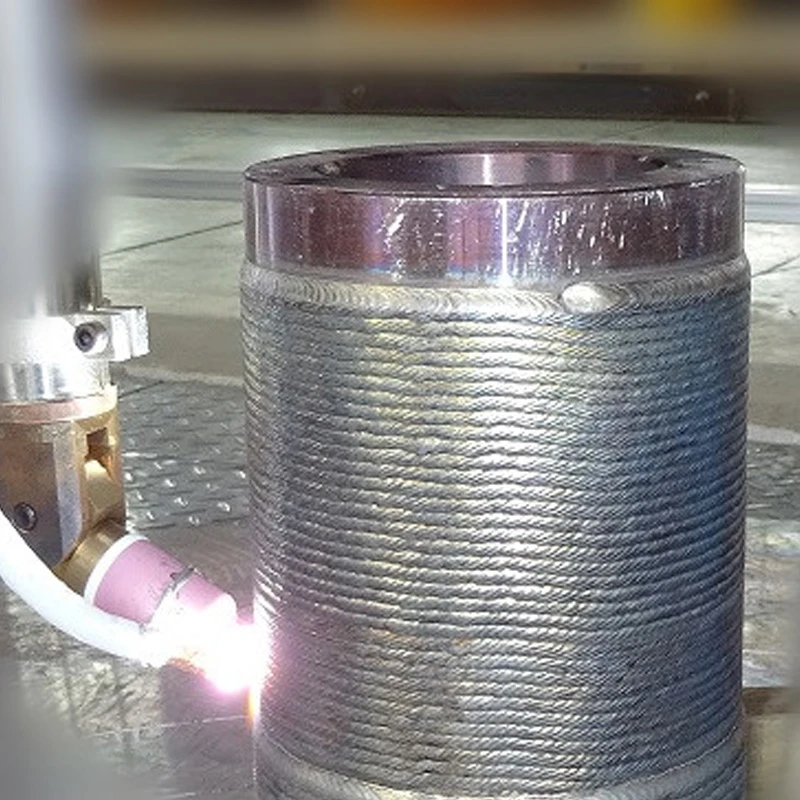
    Laser clad steel pipes are manufactured using laser cladding technology. This technology involves adding cladding material to the surface of ordinary steel pipe base material, using high-energy-density laser beams to fuse the cladding material with the steel pipe surface, forming a metallurgically bonded cladding layer. These pipes are generally used in compressed air energy storage projects as underground deep well transportation pipes or casings, as well as in oil, natural gas, and geothermal well extraction.
    VIEW ALL
  • Tee Pipe

    Tee Pipe

    Tee products are essential pipe fittings used to connect three sections of piping, forming a "T" shape. Available in various materials like carbon steel, stainless steel, and alloy steel, they are designed for use in systems requiring the diversion or junction of fluid flow.
    VIEW ALL
  • Mechanical Clad Steel Pipe

    Mechanical Clad Steel Pipe

    Mechanical clad steel pipe (MCSP) is a kind of high-performance pipe, which is specially designed for demanding industrial applications. Combining the durability and strength of steel with advanced composite materials, MCSP provides enhanced corrosion resistance, high pressure and extreme temperatures.
    VIEW ALL
To create value for customers!
Cangzhou Leo Technology Co., Ltd. is located in Mengcun County Economic Development Zone, Cangzhou City, Hebei Province. It is a specialized high-tech enterprise that integrates the research and development, production, and sales of composite pipes and fittings.
News
The company regards product quality as the life of the enterprise, establishes a sound quality management system in accordance with the requirements of industry and national standards, controls all aspects of input and output in the whole process, pays attention to every detail, and ensures that the product delivery pass rate is 100%.
High Performance Sink Pipe Steel Guide for Industrial Piping

High Performance Sink Pipe Steel Guide for Industrial Piping

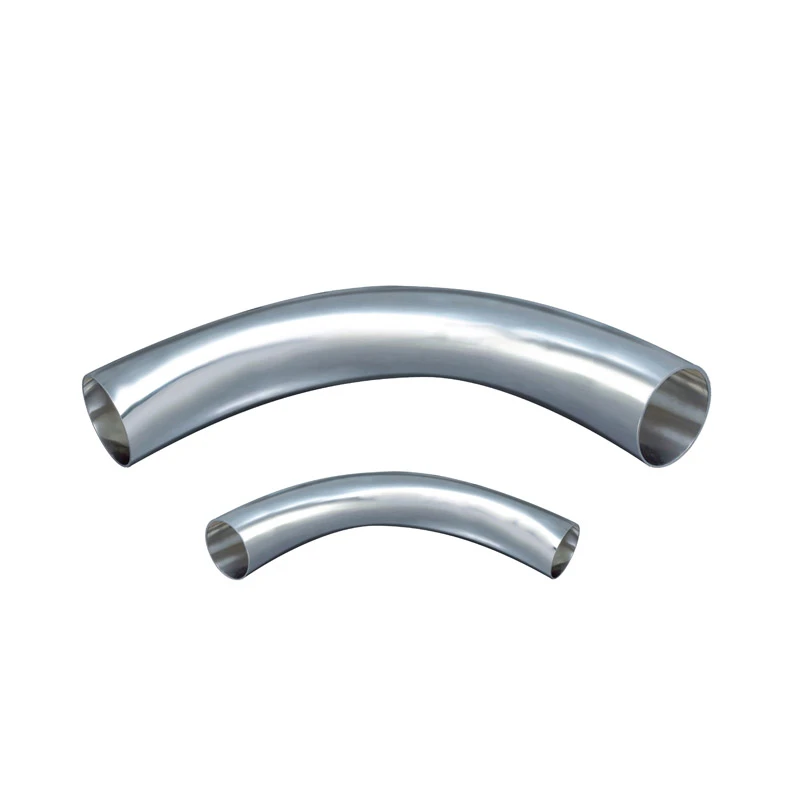
High-Performance Sink Pipe Steel: The Ultimate Guide to Industrial Piping In the demanding world of industrial manufacturing and pressure vessel construction, the selection of materials for piping systems is critical. Utilizing high-quality sink pipe steel ensures that systems can withstand extreme pressures, corrosive media, and mechanical stress. Whether it is for chemical processing, oil and gas, or construction, the right steel grade and fitting geometry can mean the difference between seamless operation and costly system failure. This guide explores the technical nuances of steel elbows and specialized clad materials designed for the most rigorous environments.
Ultimate Guide to Industrial Seamless Steel Pipe for Piping

Ultimate Guide to Industrial Seamless Steel Pipe for Piping

In the realm of modern industrial infrastructure, the integrity of piping systems is non-negotiable. The seamless steel pipe stands as the gold standard for transporting high-pressure fluids and gases. Unlike welded alternatives, seamless pipes are manufactured without a longitudinal seam, eliminating the most common point of failure and ensuring superior structural consistency. This makes them indispensable in sectors where safety and reliability are paramount, such as petroleum, nuclear power, and thermal energy. In this comprehensive guide, we will explore the technical advantages, material specifications, and critical applications of these high-performance components to help you make an informed procurement decision.
High Performance Seamless Steel Pipes for Industrial Piping

High Performance Seamless Steel Pipes for Industrial Piping

In the world of industrial fluid transportation and pressure vessel manufacturing, the choice of piping material can determine the safety and longevity of an entire system. Seamless steel pipes are engineered to withstand extreme conditions without the risk of weld-line failure, making them the gold standard for high-pressure environments. From oil and gas pipelines to hydraulic systems, these pipes offer unmatched structural integrity. In this comprehensive guide, we will explore the technical specifications, benefits, and diverse applications of carbon seamless steel solutions to help you make an informed procurement decision for your next engineering project.
High Performance Seamless Stainless Steel Pipe for Industrial Use

High Performance Seamless Stainless Steel Pipe for Industrial Use

The Ultimate Guide to Seamless Stainless Steel Pipe for Industrial Applications In the demanding world of oil and gas extraction, particularly in fields characterized by high hydrogen sulfide and carbon dioxide levels, the integrity of transportation infrastructure is critical. While traditional carbon steel often fails due to insufficient corrosion resistance, the seamless stainless steel pipe emerges as a premium solution. By eliminating weld seams, these pipes provide superior structural integrity and a seamless barrier against corrosive media. For industries operating under extreme pressure and chemical aggression, choosing the right piping material is not just about efficiencyit is about safety and long-term economic viability.
Industrial Piping Solutions Using Durable sch 40 steel pipe

Industrial Piping Solutions Using Durable sch 40 steel pipe

Optimizing Industrial Piping with SCH 40 Steel Pipe Solutions In the demanding world of industrial manufacturing and fluid transport, selecting the right piping specification is critical for safety and efficiency. The sch 40 steel pipe serves as a global standard for versatility, balancing wall thickness with internal flow capacity. Whether used in petrochemical plants, marine environments, or construction, this pipe grade provides the structural reliability needed to handle moderate pressures. However, as industries evolve, the integration of advanced technologies like laser cladding is transforming how we enhance these pipes to resist extreme corrosion and wear, extending the lifecycle of critical infrastructure.
Industrial 5 inch steel tubing Guide for High Pressure Systems

Industrial 5 inch steel tubing Guide for High Pressure Systems

The Ultimate Guide to 5 Inch Steel Tubing for Industrial Applications When designing high-pressure piping systems or structural frameworks, selecting the right material dimensions is critical for safety and efficiency. The 5 inch steel tubing serves as a versatile midpoint in industrial piping, offering a perfect balance between flow capacity and structural rigidity. Whether it is used in oil and gas transport, water management, or architectural support, the quality of the steel determines the longevity of the entire project. In this comprehensive guide, we will explore the technical specifications, material grades, and strategic advantages of utilizing this specific tubing size
tel email tel top

If you are interested in our products, you can choose to leave your information here, and we will be in touch with you shortly.