tel
Email
to top

Premium Stainless Steel Bends | 304 & Exhaust Tubing

Aug 27 2025
share:

Precision Engineering: Understanding the stainless steel bend in Industrial Applications

The intricate landscape of modern industrial infrastructure relies heavily on components engineered for maximum durability, performance, and operational longevity. Among these critical elements, the stainless steel bend stands out as a fundamental fitting, enabling seamless directional changes in piping systems. These bends are not merely curved pipes; they are precision-engineered components vital for maintaining flow efficiency, resisting corrosion, and ensuring structural integrity across a myriad of demanding applications. From high-pressure petrochemical conduits to intricate food processing lines, the quality and specification of a stainless steel bend directly impact system reliability and safety.

This comprehensive guide delves into the manufacturing intricacies, technical specifications, diverse applications, and inherent advantages of these indispensable components. We aim to provide B2B decision-makers and technical engineers with the authoritative insights needed to specify and procure optimal bending solutions, leveraging Lion Pipeline’s expertise in delivering high-performance pipe fittings.
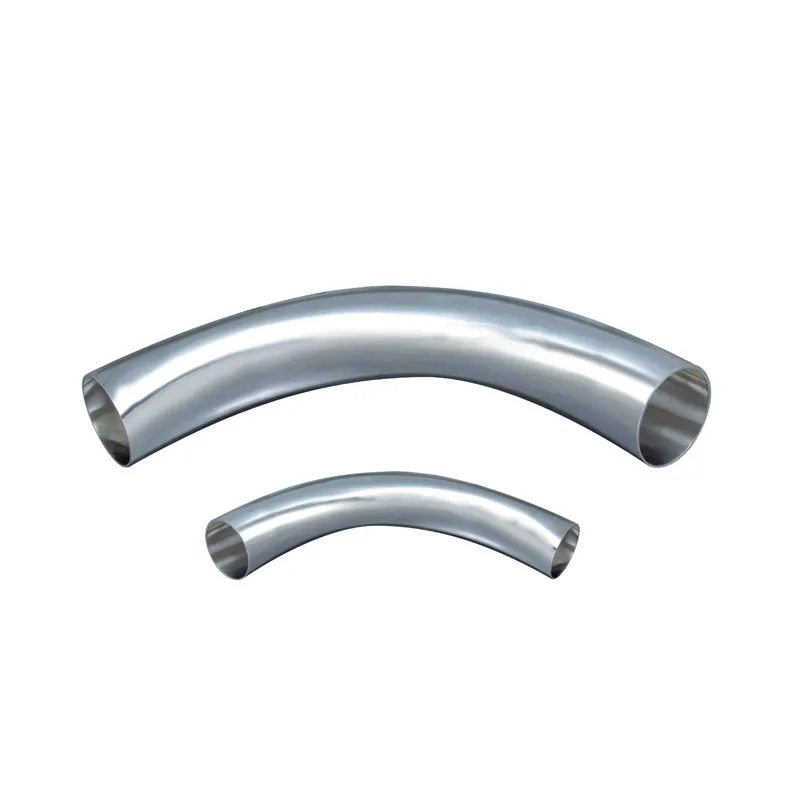
Premium Stainless Steel Bends | 304 & Exhaust Tubing

Current Industry Trends in Stainless Steel Bending

The market for industrial pipe bends, particularly those crafted from stainless steel, is experiencing dynamic shifts driven by global infrastructure development, stringent environmental regulations, and the increasing demand for sustainable and durable materials. Key trends include:

  • Sustainable Manufacturing Practices: A growing emphasis on energy efficiency and reduced waste in the production of stainless steel bend products. Manufacturers are investing in advanced machinery that optimizes material usage and minimizes scrap.
  • Advanced Material Alloys: Beyond standard 304 and 316 stainless steel, there's increasing adoption of duplex and super duplex stainless steels for enhanced corrosion resistance and strength in extreme environments. The demand for specialized 304 stainless bends remains consistently high due to their excellent balance of cost, corrosion resistance, and fabricability.
  • Digitalization and Automation: The integration of Industry 4.0 technologies, including AI-driven predictive maintenance for machinery and automated quality control, is enhancing the precision and efficiency of bend fabrication.
  • Customization and Complex Geometries: Rising demand for highly customized bends with complex radii, wall thicknesses, and specialized finishes to meet unique project specifications, moving beyond standard elbows to tailored stainless steel bend configurations.
  • Global Supply Chain Resilience: Post-pandemic, there's a strategic focus on diversifying supply chains and enhancing local manufacturing capabilities to mitigate risks and ensure timely delivery of essential components like stainless steel bend.

These trends underscore a market that values precision, durability, and adaptability, positioning high-quality manufacturers at the forefront of industrial supply.

Manufacturing Process Flow of Stainless Steel Bends

The production of a high-quality stainless steel bend is a meticulous process involving several critical stages, each contributing to the final product's structural integrity, dimensional accuracy, and performance characteristics. Lion Pipeline adheres to rigorous international standards throughout its manufacturing operations.

1. Material Selection and Preparation

  • Raw Material Sourcing: High-grade stainless steel pipes (e.g., ASTM A312 for 304/304L, 316/316L, Duplex 2205) are selected based on application requirements. For applications requiring specific corrosion resistance, alloys like 304 stainless bends are precisely chosen.
  • Cutting to Length: Pipes are cut to the required initial length, accounting for the bending process's material consumption.

2. Forming Processes

Several methods are employed to form the bend, each suited for different specifications:
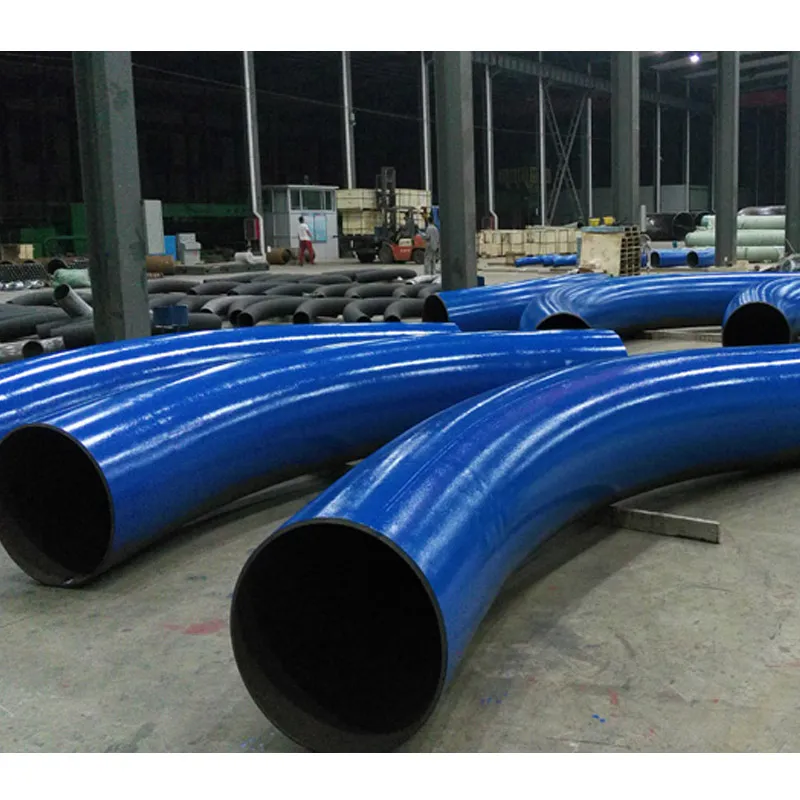
  • Mandrel Bending (Hot or Cold): This is a prevalent method for pipe bends. The pipe is securely clamped, and a mandrel (internal support tool) is inserted to prevent wrinkling and ovality during bending. The pipe is then drawn around a die. Hot bending is used for larger diameters and thicker walls, while cold bending is suitable for smaller, thinner pipes. This method is often used for high-quality stainless steel bend products.
  • Induction Bending: The most advanced method for large diameter and heavy wall bends. A narrow band of the pipe is heated by an induction coil to a specific temperature while a bending force is applied. This technique allows for tight radii and maintains material integrity, crucial for applications involving stainless exhaust tubing bends.
  • Press Bending: Less common for industrial pipe bends due to potential ovality, but sometimes used for simpler bends or specific applications where tight tolerances on cross-sectional deformation are less critical.
Premium Stainless Steel Bends | 304 & Exhaust Tubing

3. Heat Treatment (if required)

Post-bending heat treatment (e.g., solution annealing) may be applied to restore the material's original metallurgical properties, relieve residual stresses, and enhance corrosion resistance, particularly for high-performance stainless steel bend components.

4. Sizing and End Preparation

The bent pipes are trimmed to precise lengths, and their ends are prepared (e.g., beveling, plain ends) according to relevant standards (e.g., ASME B16.25) to facilitate welding or other connection methods.

5. Surface Treatment and Finishing

Surface treatments such as pickling and passivation are crucial for restoring the passive layer of stainless steel, enhancing its inherent corrosion resistance. This is vital for the long service life of a stainless steel bend.

6. Quality Control and Testing

Every stainless steel bend undergoes rigorous testing to meet industry standards and customer specifications. Lion Pipeline's testing protocols include:

  • Dimensional Inspection: Verification of bend radius, wall thickness, end dimensions, and overall length to standards like ASME B16.9, ASTM A403.
  • Non-Destructive Testing (NDT): Ultrasonic testing, radiographic testing, magnetic particle testing, and dye penetrant testing to detect internal and surface flaws.
  • Material Composition Analysis: Positive Material Identification (PMI) using X-ray fluorescence (XRF) ensures the correct alloy, such as 304 or 316, has been used.
  • Hydrostatic Testing: For pressure-retaining components, ensuring leak-tightness and structural integrity.
  • Visual Inspection: Checking for surface imperfections, weld quality (if applicable), and overall finish.

Compliance with international standards such as ISO 9001 (Quality Management), ISO 14001 (Environmental Management), ASTM, ANSI, and ASME is fundamental to our commitment to delivering superior products with an exceptional service life, typically exceeding 20-30 years in non-aggressive environments.
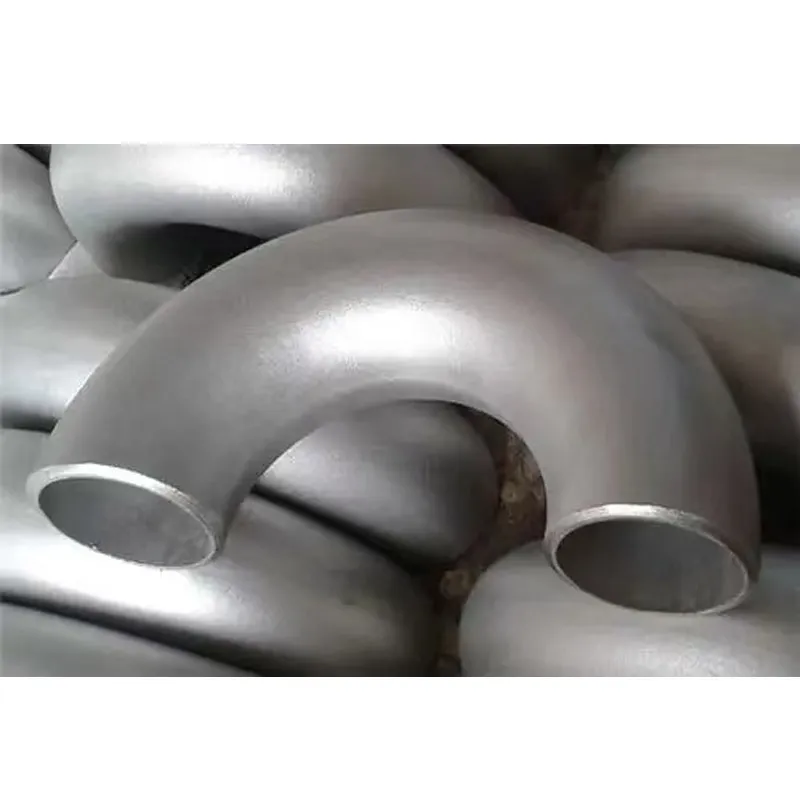
Premium Stainless Steel Bends | 304 & Exhaust Tubing

Technical Specifications and Product Parameters

Understanding the technical parameters is crucial for specifying the correct stainless steel bend for an application. Our product line offers a wide range of options:

Typical Product Specifications: Bend Pipe (Stainless Steel)

Parameter Specification
Material Grades ASTM A403 WP304/304L, WP316/316L, WP321, WP347, Duplex 2205, Super Duplex 2507
Outer Diameter (OD) 1/2" NB to 48" NB (DN15 to DN1200)
Wall Thickness (WT) Sch 5S to Sch XXS (up to 60mm)
Bend Radius (R) 3D, 5D, 7D, 10D (where D is pipe nominal diameter), or customized
Bend Angle (θ) 15°, 30°, 45°, 60°, 90°, 180°, or specified by client
End Connections Beveled ends for welding, Plain ends
Manufacturing Standards ASME B16.9, ASTM A403, ISO, DIN, JIS, EN
Surface Finish Pickled and Passivated, Mechanically Polished, Electrolytic Polished

Our capabilities extend to manufacturing specialized bends for high-pressure and high-temperature services, ensuring robust performance under extreme conditions.
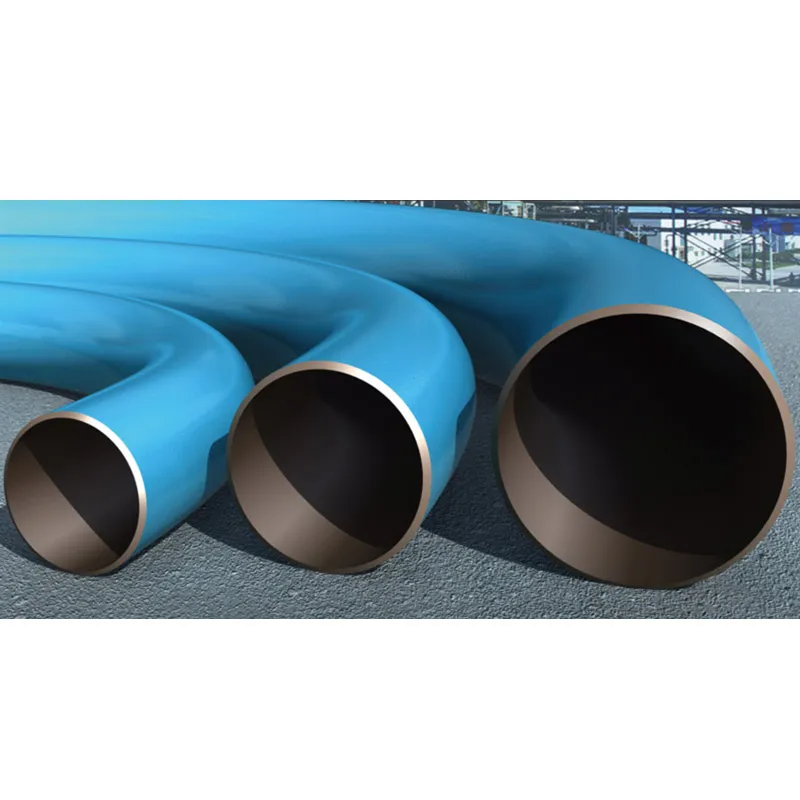
Premium Stainless Steel Bends | 304 & Exhaust Tubing

Technical Advantages and Performance Benefits

The strategic implementation of a high-quality stainless steel bend offers significant technical advantages, critical for the long-term operational success of industrial piping systems:
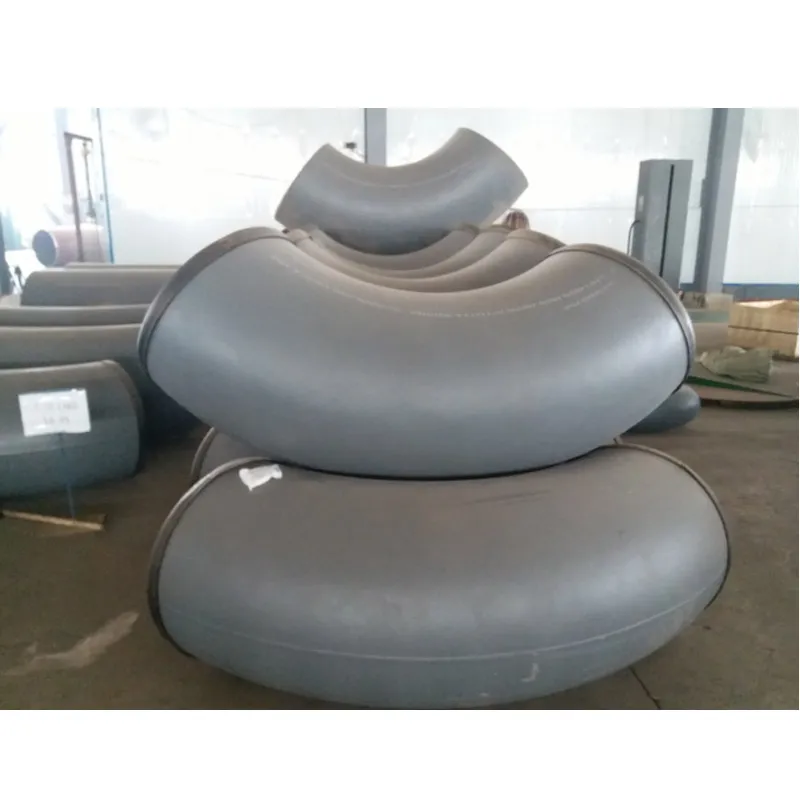
  • Superior Corrosion Resistance: Stainless steel, particularly grades like 304 and 316, provides exceptional resistance to oxidation, acidic, and alkaline environments, crucial for aggressive media in chemical processing or marine applications. This directly translates to an extended service life and reduced maintenance.
  • Enhanced Durability and Strength: With high tensile and yield strength, stainless steel bends can withstand significant internal pressures and external stresses, ensuring structural integrity in demanding conditions. This makes them ideal for applications that typically require robust stainless exhaust tubing bends.
  • Temperature Versatility: Stainless steel maintains its mechanical properties across a broad range of temperatures, from cryogenic to high-heat applications, without compromising integrity.
  • Hygienic Properties: The non-porous and easy-to-clean surface of stainless steel prevents bacterial growth and contamination, making it indispensable in food & beverage, pharmaceutical, and biotechnology industries.
  • Cost-Effectiveness (Long-term): While initial investment might be higher than carbon steel, the extended service life, minimal maintenance requirements, and resistance to degradation provide a significantly lower total cost of ownership over the operational lifespan.
  • Energy Saving through Optimized Flow: Smooth internal surfaces and precisely engineered bend radii minimize turbulence and pressure drops, contributing to more efficient fluid transport and potential energy savings in pumping operations.
Premium Stainless Steel Bends | 304 & Exhaust Tubing

Application Scenarios and Target Industries

The versatility of the stainless steel bend makes it a cornerstone component across a wide array of demanding industrial sectors:

  • Petrochemical and Oil & Gas: Used extensively in refineries, offshore platforms, and pipelines for transporting crude oil, natural gas, and refined products under high pressure and corrosive conditions. The resistance of 304 stainless bends to various chemicals is crucial here.
  • Power Generation: Integral to steam and water lines in conventional and nuclear power plants, where high temperatures and pressures necessitate robust, corrosion-resistant fittings.
  • Water Supply & Drainage: Employed in municipal water treatment plants, desalination facilities, and wastewater systems due to their hygiene and resistance to waterborne corrosion.
  • Food & Beverage Processing: Essential for maintaining hygienic conditions in breweries, dairies, and other food production lines, where smooth flow and ease of cleaning are paramount.
  • Pharmaceutical and Biotechnology: Used in sterile environments where purity and non-reactivity with sensitive compounds are critical.
  • HVAC Systems: For air conditioning, heating, and ventilation systems, particularly in large commercial and industrial complexes requiring durable and leak-proof ducting.
  • Automotive and Exhaust Systems: High-performance stainless exhaust tubing bends are vital for vehicle exhaust systems, offering corrosion resistance and durability in high-temperature, vibratory environments, often outperforming mild steel exhaust pipe bends in longevity.
  • Mining and Metallurgy: For slurry transport and process piping where abrasive materials and harsh chemicals are common.

In each scenario, the specific properties of the chosen stainless steel grade and the precision of the bend’s fabrication directly contribute to operational safety and efficiency.
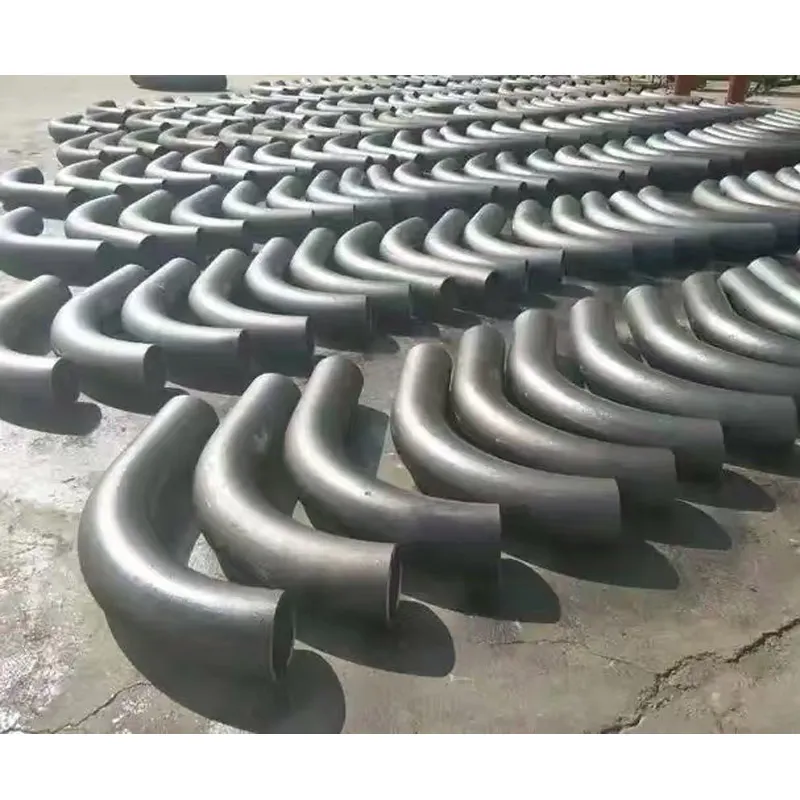
Premium Stainless Steel Bends | 304 & Exhaust Tubing

Vendor Comparison: Stainless Steel vs. Mild Steel Bends

When selecting pipe bends, material choice is paramount. While both stainless steel and mild steel bends serve to change pipe direction, their performance characteristics and suitability for different applications vary significantly.

Feature Stainless Steel Bend (e.g., 304, 316) Mild Steel Exhaust Pipe Bends
Corrosion Resistance Excellent; naturally passive layer prevents rust and corrosion in most environments. Ideal for corrosive fluids and outdoor exposure. Poor; highly susceptible to rust and corrosion. Requires protective coatings (e.g., painting, galvanizing) which need regular maintenance.
Strength & Durability High tensile strength, good ductility, and fatigue resistance. Exceptional longevity. Good strength, but generally lower than stainless steel. More prone to wear and tear over time without protection.
Temperature Range Wide operating range, from cryogenic to very high temperatures (up to 800-900°C for some grades). Limited at high temperatures due to scaling and reduced strength; generally unsuitable for cryogenic.
Hygienic Properties Excellent; smooth, non-porous surface makes it ideal for sanitary applications. Easy to clean and sterilize. Poor; porous surface can harbor bacteria. Unsuitable for food, pharmaceutical, or clean water applications without extensive lining.
Cost (Initial) Higher initial material and fabrication cost due to alloy content and specialized processing. Lower initial cost, making it attractive for budget-constrained projects or non-critical applications.
Maintenance & Lifespan Low maintenance, long service life (20-30+ years) in suitable conditions, leading to lower total cost of ownership. Higher maintenance due to coating requirements and shorter lifespan (5-15 years) in corrosive environments.

The choice ultimately depends on the specific application's demands for corrosion resistance, temperature, hygiene, and budget. For critical infrastructure, the long-term benefits of a stainless steel bend far outweigh the initial cost difference.

Customized Solutions and Engineering Support

Recognizing that off-the-shelf solutions may not always meet the unique requirements of complex industrial projects, Lion Pipeline specializes in providing customized stainless steel bend solutions. Our engineering team collaborates closely with clients from the initial design phase through to final production, ensuring precise adherence to project specifications and optimal performance.

  • Tailored Dimensions: Manufacturing bends with non-standard radii, angles, wall thicknesses, and tangents.
  • Special Alloys: Sourcing and fabricating bends from specialized stainless steel grades (e.g., Duplex, Super Duplex, Hastelloy) for extreme conditions.
  • Unique End Preparations: Custom end bevels, threaded ends, or specialized flange connections.
  • Surface Finishes: From standard pickled and passivated to highly polished finishes for ultra-pure or aesthetic applications.
  • Advanced Prototyping: Utilizing CAD/CAM and simulation tools to develop and test prototypes before full-scale production.

Our commitment to engineering excellence ensures that even the most challenging requirements for a stainless steel bend are met with precision and reliability.
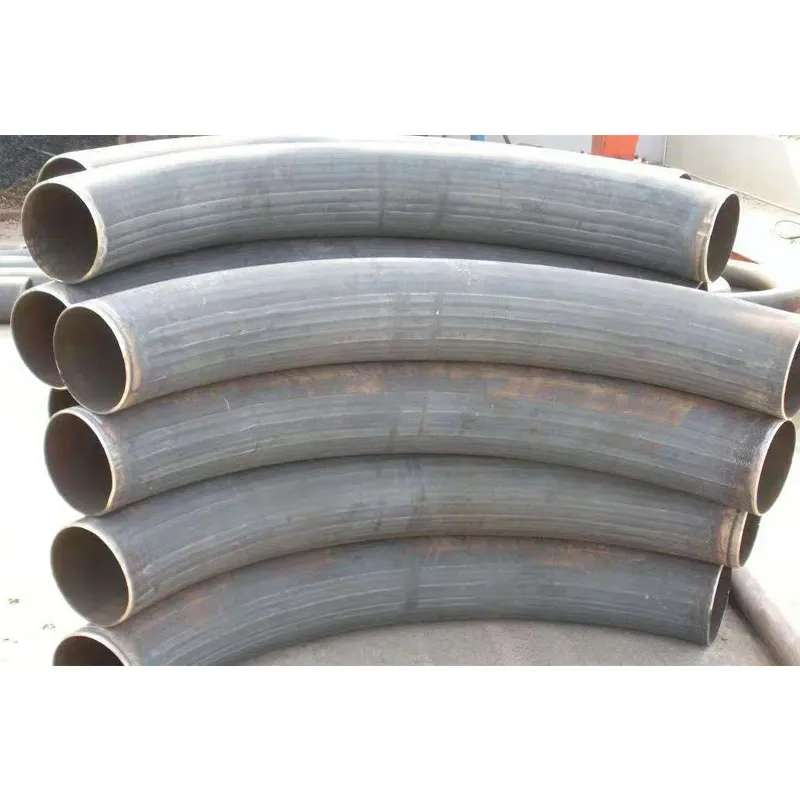
Premium Stainless Steel Bends | 304 & Exhaust Tubing

Application Case Studies

Real-world applications demonstrate the critical role and reliable performance of our stainless steel bend products:

Case Study 1: Offshore Oil & Gas Platform

Challenge: An offshore platform required pipe bends capable of withstanding extreme corrosive conditions (saltwater, hydrogen sulfide) and high-pressure fluid transport, with minimal maintenance for a projected 25-year lifespan.

Solution: We supplied a series of custom-fabricated Duplex 2205 stainless steel bend fittings, ranging from 10" to 24" in diameter, utilizing the induction bending process. Each bend underwent extensive NDT and hydrostatic testing to ensure compliance with API and ASME B31.3 standards. The Duplex material provided superior resistance to pitting and crevice corrosion compared to standard austenitic grades.

Outcome: The bends were successfully integrated into the platform's processing lines, demonstrating exceptional performance in the harsh marine environment, leading to a significant reduction in anticipated maintenance costs and improved operational uptime.

Case Study 2: Pharmaceutical Facility Upgrade

Challenge: A leading pharmaceutical manufacturer needed to upgrade its clean utility piping system, requiring bends with ultra-high purity, smooth internal surfaces, and impeccable hygienic properties to prevent contamination and facilitate CIP (Clean-in-Place) processes.

Solution: We provided polished 316L stainless steel bend fittings with a specified Ra (roughness average) value of

Outcome: The installed bends met all stringent pharmaceutical guidelines (e.g., FDA, USP), contributing to a system that ensured product integrity, reduced cleaning cycle times, and minimized the risk of batch contamination, enhancing the facility’s operational efficiency and compliance.

Premium Stainless Steel Bends | 304 & Exhaust Tubing

Commitment to Trustworthiness: FAQ, Lead Time & Warranty

Frequently Asked Questions (FAQ)

Q: What are the primary advantages of 304 stainless bends over other materials?

A: 304 stainless bends offer an excellent balance of corrosion resistance, weldability, and cost-effectiveness. They are highly suitable for a wide range of general industrial, food & beverage, and chemical applications where moderate corrosive conditions are present. Their non-magnetic properties and good formability are also key advantages.

Q: Can Lion Pipeline provide third-party inspection certificates for stainless steel bend orders?

A: Yes, we regularly arrange for third-party inspections (e.g., SGS, BV, DNV) by request. All our products are supplied with comprehensive Mill Test Certificates (MTCs) compliant with EN 10204 3.1 or 3.2, detailing chemical composition, mechanical properties, and heat treatment records.

Q: What is the typical lead time for custom stainless steel bend orders?

A: Lead times vary depending on complexity, material availability, and order volume. For standard items, lead times can be as short as 2-4 weeks. For highly customized or large-scale projects, lead times typically range from 6-12 weeks. We provide detailed lead time estimates with every quotation and maintain transparent communication throughout the production process.

Lead Time & Fulfillment Details

Lion Pipeline is committed to efficient production and timely delivery. We maintain strategic inventory levels for common stainless steel bend sizes and grades, enabling faster fulfillment. Our logistics team works with trusted global freight partners to ensure secure and on-schedule delivery to your project site, worldwide. Expedited options are available for urgent requirements.

Warranty Commitments

We stand behind the quality of every stainless steel bend we produce. All our products come with a comprehensive warranty against manufacturing defects and material failures under normal operating conditions. Specific warranty terms are outlined in our sales agreements, reflecting our confidence in the durability and performance of our fittings.

Customer Support Information

Our dedicated customer support team is available to assist with technical inquiries, order status, and after-sales service. We offer expert guidance on material selection, design optimization, and installation best practices. Reach out to us via our website or direct contact channels for prompt and professional assistance.

Conclusion

The judicious selection and implementation of a stainless steel bend are paramount for the operational integrity and efficiency of any industrial piping system. With their superior corrosion resistance, high strength, and versatile application across diverse industries, these fittings represent a critical investment in long-term reliability. Lion Pipeline's commitment to precision engineering, adherence to stringent quality standards (including ISO certifications), and offering tailored solutions positions us as a trusted partner for your most demanding projects. We leverage extensive experience and technical expertise to deliver not just products, but comprehensive solutions that optimize performance and ensure the longevity of your infrastructure.
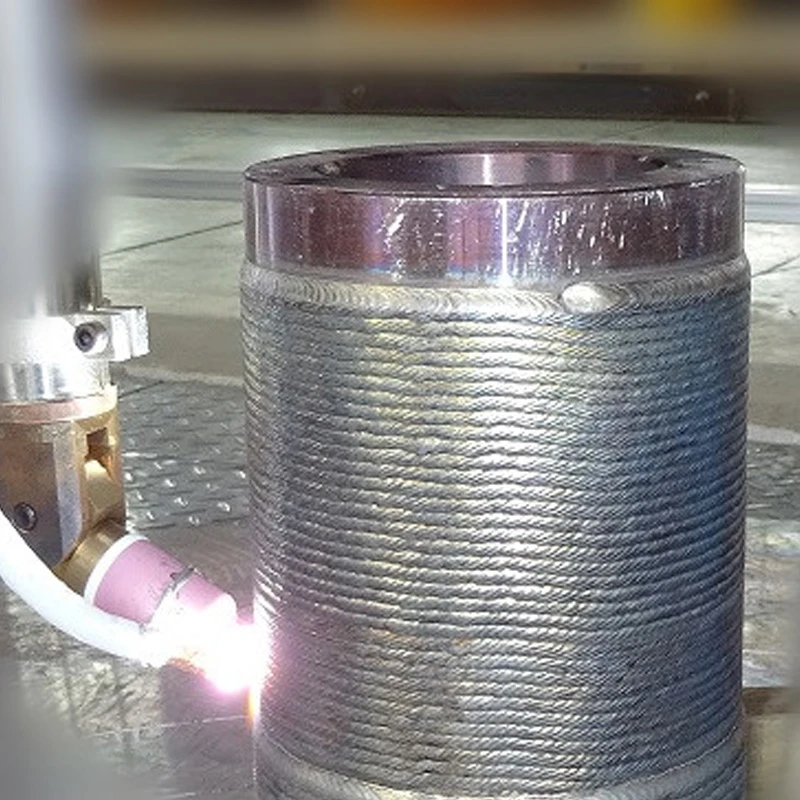
References

  1. American Society of Mechanical Engineers (ASME). ASME B16.9: Factory-Made Wrought Buttwelding Fittings.
  2. ASTM International. ASTM A403/A403M: Standard Specification for Wrought Austenitic Stainless Steel Piping Fittings.
  3. International Organization for Standardization (ISO). ISO 9001: Quality Management Systems – Requirements.
  4. European Committee for Standardization (CEN). EN 10204: Metallic Products – Types of Inspection Documents.
  5. Ni, P., Luo, J., & Li, R. (2018). Advanced Manufacturing Technologies for Large Diameter Pipeline Bends. Journal of Materials Processing Technology, 252, 78-87.
  • Factory Prefabricated Products

    Factory Prefabricated Products

    In modern industrial construction, the quality and supply efficiency of pipe fittings directly affect the success or failure of the project. With advanced production concept and strong technical strength, we focus on the factory prefabrication of products, and provide all-round pipe fitting solutions for many key fields such as petrochemical industry and coal chemical industry.
    VIEW ALL
  • Tee Pipe

    Tee Pipe

    Tee products are essential pipe fittings used to connect three sections of piping, forming a "T" shape. Available in various materials like carbon steel, stainless steel, and alloy steel, they are designed for use in systems requiring the diversion or junction of fluid flow.
    VIEW ALL
  • Laser Clad  Pipe

    Laser Clad Pipe

    Laser clad steel pipes are manufactured using laser cladding technology. This technology involves adding cladding material to the surface of ordinary steel pipe base material, using high-energy-density laser beams to fuse the cladding material with the steel pipe surface, forming a metallurgically bonded cladding layer. These pipes are generally used in compressed air energy storage projects as underground deep well transportation pipes or casings, as well as in oil, natural gas, and geothermal well extraction.
    VIEW ALL
To create value for customers!
Cangzhou Leo Technology Co., Ltd. is located in Mengcun County Economic Development Zone, Cangzhou City, Hebei Province. It is a specialized high-tech enterprise that integrates the research and development, production, and sales of composite pipes and fittings.
News
The company regards product quality as the life of the enterprise, establishes a sound quality management system in accordance with the requirements of industry and national standards, controls all aspects of input and output in the whole process, pays attention to every detail, and ensures that the product delivery pass rate is 100%.
Comprehensive Guide to Steel Pipes and Fittings | Benefits & Global Applications

Comprehensive Guide to Steel Pipes and Fittings | Benefits & Global Applications

Steel Pipes and Fittings: Backbone of Global Infrastructure Steel pipes and fittings might sound lik
Understanding Welded Steel Pipe: Applications, Benefits, and Innovations

Understanding Welded Steel Pipe: Applications, Benefits, and Innovations

The Quiet Power of Welded Steel Pipe in Today's World If you’re here, you’re probably wo
The Essential Guide to Tube and Steel: Applications, Benefits, and Future Trends

The Essential Guide to Tube and Steel: Applications, Benefits, and Future Trends

Understanding Tube and Steel: Why It Matters in a Complex World If you haven’t given much thou
Thin Wall Steel Pipe – Lightweight Strength for Global Infrastructure Solutions

Thin Wall Steel Pipe – Lightweight Strength for Global Infrastructure Solutions

Understanding Thin Wall Steel Pipe: Why It Matters Globally The term “thin wall steel pipe&rdq
Thick Wall Steel Tubing: Durable Solutions for Global Pipelines and Infrastructure

Thick Wall Steel Tubing: Durable Solutions for Global Pipelines and Infrastructure

The Growing Importance of Thick Wall Steel Tubing: A Practical Overview Sometimes when you hear &ldq
Thick Wall Steel Pipe - Durable Industrial Piping for High-Pressure Applications

Thick Wall Steel Pipe - Durable Industrial Piping for High-Pressure Applications

Understanding Thick Wall Steel Pipe: What It Is and Why It Matters Globally If you’ve ever enc
tel email tel top

If you are interested in our products, you can choose to leave your information here, and we will be in touch with you shortly.