Introduction to High-Performance Piping Solutions for Industrial Applications
In demanding industrial environments, the integrity and longevity of piping systems are paramount. Traditional materials often fall short in the face of extreme corrosion, high temperatures, pressure fluctuations, and abrasive media, leading to frequent maintenance, costly downtime, and significant safety risks. This challenge has driven innovation in materials science and engineering, leading to the development of advanced piping solutions.
Among these innovations, the composite pipe stands out as a superior choice. Specifically, laser-clad pipe technology represents a significant leap forward, combining the structural strength of a base material, typically high-grade steel, with the exceptional surface properties of advanced alloys. This synergistic design ensures unparalleled resistance to wear, corrosion, and high-temperature oxidation, extending service life and enhancing operational efficiency across a multitude of sectors.
This article delves into the technical intricacies, application benefits, and strategic advantages of modern composite piping solutions, offering a comprehensive guide for B2B decision-makers and engineers seeking reliable and cost-effective infrastructure investments.
Industry Trends and Market Outlook for Advanced Piping
The global industrial piping market is experiencing robust growth, driven by increasing energy demand, infrastructure development, and the need for more resilient and sustainable operational systems. Key trends influencing this market include:
- Emphasis on Corrosion and Erosion Resistance: Industries like petrochemical, oil and gas, and mining are increasingly prioritizing materials that can withstand aggressive chemical media and abrasive slurries, reducing maintenance costs and improving safety. The demand for advanced materials like those in a composite pipe is surging.
- Sustainability and Lifecycle Cost Reduction: Operators are looking beyond initial investment, focusing on total cost of ownership (TCO) which includes energy consumption, maintenance, and replacement costs. Long-lasting, high-performance pipes contribute significantly to TCO reduction.
- Digitalization and Predictive Maintenance: Integration of smart sensors and IoT in piping systems is becoming more common, allowing for real-time monitoring and predictive maintenance strategies.
- Strict Regulatory Compliance: Evolving environmental regulations and safety standards (e.g., API, ASME, ISO) demand higher performance and reliability from piping materials, particularly for hazardous fluid transport.
- Customization and Specialized Solutions: Generic piping solutions are often insufficient for unique operational challenges. There's a growing need for tailor-made pipes that address specific pressure, temperature, and chemical compatibility requirements.
The market for highly engineered solutions like Laser Clad Pipe is projected to expand, particularly in regions undergoing significant industrial expansion and modernization. End-users are increasingly recognizing the value proposition of investing in premium materials that offer extended operational lifespans and enhanced safety margins.
Understanding Laser Clad Pipe Technology
Materials and Structure of Advanced Composite Pipe
A laser-clad pipe is a sophisticated form of composite pipe engineered to deliver superior performance by combining the best attributes of different materials. Typically, it consists of a robust base pipe, often made from high-strength carbon steel or low-alloy steel, which provides the primary structural integrity and pressure containment capabilities. On the internal surface (or external, depending on application), a thin, metallurgical bond layer of specialized alloy is applied using advanced laser cladding techniques.
The cladding material selection is critical and tailored to the specific operational environment. Common cladding alloys include:
- Nickel-based alloys (e.g., Inconel 625, Hastelloy C276): Exceptional resistance to localized corrosion (pitting, crevice corrosion), stress corrosion cracking, and high-temperature oxidation in aggressive chemical environments.
- Cobalt-based alloys (e.g., Stellite series): Renowned for superior wear and abrasion resistance, especially at elevated temperatures.
- Stainless steels (e.g., 316L, Duplex, Super Duplex): Offers good general corrosion resistance, suitable for less severe, yet still challenging, applications.
This bimetallic structure ensures that the pipe can withstand extreme pressures and mechanical stresses while its inner surface provides a protective barrier against corrosive and erosive media, effectively extending the lifespan far beyond what monolithic materials can offer.
Process Flow: Manufacturing Laser Clad Pipe
The manufacturing of Laser Clad Pipe is a highly controlled, multi-stage process that leverages precision engineering and advanced material deposition techniques. Here's a detailed breakdown:
- Base Pipe Preparation:
- Material Sourcing: High-quality seamless or welded steel pipes (e.g., API 5L, ASTM A106, ASTM A335) are selected based on design specifications.
- Initial Inspection: Non-destructive testing (NDT) such as ultrasonic testing (UT) and eddy current testing (ECT) is performed to ensure the base pipe is free from defects.
- Surface Preparation: The internal surface of the base pipe is meticulously cleaned to remove any contaminants (oil, grease, rust) and then mechanically roughened (e.g., grit blasting) to enhance adhesion of the clad layer.
- Laser Cladding Process:
- Powder Feed System: The chosen cladding alloy, in powder form, is precisely fed into the laser interaction zone.
- High-Power Laser Beam: A high-power laser (e.g., diode, fiber, or YAG laser) creates a molten pool on the base pipe's surface.
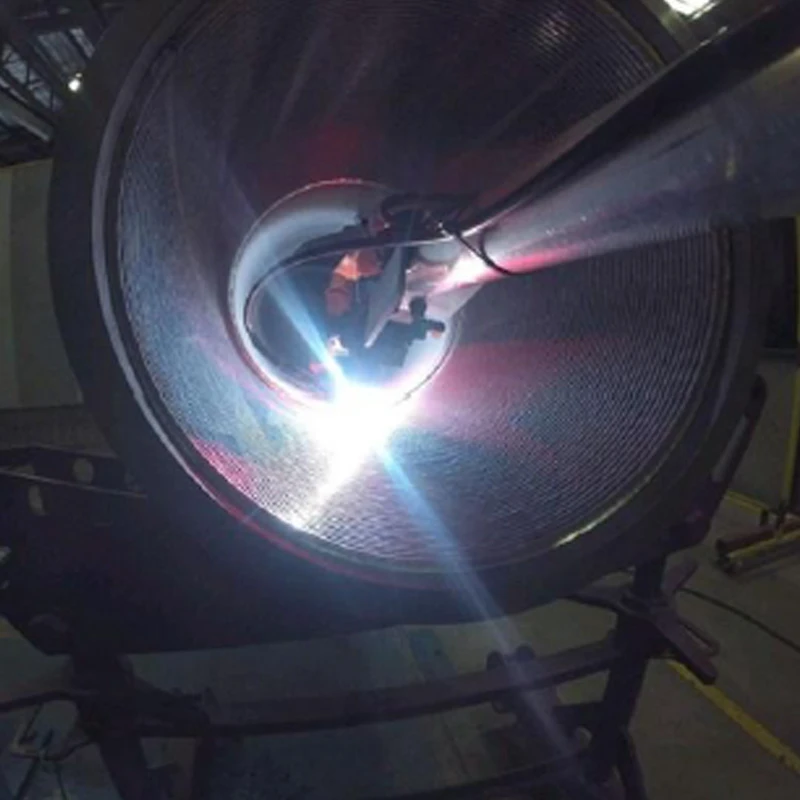
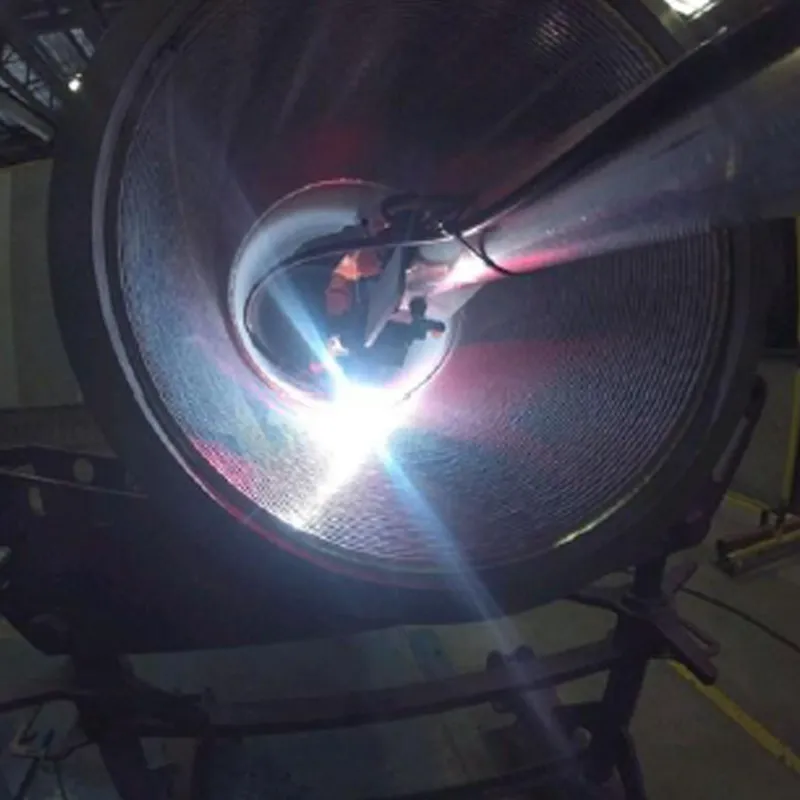
- Metallurgical Bonding: As the powder melts and fuses with the molten base material, a metallurgical bond is formed. The laser head traverses the internal surface of the pipe, creating a continuous, uniform clad layer with minimal dilution and heat-affected zone (HAZ). This process allows for precise control over clad thickness and microstructure.
- Controlled Atmosphere: Often conducted under inert gas shielding (e.g., Argon) to prevent oxidation and ensure a pristine clad layer.
- Post-Cladding Treatment:
- Heat Treatment (Optional): Stress relieving or solution annealing may be performed to optimize the mechanical properties and microstructure of the clad layer and base material.
- Machining/Finishing: The clad layer is precision machined (e.g., CNC machining) to achieve the desired internal diameter, surface finish, and tight tolerances.
- Quality Control and Testing:
- Visual Inspection: Thorough visual inspection for surface defects.
- NDT (Non-Destructive Testing): Ultrasonic inspection (UT) or radiographic testing (RT) verifies clad integrity, bond quality, and freedom from porosity or cracks. Dye Penetrant Inspection (DPI) checks surface-breaking defects.
- Destructive Testing: Samples may undergo bend tests, hardness tests, tensile tests, and metallographic examination to verify mechanical properties and microstructure of the clad and base materials.
- Hydrostatic Testing: Ensures pressure containment capability according to relevant standards (e.g., API 5L, ASTM A530).
- Dimensional Inspection: Verification of pipe length, diameter, wall thickness, and straightness to precise specifications.
- Clad Thickness Measurement: Accurate measurement of the clad layer thickness to ensure it meets design requirements.
- Marking and Packaging: Finished pipes are marked with essential information (material, dimensions, heat number) and properly packaged for transport to prevent damage.
This meticulous process ensures that each Laser Clad Pipe meets stringent industry standards such as ISO 15156 (NACE MR0175) for sour service, ANSI B31.3 for process piping, and various ASTM and API specifications, guaranteeing a service life often exceeding 20-30 years in challenging conditions.
Technical Specifications and Performance Parameters
Laser Clad Pipe, as a sophisticated composite pipe, offers a range of customizable technical parameters to meet diverse industrial requirements. Below is a representative table outlining typical specifications for Laser Clad Pipe using common base and clad materials.
Product Specification Table: Laser Clad Pipe (Representative Data)
| Parameter |
Typical Range / Specification |
Notes / Standards |
| Base Pipe Material |
API 5L Gr. B to X80, ASTM A106 Gr. B/C, ASTM A335 P11/P22 |
High-strength carbon steel or low-alloy steel |
| Cladding Material |
Inconel 625, Hastelloy C276, Duplex 2205, Super Duplex 2507, 316L |
Nickel-based alloys, Stainless Steels, Cobalt-based alloys |
| Pipe Outer Diameter (OD) |
DN 50 (2") to DN 1200 (48") |
Customizable, larger diameters possible |
| Wall Thickness (WT) |
6 mm (0.236") to 100 mm (3.94") |
Dependent on pressure rating and base material |
| Cladding Thickness |
0.5 mm to 3.0 mm (0.02" to 0.12") |
Precise control, optimized for application |
| Length |
Up to 12 meters (40 ft) per single piece |
Longer sections via welding of clad pipes |
| Operating Temperature Range |
-46°C to +650°C (-50°F to +1200°F) |
Dependent on specific base & clad materials |
| Corrosion Resistance |
NACE MR0175 / ISO 15156 compliant (for sour service) |
High resistance to H2S, CO2, chlorides |
| Pressure Rating |
Up to 2500 PSI (172 bar) and beyond |
Calculated based on base pipe WT and material grade |
| Testing Standards |
ASTM A262, ASTM E112, ASTM A370, API 5L, ANSI B31.3 |
Full suite of NDT and destructive tests |
Key Technical Advantages of Laser Clad Pipe
The strategic design and advanced manufacturing of Laser Clad Pipe translate into significant operational advantages for industries where performance and reliability are non-negotiable.
- Superior Corrosion Resistance: The meticulously applied clad layer, often a high-nickel or super duplex alloy, provides an impenetrable barrier against highly corrosive media, including chlorides, H2S, CO2, and various acids. This extends the service life by factors of 5-10 times compared to unclad carbon steel, especially in sour service and saltwater environments.
- Exceptional Erosion Resistance: In applications involving abrasive slurries or high-velocity fluid flow, the hard and durable clad layer minimizes material loss, preventing premature pipe failure and maintaining consistent flow dynamics.
- Enhanced Durability and Service Life: By addressing the primary failure modes of traditional pipes (corrosion, erosion), Laser Clad Pipe offers a dramatically extended operational lifespan. This reduces the frequency of replacements, leading to substantial savings in material, labor, and downtime costs.
- Cost-Effectiveness: While the initial investment for a composite pipe like Laser Clad Pipe might be higher than conventional steel, the total cost of ownership (TCO) is significantly lower. Savings accrue from reduced maintenance, fewer repairs, extended operational uptime, and enhanced safety. For example, a study by NACE International estimated that direct corrosion costs amount to 3.4% of global GDP, highlighting the economic imperative of corrosion-resistant solutions.
- High-Temperature and High-Pressure Performance: The robust steel base pipe maintains structural integrity under extreme pressures and temperatures, while the clad layer protects against degradation in aggressive thermal environments, making it ideal for critical process lines.
- Optimized Material Usage: Unlike solid corrosion-resistant alloy (CRA) pipes, which are prohibitively expensive, laser cladding uses high-cost materials only where needed—on the internal surface—providing equivalent protection at a fraction of the cost and weight.
- Reliable Weldability and Fabrication: Despite its bimetallic nature, Laser Clad Pipe can be welded and fabricated using specialized procedures, ensuring seamless integration into complex piping systems. A reputable composite pipe manufacturer provides detailed welding procedures.
Application Scenarios Across Key Industries
The versatility and superior performance of Laser Clad Pipe make it indispensable across a wide spectrum of demanding industrial applications:
- Oil & Gas (Upstream, Midstream, Downstream):
- Sour Service Lines: Transport of crude oil and natural gas containing H2S and CO2, preventing sulfide stress cracking and general corrosion.
- Seawater Injection Lines: Resisting highly corrosive seawater in enhanced oil recovery operations.
- Subsea Flowlines & Risers: Durable in deepwater, high-pressure, and corrosive marine environments.
- Process Piping in Refineries: Handling aggressive chemicals, acids, and high-temperature hydrocarbon streams.
- Petrochemical and Chemical Processing:
- Acid Transfer Lines: Safe conveyance of strong acids (e.g., sulfuric, hydrochloric) without risk of material degradation.
- Reactors and Heat Exchangers: Internal cladding protects against highly corrosive reactants and high-temperature degradation.
- Effluent Treatment: Resisting corrosive wastewater and chemical byproducts.
- Power Generation (Thermal and Nuclear):
- Boiler Feedwater Lines: Handling high-purity water, minimizing corrosion product formation.
- Condenser Piping: Resisting corrosive cooling water, often seawater.
- Flue Gas Desulfurization (FGD) Systems: Withstanding abrasive and corrosive slurries and acidic condensates.
- Mining and Mineral Processing:
- Slurry Pipelines: Transport of abrasive mineral slurries (e.g., iron ore, copper concentrate) over long distances, preventing erosion.
- Leaching Circuits: Resisting highly acidic or alkaline lixiviants used in mineral extraction.
- Water Supply & Drainage (Advanced Systems):
- Desalination Plants: Handling corrosive brine and seawater, ensuring long-term integrity of critical piping.
- Industrial Wastewater Treatment: Resisting aggressive chemical mixtures in advanced treatment processes.
In each of these scenarios, the Laser Clad Pipe delivers energy savings through reduced friction coefficients due to smooth clad surfaces, significantly enhanced corrosion resistance, and prolonged operational integrity, directly translating to economic benefits and improved safety.
Vendor Comparison: Choosing the Right Composite Pipe Manufacturer
Selecting the right composite pipe manufacturer is a critical decision that impacts project timelines, operational reliability, and long-term cost-effectiveness. Not all manufacturers offer the same level of expertise, quality, or technological capability. Here’s a comparison framework to guide your selection:
Comparison Criteria for Advanced Piping Manufacturers
| Feature/Criterion |
Generic Steel Pipe Manufacturer (Standard Product) |
Specialized Laser Clad Pipe Manufacturer (e.g., Lion Pipeline) |
| Product Range |
Standard carbon steel, stainless steel, some alloy steels. Limited corrosion resistance. |
Wide range of base materials with advanced CRA claddings (Inconel, Hastelloy, Duplex). Focus on severe service. |
| Corrosion/Erosion Resistance |
Basic to moderate, depending on grade. Prone to failure in aggressive environments. |
Superior, tailored for specific corrosive/erosive media. Significant extension of service life. |
| Manufacturing Technology |
Traditional hot rolling, cold drawing, welding processes. |
Advanced laser cladding, precise material deposition, minimized HAZ. State-of-the-art facility. |
| Customization Capability |
Limited to standard sizes and material grades. |
Extensive customization for OD, WT, clad thickness, material combinations, specific service conditions. |
| Quality Control & Testing |
Standard industry tests (UT, MPI, Hydrostatic). |
Comprehensive NDT (UT, RT, ECT), metallographic analysis, advanced corrosion testing, API/ISO/ANSI compliance. |
| Technical Support & Expertise |
General product support. |
Deep engineering expertise, material selection guidance, welding procedure qualification, project-specific consultancy. |
| Total Cost of Ownership (TCO) |
Lower initial cost, but higher lifecycle costs due to maintenance, downtime, and frequent replacement. |
Higher initial investment, significantly lower TCO due to extended service life, reduced maintenance, and enhanced reliability. |
Choosing a specialist composite pipe manufacturer like Lion Pipeline, which focuses on advanced technologies such as laser cladding, ensures access to superior product quality, expert technical support, and ultimately, a more reliable and cost-effective piping solution for your most critical applications.
Customized Solutions and Application Case Studies
Tailored Piping for Unique Challenges
Recognizing that no two industrial projects are identical, leading composite pipe manufacturers excel in providing highly customized solutions. This involves a collaborative approach where engineering teams work closely with clients to understand specific operational parameters, fluid compositions, pressure and temperature profiles, and desired service life. Based on this detailed analysis, custom solutions may involve:
- Material Selection: Optimizing the combination of base pipe material and cladding alloy for the most cost-effective and performance-driven solution.
- Dimensions and Tolerances: Fabricating pipes with non-standard diameters, wall thicknesses, and lengths, alongside precise internal bore tolerances.
- Surface Finish: Specifying internal surface roughness for optimized flow characteristics or resistance to fouling.
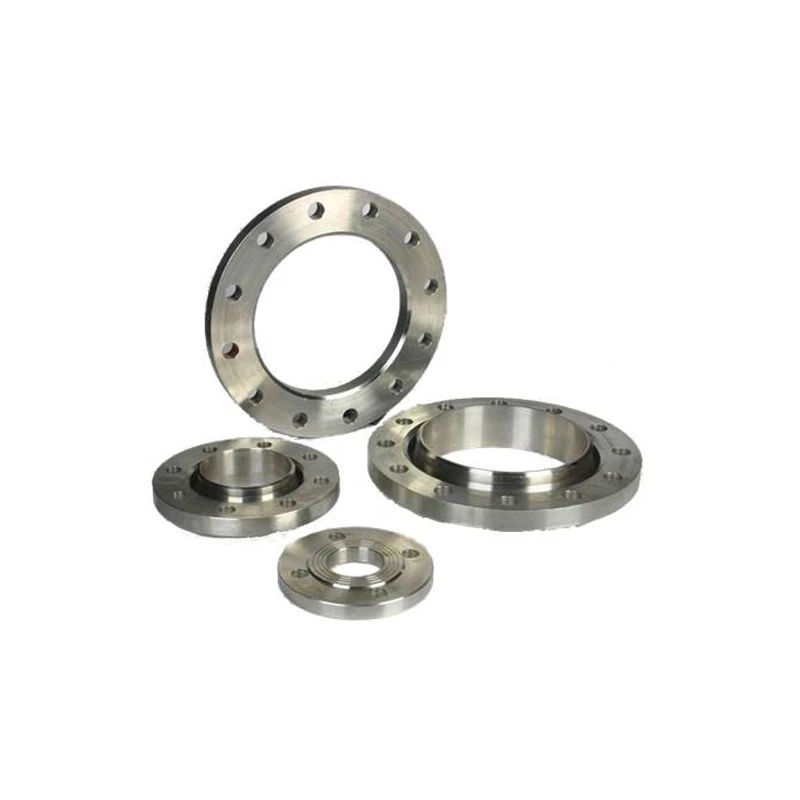
- Integrated Solutions: Providing not just pipes, but also clad fittings, flanges, and other components to ensure a fully protected system.
- Welding Procedure Qualification: Developing and qualifying specific welding procedures to ensure the integrity of field joints between clad pipes.
Real-World Application Case Studies
The tangible benefits of Laser Clad Pipe are best illustrated through successful deployments in challenging environments:
Case Study 1: Offshore Oil Production in Sour Service
Challenge: An offshore oil platform faced severe internal corrosion in its production flowlines due to high concentrations of H2S and CO2, leading to frequent pipe failures and costly intervention. Standard carbon steel pipes were lasting less than 3 years.
Solution: 12-inch OD Laser Clad Pipes with an API 5L X65 base pipe and an Inconel 625 internal clad layer (2mm thickness) were deployed. The pipes were engineered to meet NACE MR0175/ISO 15156 standards for sour service.
Outcome: After 7 years of continuous operation, the Laser Clad Pipes showed no measurable internal corrosion or degradation, significantly exceeding the previous service life. This resulted in an estimated 70% reduction in maintenance costs over the period and averted potential environmental hazards from leaks. The client provided positive feedback, noting the reliability and performance of the composite pipe.
"Implementing the Laser Clad Pipes was a strategic decision that has paid dividends in operational stability and cost savings. We've seen an unprecedented level of reliability in our sour service lines." - Offshore Operations Manager, Major Energy Company.
Case Study 2: Mineral Slurry Transport in a Mining Operation
Challenge: A large-scale iron ore mine encountered severe erosion in its slurry pipelines due to highly abrasive iron ore particles transported at high velocities. This necessitated frequent rotation and replacement of thick-walled carbon steel pipes, leading to significant operational bottlenecks.
Solution: 24-inch OD Laser Clad Pipes with a higher strength steel base and a wear-resistant cobalt-based alloy (Stellite 6 type) clad layer (1.5mm thickness) were supplied. The clad layer was specifically chosen for its hardness and resistance to abrasive wear.
Outcome: The wear rate in the clad pipes was reduced by over 85% compared to conventional pipes. The service life increased from 1.5 years to more than 8 years, virtually eliminating unscheduled downtime for pipe replacement in these critical sections. The mine reported enhanced throughput and a substantial reduction in operational expenditure related to pipeline maintenance. This demonstrated the significant advantage of a specialized composite pipe for highly erosive conditions.
Commitment to : Authoritativeness and Trustworthiness
Certifications and Quality Assurance
As a leading composite pipe manufacturer, adherence to international quality and safety standards is paramount. Our products, including Laser Clad Pipe, are manufactured under rigorous quality management systems certified to ISO 9001:2015. We maintain extensive certifications from authoritative bodies, including:
- API (American Petroleum Institute) Standards: Compliance with API 5L for line pipe, API 6A for wellhead and Christmas tree equipment.
- ASME (American Society of Mechanical Engineers) Codes: Adherence to Section VIII (Pressure Vessels) and B31.3 (Process Piping).
- NACE International (National Association of Corrosion Engineers): Products meet requirements for sour service applications (NACE MR0175 / ISO 15156).
- CE Marking: Ensuring compliance with European Union safety, health, and environmental protection directives.
Our robust testing protocols include 100% NDT (UT, RT, MPI, LPI) for critical applications, alongside detailed metallographic examinations and mechanical property testing to verify the integrity and performance of every pipe. Partnerships with global energy leaders and over two decades of dedicated service in advanced piping solutions underscore our authoritative position in the industry.
Frequently Asked Questions (FAQ) about Composite Pipe
- Q1: What makes Laser Clad Pipe superior to solid CRA pipes?
- A1: Laser Clad Pipe offers the same or superior corrosion/erosion resistance as solid CRA pipes but at a significantly lower cost and weight. It utilizes expensive CRA material only on the wetted surface, providing an optimal balance of performance and economic efficiency. Solid CRA pipes can be excessively heavy and prohibitively expensive for large diameters or long runs.
- Q2: What is the typical lead time for a custom Laser Clad Pipe order?
- A2: Lead times vary based on pipe size, complexity of cladding material, order volume, and current production schedule. Generally, for custom orders, lead times can range from 8 to 20 weeks from confirmed order to delivery. We work closely with clients to establish realistic timelines and manage expectations from the outset.
- Q3: How are field joints welded for Laser Clad Pipe?
- A3: Welding Laser Clad Pipe requires specialized procedures to maintain the integrity of both the base pipe and the clad layer. This typically involves a multi-pass process using compatible filler metals. We provide qualified welding procedure specifications (WPS) and expert technical support to ensure successful and durable field welds, often using techniques like TIG root pass followed by SMAW or FCAW for subsequent passes.
- Q4: What kind of warranty do you offer on your Laser Clad Pipe products?
- A4: We stand behind the quality and performance of our Laser Clad Pipe. Our products come with a comprehensive warranty against manufacturing defects and material failures under specified operating conditions. Specific warranty terms are provided with each quotation and typically cover a period of 12-24 months from installation or 18-30 months from delivery, whichever comes first, ensuring client peace of mind.
Customer Support and After-Sales Service
Our commitment to clients extends far beyond product delivery. We offer comprehensive after-sales support, including:
- Technical Consultation: Ongoing access to our engineering experts for any operational or maintenance queries.
- Installation Guidance: Support and recommendations for proper handling, installation, and welding procedures of composite pipe.
- Troubleshooting: Prompt response and assistance in diagnosing and resolving any potential issues.
- Spare Parts & Replacements: Efficient supply chain for any necessary replacement components.
- Training: Customized training programs for client personnel on product specifics and maintenance best practices.
Conclusion: The Future of Industrial Piping is Laser Clad
As industrial operations become increasingly complex and environments more aggressive, the demand for resilient and durable piping solutions will only grow. Laser Clad Pipe, representing the pinnacle of composite pipe technology, offers a compelling combination of structural integrity, unparalleled corrosion and erosion resistance, and long-term cost-effectiveness.
By choosing an experienced and authoritative composite pipe manufacturer, industries can significantly reduce operational risks, extend asset life, minimize maintenance expenditures, and ensure regulatory compliance. Investing in Laser Clad Pipe is not just a procurement decision; it is a strategic investment in the future reliability and sustainability of critical infrastructure.
References
- NACE International. "Impact: Global Costs of Corrosion." Accessed [Current Year], from [Example: https://www.nace.org/resources/corrosion-resources/impact-global-costs-of-corrosion].
- API Specification 5L, Line Pipe. American Petroleum Institute.
- ISO 15156 (NACE MR0175), Petroleum and natural gas industries — Materials for use in H2S-containing environments in oil and gas production.
- ASM Handbook, Volume 6: Welding, Brazing, and Soldering. ASM International.
- Journal of Materials Processing Technology, Various articles on laser cladding applications and properties.