In the intricate architecture of industrial piping systems, the efficient and reliable conveyance of fluids and gases is paramount. A critical component facilitating this is the carbon steel reducer. These fittings are expertly designed to alter the pipe diameter, allowing for seamless transitions between different pipe sizes within a pipeline, thereby managing flow rates, velocities, and pressures. Essential across a multitude of heavy industries, carbon steel reducers are valued for their robustness, cost-effectiveness, and excellent mechanical properties, making them an indispensable element in demanding operational environments.
The selection of the appropriate reducer involves a meticulous assessment of material compatibility, pressure ratings, temperature tolerances, and specific application requirements. Carbon steel, particularly grades like ASTM A234 WPB, is widely preferred for its superior strength and resilience in non-corrosive to mildly corrosive environments, offering a balanced solution for most industrial applications. This document delves into the technical intricacies, manufacturing processes, application scenarios, and key considerations for deploying carbon steel reducers in modern industrial infrastructure.
The global market for industrial pipeline components, including fittings like the carbon steel reducer, is experiencing dynamic shifts driven by several macro trends. Increased investments in energy infrastructure, particularly in oil & gas, petrochemicals, and power generation, continue to fuel demand. Furthermore, the expansion of municipal water supply & drainage systems and the growth of manufacturing sectors globally are significant contributors. According to industry reports, the global industrial pipeline components market is projected to grow at a compound annual growth rate (CAGR) of approximately 5-6% over the next five years, indicating sustained demand for reliable fittings.
Technological advancements are also playing a crucial role. This includes improved manufacturing processes for enhanced dimensional accuracy and surface finishes, as well as the integration of advanced non-destructive testing (NDT) techniques to ensure product integrity. There's also a growing emphasis on optimizing pipeline efficiency and reducing operational costs, leading to a demand for components that offer superior flow characteristics and extended service life. The sustainability aspect is prompting innovations in material science and manufacturing to reduce environmental impact while maintaining performance.
Understanding the technical specifications of a carbon steel reducer is essential for proper system design and operational integrity. These fittings are categorized primarily into two types:
Key parameters include nominal pipe size (NPS), wall thickness (schedule number), material grade, and pressure-temperature ratings. Common material grades for carbon steel reducers adhere to ASTM A234 standards, with WPB being the most prevalent for moderate and high-temperature services. These specifications ensure compatibility with various piping systems and adherence to industry safety standards.
| Parameter | Specification/Value |
|---|---|
| Material Grade | ASTM A234 WPB (Welded Pipe Buttwelding) |
| Types | Concentric Reducer, Eccentric Reducer |
| Standard Dimensions | ASME B16.9, ASME B16.25, MSS SP-75 |
| Nominal Pipe Size (NPS) Range | 1/2" to 48" (DN15 to DN1200), larger sizes available custom |
| Wall Thickness Schedule | Sch 10, Sch 20, Sch 30, STD (Sch 40), Sch 60, XS (Sch 80), Sch 100, Sch 120, Sch 140, Sch 160, XXS |
| Tensile Strength (min) | 415 MPa (60,000 psi) |
| Yield Strength (min) | 240 MPa (35,000 psi) |
| Working Temperature Range | -20°C to 450°C (depending on pressure and specific grade) |
| End Connection | Butt Weld |
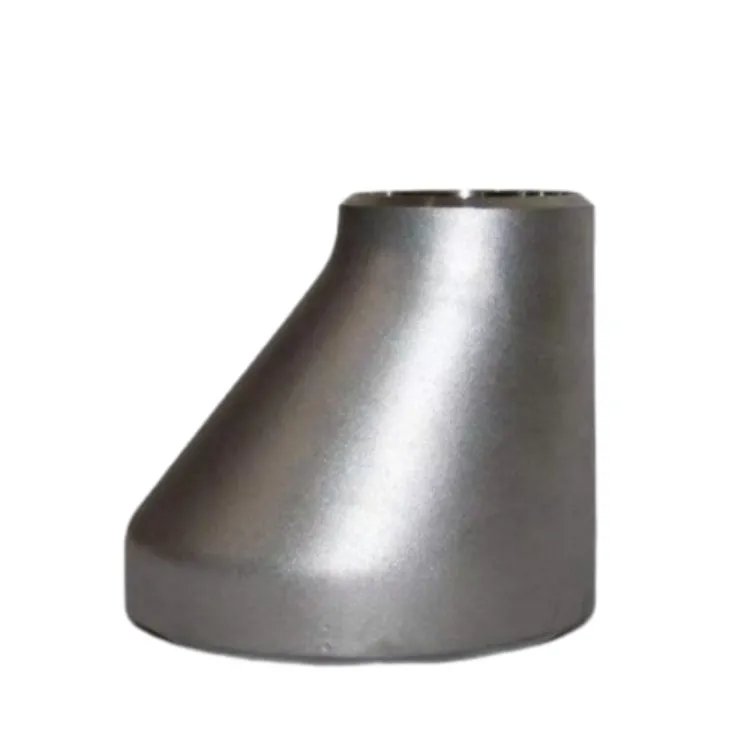
The wall thickness (schedule) is particularly vital as it directly impacts the pressure rating and suitability for specific applications. Thicker schedules are required for high-pressure systems, while thinner schedules are often adequate for lower-pressure applications, optimizing material usage and cost.
The production of high-quality carbon steel reducer fittings involves a multi-stage, precision-engineered process designed to meet rigorous international standards such as ISO 9001 and ANSI/ASME B16.9. A typical manufacturing process flow includes:
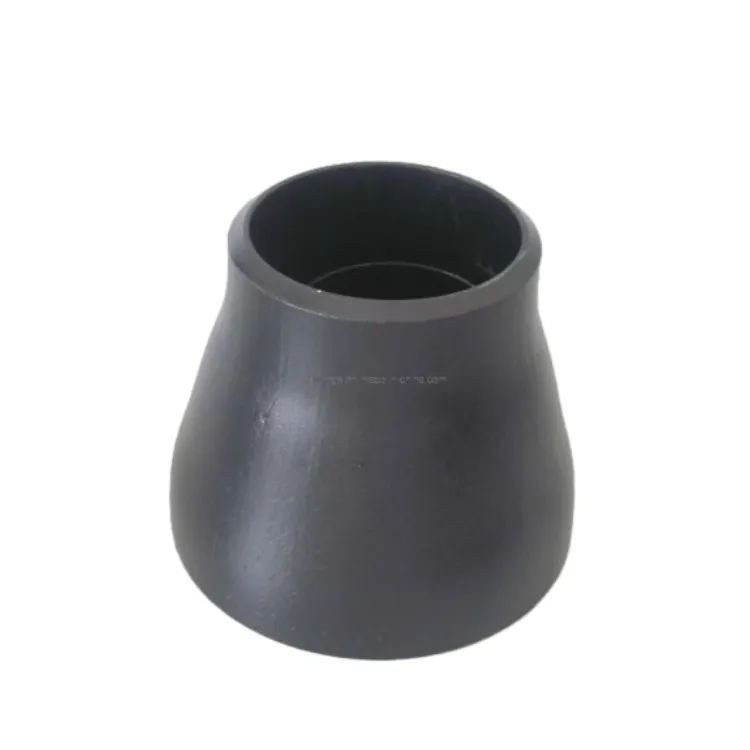
This meticulous process ensures a service life typically ranging from 20 to 50 years, depending on the operational environment and maintenance regimes. Advantages in typical application scenarios include enhanced energy saving through optimized flow dynamics and superior corrosion resistance due to material quality and surface treatments.
Carbon steel reducer fittings are integral to numerous industries where robust and reliable pipeline connections are critical. Their versatility in adapting pipe diameters makes them indispensable in systems handling various fluids and gases under diverse pressure and temperature conditions. Target industries include:
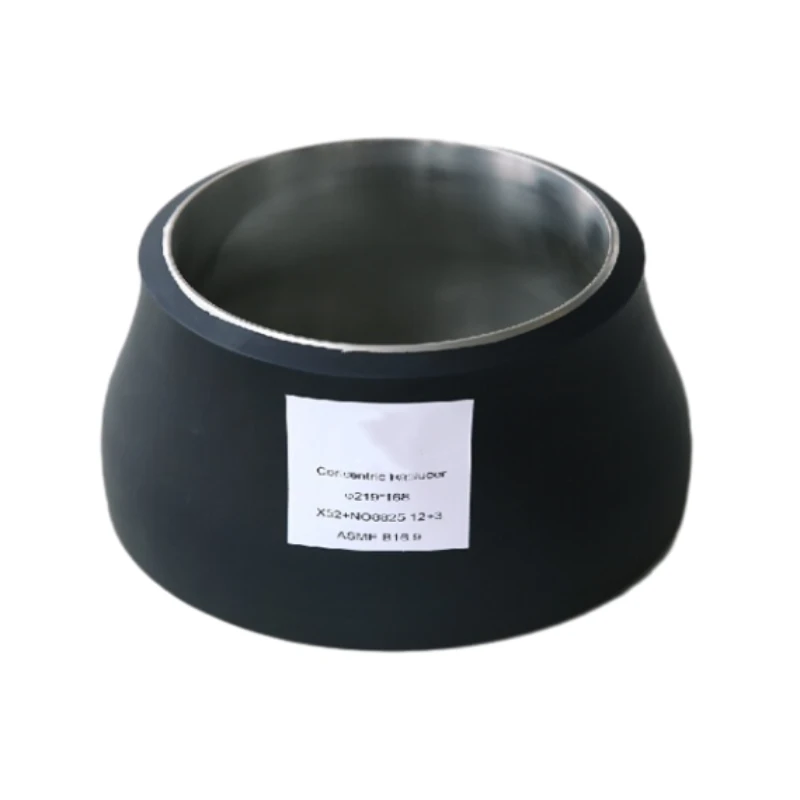
An example of typical application advantages includes their use in petrochemical refining, where the precise control of fluid velocity through pipe diameter reduction can prevent erosion and optimize catalytic processes, leading to significant energy saving and improved product yield. Their inherent strength also provides superior corrosion resistance compared to other lower-grade materials in non-acidic environments.
The widespread adoption of carbon steel reducer fittings stems from a compelling set of technical advantages:
These advantages collectively contribute to the reliability and efficiency of pipeline operations. For instance, the use of properly designed carbon steel reducers can optimize fluid flow, reducing turbulence and pressure drops, which directly translates into energy saving for pumping systems. Their strong mechanical properties also provide robust corrosion resistance in non-acidic and ambient environments, minimizing maintenance needs.
Choosing the right reducer manufacturer is a strategic decision that impacts project timelines, operational reliability, and overall cost. A thorough vendor comparison should extend beyond just the reducer price, focusing on long-term value and supplier capabilities. Key factors to consider include:
| Feature | Leading Manufacturer A | Leading Manufacturer B | Lion Pipeline (Example) |
|---|---|---|---|
| Certifications | ISO 9001, CE, PED | ISO 9001, API, AD2000 | ISO 9001:2015, API 5L/5CT, CE, PED, AD2000, Lloyd's Register |
| Standard Sizes (NPS) | 1/2" - 24" | 1" - 36" | 1/2" - 48" (up to 72" on request) |
| Customization Options | Limited special sizes | Material grade variations | Full custom dimensions, specific materials, coatings, NDT levels |
| Typical Lead Time (Standard Orders) | 3-4 weeks | 4-6 weeks | 2-3 weeks (stocked items), 4-8 weeks (custom/large orders) |
| N.D.T. Capabilities | RT, UT | RT, UT, MPT | RT, UT, MPT, LPT, PMI (Positive Material Identification) |
Lion Pipeline, for example, emphasizes comprehensive certifications and extensive customization options, highlighting their commitment to quality and client-specific solutions. This comparison underscores the importance of evaluating a manufacturer's overall capability and commitment to standards rather than solely focusing on the reducer price.
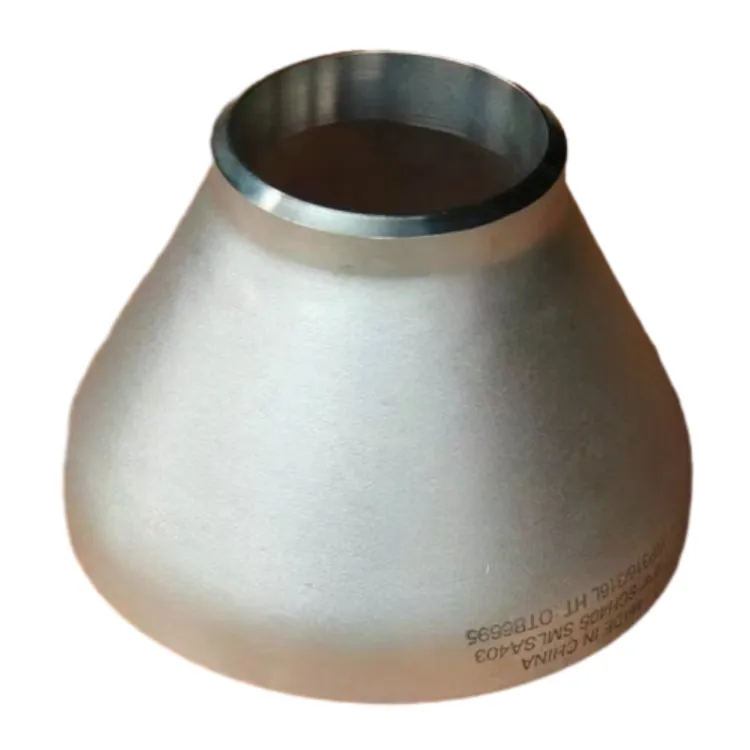
While standard reducer types cover a broad range of industrial needs, many specialized projects demand customized solutions. A reputable reducer manufacturer will offer extensive customization capabilities to meet unique operational parameters, material requirements, or geometric constraints. This includes:
These tailored approaches are critical for projects in sectors like offshore oil and gas, specialized chemical processing, or high-purity water systems, where standard fittings may not suffice for optimal performance or regulatory compliance.
Real-world application demonstrates the reliability and versatility of carbon steel reducer fittings. Here are examples showcasing their deployment in challenging industrial environments:
A major pipeline operator in North America required a series of large-diameter (NPS 42" to NPS 36") eccentric reducers for a crude oil transmission line. The challenge involved managing significant flow rate changes and ensuring minimal pressure drop while navigating challenging topography. The chosen manufacturer provided ASTM A234 WPB reducers with enhanced wall thickness (Schedule 80) and stringent NDT (100% UT and RT) to ensure structural integrity under high operating pressures. The eccentric design facilitated efficient pigging operations and prevented liquid accumulation. The successful integration contributed to a 5% increase in energy efficiency for the pumping stations due to optimized flow dynamics.
For a new municipal water treatment plant in Southeast Asia, the design called for numerous concentric reducers (NPS 18" to NPS 12") in the main raw water intake and treated water distribution lines. Given the mild corrosivity of treated water and the need for longevity, standard carbon steel reducers with an internal cement mortar lining were specified. This custom solution provided excellent corrosion resistance, preventing direct contact of water with the steel, and ensuring a projected service life exceeding 40 years. Customer feedback highlighted the ease of installation and the cost-effectiveness compared to stainless steel alternatives.
An expansion project for a chemical plant handling various non-corrosive solvents and gases required a mix of reducer types across different units. The client specified a need for rapid delivery and precise dimensional accuracy for complex skidded modules. A manufacturer with strong inventory and advanced CNC capabilities was chosen. They delivered batches of both concentric and eccentric reducers, ranging from NPS 2" to NPS 10", often with custom flange-to-butt-weld transitions. The ability to meet tight lead times and provide highly accurate fittings minimized on-site fabrication and ensured project milestones were met.
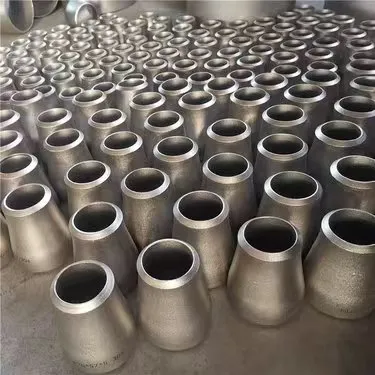
Our deep understanding of material science, stress analysis, and fluid dynamics underpins the design and manufacturing of every carbon steel reducer. We regularly engage with industry experts and conduct internal R&D to refine our processes, ensuring that our products not only meet but often exceed standard performance benchmarks. Our team comprises engineers with decades of experience in pipeline component design, fabrication, and quality control, enabling us to offer insightful solutions to even the most complex client requirements. We have extensive experience in working on projects ranging from small-scale upgrades to multi-billion dollar infrastructure developments globally.
Our commitment to authoritative standards is evidenced by our comprehensive list of certifications. We hold ISO 9001:2015 for quality management, API 5L/5CT for oil and gas industry products, CE marking for European market conformity, and PED (Pressure Equipment Directive) certification. Our manufacturing processes are regularly audited by third-party bodies such as Lloyd's Register and Bureau Veritas. Partner clients include leading EPC contractors and national oil companies who trust our adherence to specifications and consistent product quality. Our test data, including destructive and non-destructive examination reports, is meticulously recorded and available for review, affirming the integrity and performance of our fittings.
Building trust is paramount. We offer transparent policies and robust support mechanisms:
A: For standard sizes and schedules (e.g., ASTM A234 WPB, Sch 40), our lead time is typically 2-3 weeks from order confirmation. Custom or large volume orders may range from 4-8 weeks, depending on complexity and material availability.
A: Our reducers strictly conform to ASME B16.9, ASME B16.25, MSS SP-75, and material specifications like ASTM A234 WPB/WPC, ensuring global compatibility and compliance.
A: Yes, every fitting is supplied with a comprehensive Material Test Report (MTR) traceable back to the raw material heat number, ensuring full transparency and quality assurance.
A: Absolutely. We offer a range of protective coatings, including internal epoxy lining, hot-dip galvanizing, and custom paint systems, designed to extend service life in specific corrosive or abrasive conditions.
Our efficient supply chain management and optimized production schedule allow us to offer competitive lead times. For in-stock items, immediate dispatch is possible. For made-to-order products, our lead times are clearly communicated at the quotation stage and rigorously adhered to. We employ robust logistics partners to ensure timely and secure delivery worldwide.
All our reducer types come with a standard 12-month warranty from the date of installation or 18 months from the date of shipment, whichever comes first. This warranty covers manufacturing defects and material failures under normal operating conditions. Our commitment extends to ensuring product performance and customer satisfaction.
Our dedicated customer support team is available to assist with technical inquiries, order tracking, and after-sales service. Clients can reach us via phone, email, or through our website's contact portal. We pride ourselves on responsive and knowledgeable support, ensuring that our clients receive assistance promptly and effectively, from initial consultation to post-installation support.
The carbon steel reducer remains a cornerstone component in industrial piping systems globally, valued for its mechanical strength, cost-effectiveness, and adaptability. As industries continue to evolve, driven by demands for greater efficiency, safety, and environmental stewardship, the role of high-quality, standardized, yet customizable fittings becomes even more critical. Manufacturers are continuously investing in advanced production techniques and rigorous quality control to meet the increasingly stringent requirements of complex industrial applications. The future will likely see further optimization in material grades, enhanced surface treatments for improved corrosion and abrasion resistance, and greater integration with digital design and monitoring systems to ensure peak pipeline performance and longevity.
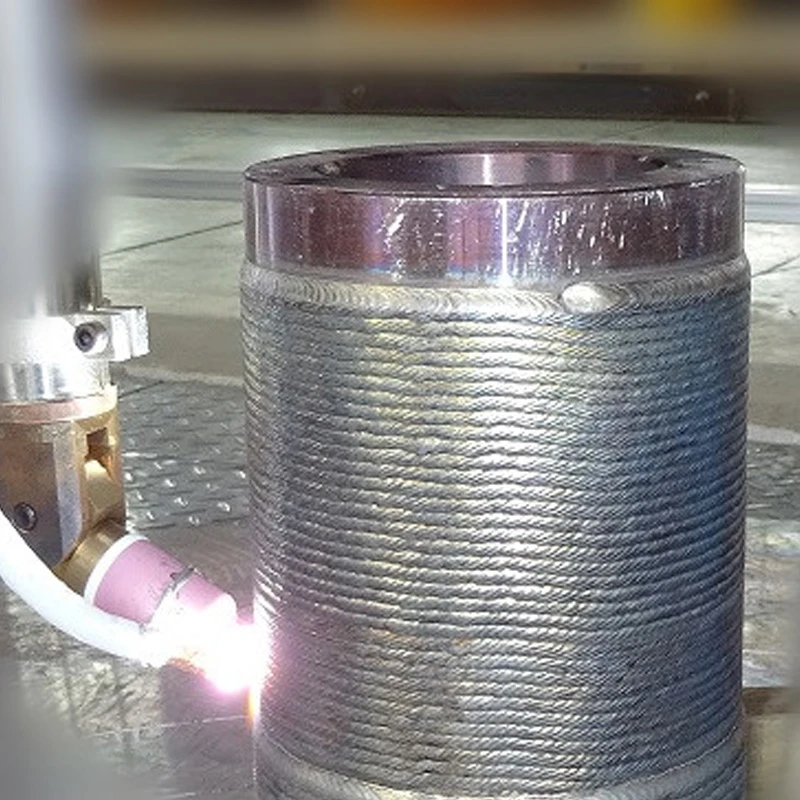
Overlay Welding Clad Steel Pipe
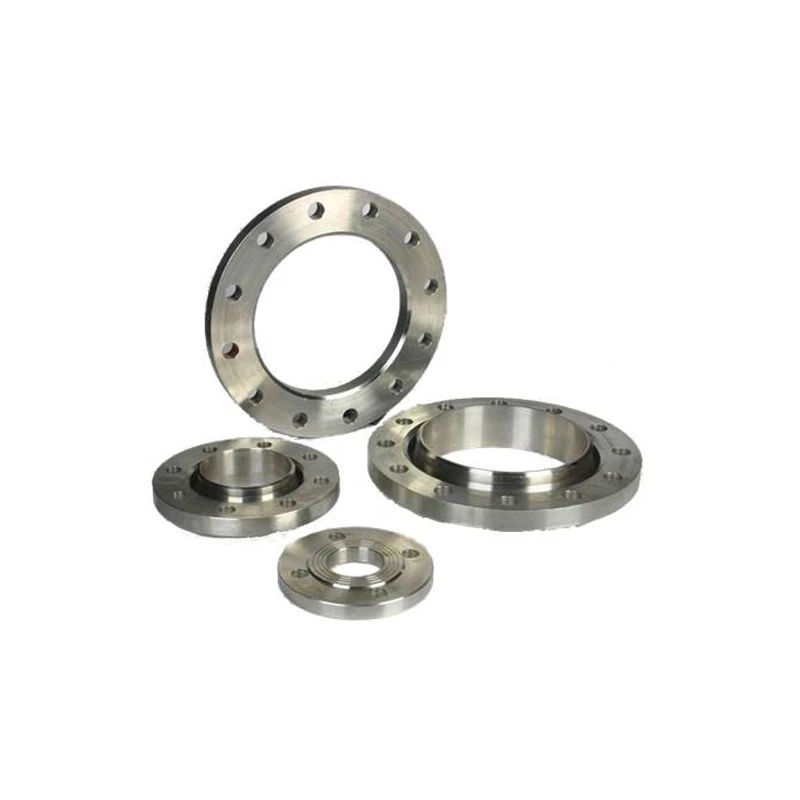
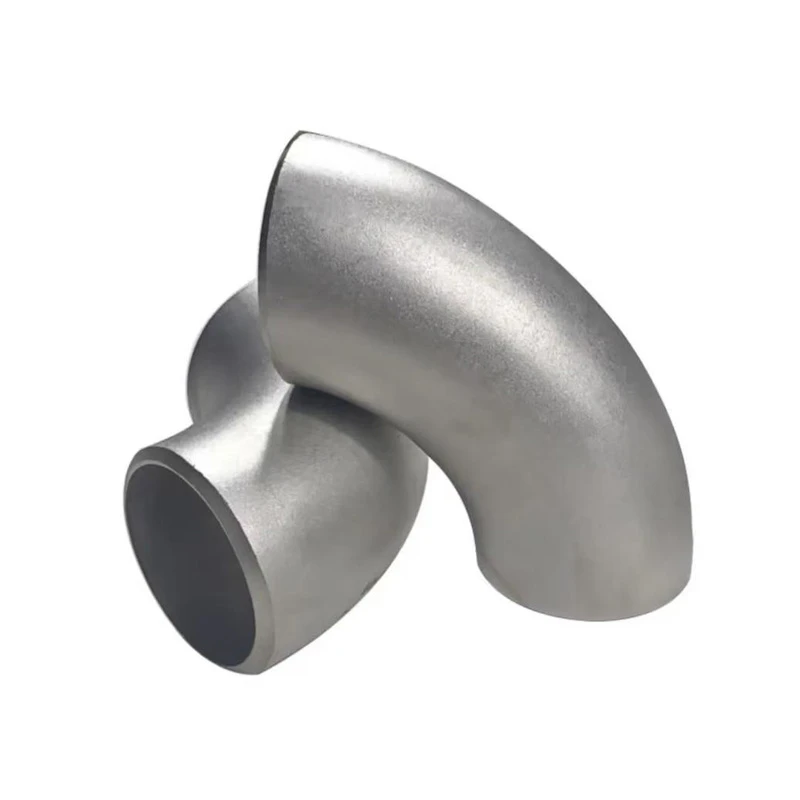
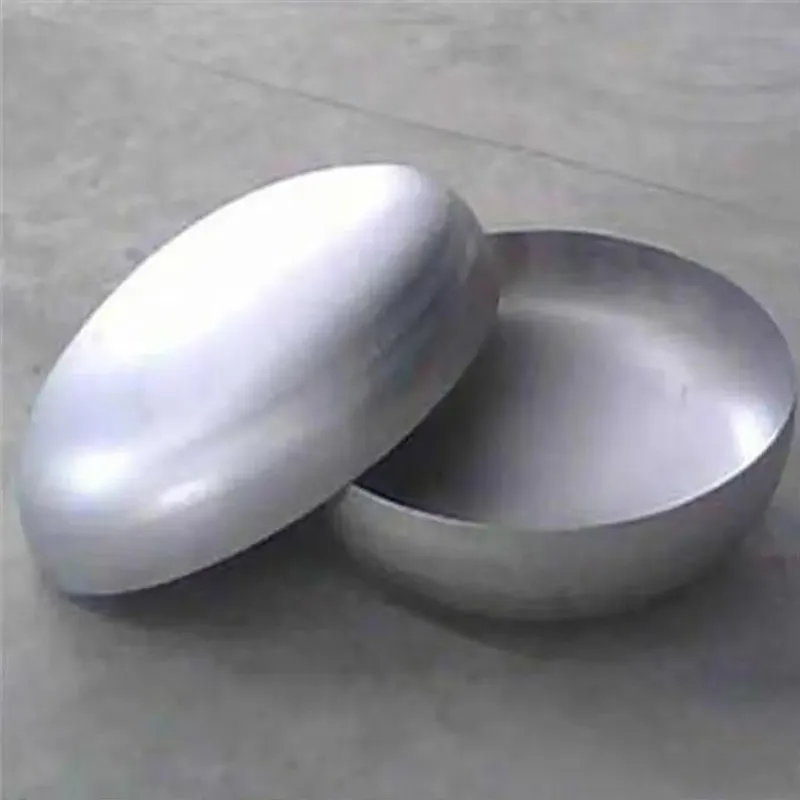
Pipe Cap-Cangzhou Lion Technology Co., Ltd.|Enhancing System Efficiency&Durability
Pipe Cap-Cangzhou Lion Technology Co., Ltd.|Enhancing System Efficiency&Durability
Pipe Cap-Cangzhou Lion Technology Co., Ltd.|Enhancing System Efficiency&Durability
Pipe Cap-Cangzhou Lion Technology Co., Ltd.|Enhancing System Efficiency&Durability
Pipe Cap-Cangzhou Lion Technology Co., Ltd.|Enhancing System Efficiency&Durability
Pipe Cap-Cangzhou Lion Technology Co., Ltd.|Enhancing System Efficiency&Durability