In the rapidly evolving landscape of industrial infrastructure, the demand for piping solutions that offer superior performance, durability, and cost-effectiveness continues to grow. Traditional piping materials often face limitations when exposed to corrosive environments, extreme temperatures, or high pressures, leading to frequent maintenance, operational downtime, and increased lifecycle costs. This challenge has driven the innovation of advanced materials, prominently featuring the composite pipe, a critical technology engineered to overcome these hurdles.
A composite pipe leverages the strengths of multiple materials, typically combining a robust base metal with a specialized liner or cladding material, to deliver enhanced properties. These properties include exceptional corrosion resistance, superior mechanical strength, and extended service life, making them indispensable in sectors where reliability and safety are paramount. This article delves into the technical intricacies, application benefits, and strategic considerations for implementing composite pipe solutions.
The global industrial piping market is experiencing a significant shift towards high-performance materials, propelled by several key trends:
These trends underscore the strategic importance of choosing advanced materials like composite pipe for critical infrastructure projects, ensuring long-term operational integrity and economic viability.
The production of high-performance composite pipe, particularly the Laser Clad Pipe, involves sophisticated metallurgical and engineering processes. This method ensures an exceptionally strong, metallurgical bond between the base pipe and the clad layer, setting it apart from mechanically lined pipes.
The process begins with selecting a high-quality base pipe, typically made from carbon steel or low-alloy steel (e.g., API 5L Grade B, X42, X65, X80). The choice depends on the required mechanical strength, pressure rating, and temperature resistance. The base pipe undergoes thorough cleaning (e.g., degreasing, pickling, abrasive blasting) to remove oxides, oils, and contaminants, ensuring optimal surface integrity for cladding. Non-destructive testing (NDT), such as ultrasonic testing (UT) and magnetic particle inspection (MPI), verifies the base pipe's structural soundness.
The cladding material is selected based on the specific corrosion or wear resistance requirements of the application. Common cladding alloys include Nickel-based alloys (e.g., Inconel 625, Inconel 825) for extreme corrosion resistance in sour service or aggressive chemical environments, and Cobalt-based alloys (e.g., Stellite) for superior wear and erosion resistance.
This is the core of the Laser Clad Pipe manufacturing. A high-power laser beam is used to melt the surface of the base pipe and simultaneously fuse a precisely metered stream of metallic powder (the cladding material) onto it. The process creates a thin, uniform, and dense metallurgical bond between the base metal and the clad layer with minimal heat affected zone (HAZ) and dilution. This low-dilution characteristic is crucial for maintaining the desired properties of the cladding material.
After cladding, the pipe may undergo thermal treatments (e.g., post-weld heat treatment – PWHT) to relieve residual stresses and refine the microstructure, enhancing toughness and fatigue resistance. Machining or grinding may be applied to achieve precise dimensional tolerances and surface finish on the clad layer.
Rigorous quality control is applied at every stage. This includes visual inspection, dimensional checks, and comprehensive NDT methods such as ultrasonic testing (UT) for bond integrity, eddy current testing for surface defects, and radiographic testing (RT) for internal flaws. Mechanical tests (e.g., bend tests, tensile tests, impact tests) and corrosion resistance tests (e.g., ASTM G48, NACE TM0177) are performed on test coupons or actual pipe sections to verify material properties and performance against specifications. International standards like ISO 15156 (NACE MR0175) for H2S environments, API 5L for line pipe, and various ASTM standards are adhered to.
The Laser Clad Pipe typically offers a service life significantly longer than traditional steel pipe manufacturer products, often exceeding 30-50 years in challenging conditions due to its superior corrosion and wear resistance. This translates directly to reduced operational expenditures and increased operational uptime.
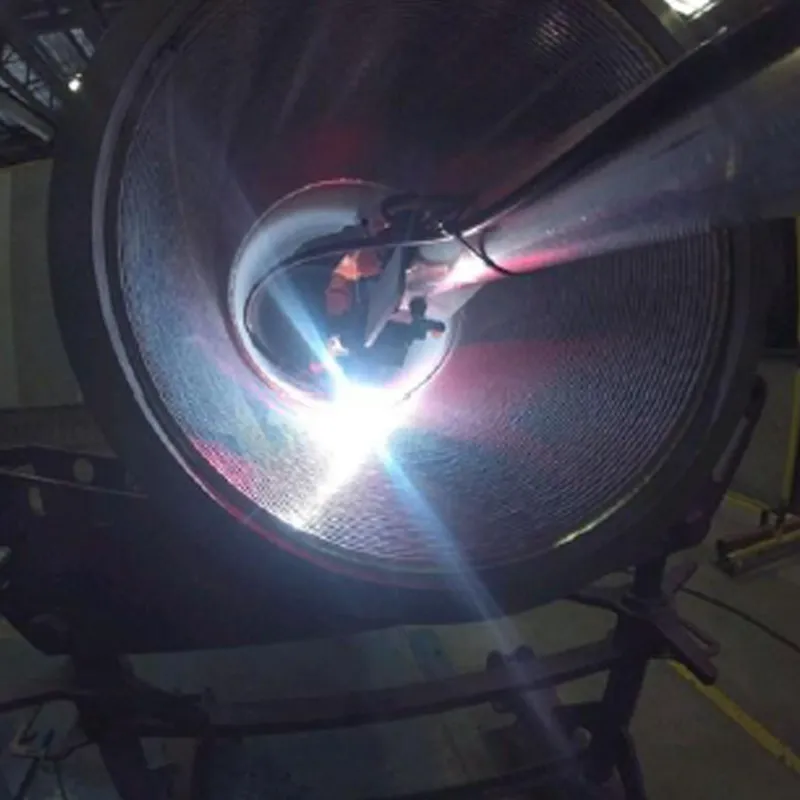
Illustration: A Laser Clad Pipe in a processing environment, showcasing its robust design.
Understanding the technical specifications of Laser Clad Pipe is crucial for engineers and procurement specialists. These pipes are designed to meet stringent industry demands, offering a blend of mechanical strength and advanced material properties.
| Parameter | Description | Typical Range/Value |
|---|---|---|
| Base Pipe Material | Carbon Steel, Low-Alloy Steel (e.g., API 5L Gr. B, X42-X80) | Varies by application |
| Cladding Material | Nickel Alloys (Inconel 625, 825), Cobalt Alloys (Stellite), Stainless Steels (316L) | Varies by corrosive environment |
| Cladding Thickness | Effective protective layer | 0.5 mm to 3.0 mm (typical) |
| Outer Diameter (OD) | Pipe dimensions | DN 50 (2") to DN 1200 (48") and larger |
| Length | Standard or custom lengths | 6 m, 12 m, or project-specific |
| Operating Temperature | Maximum continuous operating temperature | Up to 600°C (1112°F) depending on clad material |
| Operating Pressure | Maximum internal pressure | Up to 25 MPa (3625 psi) or higher |
| Corrosion Resistance | Resistance to various corrosive media | Excellent in H2S, CO2, chlorides, acids |
| Testing Standards | Compliance with industry standards | API 5L, ISO 15156 (NACE MR0175), ASTM, ASME B31.3 |
These parameters are critical in determining the suitability of a composite pipe for a specific industrial application. A detailed understanding ensures optimal performance and adherence to safety protocols.
The adoption of composite pipe solutions offers distinct technical advantages over traditional piping materials:
| Feature | Composite Pipe (Laser Clad) | Traditional Carbon Steel Pipe |
|---|---|---|
| Corrosion Resistance | Excellent (with appropriate clad material) | Poor (requires extensive coatings/inhibitors) |
| Erosion Resistance | Very Good (with hardfacing clad material) | Moderate to Poor |
| Mechanical Strength | High (derived from steel base pipe) | High |
| Operating Lifetime | 30-50+ years (extended) | 5-20 years (shorter in aggressive environments) |
| Maintenance Costs | Low (minimal inspection, repair) | High (frequent inspection, coating repair, replacement) |
| Initial Cost | Higher | Lower |
| Lifecycle Cost | Lower (due to durability) | Higher (due to maintenance & replacement) |
The versatility and robust performance of composite pipe make it an ideal choice for a diverse range of challenging applications across various industrial sectors:
Crucial for handling corrosive crude oil, natural gas, and produced water, especially in sour service conditions (high H2S/CO2). Used in flowlines, risers, injection lines, and processing plants where high pressures and aggressive media demand maximum integrity. This includes deep-sea umbilical lines and subsea pipelines where maintenance is prohibitively expensive.
Transporting highly acidic, alkaline, or oxidizing chemicals that would rapidly degrade conventional steel pipes. Applications include reactor piping, heat exchanger tubing, and transfer lines for various chemical compounds, where material inertness and leak prevention are critical.
In thermal power plants, composite pipe is used for ash slurry transport, flue gas desulfurization (FGD) systems, and cooling water circuits that can contain corrosive impurities. Nuclear power facilities may also utilize them for systems requiring high reliability and resistance to specific chemical environments.
Conveying abrasive slurries containing ore, tailings, or chemical reagents. The erosion resistance of the clad layer significantly extends the life of pipelines handling these highly abrasive materials, reducing wear-related failures and downtime.
Handling brackish or seawater in desalination processes where high chloride content causes severe corrosion in standard steel pipes. Also used in industrial wastewater treatment where aggressive chemicals are present.
Selecting the right composite pipe manufacturer is paramount to the success and longevity of any industrial project. Key considerations include:
A reputable steel pipe manufacturer transitioning into advanced materials like composite pipe manufacturing should demonstrate a clear understanding of the unique challenges and requirements associated with these specialized products.
Recognizing that no two industrial projects are exactly alike, top composite pipe manufacturers emphasize the provision of customized solutions. This involves a collaborative approach from initial design to final implementation:
Effective vendor collaboration ensures that the composite pipe solution is not just a product, but a perfectly engineered component of a larger system, maximizing performance and return on investment.
A major petrochemical client in the Middle East faced severe corrosion issues in their sour gas transmission lines, leading to frequent leaks, high maintenance costs, and safety concerns. Traditional carbon steel pipes with internal coatings were failing within 5-7 years due to H2S and CO2 attack. The solution involved replacing critical sections with Laser Clad Pipe, utilizing an API 5L X65 base pipe with an Inconel 625 clad layer. After 10 years of operation, these composite pipe sections showed no signs of corrosion or degradation, extending the expected service life to over 30 years and significantly enhancing operational safety and reliability. This resulted in an estimated 40% reduction in lifecycle costs compared to previous solutions.
A large copper mining operation in South America experienced excessive wear in their pipelines transporting highly abrasive copper concentrate slurry. Conventional pipes required replacement every 1-2 years, causing significant production losses. A composite pipe solution with a carbon steel base and a 2mm thick Stellite 6 clad layer was implemented for the most critical sections. The extreme hardness and wear resistance of the Stellite cladding dramatically reduced material loss. Post-installation inspection after 5 years revealed minimal wear, indicating an expected service life of 15+ years. This led to a 75% reduction in pipe replacement frequency and a substantial increase in operational uptime, proving the superior erosion resistance of the clad solution.
Reputable composite pipe manufacturers adhere to a stringent set of international standards and certifications. This includes ISO 9001 for quality management systems, API Spec Q1 for the oil and gas industry, and compliance with specific product standards such as API 5L for line pipes, ASME B31.3 for process piping, and NACE MR0175/ISO 15156 for materials in H2S-containing environments. These certifications provide independent verification of manufacturing excellence and product reliability.
Beyond manufacturing, a rigorous quality assurance program is essential. This typically involves 100% Non-Destructive Testing (NDT) including ultrasonic testing (UT) for bond integrity, radiographic testing (RT) for internal flaws, and magnetic particle inspection (MPI) or liquid penetrant inspection (LPI) for surface defects. Hydrostatic testing at elevated pressures ensures leak integrity, while mechanical tests (tensile, impact, bend tests) and corrosion tests (e.g., salt spray, immersion tests) validate material performance against design specifications and client requirements.
Q: What is the primary advantage of Laser Clad Pipe over mechanically lined pipe?
A: Laser Clad Pipe features a true metallurgical bond between the base pipe and the clad layer, eliminating the risk of liner collapse, buckling, or crevice corrosion that can occur in mechanically lined pipes. This ensures superior integrity and extended lifespan, especially in high-pressure or vacuum services.
Q: Can composite pipes be welded and fabricated on-site?
A: Yes, with proper procedures and skilled technicians. Welding of composite pipe requires specialized techniques to ensure the integrity of both the base metal and the clad layer, typically involving specialized welding consumables and controlled heat input. Many manufacturers offer pre-fabricated sections or provide on-site technical support.
Q: What is the typical cost comparison of composite pipe versus solid alloy pipe?
A: Composite pipe offers a significant cost advantage over solid alloy pipes (e.g., solid Inconel) for applications requiring high corrosion resistance. It provides the same critical surface protection at a fraction of the material cost, as the bulk of the pipe is made from more economical carbon steel while retaining its mechanical strength.
Q: How do I determine the right cladding material for my application?
A: Material selection is critical and depends on a thorough analysis of the fluid's chemical composition, operating temperature, pressure, and potential abrasive content. It is best to consult with the composite pipe manufacturer's metallurgical and engineering teams who can provide expert guidance based on your specific operational parameters.
The composite pipe, particularly in its laser-clad form, represents a paradigm shift in industrial piping solutions. By synergistically combining the mechanical strength of steel with the advanced material properties of corrosion and wear-resistant alloys, it offers unparalleled performance, extended service life, and significant lifecycle cost reductions. As industries continue to push the boundaries of operational severity and environmental stewardship, the adoption of composite pipe will remain a strategic imperative for reliable, safe, and efficient infrastructure.
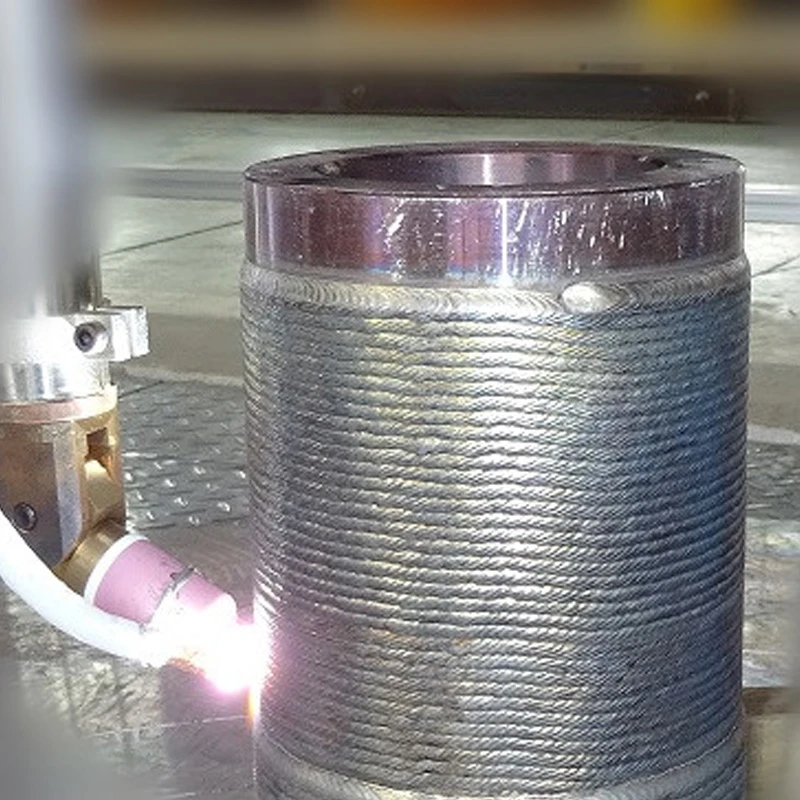
Overlay Welding Clad Steel Pipe

Ultimate Guide to 4130 Tubing Strength Performance and Applications
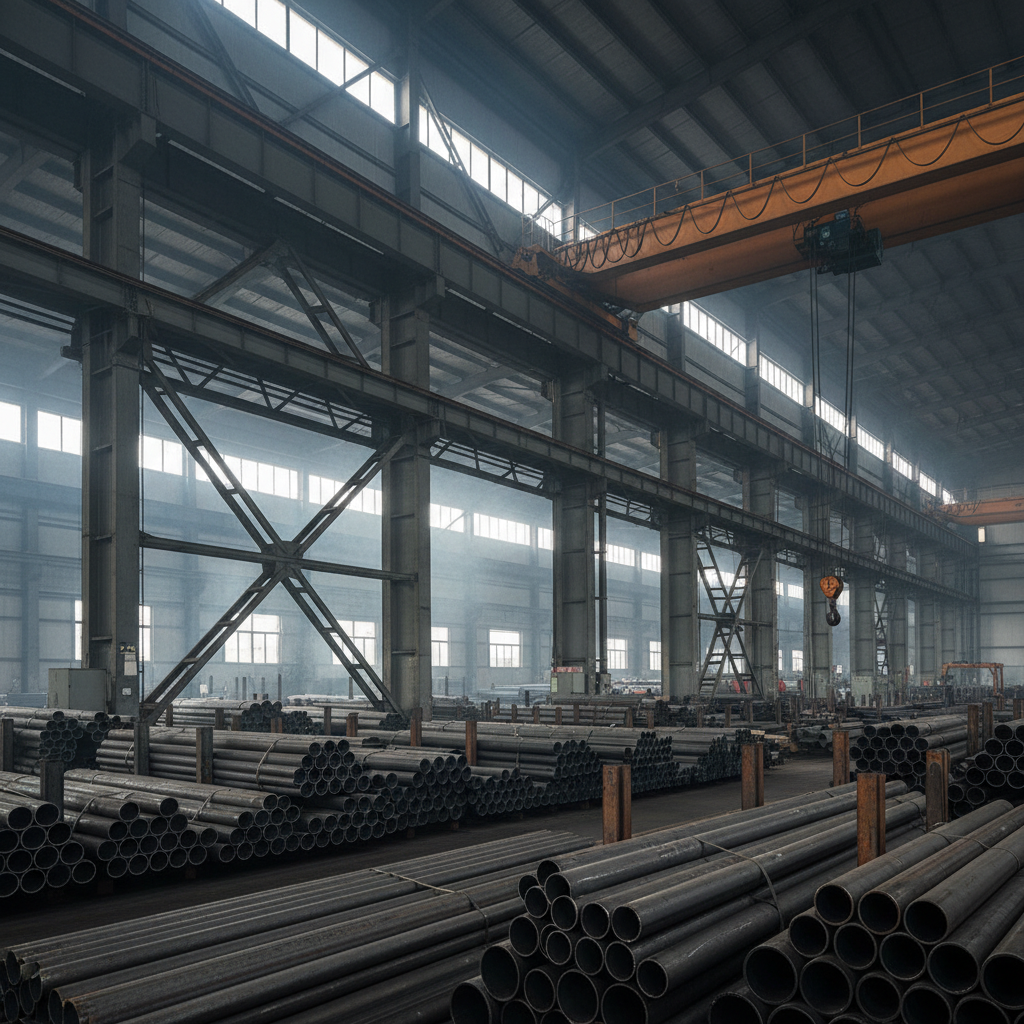
Properties and Industrial Applications of 4130 steel tubing
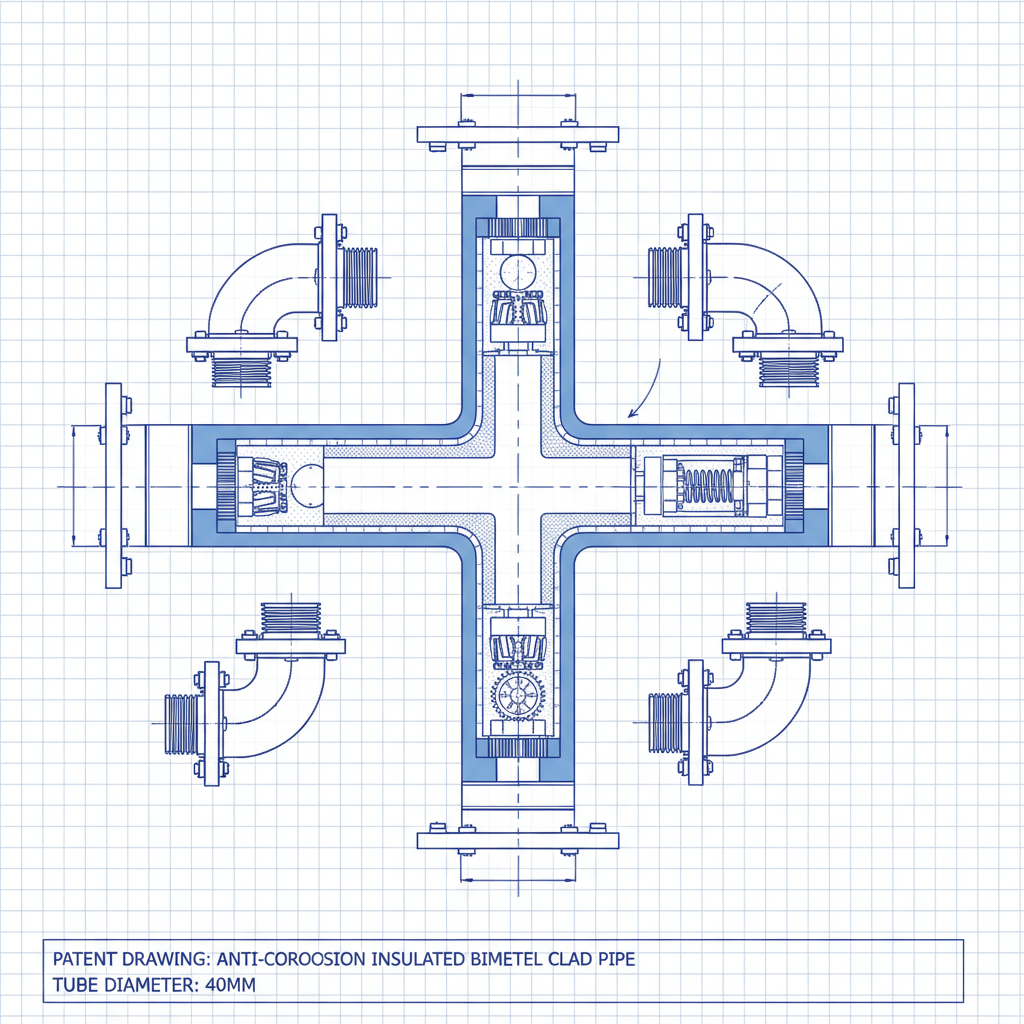
Comprehensive Guide to 40mm Steel Tube Applications and Material Selection
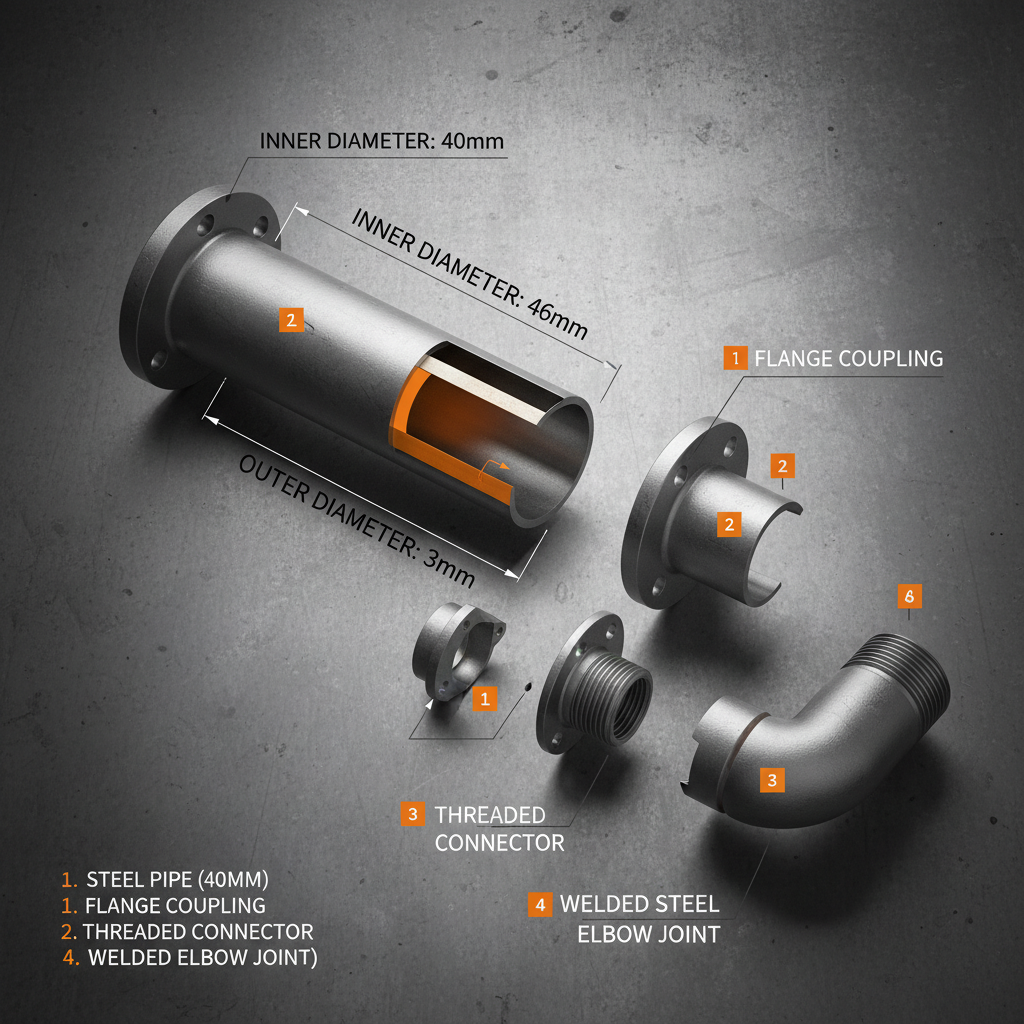
Comprehensive Guide to 40mm Steel Pipe Applications and Considerations
Comprehensive Guide to 40mm Metal Pipe Applications and Sourcing
Comprehensive Guide to 40mm Galvanised Pipe Applications and Specifications