Understanding Advanced Composite Pipe Solutions in Industrial Applications
In the demanding landscape of modern industrial infrastructure, the evolution of piping solutions is driven by the relentless pursuit of enhanced performance, durability, and cost-effectiveness. Traditional materials often fall short in extreme environments, prompting the widespread adoption of advanced alternatives. Among these, the composite pipe stands out as a transformative technology, offering a superior combination of properties tailored for specialized applications.
This article delves into the critical aspects of modern composite piping, exploring its profound impact on sectors ranging from petrochemicals to water management. We will examine the industry trends propelling its growth, dissect its technical specifications, and illuminate its diverse application scenarios. Furthermore, we will highlight the distinct advantages that position composite pipes as a preferred choice, provide insights for vendor comparison, discuss customization options, and present compelling case studies that underscore their real-world efficacy.
Industry Trends Driving Composite Pipe Adoption
The global industrial piping market is undergoing a significant transformation, with a marked shift towards materials that offer superior corrosion resistance, lighter weight, and longer service life. Several key trends are fueling the demand for the composite pipe:
-
Increasing Environmental Regulations: Stricter environmental mandates compel industries to adopt piping systems that minimize leaks, reduce maintenance, and prevent environmental contamination. Composite pipes, with their excellent chemical resistance, are ideal for handling hazardous materials safely.
-
Aging Infrastructure: Many existing pipeline infrastructures, often composed of aging steel or cast iron, are nearing the end of their design life. The need for reliable, long-lasting replacements drives investment in advanced materials like composite pipe.
-
Cost-Effectiveness Over Lifecycle: While initial installation costs might sometimes be higher, the reduced maintenance, extended service life, and fewer operational disruptions make composite pipes more cost-effective over their entire lifecycle.
-
Demand for Lightweight Solutions: In offshore platforms, aerospace, and certain mobile applications, the reduction of structural weight is paramount. The high strength-to-weight ratio of composite pipes offers significant advantages.
-
Material Science Advancements: Continuous innovation in polymer and fiber technologies, alongside advanced manufacturing techniques, allows for the creation of composite pipes with enhanced mechanical properties and wider operational envelopes.
As a leading composite pipe manufacturer, Lion Pipeline Solutions recognizes these shifts and continuously innovates to meet evolving industrial demands.
The Manufacturing Process of Laser Clad Pipe: A Detailed Overview
The manufacturing of advanced composite pipe, particularly specialized solutions like Laser Clad Pipe, involves sophisticated processes designed to achieve superior material properties and performance. This process enhances the inherent strength of a base pipe, often a robust steel pipe, with a metallurgically bonded, corrosion-resistant alloy layer.
-
Base Pipe Preparation:
The process begins with selecting high-quality base pipe, typically carbon steel or low-alloy steel, known for its structural integrity. The inner surface of this pipe undergoes meticulous cleaning to remove any contaminants, oxides, or scales. This often involves mechanical cleaning (e.g., abrasive blasting) followed by chemical cleaning to ensure optimal surface adherence for the cladding material.
-
Cladding Material Selection and Preparation:
The cladding material is chosen based on the specific application's corrosion, abrasion, and temperature requirements. Common cladding alloys include Inconel 625, Hastelloy C276, Stainless Steel 316L, and various wear-resistant alloys. These are typically prepared as precisely formulated metallic powders.
-
Laser Cladding Application:
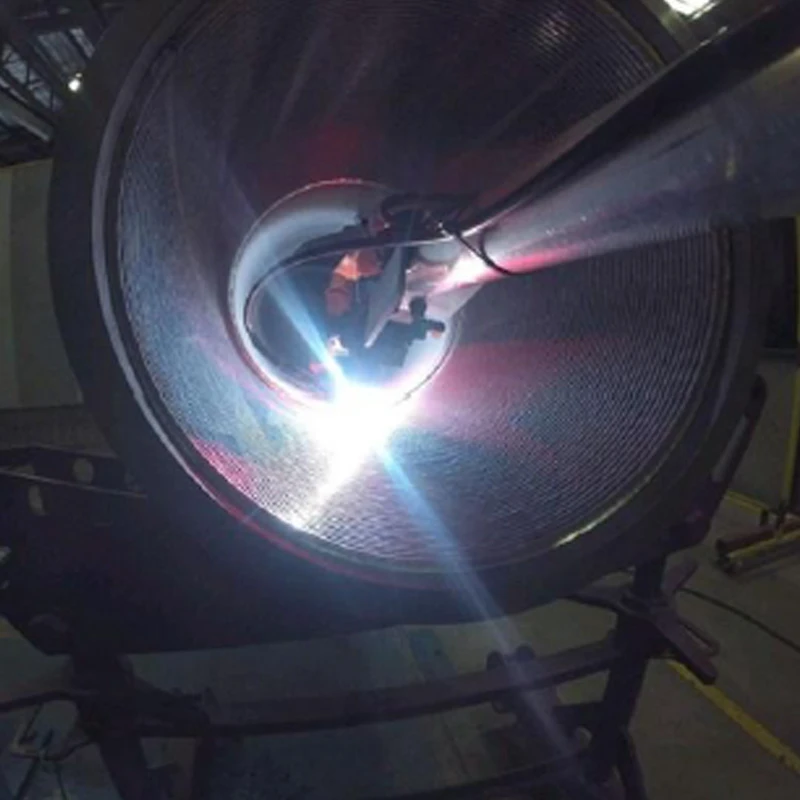
This is the core of the process. A high-power laser beam is focused onto the internal surface of the base pipe, creating a molten pool. Simultaneously, the metallic powder is fed into this molten pool. As the laser moves along the pipe's axis, the molten clad material solidifies, forming a dense, metallurgical bond with the base pipe. The laser's precision ensures minimal heat input, reducing distortion and dilution of the clad layer. Multiple passes are often used to achieve the desired thickness and uniform coverage.
-
Post-Cladding Treatment:
After cladding, the pipe may undergo stress relieving heat treatments to mitigate any residual stresses induced during the process. This enhances the overall mechanical properties and dimensional stability.
-
Finishing and Inspection:
The internal clad surface is often machined or polished to achieve the desired surface finish and dimensional tolerance. Extensive non-destructive testing (NDT) is then performed, including ultrasonic testing (UT), eddy current testing (ECT), and visual inspection, to verify the integrity, thickness, and bond quality of the clad layer. Testing standards typically adhere to ISO 15156 (NACE MR0175), API 5LD, and ASME B31.3.
This meticulous process ensures that the resulting Laser Clad Pipe delivers exceptional corrosion resistance, extending service life significantly beyond conventional piping, particularly in highly aggressive environments. Target industries include petrochemical, metallurgy, oil & gas, and water supply & drainage. The service life of such pipes can exceed 30 years under optimal conditions.
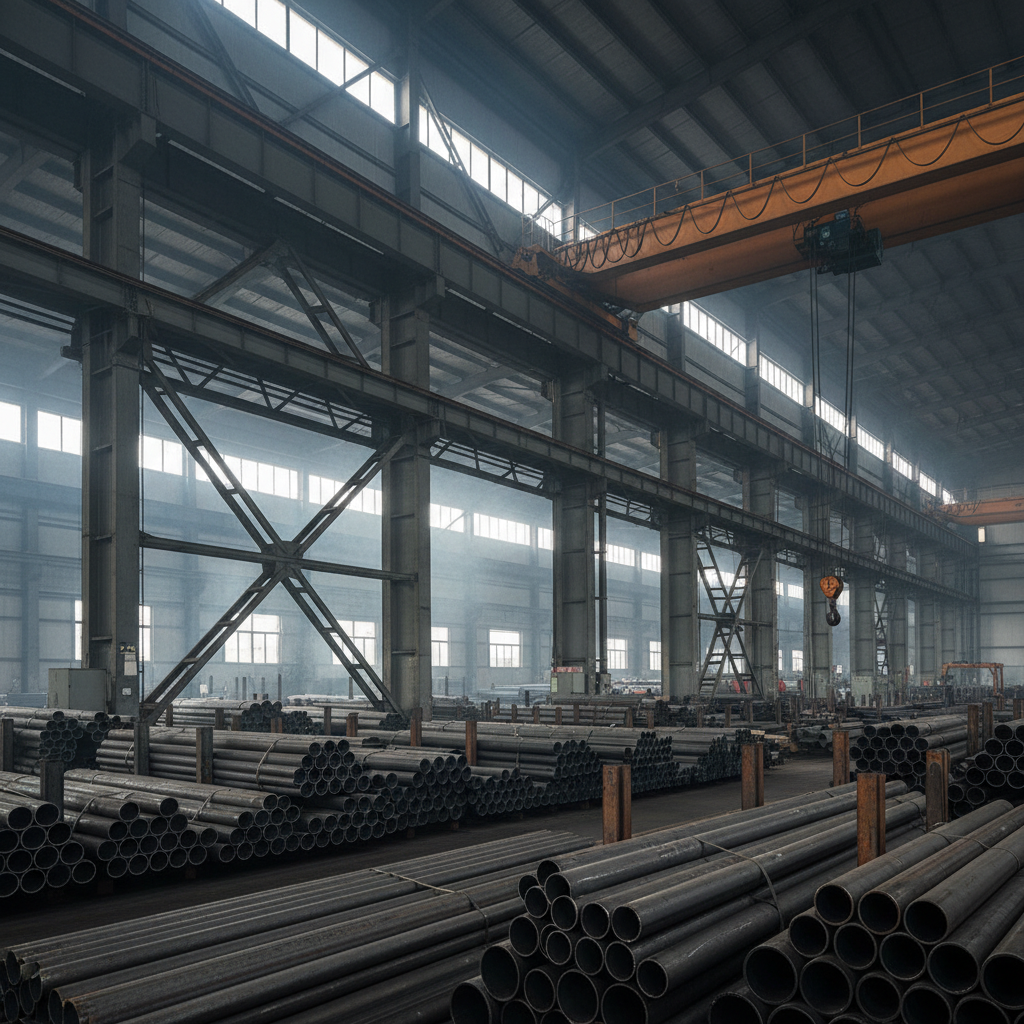
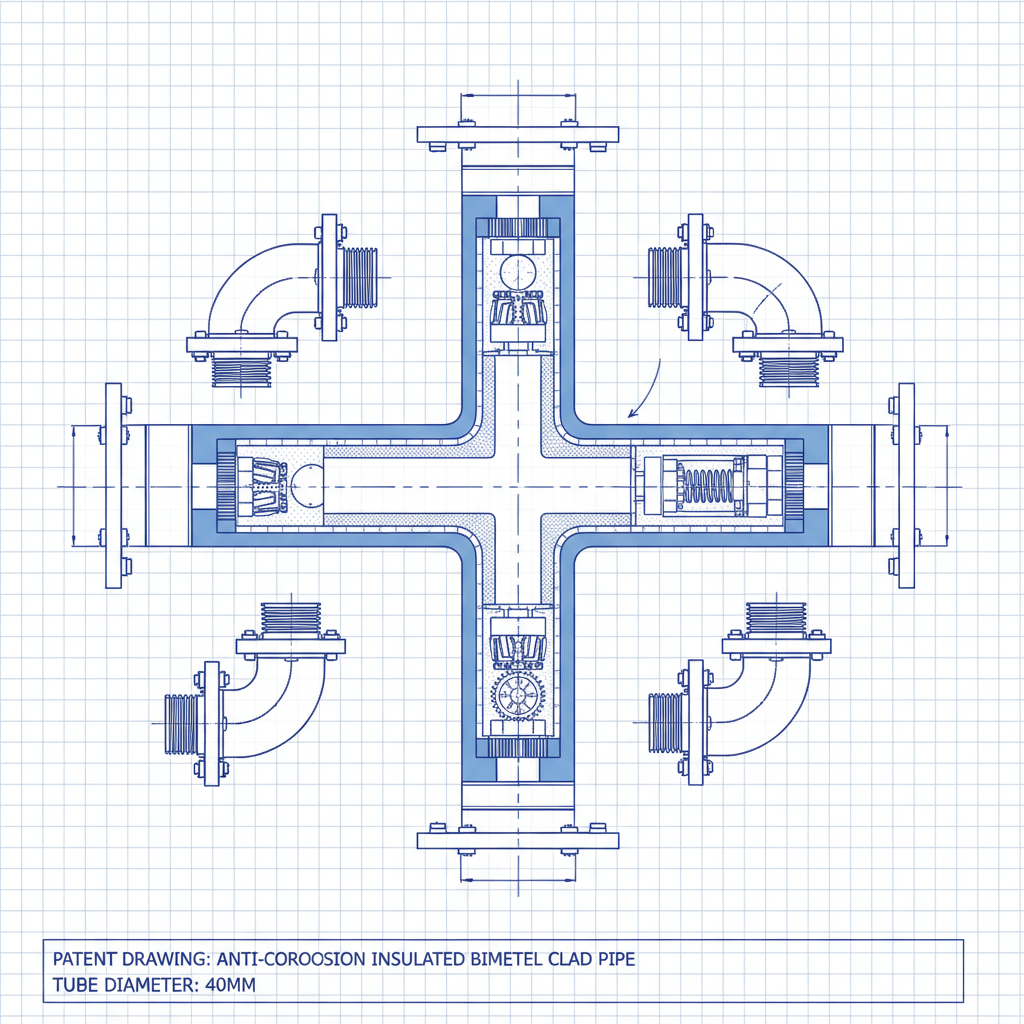
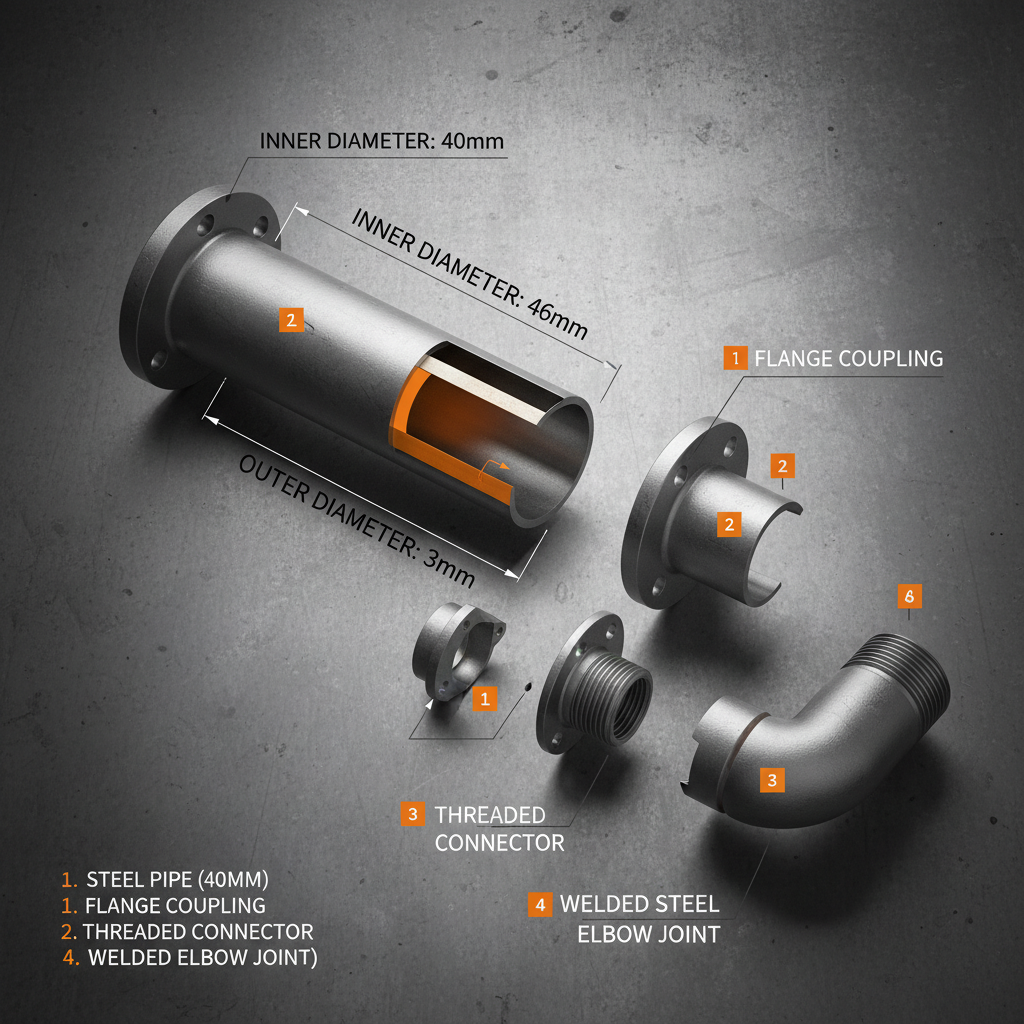
Illustrative image of advanced piping technology.
Technical Specifications and Parameters
The performance of a composite pipe is defined by a range of technical specifications, critical for engineers and procurement specialists. Here's an overview of typical parameters for Laser Clad Pipe.
Product Specification Table: Laser Clad Pipe (Example)
| Parameter |
Description/Value |
| Base Pipe Material |
Carbon Steel (API 5L Gr. B, X42, X52, X65), Low Alloy Steel (ASTM A335 P11/P22) |
| Cladding Material |
Inconel 625, Hastelloy C276, SS 316L, Duplex SS 2205/2507 |
| Clad Layer Thickness |
0.5 mm to 3.0 mm (typical, custom options available) |
| Pipe Diameter Range |
DN 50 (2") to DN 1200 (48") |
| Pipe Length |
Up to 12 meters (40 ft) per single piece |
| Operating Temperature |
-40°C to +450°C (depending on base/clad material) |
| Operating Pressure |
Up to 250 bar (3625 psi) or higher, based on design |
| Testing Standards |
ISO 15156, API 5LD, ASME B31.3, ASTM G48 (Pitting/Crevice Corrosion) |
| Corrosion Resistance |
Superior resistance to H₂S, CO₂, chlorides, and organic acids |
| Bond Quality |
Metallurgical bond, >99% bond integrity (verified by UT) |
These specifications highlight the robustness and specialized nature of Laser Clad composite pipe, making it suitable for environments where conventional materials rapidly degrade.
Application Scenarios and Technical Advantages
The unique properties of composite pipe systems, especially laser-clad variants, render them indispensable in a variety of challenging industrial environments.
Key Application Scenarios:
-
Oil & Gas Industry: Crucial for sour service pipelines (containing H₂S and CO₂), subsea pipelines, flowlines, and risers where high pressure, high temperature, and corrosive fluids are prevalent. This mitigates the risk of catastrophic failures and ensures operational continuity.
-
Chemical and Petrochemical Plants: Transport of aggressive chemicals, acids, and caustic solutions where traditional stainless steels would suffer rapid degradation. Examples include sulfuric acid lines, chlor-alkali production, and various reaction vessel connections.
-
Power Generation: Used in flue gas desulfurization (FGD) systems, cooling water systems, and steam lines where resistance to erosion, corrosion, and high temperatures is essential for maintaining efficiency and compliance.
-
Mining and Metallurgy: Slurry transport, process water lines, and effluent discharge, where abrasive solids and corrosive chemicals are common. The wear resistance of certain clad alloys significantly extends pipeline life.
-
Water Supply & Drainage: Especially in desalination plants or wastewater treatment facilities handling saline or highly corrosive water, ensuring long-term integrity and preventing contamination.
Technical Advantages:
-
Superior Corrosion Resistance: The metallurgical bond of the cladding material provides an impenetrable barrier against highly corrosive media, far exceeding the capabilities of common steel pipe. This directly translates to significant energy saving due to reduced downtime for repairs and replacements.
-
Extended Service Life: By effectively resisting degradation, composite pipe systems can achieve service lives of 20-30 years or more, drastically reducing maintenance costs and operational disruptions.
-
High Pressure & Temperature Capability: Combining the strength of a steel base pipe with the protective layer allows for operation under extreme conditions that would compromise non-clad alloy pipes.
-
Cost-Effectiveness: While the initial investment might be higher than solid alloy pipes, the ability to use a less expensive base material for structural strength, coupled with the extended service life and reduced maintenance, makes composite pipes highly economical in the long run.
-
Enhanced Safety: Reduced risk of leaks and failures in critical applications improves operational safety for personnel and environmental protection.
-
Reduced Weight (compared to solid alloy pipes): Although the base pipe is steel, the thinner clad layer means less expensive high-grade alloy material is used compared to a solid alloy pipe of the same corrosion resistance, potentially reducing overall material weight and fabrication costs in specific scenarios.
Vendor Comparison and Customization Solutions
Selecting the right composite pipe manufacturer is crucial for ensuring project success, especially for high-stakes industrial applications.
Key Criteria for Vendor Comparison:
| Criterion |
Lion Pipeline Solutions (Example) |
Competitor A (General Steel Pipe Manufacturer) |
Competitor B (Niche FRP/GRP Manufacturer) |
| Core Expertise |
Laser Clad Pipe & High-Performance Composites |
Carbon steel pipe manufacturer for various grades |
Fiber Reinforced Plastics for low-pressure applications |
| Corrosion Resistance |
Excellent (metallurgical bond, wide alloy range) |
Requires coatings/liners; limited for severe media |
Good, but typically lower temperature/pressure limits |
| Pressure/Temperature Ratings |
High (up to 250 bar, 450°C) |
High, but corrosion limits lifespan in harsh conditions |
Moderate (up to 10-15 bar, 100°C) |
| Certifications |
ISO 9001, API 5LD, NACE MR0175, ASME B31.3 |
ISO 9001, API 5L |
ISO 9001, ASTM standards for FRP |
| Customization Capability |
High (tailored clad alloys, pipe dimensions, end connections) |
Moderate (standard steel grades and dimensions) |
Moderate (resin/fiber combinations, limited sizes) |
| Lifecycle Cost |
Optimal (low maintenance, long lifespan) |
Higher (frequent maintenance/replacement in harsh environments) |
Moderate (good for specific low-pressure uses, but often not suitable for high-pressure/temp) |
Customized Solutions from Leading Composite Pipe Manufacturers:
A key advantage of partnering with experienced composite pipe manufacturers like Lion Pipeline Solutions is the ability to provide highly customized solutions. This includes:
-
Tailored Cladding Alloys: Selection of specific alloys (e.g., Inconel 625 for chloride stress corrosion cracking, Hastelloy C276 for extreme acidic conditions) based on the precise chemical composition of the conveyed fluid and operational temperatures.
-
Optimized Wall Thickness: Customization of both the base pipe and clad layer thickness to meet specific pressure ratings and desired service life, balancing structural integrity with cost-efficiency.
-
Unique Pipe Diameters and Lengths: Manufacturing capabilities to produce non-standard pipe dimensions to integrate seamlessly into existing or new plant designs.
-
Special End Connections: Fabrication of custom end preparations (e.g., weld ends, flanged ends, specialized connectors) suitable for client-specific installation methods.
-
Comprehensive Engineering Support: From material selection to design optimization and installation guidance, experienced manufacturers provide end-to-end technical support, ensuring the composite pipe system performs as intended.
Real-World Application Case Studies and Customer Feedback
The proven track record of composite pipe technology in demanding industrial environments is best illustrated through successful application case studies and direct customer feedback. These examples highlight the practical benefits and reliability.
Case Study 1: Sour Gas Gathering Pipeline, Middle East
A major national oil company faced significant challenges with its existing carbon steel pipelines in a sour gas field, experiencing rapid internal corrosion due to high concentrations of H₂S and CO₂. Replacements were frequent, leading to substantial downtime and high operational costs.
-
Solution: Lion Pipeline Solutions supplied 15 km of 12-inch Laser Clad Pipe, featuring a base of API 5L X65 carbon steel and an internal cladding of Inconel 625, precisely engineered for sour service conditions.
-
Results: After five years of operation, internal inspection revealed no detectable corrosion or material degradation, significantly extending the pipeline's expected lifespan beyond initial estimates for traditional materials. The client reported a 70% reduction in maintenance expenditure for this section of the network.
-
Customer Feedback: "The Laser Clad composite pipe has been a game-changer for our sour gas operations. Its unparalleled resistance to H₂S and CO₂ has drastically improved our reliability and reduced our total cost of ownership." - Senior Project Engineer, National Oil Company.
Case Study 2: Chemical Processing Facility, Europe
A chemical plant producing chlorinated organic compounds struggled with premature failure of their stainless steel heat exchanger tubing and piping due to chloride-induced stress corrosion cracking. This led to environmental concerns and costly production interruptions.
-
Solution: A bespoke solution involving small-bore (DN 80, 3-inch) Laser Clad Pipes with a Hastelloy C276 clad layer over a stainless steel base was implemented for critical sections.
-
Results: The new piping system demonstrated exceptional resistance to the highly corrosive medium. The operational life of these sections increased from 18 months to over 7 years without any signs of cracking or leakage.
-
Customer Feedback: "We required a robust solution for our most aggressive process lines. The clad pipe provided the chemical immunity we needed, drastically improving safety and reducing our environmental footprint." - Plant Manager, Specialty Chemicals Group.
Ensuring Trustworthiness: FAQ, Lead Time, Warranty & Support
Frequently Asked Questions (FAQ)
- Q: What is the primary advantage of Laser Clad Pipe over solid alloy pipes?
- A: Laser Clad Pipe combines the structural integrity and cost-effectiveness of a carbon steel base pipe with the superior corrosion resistance of a high-performance alloy cladding. This allows for significant cost savings compared to solid alloy pipes while delivering comparable performance in terms of corrosion resistance and mechanical strength.
- Q: Can Laser Clad Pipes be used in high-temperature, high-pressure applications?
- A: Absolutely. Our Laser Clad Pipes are designed to meet stringent requirements for high-temperature and high-pressure service, with capabilities typically up to 450°C and 250 bar, depending on the base material and clad alloy selection. All designs conform to international pressure vessel and piping codes like ASME B31.3.
- Q: How do you ensure the quality and integrity of the clad layer?
- A: Quality assurance is paramount. We employ a rigorous testing regimen that includes ultrasonic testing (UT) for bond integrity, eddy current testing (ECT) for surface defects, dimensional checks, and comprehensive metallurgical analysis. All tests adhere to industry standards such as API 5LD and relevant ISO/ASTM specifications.
- Q: What is the typical lead time for a custom composite pipe order?
- A: Lead times vary depending on pipe diameter, length, cladding material, and order volume. For standard configurations, it can range from 8-12 weeks. Complex or large-scale custom orders may require 14-20 weeks. We provide a detailed project schedule at the quotation stage.
Lead Time & Fulfillment Details:
Lion Pipeline Solutions prides itself on efficient project management and reliable delivery. Our typical lead times for Laser Clad composite pipe projects are:
-
Standard Orders: 8-12 weeks from confirmed order to ex-works delivery.
-
Custom/Complex Projects: 14-20 weeks, depending on material sourcing and specific manufacturing requirements.
-
Logistics: We offer flexible shipping solutions, including sea freight and air freight, with comprehensive documentation and customs support for global delivery.
Warranty Commitments:
We stand behind the quality of our products. All Laser Clad Pipes are backed by a comprehensive warranty:
-
Material & Workmanship: 2-year warranty against defects in materials and manufacturing from the date of delivery.
-
Performance: Extended performance guarantees can be discussed for specific long-term projects, subject to application review.
Customer Support and After-Sales Service:
Our commitment extends beyond delivery. Lion Pipeline Solutions provides robust after-sales support:
-
Technical Assistance: Dedicated engineers available for troubleshooting, installation guidance, and operational support.
-
On-site Support: For critical projects, we can dispatch technical teams for on-site supervision and assistance.
-
Documentation: Full material certificates, test reports, and installation manuals provided with every order.
-
Global Reach: Our support network serves clients worldwide, ensuring timely assistance regardless of location.
Conclusion: The Future of Industrial Piping
The continuous evolution of industrial processes, coupled with increasing demands for reliability, safety, and environmental stewardship, underscores the critical role of advanced piping solutions. The composite pipe, particularly in its laser-clad form, represents a significant leap forward, offering unparalleled performance in the most arduous conditions. Its technical advantages—superior corrosion resistance, extended service life, and adaptability to extreme operational parameters—make it an economically compelling choice over the lifecycle of industrial assets. As a specialized composite pipe manufacturer, Lion Pipeline Solutions remains at the forefront of this innovation, providing custom-engineered solutions that empower industries to operate more efficiently, safely, and sustainably.
References
- API Specification 5LD, "Specification for CRA Clad or Lined Steel Pipe," American Petroleum Institute.
- ISO 15156-3:2020, "Petroleum and natural gas industries - Materials for use in H₂S-containing environments in oil and gas production - Part 3: Cracking-resistant CRAs (corrosion-resistant alloys) and other alloys," International Organization for Standardization.
- ASME B31.3, "Process Piping," The American Society of Mechanical Engineers.
- NACE MR0175/ISO 15156, "Materials for Use in H₂S-Containing Environments in Oil and Gas Production," NACE International.
- G48-11(2021), "Standard Test Methods for Pitting and Crevice Corrosion Resistance of Stainless Steel and Related Alloys by Use of Ferric Chloride Solution," ASTM International.