tel
Email
to top

Pre Insulated Steel Pipe: Lower Heat Loss, Anti-Corrosion?

Oct 07 2025
share:

Why pre-insulated steel pipe is having a moment (and what to check before you buy)

If you work around district energy, refineries, or chilled water loops, you’ve heard the buzz about pre insulated steel pipe. To be honest, the momentum is real: energy prices and leak penalties are pushing owners toward factory-foamed systems with traceable quality. I’ve walked a few sites where heat loss dropped so much that the CFO, not the engineer, was the one smiling.
Pre Insulated Steel Pipe: Lower Heat Loss, Anti-Corrosion?

What’s inside the pipe, really?

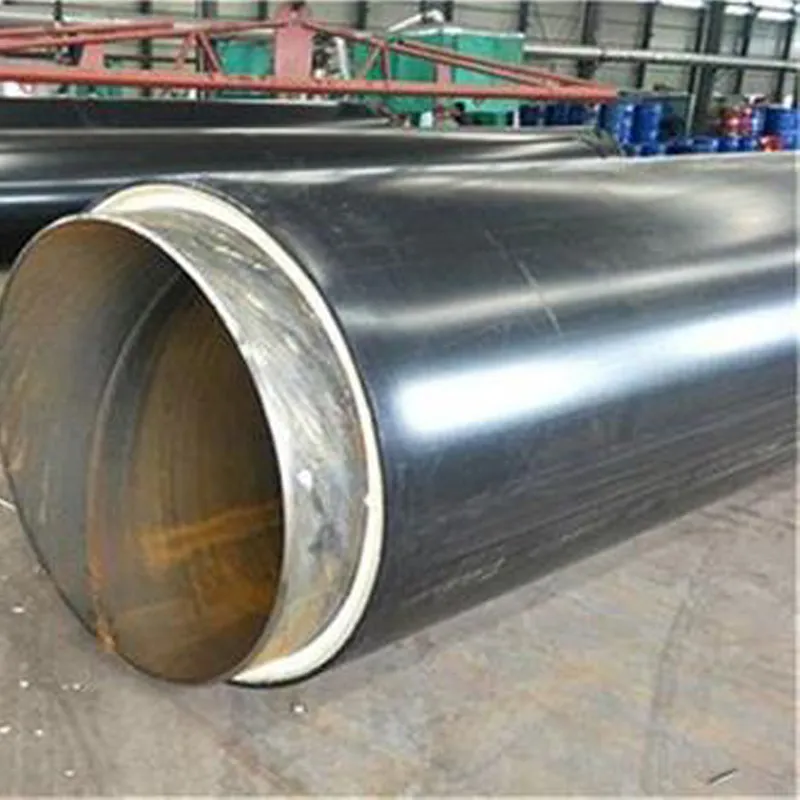
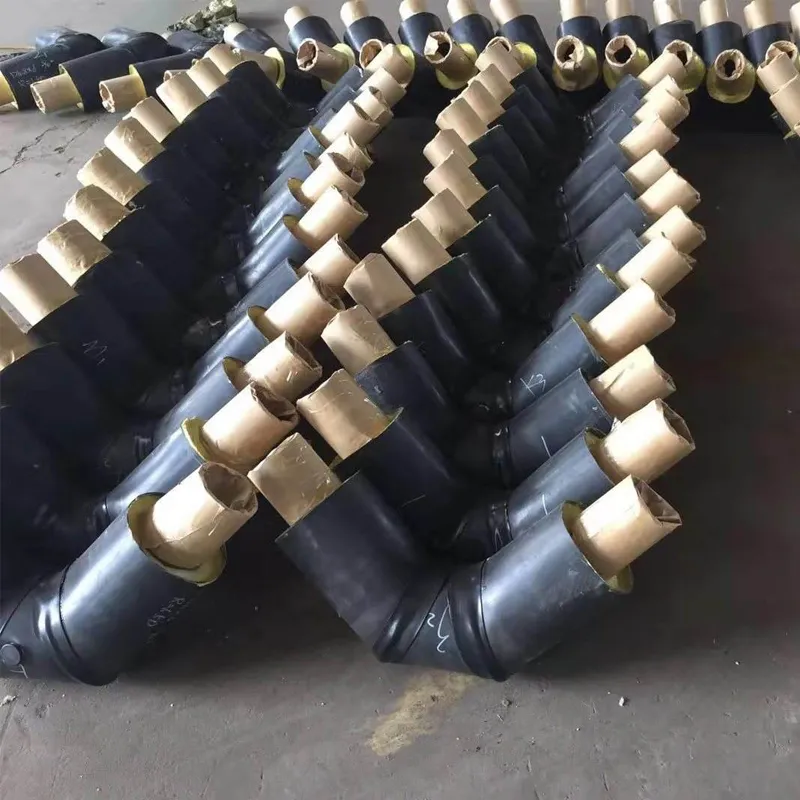
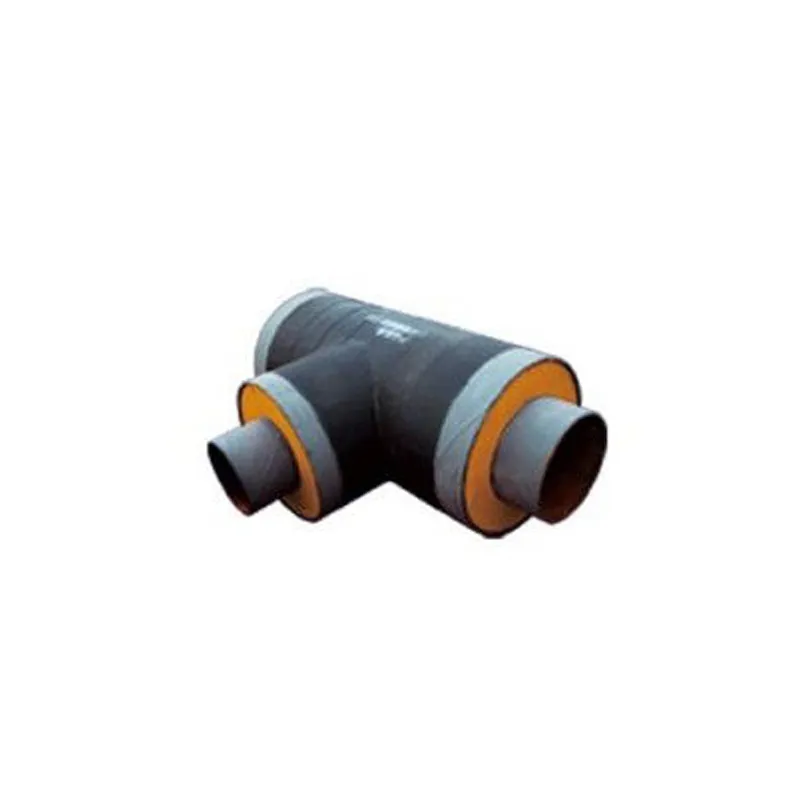
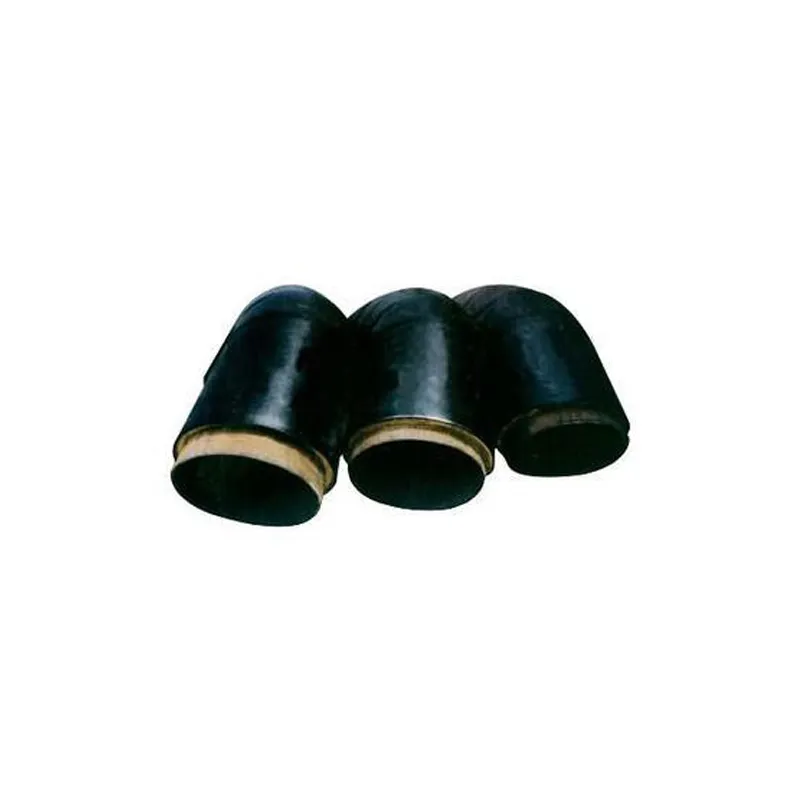
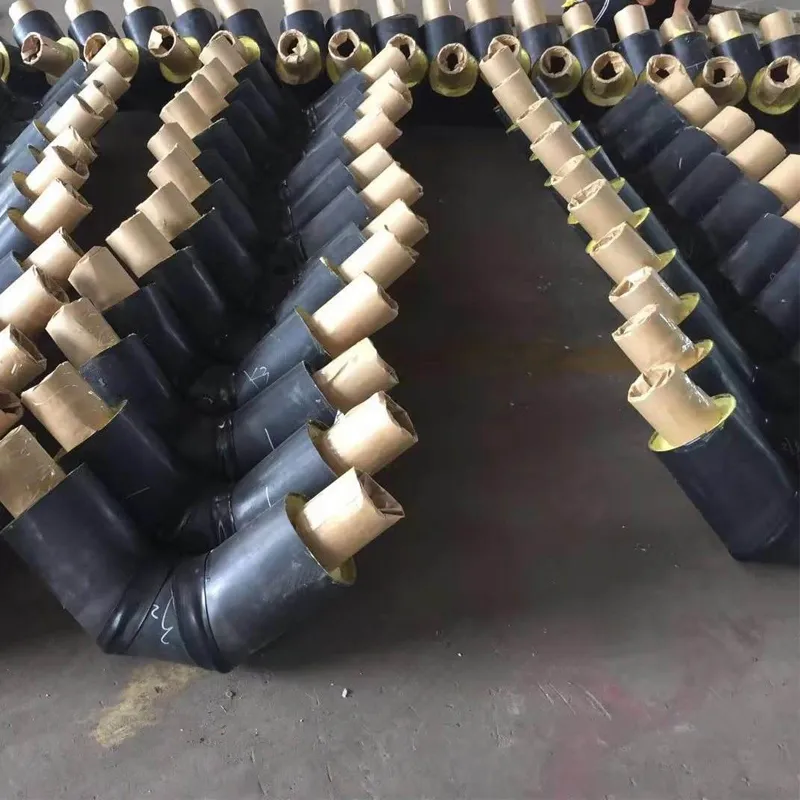
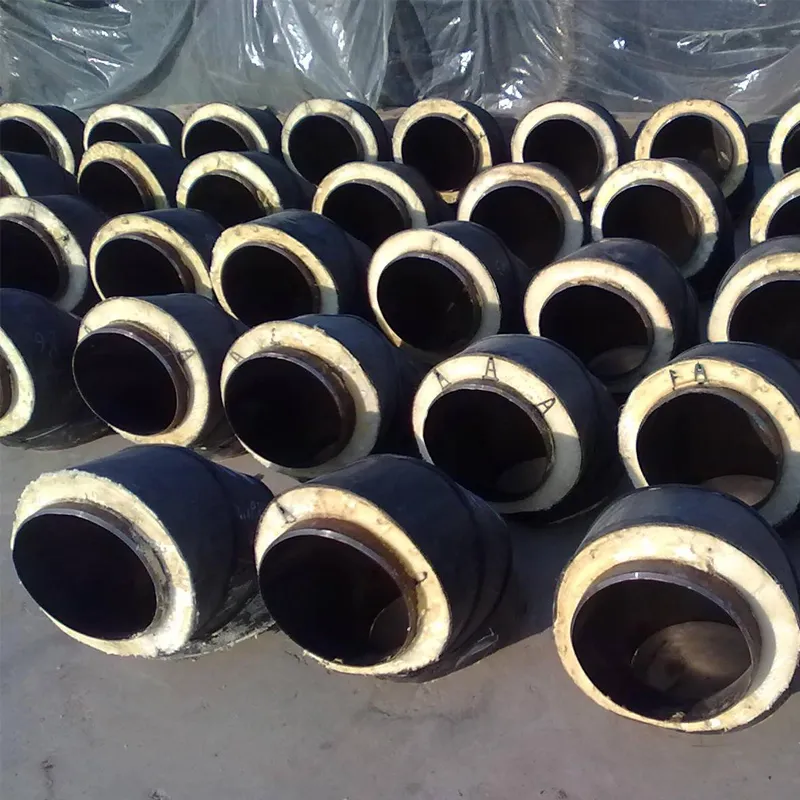
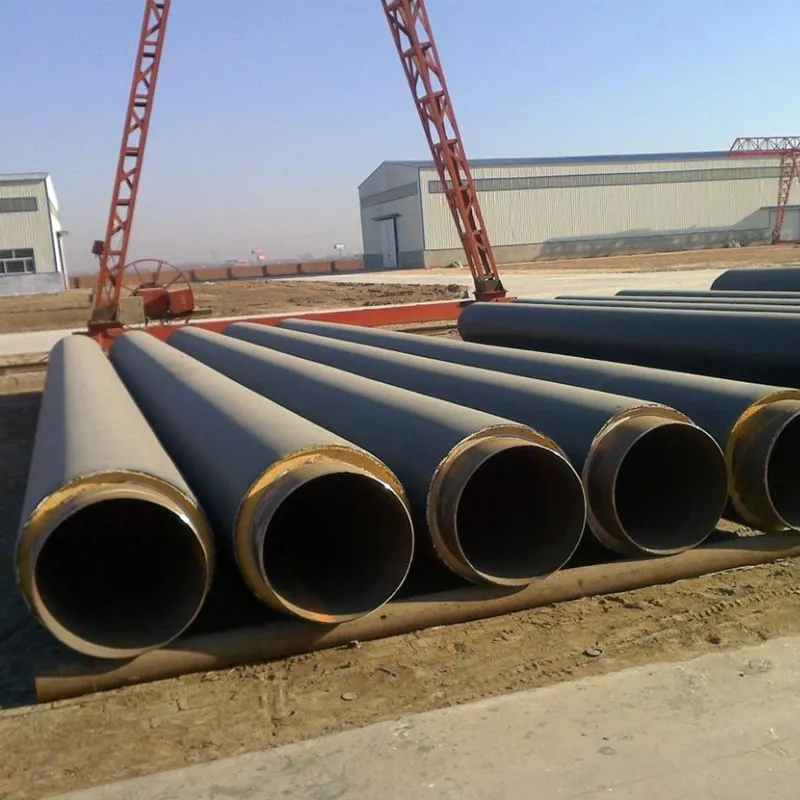
At its core, a pre insulated steel pipe is a steel carrier (API 5L / ASTM A106 / EN 10216) with sprayed or poured rigid PUR or PIR foam and a protective HDPE jacket. The detail that separates good from great is the process control. Lion Pipeline’s “Anti Corrosion And Thermal Insulation Products,” manufactured in the Economic Development Zone of Mengcun county, Cangzhou, Hebei, lean on EN 253-style practice: shot-blasted steel (Sa 2.5), induction preheat, continuous foam injection, and extruded casing. Elbows, tees, reducers, and supports come matched from DN15 up to DN1800 in carbon steel, alloy steel, stainless, bimetallic composite, even nickel-based alloys for aggressive media.
Pre Insulated Steel Pipe: Lower Heat Loss, Anti-Corrosion?

Typical process flow (short version)

    - Steel prep: visual + UT/RT as needed; abrasive blasting to Sa 2.5; holiday-free coating where specified (FBE/3LPE per ISO 21809).
    - Assembly: spacers, leak-detection wires, end seals; induction preheat for adhesion.
    - Foaming: PUR/PIR components metered; λ50 ≈ 0.022–0.028 W/m·K; density ≈ 60–80 kg/m³ (real-world use may vary).
    - Jacket: HDPE extruded, impact-resistant; marking and QR traceability.
    - Testing: shear bond, foam density, thermal conductivity, hydro (1.5× design), spark test up to 10 kV on jacket, weld NDT, and factory dimensional checks.
Pre Insulated Steel Pipe: Lower Heat Loss, Anti-Corrosion?

Quick specification snapshot

DN Steel grade Insulation (approx.) Jacket OD (≈) Max temp Heat loss ΔT=50K Service life
DN100 ASTM A106 Gr.B / API 5L B PUR 50 mm, λ50 ≈0.027 ≈ 250 mm 120°C (HT up to 140°C) ≈ 22–28 W/m ≥ 30 years
DN300 API 5L Gr.X42/X52 PUR 70 mm, λ50 ≈0.026 ≈ 520 mm 120–140°C ≈ 45–55 W/m ≥ 30 years
DN600 ASTM A106 Gr.C / EN 10216-2 PUR 90 mm, λ50 ≈0.025 ≈ 860 mm 120–140°C ≈ 80–95 W/m ≥ 30 years
Pre Insulated Steel Pipe: Lower Heat Loss, Anti-Corrosion?

Where these pipes earn their keep

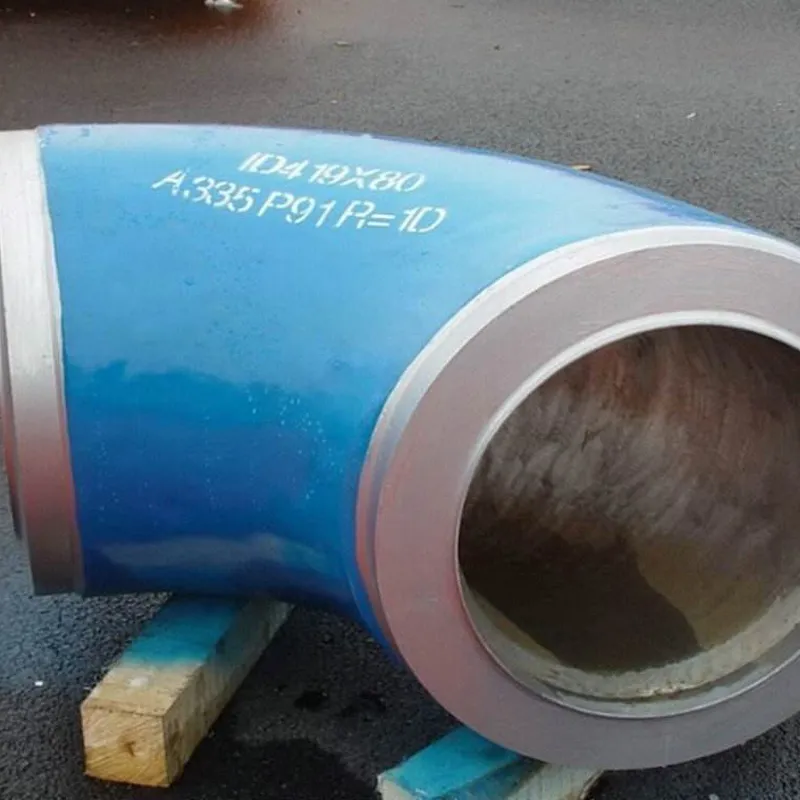
District heating and cooling, refinery steam/condensate loops, chemical plants, biomass/solar-thermal distribution, campus chilled water, and even firewater where frost protection matters. Many customers say the biggest surprise is installation speed—factory-insulated fittings save days, not hours.
Pre Insulated Steel Pipe: Lower Heat Loss, Anti-Corrosion?

Vendor snapshot (field-notes style)

Vendor Foam/Jacket Standards Lead time Notes
Lion Pipeline (Hebei) PUR/PIR + HDPE EN 253, ISO 21809, ISO 9001/14001/45001 3–6 weeks (around) Full fitting set DN15–DN1800, strong QC, good value
EU Brand A PUR + HDPE EN 253/448, PED 6–10 weeks Premium, high documentation depth
Local Fabricator PUR + Wrapped PE Mixed; check lab data 1–4 weeks Fast, but verify foam density, shear tests
Pre Insulated Steel Pipe: Lower Heat Loss, Anti-Corrosion?

Customization and QA that matter

    - Materials: carbon, stainless, alloy, bimetallic, nickel-based.
    - Coatings: FBE/3LPE/3LPP internal/external as specified.
    - Leak detection: copper pair or fiber; continuity tested.
    - Joints: shrink sleeves, electrofusion, or weld-on sleeves (project-dependent).
    - Tests: foam shear ≥0.12 MPa (EN 253), density ≥60 kg/m³, hydro at 1.5×, jacket spark 10 kV; certificates pack on request.

Customer note: “Heat loss on our 12 km line dropped by ~18% vs. legacy field-foamed sections,” a district heating operator told me—yes, I raised an eyebrow too.
Pre Insulated Steel Pipe: Lower Heat Loss, Anti-Corrosion?

Mini case studies

Eastern Europe DH retrofit: DN300–DN500 network; factory elbows/tees cut install time ≈ 22%. Heat-loss audit validated λ50 at 0.026 W/m·K.

SE Asia refinery steam ring: HT PIR spec to 140°C with 3LPE carrier coating. Holiday-free, zero jacket failures after monsoon season—surprisingly robust backfill performance.
Pre Insulated Steel Pipe: Lower Heat Loss, Anti-Corrosion?

Final take

If you’re scoping a pre insulated steel pipe package, check foam lambda, shear tests, jacket spark results, and documentation depth. Also, ask where it’s made—Lion Pipeline’s Hebei base has the scale (DN15–DN1800 fittings included) that tends to keep lead time honest and pricing sane.

More details here: Anti Corrosion And Thermal Insulation Products by Lion Pipeline.
Authoritative citations

  1. EN 253: District heating pipes – Preinsulated bonded pipe systems for directly buried hot water networks. CEN.
  2. ISO 21809 series: External coatings for buried or submerged pipelines used in pipeline transportation systems.
  3. ASTM A106 / ASME SA106: Seamless Carbon Steel Pipe for High-Temperature Service.
  4. API 5L: Specification for Line Pipe.
  5. EN 448/448-2: District heating pipes – Joint assemblies and leak detection systems.
  6. ISO 9001, ISO 14001, ISO 45001: Quality, Environmental, and OH&S Management Systems.
  7. Euroheat & Power: District Energy Efficiency Guidelines (latest edition).
  • Factory Prefabricated Products

    Factory Prefabricated Products

    In modern industrial construction, the quality and supply efficiency of pipe fittings directly affect the success or failure of the project. With advanced production concept and strong technical strength, we focus on the factory prefabrication of products, and provide all-round pipe fitting solutions for many key fields such as petrochemical industry and coal chemical industry.
    VIEW ALL
  • Overlay Welding Clad Steel Pipe

    Overlay Welding Clad Steel Pipe

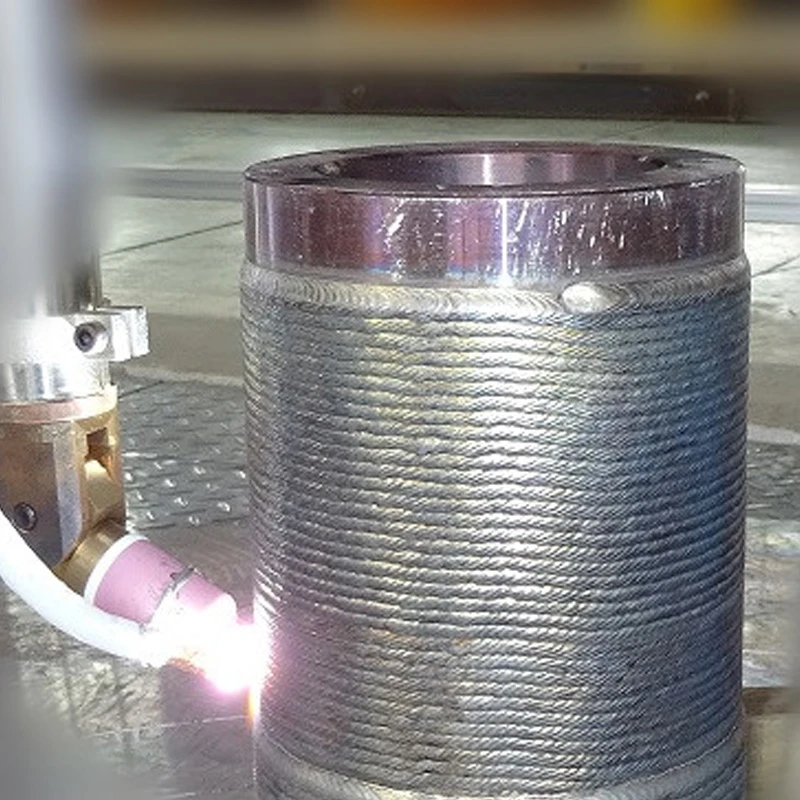
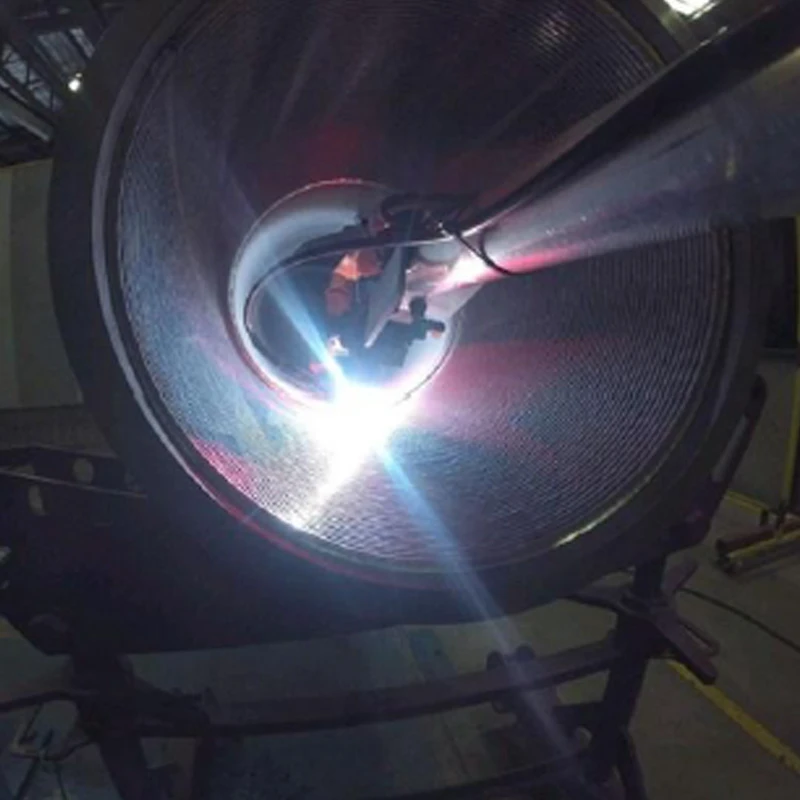
    Overlay Welding clad Steel Pipe features a high-performance welded overlay that enhances the pipe’s surface properties, providing superior resistance to corrosion, erosion, and wear. This process involves applying a wear-resistant alloy layer over a strong steel base, making it ideal for industries such as oil and gas, mining, and chemical processing, where pipes are exposed to harsh conditions. The overlay ensures extended service life, reduced maintenance costs, and reliable performance even in extreme environments. With its combination of strength, durability, and corrosion resistance, the Overlay Welding Steel Pipe is a trusted solution for critical applications.
    VIEW ALL
  • Laser Clad  Pipe

    Laser Clad Pipe

    Laser clad steel pipes are manufactured using laser cladding technology. This technology involves adding cladding material to the surface of ordinary steel pipe base material, using high-energy-density laser beams to fuse the cladding material with the steel pipe surface, forming a metallurgically bonded cladding layer. These pipes are generally used in compressed air energy storage projects as underground deep well transportation pipes or casings, as well as in oil, natural gas, and geothermal well extraction.
    VIEW ALL
To create value for customers!
Cangzhou Leo Technology Co., Ltd. is located in Mengcun County Economic Development Zone, Cangzhou City, Hebei Province. It is a specialized high-tech enterprise that integrates the research and development, production, and sales of composite pipes and fittings.
News
The company regards product quality as the life of the enterprise, establishes a sound quality management system in accordance with the requirements of industry and national standards, controls all aspects of input and output in the whole process, pays attention to every detail, and ensures that the product delivery pass rate is 100%.
Ultimate Guide to 4130 Tubing Strength Performance and Applications
Ultimate Guide to 4130 Tubing Strength Performance and Applications

In the world of high-performance engineering, material selection is the foundation of safety and efficiency. 4130 tubing is widely regarded as the gold standard for applications requiring an exceptional strength-to-weight ratio. This chrome-molybdenum alloy steel is engineered to withstand extreme stress while remaining lightweight enough for aerospace and automotive use. Whether you are designing a roll cage, a bicycle frame, or a critical industrial component, understanding the nuances of this material is essential. In this comprehensive guide, we will explore why this specific alloy is preferred by engineers worldwide and how to choose the right specifications for your project.
Properties and Industrial Applications of 4130 steel tubing
Properties and Industrial Applications of 4130 steel tubing

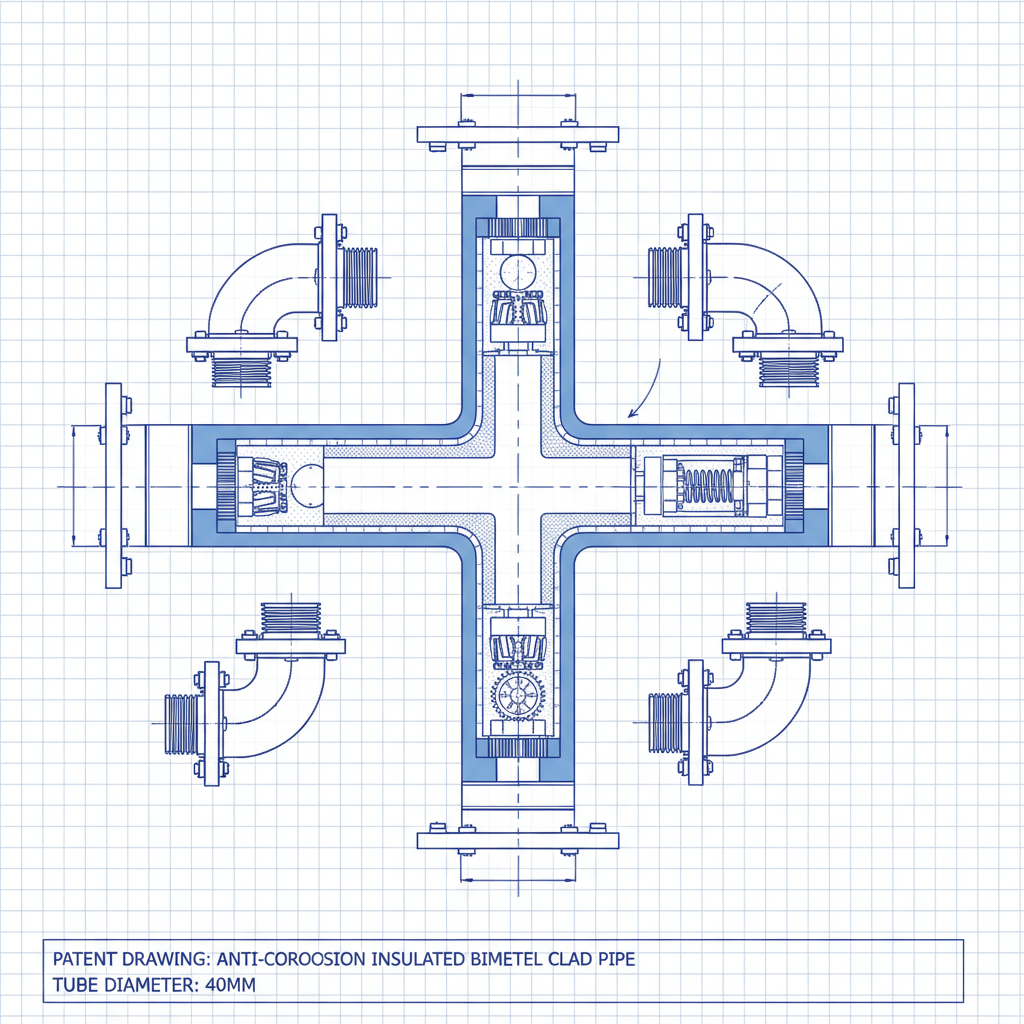
In the world of high-performance engineering, material selection is the foundation of safety and efficiency. 4130 steel tubing is widely recognized as the gold standard for applications requiring an exceptional strength-to-weight ratio. Known for its versatility and reliability, this chromium-molybdenum alloy is the preferred choice for everything from aircraft frames to professional roll cages. Understanding the nuances of this material allows engineers to optimize structural integrity without adding unnecessary bulk. In this comprehensive guide, we will explore why this specific alloy remains a top choice for critical industrial and aerospace components.
Comprehensive Guide to 40mm Steel Tube Applications and Material Selection
Comprehensive Guide to 40mm Steel Tube Applications and Material Selection

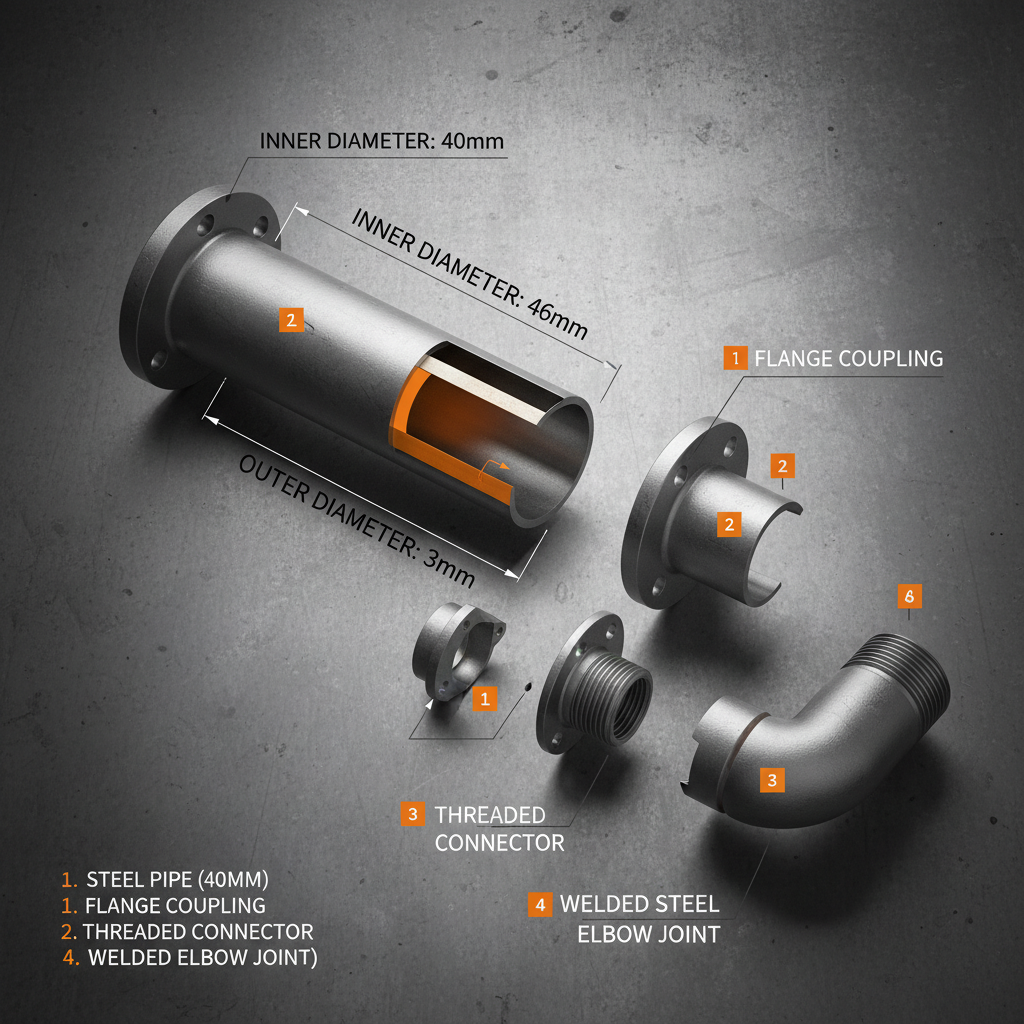
40mm steel tube is a versatile and widely used material in various industries, from construction and manufacturing to automotive and beyond. Its strength, durability, and cost-effectiveness make it an ideal choice for numerous applications. This article will delve into the characteristics, applications, benefits, and considerations when working with 40mm steel tube, providing a comprehensive overview for professionals and anyone interested in this essential material.
Comprehensive Guide to 40mm Steel Pipe Applications and Considerations
Comprehensive Guide to 40mm Steel Pipe Applications and Considerations

40mm steel pipe is a widely used material in various industries due to its strength, durability, and cost-effectiveness. From construction and infrastructure projects to industrial applications and fluid transportation, this pipe size offers a versatile solution. This article will delve into the properties, applications, standards, and key considerations when selecting 40mm steel pipe, helping you make informed decisions for your specific needs.
Comprehensive Guide to 40mm Metal Pipe Applications and Sourcing
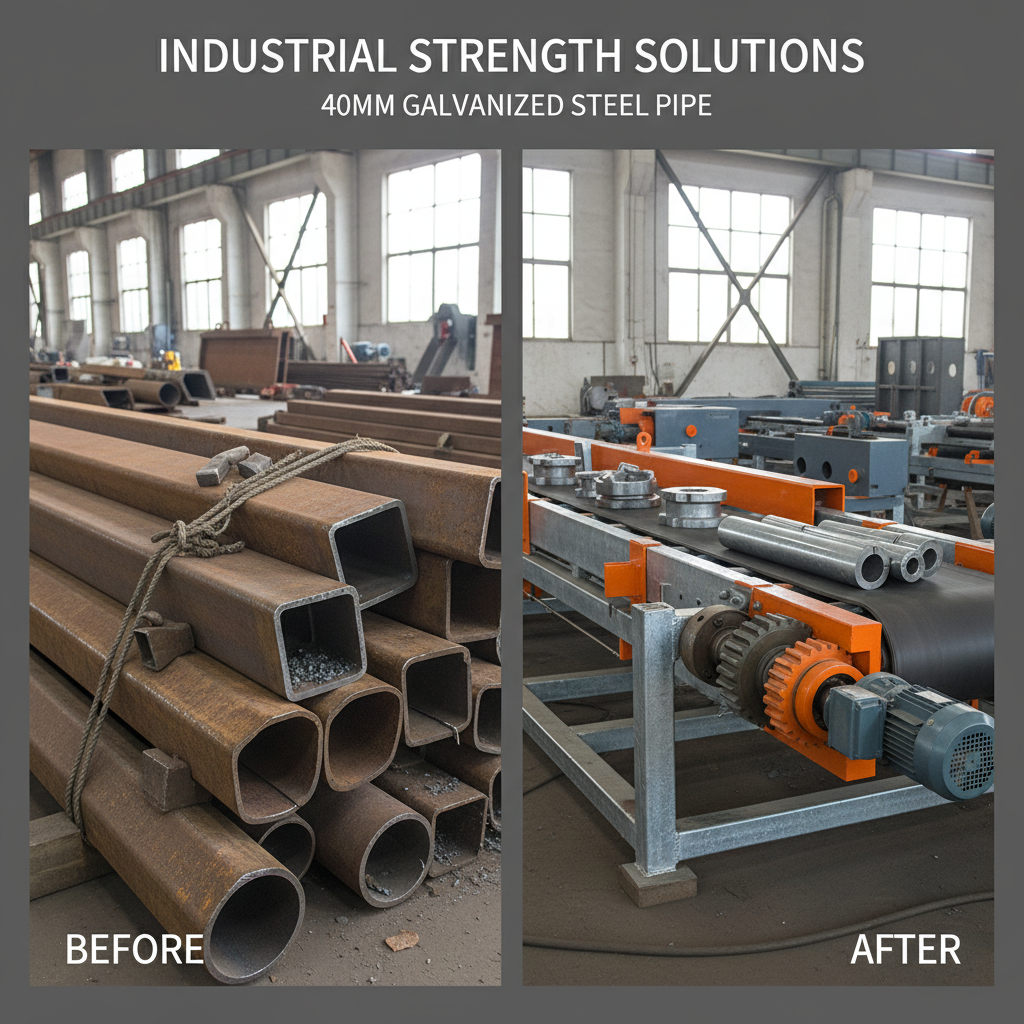
Comprehensive Guide to 40mm Metal Pipe Applications and Sourcing

40mm metal pipe is a crucial component in a wide array of industries, from construction and plumbing to industrial manufacturing and fluid transport. Its strength, durability, and versatility make it a preferred material for countless applications. This article will delve into the specifics of 40mm metal pipe, exploring its various types, common uses, benefits, and where to source high-quality piping solutions.
Comprehensive Guide to 40mm Galvanised Pipe Applications and Specifications

Comprehensive Guide to 40mm Galvanised Pipe Applications and Specifications

When planning a plumbing, structural, or industrial project, selecting the right piping material is crucial. 40mm galvanised pipe is a widely used option known for its strength, durability, and corrosion resistance. This article provides a detailed overview of 40mm galvanised pipes, exploring their applications, benefits, specifications, and considerations for optimal usage. We'll cover everything from what galvanisation is to how to choose the right pipe for your specific needs.
tel email tel top

If you are interested in our products, you can choose to leave your information here, and we will be in touch with you shortly.