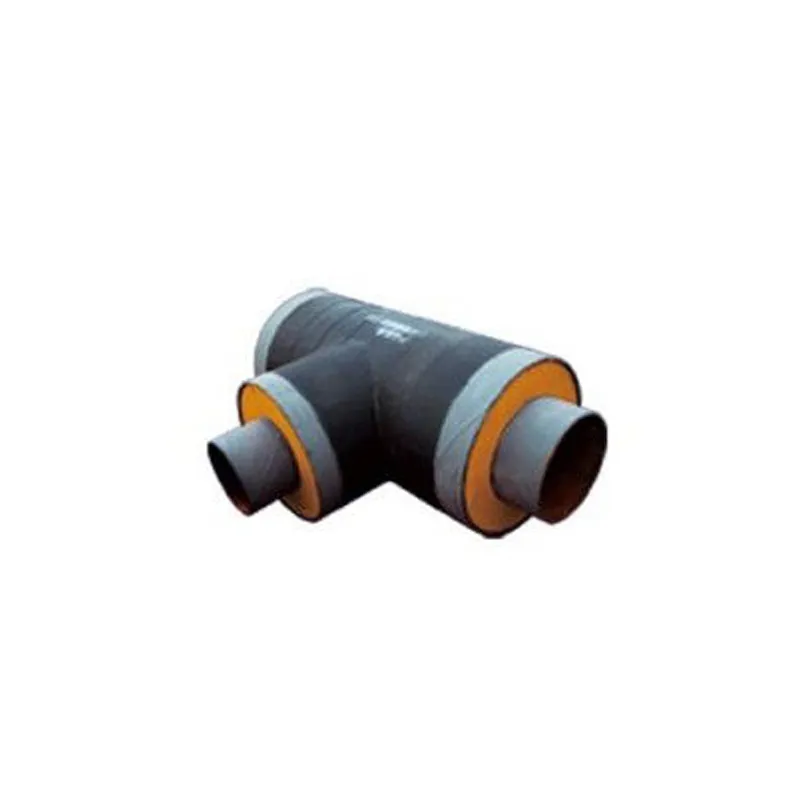
If you work around thermal networks, you already know the quiet hero is the pre insulated steel pipe. It’s the backbone of district heating loops, chemical plants, and those campus chilled-water grids that just have to run. I’ve walked a few yards in muddy job sites, and—honestly—the difference between good and great comes down to foam quality, jacket integrity, and how the joints are handled onsite (the devil lives in joint kits).
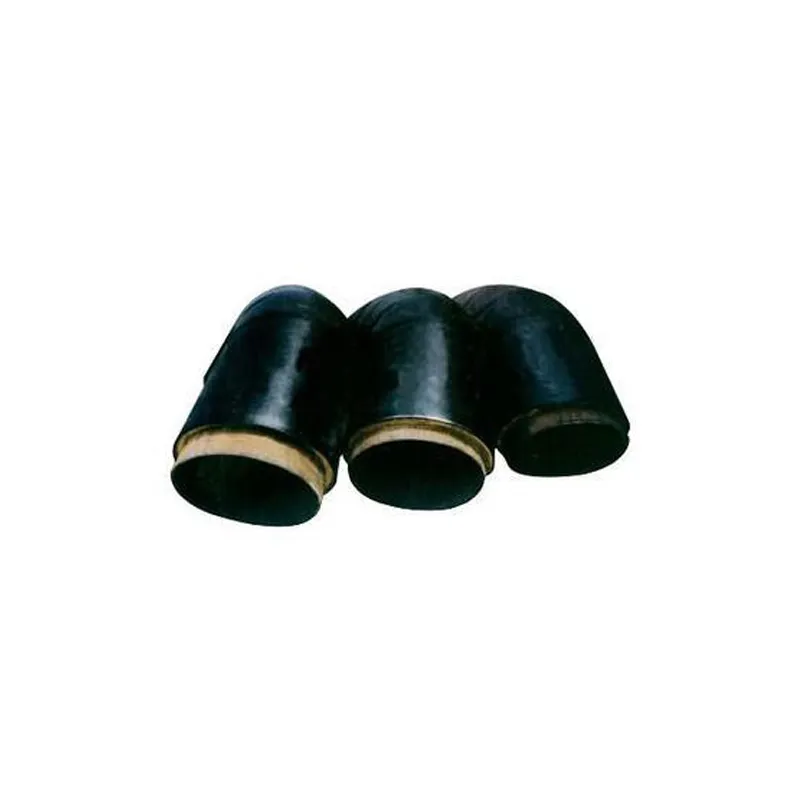
From the Economic Development Zone of Mengcun county, Cangzhou, Hebei, the “Anti Corrosion And Thermal Insulation Products” line focuses on elbows, tees, reducers, pipe supports, and straight steel pipelines—DN15 to DN1800—in carbon steel, alloy steel, stainless, bimetallic composites, and nickel-based alloys. To be honest, the range is broad enough to cover most utility corridors without special-order panic.
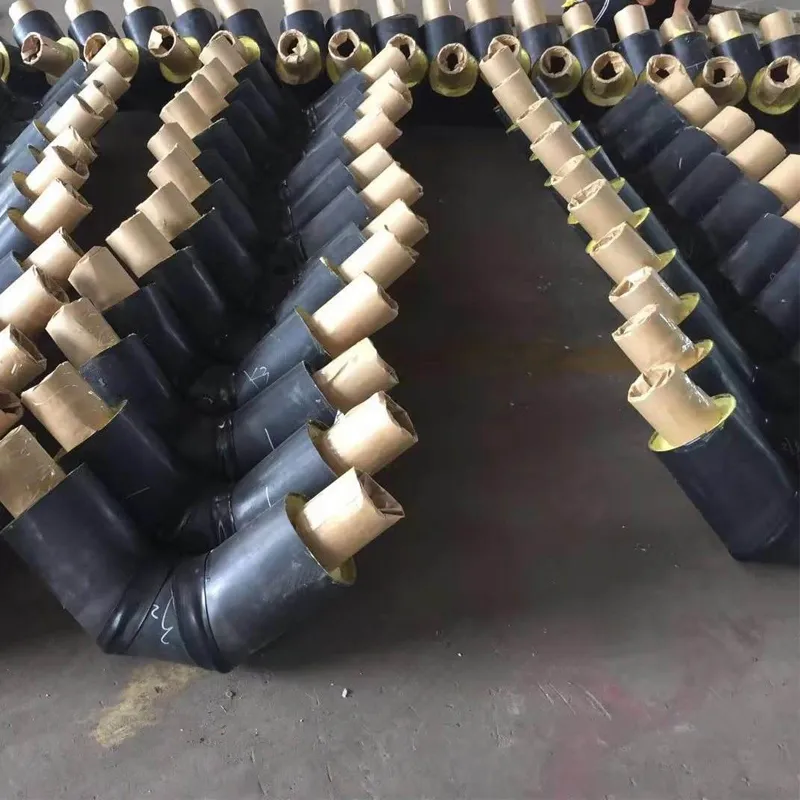
Two big drivers: decarbonization (district heating/cooling is booming) and OPEX scrutiny (heat loss is money). Many customers say the latest pre insulated steel pipe systems cut trench widths and speed installation versus field-wrapped builds, which tracks with what I’ve seen on sites from Asia to the Middle East.
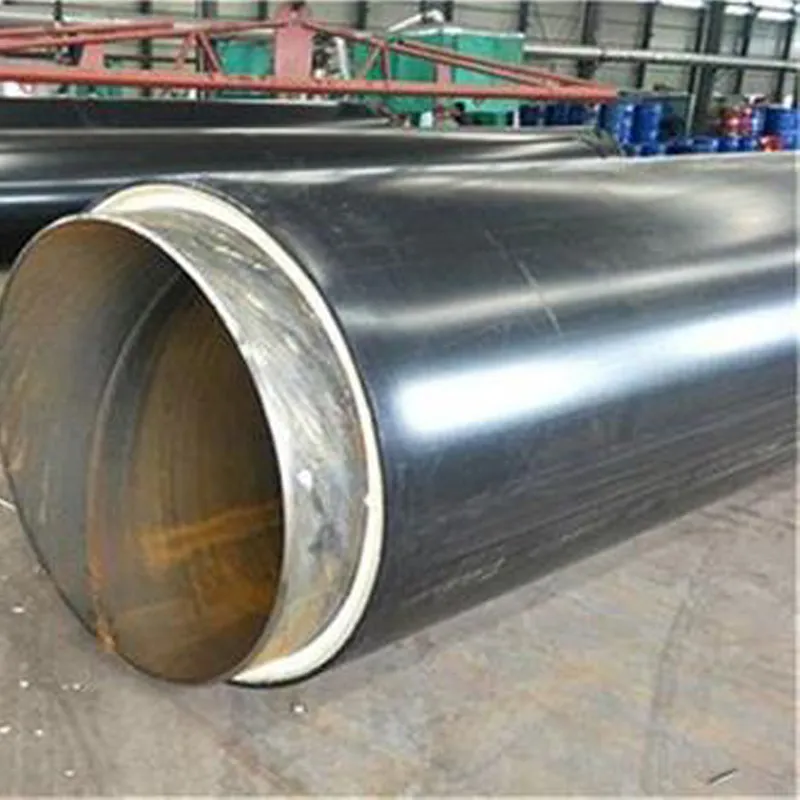
| Item | Specification ≈ |
|---|---|
| Size Range | DN15–DN1800 (fittings: elbows/tees/reducers/supports) |
| Steel Grades | API 5L, ASTM A106/A53, stainless, alloy, nickel-based options |
| Insulation | Rigid PUR foam, density ≥60–80 kg/m³; λ50 ≈ 0.022–0.028 W/m·K |
| Outer Jacket | HDPE (black UV-stabilized), thickness per EN 253 diameter bands |
| Coatings | FBE/2FBE, 3PE/3LPP where specified (ISO 21809) |
| Temp Window | ≈ -50°C to +140°C (higher with special PUR/phenolic systems) |
| Standards | EN 253, EN 448 (fittings), EN 489 (joints), ASME B31.1/B31.3 |
| Service Life | Design ≥30 years; many networks target 30–50 years |
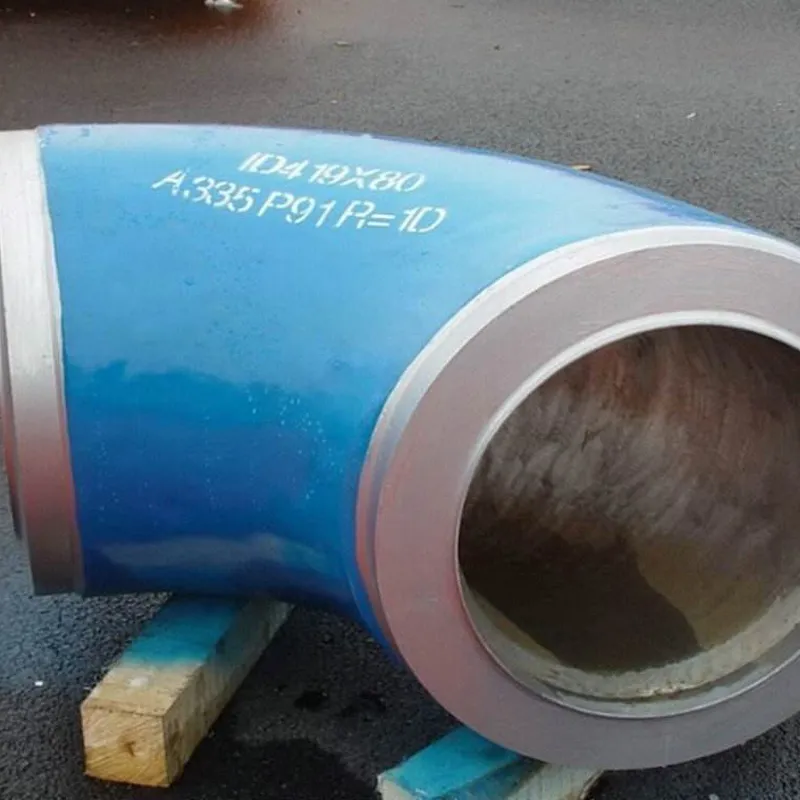
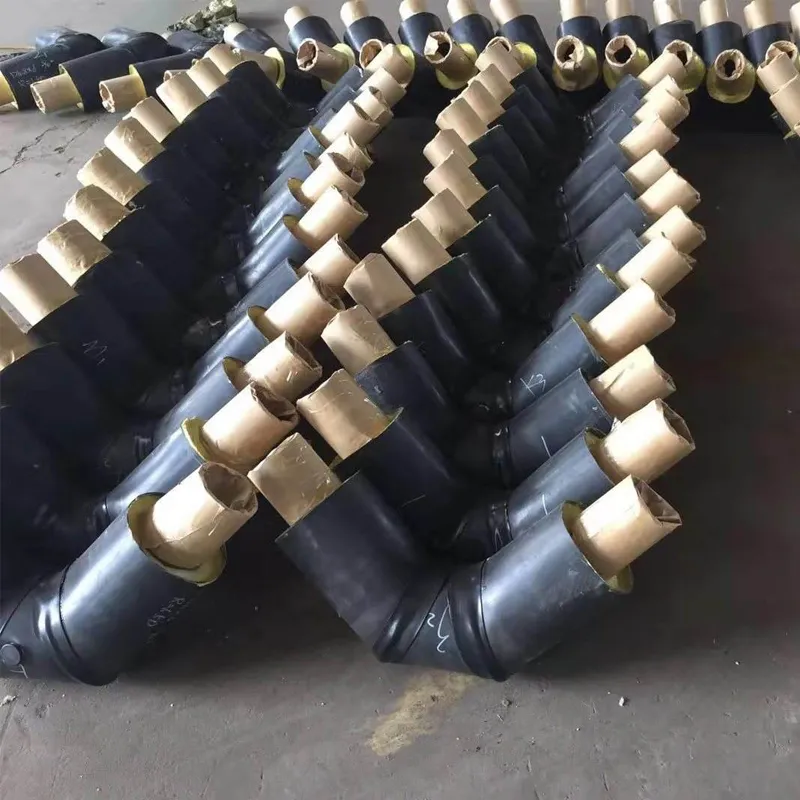
Foam compressive strength ≈ 0.30–0.40 MPa at 10% strain; water absorption ≤10% vol/30 days (EN 253 method); shear bond ≥0.12 MPa; axial shear test passes at jacket interface. Several buyers told me thermal losses fell 8–15% moving to modern pre insulated steel pipe, though of course routing and burial depth matter a lot.
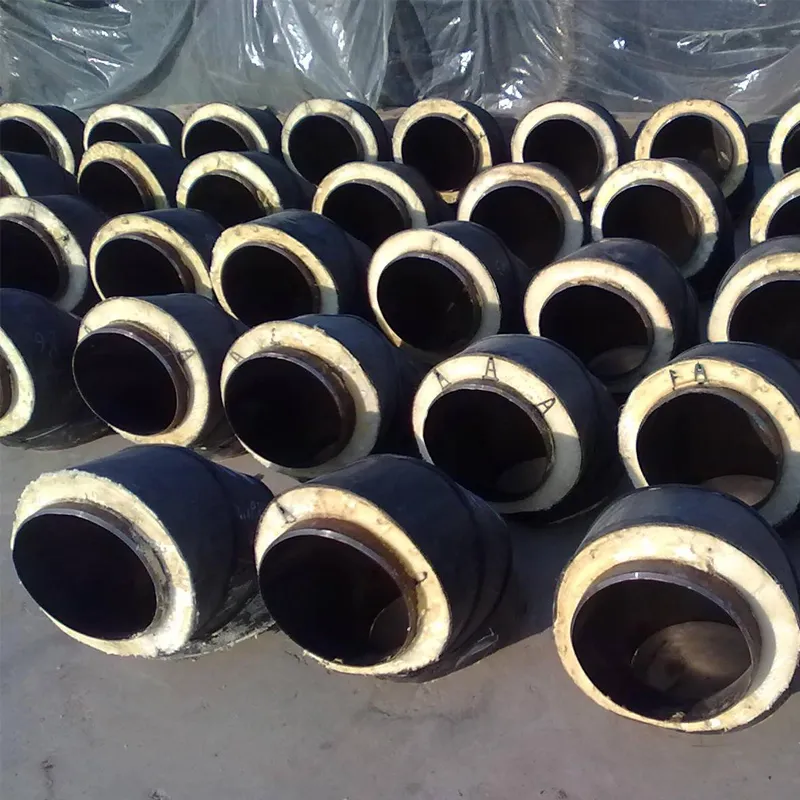
Feedback I hear a lot: “Faster trench close,” “Predictable heat loss,” and—surprisingly—“joints were simpler than we feared” when crews got a 2-hour demo beforehand.
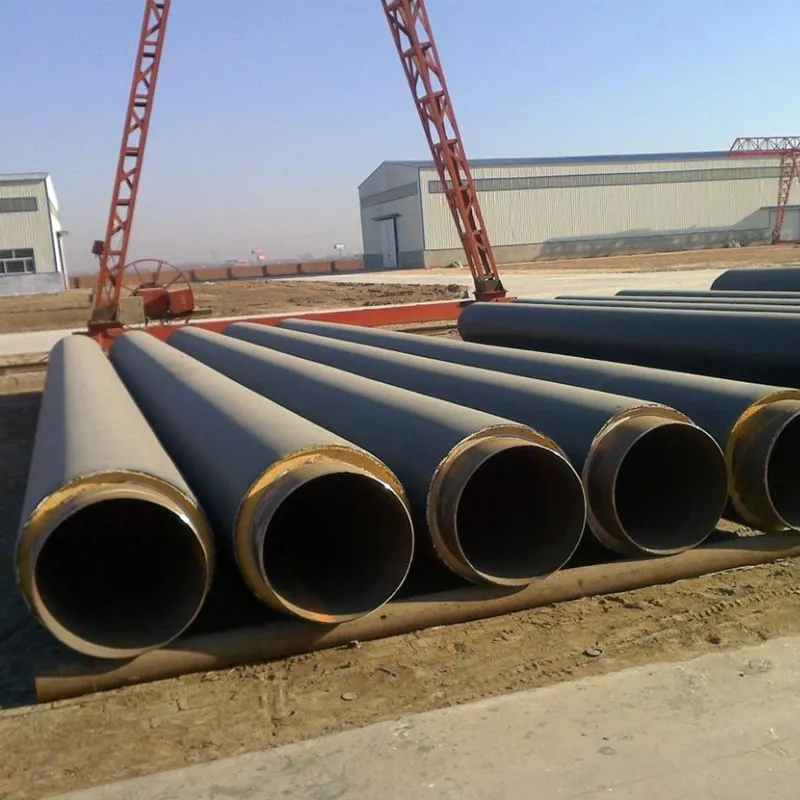
| Vendor | Certs (≈) | Range | Lead Time | Notes |
|---|---|---|---|---|
| Lion Pipeline (Mengcun, Cangzhou) | ISO 9001/14001/45001 (typical) | DN15–DN1800; fittings to EN 448 | 4–8 weeks (project-dependent) | Solid joint kits; custom alloys available |
| Local Fabricator A | ISO 9001 | Up to DN800 | 2–6 weeks | Limited alloy program; quick for small lots |
| Trading House B | Varies by mill | DN50–DN1200 | 6–12 weeks | Broader sourcing; check QA chain closely |
Final thought: specify the joint kits early. Great factory pipe with poor jointing becomes an expensive lesson. With a properly supervised crew, pre insulated steel pipe is boring—in the best possible way.
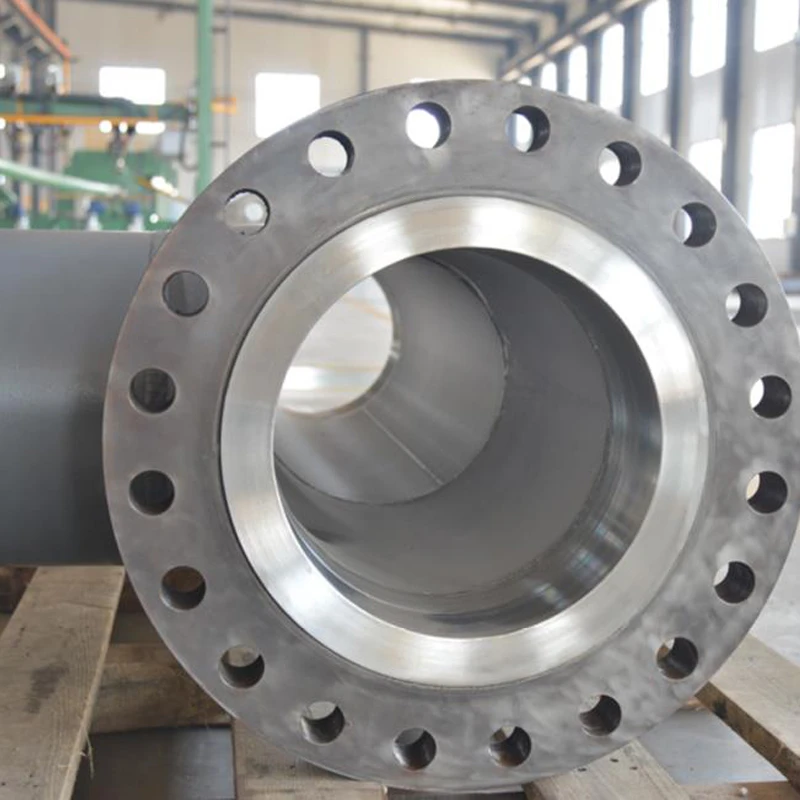
Factory Prefabricated Products
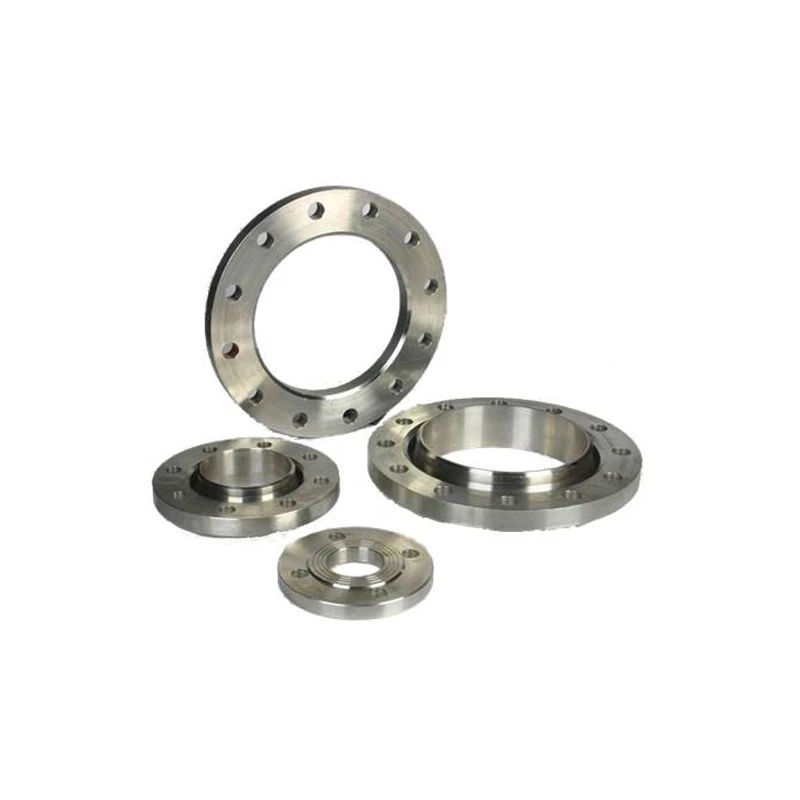
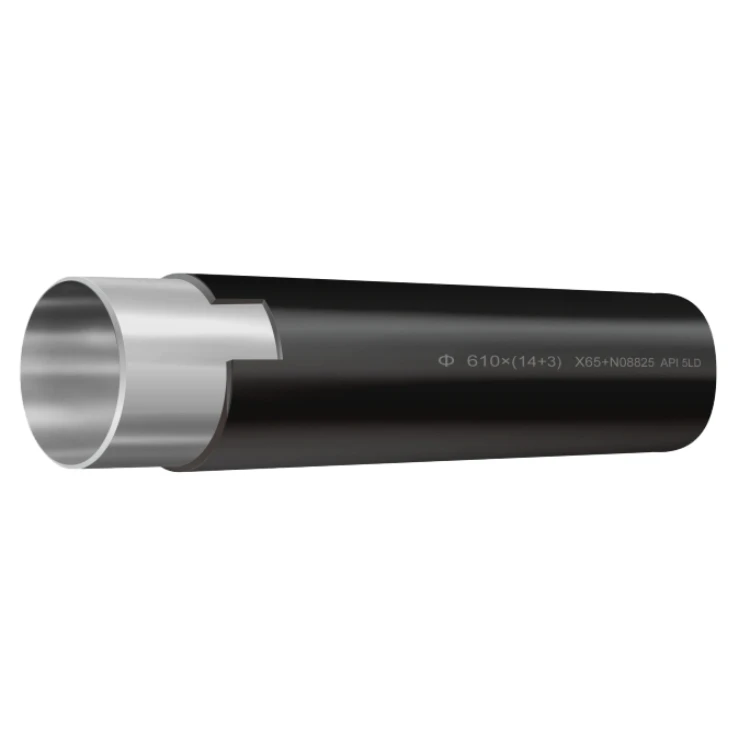
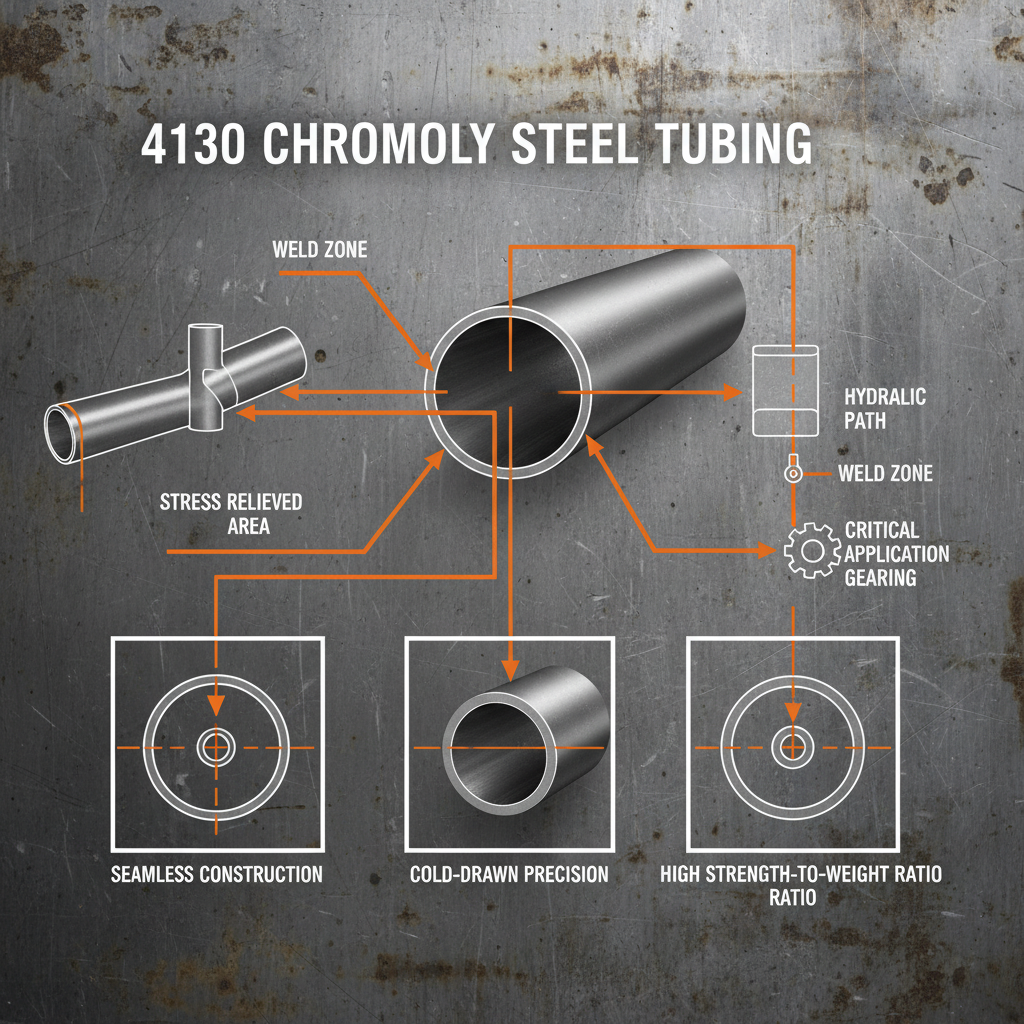
Ultimate Guide to 4130 Tubing Strength Performance and Applications
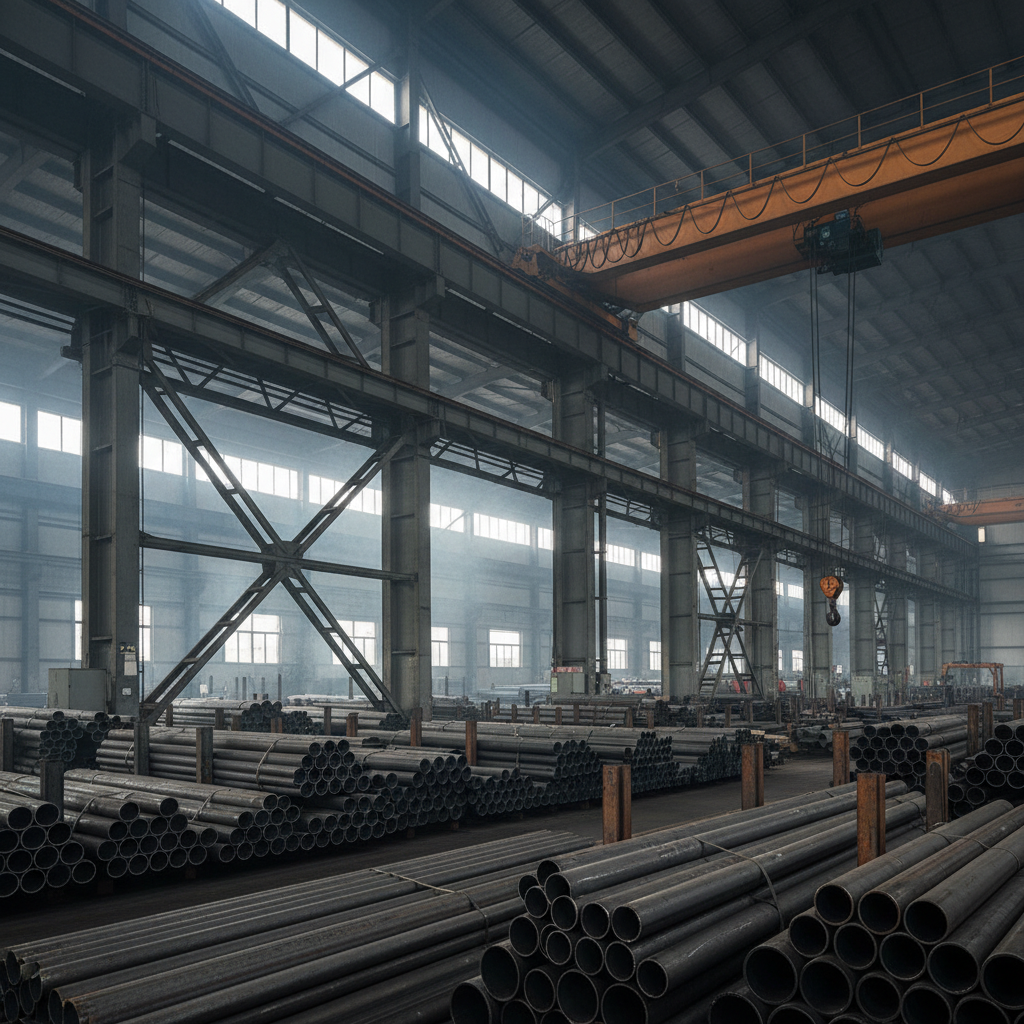
Properties and Industrial Applications of 4130 steel tubing
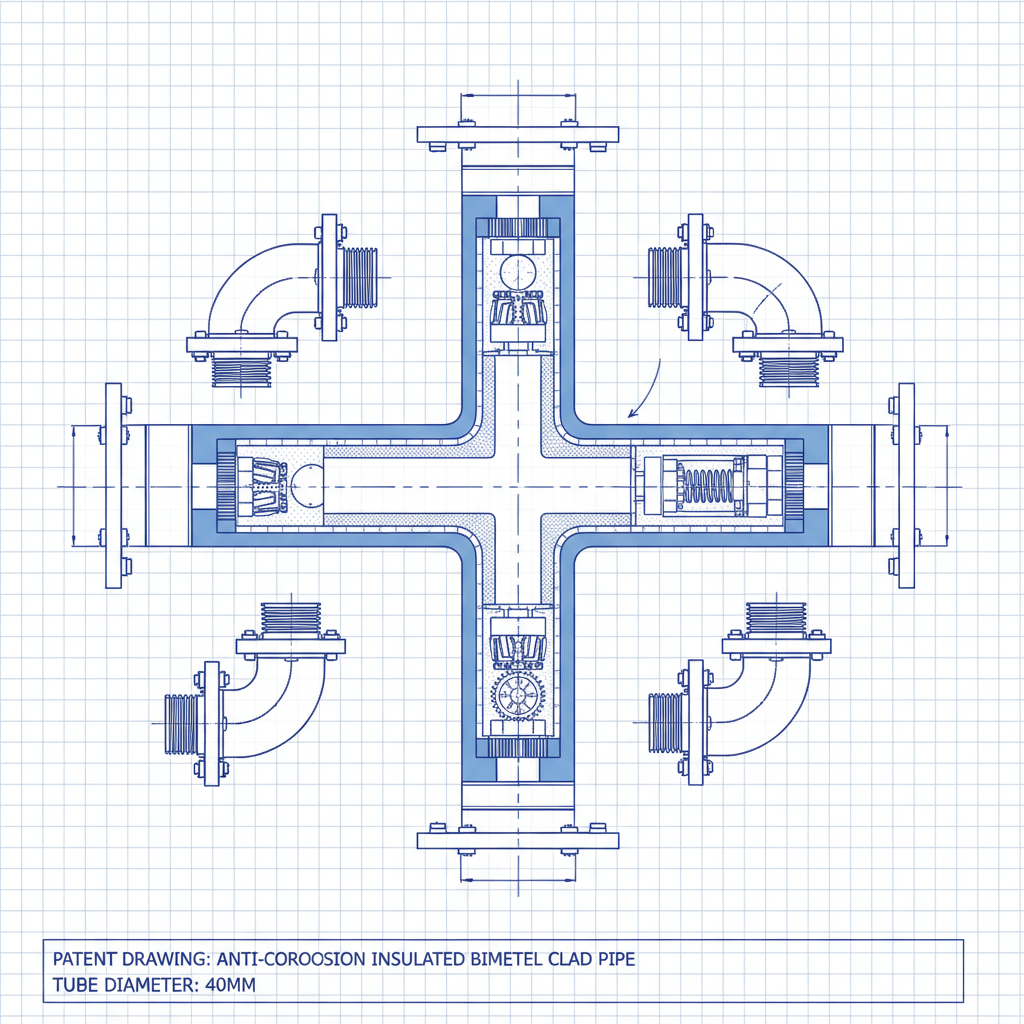
Comprehensive Guide to 40mm Steel Tube Applications and Material Selection
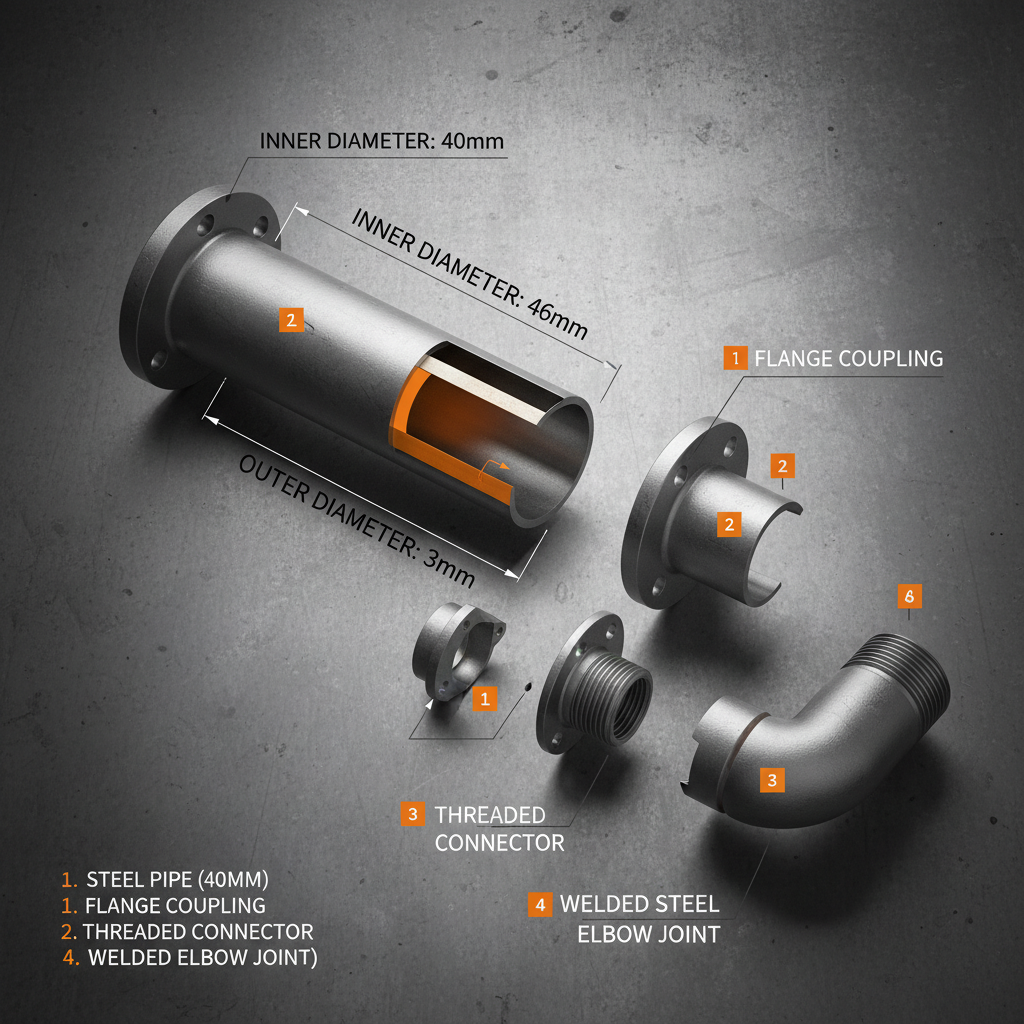
Comprehensive Guide to 40mm Steel Pipe Applications and Considerations
Comprehensive Guide to 40mm Metal Pipe Applications and Sourcing
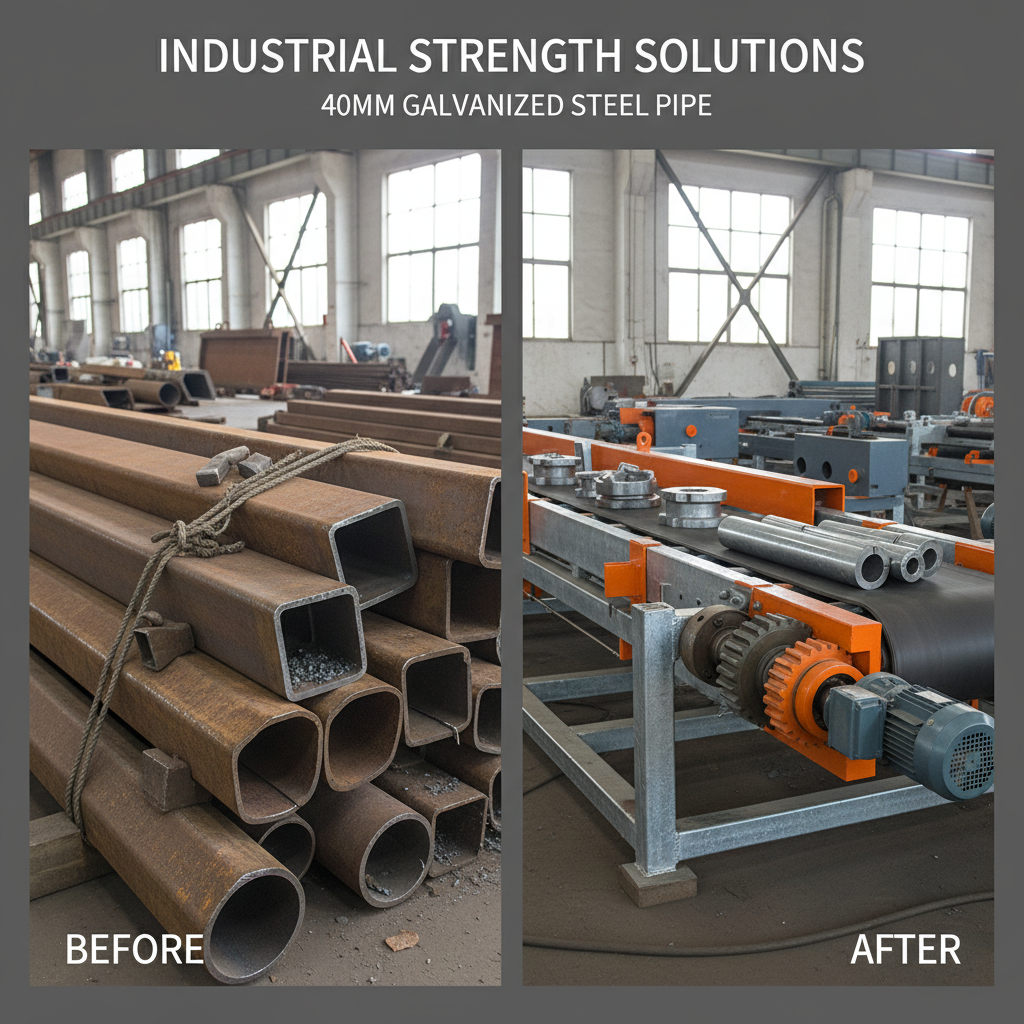
Comprehensive Guide to 40mm Galvanised Pipe Applications and Specifications