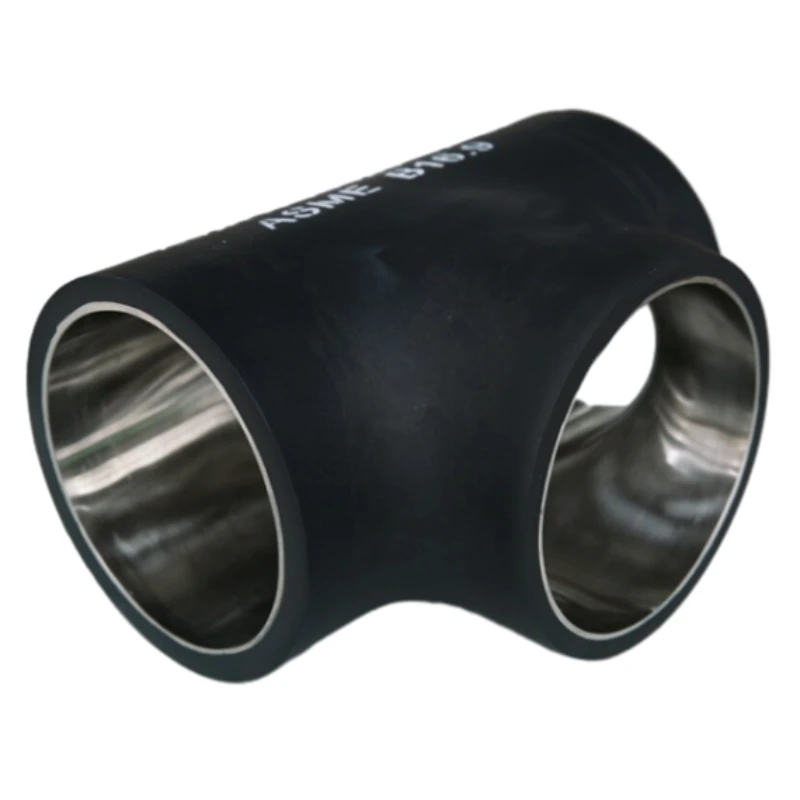
Pipe caps are essential components in industrial piping systems, ensuring the integrity and longevity of pipelines during transportation, storage, and installation. Cangzhou Lion Technology Co., Ltd., a leading manufacturer in this field, offers a diverse range of pipe caps designed to meet the evolving needs of modern industries. This article explores the features, technical specifications, applications, and company background of these critical components, while also referencing authoritative standards from the National Institute of Standards and Technology (NIST).
Pipe caps are available in various shapes, including round, square, and oval, and are engineered for both threaded and welded connections. These caps serve as protective barriers, preventing dirt, debris, and environmental contaminants from compromising the internal structure of pipes. By maintaining system efficiency and safety, pipe caps play a pivotal role in industries such as oil and gas, construction, and manufacturing.
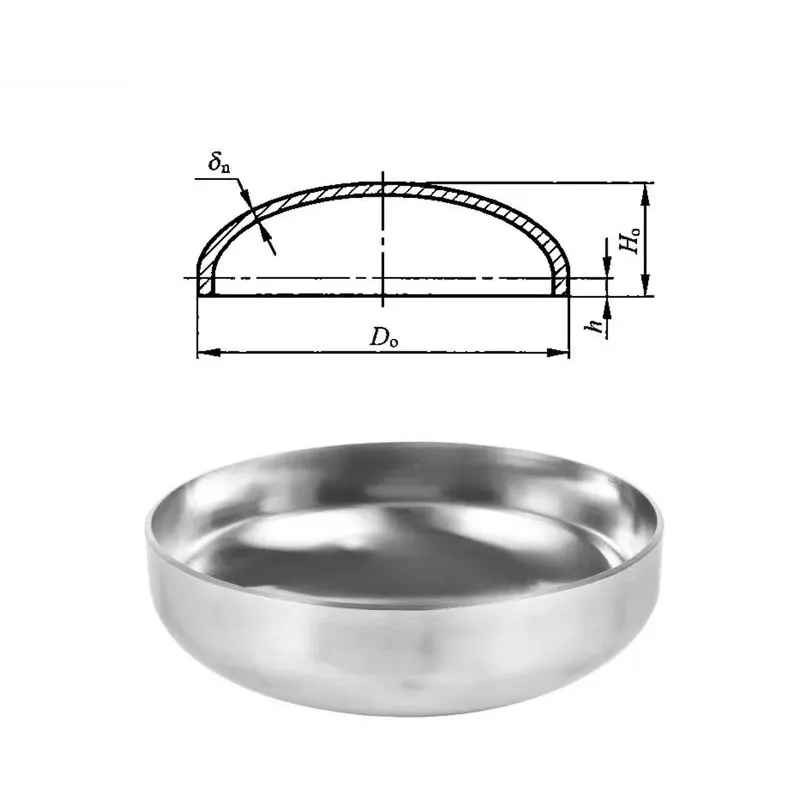
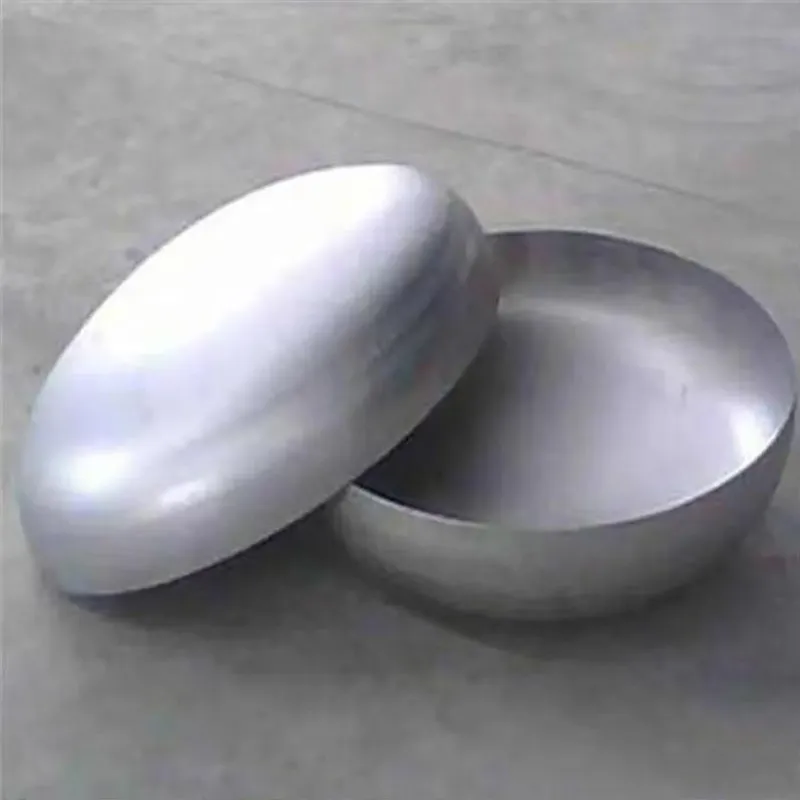
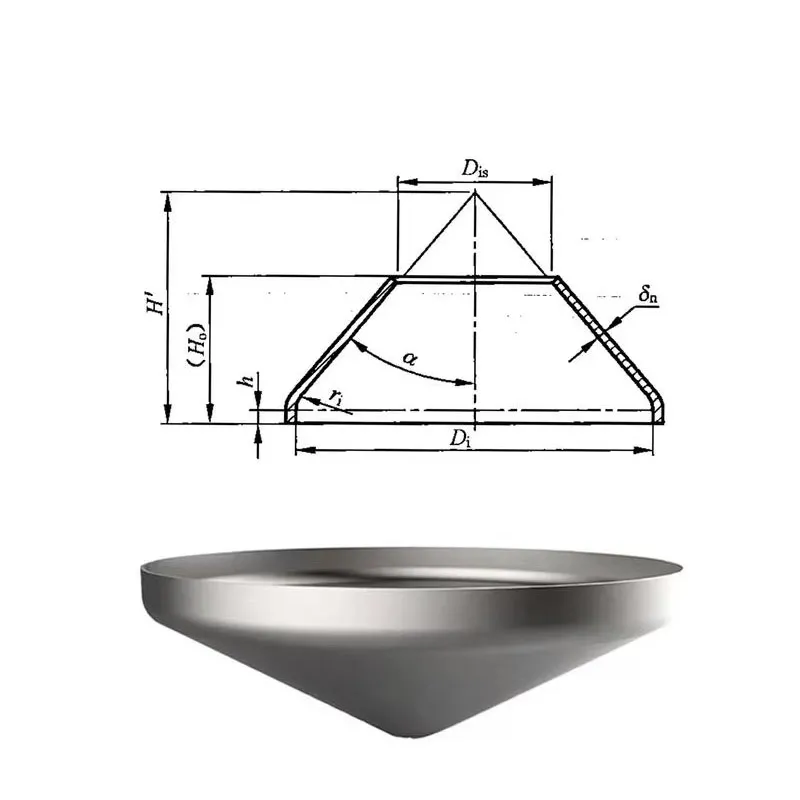
1. Durability: Manufactured from high-quality materials such as stainless steel, these caps resist corrosion, wear, and extreme temperatures, ensuring long-term performance in harsh environments.
2. Ease of Installation: Designed with user-friendly interfaces, pipe caps can be quickly and securely attached to pipelines, reducing downtime during maintenance or installation.
3. Versatility: Available in multiple configurations, including butt weld pipe caps and threaded steel caps, these products accommodate a wide range of piping systems and applications.
4. Customization: Cangzhou Lion Technology Co., Ltd. offers custom stainless steel chimney caps, allowing clients to tailor designs to specific project requirements.
| Parameter | Details |
|---|---|
| Material | Stainless Steel |
| Connection Types | Threaded, Butt Weld |
| Shapes | Round, Square, Oval |
| Standards Compliance | ASTM, ASME (as per industry norms) |
| Temperature Resistance | Varies by material grade (e.g., 304 stainless steel: -196°C to 800°C) |
1. Oil and Gas: Pipe caps protect pipelines from contamination and corrosion, ensuring the safe transport of hazardous materials.
2. Construction: Used in HVAC systems and plumbing, these caps prevent debris from entering ducts or pipes during installation.
3. Manufacturing: Essential for maintaining the integrity of industrial piping systems in factories and processing plants.
4. Chemical Processing: Resistant to chemical exposure, these caps are ideal for pipelines handling corrosive substances.
Cangzhou Lion Technology Co., Ltd. is a reputable manufacturer specializing in high-performance piping solutions. With a focus on innovation and quality, the company caters to global markets, offering products that meet international standards. Their expertise in stainless steel cap manufacturers ensures that clients receive durable, reliable, and customized solutions tailored to their specific needs.
The National Institute of Standards and Technology (NIST) plays a critical role in establishing benchmarks for material performance and safety. While NIST does not directly regulate pipe caps, its research on materials science and corrosion resistance provides foundational insights that inform industry standards. For example, NIST's work on stainless steel alloys ensures that manufacturers like Cangzhou Lion Technology Co., Ltd. can produce components that withstand extreme conditions.
According to NIST, "The development of advanced materials and testing methodologies is crucial for enhancing the durability and reliability of industrial components" (NIST, 2023). This aligns with the company's commitment to quality and innovation.
Pipe caps are indispensable in maintaining the efficiency and safety of piping systems across diverse industries. Cangzhou Lion Technology Co., Ltd. exemplifies excellence in this field, offering a wide range of products that combine durability, versatility, and customization. By adhering to industry standards and leveraging insights from organizations like NIST, the company ensures that its solutions meet the highest levels of performance and reliability.
National Institute of Standards and Technology (NIST). (2023). Materials Science Research. Retrieved from https://www.nist.gov/.

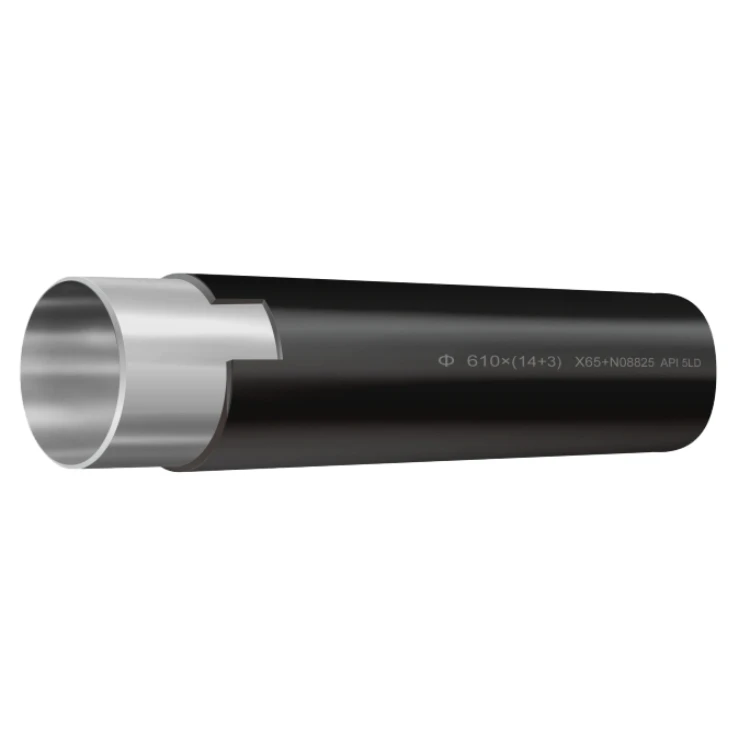
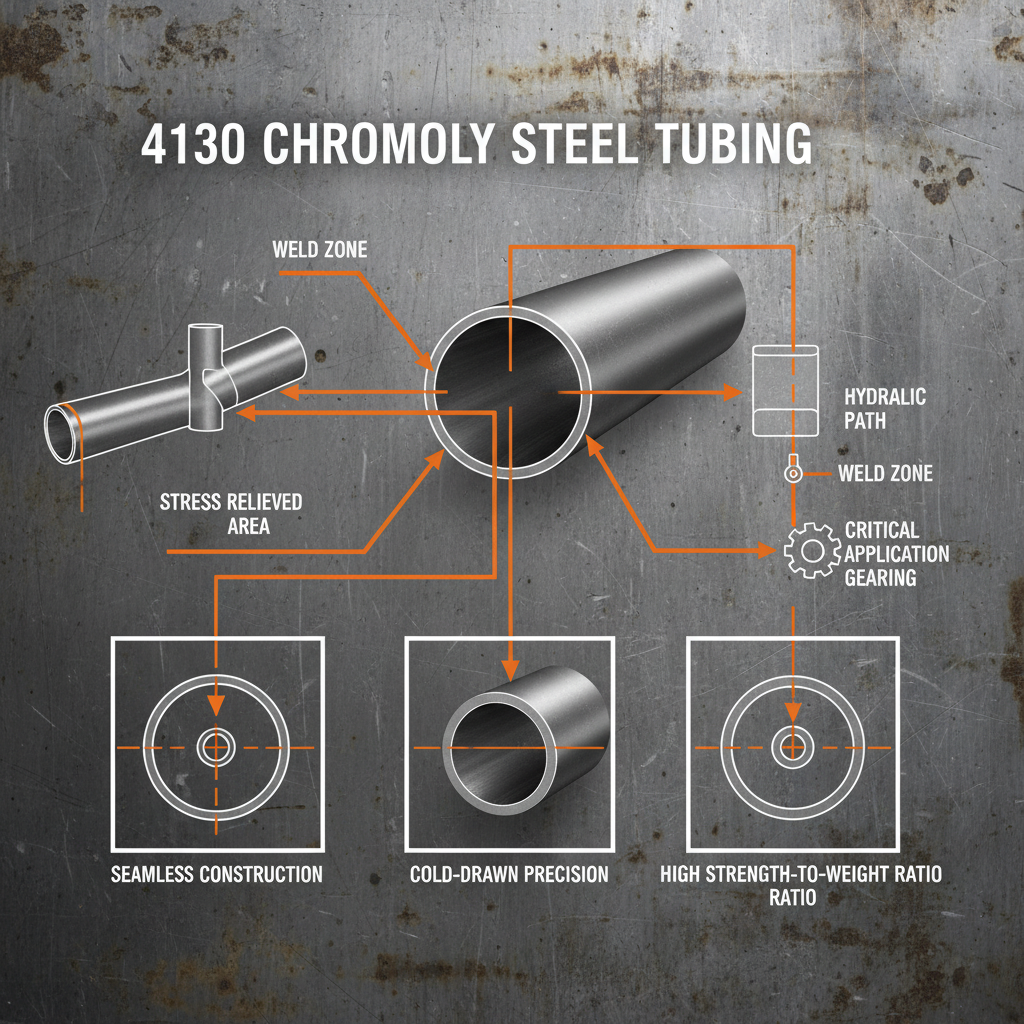
Ultimate Guide to 4130 Tubing Strength Performance and Applications
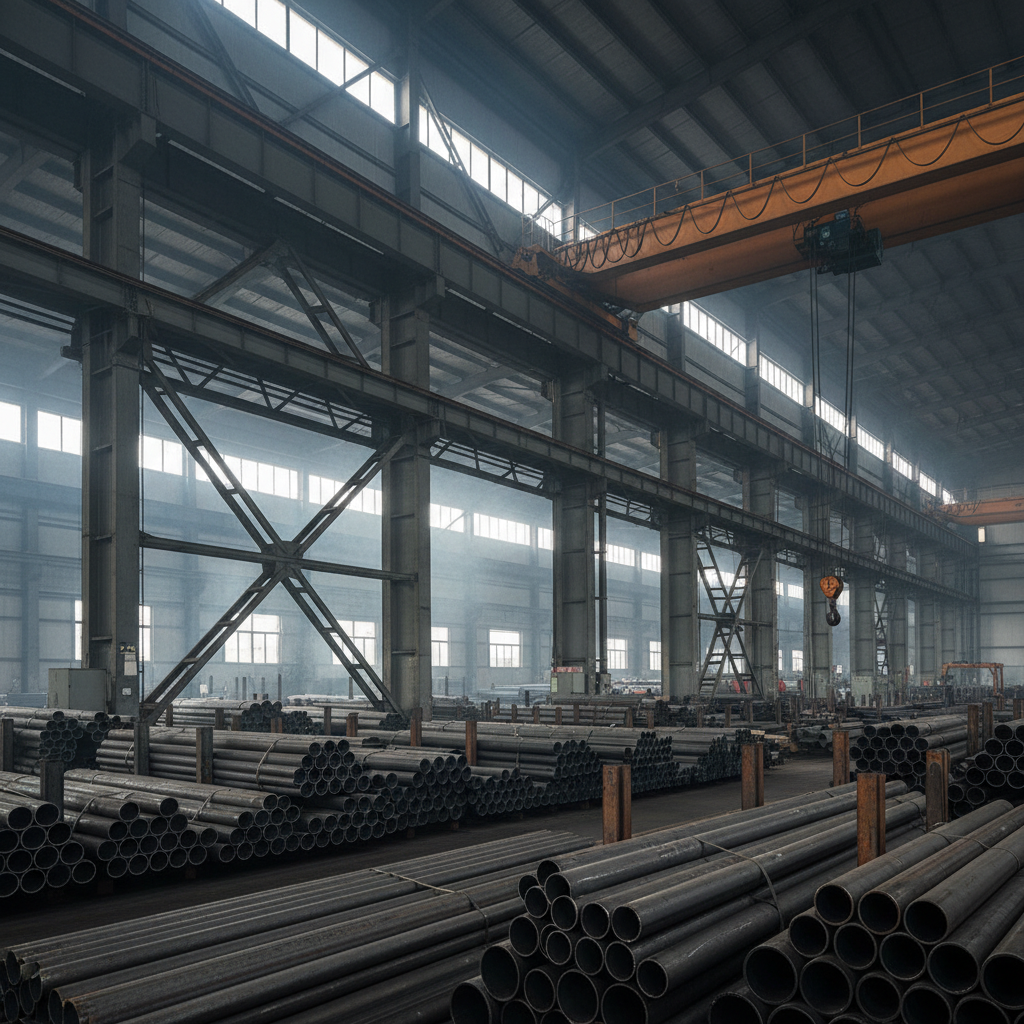
Properties and Industrial Applications of 4130 steel tubing
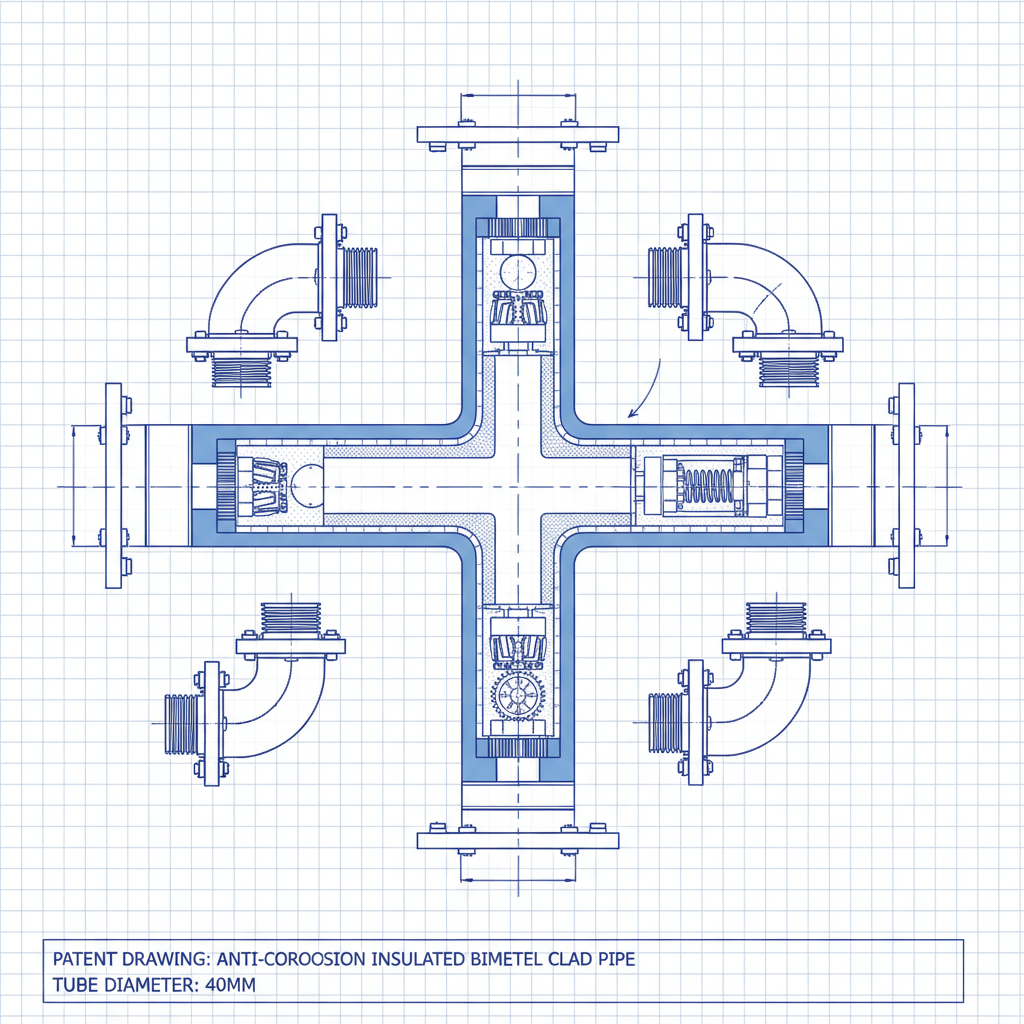
Comprehensive Guide to 40mm Steel Tube Applications and Material Selection
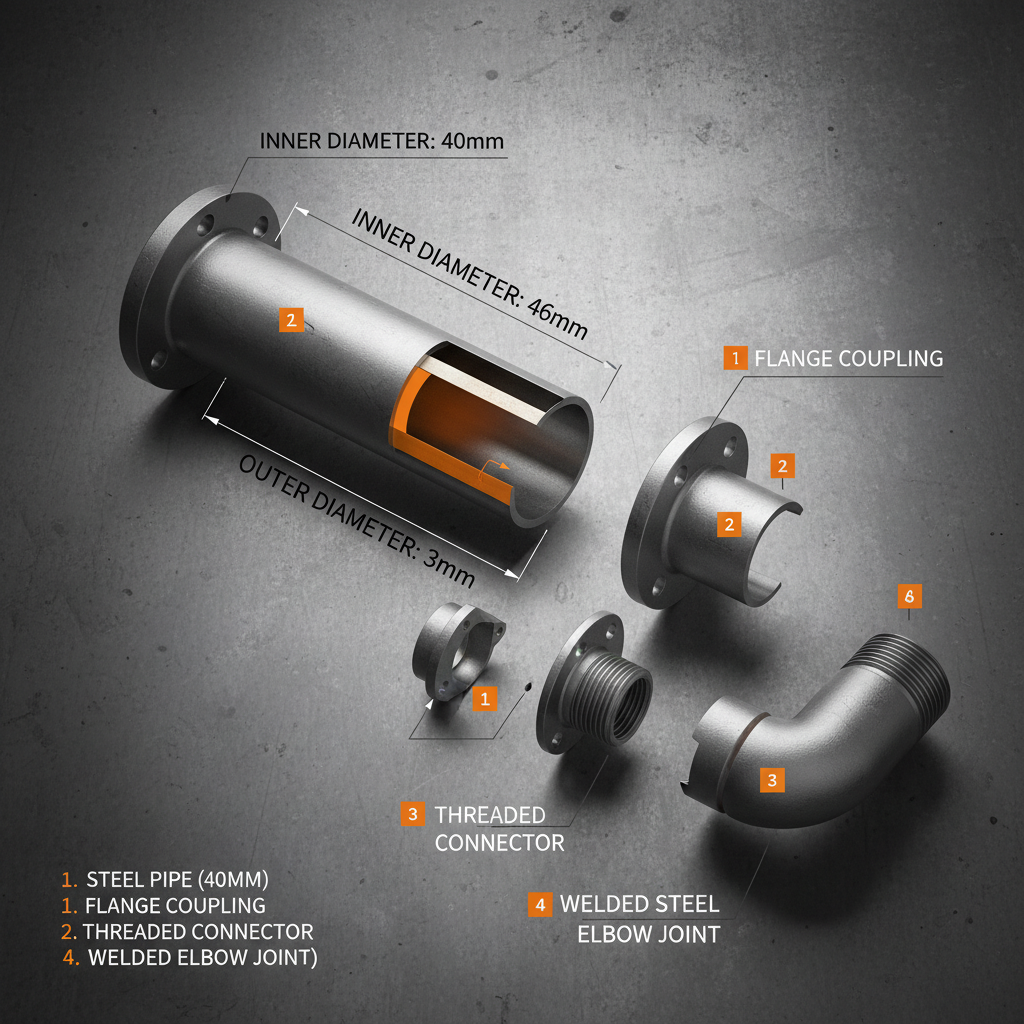
Comprehensive Guide to 40mm Steel Pipe Applications and Considerations
Comprehensive Guide to 40mm Metal Pipe Applications and Sourcing
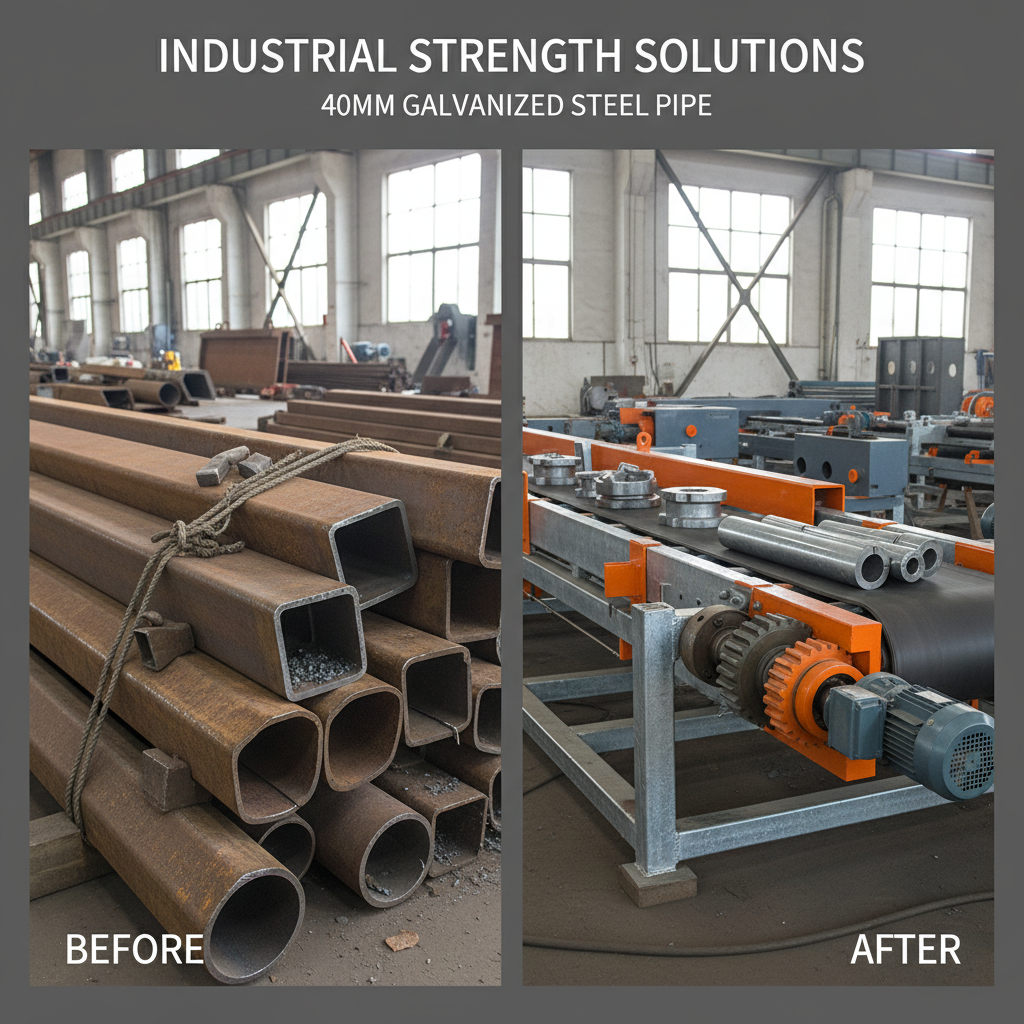
Comprehensive Guide to 40mm Galvanised Pipe Applications and Specifications