In the demanding world of energy transmission and chemical processing, high-pressure pipelines are the vital arteries. Their integrity is paramount, directly impacting safety, environmental protection, and operational continuity. At the heart of these critical connections lies the humble yet indispensable flange. Choosing the correct flange material is not merely a specification detail; it's a fundamental engineering decision that dictates the system's reliability under extreme pressure, temperature, and corrosive conditions. This article explores the critical considerations for flange material selection in high-pressure applications, highlighting advanced solutions and the capabilities underpinning their production.
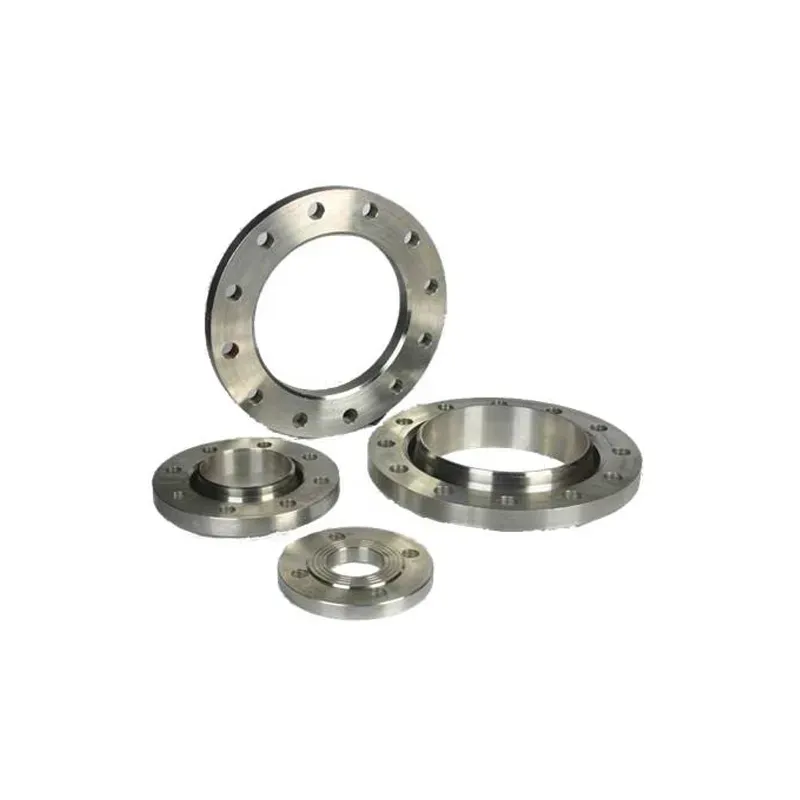
Flanges serve as the robust connectors joining pipe sections or piping to equipment like valves, pumps, and pressure vessels. In high-pressure environments, their function escalates from simple connection points to critical pressure boundary components. They must create and maintain a leak-proof seal while enduring immense mechanical stresses, potential thermal cycling, and exposure to aggressive media. Failure is not an option, as it can lead to catastrophic consequences.
The selection process begins with understanding the operating envelope: maximum and minimum pressure (including potential surge pressures), temperature extremes (both steady-state and transient), and the precise chemical composition of the fluid being transported. Additionally, external environmental factors like coastal salt spray or desert conditions must be considered. Standards like ASME B16.5-2020 (Pipe Flanges and Flanged Fittings), ASME B16.47-2020 (Large Diameter Steel Flanges), and API 6A-2018 (Wellhead and Christmas Tree Equipment) provide essential guidelines for dimensions, pressure-temperature ratings, materials, and testing, forming the bedrock of safe flange application. Flanges are manufactured to cover a vast range of nominal diameters, typically from DN15 up to DN2000 and beyond, ensuring compatibility across diverse pipeline systems.
Traditional monolithic flanges, made from carbon steel or stainless steel alloys, are often the workhorses of the industry. However, in highly corrosive environments combined with high pressure, even high-grade alloys can succumb, leading to reduced service life and potential failure points. This is where innovative composite flange technology shines.
Composite flanges, particularly those utilizing clad or lined technologies, offer a best-of-both-worlds solution. They combine the structural strength and pressure-bearing capability of a robust backing material (like carbon steel) with the exceptional corrosion or erosion resistance of a metallurgically bonded cladding layer (such as 304/316L stainless steel, nickel alloys like Inconel or Hastelloy, or even non-metallic liners). This approach delivers significant advantages:
Cangzhou Lion Technology Co., Ltd., located in the Mengcun County Economic Development Zone, Cangzhou City, Hebei Province, stands at the forefront of this advanced manufacturing. As a professional high-tech enterprise with a registered capital of 100.8 million yuan and a 75,000 square meter plant, they specialize in the research, development, production, and sales of clad pipes and pipe fittings. Their expertise in processes like arc additive manufacturing and laser additive manufacturing enables them to produce high-integrity composite flange components with precise cladding thickness and exceptional bond quality. This technology is vital for applications in oil & gas, chemical processing, and other demanding energy sectors where corrosion and pressure coexist.
Precise alignment during pipeline installation is crucial for achieving a leak-free seal, especially with large-diameter, high-pressure lines. Misalignment creates uneven gasket loading, leading to potential leaks under pressure or during thermal expansion. Traditional fixed flanges offer no forgiveness for minor angular or parallel offset errors encountered in the field.
Adjustable flange systems provide a sophisticated solution to this challenge. These specialized flanges incorporate design features – such as spherical seating surfaces, tapered interfaces, or segmented ring designs – that allow for a controlled degree of angular deflection or parallel offset after the initial bolt-up. This adjustability significantly simplifies field installation, reduces the need for costly and time-consuming rework like cold springing or excessive flange bolt torqueing, and ultimately enhances the reliability of the final connection by ensuring uniform gasket compression.
Manufacturing high-integrity adjustable flange components requires advanced machining capabilities and stringent quality control to ensure the mating surfaces achieve the necessary precision and surface finish for smooth adjustment and reliable sealing under pressure. Cangzhou Lion Technology leverages its comprehensive manufacturing infrastructure to meet these demands. Their facility boasts over 200 sets of production and testing equipment, including a formidable 6000T heavy-duty hydraulic press essential for forming large forged components, DN1200, DN600, and DN350 intermediate frequency induction pushers for precision heating, and large-scale natural gas heat treatment furnaces with precise temperature control (±10°C) and rapid quenching capabilities (water entry within 30 seconds). This allows them to produce robust and precisely engineered adjustable flanges suitable for the most critical high-pressure connections.
The primary factors are the internal pressure (including design pressure, test pressure, and potential surge pressures), the operating temperature range (minimum and maximum, considering thermal cycling), and the chemical composition/corrosiveness of the fluid being transported. External environment (e.g., marine atmosphere) and required service life are also crucial. Standards like ASME B16.5 and API 6A provide essential pressure-temperature rating tables for different materials.
A composite flange is highly advantageous when the process fluid is highly corrosive or erosive, but the system operates at high pressure requiring significant structural strength. Using a carbon or low-alloy steel backing with a corrosion-resistant cladding layer (e.g., stainless steel, nickel alloy) offers superior corrosion resistance at the wetted surface combined with the necessary pressure containment strength, often at a lower cost than a solid alloy flange.
The key advantage of an adjustable flange is its ability to compensate for minor misalignments (angular or parallel offset) between connecting pipe spools or equipment nozzles. This simplifies field assembly, reduces stress on the piping system and bolts, ensures more uniform gasket loading, and significantly enhances the likelihood of achieving a leak-free seal, especially critical in high-pressure systems where misalignment can lead to joint failure.
Yes, Cangzhou Lion Technology manufactures flange products adhering to key international standards essential for global projects and safety compliance. This includes ASME B16.5-2020, ASME B16.47-2020 (covering large diameters Series A & B), and API 6A-2018 for wellhead equipment applications, ensuring broad compatibility and reliability.
Cangzhou Lion leverages substantial infrastructure: over 200 production/test equipment sets, a 6000T hydraulic press for heavy forming, large intermediate frequency pushers (DN1200, DN600, DN350), precision-controlled natural gas heat treatment furnaces (±10°C, rapid quench), and extensive additive manufacturing capacity (100+ units). Combined with their 10,000-ton annual capacity for pressure piping components and focus on advanced clad (composite flange) technology, this ensures robust, high-quality flange production for demanding high-pressure applications.
Selecting the right flange material is a cornerstone engineering decision for the safety and longevity of high-pressure pipelines. Understanding the specific service conditions – pressure, temperature, and fluid corrosivity – is paramount. While traditional solid alloy flanges remain vital, advanced composite flange solutions offer exceptional cost-performance benefits in corrosive high-pressure environments, and adjustable flange designs solve critical field alignment challenges. Manufacturers like Cangzhou Lion Technology Co., Ltd., with their significant investment in advanced production technologies (additive manufacturing, heavy pressing, precision heat treatment), extensive capacity (20,000 tons clad pipe, 10,000 tons pressure components), adherence to stringent international standards (ASME, API), and recognition as a supplier to major national energy projects, provide the essential engineering expertise and manufacturing scale required to deliver reliable, high-performance flange solutions for the world's most critical pipeline infrastructure. Their commitment to R&D and leading production techniques ensures these vital components meet the ever-increasing demands of the energy and chemical sectors.
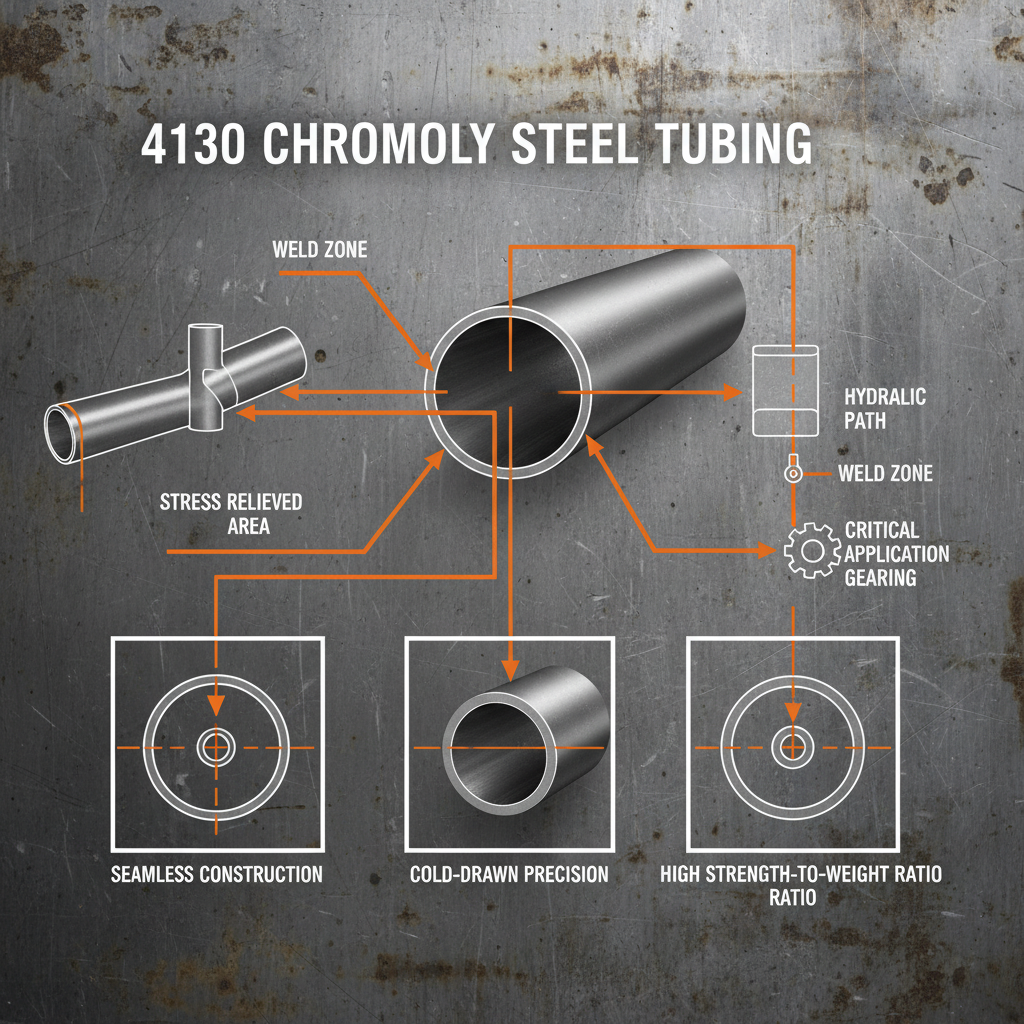
Ultimate Guide to 4130 Tubing Strength Performance and Applications
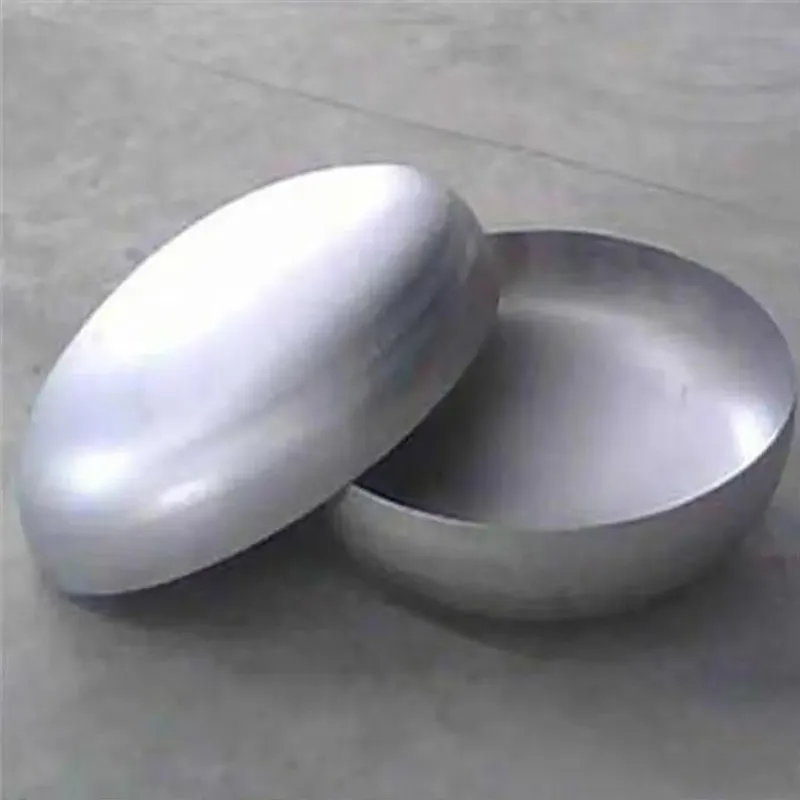
Pipe Cap-Cangzhou Lion Technology Co., Ltd.|Enhancing System Efficiency&Durability
Pipe Cap-Cangzhou Lion Technology Co., Ltd.|Enhancing System Efficiency&Durability
Pipe Cap-Cangzhou Lion Technology Co., Ltd.|Enhancing System Efficiency&Durability
Pipe Cap-Cangzhou Lion Technology Co., Ltd.|Enhancing System Efficiency&Durability
Pipe Cap-Cangzhou Lion Technology Co., Ltd.|Enhancing System Efficiency&Durability