You know, after spending well over a decade in the industrial equipment sector, I’ve developed a bit of an eye for what makes stainless steel tubing stand out — especially the popular 3/4 inch stainless steel tubing. It feels like one of those unsung heroes: simple, yet essential. Whether you’re handling plumbing, chemical transport, or food-grade piping, 3/4-inch tubing hits that sweet spot of versatility and durability.
First off, stainless steel tubing is known for its corrosion resistance and strength. Frankly, it’s the material I trust when the environment could get rough — be it high pressure, fluctuating temperatures, or exposure to harsh chemicals. Oddly enough, this tubing hasn't changed too much in its basic design over the years, but the advances in manufacturing and testing mean the quality now is consistently top-notch.
One thing I often notice is how some engineers underestimate the importance of wall thickness. The nominal diameter of 3/4 inch tubing might sound like a small detail, but the thickness, grade, and finish can massively impact your system’s longevity and safety. For example, ASTM A269 and A213 grade stainless steel tubes are commonly specified depending on whether they need to handle high pressure or heat.
Speaking of specs, here’s a quick look at typical characteristics for this tubing size:
| Specification | Typical Value |
|---|---|
| Outside Diameter | 0.75 inches (19.05 mm) |
| Wall Thickness | 0.035 - 0.065 inches (0.89 - 1.65 mm) |
| Material Grades | 304, 316, 316L Stainless Steel |
| Finish | Mill finish, Polished, Pickled & Passivated |
| Typical Lengths | 6m, 12m, or Custom Cut |
One of the tricky things in the market is choosing the right supplier. I recall a project where durability was key — and while one supplier’s tubing looked great on paper, the surface finish quality varied quite a bit. In contrast, another vendor consistently delivered tubing that needed minimal prep before installation. So, a quick vendor comparison often saves time and headache down the line.
| Vendor | Grade Options | Typical Lead Time | Surface Finish Quality | Customization |
|---|---|---|---|---|
| Lion Pipeline | 304, 316, 316L | 2-3 weeks | Consistent polished & passivated | Cut to length, custom packaging |
| SteelWave Co. | 304, 316 | 3-4 weeks | Variable, mill finish common | Limited cutting options |
| Prime Metals | 316L only | 1-2 weeks | Highly polished but pricier | Custom lengths, MOQ applies |
Talking about customizations, I must say it’s one of the unexpected joys in working with stainless steel tubing. You can get it in all sorts of lengths or finishes to suit food processing lines, semiconductor fab equipment, or even art installations. I remember a client needing tubing with an ultra-smooth finish for pharmaceutical equipment — and it worked like a charm.
On the testing side, the tubing generally undergoes rigorous checks, including hydrostatic pressure testing, dimensional inspections, and sometimes eddy current tests to detect cracks. It’s reassuring to see that level of quality control — it backs up the long service life many engineers, including myself, rely on.
In real terms, using quality 3/4 inch stainless steel tubing means fewer leaks, less maintenance, and a safer overall system. So yes, it might seem like "just tubing," but getting this detail right often determines whether a project runs smoothly or turns into a headache.
To wrap up, if you’re in need of dependable tubing and want to avoid the common pitfalls, paying attention to specs, vendor reliability, and customization options really pays off. For me, working with reliable partners like 3/4 inch stainless steel tubing providers makes all the difference — and frankly, I wouldn’t settle for less.
Always a good idea to test samples in your environment, because every setup has its quirks...
References
1. ASTM A269/A213 Standards Documentation
2. Practical Guide to Stainless Tubing, Industrial Press 2019
3. Industry Case Studies, Lion Pipeline Supplier Docs
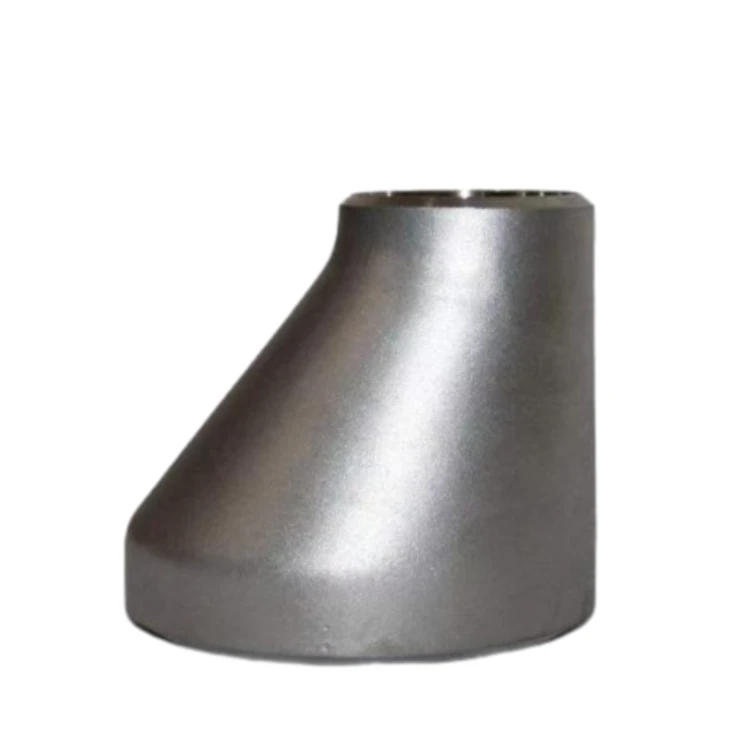
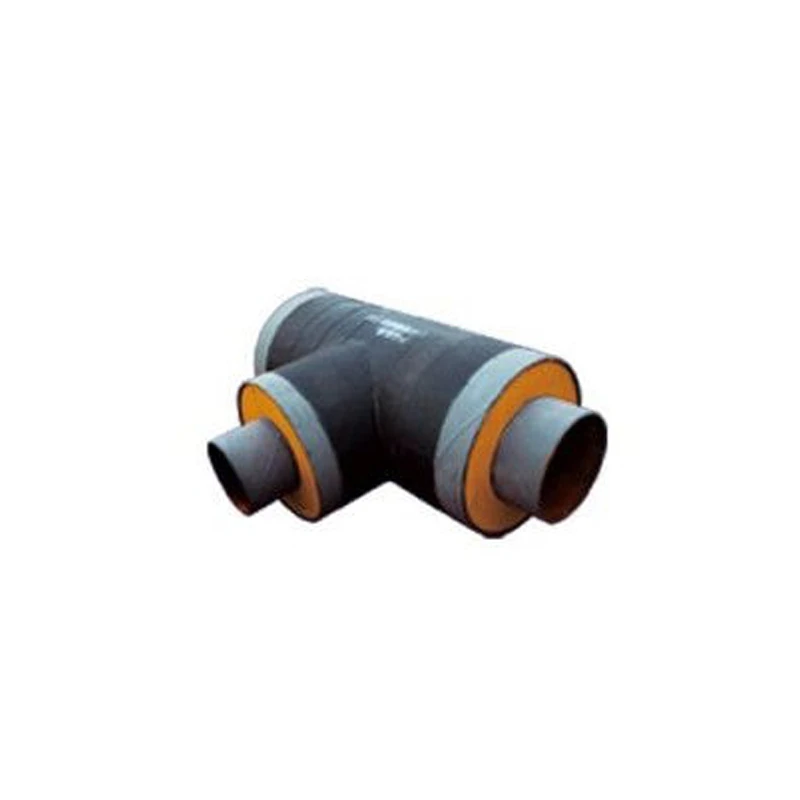
Anti Corrosion And Thermal Insulation Products
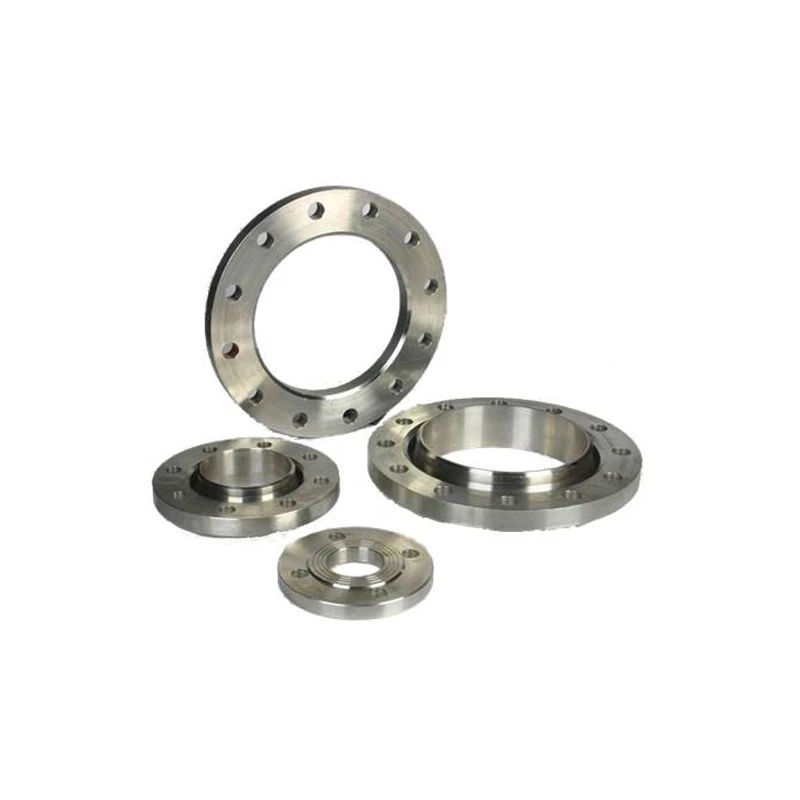
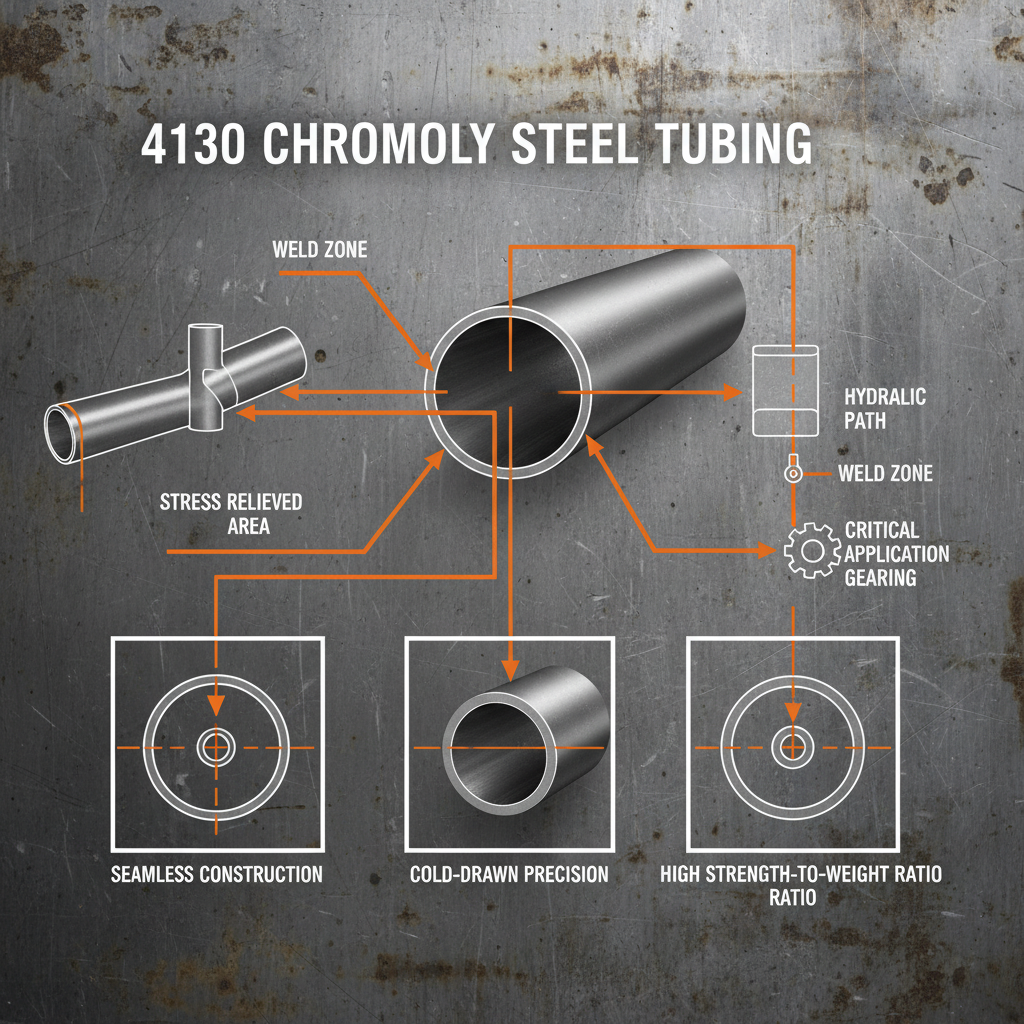
Ultimate Guide to 4130 Tubing Strength Performance and Applications

Properties and Industrial Applications of 4130 steel tubing
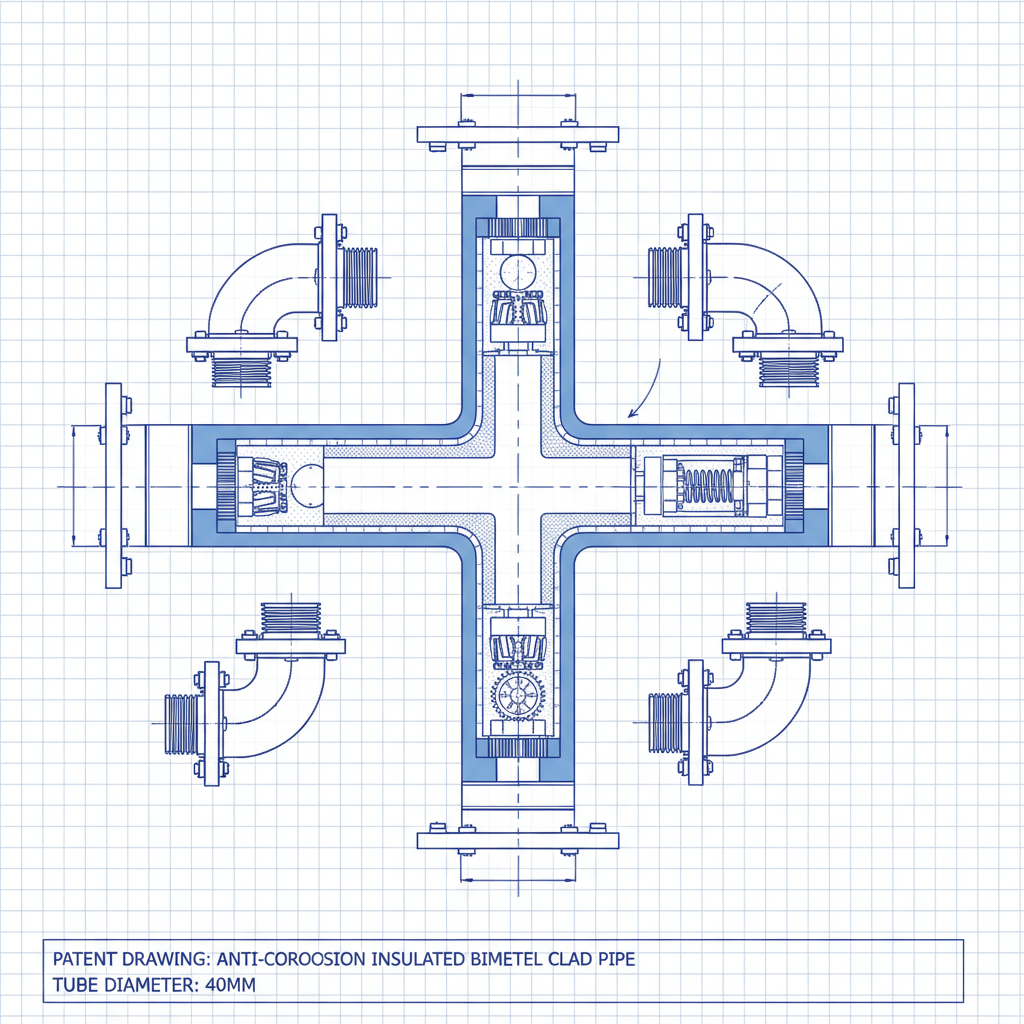
Comprehensive Guide to 40mm Steel Tube Applications and Material Selection
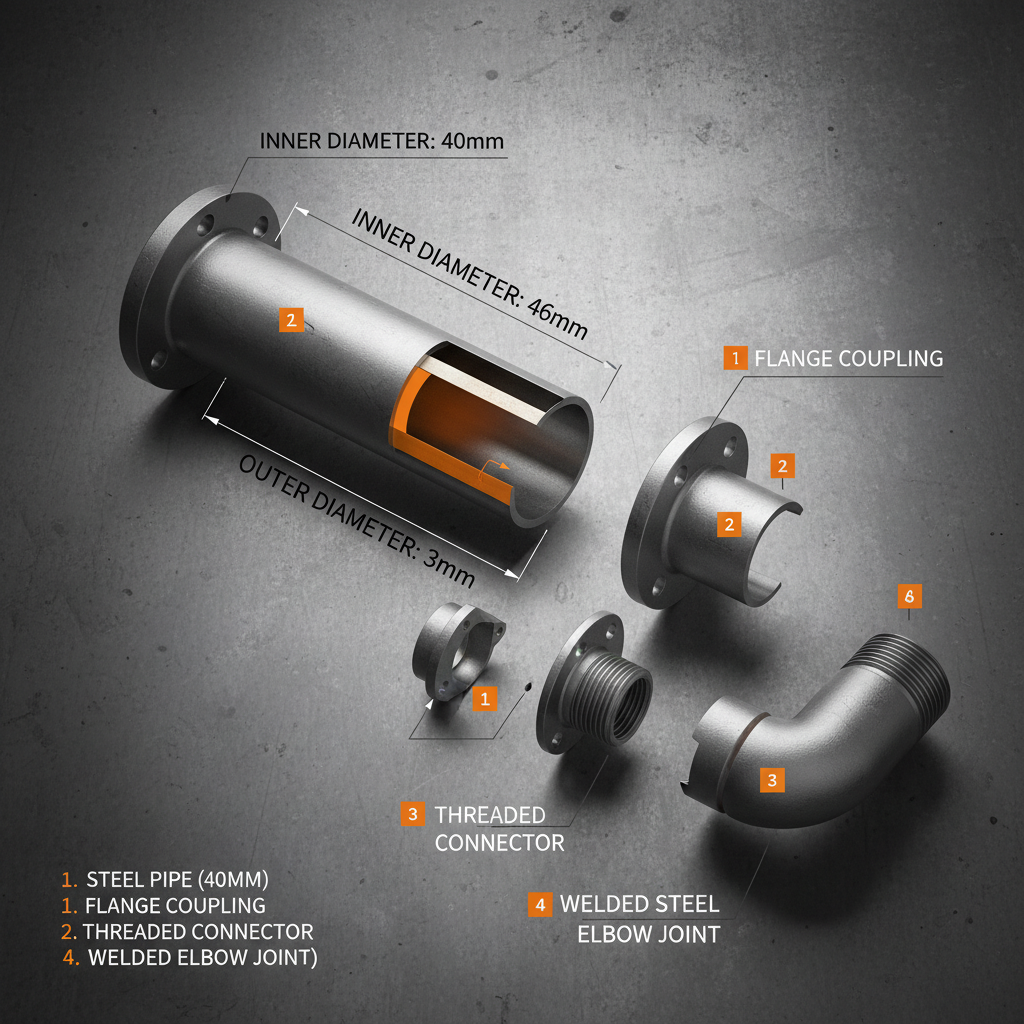
Comprehensive Guide to 40mm Steel Pipe Applications and Considerations
Comprehensive Guide to 40mm Metal Pipe Applications and Sourcing
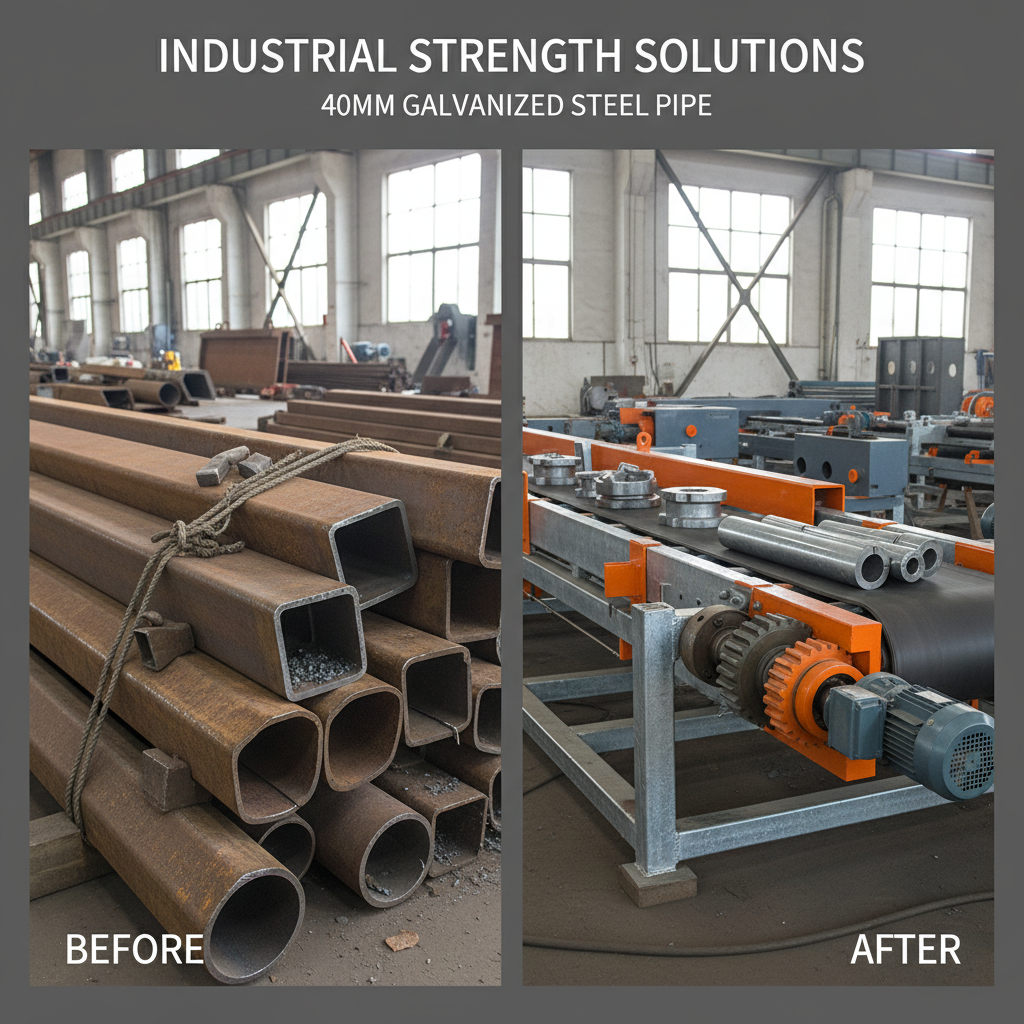
Comprehensive Guide to 40mm Galvanised Pipe Applications and Specifications