With decades in the industrial equipment sector, I've come across countless materials and tubing types, but 3 16 steel tubing stands out as one of those quietly dependable options. You might not hear it hyped at every trade show, but when a buyer asks for durability, adaptability, and proven performance, this tubing rarely disappoints.
Oddly enough, the name “3 16 steel tubing” often confuses folks who aren’t used to fractional inch sizing. It’s essentially steel tubing with a wall thickness or dimension roughly around three sixteenths of an inch, a sweet spot balancing robustness without becoming bulky. The steel type and manufacturing process matter just as much, if not more, than the size. It's this attention to quality — often under the hood — that engineers and fabricators really value.
In real terms, this tubing's found a home in structural frameworks, conveyor systems, and even certain hydraulic line protections. You wouldn't want to use something thin and flimsy in these environments; that’s why the stiffness and tensile strength of this grade have made it an industry staple. I remember a project years ago where this tubing replaced custom bends that proved finicky—once installed, the reliability pretty much spoke for itself.
| Specification | Value |
|---|---|
| Outer Diameter | Varies, commonly 1" to 2" |
| Wall Thickness | 0.1875 in (3/16") |
| Material Grade | A513, A500, or ASTM A106 (depending on use) |
| Tensile Strength | 70,000 - 80,000 psi |
| Common Finish | Mill, galvanized, or painted |
| Manufacturing Process | Cold drawn or welded |
The choices here — particularly steel grade and finish — tie strongly to the intended application. For example, in corrosive environments, galvanized or even stainless adaptations (though pricier) are common. I’ve talked with a few fabricators who swear by cold-drawn tubing’s superior consistency for load-bearing frames versus welded options.
Choosing the right vendor is almost as important as the tubing specs. Supply consistency, certification, and customer support can make or break a project timeline.
| Vendor | Material Grades Offered | Certifications | Typical Lead Time | Price Range (per foot) |
|---|---|---|---|---|
| Lion Pipeline | A500, A106, A513 | ISO 9001, API 5L Certified | 1-2 weeks | $$ |
| SteelPro Supply | A513, A500 | ISO 9001 | 2-4 weeks | $ |
| HeavyMetal Tubing Co. | A106, A53 | API 5L Certified | 3 weeks | $$$ |
Frankly, I’ve worked with many suppliers and having certifications like API 5L or ISO 9001 is often non-negotiable depending on your project requirements. Lion Pipeline, for instance, has consistently been reliable, which is why I link to them here—no surprises, no headaches. Oddly enough, even small delays in tubing deliveries can cascade into huge downtime costs, so you want to pick a partner who understands that.
For engineers and procurement managers reading this: always request a mill test report (MTR). It’s the kind of paperwork that assures tensile strength, chemical composition, and compliance. I cannot stress that enough because I’ve seen downtime and disputes over materials that “looked right” but failed critical inspections.
Before I sign off, a quick customer story: a fabrication shop I visited was customizing 3 16 steel tubing bundles for agricultural equipment—a harsh environment with a lot of vibration. The tubing’s consistent thickness and strength reduced field failures significantly compared to their previous supplier’s products. It’s little successes like that that remind me why this product is still relevant in such a competitive market.
So, whether you’re building frames, rollers, or piping with 3 16 steel tubing, remember: the devil is in the details — specs, quality, and vendor reliability matter just as much as the size itself. Well-chosen materials quietly power some of the biggest industrial machines out there.
That’s the industry truth, at least from my years on the floor and in the workshops.
References:
1. ASTM International standards
2. API 5L Steel Line Pipe Certification details
3. Industrial Fabrication best practices, 2021
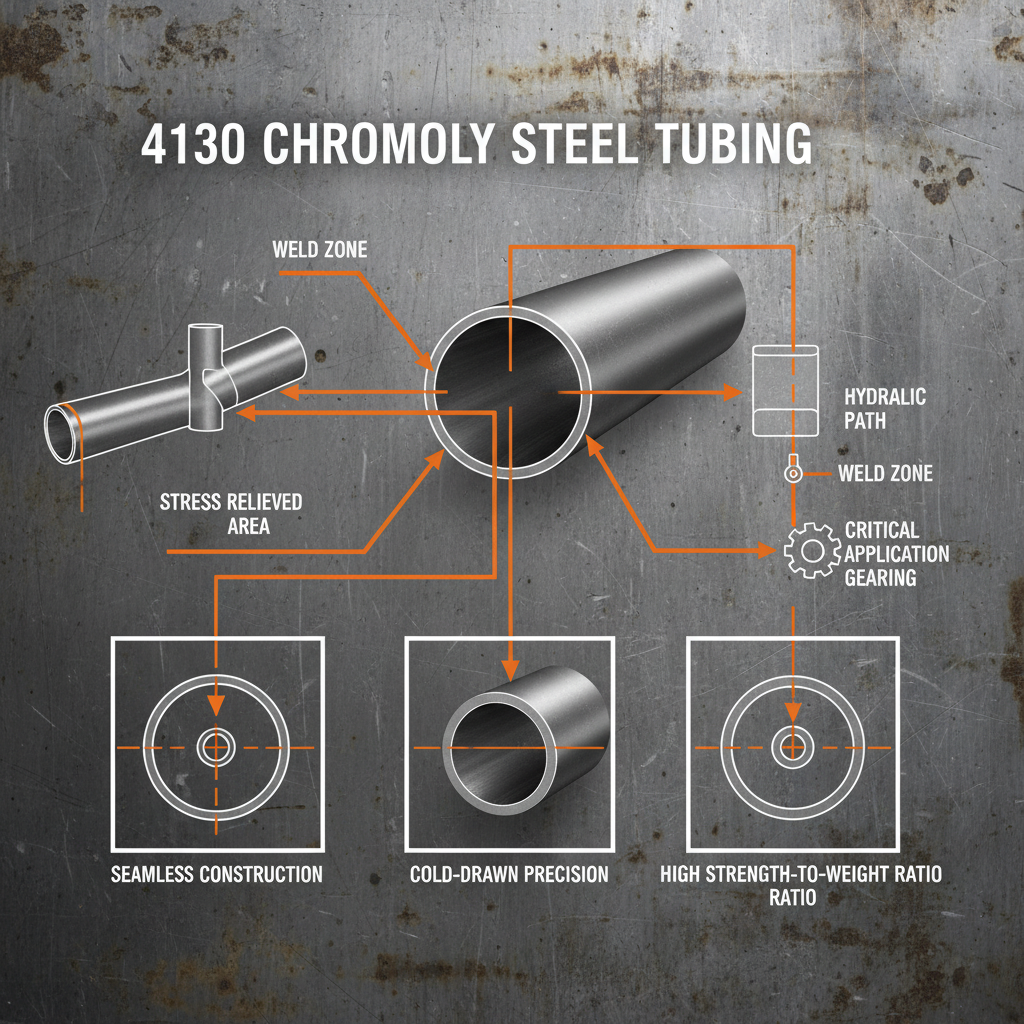
Ultimate Guide to 4130 Tubing Strength Performance and Applications
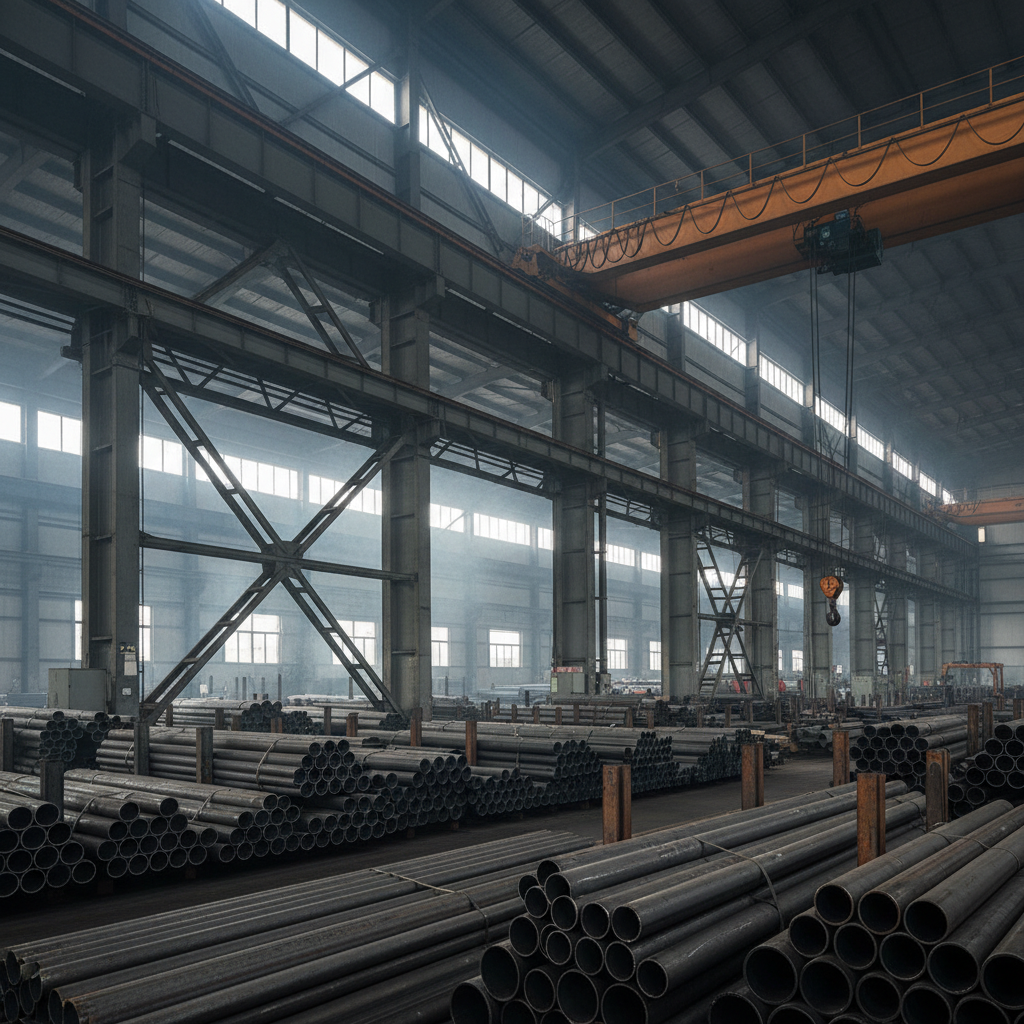
Properties and Industrial Applications of 4130 steel tubing
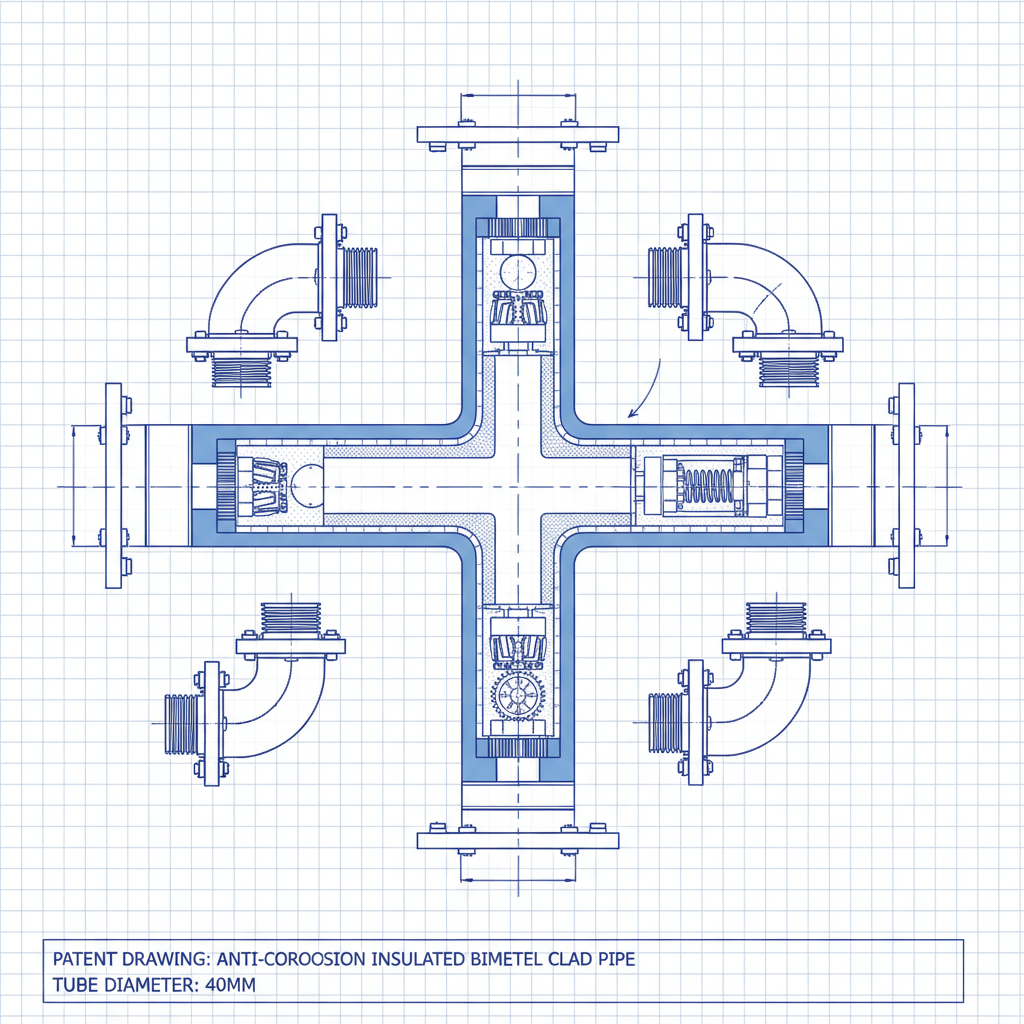
Comprehensive Guide to 40mm Steel Tube Applications and Material Selection
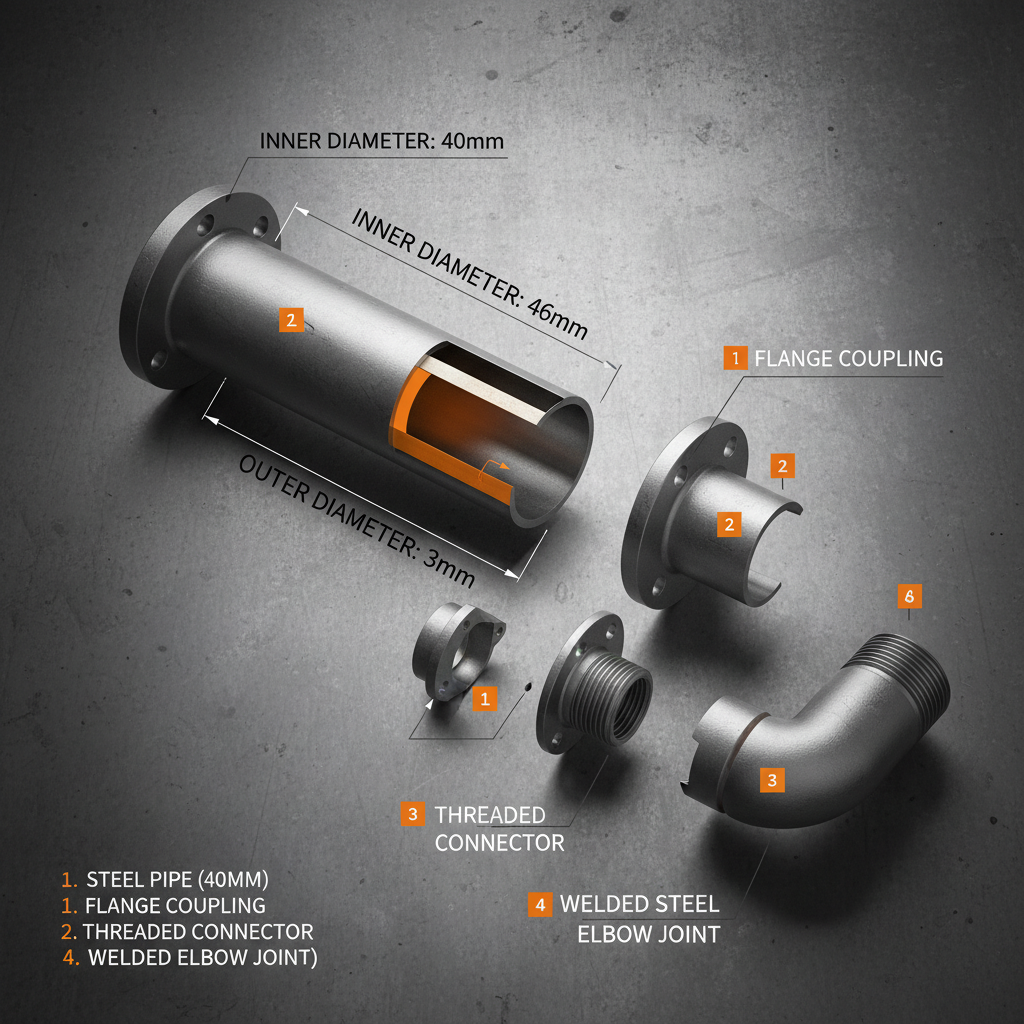
Comprehensive Guide to 40mm Steel Pipe Applications and Considerations
Comprehensive Guide to 40mm Metal Pipe Applications and Sourcing
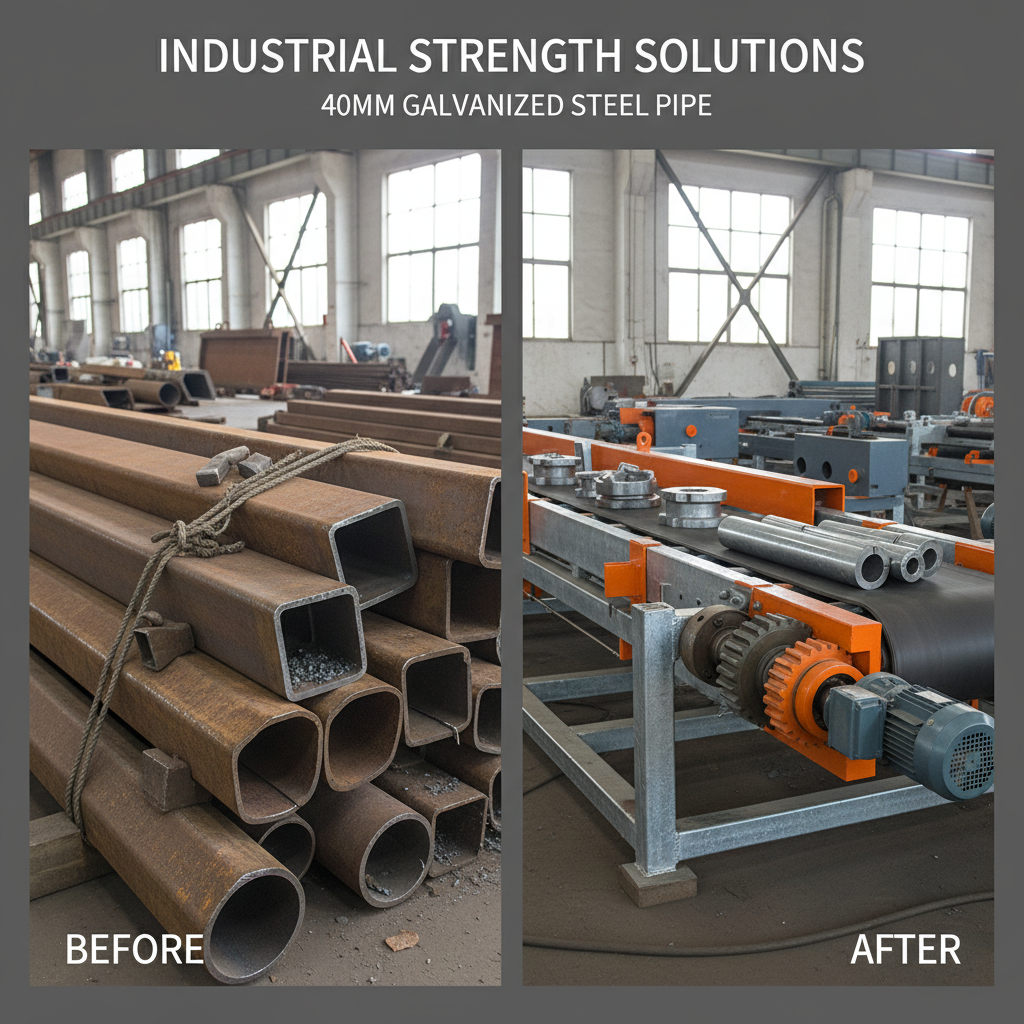
Comprehensive Guide to 40mm Galvanised Pipe Applications and Specifications