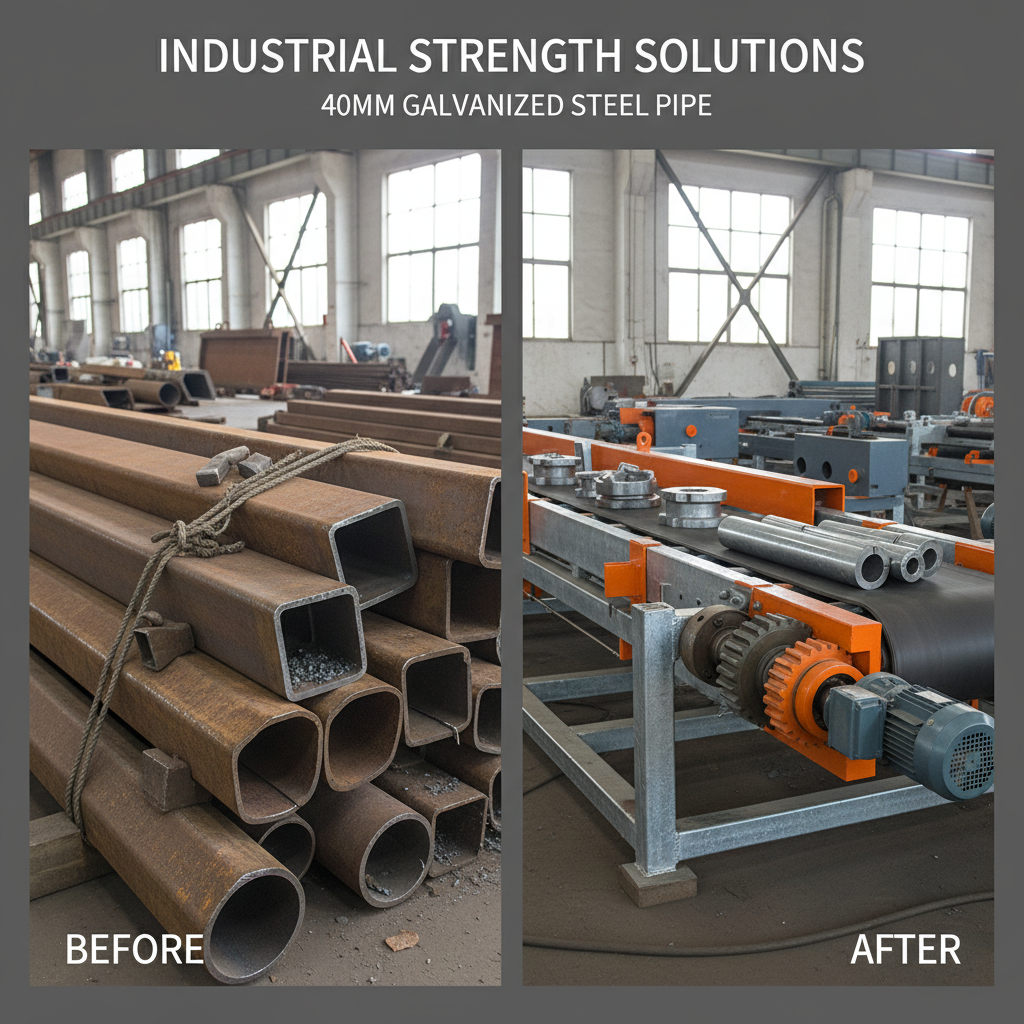
The Evolution of Industrial Piping: Embracing Prefabricated Solutions
In the demanding landscape of modern industrial infrastructure, efficiency, precision, and reliability are paramount. Traditional on-site pipe fabrication, while historically prevalent, often contends with challenges such as unpredictable weather, varying labor skill sets, extended project timelines, and elevated safety risks. This conventional approach is increasingly being supplanted by advanced factory prefabricated pipework, a transformative methodology that centralizes manufacturing in controlled environments.
The global market for industrial piping is undergoing a significant transformation, driven by a growing emphasis on project cost optimization, accelerated construction schedules, and consistent quality assurance. Industry reports indicate a robust compound annual growth rate (CAGR) for the prefabricated piping segment, projected to reach over $25 billion by 2028. This growth is fueled by sectors like petrochemicals, oil & gas, power generation, and water treatment, which increasingly recognize the profound advantages of off-site manufacturing. By shifting complex fabrication tasks from often constrained and hazardous construction sites to specialized facilities, companies can achieve superior quality, tighter tolerances, and substantial reductions in both project duration and overall costs. This strategic pivot towards prefabricated pipework represents a vital step in enhancing operational resilience and accelerating infrastructure development across diverse industrial applications.
Precision Engineering: The Manufacturing Process of Prefabricated Pipework
The production of prefabricated pipework involves a meticulously controlled, multi-stage process designed to ensure the highest standards of quality, performance, and dimensional accuracy. Each phase leverages advanced technology and stringent quality control protocols to deliver pipe spools and assemblies ready for seamless integration on-site.
Detailed Process Flow:
-
1. Design and Engineering: The process begins with detailed engineering design, often utilizing advanced CAD/CAM software (e.g., AutoCAD Plant 3D, Intergraph SmartPlant Spoolgen) and 3D modeling. This phase includes stress analysis, flow dynamics, and clash detection to optimize pipe routing and material specifications. Bills of Materials (BOMs) and isometric drawings are generated, serving as the blueprint for fabrication.
-
2. Material Procurement and Inspection: High-quality raw materials, including various grades of steel (carbon steel, stainless steel, alloy steel, duplex/super duplex) and non-ferrous alloys, are sourced from certified suppliers. Upon arrival, materials undergo rigorous inspection for chemical composition (PMI – Positive Material Identification), mechanical properties, and dimensional accuracy, ensuring compliance with standards such as ASTM, ASME, and EN.
-
3. Cutting and Shaping: Pipes and fittings are cut to precise lengths using automated CNC plasma, laser, or saw cutting machines. Bending and forming operations, vital for complex geometries, are performed using induction bending or cold bending techniques to maintain material integrity and dimensional stability. This stage emphasizes the precision required for any customized steel pipe assembly.
-
4. Edge Preparation and Fit-Up: Pipe ends are prepared with specific bevels (e.g., V-bevel, J-bevel) suitable for welding, often through automated machining. Components are then meticulously fit-up using specialized jigs and fixtures to maintain precise alignment and gap control, critical for high-quality welds.
-
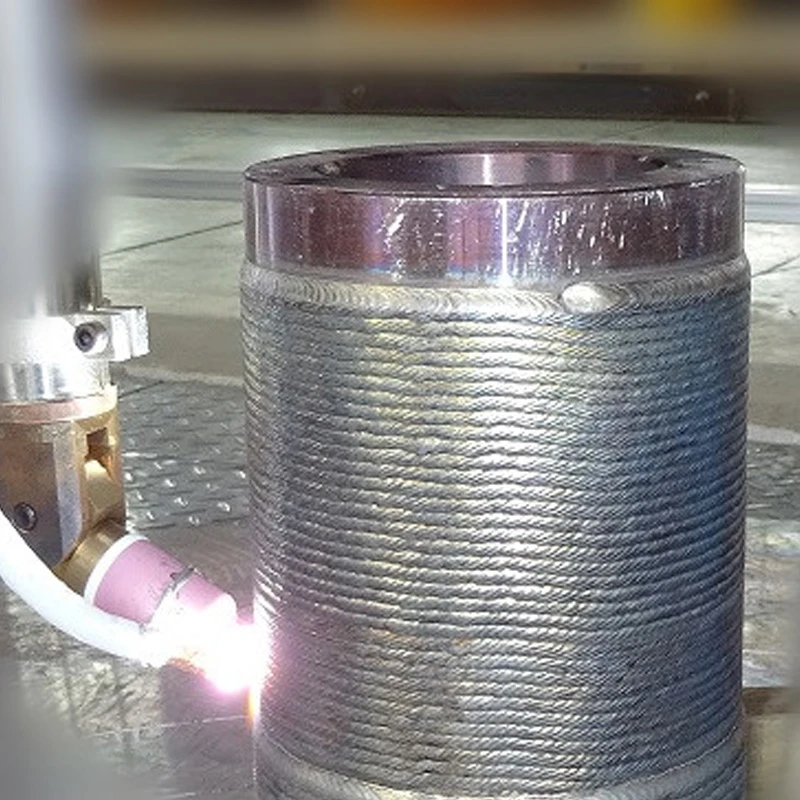
5. Welding: Welding is a cornerstone of fabrication, utilizing advanced techniques such as Shielded Metal Arc Welding (SMAW), Gas Tungsten Arc Welding (GTAW/TIG), Gas Metal Arc Welding (GMAW/MIG), and Submerged Arc Welding (SAW). Automated and robotic welding systems are often employed to ensure consistency, speed, and superior weld quality, adhering strictly to Welding Procedure Specifications (WPS) qualified by Procedure Qualification Records (PQR) in accordance with ASME Section IX and ISO 15614.
-
6. Heat Treatment: Post-weld heat treatment (PWHT), such as stress relieving or normalizing, may be performed for specific materials or wall thicknesses to optimize mechanical properties, reduce residual stresses, and enhance corrosion resistance, as per ASME B31.3 requirements.
-
7. Non-Destructive Testing (NDT): Comprehensive NDT is performed to verify weld integrity and detect any internal or surface flaws. This includes Radiographic Testing (RT), Ultrasonic Testing (UT), Magnetic Particle Testing (MPT), Liquid Penetrant Testing (LPT), and Visual Testing (VT), all conducted by certified personnel according to industry standards like ASME B31.1 and B31.3.
-
8. Surface Treatment and Coating: After NDT, spools undergo surface preparation, typically abrasive blasting (SA 2.5 or SA 3.0), followed by the application of specified protective coatings (e.g., epoxy, polyurethane, fusion-bonded epoxy – FBE) or painting systems to enhance corrosion resistance and extend service life, meeting specifications such as NACE or ISO 12944.
-
9. Hydrostatic and Pneumatic Testing: Finished pipe spools are subjected to hydrostatic pressure testing (using water) or pneumatic testing (using air or nitrogen) to verify leak tightness and structural integrity under design pressure conditions, according to ASME B31 standards.
-
10. Final Inspection, Certification, and Documentation: A final comprehensive inspection verifies all dimensions, material traceability, and compliance with project specifications. Comprehensive documentation packages, including Material Test Reports (MTRs), NDT reports, and pressure test certificates, are compiled. Certification (e.g., ISO 9001, CE marking) ensures adherence to international quality management systems.
-
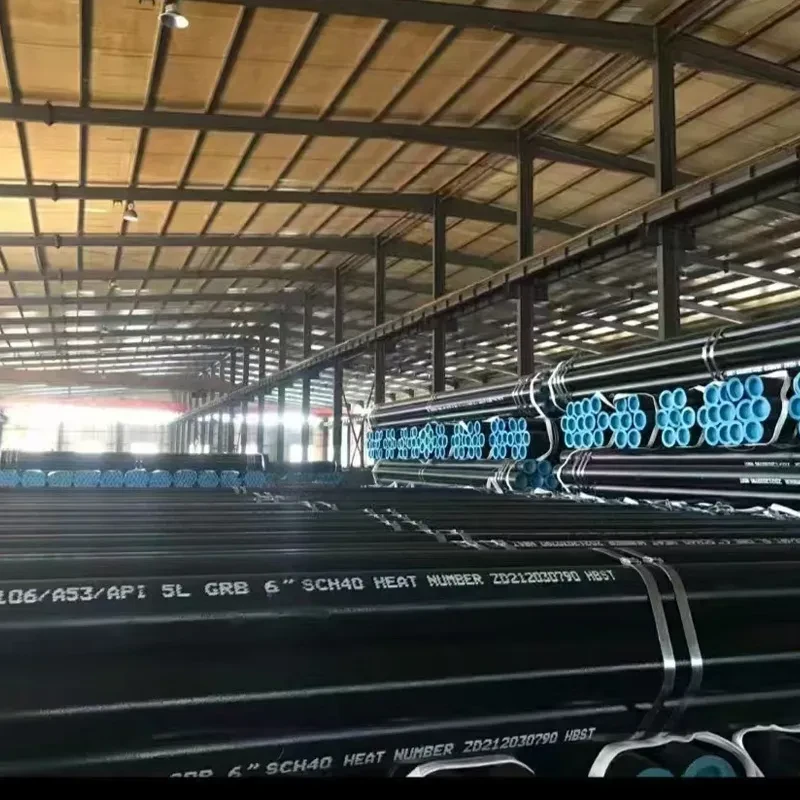
11. Packaging and Logistics: Spools are carefully packaged, often with protective caps and supports, and labeled for efficient transport and identification on site. Logistics are meticulously planned to ensure timely and damage-free delivery.
Target Industries: Petrochemical, Oil & Gas, Power Generation, Water Supply & Drainage, Metallurgy, Pharmaceuticals, Food & Beverage, Shipbuilding, HVAC, Mining. Our prefab pipework solutions are designed for a service life typically ranging from 20 to 30 years, depending on material selection, operating conditions, and maintenance protocols.
Demonstrated Advantages in Scenarios: In energy sector applications, precision-fabricated pipe systems minimize flow resistance, leading to significant energy savings. For corrosive media handling in chemical plants, the controlled environment allows for superior application of specialized coatings and exotic alloys, drastically enhancing corrosion resistance and extending operational lifespan, thereby reducing maintenance costs and downtime.
Technical Specifications of Factory Prefabricated Products
Our factory prefabricated pipework adheres to rigorous technical specifications, ensuring robust performance and compatibility with a wide array of industrial applications. Below is a summary of typical parameters and capabilities.
Typical Prefabricated Pipework Product Specifications
| Parameter |
Specification/Range |
Applicable Standards |
| Material Grades |
Carbon Steel (A106 Gr. B, API 5L Gr. B, A53 Gr. B), Stainless Steel (304/304L, 316/316L, Duplex 2205, Super Duplex 2507), Alloy Steel (P11, P22, P91), Copper-Nickel, Hastelloy, Inconel. |
ASTM, ASME, EN, DIN, JIS |
| Pipe Sizes (NPS / DN) |
1/2" (DN15) up to 72" (DN1800) |
ASME B36.10M, B36.19M |
| Pressure Ratings |
ANSI Class 150# to 2500#, PN10 to PN420 |
ASME B16.5, B16.47 |
| Temperature Range |
Cryogenic (-196°C) to High Temperature (800°C) |
ASME B31 Series |
| Wall Thickness |
Schedule 10S to Schedule XXS (up to 60mm) |
ASME B36.10M, B36.19M |
| End Connections |
Welded (BW, SW), Flanged (RF, RTJ, FF), Threaded, Grooved |
ASME B16.9, B16.11, B16.25 |
| Protective Coatings |
Primer (Zinc Rich, Epoxy), Topcoat (Polyurethane), Internal Linings, FBE (Fusion Bonded Epoxy), Galvanizing. |
NACE, ISO 12944 |
| Welding Standards |
ASME Section IX, AWS D1.1, ISO 15614 |
|
| Testing Standards |
Hydrostatic, Pneumatic, RT, UT, MPT, LPT, PMI per ASME B31.1, B31.3. |
|
Versatile Application Scenarios for Prefabricated Pipework
The adaptability and inherent advantages of prefabricated pipework make it an ideal solution across a diverse range of critical industrial applications. Its ability to meet stringent performance requirements under varying operating conditions positions it as a preferred choice for complex projects.
-
Oil & Gas (Upstream, Midstream, Downstream): In refineries, petrochemical plants, and offshore platforms, prefab pipe spools significantly accelerate construction and turnaround times. The controlled fabrication environment ensures superior weld quality for critical lines handling volatile hydrocarbons, high-pressure steam, or corrosive chemicals, thereby enhancing safety and operational integrity.
-
Power Generation (Thermal, Nuclear, Renewable): For steam lines, cooling water systems, and balance-of-plant piping in power stations, prefabricated pipe ensures precise fitting and reduced on-site welding, critical for maintaining tight project schedules and achieving optimal system efficiency. The energy saving aspect comes from minimized joint leakage and optimized flow dynamics inherent in high-quality factory production.
-
Chemical Processing: Handling aggressive acids, alkalis, and solvents necessitates pipes with exceptional corrosion resistance. Factory fabrication allows for specialized material selection (e.g., Hastelloy, duplex stainless steel) and expert application of internal linings and coatings, vastly extending system life and ensuring process purity. This is where a truly customized steel pipe solution becomes invaluable.
-
Water & Wastewater Treatment: Large-scale water treatment plants and desalination facilities benefit from rapid installation and long-term durability. Prefabricated sections minimize site disruption and ensure consistent quality for conveying potable water, raw sewage, or treated effluent.
-
Mining and Metallurgy: For slurry pipelines, process water lines, and material handling systems, robustness and abrasion resistance are key. Factory fabrication ensures the precise integration of wear-resistant linings and heavy-duty materials, standing up to the harsh conditions characteristic of these industries.
-
Pharmaceutical & Food & Beverage: In these sanitary environments, surface finish and cleanliness are paramount. Prefabricated systems allow for specialized polishing, passivation, and rigorous inspection in controlled factory settings, ensuring compliance with FDA and other regulatory standards, minimizing contamination risks.
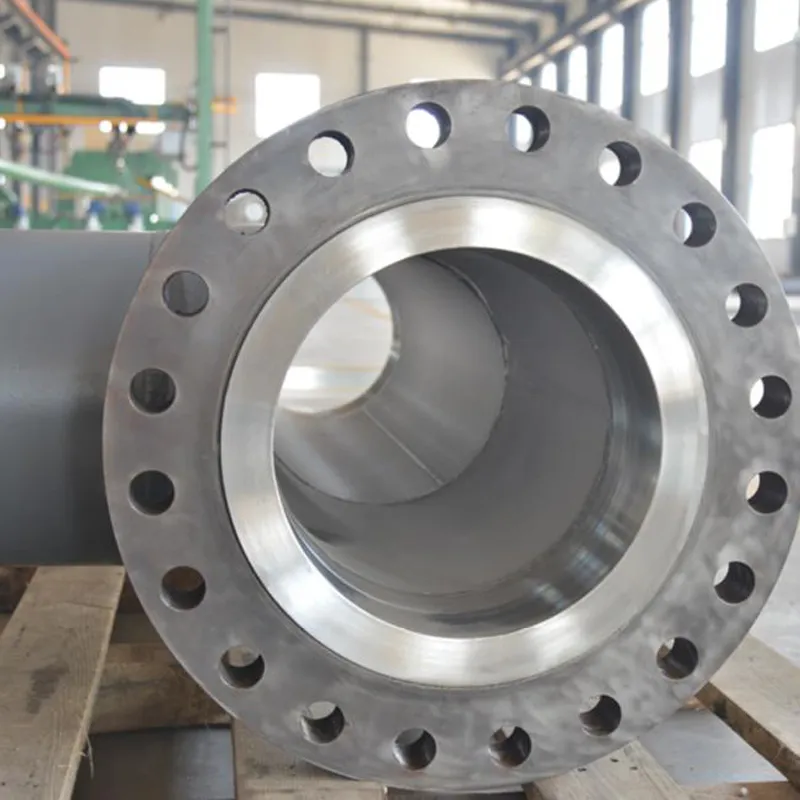
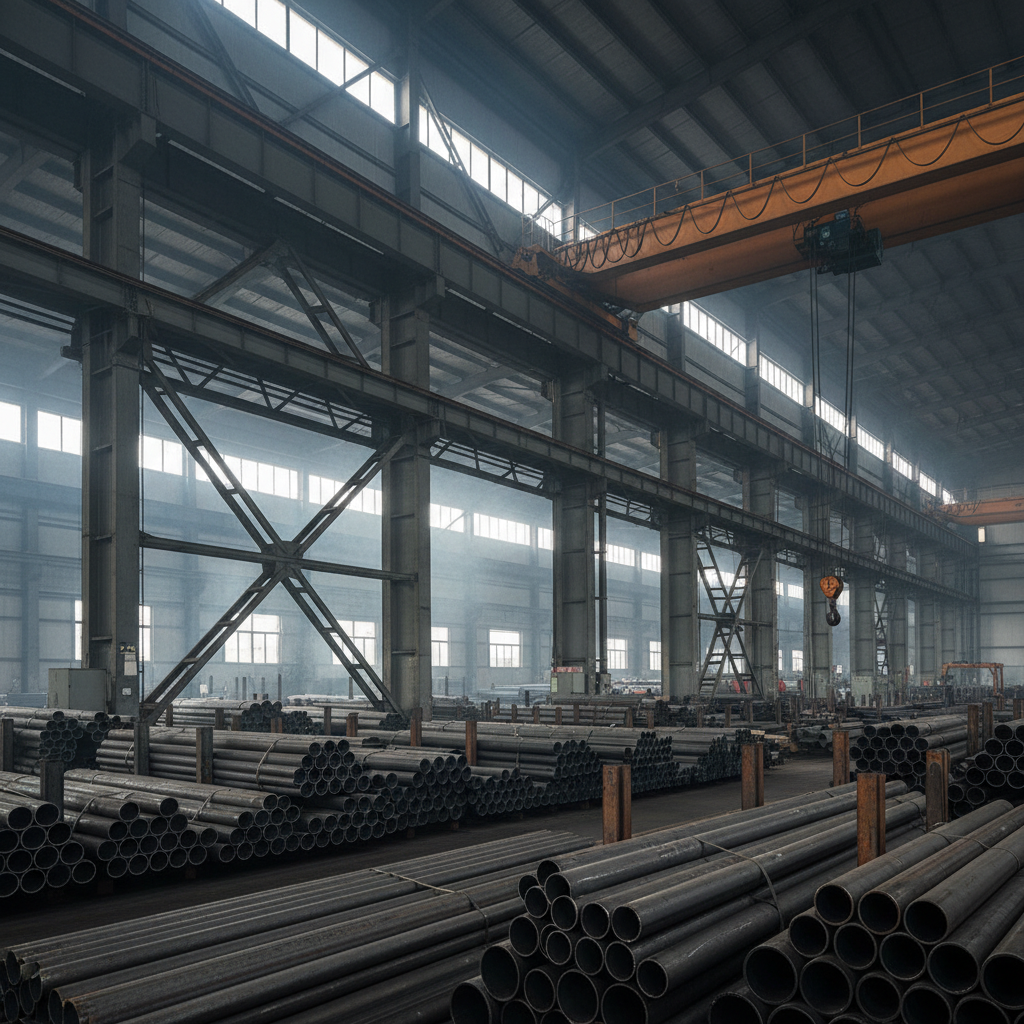
Figure 1: Complex prefabricated pipework assembly for a processing plant.
Core Technical Advantages of Prefabricated Pipework
The strategic shift towards factory-produced prefab pipework is underpinned by a multitude of technical and operational advantages that significantly impact project success and long-term operational efficiency.
-
Superior Quality Control: Fabrication in a controlled factory environment eliminates environmental variables (weather, dust) that compromise on-site quality. Automated welding, precise machining, and rigorous in-house NDT ensure consistent weld quality, dimensional accuracy, and material integrity far exceeding typical field capabilities. This minimizes defects and ensures compliance with global standards (e.g., ISO, ANSI, ASME).
-
Accelerated Project Timelines: By performing fabrication off-site, construction schedules can be dramatically shortened. Multiple pipe spools can be manufactured concurrently with other on-site civil and structural work, leading to faster mechanical completion and project handover. This parallel execution is a key driver for large industrial projects.
-
Enhanced Safety Protocols: Moving high-risk activities like welding, cutting, and heavy lifting from a dynamic construction site to a controlled factory significantly reduces safety hazards. Factory environments offer better ergonomics, specialized equipment, and consistent safety supervision, leading to fewer incidents and a safer overall project.
-
Cost Efficiency and Predictability: Reduced on-site labor requirements, minimized material waste through optimized cutting plans, and fixed factory overheads contribute to significant cost savings. Furthermore, project costs become more predictable, mitigating the financial risks associated with on-site delays and rework.
-
Optimized Performance and Service Life: Precision fabrication results in smoother internal surfaces and optimized flow paths, leading to reduced pressure drop and enhanced energy efficiency. Superior corrosion protection through factory-applied coatings and linings extends the service life of piping systems, reducing maintenance intervals and costs.
-
Material Traceability and Certification: Every component used in factory prefab pipework is meticulously tracked from raw material sourcing through to final assembly. Comprehensive documentation packages provide full traceability, vital for compliance, auditing, and future maintenance, validating authoritative references.
Vendor Comparison: Key Differentiators in Prefabricated Pipework Providers
When selecting a provider for prefabricated pipework, B2B decision-makers must evaluate vendors based on critical capabilities that ensure project success and long-term asset reliability. A robust provider offers more than just pipe spools; they provide integrated solutions built on expertise, reliability, and advanced technology.
Key Vendor Differentiators in Prefabricated Pipework
| Evaluation Criterion |
Suboptimal Vendor Profile |
Optimal Vendor Profile (e.g., Lion Pipeline) |
| Engineering & Design Capability |
Limited in-house engineering, reliance on client-supplied designs, basic software tools. |
Advanced 3D modeling (BIM), stress analysis (FEA), experienced engineering team, design optimization proposals. |
| Manufacturing Technology |
Manual/semi-automated processes, older equipment, inconsistent output. |
Fully automated CNC cutting & welding, robotic systems, advanced material handling, large fabrication capacity. |
| Quality Control & Certifications |
Basic QA/QC, limited NDT, few international certifications (e.g., only local standards). |
ISO 9001 certified, comprehensive NDT capabilities (RT, UT, MPT, LPT), ASME U/PP stamps, API certifications, detailed QC documentation. |
| Material Sourcing & Traceability |
Limited supplier network, basic material tracking, potential for uncertified materials. |
Global network of certified material suppliers, full material traceability (PMI), MTRs for all components. |
| Project Management & Logistics |
Fragmented communication, often late deliveries, unclear shipping methods. |
Dedicated project managers, real-time progress updates, optimized logistics planning, on-time delivery track record. |
| Customization & Flexibility |
Rigid designs, difficulty accommodating unique project requirements or material needs. |
Highly adaptable to complex designs, specialized alloys, coatings, and modular skids; strong focus on customized steel pipe solutions. |
| Experience & Client Portfolio |
Limited years of service, few verifiable large-scale projects, sparse customer feedback. |
Decades of industry experience, extensive portfolio of major international clients, strong testimonials, proven field performance. |
Customized Solutions for Unique Industrial Demands
Recognizing that no two industrial projects are identical, we specialize in delivering highly customized prefab pipework solutions. Our engineering-driven approach ensures that every project, regardless of its complexity, receives tailor-made fabrication and assembly services that align perfectly with specific operational requirements and site conditions.
-
Tailored Design & Engineering: Leveraging advanced parametric design and finite element analysis (FEA), we work closely with clients to optimize pipe routing, support structures, and material selection for extreme temperatures, pressures, or corrosive environments. This iterative design process ensures the creation of a truly customized steel pipe system.
-
Specialized Material Handling: Our capabilities extend beyond standard carbon and stainless steels. We routinely fabricate with exotic alloys such as Inconel, Monel, Hastelloy, Titanium, and Duplex/Super Duplex stainless steels, providing solutions for highly aggressive media or specific process purity requirements.
-
Advanced Coating & Lining Systems: To enhance the longevity and performance of prefabricated pipe, we offer a range of protective coatings and internal linings. These include fusion-bonded epoxy (FBE), liquid epoxies, polyurethanes, and specialized rubber linings for abrasion or chemical resistance, applied under strict climate-controlled conditions.
-
Modular Skid & Spool Assemblies: For complex process units, we offer modular fabrication, assembling entire process skids or large pipe racks in our factory. These modules are then transported to the site for minimal hook-up, dramatically reducing on-site installation time and complexity.
-
Integrated Valve & Instrumentation Mounting: To further reduce field work, valves, instrumentation (e.g., flow meters, pressure transmitters), and specialty components can be pre-mounted and tested within the pipe spools or modules, ensuring functionality and calibration prior to shipment.
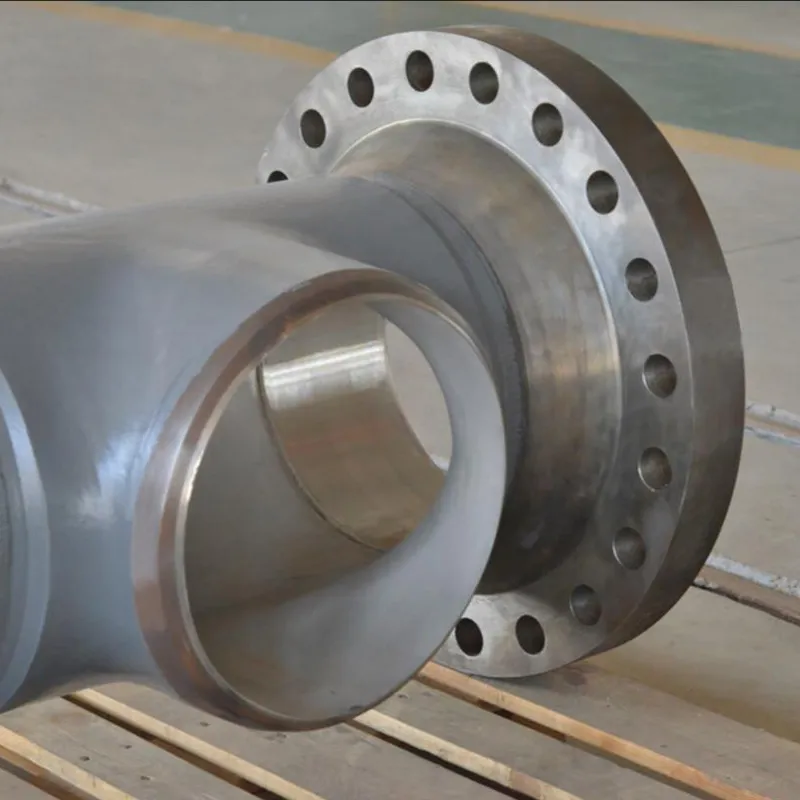
Figure 2: Custom-engineered prefabricated pipework modules awaiting shipment.
Our dedication to customized solutions ensures that even the most unique and challenging piping requirements are met with precision, innovation, and unwavering quality, contributing to optimal project outcomes and operational longevity.
Application Case Studies: Realizing Project Success with Prefabricated Pipework
The tangible benefits of prefab pipework are best illustrated through real-world applications where it has demonstrably optimized project execution and long-term asset performance.
Case Study 1: Large-Scale Petrochemical Plant Expansion
- Client: Major International Oil & Gas Company
- Challenge: Expansion of an existing petrochemical facility required the installation of over 10,000 linear meters of complex piping within a constrained brownfield site, with an aggressive 18-month project timeline and strict safety regulations. On-site welding and fabrication would have severely impacted operational continuity and extended the schedule.
- Solution: Detailed engineering and complete factory fabrication of all critical process and utility prefabricated pipework. Utilizing automated welding and comprehensive NDT in our facility. Modules were assembled with valves and instrumentation pre-installed.
- Results:
- Schedule Reduction: Achieved a 25% reduction in overall piping installation time compared to traditional methods, meeting the tight project deadline.
- Cost Savings: Realized an estimated 15% reduction in total installed costs due to reduced on-site labor, minimized rework, and optimized logistics.
- Quality & Safety: Zero major weld defects reported on-site; significant reduction in hot work permits and on-site safety incidents. Project was completed with superior quality, exceeding client's performance expectations.
Case Study 2: High-Purity Water System for a Pharmaceutical Facility
- Client: Leading Global Pharmaceutical Manufacturer
- Challenge: Installation of a new High-Purity Water (HPW) and Water for Injection (WFI) system requiring precise orbital welding of 316L stainless steel, impeccable surface finish (e.g., Ra
- Solution: Complete factory fabrication of all high-purity piping using orbital welding in a cleanroom environment. Each prefabricated pipe spool underwent extensive internal boroscope inspection, passivation, and hydrostatic testing before being individually bagged and transported.
- Results:
- Regulatory Compliance: Achieved full compliance with FDA cGMP guidelines, with all required documentation and traceability provided.
- Reduced Contamination Risk: Factory environment eliminated environmental contamination risks, resulting in a pristine internal surface condition ready for immediate system validation.
- Installation Efficiency: Accelerated on-site hook-up by 40%, minimizing disruption to existing facility operations and validating the efficacy of our prefab pipework strategy.
Frequently Asked Questions (FAQ)
Q1: What are the primary benefits of using prefabricated pipework for industrial projects?
A1: The primary benefits include significant cost reduction through minimized on-site labor and material waste, accelerated project schedules due to parallel fabrication, superior quality control in a factory environment, enhanced safety by reducing field work, and improved system performance with precise, leak-free assemblies.
Q2: What materials can be used for customized steel pipe solutions?
A2: We work with a wide range of materials including various grades of carbon steel (e.g., A106 Gr. B), stainless steel (e.g., 304/304L, 316/316L, Duplex, Super Duplex), alloy steels (e.g., P11, P22, P91), and exotic alloys like Inconel, Monel, Hastelloy, and Titanium, tailored to specific process requirements.
Q3: How long does it take to get a customized prefabricated pipe order fulfilled?
A3: Lead times vary depending on the project's complexity, material availability, and current production schedule. Typically, from detailed design approval to delivery, lead times can range from 4 to 12 weeks. We provide detailed project timelines during the quotation phase and maintain transparent communication throughout the process.
Q4: What quality standards do you adhere to for prefab pipework?
A4: We adhere to stringent international quality standards including ISO 9001 for quality management, ASME B31 series for pressure piping, ASME Section IX for welding qualifications, ASTM for material specifications, and various NACE and ISO standards for coatings. All fabrication is backed by comprehensive NDT and rigorous testing protocols.
Q5: Can you handle complex designs and modular assemblies?
A5: Yes, our advanced engineering and fabrication capabilities are specifically geared towards complex designs and modular assemblies. We utilize 3D modeling and stress analysis to optimize intricate configurations and can deliver large, skid-mounted modules fully assembled and tested, ready for rapid on-site integration.
Lead Time, Warranty, and After-Sales Support
Lead Time & Fulfillment Details:
Our lead times are meticulously managed to align with project schedules. Upon final engineering drawing approval and material procurement, fabrication and delivery of prefabricated pipework typically range from 4 to 12 weeks for standard projects. For highly complex or large-volume orders, a more detailed project-specific timeline will be provided. Factors influencing lead time include material availability, complexity of design, required testing, and current production load. We employ robust project management systems to ensure transparent communication and adherence to agreed-upon delivery dates.
Warranty Commitments:
We stand behind the quality and craftsmanship of our factory prefabricated products. All prefab pipework is covered by a comprehensive warranty, typically for a period of 12 to 24 months from the date of shipment or commissioning (whichever comes first). This warranty covers defects in materials and workmanship under normal operating conditions and proper installation as per our guidelines and industry best practices. Specific warranty terms will be detailed in the project contract.
Customer Support Information:
Our commitment extends beyond delivery. We provide dedicated after-sales support to ensure the long-term operational success of your piping systems. Our support includes:
- Technical Assistance: Our experienced engineers are available to provide technical guidance and troubleshooting support for installation, commissioning, and operation.
- Spare Parts & Components: We maintain a comprehensive database of all components used in your order, facilitating efficient procurement of spare parts if required.
- On-Site Support: For critical issues, our technical team can provide on-site support and consultation, ensuring rapid resolution and minimal downtime.
- Documentation & Records: Complete documentation packages, including material certificates, test reports, and as-built drawings, are provided for ongoing maintenance and compliance.
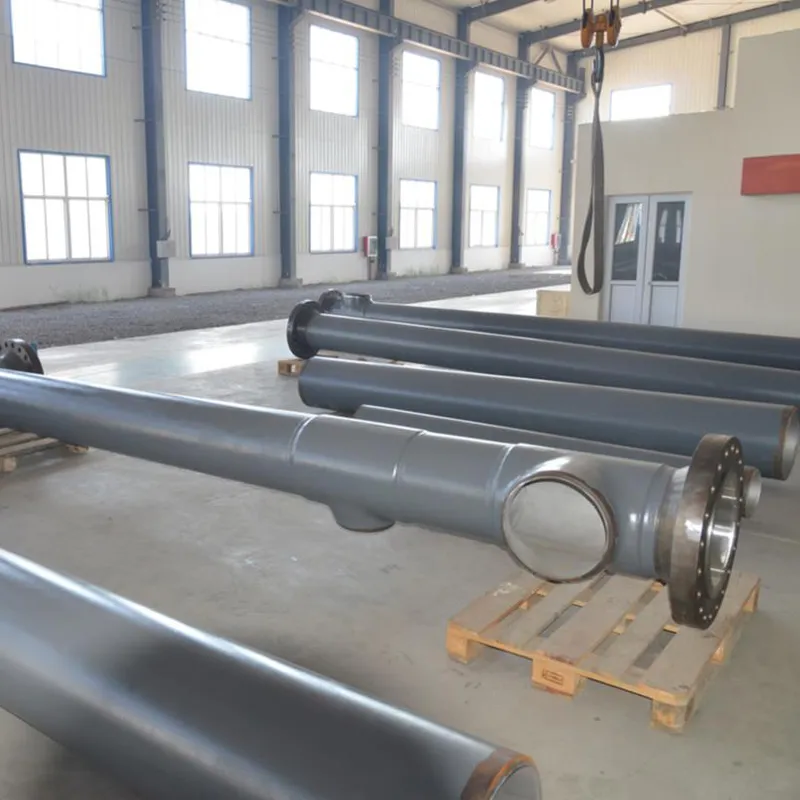
Figure 3: Quality assurance and testing of finished prefabricated pipework spools.
For support inquiries, please contact our customer service department via the contact details on our website, ensuring prompt and expert assistance.
References
- ASME Boiler and Pressure Vessel Code, Section IX: Welding, Brazing, and Fusing Qualifications. American Society of Mechanical Engineers.
- ASME B31.3 Process Piping. American Society of Mechanical Engineers.
- International Organization for Standardization (ISO) 9001:2015 - Quality Management Systems – Requirements.
- NACE International Standards for Corrosion Control. NACE International (now AMPP).
- "Advanced Fabrication Techniques for Industrial Piping Systems" - Journal of Materials Engineering and Performance, Vol. 28, Issue 5, 2019.