At first glance, a corrugated metal tube might seem like just another industrial component, but in reality, it’s a cornerstone of infrastructure worldwide. From stormwater management to pipeline protection, these tubes provide unparalleled strength and flexibility needed to withstand environmental challenges. Considering how climate change impacts flood events and urban drainage — it’s clear why understanding the role and advantages of corrugated metal tubes is not just an engineering curiosity but a global imperative. They’re durable, scalable, and surprisingly cost-effective pipes that quietly support roads, bridges, and entire cities.
Infrastructure challenges are on the rise in nearly every region of the world. According to World Bank reports, poor drainage and ineffective stormwater systems contribute to billions in damages annually, especially in developing urban areas. Corrugated metal tubes address this by offering reliable conduits for water, gas, and even cable protection that can be deployed rapidly and cheaply.
ISO standards (particularly ISO 9001 and ISO 18365 for metal pipes) have progressively driven improvements in manufacturing that have made today’s corrugated metal tubes lighter and more resistant to corrosion and pressure. This means less maintenance over decades — a big deal for municipalities and industries on tight budgets.
Globally, whether it’s the mega-cities of Asia or rural highways in Africa, the need for better drainage and pipeline solutions calls for innovations anchored in materials like these.
Mini takeaway: Corrugated metal tubes aren’t just metal pipes; they’re essential answers to growing infrastructure needs worldwide.
Simply put, a corrugated metal tube is a pipe made from metal sheets shaped with ridges (corrugations) that run circumferentially or longitudinally. These ridges add flexibility and stiffness, allowing pipes to bend slightly without cracking while maintaining structural integrity under heavy loads.
Picture a flexible straw, but made from galvanized steel or aluminum, designed to withstand impacts, soil pressures, and water flow. They’re prefabricated in segments or custom lengths, used extensively in drainage, culverts, cable protection, and even in ventilation systems.
Their role connects deeply with modern infrastructure demands — quick installation times, long-lasting corrosion resistance, and compatibility with eco-friendly practices — often helping communities adapt to changing climate realities or rapid urbanization.
The corrugated form gives these tubes an excellent strength-to-weight ratio. For instance, galvanized coatings resist rust, thereby extending lifespan even underground or under constant moisture. Plus, the design helps resist crushing from soil or traffic loads.
Because of their shape, these pipes can bend during installation — super handy in uneven terrains or where trenching must follow curves — saving time and money on site adjustments.
Compared to concrete or plastic alternatives, corrugated metal tubes offer lower production and transportation costs. They are lightweight yet strong, which reduces handling complexity and speeds installation.
Coatings such as galvanization or polymer layering protect steel tubes even in saline or acidic environments, crucial for coastal and industrial areas.
Made from recyclable metals, many tubes integrate recycled content. This not only reduces environmental impact but also assists eco-conscious projects to meet green certifications.
Mini takeaway: It’s this interplay of strength, flexibility, and cost-effectiveness that makes corrugated metal tubes a go-to for engineers.
You’ll find these tubes practically everywhere. In North America, they’re standard for highway culverts, allowing water to pass under busy roads safely. In Southeast Asia and the Pacific Islands, they’re part of flood management systems, often installed in coastal levees to reduce damage from storm surges.
The corrugated metal tube has even found humanitarian applications — NGOs working on disaster relief use them as temporary drainage solutions after floods or earthquakes, helping restore sanitation infrastructure quickly.
Remote mining operations in Africa and Australia rely on these pipes to protect power cables and keep water flowing without interruption, even under tough geological stresses.
Oddly enough, beyond utility, architects sometimes incorporate visible corrugated metal tubes as part of industrial aesthetics in modern buildings — proof of their versatility.
| Specification | Typical Range / Value | Notes |
|---|---|---|
| Material | Galvanized Steel, Aluminized Steel, Aluminum | Varies by application and environment |
| Diameter | 150 mm to 3600 mm | Custom sizes available |
| Corrugation Pitch | 50 mm to 100 mm | Affects flexibility and strength |
| Wall Thickness | 1.0 mm to 3.0 mm | Depends on load requirements |
| Lifespan | 30+ years | With proper maintenance and coating |
| Vendor | Material Quality | Customization | Delivery Speed | Price Range |
|---|---|---|---|---|
| Lion Pipeline | High-grade galvanized steel, ISO-certified | Custom diameters & coatings | 2-4 weeks globally | Mid to high |
| Global Steel Pipes | Standard galvanized & aluminized | Limited options | 4-6 weeks | Low to mid |
| EcoPipe Solutions | Recycled aluminum, eco coatings | High customization for eco projects | 3-5 weeks | Mid to high |
Cost savings are the obvious win here, but there’s more layers to the story. Because these tubes last decades, require little upkeep, and withstand heavy loads and extreme weather, they save cities from repeated major repairs — cutbacks that end up hurting safety and quality of life.
Emotionally, communities benefit too. Strong, reliable infrastructure means less flooding, better sanitation, and fewer disruptions. Especially in disaster-prone areas, having resilient pipes fosters a feeling of safety and trust in public services.
And let’s not forget sustainability. Many corrugated metal tubes are made with recyclability in mind, fitting perfectly with the new green building codes and corporate social responsibility goals most organizations are chasing today.
The future of corrugated metal tubes feels intertwisted (pun intended) with tech and green materials. We see rising interest in polymer-metal hybrids that combine corrosion resistance, weight reduction, and environmental friendliness.
Digital monitoring embedded in pipe walls, for real-time health checks, is already being piloted. Imagine a network of pipes “telling” infrastructure managers exactly when clogs or leaks form — reducing downtime and emergency repairs.
On the policy side, stricter international environmental standards (like new ISO standards) push manufacturers toward lower carbon production methods and more transparent sourcing.
Of course, no product is perfect. Some challenges remain — like the risk of corrosion over very long periods in highly acidic soils, or the occasional difficulty in joining sections tightly without leaks.
Innovative sealing technology, like advanced gaskets and welding methods, and protective coatings with nanoparticles are entering the scene to fix these issues. Plus, training installers to follow best practices can often solve many practical installation headaches.
These tubes are designed to resist heavy water flow and soil pressure, often lasting over 30 years with galvanization protecting against rust. Proper installation and maintenance ensure resilience against floods, making them a preferred choice in vulnerable regions.
Absolutely. Sizes, coatings, corrugation patterns, and even material types can be customized to match load requirements, environmental conditions, and intended fluid types.
Yes, many manufacturers use recycled metals and eco-friendly coatings, and the tubes are fully recyclable post-use. Their durability also reduces waste over time compared to short-lived alternatives.
Most suppliers, like Lion Pipeline, offer global shipping, project consultation, and fast delivery. Import regulations vary, but working with vendors experienced in international logistics smooths the process.
It feels like corrugated metal tubes occupy this perfect zone where engineering ingenuity meets practical necessity. Their strength, flexibility, and sustainable manufacturing make them indispensable for modern infrastructure challenges — whether that’s keeping water flowing under roads or protecting vital cables in remote mines.
There’s a quiet confidence in knowing that something as simple as a ridged metal pipe can profoundly affect public safety, environmental health, and economic stability globally. To explore high-quality options, I’d recommend visiting our website. It’s time infrastructure got a sturdy companion.
Mini takeaway: Corrugated metal tubes combine strength, adaptability, and sustainability—no wonder they’re a lasting global infrastructure solution.
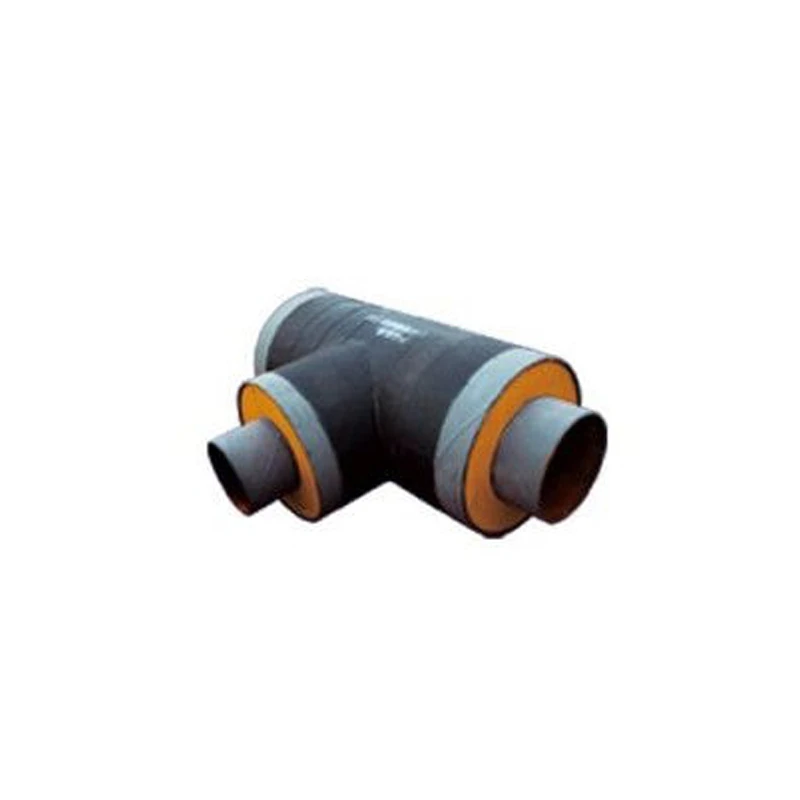
Anti Corrosion And Thermal Insulation Products
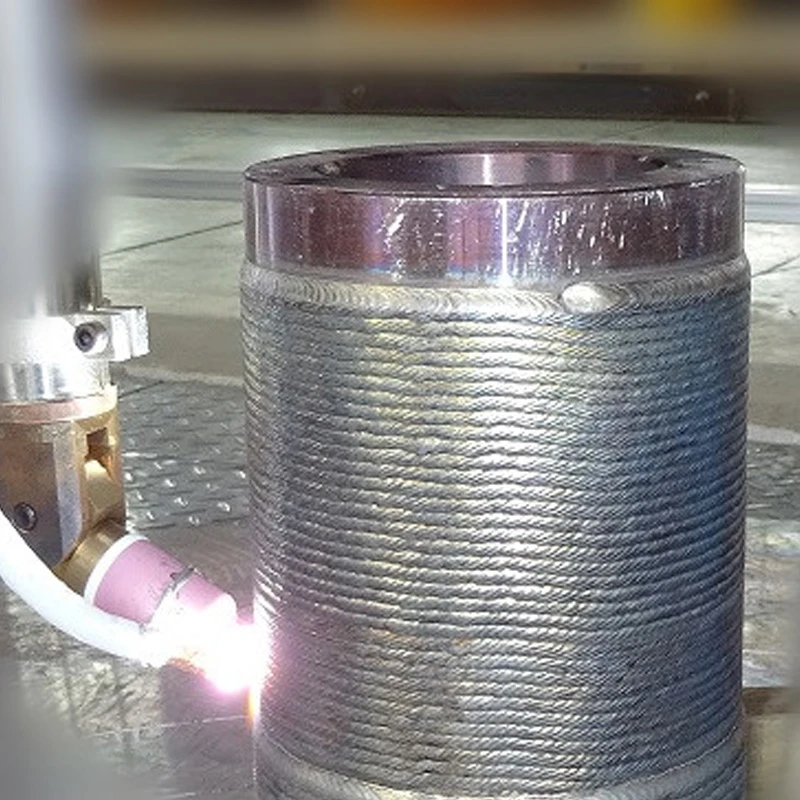
Overlay Welding Clad Steel Pipe
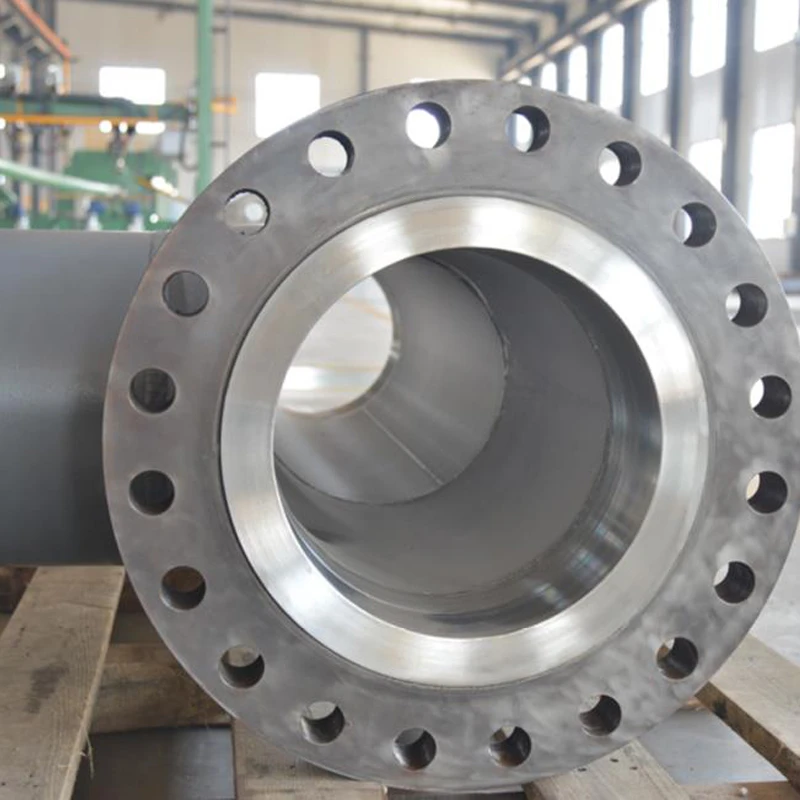
Factory Prefabricated Products
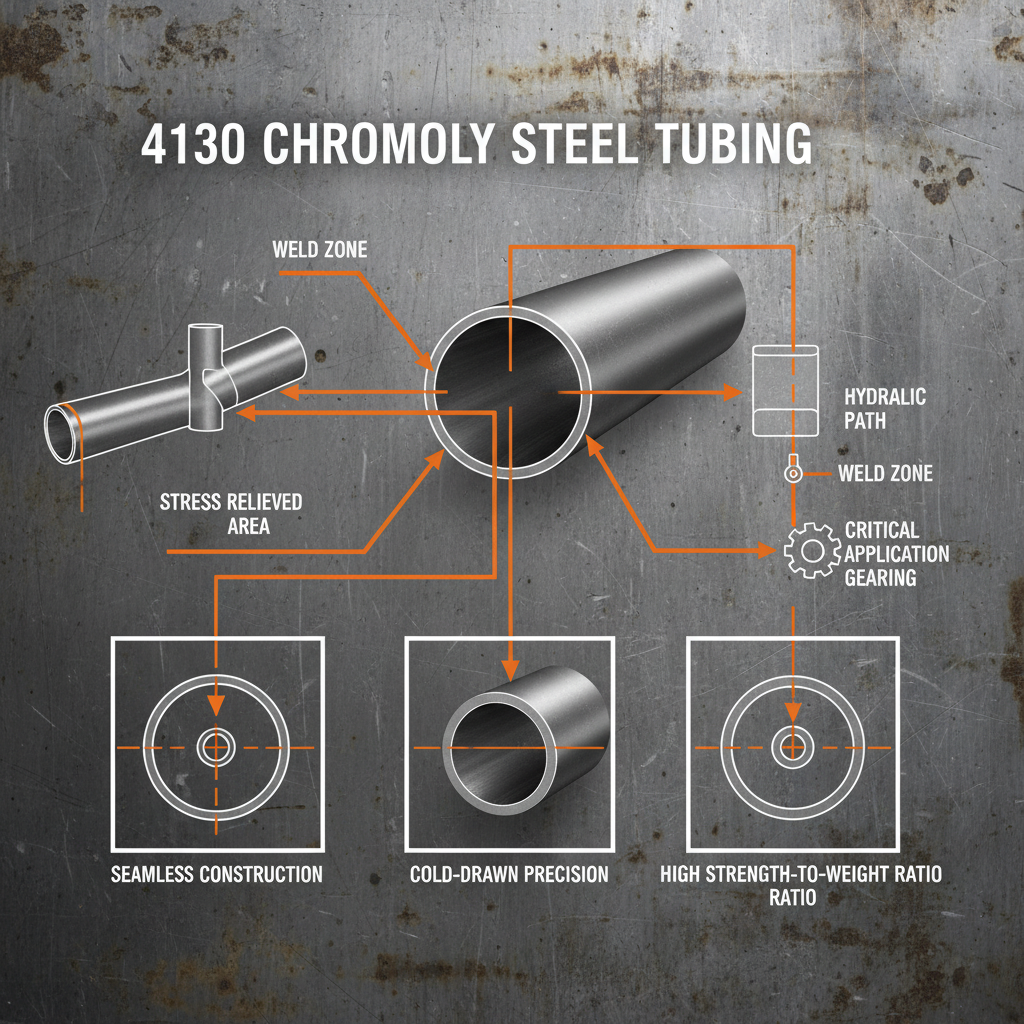
Ultimate Guide to 4130 Tubing Strength Performance and Applications
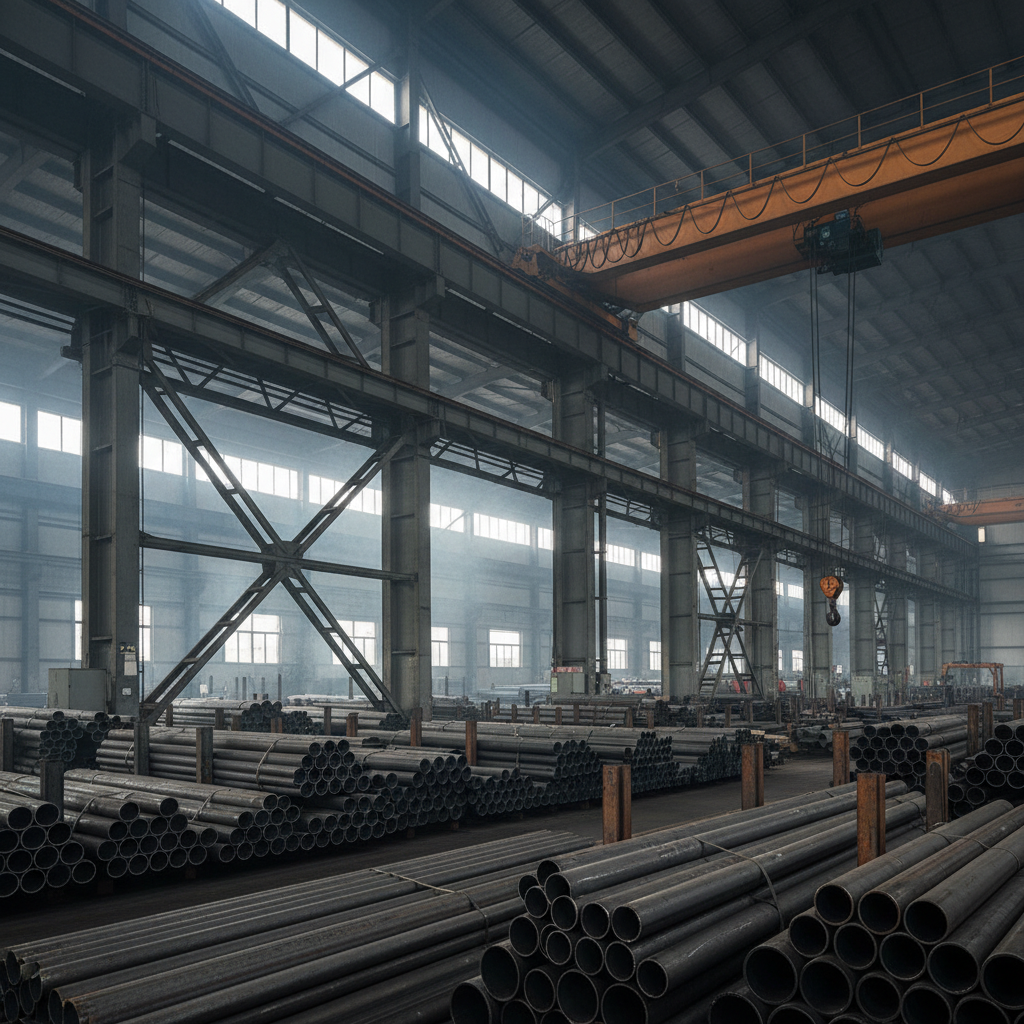
Properties and Industrial Applications of 4130 steel tubing
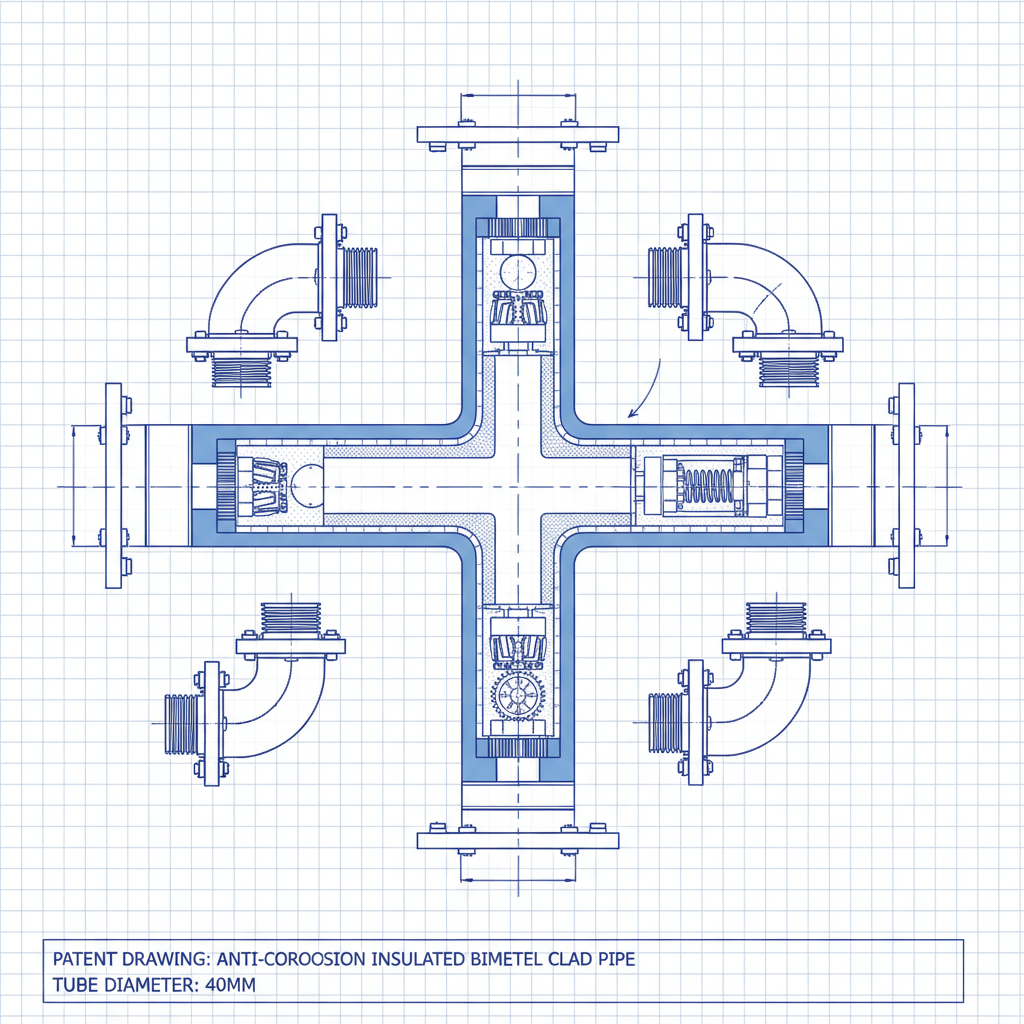
Comprehensive Guide to 40mm Steel Tube Applications and Material Selection
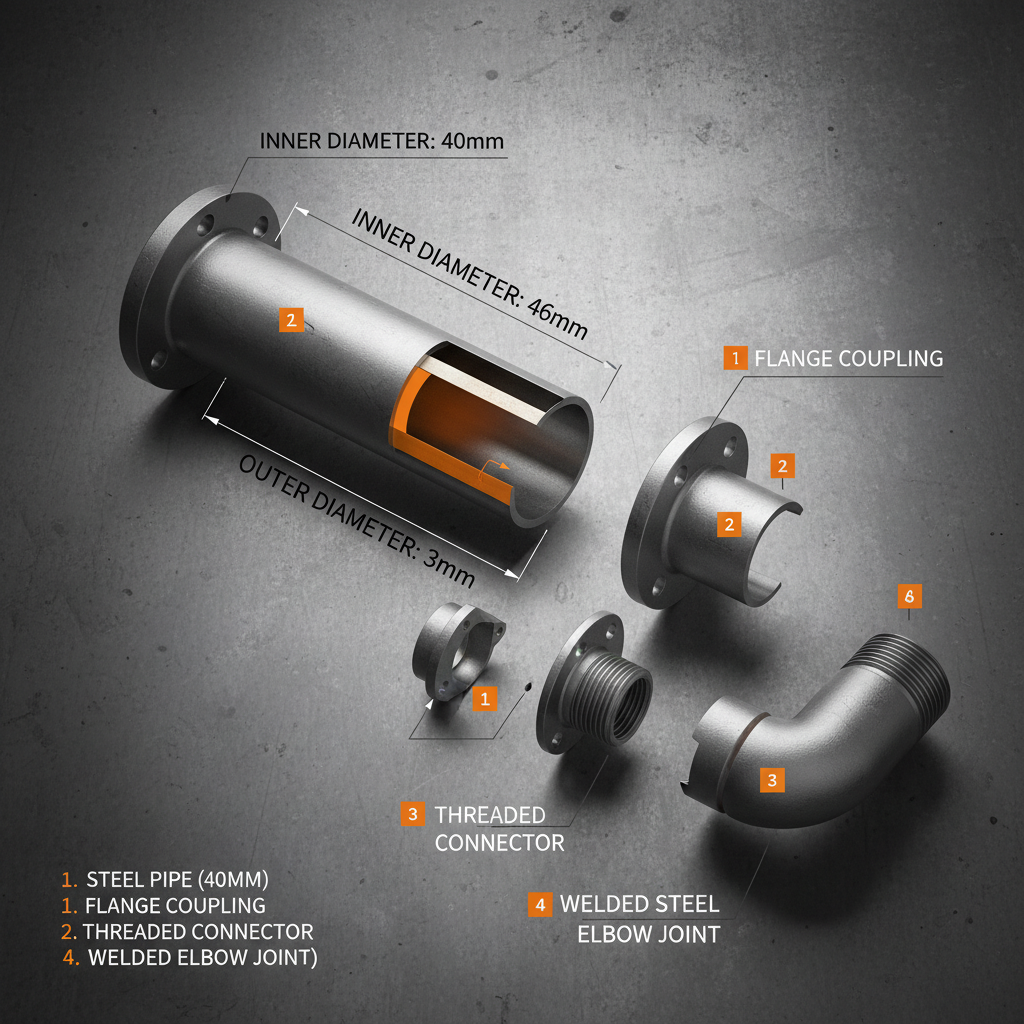
Comprehensive Guide to 40mm Steel Pipe Applications and Considerations
Comprehensive Guide to 40mm Metal Pipe Applications and Sourcing
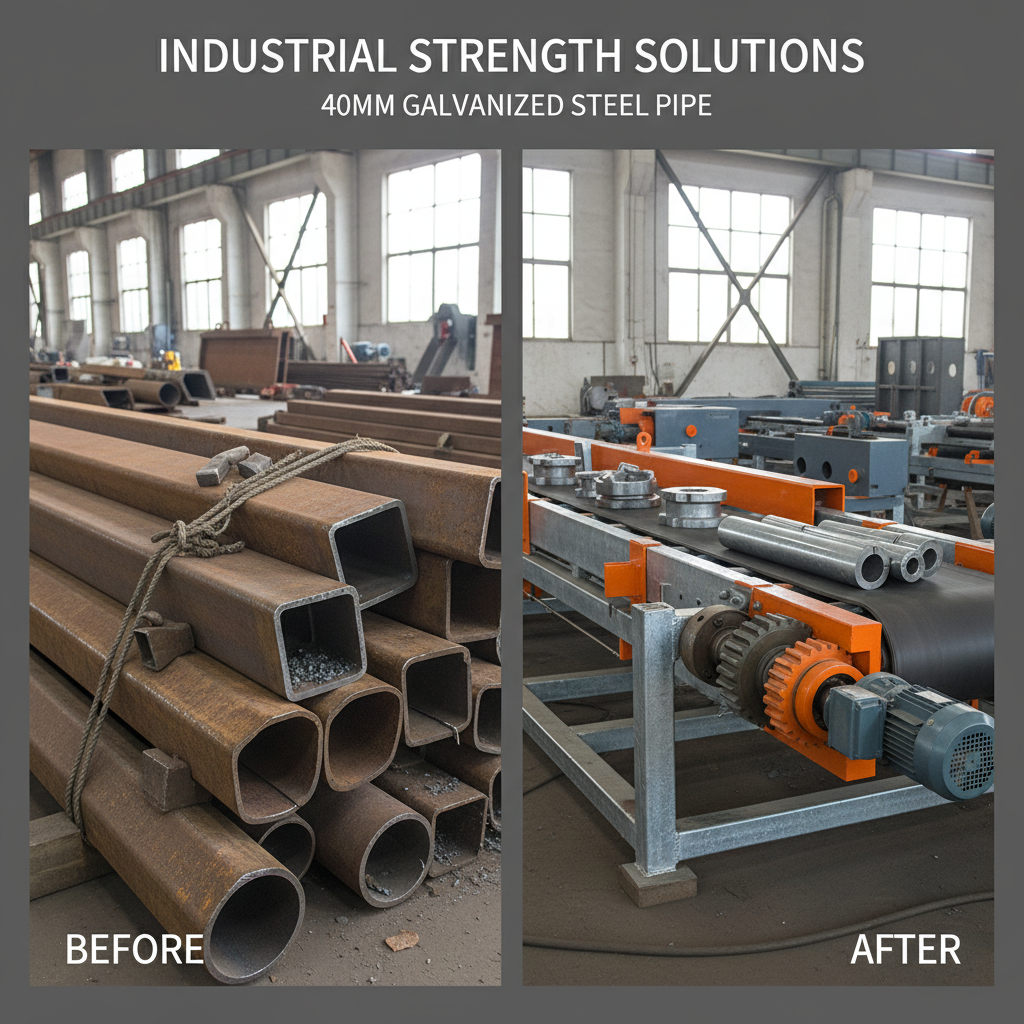
Comprehensive Guide to 40mm Galvanised Pipe Applications and Specifications