In demanding industrial environments, the longevity and reliability of piping systems are paramount. Carbon seamless steel pipes form the backbone of countless applications transporting fluids, gases, and slurries across sectors like oil and gas, chemical processing, power generation, and water infrastructure. Their inherent strength and formability make them indispensable. However, exposure to corrosive elements – whether from transported media, atmospheric conditions, or soil – poses a significant threat to pipeline integrity. Robust corrosion resistance testing is therefore not just a quality check; it's a critical safeguard for operational safety, environmental protection, and cost-effective asset management. Cangzhou Lion Technology Co., Ltd., a leader in advanced pipe manufacturing, understands this imperative deeply.
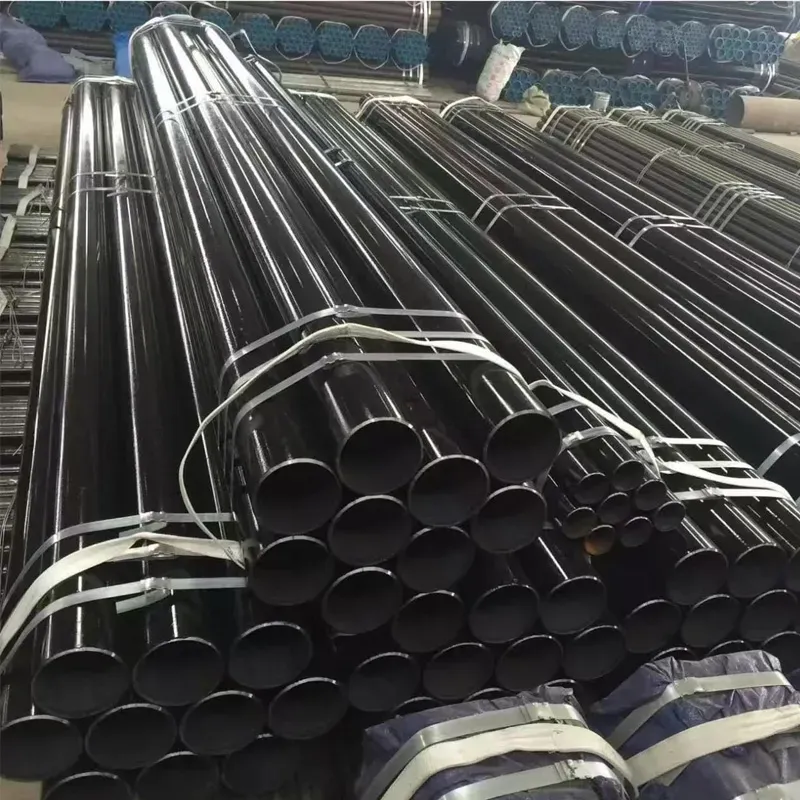
Carbon seamless steel pipes are prized for their uniformity, strength, and absence of a welded seam, which can be a potential weak point. When deployed in corrosive service environments, their performance hinges on several factors beyond basic material grade. The specific chemical composition of the carbon seamless pipe, particularly elements like Chromium (Cr), Copper (Cu), and Phosphorus (P) which influence atmospheric corrosion resistance, plays a role. Equally crucial is the manufacturing process – controlled rolling, heat treatment (like normalizing or quenching & tempering), and surface finishing significantly impact the microstructure and surface condition, directly affecting how the pipe interacts with corrosive agents.
The nature of the intended service dictates the required level of corrosion resistance. Will the carbon steel seamless conduit face constant immersion in seawater, intermittent wet/dry cycles, exposure to acidic or alkaline chemicals, or burial in varying soil types? Each scenario demands specific considerations. Cangzhou Lion Technology Co., Ltd., leveraging its position as a designated supplier to major State-owned energy enterprises and its long-term collaborations with domestic research institutes, integrates these performance expectations into its product development and testing protocols from the outset. Their extensive experience with clad pipes for highly corrosive environments further informs their understanding of material performance boundaries.
To ensure carbon seamless pipes meet the rigorous demands of corrosive service, a battery of standardized tests is employed. These methodologies simulate service conditions or accelerate corrosion processes to predict long-term behavior:
Cangzhou Lion Technology utilizes its advanced testing equipment, complementing its first-class production machinery like the 6000T hydraulic press and precision-controlled heat treatment furnaces (capable of 10°C accuracy and rapid quenching within 30 seconds), to perform these critical assessments. This ensures the carbon seamless steel pipes they produce meet or exceed the corrosion resistance requirements specified by international standards and end-user specifications.
The foundation of corrosion resistance begins long before testing – it starts with meticulous manufacturing. Cangzhou Lion Technology Co., Ltd., located in the Mengcun County Economic Development Zone, Cangzhou City, Hebei Province, operates as a high-tech enterprise with a registered capital of 100.8 million RMB across a 75,000 square meter facility. Their commitment to quality permeates their production process for carbon seamless steel pipes.
Their comprehensive capabilities include an annual production capacity of 20,000 tons for bimetal and single-material pipes, supported by over 200 sets of production and testing equipment. The presence of heavy-duty machinery like the 6000T hydraulic press and DN1200, DN600, and DN350 intermediate frequency induction pushers ensures precise forming capabilities. Crucially, their three large-scale natural gas heat treatment furnaces allow for exacting thermal control, essential for achieving the desired microstructure (like fine-grained ferrite-pearlite) that enhances both mechanical strength and corrosion resistance in carbon steel seamless products.
This manufacturing prowess, coupled with their extensive additive manufacturing capacity (5,000 tons for pipe fitting inner walls and 20,000 tons for clad pipes using arc and laser techniques), demonstrates a deep technological capability. Their role as a designated supplier and ongoing R&D collaborations ensure their carbon seamless pipe production adheres to the highest industry benchmarks.
Typical Parameters for Industrial-Grade Carbon Seamless Steel Pipes:
|
Parameter |
Specification |
|
Standard |
API, ASTM, API 5L, ASTM A106, ASTM A53 |
|
Material |
API 5L GR A, GR B, GR C; ASTM A53; ASTM A106 |
|
Type |
Seamless Steel Pipe |
|
Outer Diameter |
21.3 – 1828 mm |
|
Thickness |
2 – 60 mm |
|
Length |
5.8m - 12m |
|
Technique |
Hot Rolled or Cold Drawn |
|
Shape |
Round |
|
Ends |
P.E (Plain End) |
|
Surface |
Black Painted |
|
End protector |
Customized |
|
Alloy Or Not |
Non-Alloy |
|
Application |
Fluid Transportation |
|
Special Pipe |
API Pipe |
|
Certification |
API |
|
Package |
Exported Packaging Standard |
|
MOQ |
5 Tons |
|
Place of Origin |
Cangzhou, China |
|
Payment method |
TT/LC |
While plain carbon seamless pipe has inherent limits in highly corrosive environments, its selection is often driven by cost-effectiveness, strength, and pressure containment for moderately corrosive services. Its seamless nature eliminates weld seams, common failure points. Performance is significantly enhanced through proper material grade selection (e.g., ASTM A106 Grade B offers better corrosion resistance than A53), precise heat treatment, and crucially, the application of protective internal linings (like cement mortar, epoxy, or plastic) or external coatings, or its use as the robust outer layer in Cangzhou Lion's specialized clad pipe solutions for severe corrosion.
Wall thickness is a critical design factor. Engineers incorporate a "corrosion allowance" into the specified thickness. This extra thickness is calculated based on the predicted corrosion rate (determined through testing and service history) and the desired design life of the pipeline. A thicker carbon seamless pipe wall provides a greater buffer, allowing material loss over time due to corrosion before the pipe's structural integrity or pressure containment capability is compromised.
Standard carbon steel seamless pipes (e.g., API 5L, ASTM A106) are fundamental workhorses in the oil and gas industry for high-pressure/high-temperature (HPHT) hydrocarbon service where corrosion is managed (e.g., through dehydration, chemical inhibition, or pH control). For inherently corrosive HPHT environments, such as sour (H₂S) service, specific grades with enhanced purity and controlled manufacturing (e.g., SSC-resistant grades per NACE MR0175/ISO 15156) are used. For severe corrosion under HPHT, clad pipes, where carbon seamless pipe provides structural strength and a corrosion-resistant alloy (CRA) liner handles the fluid, are often the optimal solution – a core competency of manufacturers like Cangzhou Lion.
Key standards include API 5L (specifies requirements for line pipe, including chemical composition and mechanical properties influencing corrosion behavior), ASTM A106/A53 (for high-temperature and general service seamless pipes), and NACE MR0175/ISO 15156 (specifically for materials resistant to SSC in H₂S environments). Testing standards like ASTM G31 (immersion), ASTM B117 (salt spray), NACE TM0177 (SSC), and NACE TM0284 (HIC) define the methodologies to verify performance against these requirements for carbon seamless steel pipes.
Strict quality control throughout the manufacturing of carbon steel seamless pipes is non-negotiable for corrosion resistance. Consistent chemical composition ensures predictable material behavior. Precise heat treatment guarantees a uniform, fine-grained microstructure optimal for both strength and corrosion resistance. Surface inspection eliminates defects that could initiate localized corrosion. Dimensional accuracy, especially wall thickness consistency, ensures the designed corrosion allowance is maintained. Cangzhou Lion's investment in advanced production and testing equipment directly supports this level of rigorous quality control.
Corrosion resistance is a defining factor in the service life and safety of pipelines constructed from carbon seamless steel pipes. Understanding the performance expectations based on the service environment, rigorously applying standardized testing methodologies like salt spray, immersion, electrochemical analysis, SSC, and HIC tests, and underpinning it all with manufacturing excellence through precise control of composition, forming, and heat treatment are essential steps. Companies like Cangzhou Lion Technology Co., Ltd., with their significant production capacity, advanced infrastructure, commitment to R&D, and adherence to international standards, are positioned to deliver carbon steel seamless and specialized clad pipe solutions that meet the demanding corrosion resistance requirements of modern industry. Thorough testing and robust manufacturing are the cornerstones of reliable, long-lasting pipeline infrastructure.
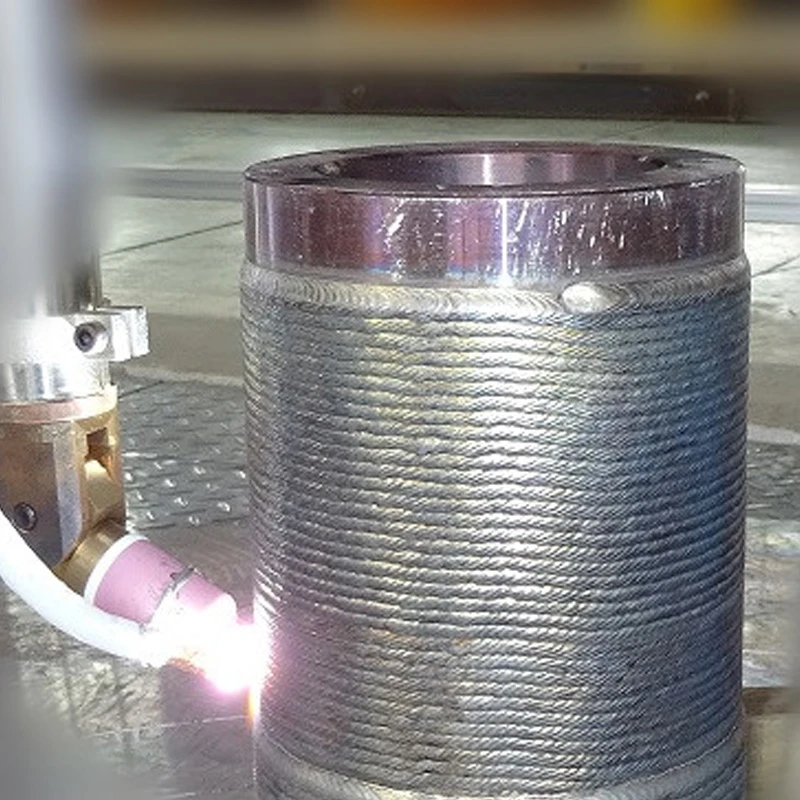
Overlay Welding Clad Steel Pipe
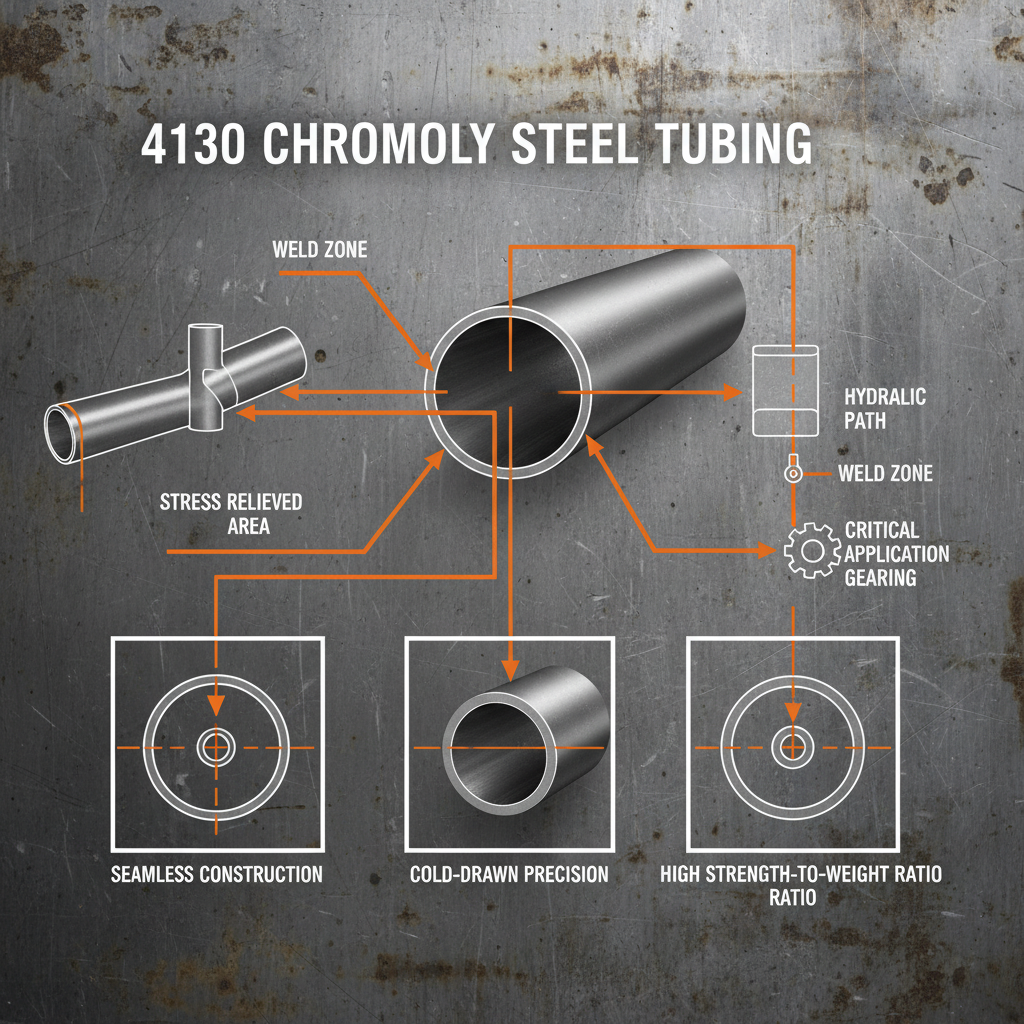
Ultimate Guide to 4130 Tubing Strength Performance and Applications
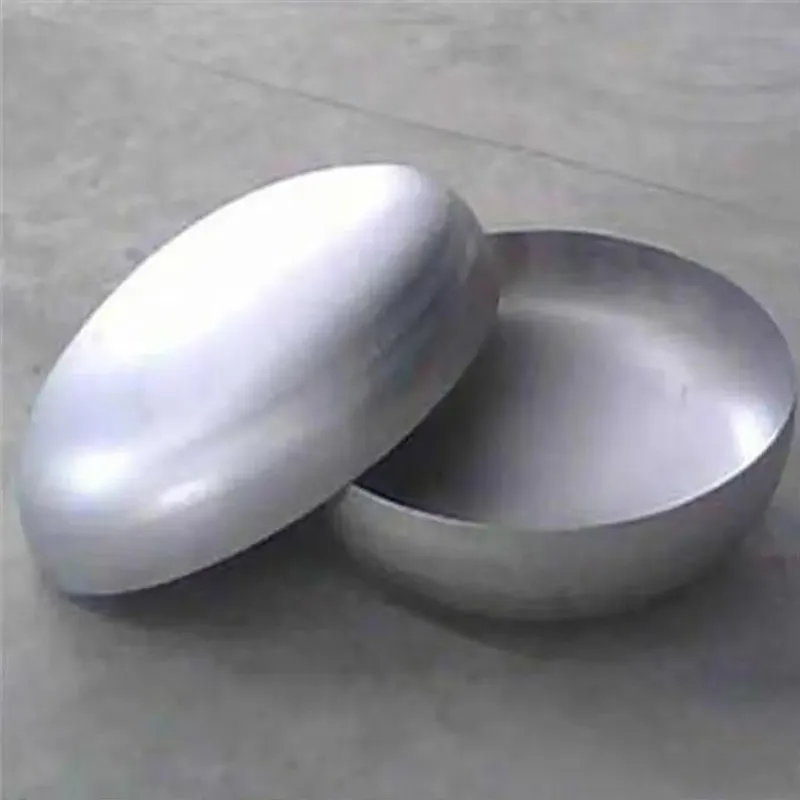
Pipe Cap-Cangzhou Lion Technology Co., Ltd.|Enhancing System Efficiency&Durability
Pipe Cap-Cangzhou Lion Technology Co., Ltd.|Enhancing System Efficiency&Durability
Pipe Cap-Cangzhou Lion Technology Co., Ltd.|Enhancing System Efficiency&Durability
Pipe Cap-Cangzhou Lion Technology Co., Ltd.|Enhancing System Efficiency&Durability
Pipe Cap-Cangzhou Lion Technology Co., Ltd.|Enhancing System Efficiency&Durability