When you think about the sinews of modern industrial infrastructure — pipelines for oil, gas, water, or even structural frameworks — metal tube pipes quietly take center stage. They’re everywhere, yet often overlooked. Knowing what a metal tube pipe is and why it matters globally helps us appreciate their critical role in everything from recovering after natural disasters to building resilient smart cities.
The world’s industrial supply chains and utility networks heavily rely on durable piping solutions. According to the International Organization for Standardization (ISO), the demand for metal piping systems is projected to grow steadily, driven largely by urbanization and green infrastructure initiatives.
For example, the World Bank notes that infrastructure development in emerging markets continues to prioritize pipelines for water and energy distribution, where metal tube pipes are paramount. But challenges like corrosion, installation complexity, and cost-efficiency remain at the forefront, prompting manufacturers and engineers to innovate continually.
So, what exactly is a metal tube pipe? At its simplest, it’s a cylindrical hollow structure made of metal materials — primarily steel, stainless steel, or aluminum — designed to transport fluids, gases, or provide structural integrity. You can think of it as a robust transport highway, but for liquids or as a supporting skeleton in construction.
These pipes form the veins of modern society, from delivering fresh drinking water to remote regions, to supporting massive industrial plants.
Metal tube pipes are praised for their strength and longevity. For instance, stainless steel variants resist corrosion quite effectively. This makes them ideal for harsh environments, be it coastal pipelines or chemical plants.
Available in various diameters and wall thicknesses, metal tube pipes can be customized to meet the specific flow rates or structural requirements of projects — from small residential plumbing to large-scale oil refineries.
While metal pipes may have a higher initial cost compared to plastics, their lifespan and minimal maintenance often reduce total ownership expenses.
Many metal pipes are recyclable, and manufacturers are working towards using more sustainable production methods, aligning with global eco-friendly goals.
Metal tube pipes have a vast array of uses worldwide:
For instance, in South Asia’s flood-prone areas, NGOs have turned to modular metal piping solutions to rebuild damaged water infrastructure fast — a testament to metal tube pipes' adaptability.
Why opt for metal tube pipes? Because, frankly, they combine safety with reliability in a way few alternatives can. Their durability ensures that infrastructure investments offer years, sometimes decades, of continuous service with minimal disruption.
Emotionally speaking, communities served by robust piping gain dignity — access to clean water, secure energy, and structural safety. On the logical side, the low failure rates and decreasing maintenance costs mean that municipalities and businesses can allocate budgets wisely without constant emergency repairs.
| Specification | Standard Range | Notes |
|---|---|---|
| Material | Carbon Steel, Stainless Steel, Aluminum | Depends on application environment |
| Diameter Range | 10 mm - 1200 mm | Customized for specific use |
| Wall Thickness | 1 mm - 25 mm+ | Influences strength & pressure rating |
| Pressure Tolerance | Up to 150 bar | Based on material and design |
| Standard Compliance | ASTM, ISO, DIN | Ensures quality and reliability |
Metal tube pipe technology isn’t standing still. Industry insiders note increasing adoption of advanced coatings that boost corrosion resistance while lessening environmental impact. Digital transformation is a buzzword here — think smart pipes equipped with sensors that detect leaks or pressure drops in real-time.
Also, with governments pushing green energy, pipelines designed for hydrogen transport require specialty metal tubes with ultra-pure surfaces and specific alloys.
Automation in manufacturing and installation improves not only speed but quality control, cutting down defects and costs.
But, no product is perfect. Metal tube pipes face hurdles like susceptibility to corrosion in certain environments, weight limitations during transport, or higher upfront costs. Engineers overcome these by using composite linings, developing lighter alloys, and leveraging economies of scale.
In some cases, combining metal tubes with plastic or polymer elements creates hybrid solutions that balance strength with flexibility.
| Vendor | Material Range | Global Reach | Lead Time | Typical Uses |
|---|---|---|---|---|
| MetalWorks Inc. | Carbon & Stainless Steel | Global | 2-4 weeks | Energy & Infrastructure |
| PipeSolutions Ltd. | Aluminum & Alloys | Asia, Europe | 3-6 weeks | Construction, Water Systems |
| SteelFlow Corp. | Specialty Alloys | Global | 4-8 weeks | Chemical & Hydrogen Transport |
Looking ahead, the metal tube pipe remains a steadfast, indispensable part of industrial, humanitarian, and environmental progress. Their durability, flexibility, and adaptability mean they’re not just pipes but lifelines. If you want to explore high-quality solutions or learn more, I’d recommend checking out metal tube pipe suppliers who marry tradition with innovation.
Thanks for reading — it’s oddly reassuring how such a simple product spins so much of modern life into motion, isn’t it?
Mini takeaway: metal tube pipes aren’t just steel tubes; they’re critical infrastructure components that support global development and resilience.
References:
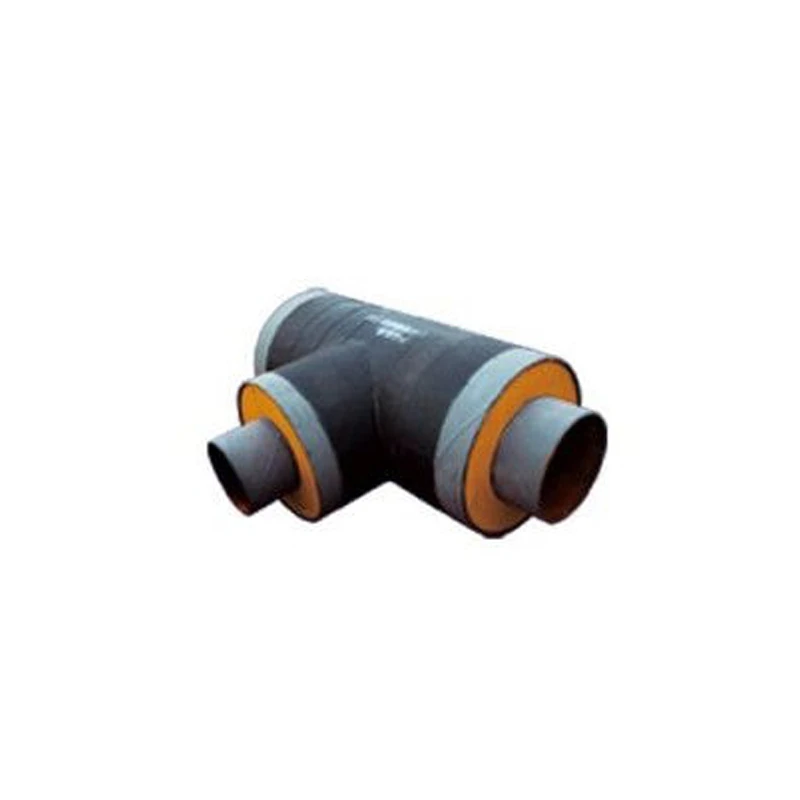
Anti Corrosion And Thermal Insulation Products
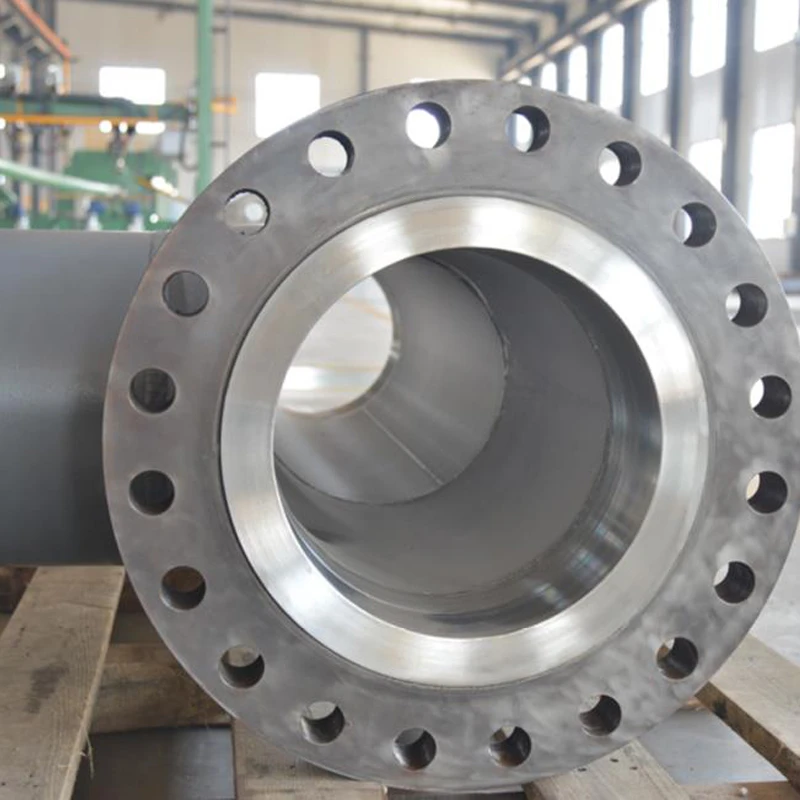
Factory Prefabricated Products
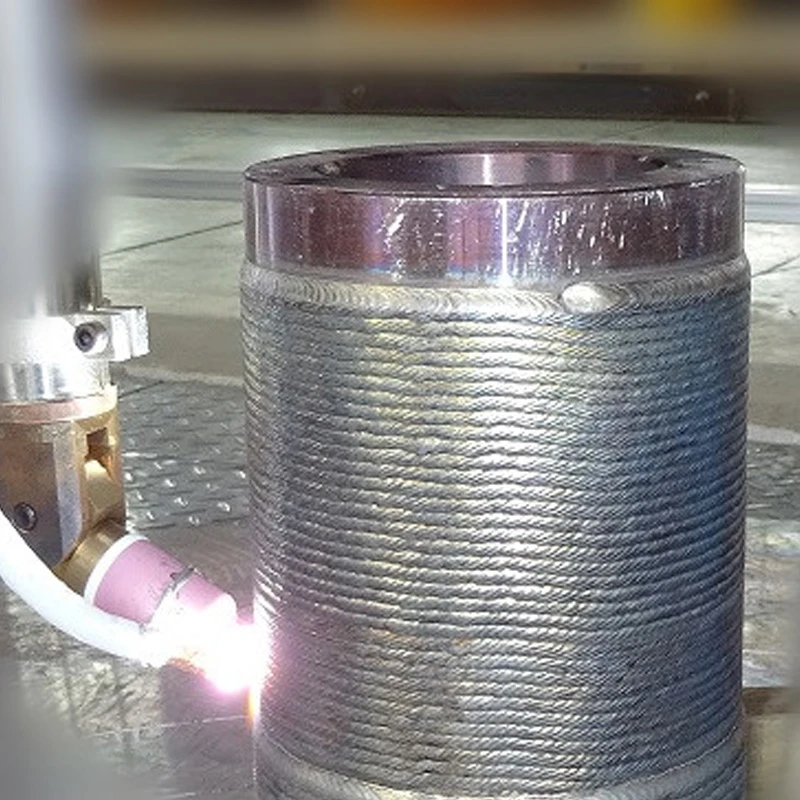
Overlay Welding Clad Steel Pipe
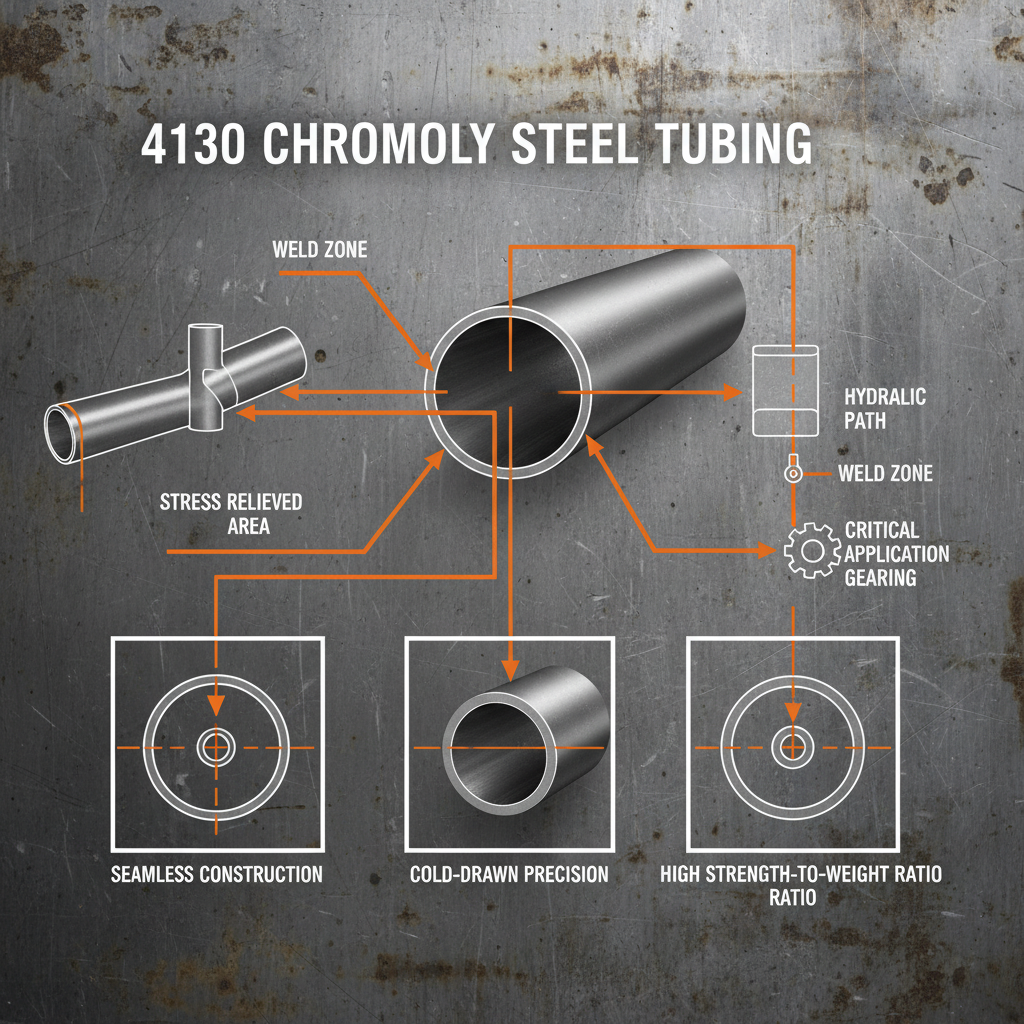
Ultimate Guide to 4130 Tubing Strength Performance and Applications
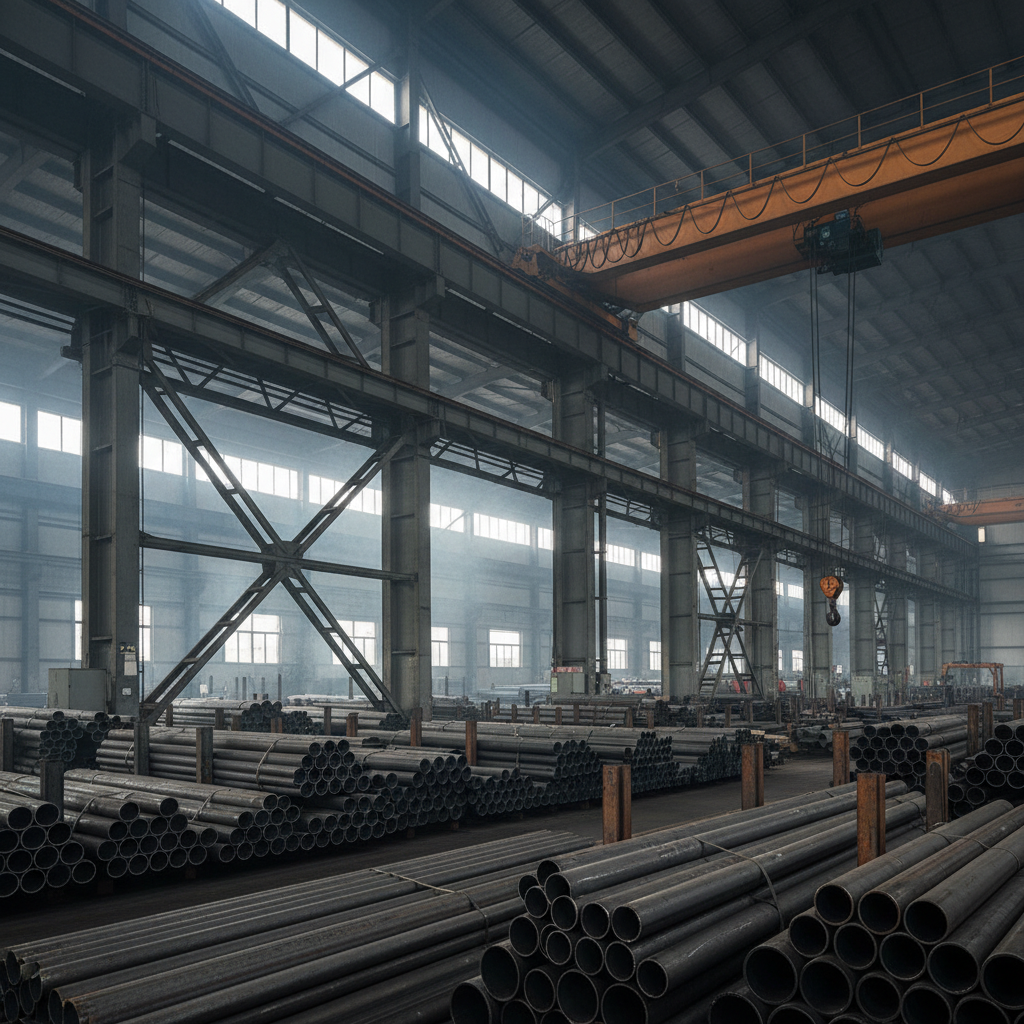
Properties and Industrial Applications of 4130 steel tubing
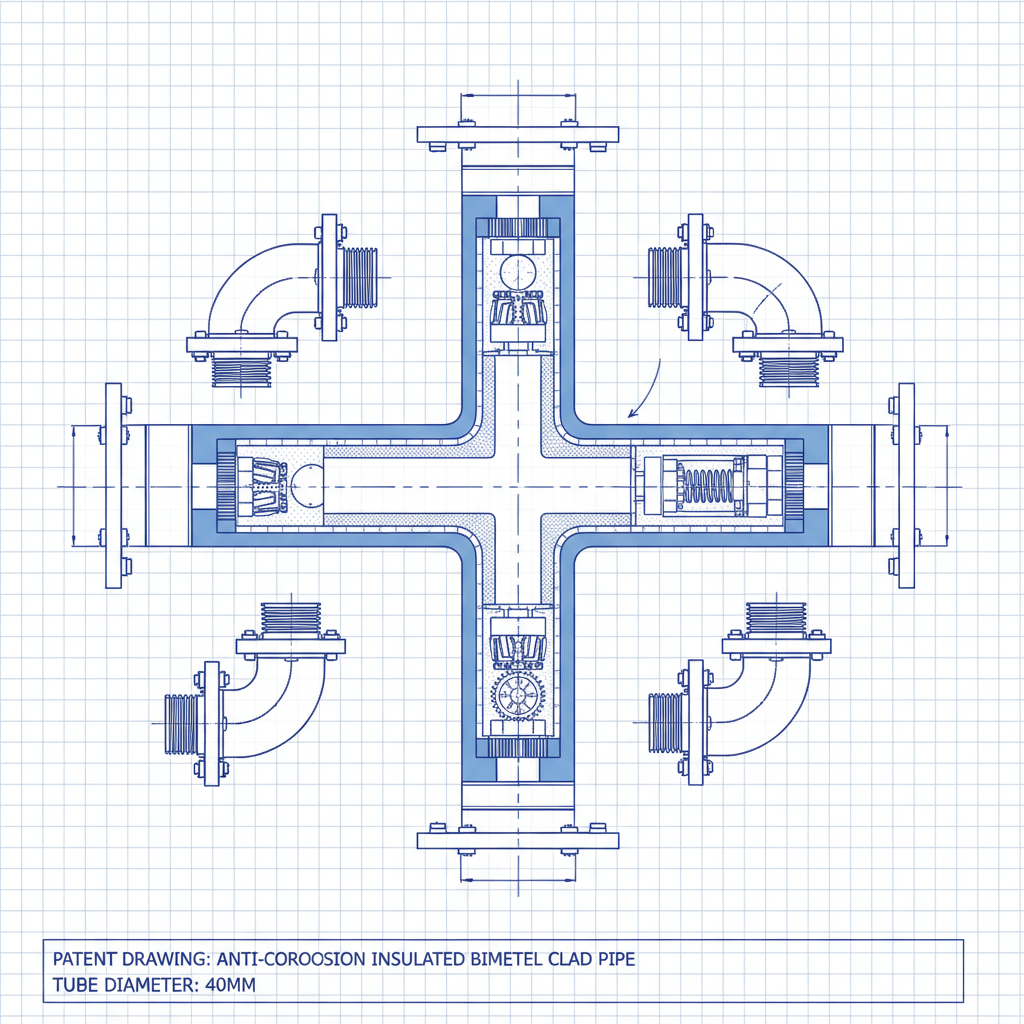
Comprehensive Guide to 40mm Steel Tube Applications and Material Selection
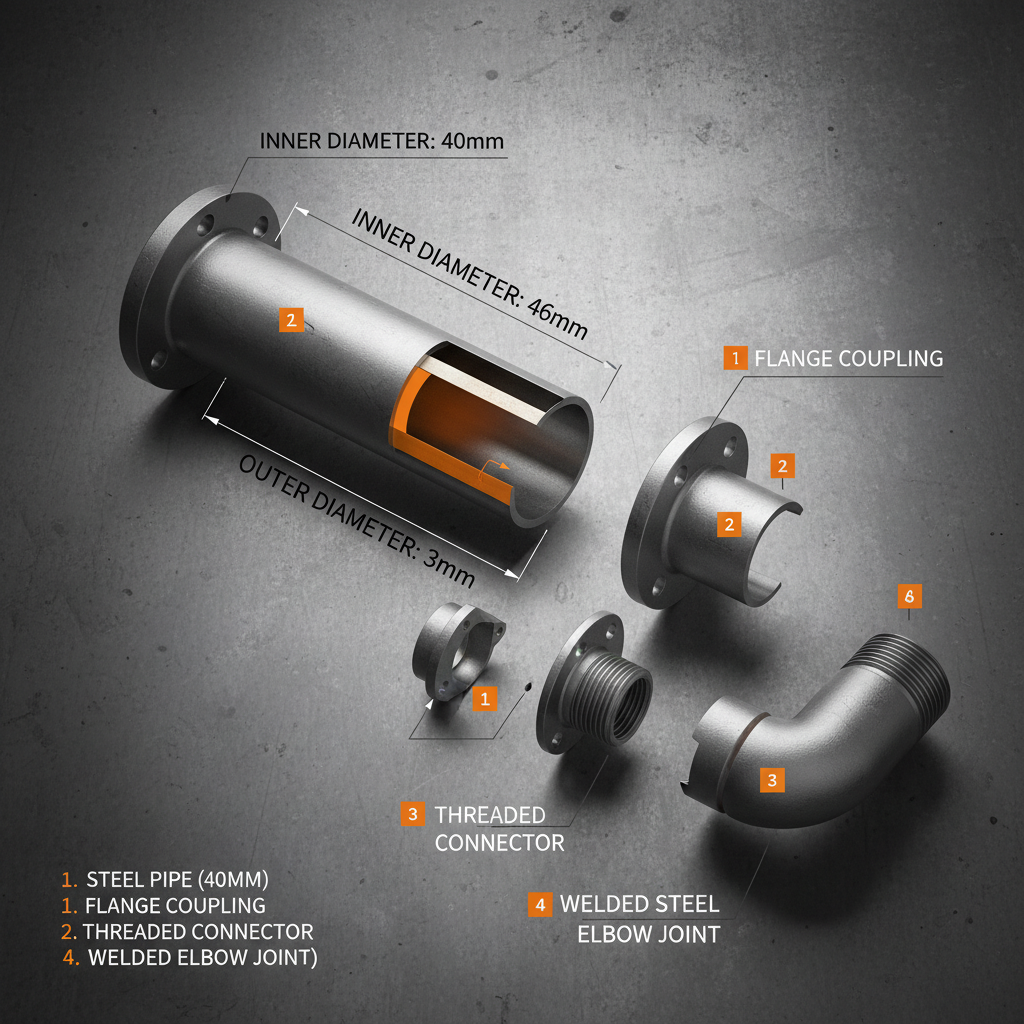
Comprehensive Guide to 40mm Steel Pipe Applications and Considerations
Comprehensive Guide to 40mm Metal Pipe Applications and Sourcing
Comprehensive Guide to 40mm Galvanised Pipe Applications and Specifications