tel
Email
to top

Comprehensive Guide to 2 1/2 Inch Steel Pipe: Specs, Uses & Benefits

Dec 03 2025
share:

Understanding the 2 1/2 Inch Steel Pipe: Key to Modern Infrastructure

When it comes to building the backbone of numerous industries worldwide, few components are as essential yet underappreciated as the 2 1/2 inch steel pipe. You might wonder why such a specific size matters, but this pipe diameter strikes a versatile balance — not too bulky, not too fragile — making it invaluable in sectors from oil and gas to construction and humanitarian relief logistics.

Globally, the demand for reliable, cost-efficient steel piping continues to rise. According to the International Organization for Standardization (ISO), steel pipes account for a substantial portion of global industrial infrastructure, with usage projected to grow steadily through 2030 due to urbanization and energy demands. Yet challenges like supply chain stresses and environmental impact persist, which understanding and selecting the right pipe, like the 2 1/2 inch steel pipe, can help address.

What Exactly Is a 2 1/2 Inch Steel Pipe?

Simply put, a 2 1/2 inch steel pipe refers to the nominal diameter of a tubular steel product widely used for fluid transport, structural support, and sometimes even protective casing. The 2.5 inch size (usually referring to nominal pipe size, not the exact outer diameter) offers an optimal cross-section for medium-pressure systems and structural applications without excessive weight.

Its role is particularly notable in industrial pipelines, fire sprinkler systems, and even in emergency water supply frameworks in developing regions where modular, durable, and easily sourced materials are crucial. In humanitarian efforts, for instance, the size provides a balance of flow capacity and maneuverability — which frankly can be a lifesaver under pressure.

Core Factors Driving the Use of 2 1/2 Inch Steel Pipe

  • Durability: Steel inherently resists corrosion, high pressure, and temperature extremes, especially when treated or galvanized. This makes the 2 1/2 inch pipe a go-to for long service life.
  • Cost Efficiency: Compared to larger diameters, it consumes less material but maintains strength, keeping projects economical without sacrificing safety.
  • Availability & Scalability: Being a standard size, the pipe is manufactured internationally with consistent specs, easing project scaling and repair logistics.
  • Ease of Handling: At this diameter, pipes are manageable on-site without heavy lifting equipment, speeding up installation in tight spaces or remote locations.
  • Versatile Applications: Its cross-industry adoption ranges from oil rigs to construction scaffolding and municipal water lines.

Mini takeaway: The 2 1/2 inch steel pipe hits a sweet spot — balancing strength, cost, and practicality — which explains its widespread industrial use.

Product Specifications at a Glance

Specification Details
Nominal Diameter 2 1/2 inch (63.5 mm)
Outer Diameter (Approx.) 2.875 inch (73.0 mm)
Wall Thickness (Schedule 40) 0.154 inch (3.91 mm)
Material Carbon Steel (ASTM A53, A106)
Standard Lengths 6m, 12m (custom lengths on request)
Coating Options Galvanized, Epoxy, Paint

Global Applications: Where Does the 2 1/2 Inch Pipe Really Matter?

Across continents, this pipe size serves pivotal roles:

  • Oil & Gas: Critical for medium-pressure lines, often seen offshore and onshore drilling setups.
  • Water Supply & Fire Protection: Municipal water mains and fire sprinkler networks rely on this size for optimal flow and installation ease.
  • Construction: Steel scaffolding and structural frameworks frequently incorporate 2 1/2 inch piping due to its strength-to-weight ratio.
  • Humanitarian and Emergency Relief: Agencies deploy these pipes rapidly for potable water distribution post-natural disasters, particularly in regions like Southeast Asia and East Africa.

Oddly enough, in very remote areas, the availability of standard pipe sizes like this means that unexpected repairs or expansions require minimal lead time, which is often the difference between project success or costly delay.

Mini takeaway: From energy to emergency aid, the 2 1/2 inch steel pipe proves relentlessly versatile and reliably available worldwide.

Comparing Leading Vendors: What to Expect

Vendor Material Grades Coating Options Lead Time Global Reach
SteelCo International ASTM A53, A106, API 5L Galvanized, Epoxy, Black Paint 4 weeks Asia, Europe, Americas
Global Pipes Ltd. ASTM A106, API 5L, EN 10255 Hot-Dip Galvanized, Painted 6-8 weeks Worldwide
Lion Pipeline Co. ASTM A53, A106 Epoxy, Hot-Dip Galvanized 2-4 weeks Asia, Middle East

Advantages & Long-Term Value

The benefits of selecting a well-made 2 1/2 inch steel pipe are both practical and profound.

  • Cost Savings: Less material than larger pipes, while supporting high pressure — this keeps installation and maintenance budgets in check.
  • Environmental Sustainability: Steel is highly recyclable, so using this pipe aligns with green building practices and circular economy principles.
  • Reliability & Safety: Its tested and standardized dimensions ensure system integrity, critical in sectors like firefighting and potable water delivery.
  • Social Impact: Efficient pipelines supply essential resources, improving quality of life — especially in underserved regions.

It feels like choosing the right pipe is a small decision, yet when you consider infrastructure’s long lifespan, the cumulative effect is immense.

Looking Ahead: Trends & Innovations

Developments in steel pipe technology suggest a bright future:

  • Smart Coatings: Innovations to prevent corrosion and biofouling reduce maintenance.
  • Lighter Alloys & Composites: To improve transportability without weakening durability.
  • Digitally Integrated Production: Enhances quality control and traceability.
  • Environmental Regulations: Encouraging sustainable sourcing and life-cycle assessments will push suppliers to innovate eco-friendly pipes.

These advances mean the humble 2 1/2 inch pipe won’t just survive — it’ll evolve alongside modern infrastructure demands.

Challenges & How to Overcome Them

No product is without limitations:

  • Corrosion Risks: Despite treatments, harsh environments can degrade pipes. Using advanced coatings or stainless alternatives helps.
  • Supply Chain Delays: Global disruptions sometimes stall delivery; sourcing locally or from multiple vendors is a workaround.
  • Installation Constraints: While manageable, tight spaces or complex joins require skilled labor — training and modular designs ease this.

Addressing these ensures pipelines perform safely and economically over decades.

FAQ: Frequently Asked Questions About 2 1/2 Inch Steel Pipe

What pressure range can 2 1/2 inch steel pipes typically handle?
Generally, Schedule 40 pipes at this size can withstand up to around 500 psi, but it varies with material grade and coating. For higher pressures, heavier schedules or alloy steels are recommended.
Are 2 1/2 inch steel pipes suitable for potable water?
Yes, when coated properly (e.g., epoxy lining) and compliant with relevant regulations, these pipes are widely used in drinking water systems globally.
How do I choose between galvanized and epoxy-coated pipes?
Galvanized pipes offer good abrasion resistance and are cost-effective, ideal for outdoor or general use. Epoxy-coated pipes provide better internal corrosion resistance, suited for chemical or potable water lines.
Can I get custom lengths or fittings for 2 1/2 inch pipes?
Most vendors offer custom cut lengths and a range of fittings. Early communication with suppliers helps ensure compatibility for your specific project.
Is the 2 1/2 inch steel pipe available globally or sourced regionally?
This size is globally standardized and produced internationally, but supply availability can depend on your location. Checking vendor reach—for example, Lion Pipeline Co.—is always smart.

Wrapping Up: Why the 2 1/2 Inch Steel Pipe Matters

When infrastructure projects call for reliability, adaptability, and long-term value, the 2 1/2 inch steel pipe stands out quietly but powerfully. From urban construction to remote water supply, its blend of durability and cost-effectiveness builds safer, smarter systems worldwide. If your project demands a proven performer, it might be worth exploring options through trusted partners such as 2 1 2 inch steel pipe suppliers.

Next time you see a pipeline or fire sprinkler, remember a lot rides on that humble 2 1/2 inch steel pipe — no exaggeration.

Ready to source quality pipes for your next project? Visit https://www.lion-pipeline.com for detailed specs and expert advice.


References:
1. International Organization for Standardization (ISO) – Steel Piping Standards. iso.org
2. ASTM International – Pipe Materials Specifications. astm.org
3. United Nations Humanitarian Response – Infrastructure & Logistics Reports. unocha.org
  • Overlay Welding Clad Steel Pipe

    Overlay Welding Clad Steel Pipe

    Overlay Welding clad Steel Pipe features a high-performance welded overlay that enhances the pipe’s surface properties, providing superior resistance to corrosion, erosion, and wear. This process involves applying a wear-resistant alloy layer over a strong steel base, making it ideal for industries such as oil and gas, mining, and chemical processing, where pipes are exposed to harsh conditions. The overlay ensures extended service life, reduced maintenance costs, and reliable performance even in extreme environments. With its combination of strength, durability, and corrosion resistance, the Overlay Welding Steel Pipe is a trusted solution for critical applications.
    VIEW ALL
  • Bend Pipe

    Bend Pipe

    Bend is a crucial pipe fitting used to change the direction of flow in a piping system. It allows for smooth transitions between sections of pipe, accommodating layout constraints, avoiding obstacles, and optimizing flow paths. Bends are designed to maintain the fluid's velocity and minimize pressure loss while providing the necessary angle of deviation. They are commonly used in various industries, including oil and gas, petrochemicals, water supply, and HVAC systems.
    VIEW ALL
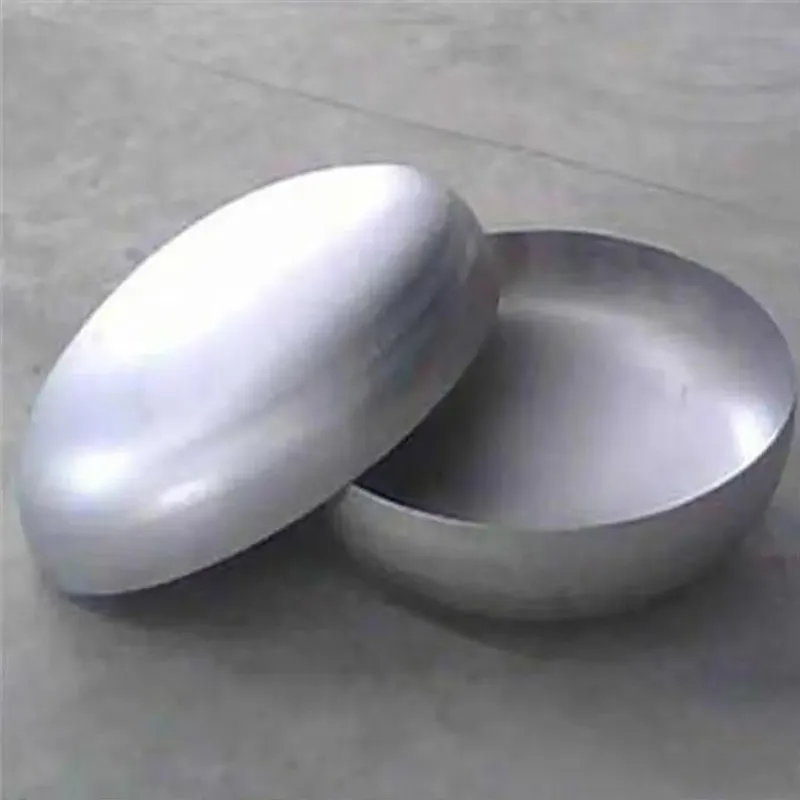
  • Pipe Cap

    Pipe Cap

    Pipe caps come in different shapes, including round, square, and oval, and can be designed for both threaded and welded connections. They ensure the integrity of piping systems during transportation, storage, and installation by protecting the pipe ends from dirt, debris, and environmental factors. Durable and easy to install, pipe caps are critical for maintaining system efficiency and safety.
    VIEW ALL
To create value for customers!
Cangzhou Leo Technology Co., Ltd. is located in Mengcun County Economic Development Zone, Cangzhou City, Hebei Province. It is a specialized high-tech enterprise that integrates the research and development, production, and sales of composite pipes and fittings.
News
The company regards product quality as the life of the enterprise, establishes a sound quality management system in accordance with the requirements of industry and national standards, controls all aspects of input and output in the whole process, pays attention to every detail, and ensures that the product delivery pass rate is 100%.
Comprehensive Guide to Steel Pipes and Fittings | Benefits & Global Applications

Comprehensive Guide to Steel Pipes and Fittings | Benefits & Global Applications

Steel Pipes and Fittings: Backbone of Global Infrastructure Steel pipes and fittings might sound lik
Understanding Welded Steel Pipe: Applications, Benefits, and Innovations

Understanding Welded Steel Pipe: Applications, Benefits, and Innovations

The Quiet Power of Welded Steel Pipe in Today's World If you’re here, you’re probably wo
The Essential Guide to Tube and Steel: Applications, Benefits, and Future Trends

The Essential Guide to Tube and Steel: Applications, Benefits, and Future Trends

Understanding Tube and Steel: Why It Matters in a Complex World If you haven’t given much thou
Thin Wall Steel Pipe – Lightweight Strength for Global Infrastructure Solutions

Thin Wall Steel Pipe – Lightweight Strength for Global Infrastructure Solutions

Understanding Thin Wall Steel Pipe: Why It Matters Globally The term “thin wall steel pipe&rdq
Thick Wall Steel Tubing: Durable Solutions for Global Pipelines and Infrastructure

Thick Wall Steel Tubing: Durable Solutions for Global Pipelines and Infrastructure

The Growing Importance of Thick Wall Steel Tubing: A Practical Overview Sometimes when you hear &ldq
Thick Wall Steel Pipe - Durable Industrial Piping for High-Pressure Applications

Thick Wall Steel Pipe - Durable Industrial Piping for High-Pressure Applications

Understanding Thick Wall Steel Pipe: What It Is and Why It Matters Globally If you’ve ever enc
tel email tel top

If you are interested in our products, you can choose to leave your information here, and we will be in touch with you shortly.