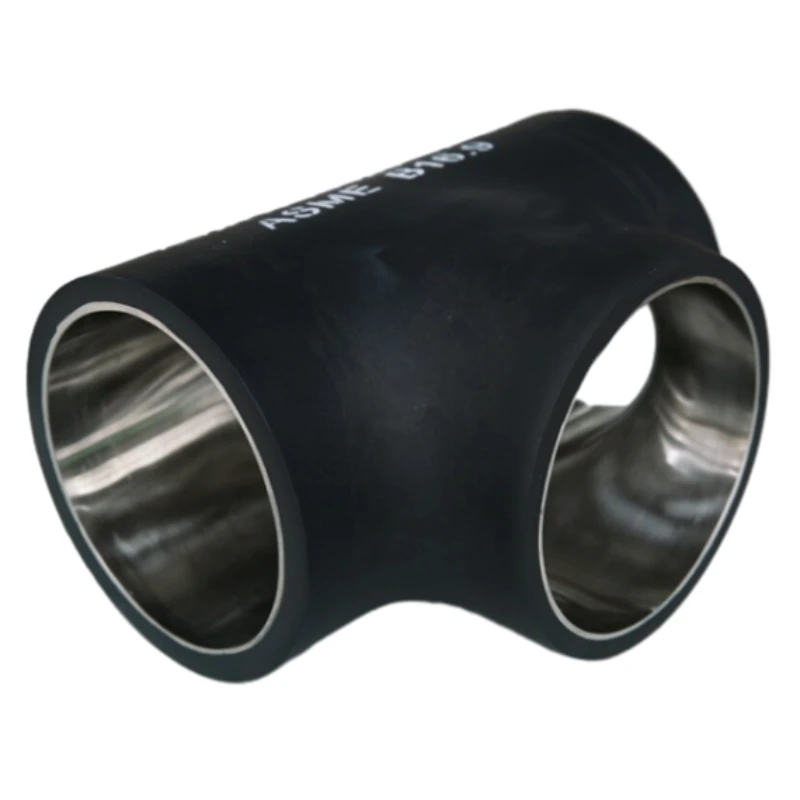
Having worked in industrial equipment for over a decade, I can say this: 2 1/2 inch square tubing is one of those unsung heroes that quietly supports everything from heavy structural frameworks to specialized machinery. Frankly, it’s a size and shape combo that strikes a balance between strength, ease of fabrication, and cost-effectiveness that many engineers swear by.
Oddly enough, despite being fairly straightforward, the choice of square tubing isn’t always trivial. You have to consider material grades, wall thicknesses, manufacturing quality, and, of course, the end use environment—each factor tweaking the tube’s performance in subtle but crucial ways. For example, I recently worked on a project involving outdoor racking systems where the tubing needed to resist corrosion while still being lightweight enough to transport easily.
Manufacturers typically use mild steel or sometimes stainless steel for 2 1/2 inch square tubing, with ASTM A500 Grade B being a common spec for structural purposes. What’s refreshing about this tubing is the predictability you get: dimensions are uniform, and the wall thickness options offer flexibility without compromising integrity. Here’s a quick spec rundown that reflects typical industry standards:
| Specification | Typical Value |
|---|---|
| Outer Dimensions | 2.5” x 2.5” (63.5mm x 63.5mm) |
| Wall Thickness | 0.120" to 0.250" (3.0mm to 6.35mm) |
| Material | ASTM A500 Grade B Steel |
| Length | Standard 20ft (custom cuts available) |
| Finish | Mill, Galvanized, Painted |
| Weight | Approx. 5.1 lbs/ft (for 0.120" wall) |
Customization is another aspect that’s got me genuinely interested. In the industrial sector, it’s rare you get a “one size fits all” solution. Many clients want precise length cuts, pre-drilled holes, or specialized coatings. Some also want mechanical properties tailored through heat treatment or alloy adjustments. I remember one fabricator mentioned that the availability of 2 1/2 inch square tubing with varied wall thickness saved their team weeks because it perfectly matched structural load requirements without needing reinforcement.
What about suppliers though? Quality consistency is something I can’t emphasize enough. You don’t want variability in steel grade or dimensions when welding critical components. I tend to recommend vendors known for certified material testing and tight quality control. Here’s a quick comparison of three common suppliers I’ve encountered:
| Vendor | Material Certification | Lead Time | Customization Options | Typical Pricing |
|---|---|---|---|---|
| Lion Pipeline | ASTM Certified Mill Test Reports | 7-10 Days | Cut-to-Length, Drilled Hole, Powder Coating | Competitive |
| SteelWorks Inc. | Material Certificates Available | 5-7 Days | Limited to Cut-to-Length | Higher |
| Metallix Supply | Basic Quality Checks Only | 3-5 Days | No Customizations | Lowest |
To be honest, I always lean towards vendors who offer some level of testing and customization—even if the price isn’t the absolute cheapest. Over the years, what I’ve learned is that cutting corners here just leads to headaches down the line. Having traceability through material certifications can make a big difference, especially on projects subject to audits or requiring warranty coverage.
One anecdote that comes to mind is when I visited a metal fabricator who was switching suppliers. They told me how the new tubing’s consistent wall thickness reduced their welding defect rate significantly. Having uniform tubing lets welders predict heat input and improves fit-ups, saving time and scrap. This kind of real-world feedback echoes the importance of not just specs on paper, but quality in reality.
In real terms, 2 1/2 inch square tubing works well in construction, transportation frames, agricultural machinery, racks, and even artistic installations. The square cross-section means easier joining with flat surfaces compared to round pipes, and its size is sturdy enough yet manageable by hand tools without massive cranes.
So yes, while it might seem like just another piece of steel tubing at first glance, that 2 1/2 inch square tubing quietly makes a huge difference in how dependable your project turns out. When you get your supply chain right and choose the right specs, it’s frankly one of those “set it and forget it” components that keeps work smooth.
In the end, I guess it’s a reminder that sometimes the “small details” like tubing dimensions and supplier quality can ripple through the entire production process — a classic case of engineering precision making all the difference.
References:
Thanks for sticking with me through the nitty-gritty. Feel free to explore more about 2 1/2 inch square tubing on Lion Pipeline’s site. You might be surprised how much goes into what feels like “just a piece of metal.”
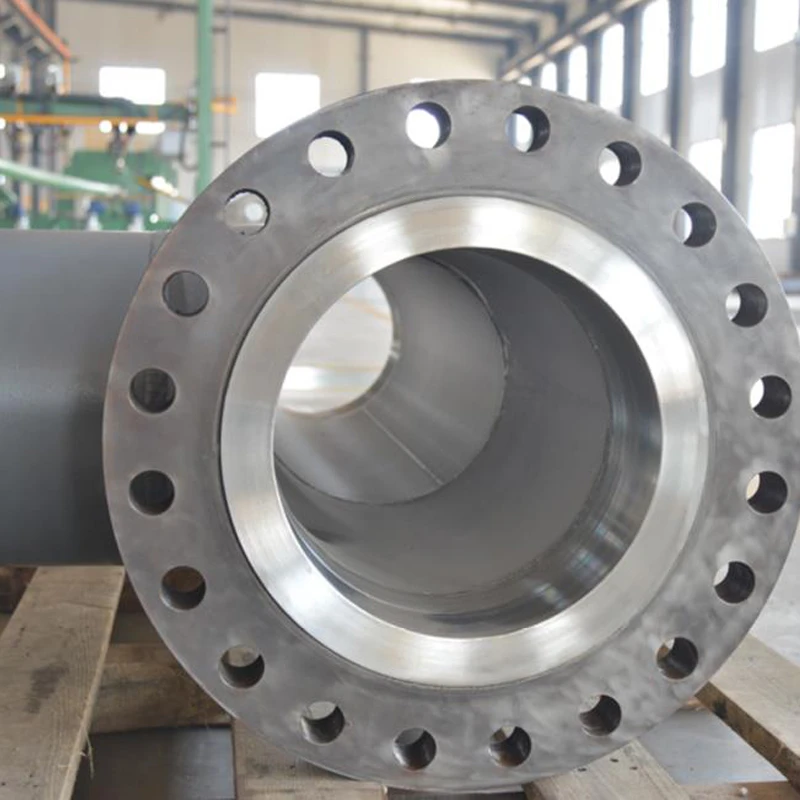
Factory Prefabricated Products
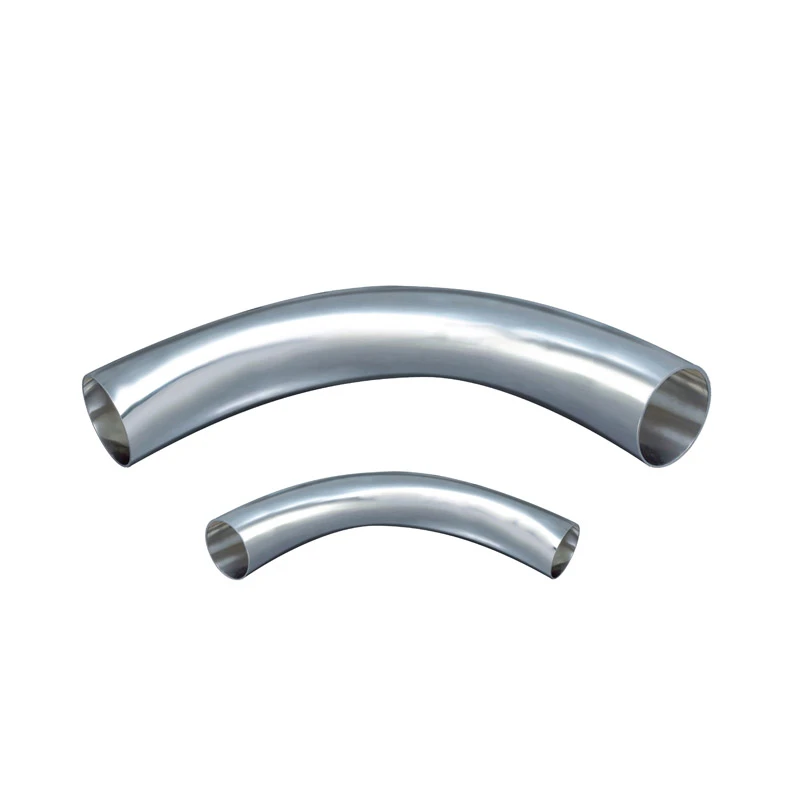

Ultimate Guide to 4130 Tubing Strength Performance and Applications
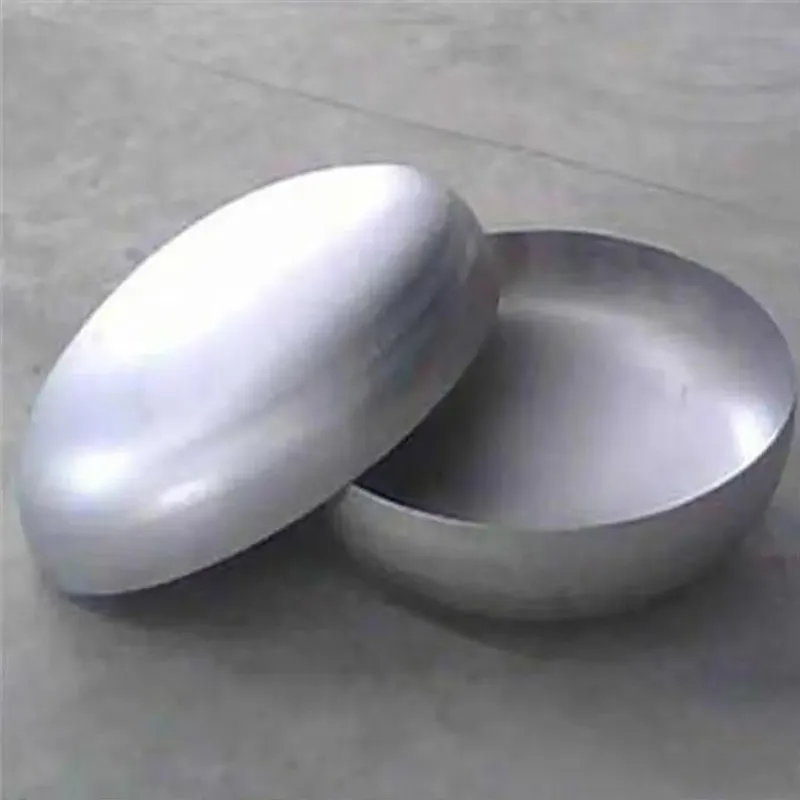
Pipe Cap-Cangzhou Lion Technology Co., Ltd.|Enhancing System Efficiency&Durability
Pipe Cap-Cangzhou Lion Technology Co., Ltd.|Enhancing System Efficiency&Durability
Pipe Cap-Cangzhou Lion Technology Co., Ltd.|Enhancing System Efficiency&Durability
Pipe Cap-Cangzhou Lion Technology Co., Ltd.|Enhancing System Efficiency&Durability
Pipe Cap-Cangzhou Lion Technology Co., Ltd.|Enhancing System Efficiency&Durability