If you work in piping, you already know how much a tiny component can make or break a project. Here’s what to check before you spec a carbon steel reducer. The Reducer line coming out of the Economic Development Zone of Mengcun county, Cangzhou, Hebei, has been popping up on bid lists I’ve seen lately—partly because it’s available in both concentric and eccentric designs and, frankly, the finishing has been quite consistent.
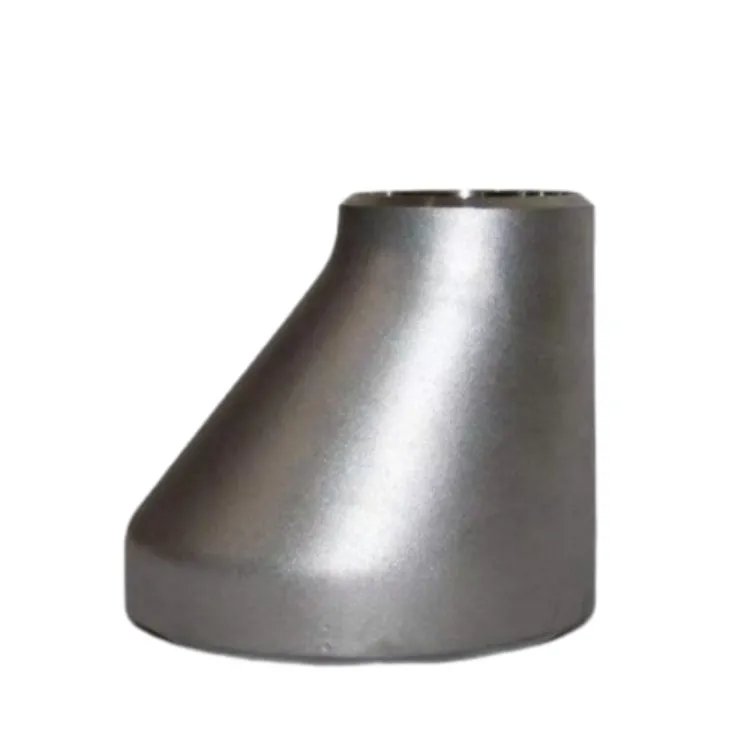
Projects are shifting to higher integrity documentation and traceability: heat numbers on every piece, digital MTRs, and NDE images archived. Also, there’s a push for sour-service readiness and, cautiously, hydrogen-related specs. To be honest, carbon steel reducer selections now often hinge on verifiable testing rather than brand swagger.
Material grades commonly used include ASTM A234 WPB/WPC, with options for low-temperature services (e.g., WPL6). Dimensional norms typically follow ASME B16.9 and MSS SP-75 for larger sizes. Wall thicknesses run from SCH 20 to XXS; real projects skew SCH 40/80 for general service.
| Spec Item | Typical Range (≈/about) | Notes |
|---|---|---|
| Sizes | DN15–DN1200 (1/2"–48") | Larger diameters by custom rolling |
| Schedules | SCH 20 to XXS | Corrosion allowance per spec |
| Standards | ASME B16.9, ASTM A234 | Dimensional + material compliance |
| Pressure classes | Up to Class 600+ (design dependent) | Verify with line rating |
| Ends | Beveled per ASME B16.25 | Custom bevel angles on request |
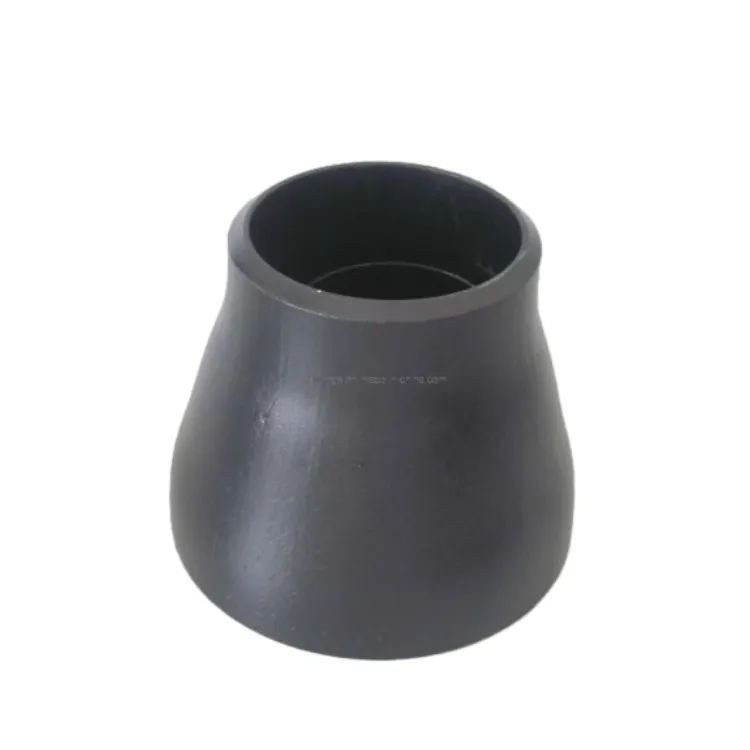
Materials: plate or seamless pipe from qualified mills (with PMI spot checks). Forming: hot forming or cold pressing for smaller sizes; heat treatment via normalizing or stress relief. Machining: beveling + end squareness control. Surface: shot blasting SA 2.5 with optional epoxy or zinc-rich primer.
Testing: visual + dimensional per ASME B16.9; NDE (MT/PT by default, UT on heavy-wall); hydrostatic test ≈1.5× design pressure; hardness sampling; impact tests for LT grades; NACE MR0175 compliance when ordered. Typical service life: around 25–30 years in neutral environments—real-world use may vary with media and corrosion allowance.
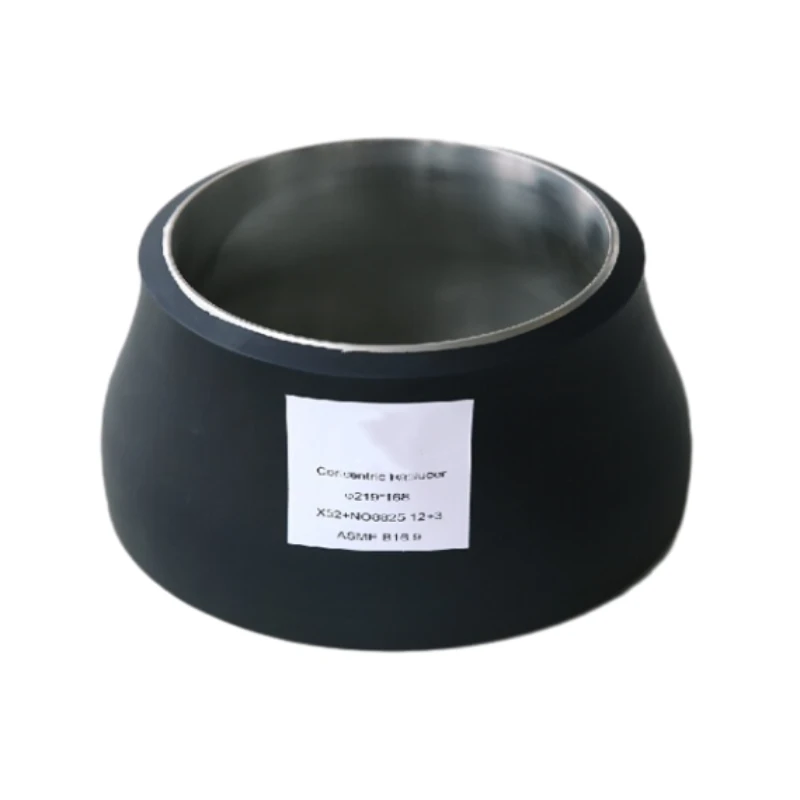
Where they go: oil & gas trunklines, refinery units, chemical plants, district heating, waterworks, mining slurry, and fire protection. Concentric carbon steel reducer for vertical lines; eccentric (flat-top) for pump suction to avoid air pockets—classic best practice. Advantages: smoother flow transitions, reduced turbulence, fewer welds vs. built-up reducers.
What users say: “Weld prep was clean, saved fit-up time.” Another PM told me—only half-joking—“If reducers arrive with true ID/OD concentricity, my QA guy sleeps better.”
| Criteria | Hebei Manufacturer (Reducer) | Generic Importer | Local Fabricator |
|---|---|---|---|
| Standards compliance | ASME B16.9 + ASTM A234; MTRs | Varies; mixed docs | Good, project-specific |
| Lead time (≈) | 7–20 days stock sizes | Uncertain | Fast for small lots |
| NDE coverage | MT/PT; UT on request | Basic visual | Custom, higher cost |
| Customization | Ends, coatings, markings | Limited | High, small-batch |
| Price index | $ (competitive) | $? | $$$ |
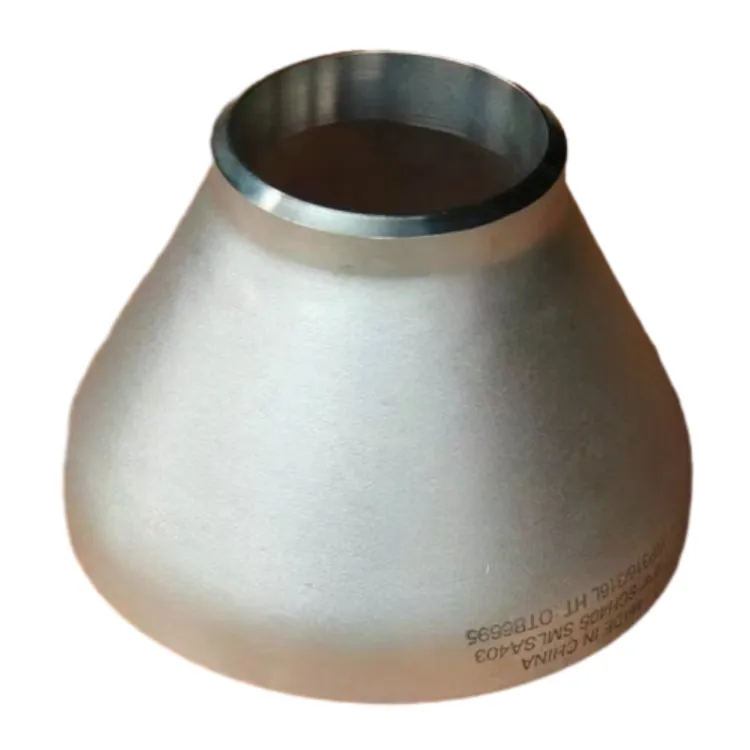
Options I’ve seen work well: eccentric orientation (flat-top/flat-bottom), bespoke bevel angles, pickling + passivation for cleanliness before coating, FBE/3LPE coatings for buried service, stamped heat numbers + QR-coded traceability, and matched reducers for piggability.
- District heating upgrade (DN600→DN400 concentric carbon steel reducer, SCH 40): recorded ΔP drop improved by ≈8% vs. prior fabricated transition; zero weld repairs.
- Refinery pump suction revamp (DN250→DN200 eccentric carbon steel reducer): NPSH margin stabilized; MT clean, hydro at 1.5× passed in one go.
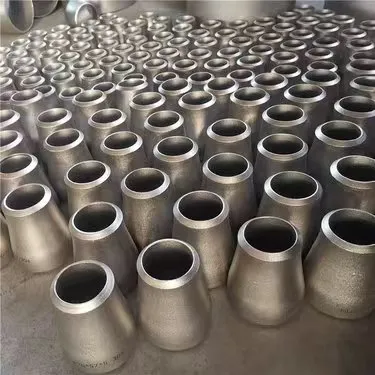
Ask for ISO 9001 certificate, MTRs with chemistry & mechanicals, NDE reports, hydrotest charts, and coating DFT logs when applicable. For sour service, require NACE MR0175 statement and hardness mapping (target ≈ 22 HRC max for wetted areas, spec-dependent). Dimensional tolerance to ASME B16.9; weld ends per ASME B16.25.
Authoritative citations
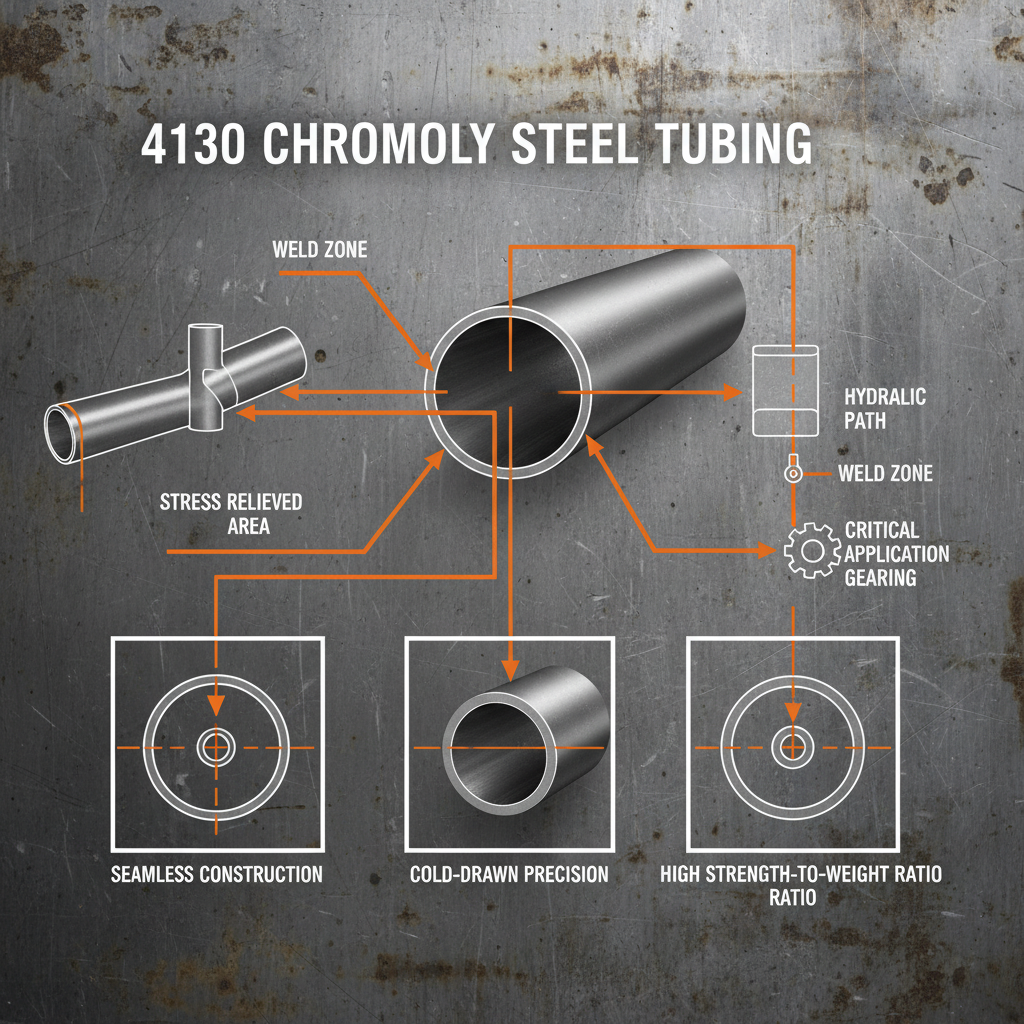
Ultimate Guide to 4130 Tubing Strength Performance and Applications
Properties and Industrial Applications of 4130 steel tubing
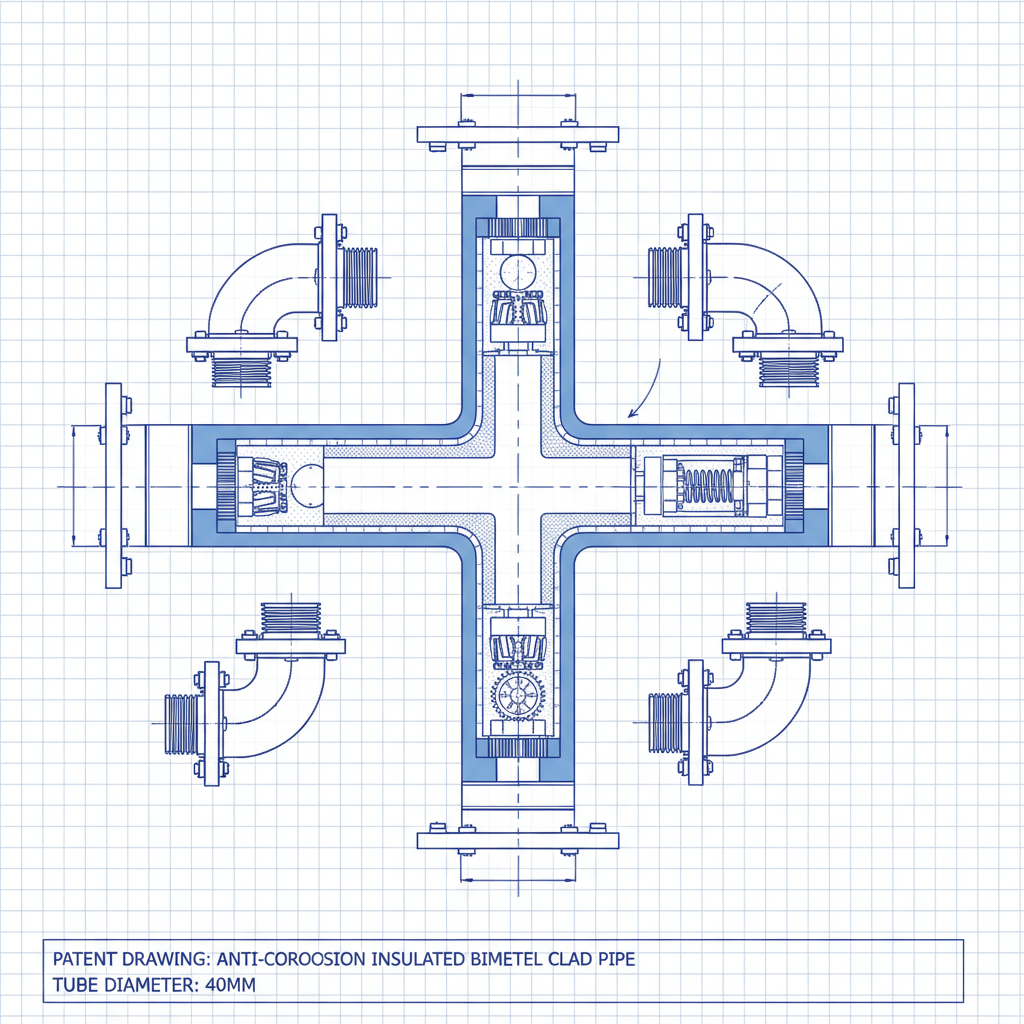
Comprehensive Guide to 40mm Steel Tube Applications and Material Selection
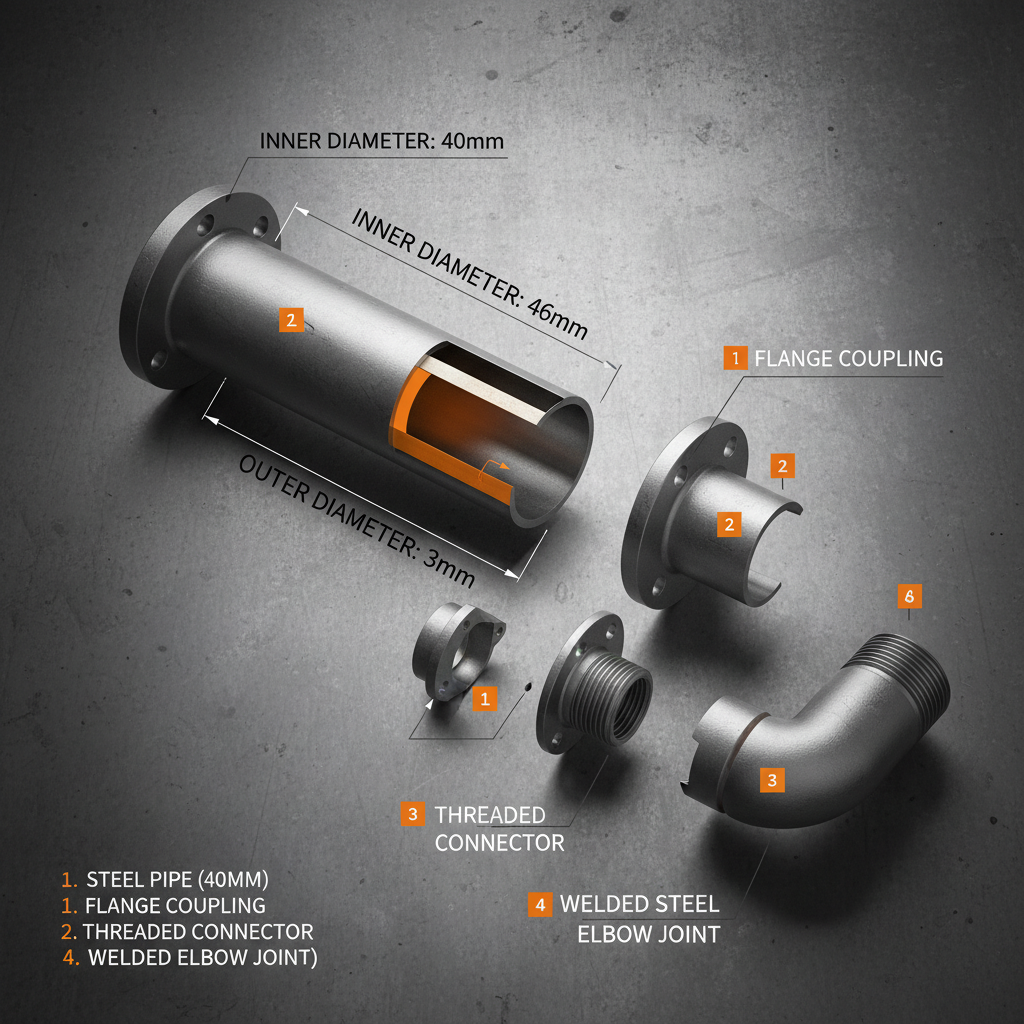
Comprehensive Guide to 40mm Steel Pipe Applications and Considerations
Comprehensive Guide to 40mm Metal Pipe Applications and Sourcing
Comprehensive Guide to 40mm Galvanised Pipe Applications and Specifications