tel
Email
to top

Carbon Seamless Steel Pipes | SA106 Black Steel & Durable

Sep 22 2025
share:

Understanding Carbon Seamless Steel Pipes: Industry Trends and Core Applications

In the intricate landscape of industrial infrastructure, carbon seamless steel pipes stand as a foundational component, indispensable across a multitude of high-demand sectors. These pipes are engineered to deliver unparalleled structural integrity and performance under extreme conditions, making them the preferred choice for critical applications. The market for these essential conduits is currently experiencing robust growth, driven by burgeoning global energy demands, rapid industrialization in emerging economies, and the continuous upgrade of aging infrastructure.

Industry trends indicate a significant shift towards materials offering enhanced longevity, superior resistance to pressure and temperature fluctuations, and compliance with increasingly stringent environmental and safety regulations. This places a premium on high-quality alloys, with specific grades like SA106 steel becoming benchmark materials for applications requiring exceptional performance. Manufacturers are investing heavily in advanced production techniques and quality assurance protocols to meet these evolving demands, focusing on innovations that reduce material waste and optimize energy consumption throughout the supply chain. The emphasis is on delivering pipes that not only meet but exceed operational expectations in diverse and challenging environments.
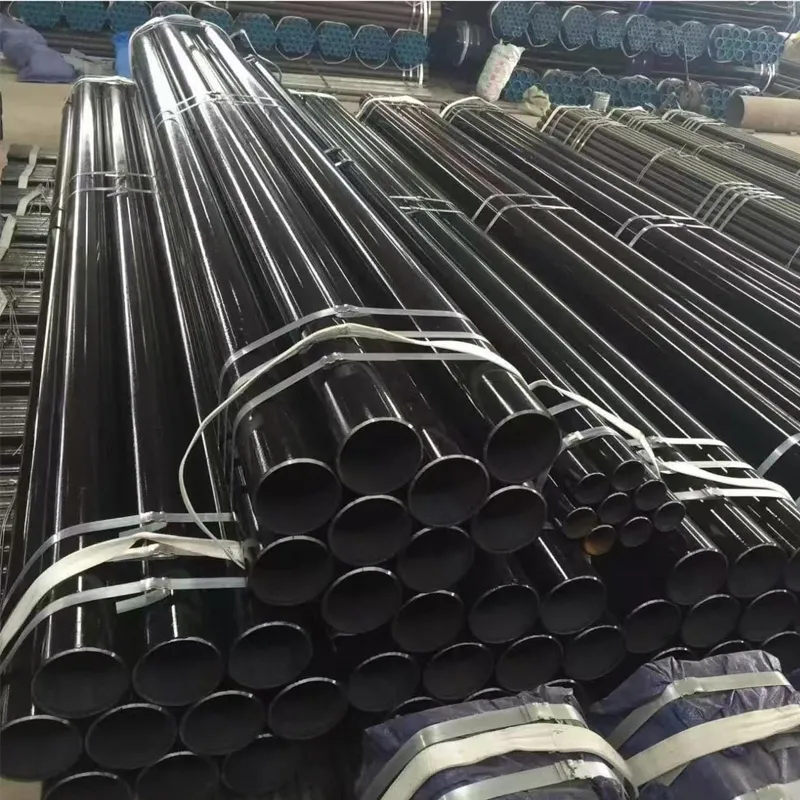
Carbon Seamless Steel Pipes | SA106 Black Steel & Durable

Beyond traditional uses, the application scope for these pipes is expanding into new frontiers, including renewable energy projects such as geothermal and concentrated solar power plants, where high-temperature fluid transport is critical. The demand for durable, reliable piping systems in urban development, particularly for water supply and drainage networks, continues to grow, further cementing the status of carbon seamless steel pipes as a cornerstone of modern industrial and civil engineering. This dynamic environment necessitates that suppliers not only offer standard solutions but also possess the flexibility to provide customized specifications that cater to unique project requirements.

The Meticulous Manufacturing Process of Seamless Steel Pipes

The production of high-quality carbon seamless steel pipes is a sophisticated metallurgical and engineering feat, involving several critical stages to transform raw steel billets into robust, defect-free piping. This process ensures the homogenous structure and superior mechanical properties that define seamless pipes, distinguishing them from welded alternatives.
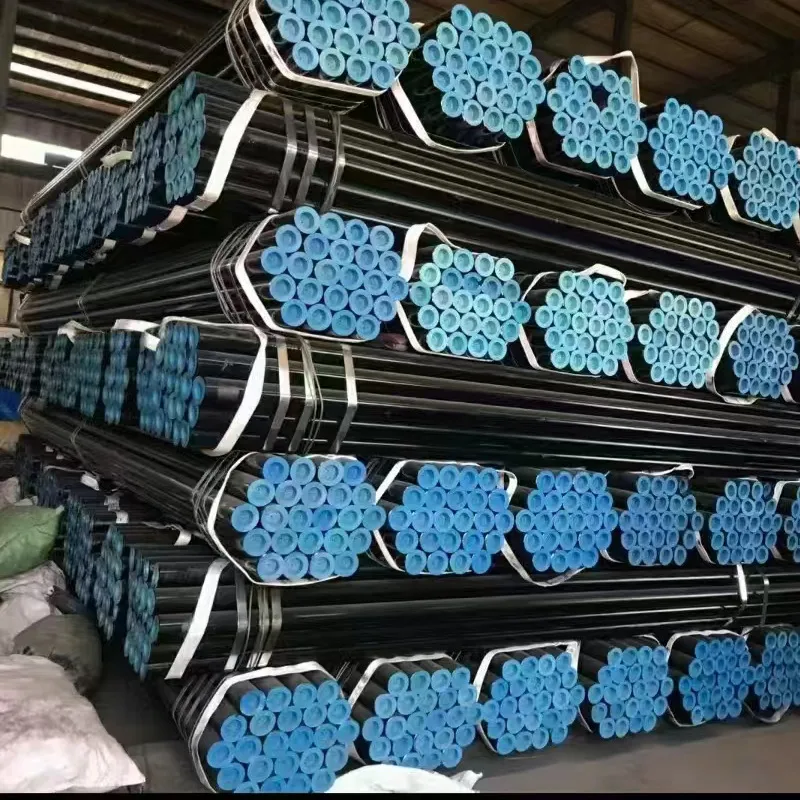
Detailed Process Flow:

  1. Billet Preparation: Solid cylindrical steel billets, typically made from carbon steel grades like 20#, 45#, Q345, or specific ASTM A106 variants, are inspected for surface defects and dimensional accuracy.
  2. Heating: Billets are uniformly heated in a rotary hearth furnace to temperatures between 1200°C and 1300°C, ensuring optimal plasticity for the subsequent piercing stage.
  3. Piercing (Mannesmann Process): The heated billet is fed into a piercing mill, where two large, barrel-shaped rolls revolve in opposite directions, pressing the billet against a piercing mandrel. This action creates a hollow shell, initiating the seamless form.
  4. Rolling/Elongation: The hollow shell then undergoes multiple passes through a rolling mill (e.g., mandrel mill, plug mill, or continuous rolling mill) to reduce its wall thickness and increase its length, achieving the desired dimensions.
  5. Sizing/Reducing: A sizing mill fine-tunes the outer diameter and wall thickness to meet precise specifications. Some processes utilize a stretch-reducing mill for further dimensional accuracy and length extension.
  6. Cooling: The hot pipes are cooled under controlled conditions, often on a cooling bed, to prevent distortion and achieve desired metallurgical properties.
  7. Straightening: Pipes are mechanically straightened to remove any curvature that occurred during cooling.
  8. Cutting: Pipes are cut to specified lengths using saws or torches.
  9. Non-Destructive Testing (NDT) & Inspection: Critical quality checks are performed, including ultrasonic testing (UT), eddy current testing, magnetic particle inspection (MPI), and hydrostatic testing to detect internal and external defects, ensuring the pipe meets standards like ISO, ANSI, ASTM, and API.
  10. Finishing & Coating: Pipes may undergo beveling, threading, or receive protective coatings (e.g., black lacquer for black steel seamless pipe, zinc for galvanized) to enhance corrosion resistance and prepare them for specific applications.
Carbon Seamless Steel Pipes | SA106 Black Steel & Durable

The meticulous control at each stage, from material selection to final inspection, ensures that carbon seamless steel pipes exhibit high strength, superior pressure containment capabilities, and an extended service life in demanding environments such as petrochemical refining, power generation, and high-pressure fluid transportation. The absence of a welded seam eliminates potential weak points, offering inherent advantages in terms of energy saving through reduced friction and unparalleled corrosion resistance, particularly when coupled with appropriate protective measures. The typical service life of such high-grade pipes can easily exceed 20-30 years under optimal operating conditions and regular maintenance.

Technical Specifications and Data Visualization

The performance of carbon seamless steel pipes is dictated by their precise technical specifications, which are meticulously controlled during manufacturing to meet various international standards. Understanding these parameters is crucial for engineers and procurement specialists to select the correct piping for specific operational requirements, especially concerning pressure, temperature, and material compatibility. Below is a representative table outlining common specifications for seamless carbon steel pipes, often sought after by industries.
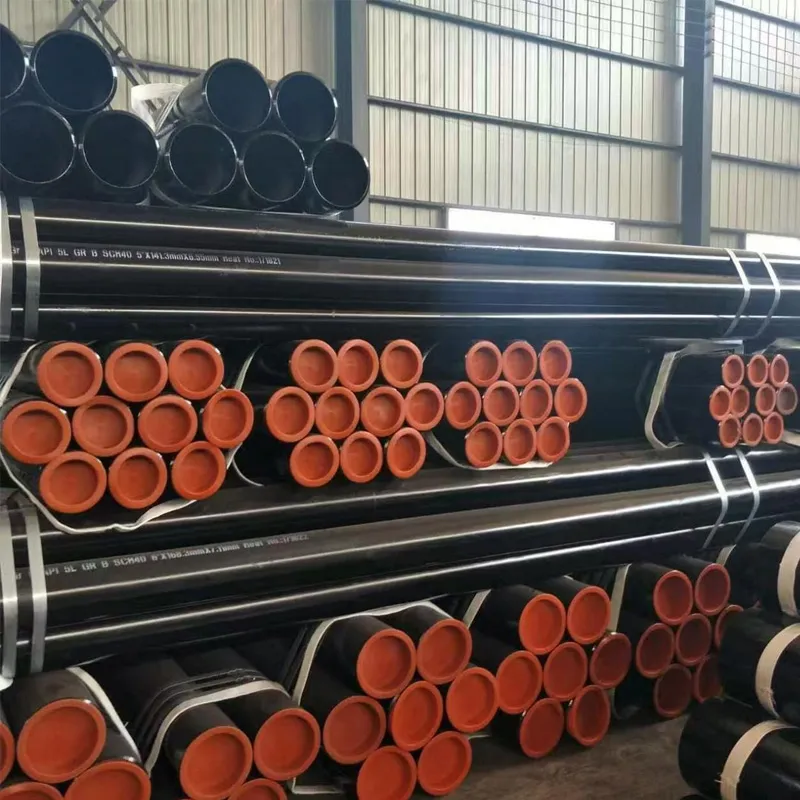
Typical Carbon Seamless Steel Pipe Specifications

Parameter Specification/Value Description
Material Grade ASTM A106 Gr. B/C, API 5L Gr. B/X42/X52, ASTM A53 Gr. B Common carbon steel alloys for high-pressure and high-temperature services.
Outer Diameter (OD) Range 1/2" to 48" (21.3mm to 1219.2mm) Available in various nominal pipe sizes (NPS) to accommodate different flow rates.
Wall Thickness (WT) SCH 10 to SCH 160, STD, XS, XXS (1.65mm to 100mm) Determines pressure rating and structural integrity.
Length Single Random (SRL), Double Random (DRL), Custom Standard lengths are typically 5-7m or 10-14m, custom lengths available.
Tensile Strength (min) 415 MPa (60,000 psi) for A106 Gr. B Maximum stress a material can withstand while being stretched before breaking.
Yield Strength (min) 240 MPa (35,000 psi) for A106 Gr. B Stress at which material begins to deform plastically.
Elongation (min) 22% (Longitudinal) for A106 Gr. B Measures ductility or ability to stretch without fracturing.
Manufacturing Standard ASTM A106, API 5L, ASTM A53, EN 10210, EN 10216, JIS G3454/3456 Adherence to global industry benchmarks ensures quality and interoperability.
Carbon Seamless Steel Pipes | SA106 Black Steel & Durable

Beyond these fundamental parameters, additional considerations include chemical composition (e.g., carbon, manganese, silicon content), heat treatment conditions (normalized, quenched and tempered), and surface finishes. These elements collectively determine the suitability of carbon seamless steel pipes for specific corrosive environments, weldability, and fatigue resistance, ensuring they meet the exacting demands of modern industrial applications.

Versatile Applications and Unrivaled Technical Advantages

The robust characteristics of carbon seamless steel pipes position them as a preferred material across a broad spectrum of demanding industrial applications. Their ability to withstand high pressures, extreme temperatures, and corrosive media without the inherent weaknesses of welded seams makes them invaluable.

Key Application Scenarios:

  • Oil & Gas Industry: Used extensively for drilling, production, and transportation of crude oil, natural gas, and refined petroleum products. They form the backbone of pipelines, risers, and well casing due to their high-pressure endurance.
  • Petrochemical Plants: Critical for conveying aggressive chemicals, steam, and high-temperature fluids in reactors, heat exchangers, and processing units, where safety and reliability are paramount.
  • Power Generation: Employed in thermal power plants for boiler tubes, superheater tubes, and steam lines where high temperatures and pressures are standard.
  • Mechanical Engineering: Used for hydraulic cylinders, structural components, and machinery parts requiring high strength and precision.
  • Water Supply & Drainage Systems: For high-pressure municipal water lines and industrial wastewater treatment, offering long-term durability and leak-free performance.

Technical Advantages:

  • Superior Pressure Resistance: The seamless construction, without any weld joints, means uniform strength around the entire circumference, allowing for higher internal and external pressure ratings. This is crucial for applications like deep-well drilling or high-pressure steam lines.
  • Enhanced Structural Integrity: The hot rolling process during manufacturing provides excellent metallurgical uniformity, resulting in predictable mechanical properties and exceptional fatigue resistance, leading to a longer service life.
  • Corrosion Resistance: While carbon steel is susceptible to corrosion, seamless pipes often have a denser, more uniform surface finish which, when combined with protective coatings (like those applied to black steel seamless pipe), significantly enhances their resistance to rust and chemical degradation. This minimizes maintenance costs and extends operational lifespan.
  • Energy Saving: The smooth internal surface of seamless pipes reduces friction losses for fluid flow, translating into lower pumping energy requirements and improved operational efficiency in transport systems. For instance, in a large-scale crude oil pipeline, even a marginal reduction in frictional resistance across thousands of kilometers can lead to substantial energy savings annually.
  • High-Temperature Performance: Specific grades, such as those meeting ASTM A106 Gr. C, are designed to retain their mechanical properties at elevated temperatures, making them ideal for boiler and superheater applications.

Vendor Comparison and Authoritative Certifications

Selecting the right carbon steel seamless pipe manufacturer is paramount to the success and safety of any project. The decision should extend beyond mere price, encompassing factors of quality assurance, certifications, production capabilities, and customer support. A reliable manufacturer distinguishes itself through adherence to international standards and a proven track record.

Key Differentiators in Vendor Selection:

Feature Standard Vendor Premium Manufacturer (e.g., Lion Pipeline)
Certifications & Standards Basic ISO 9001 (Quality Management) ISO 9001, API 5L, CE, PED, ASME B36.10M compliance; specific material traceability.
Quality Control Procedures Random sampling, basic visual inspection. 100% NDT (UT, ET, MPI), Hydrostatic Testing for every pipe, stringent chemical/mechanical analysis.
Customization Capabilities Limited to standard sizes and grades. Extensive range of OD, WT, lengths, special coatings, end finishes, tailored material compositions.
Lead Time & Reliability Variable, potential for delays, less transparent. Streamlined production, reliable logistics, clear communication on schedules.
Technical Support Minimal post-sale support. Dedicated engineering team for consultation, installation guidance, after-sales service.

A manufacturer with comprehensive certifications from bodies like ISO (International Organization for Standardization), API (American Petroleum Institute), and CE marking (for European market compliance) demonstrates a commitment to global quality benchmarks. For instance, an API 5L certified manufacturer ensures their line pipes meet the strict requirements for oil and gas transmission systems. Our company, with over 15 years of experience, has consistently partnered with leading global engineering firms and petrochemical giants, a testament to our adherence to the highest quality standards and reliability in delivering carbon seamless steel pipes. This commitment is underscored by rigorous internal testing, comprehensive material traceability, and continuous investment in advanced manufacturing technologies.
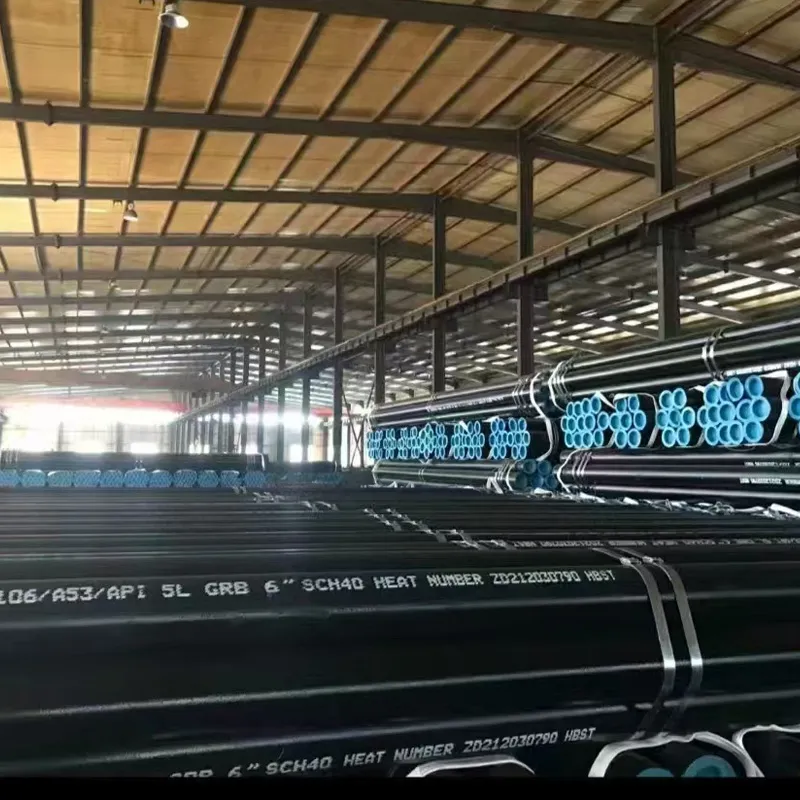
Carbon Seamless Steel Pipes | SA106 Black Steel & Durable

Customized Solutions and Real-World Application Case Studies

Recognizing that no two industrial projects are exactly alike, leading manufacturers of carbon seamless steel pipes offer extensive customization options. These tailored solutions ensure that specific project requirements for dimension, material grade, coating, and end finish are met with precision, optimizing performance and cost-effectiveness.

Customization Capabilities Include:

  • Non-Standard Dimensions: Production of pipes with unique outer diameters, wall thicknesses, or specific cut lengths beyond conventional ranges.
  • Special Material Grades: Development or sourcing of pipes in specific carbon steel alloys with enhanced properties for particular corrosive environments or extreme temperature profiles.
  • Advanced Coatings: Application of internal or external coatings (e.g., FBE, 3LPE, epoxy lining, or specialized anti-corrosion paints) for extended life in aggressive service conditions.
  • Specific End Finishes: Custom beveling, threading, or grooving to facilitate integration with various coupling systems or welding procedures.
  • Special Testing Requirements: Performing additional non-destructive testing, impact tests, or specific metallurgical analyses to meet project-specific quality assurance plans.

Application Case Studies:

Case Study 1: High-Pressure Gas Transmission Line
Challenge: A major energy firm required a robust pipeline for natural gas transmission across rugged terrain, demanding exceptional pressure resistance and durability to minimize environmental impact and maintenance. Solution: We supplied 60 km of API 5L X52 carbon seamless steel pipes with custom wall thickness (SCH 80) and a 3LPE external coating for enhanced corrosion protection. The pipes underwent rigorous hydrostatic testing at 1.5 times the maximum operating pressure. Result: The seamless pipes provided the required structural integrity and corrosion resistance, ensuring safe and efficient gas flow under high pressure for over a decade without significant incident, demonstrating superior reliability and long-term cost savings.

Case Study 2: Geothermal Power Plant Steam System
Challenge: A geothermal power project needed piping capable of handling superheated steam at 300°C and 100 bar, with resistance to stress corrosion cracking due to mineral content in the steam. Solution: We provided custom carbon seamless steel pipes manufactured to ASTM A106 Grade C specifications, specially heat-treated for high-temperature service and internally coated with an inert ceramic lining to mitigate mineral deposition and corrosion. Result: The customized piping solution delivered excellent thermal stability and corrosion protection, critical for sustained energy production. The project reported significantly reduced downtime for maintenance and an optimized energy transfer efficiency, validating the specialized material and coating choices.
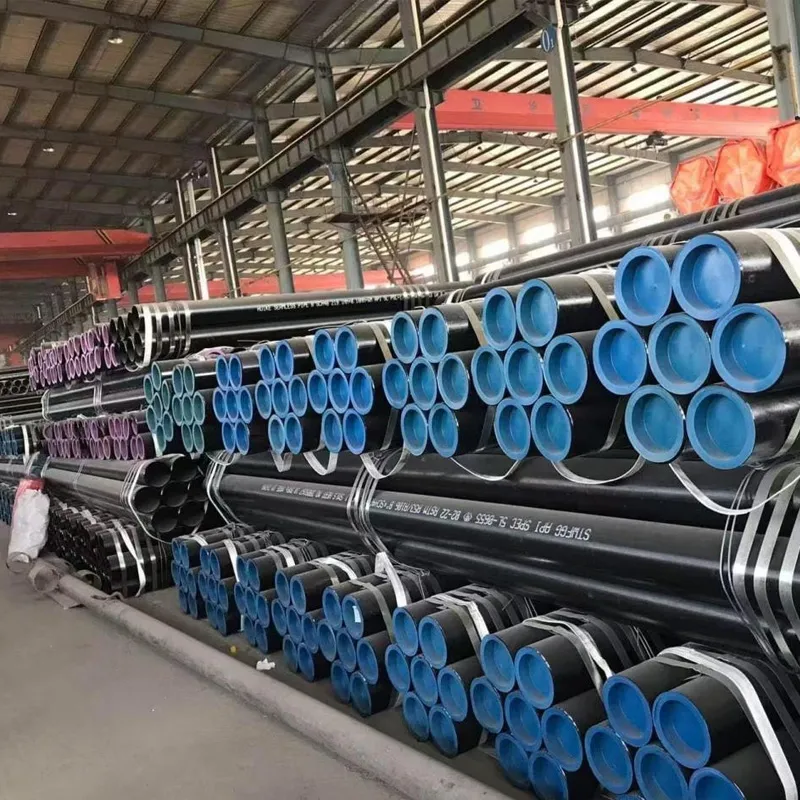
Carbon Seamless Steel Pipes | SA106 Black Steel & Durable

These case studies underscore the practical benefits of partnering with a manufacturer capable of providing tailored solutions. By aligning pipe specifications precisely with operational demands, projects can achieve optimal performance, extended asset life, and enhanced safety, yielding significant returns on investment.

Ensuring Trust: FAQ, Lead Times, Warranty, and Support

Building and maintaining client trust is fundamental in the B2B sector. This is achieved not only through superior product quality but also via transparent processes, clear commitments, and robust customer support. Here, we address common inquiries and detail our post-sales provisions for carbon seamless steel pipes.

Frequently Asked Questions (FAQ):

Q1: What are the primary advantages of carbon seamless steel pipes over welded pipes?
A1: Seamless pipes offer superior structural integrity, higher pressure resistance, and a more uniform microstructure due to the absence of a welded seam. This makes them ideal for critical applications where integrity under stress and pressure is paramount, minimizing risks of leaks or failures.

Q2: How do you ensure the quality and compliance of your pipes with international standards?
A2: Our manufacturing process adheres strictly to international standards such as ASTM, API, ISO, and EN. We employ a comprehensive quality control system, including 100% Non-Destructive Testing (e.g., ultrasonic, eddy current, magnetic particle inspection), hydrostatic testing, chemical analysis, and mechanical property testing for every batch. All products are delivered with full material test certificates (MTCs).

Q3: Can you accommodate orders for custom dimensions or special material grades?
A3: Absolutely. We specialize in providing customized solutions, including non-standard outer diameters, wall thicknesses, specific lengths, special carbon steel grades (e.g., enhanced `sa106 steel` variants for specific chemical compositions), and various protective coatings to meet unique project specifications. Our engineering team works closely with clients to design optimal solutions.

Q4: What are the typical lead times for orders?
A4: For standard stock items, lead times typically range from 2 to 4 weeks. Custom or large-volume orders may require 6 to 12 weeks, depending on the complexity of specifications and current production schedules. We provide detailed lead time estimates at the quotation stage and maintain transparent communication throughout the order fulfillment process.

Lead Time and Fulfillment:

Our streamlined production and logistics ensure efficient order fulfillment. We leverage advanced inventory management for common grades and sizes, allowing for rapid dispatch. For customized or bulk orders of carbon seamless steel pipes, a dedicated project manager will provide a precise production schedule and regular updates, ensuring timely delivery to your project site, minimizing costly delays. Our global shipping capabilities are designed to meet diverse logistical needs.

Warranty Commitments:

We stand behind the quality of our carbon seamless steel pipes. All products are supplied with a standard warranty against manufacturing defects and material non-conformance for a period of 12-24 months from the date of delivery or 18 months from installation, whichever comes first (specific terms vary by product and agreement). Our warranty reflects our confidence in our manufacturing processes and commitment to product longevity and performance.

Dedicated Customer Support:

Our commitment extends beyond delivery. We offer comprehensive after-sales support, including technical assistance for installation and operational queries, troubleshooting, and material advice. Our team of experienced engineers and customer service professionals is readily available to provide expert guidance, ensuring optimal performance and maximum longevity of our carbon seamless steel pipes throughout their service life.

Conclusion

The demand for robust, high-performance piping solutions continues to grow, and carbon seamless steel pipes remain at the forefront of this critical industrial requirement. Their intrinsic strengths—superior pressure resistance, structural integrity, and adaptability through customization—make them an indispensable choice for sectors ranging from oil and gas to power generation and critical infrastructure. Partnering with a reputable carbon steel seamless pipe manufacturer that prioritizes quality, adheres to global standards, and offers comprehensive support is crucial for ensuring the long-term success and safety of any project.

By integrating advanced manufacturing techniques, rigorous quality control, and a commitment to customer-centric solutions, we continue to deliver carbon seamless steel pipes that not only meet but exceed the evolving demands of modern industry. Our dedication to excellence ensures that our clients receive products that offer unparalleled reliability, efficiency, and durability for even the most challenging applications.
References:

  1. ASTM International. (2023). ASTM A106/A106M - 19 Standard Specification for Seamless Carbon Steel Pipe for High-Temperature Service.
  2. American Petroleum Institute. (2022). API Specification 5L: Specification for Line Pipe. 46th Edition.
  3. International Organization for Standardization. (2015). ISO 9001:2015 - Quality management systems — Requirements.
  4. European Committee for Standardization. (2014). EN 10216-1:2014 - Seamless steel tubes for pressure purposes - Technical delivery conditions - Part 1: Non-alloy steel tubes with specified room temperature properties.
  • Reducer

    Reducer

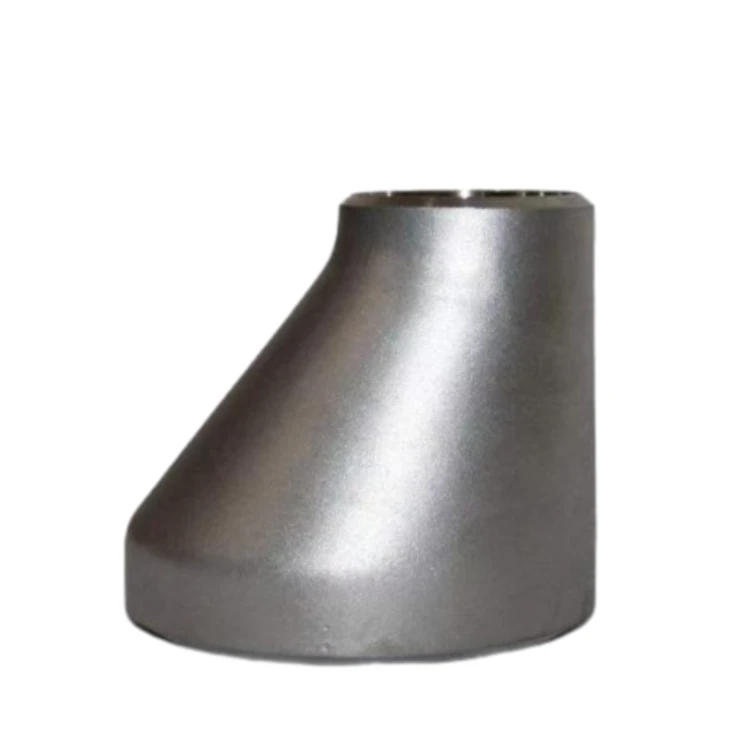
    Reducer is a pipe fitting used to connect pipes of different diameters, facilitating smooth transitions between varying flow capacities in piping systems. Available in concentric and eccentric designs, reducers help maintain optimal flow efficiency while minimizing pressure loss and turbulence.
    VIEW ALL
  • Flange

    Flange

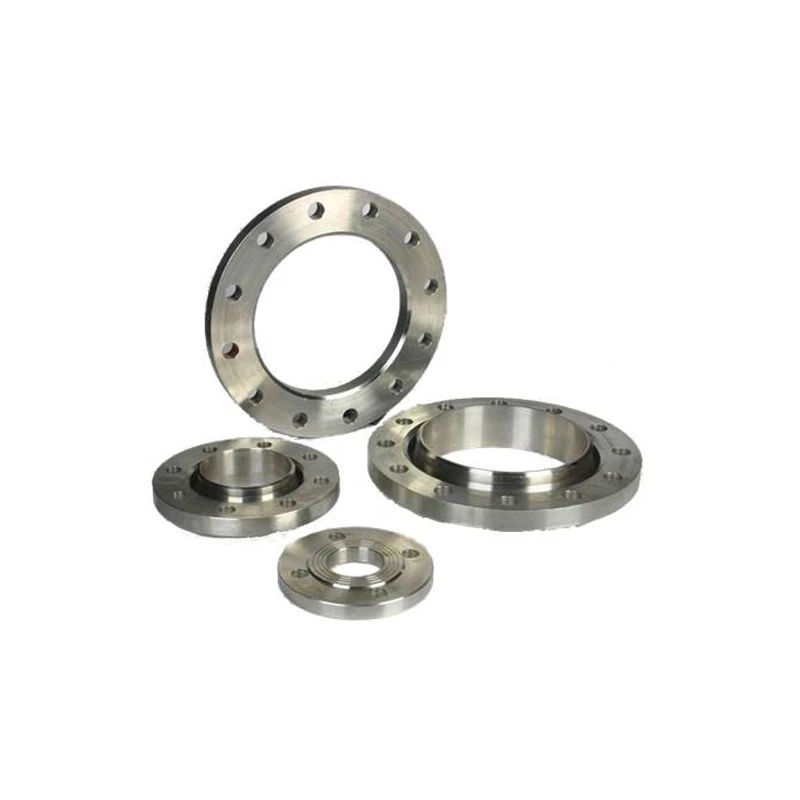
    Flange Product Introduction Flanges are used to connect pipes to pipes or pipes to equipment, ensuring a sealed and stable connection. They prevent fluid leakage and can withstand certain pressures and stresses, ensuring reliable connections. Flange nominal diameters range from DN15-DN2000 and beyond, covering various pipeline connection needs. Flanges primarily adhere to international standards such as ASME B16.5-2020, ASME B16.47-2020, and API 6A-2018.
    VIEW ALL
  • Laser Clad  Pipe

    Laser Clad Pipe

    Laser clad steel pipes are manufactured using laser cladding technology. This technology involves adding cladding material to the surface of ordinary steel pipe base material, using high-energy-density laser beams to fuse the cladding material with the steel pipe surface, forming a metallurgically bonded cladding layer. These pipes are generally used in compressed air energy storage projects as underground deep well transportation pipes or casings, as well as in oil, natural gas, and geothermal well extraction.
    VIEW ALL
To create value for customers!
Cangzhou Leo Technology Co., Ltd. is located in Mengcun County Economic Development Zone, Cangzhou City, Hebei Province. It is a specialized high-tech enterprise that integrates the research and development, production, and sales of composite pipes and fittings.
News
The company regards product quality as the life of the enterprise, establishes a sound quality management system in accordance with the requirements of industry and national standards, controls all aspects of input and output in the whole process, pays attention to every detail, and ensures that the product delivery pass rate is 100%.
Ultimate Guide to 4130 Tubing Strength Performance and Applications
Ultimate Guide to 4130 Tubing Strength Performance and Applications

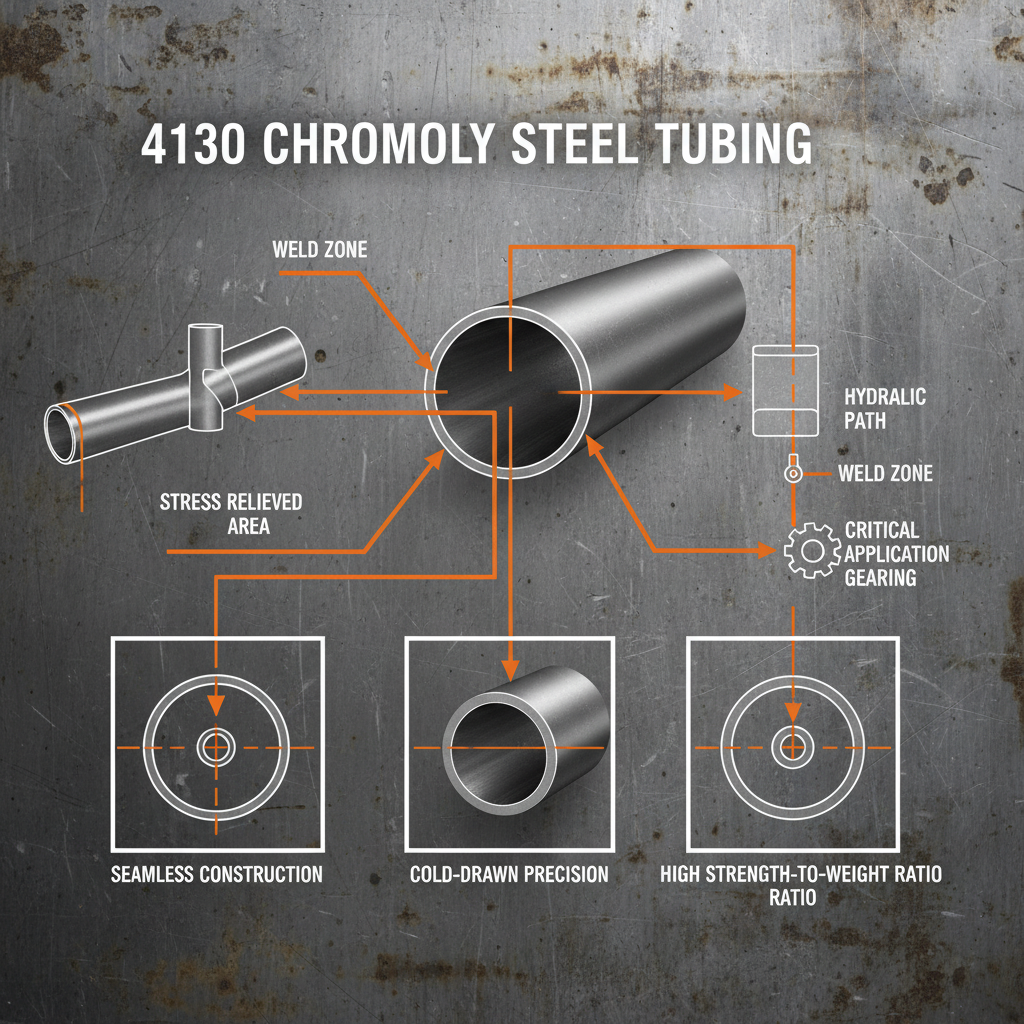
In the world of high-performance engineering, material selection is the foundation of safety and efficiency. 4130 tubing is widely regarded as the gold standard for applications requiring an exceptional strength-to-weight ratio. This chrome-molybdenum alloy steel is engineered to withstand extreme stress while remaining lightweight enough for aerospace and automotive use. Whether you are designing a roll cage, a bicycle frame, or a critical industrial component, understanding the nuances of this material is essential. In this comprehensive guide, we will explore why this specific alloy is preferred by engineers worldwide and how to choose the right specifications for your project.
Properties and Industrial Applications of 4130 steel tubing
Properties and Industrial Applications of 4130 steel tubing

In the world of high-performance engineering, material selection is the foundation of safety and efficiency. 4130 steel tubing is widely recognized as the gold standard for applications requiring an exceptional strength-to-weight ratio. Known for its versatility and reliability, this chromium-molybdenum alloy is the preferred choice for everything from aircraft frames to professional roll cages. Understanding the nuances of this material allows engineers to optimize structural integrity without adding unnecessary bulk. In this comprehensive guide, we will explore why this specific alloy remains a top choice for critical industrial and aerospace components.
Comprehensive Guide to 40mm Steel Tube Applications and Material Selection
Comprehensive Guide to 40mm Steel Tube Applications and Material Selection

40mm steel tube is a versatile and widely used material in various industries, from construction and manufacturing to automotive and beyond. Its strength, durability, and cost-effectiveness make it an ideal choice for numerous applications. This article will delve into the characteristics, applications, benefits, and considerations when working with 40mm steel tube, providing a comprehensive overview for professionals and anyone interested in this essential material.
Comprehensive Guide to 40mm Steel Pipe Applications and Considerations
Comprehensive Guide to 40mm Steel Pipe Applications and Considerations

40mm steel pipe is a widely used material in various industries due to its strength, durability, and cost-effectiveness. From construction and infrastructure projects to industrial applications and fluid transportation, this pipe size offers a versatile solution. This article will delve into the properties, applications, standards, and key considerations when selecting 40mm steel pipe, helping you make informed decisions for your specific needs.
Comprehensive Guide to 40mm Metal Pipe Applications and Sourcing
Comprehensive Guide to 40mm Metal Pipe Applications and Sourcing

40mm metal pipe is a crucial component in a wide array of industries, from construction and plumbing to industrial manufacturing and fluid transport. Its strength, durability, and versatility make it a preferred material for countless applications. This article will delve into the specifics of 40mm metal pipe, exploring its various types, common uses, benefits, and where to source high-quality piping solutions.
Comprehensive Guide to 40mm Galvanised Pipe Applications and Specifications

Comprehensive Guide to 40mm Galvanised Pipe Applications and Specifications

When planning a plumbing, structural, or industrial project, selecting the right piping material is crucial. 40mm galvanised pipe is a widely used option known for its strength, durability, and corrosion resistance. This article provides a detailed overview of 40mm galvanised pipes, exploring their applications, benefits, specifications, and considerations for optimal usage. We'll cover everything from what galvanisation is to how to choose the right pipe for your specific needs.
tel email tel top

If you are interested in our products, you can choose to leave your information here, and we will be in touch with you shortly.