I’ve spent enough time around mills and muddy job sites to know when a product quietly does the hard work. That’s the case with carbon seamless steel pipes. Made in the Economic Development Zone of Mengcun county, Cangzhou city, Hebei province, these “Carbon Semless Steel Pipes” (yes, the label is quirky) are the backbone of a lot of projects we don’t think about until pressure spikes or deadlines slip.
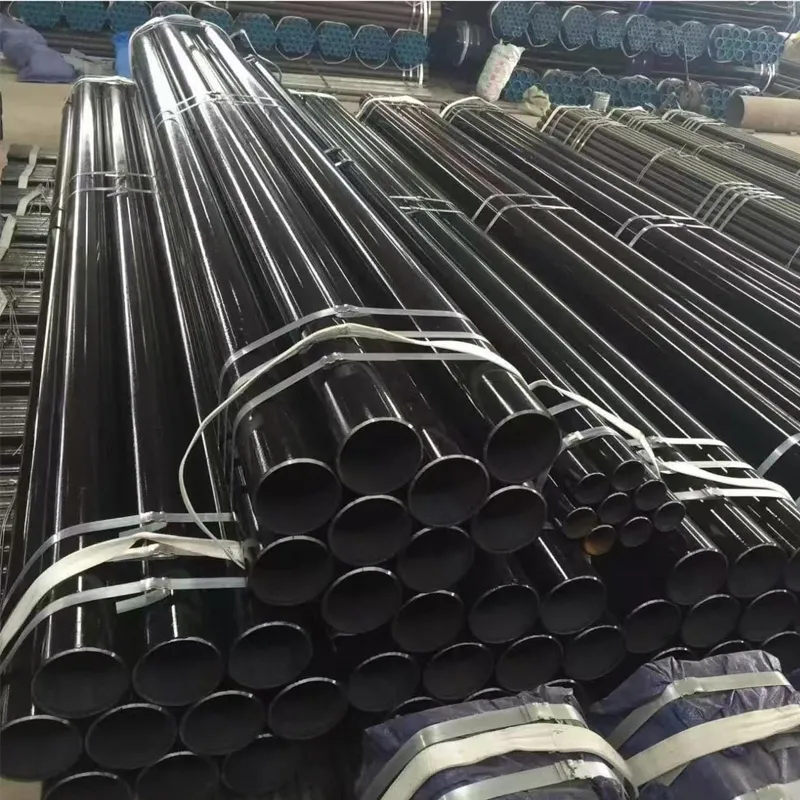
You’ll spot carbon seamless steel pipes in oil and gas gathering, high-rise risers, boiler lines, automotive cylinder tubing, fire mains, and general fluid transport. Many customers say they pick seamless for the peace of mind: fewer weak points, higher uniformity, no weld seam to second-guess.
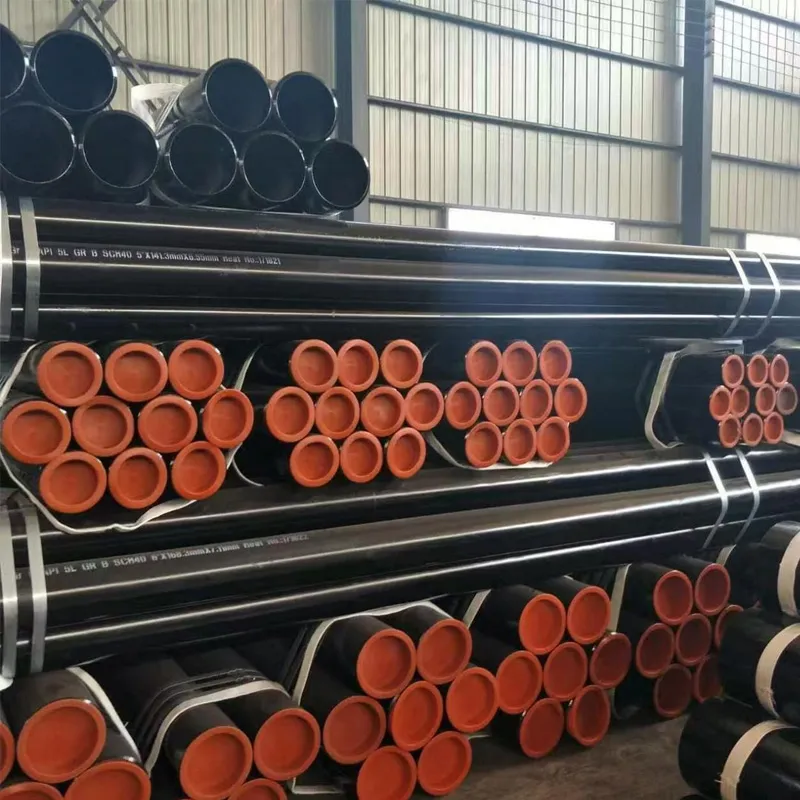
Materials: fully-killed carbon steel billets. Piercing: Mannesmann cross-roll. Rolling: plug or mandrel mill for wall control. Heat treatment: normalizing or annealing per grade. Straightening and sizing, then hydrostatic test (100%), ultrasonic/eddy current NDT, beveling, marking, and (if specified) coatings like black varnish or 3LPE. Standards followed include API 5L, ASTM A106/A53, and EN 10216-1. Typical service life: around 25–40 years depending on corrosion control and media.
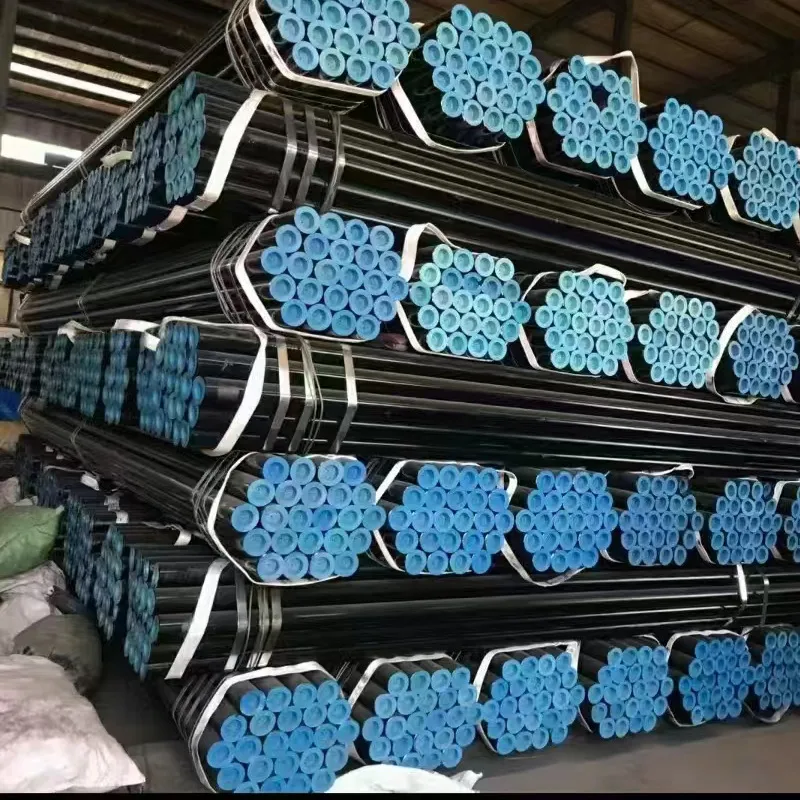
| Standard/Grade | ASTM A106 Gr. B/C, ASTM A53, API 5L Gr. B/X42–X70 (PSL1/PSL2) |
|---|---|
| OD Range | ≈ 1/2"–24" (21.3–610 mm) |
| Wall Thickness | SCH10–XXS (≈ 2.5–60 mm), real-world use may vary |
| Length | R1/R2 or fixed up to 12.5 m |
| Ends | Plain, beveled (30°±2°), threaded on request |
| Testing | Hydrostatic 100%; UT per ASTM E213; Eddy current per E309; Flattening/Bend |
| Coatings | Black varnish, 3LPE/3LPP, FBE, galvanized (when spec allows) |
| Tolerances | OD ±0.75–1.0%; WT ±10–12.5% typical |
Test data we’ve seen: hardness often HBW 156–192 on Grade B; hydro proof at ≈70% SMYS; Charpy V-notch required for PSL2 at sub-zero temps (per project).
| Criteria | Lion Pipeline | Mill A | Mill B |
|---|---|---|---|
| Certifications | ISO 9001/14001/45001; API 5L | ISO 9001; API 5L | ISO 9001/14001 |
| Lead Time | ≈ 2–6 weeks, spec-dependent | 4–8 weeks | 3–7 weeks |
| Traceability | Heat-to-heat MTR, digital QR | Heat-level MTR | Batch MTR |
| Inspection Scope | 100% hydro + UT/EC | Sampling UT | 100% hydro |
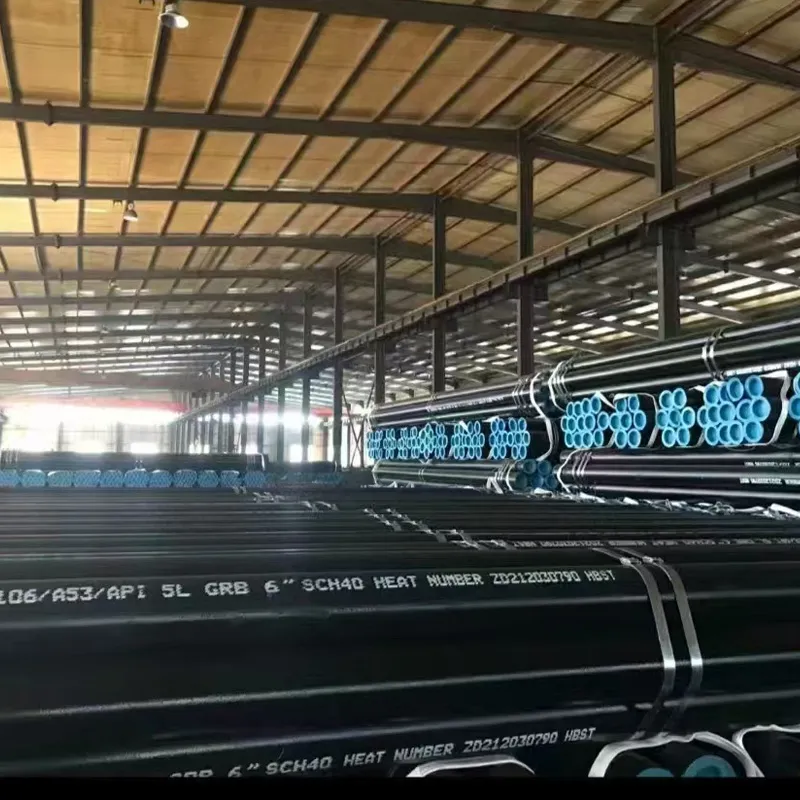
A midstream operator swapped ERW for carbon seamless steel pipes (API 5L X52 PSL2, 8", 9.53 mm WT) over 18 km. Results after 12 months: zero leak events, weld repair rate under 0.6%, and about 1.2% reduction in scrap due to better ovality. Their maintenance lead told me, “Install went boringly well,” which is the highest praise on a pipeline.
Digitized MTRs and QR traceability (auditors love it), tighter UT sensitivity for early flaw detection, and cautious moves toward H2-blend readiness. Also, to be honest, procurement is pushing for bundled coating + freight to tame volatile logistics.
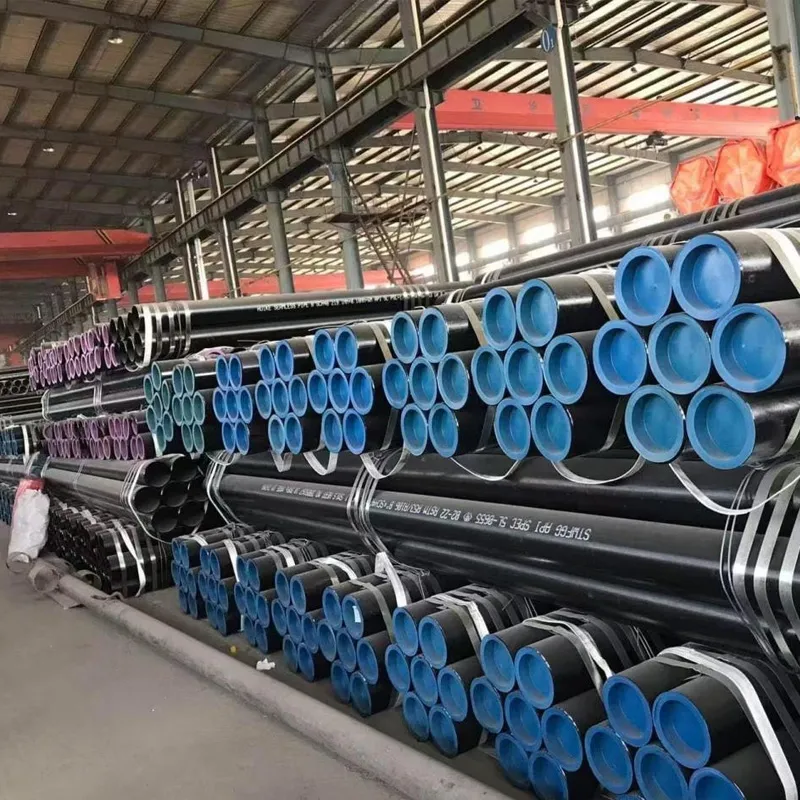
Final thought: if the spec is clear—grade, toughness, NDT, coating—carbon seamless steel pipes are the reliable, low-drama choice. And that’s usually what keeps projects on time.
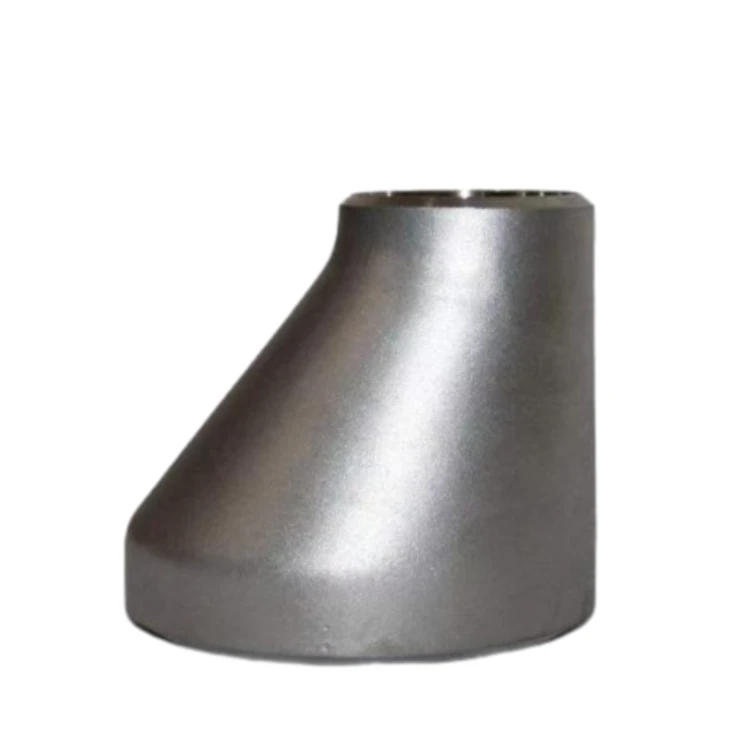
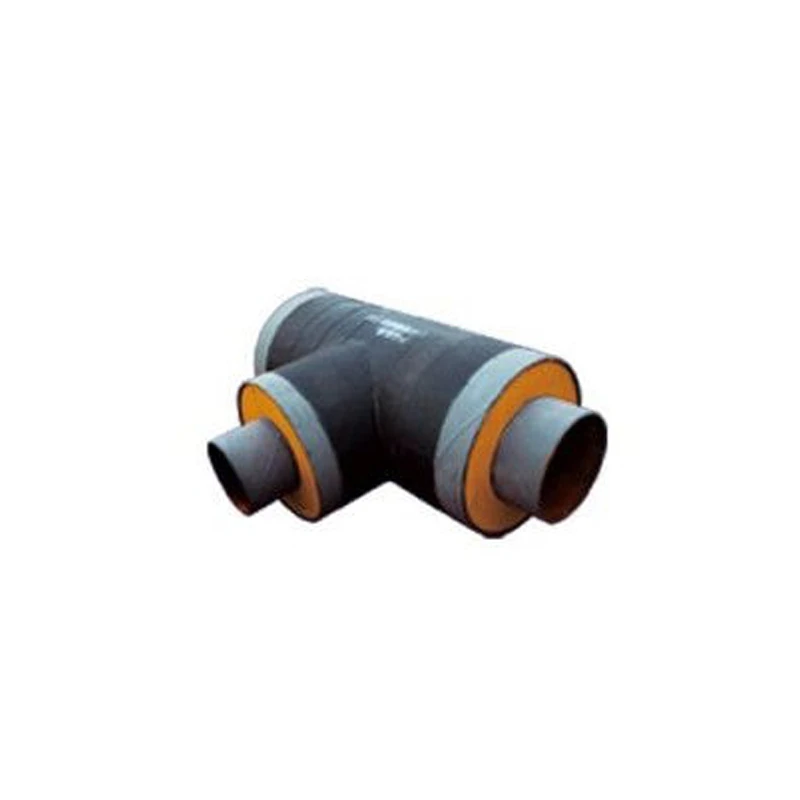
Anti Corrosion And Thermal Insulation Products
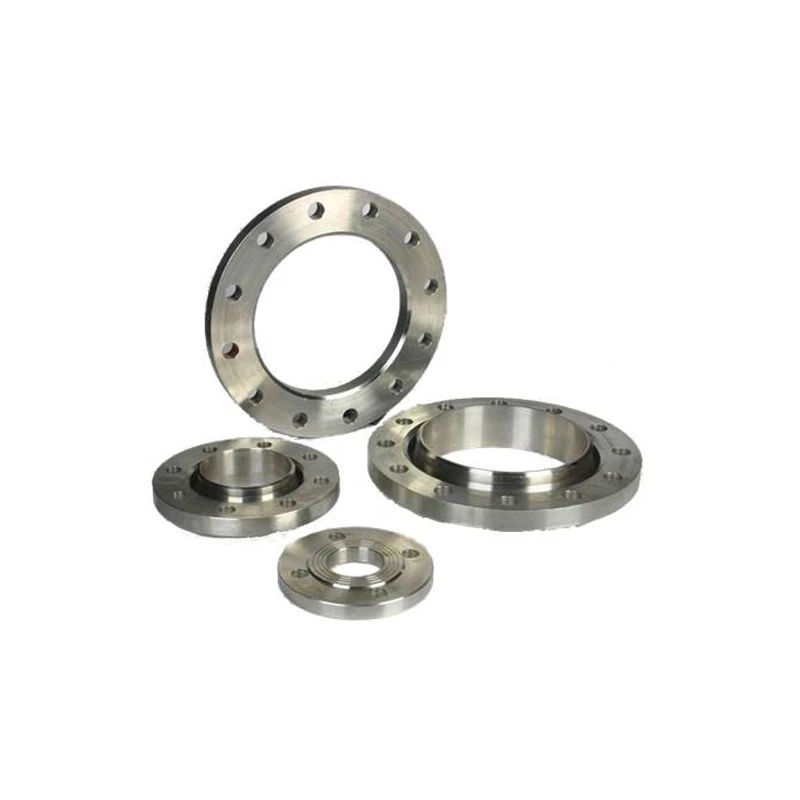
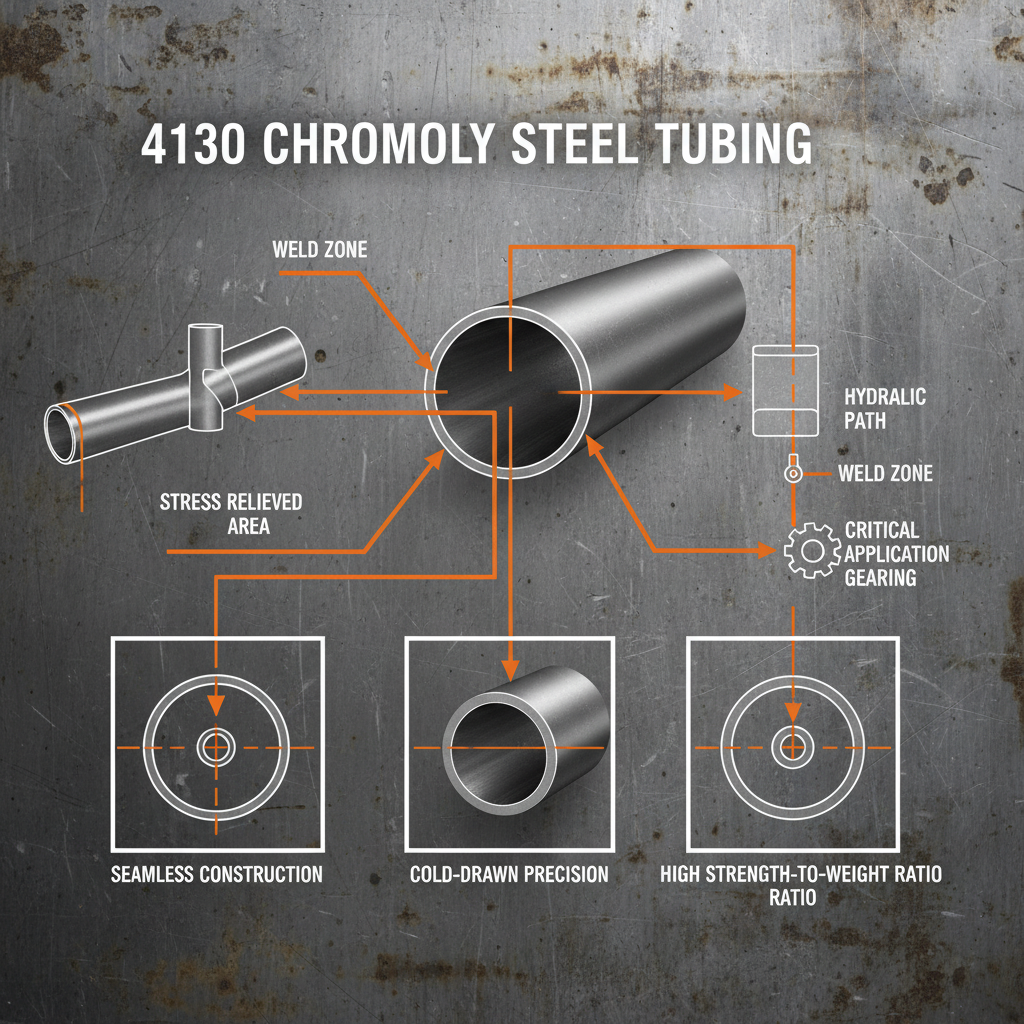
Ultimate Guide to 4130 Tubing Strength Performance and Applications
Properties and Industrial Applications of 4130 steel tubing
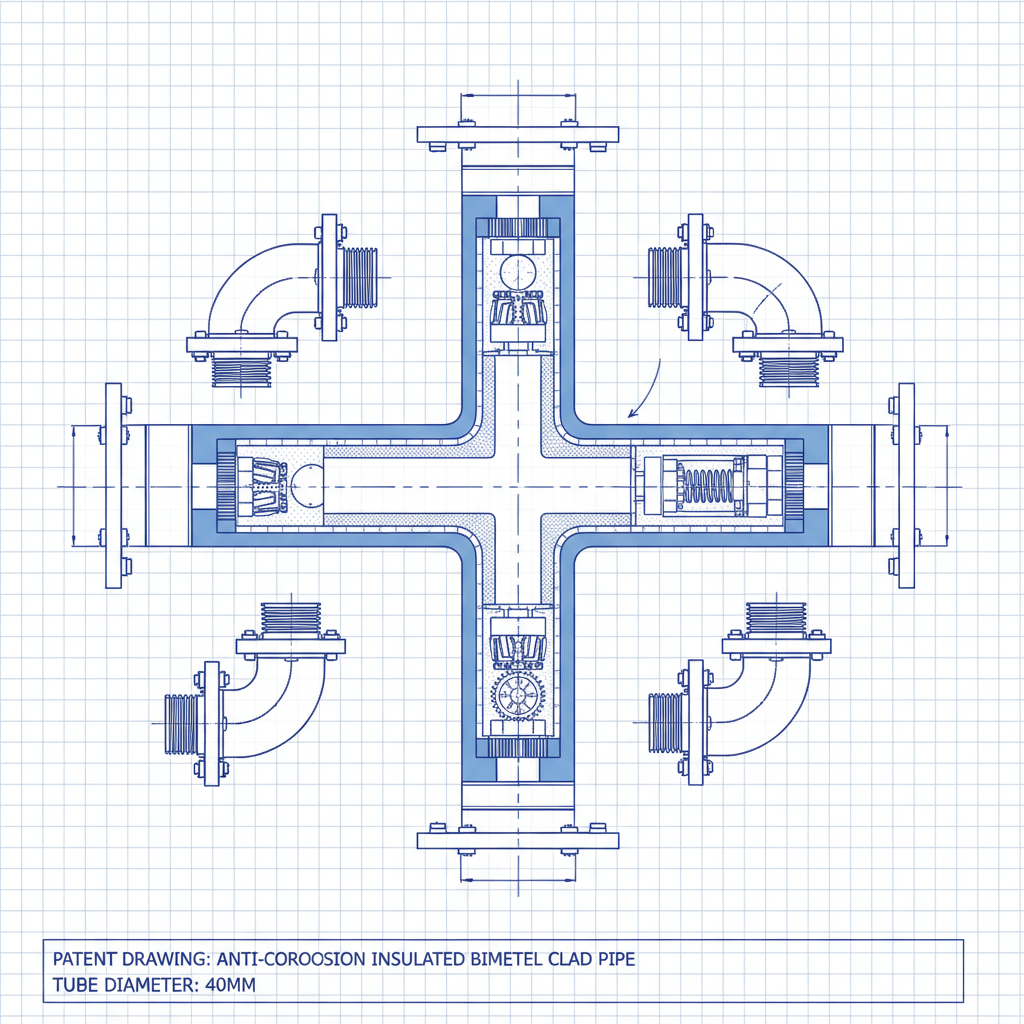
Comprehensive Guide to 40mm Steel Tube Applications and Material Selection
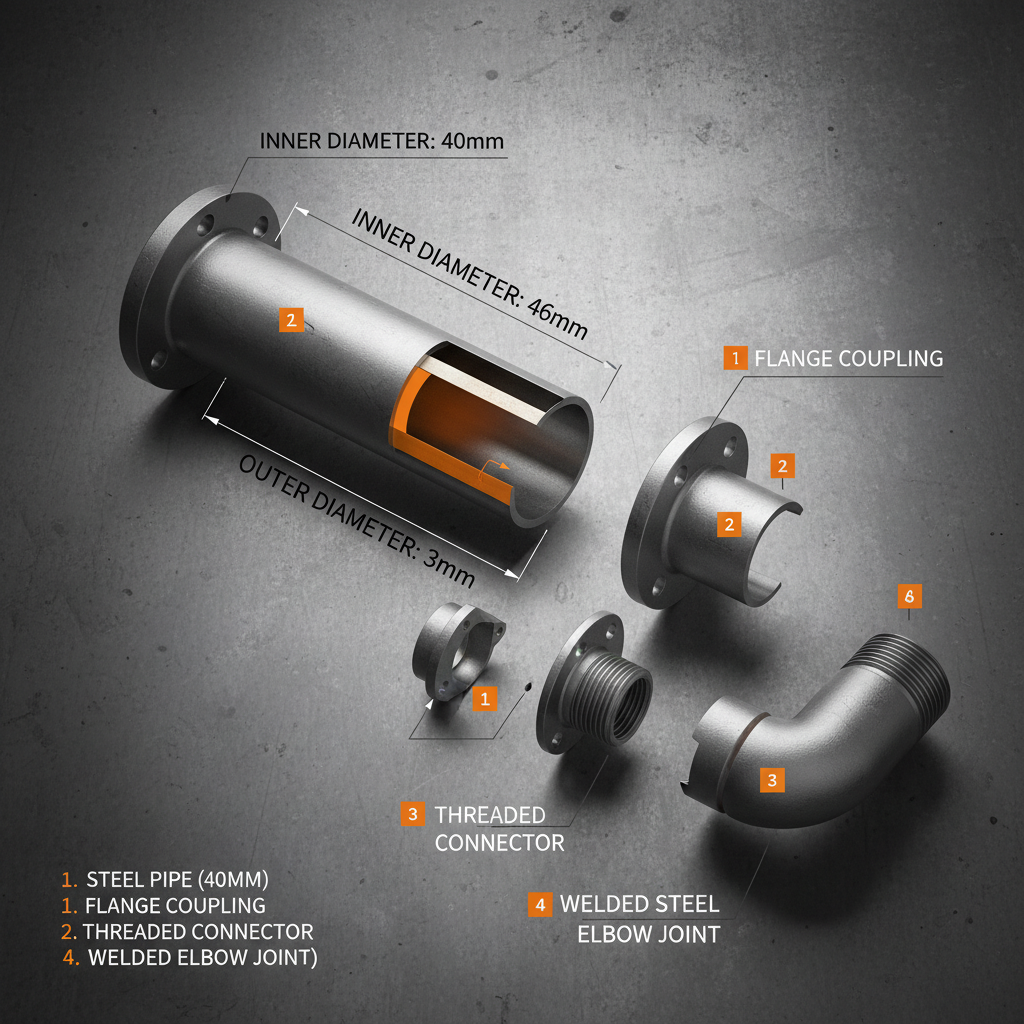
Comprehensive Guide to 40mm Steel Pipe Applications and Considerations
Comprehensive Guide to 40mm Metal Pipe Applications and Sourcing
Comprehensive Guide to 40mm Galvanised Pipe Applications and Specifications