tel
Email
to top

Composite Pipe: Lightweight, Corrosion-Resistant, Durable

Nov 03 2025
share:

Composite Pipe is a key solution in the manufacturing industry, specifically within Fabricated metal products and Composite pipe manufacturing. This article explores how Cangzhou Lion Technology Co., Ltd. supports professionals with durable, high-performance products, and explains why this product is an ideal choice for businesses in these sectors.
Composite Pipe: Lightweight, Corrosion-Resistant, Durable

Table of Contents

Composite Pipe Overview

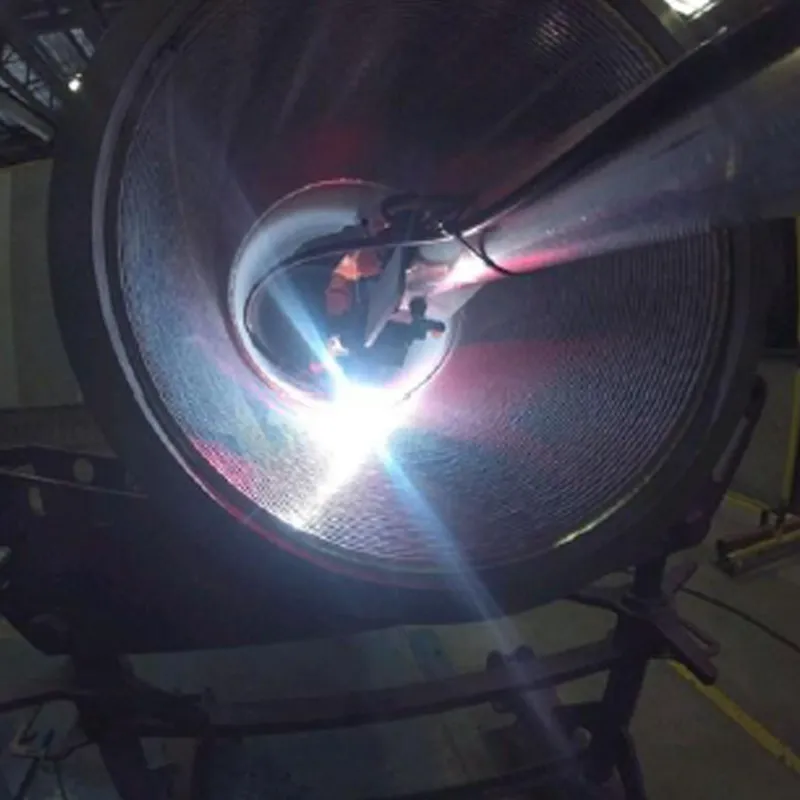
In fabricated metal products, a composite pipe combines a structural steel substrate with a corrosion- and wear-resistant surface layer to deliver superior lifecycle performance in aggressive services. At Cangzhou Lion Technology Co., Ltd., this solution is realized through precision laser cladding—creating a metallurgically bonded overlay on carbon or alloy steel pipe. The result is a robust Composite Pipe that marries the strength, weldability, and familiarity of steel with the durability of advanced cladding alloys.

Typical engineering configurations include carbon or alloy steel bases (seamless, ERW, or LSAW) with laser-applied nickel-based, stainless, or carbide-reinforced overlays. Common build parameters can be tailored: overlay thicknesses typically range from about 1–4 mm, with precisely controlled dilution and low heat input for minimal distortion. Diameters can be engineered from small-bore to large-bore lines, and end connections (beveled, flanged, or grooved) are configured to suit plant standards. This multi-layer architecture is especially relevant for slurries, abrasive ash, sour service, and chloride-bearing streams across oil and gas, mining, power, and chemical processing. As a trusted composite pipe manufacturer, Cangzhou Lion Technology Co., Ltd. integrates quality assurance with NDT, dimensional checks, and material traceability to support B2B decision makers who require repeatable, spec-compliant performance.

Benefits & Use Cases of Composite Pipe in Composite pipe manufacturing

Composite Pipe excels where conventional carbon steel struggles. In slurry transport for mining and tailings, a laser-clad inner surface resists abrasion and impact, cutting back on frequent spool replacements. In refineries and petrochemical plants, the CRA overlay combats sulfide stress corrosion and pitting in sour and chloride-laden services. Power plants benefit from improved erosion resistance in FGD and ash-handling circuits, while desalination and seawater intake/outfall lines use the clad layer to mitigate chloride attack and biofouling-related damage. For EPCs and plant operators, the pipes’ drop-in compatibility with existing specifications, supports, and welding procedures simplifies retrofit projects and turnarounds.

Key competitive advantages include: metallurgical bonding for high adhesion strength, controlled overlay thickness for predictable hydraulics, smoother internal surface for lower friction losses, and the ability to engineer the cladding alloy to the threat profile—erosion, corrosion, or both. Compared with solid CRA pipe, a composite solution typically reduces alloy consumption and lead time while delivering comparable service resistance at a lower total installed cost. As one of the experienced composite pipe manufacturers in North China, Cangzhou Lion Technology Co., Ltd. leverages its background as a steel pipe manufacturer to integrate forming, cladding, heat treatment, and finishing under one roof—streamlining QA/QC and delivery for capital projects and MRO needs.

Cost, Maintenance & User Experience

Total cost of ownership hinges on uptime, reliability, and maintenance frequency. Composite Pipe reduces unplanned outages by extending wear and corrosion life versus unlined carbon steel or soft liners. Because the overlay is metallurgically bonded, it resists underfilm corrosion and delamination, lowering risk across high-velocity elbows, reducers, and tees—common failure points. Many operators find that the initial premium is offset by fewer replacements, shorter shutdowns, and reduced inventory of spare spools and fittings, with ROI often realized within the first major maintenance cycle depending on duty severity and run hours.

From a user-experience standpoint, feedback from the fabricated metal products sector highlights the practicality of welding, field fit-up, and inspection procedures that mirror standard steel practices. A smoother, uniform clad bore helps stabilize pressure drop and can reduce scale initiation, aiding operational efficiency. In a typical refinery slurry loop scenario, replacing rapidly eroding carbon steel elbows with laser-clad composite elbows extended inspection intervals and simplified planning for turnarounds. Cangzhou Lion Technology Co., Ltd. supports customers with application engineering, overlay selection, and documentation to help asset managers calculate lifecycle costs with confidence.

Sustainability & Market Trends in manufacturing

Across manufacturing, sustainability now influences material selection, maintenance strategies, and CAPEX planning. Composite Pipe contributes by extending asset life, thereby reducing the frequency of replacement and the associated emissions from production, transport, and disposal. Compared with solid CRA, a clad solution uses substantially less alloy mass for equivalent performance, which aligns with resource efficiency goals. The precise, low-heat-input nature of laser cladding limits distortion and rework, saving energy and consumables. As regulations tighten around environmental performance and safety, longer-life pipelines help plants meet ESG targets while maintaining process reliability.

Cangzhou Lion Technology Co., Ltd. positions itself as a forward-thinking composite pipe manufacturer by promoting material traceability, responsible waste handling, and continuous process improvement. The company supports spec-driven projects that require documentation to recognized standards and can advise on alloy selections that minimize both risk and environmental impact over the asset’s lifecycle. With the growth of critical minerals, energy transition projects, and coastal infrastructure, market demand is rising for robust, engineered composite solutions that deliver measurable longevity and simplified maintenance.

Conclusion on Composite Pipe from Cangzhou Lion Technology Co., Ltd.

For B2B decision makers in manufacturing and fabricated metal products, Composite Pipe offers a clear path to higher reliability and lower lifecycle cost. By uniting a steel backbone with laser-clad protection, you gain the installation familiarity of a steel pipe manufacturer and the endurance of an engineered overlay—ideal for corrosive and abrasive duty. Cangzhou Lion Technology Co., Ltd. has the capabilities and experience that composite pipe manufacturers need to deliver on schedule and to specification. Contact us: email: sales@laiaokeji.com. Visit our website: https://www.lion-pipeline.com
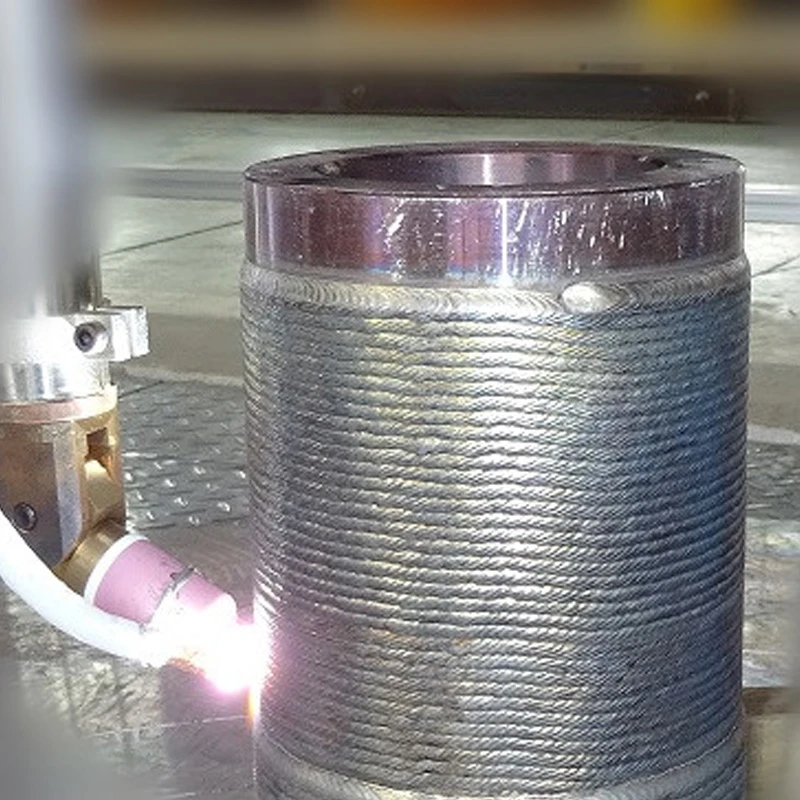
  • Overlay Welding Clad Steel Pipe

    Overlay Welding Clad Steel Pipe

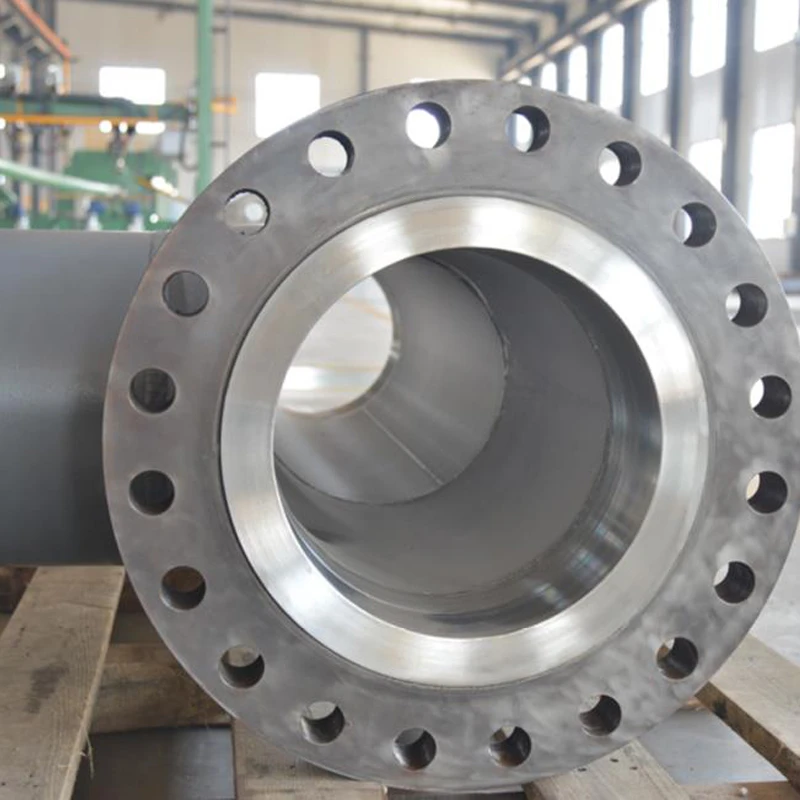
    Overlay Welding clad Steel Pipe features a high-performance welded overlay that enhances the pipe’s surface properties, providing superior resistance to corrosion, erosion, and wear. This process involves applying a wear-resistant alloy layer over a strong steel base, making it ideal for industries such as oil and gas, mining, and chemical processing, where pipes are exposed to harsh conditions. The overlay ensures extended service life, reduced maintenance costs, and reliable performance even in extreme environments. With its combination of strength, durability, and corrosion resistance, the Overlay Welding Steel Pipe is a trusted solution for critical applications.
    VIEW ALL
  • Bend Pipe

    Bend Pipe

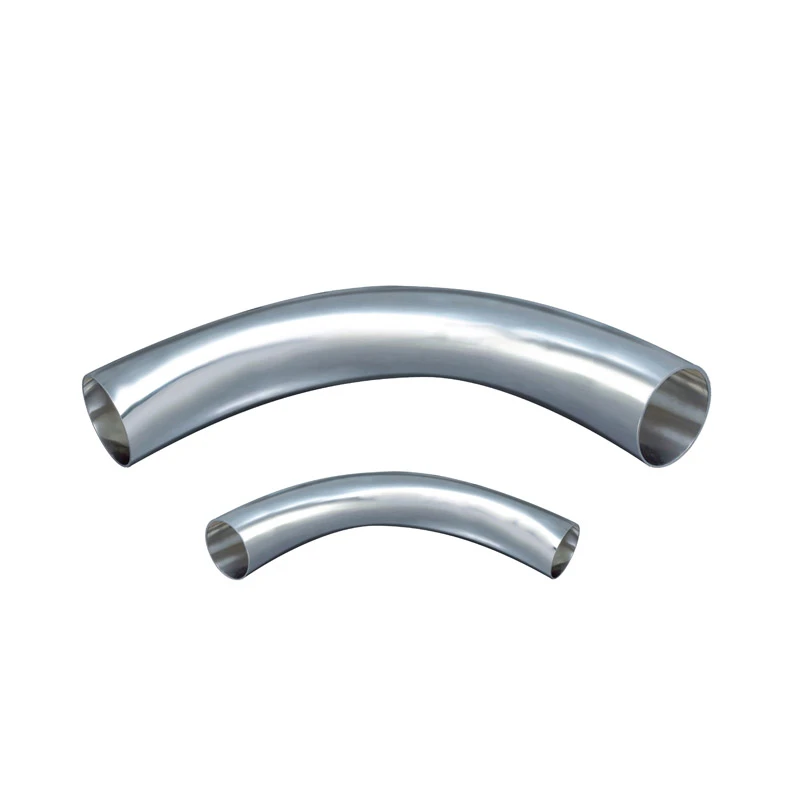
    Bend is a crucial pipe fitting used to change the direction of flow in a piping system. It allows for smooth transitions between sections of pipe, accommodating layout constraints, avoiding obstacles, and optimizing flow paths. Bends are designed to maintain the fluid's velocity and minimize pressure loss while providing the necessary angle of deviation. They are commonly used in various industries, including oil and gas, petrochemicals, water supply, and HVAC systems.
    VIEW ALL
  • Factory Prefabricated Products

    Factory Prefabricated Products

    In modern industrial construction, the quality and supply efficiency of pipe fittings directly affect the success or failure of the project. With advanced production concept and strong technical strength, we focus on the factory prefabrication of products, and provide all-round pipe fitting solutions for many key fields such as petrochemical industry and coal chemical industry.
    VIEW ALL
To create value for customers!
Cangzhou Leo Technology Co., Ltd. is located in Mengcun County Economic Development Zone, Cangzhou City, Hebei Province. It is a specialized high-tech enterprise that integrates the research and development, production, and sales of composite pipes and fittings.
News
The company regards product quality as the life of the enterprise, establishes a sound quality management system in accordance with the requirements of industry and national standards, controls all aspects of input and output in the whole process, pays attention to every detail, and ensures that the product delivery pass rate is 100%.
Properties and Industrial Applications of 4130 steel tubing
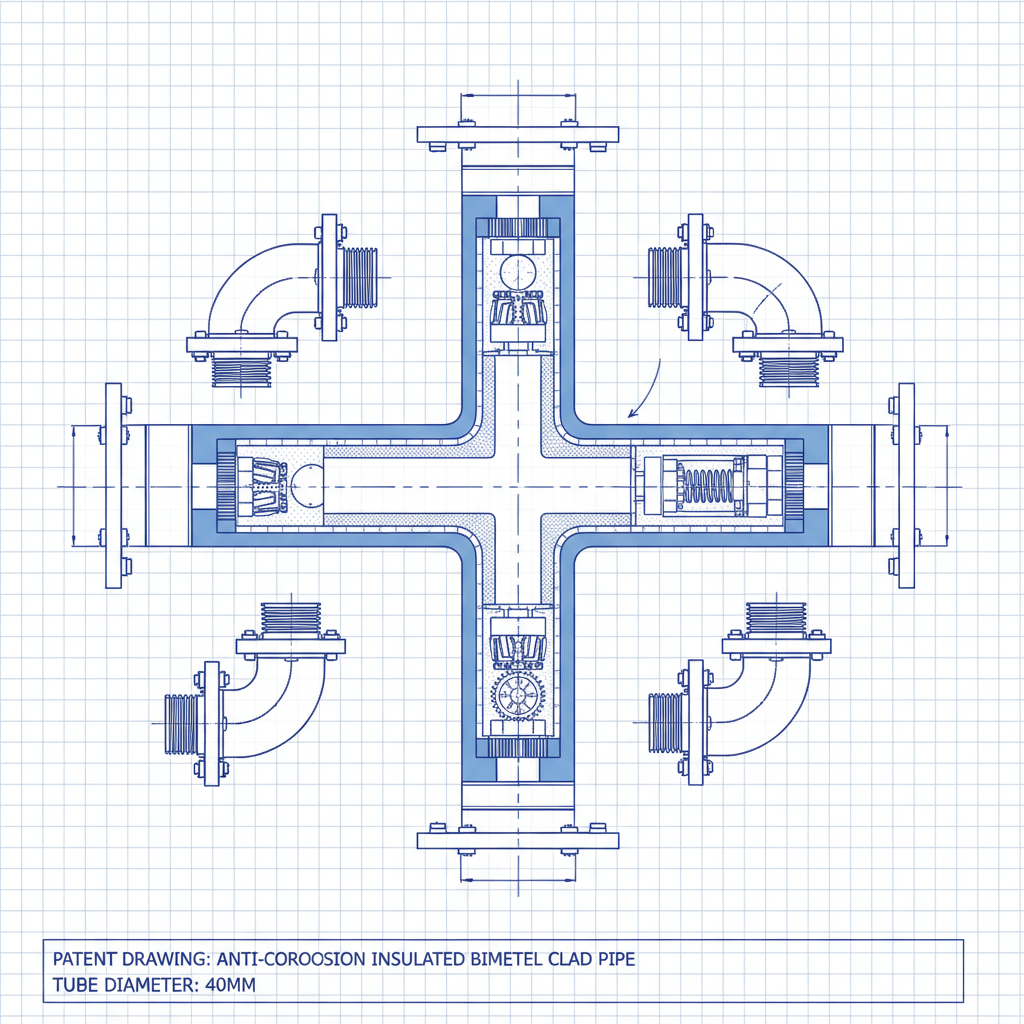
Properties and Industrial Applications of 4130 steel tubing

In the world of high-performance engineering, material selection is the foundation of safety and efficiency. 4130 steel tubing is widely recognized as the gold standard for applications requiring an exceptional strength-to-weight ratio. Known for its versatility and reliability, this chromium-molybdenum alloy is the preferred choice for everything from aircraft frames to professional roll cages. Understanding the nuances of this material allows engineers to optimize structural integrity without adding unnecessary bulk. In this comprehensive guide, we will explore why this specific alloy remains a top choice for critical industrial and aerospace components.
Comprehensive Guide to 40mm Steel Tube Applications and Material Selection
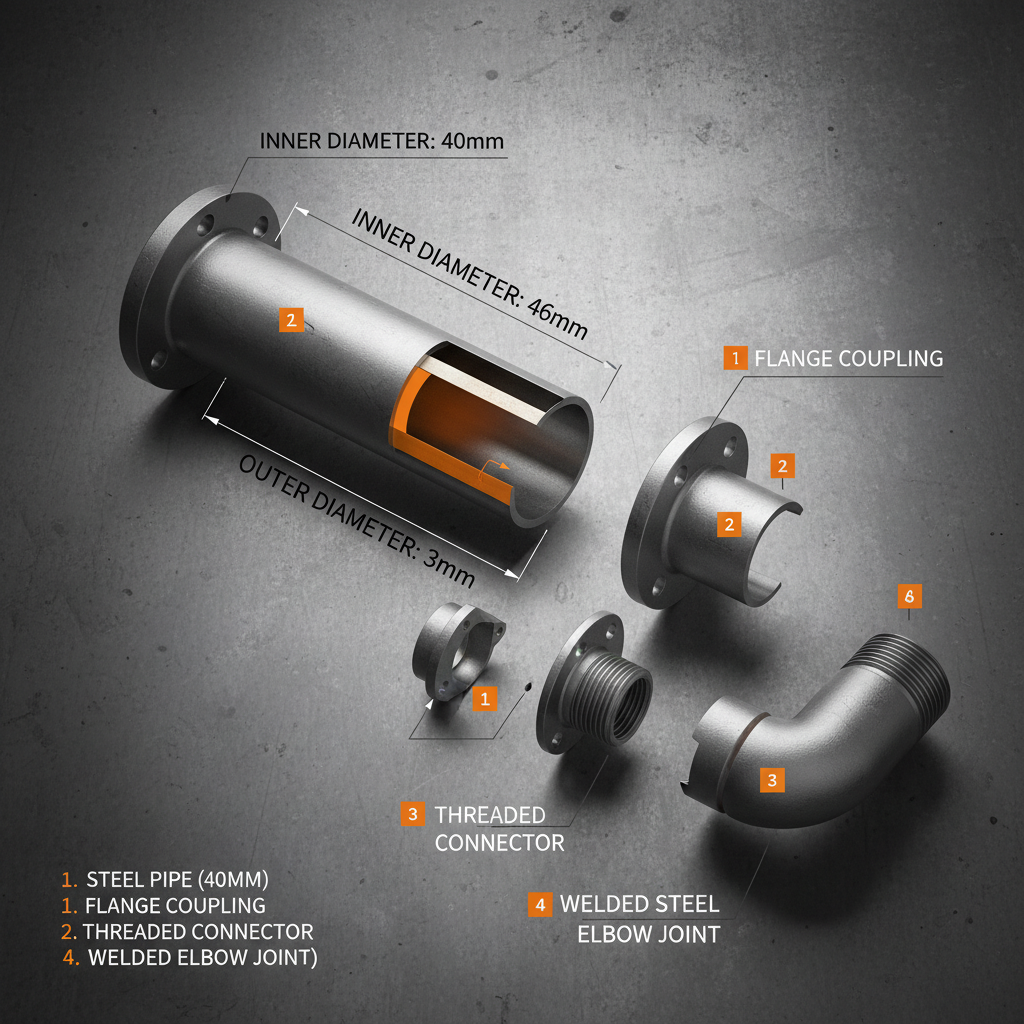
Comprehensive Guide to 40mm Steel Tube Applications and Material Selection

40mm steel tube is a versatile and widely used material in various industries, from construction and manufacturing to automotive and beyond. Its strength, durability, and cost-effectiveness make it an ideal choice for numerous applications. This article will delve into the characteristics, applications, benefits, and considerations when working with 40mm steel tube, providing a comprehensive overview for professionals and anyone interested in this essential material.
Comprehensive Guide to 40mm Steel Pipe Applications and Considerations
Comprehensive Guide to 40mm Steel Pipe Applications and Considerations

40mm steel pipe is a widely used material in various industries due to its strength, durability, and cost-effectiveness. From construction and infrastructure projects to industrial applications and fluid transportation, this pipe size offers a versatile solution. This article will delve into the properties, applications, standards, and key considerations when selecting 40mm steel pipe, helping you make informed decisions for your specific needs.
Comprehensive Guide to 40mm Metal Pipe Applications and Sourcing
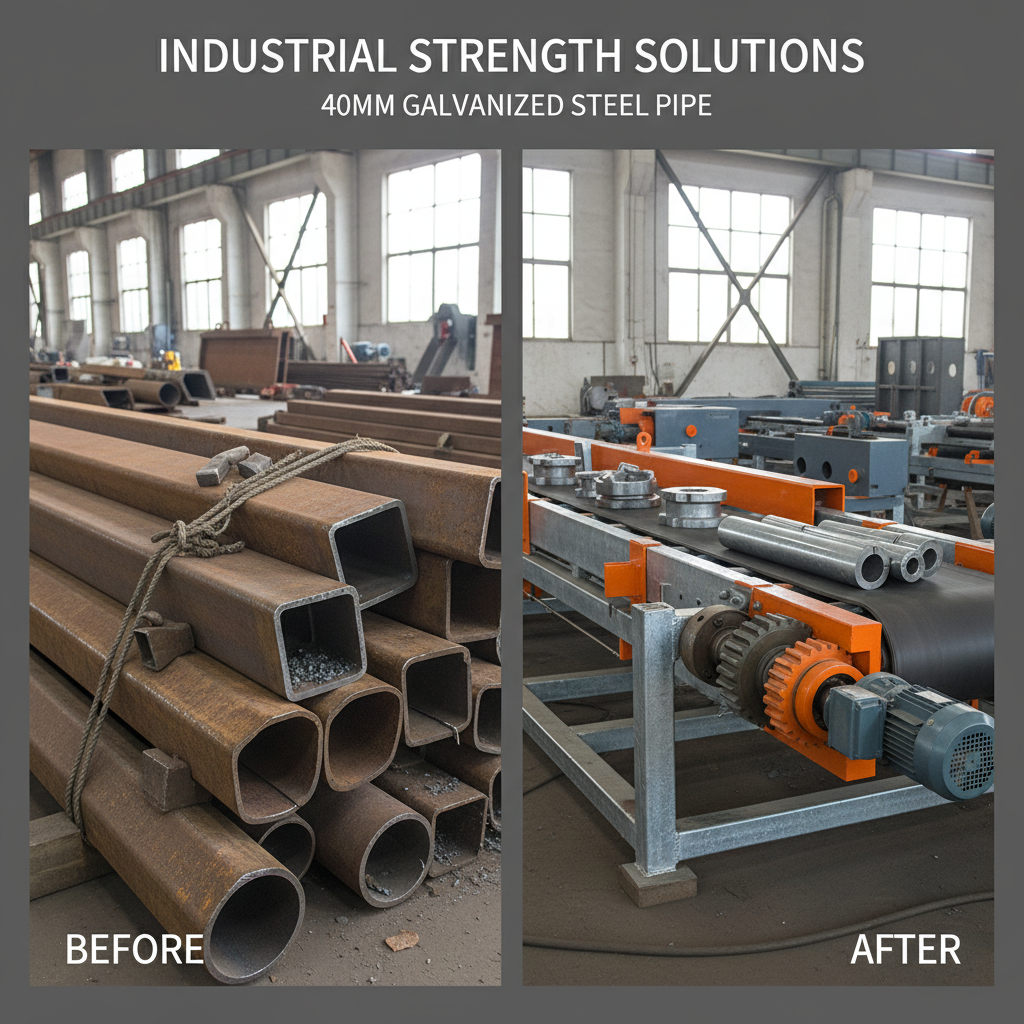
Comprehensive Guide to 40mm Metal Pipe Applications and Sourcing

40mm metal pipe is a crucial component in a wide array of industries, from construction and plumbing to industrial manufacturing and fluid transport. Its strength, durability, and versatility make it a preferred material for countless applications. This article will delve into the specifics of 40mm metal pipe, exploring its various types, common uses, benefits, and where to source high-quality piping solutions.
Comprehensive Guide to 40mm Galvanised Pipe Applications and Specifications
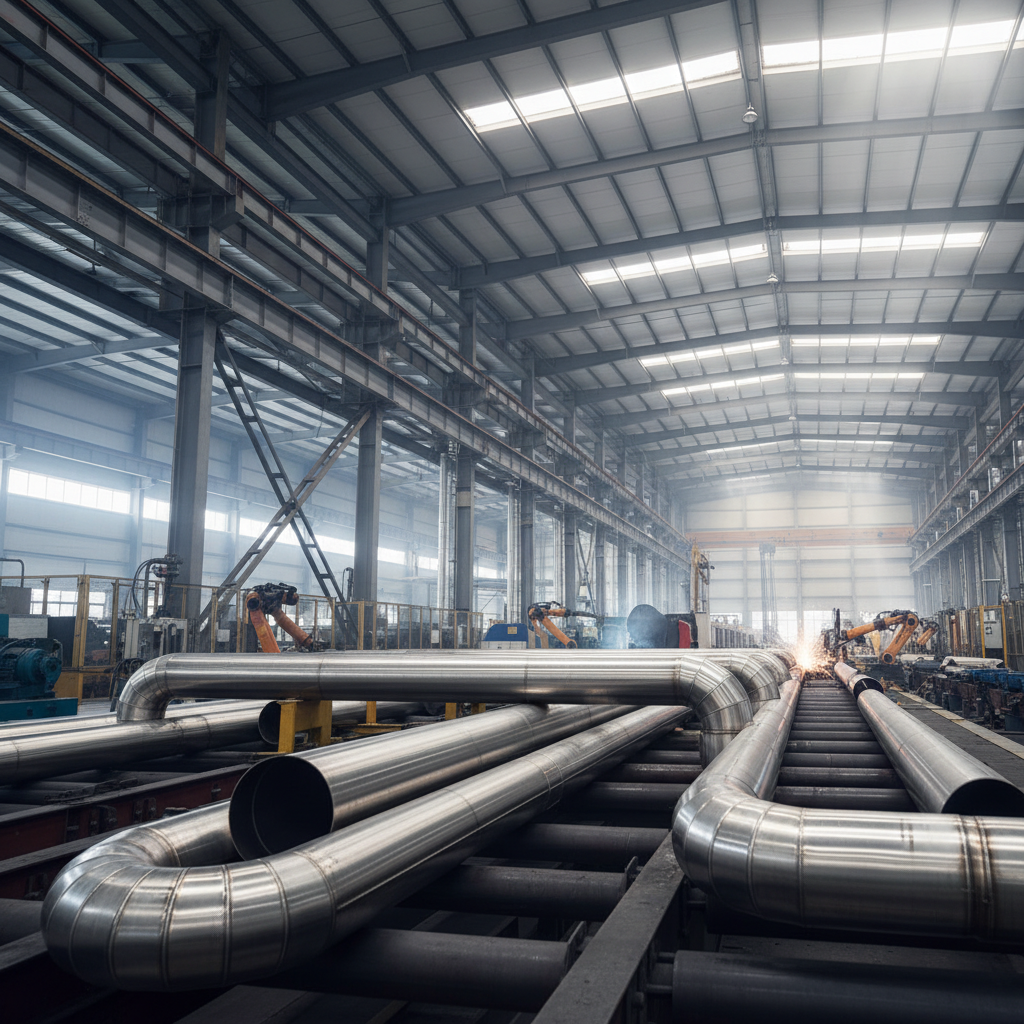
Comprehensive Guide to 40mm Galvanised Pipe Applications and Specifications

When planning a plumbing, structural, or industrial project, selecting the right piping material is crucial. 40mm galvanised pipe is a widely used option known for its strength, durability, and corrosion resistance. This article provides a detailed overview of 40mm galvanised pipes, exploring their applications, benefits, specifications, and considerations for optimal usage. We'll cover everything from what galvanisation is to how to choose the right pipe for your specific needs.
Comprehensive Guide to 409 Stainless Steel Exhaust Pipe Applications and Benefits

Comprehensive Guide to 409 Stainless Steel Exhaust Pipe Applications and Benefits

When selecting materials for exhaust systems, especially in industries demanding durability and corrosion resistance, 409 stainless steel exhaust pipe emerges as a leading solution. Known for its affordability and suitable performance in various applications, it’s a popular choice for automotive, truck, and industrial exhaust systems. This article delves into the properties, benefits, applications, and considerations when choosing 409 stainless steel exhaust pipe, providing valuable insights for engineers, purchasers, and anyone involved in exhaust system design and manufacturing. Understanding the nuances of this material is key to ensuring long-lasting and reliable exhaust solutions. 409 stainless steel is an austenitic stainless steel containing approximately 11.5% chromium. This chromium content provides excellent resistance to oxidation and corrosion, particularly in mildly corrosive environments. Unlike higher-grade stainless steels (like 304 or 316), 409 has a lower chromium content and typically includes titanium for stabilization. This stabilization prevents carbide precipitation during welding, enhancing its weldability and corrosion resistance in the heat-affected zone. It's often chosen for applications where cost-effectiveness is critical, and the extreme corrosion resistance of higher alloys isn't required.
tel email tel top

If you are interested in our products, you can choose to leave your information here, and we will be in touch with you shortly.