tel
Email
to top

Composite Pipe: Lightweight, Corrosion-Resistant, Durable

Nov 03 2025
share:

Composite Pipe Insider: Why Laser Clad Pipe Is Quietly Rewriting the Rulebook

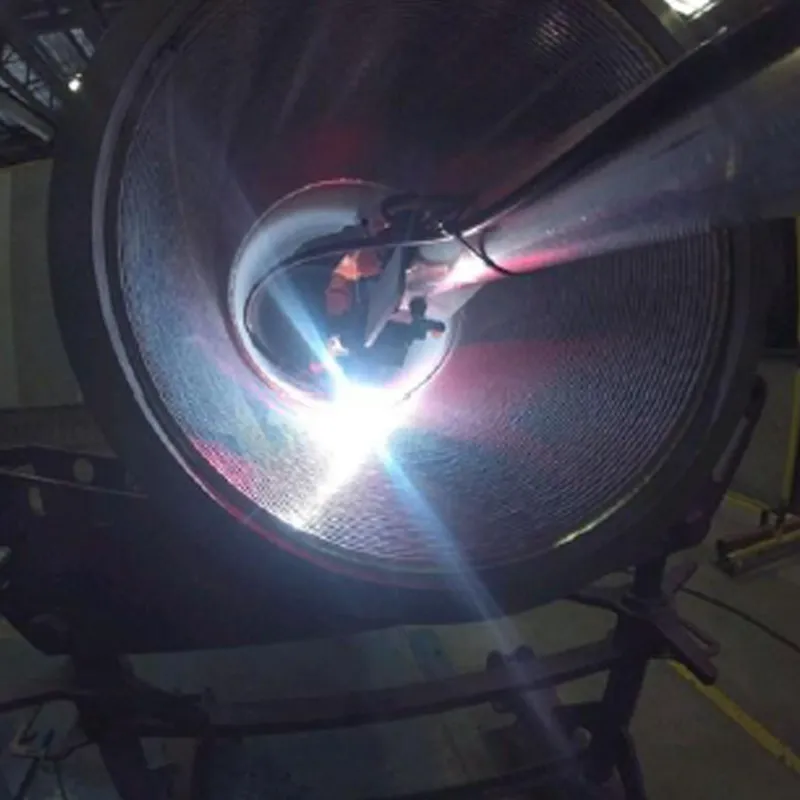
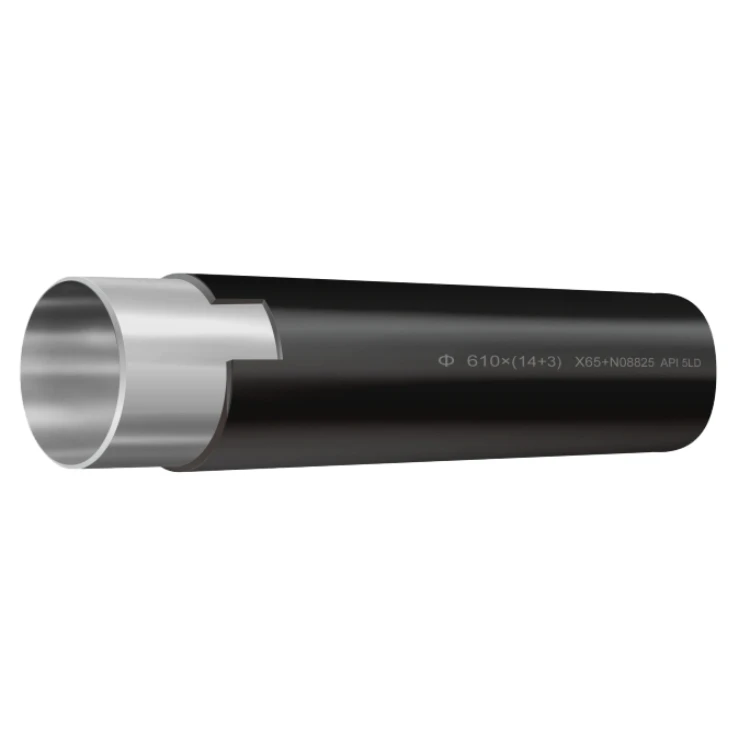
When engineers ask me what a Composite Pipe can really deliver in hostile wells, I often point them to laser cladding. It’s not hype—laser clad steel pipes behave like a hybrid: a strong steel backbone with a corrosion- and wear-resistant metallurgical skin. In other words, a practical, field-proven form of Composite Pipe for drilling, geothermal, and even compressed air energy storage (CAES). The fact that this product is coming out of the Economic Development Zone of Mengcun county, Cangzhou city, Hebei province, tells you something about how quickly specialized manufacturing has globalized.
Composite Pipe: Lightweight, Corrosion-Resistant, Durable

What’s special here?

The Laser Clad Pipe fuses nickel- or cobalt-based alloys onto a steel substrate using a high-energy laser. The bond is metallurgical (not just a coating), so delamination risk is low. Many customers say the biggest surprise is stability in sour service and the reduction of workovers. To be honest, that tracks with what I’ve seen in long-lead projects for oil, gas, and geothermal extraction—and increasingly, CAES shafts where abrasion and CO2-laden brines would chew lesser materials.

Industry trends (short version)

  • Geothermal and CAES are growing, pushing demand for Composite Pipe with better sour and high-temp performance.
  • Laser processes are displacing thermal spray where metallurgical bonding is needed.
  • Hydrogen-readiness and CO2 injection (CCUS) require tighter QA and traceability—laser cladding fits that mindset.

Typical product specs (Laser Clad Pipe)

Base Steel (approx.) API 5CT grades (e.g., L80/P110) or equivalent
Cladding Alloys Ni-based (e.g., 625-type), Co-based (Stellite-type), Fe-based wear overlays
Clad Thickness ≈0.8–3.0 mm (real-world use may vary)
Hardness Ni-based ≈ 220–320 HV; Co-based ≈ 35–45 HRC
Temp. Window Up to ≈ 600°C depending on alloy and duty cycle
Pressure Envelope Designed per wall; deep-well service up to 10–20 ksi typical
Diameters ≈ 2 3/8"–13 3/8" OD (custom on request)
Service Life Designed 20–30 years with correct alloy–environment match

Process flow and testing

  1. Material selection: base steel + cladding alloy mapping to media, temp, H2S/CO2.
  2. Surface prep and laser cladding: parameter control to limit dilution and porosity.
  3. Heat treatment as required by grade and overlay spec.
  4. NDT: UT per ASTM E213; PT/DP per ASTM E165; radiography as needed.
  5. Corrosion tests: ASTM G48 (pitting) for Ni alloys; NACE TM0177 (SSC) for sour service.
  6. Hydrotest per API 5CT/ISO 11960; hardness mapping; microstructure checks per ISO 17639.
  7. Dimensional and thread gauging per API 5B; documentation under ISO 9001.

Where it’s used

Underground CAES wells and casings, geothermal production strings, sour gas laterals, abrasive slurry injection, and CO2/CCUS lines where a tough Composite Pipe approach mitigates corrosion-erosion.

Vendor snapshot (indicative)

Vendor Cladding Method QA/Certs Lead Time Notes
Lion Pipeline (Hebei) Laser cladding (metallurgical bond) ISO 9001/14001/45001 (typical) ≈ 4–10 weeks Strong in CAES/geothermal projects
Vendor A HVOF/thermal spray ISO 9001 ≈ 6–12 weeks Good wear; bond not metallurgical
Vendor B Weld overlay (GTAW) ISO 9001/ASME stamps ≈ 8–16 weeks Thicker overlays; higher heat input

Customization and feedback

Custom OD/ID, premium thread connections, alloy blends, and clad thickness are available. In field notes I’ve seen, operators reported corrosion rates

Mini case notes

  • Geothermal loop: 180–220°C brine, Ni-based clad; no pitting in G48 24h test; stable after 12 months.
  • CAES shaft in saline strata: reduced scale buildup; inspection interval extended from 6 to 12 months.

Standards touchpoints: API 5CT/5B, ISO 11960, ISO 15614-7 (overlay procedure qual.), ASTM E213/E165, NACE MR0175/ISO 15156, NACE TM0177, ASTM G48/G31, ASME B31.3. Always validate per project specs.
References

  1. API 5CT: Specification for Casing and Tubing.
  2. ISO 15614-7: Welding procedure specification and qualification — Overlay welding.
  3. NACE MR0175/ISO 15156: Materials for use in H2S-containing environments.
  4. ASTM G48: Pitting and crevice corrosion of stainless and related alloys.
  • Overlay Welding Clad Steel Pipe

    Overlay Welding Clad Steel Pipe

    Overlay Welding clad Steel Pipe features a high-performance welded overlay that enhances the pipe’s surface properties, providing superior resistance to corrosion, erosion, and wear. This process involves applying a wear-resistant alloy layer over a strong steel base, making it ideal for industries such as oil and gas, mining, and chemical processing, where pipes are exposed to harsh conditions. The overlay ensures extended service life, reduced maintenance costs, and reliable performance even in extreme environments. With its combination of strength, durability, and corrosion resistance, the Overlay Welding Steel Pipe is a trusted solution for critical applications.
    VIEW ALL
  • Bend Pipe

    Bend Pipe

    Bend is a crucial pipe fitting used to change the direction of flow in a piping system. It allows for smooth transitions between sections of pipe, accommodating layout constraints, avoiding obstacles, and optimizing flow paths. Bends are designed to maintain the fluid's velocity and minimize pressure loss while providing the necessary angle of deviation. They are commonly used in various industries, including oil and gas, petrochemicals, water supply, and HVAC systems.
    VIEW ALL
  • Pipe Cap

    Pipe Cap

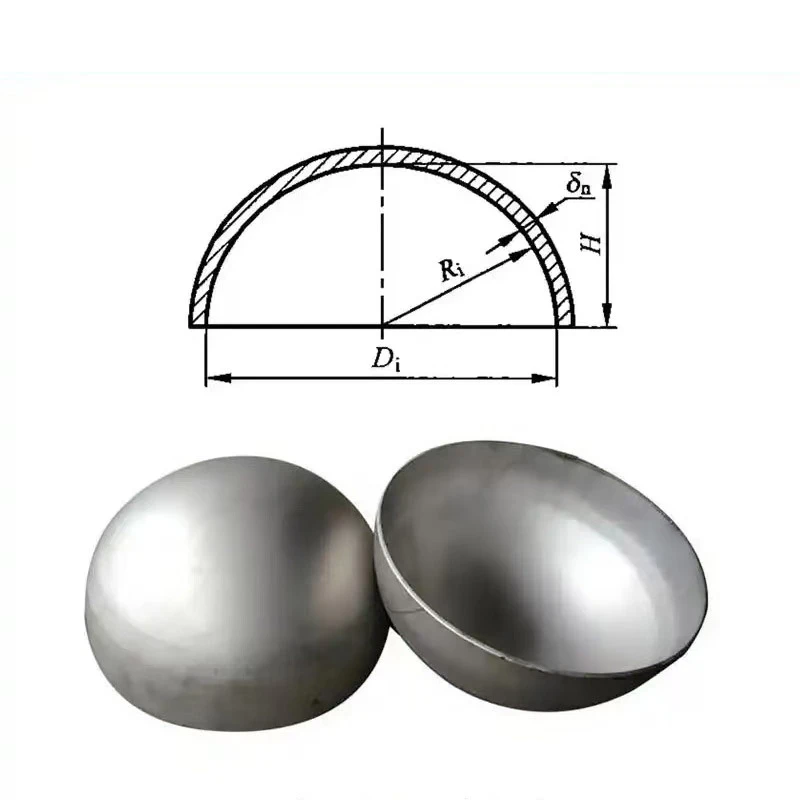
    Pipe caps come in different shapes, including round, square, and oval, and can be designed for both threaded and welded connections. They ensure the integrity of piping systems during transportation, storage, and installation by protecting the pipe ends from dirt, debris, and environmental factors. Durable and easy to install, pipe caps are critical for maintaining system efficiency and safety.
    VIEW ALL
To create value for customers!
Cangzhou Leo Technology Co., Ltd. is located in Mengcun County Economic Development Zone, Cangzhou City, Hebei Province. It is a specialized high-tech enterprise that integrates the research and development, production, and sales of composite pipes and fittings.
News
The company regards product quality as the life of the enterprise, establishes a sound quality management system in accordance with the requirements of industry and national standards, controls all aspects of input and output in the whole process, pays attention to every detail, and ensures that the product delivery pass rate is 100%.
Comprehensive Guide to Steel Pipes and Fittings | Benefits & Global Applications

Comprehensive Guide to Steel Pipes and Fittings | Benefits & Global Applications

Steel Pipes and Fittings: Backbone of Global Infrastructure Steel pipes and fittings might sound lik
Understanding Welded Steel Pipe: Applications, Benefits, and Innovations

Understanding Welded Steel Pipe: Applications, Benefits, and Innovations

The Quiet Power of Welded Steel Pipe in Today's World If you’re here, you’re probably wo
The Essential Guide to Tube and Steel: Applications, Benefits, and Future Trends

The Essential Guide to Tube and Steel: Applications, Benefits, and Future Trends

Understanding Tube and Steel: Why It Matters in a Complex World If you haven’t given much thou
Thin Wall Steel Pipe – Lightweight Strength for Global Infrastructure Solutions

Thin Wall Steel Pipe – Lightweight Strength for Global Infrastructure Solutions

Understanding Thin Wall Steel Pipe: Why It Matters Globally The term “thin wall steel pipe&rdq
Thick Wall Steel Tubing: Durable Solutions for Global Pipelines and Infrastructure

Thick Wall Steel Tubing: Durable Solutions for Global Pipelines and Infrastructure

The Growing Importance of Thick Wall Steel Tubing: A Practical Overview Sometimes when you hear &ldq
Thick Wall Steel Pipe - Durable Industrial Piping for High-Pressure Applications

Thick Wall Steel Pipe - Durable Industrial Piping for High-Pressure Applications

Understanding Thick Wall Steel Pipe: What It Is and Why It Matters Globally If you’ve ever enc
tel email tel top

If you are interested in our products, you can choose to leave your information here, and we will be in touch with you shortly.