Flanges are essential components in a wide range of industries, playing a crucial role in connecting pipes, valves, pumps, and other equipment. They ensure a secure and leak - proof connection, facilitating the smooth flow of fluids and gases. This exploration delves into various types of flanges, including a flange, adjustable flange, angle flange, angled toilet flange, and backing flange, uncovering their unique features, applications, and significance.
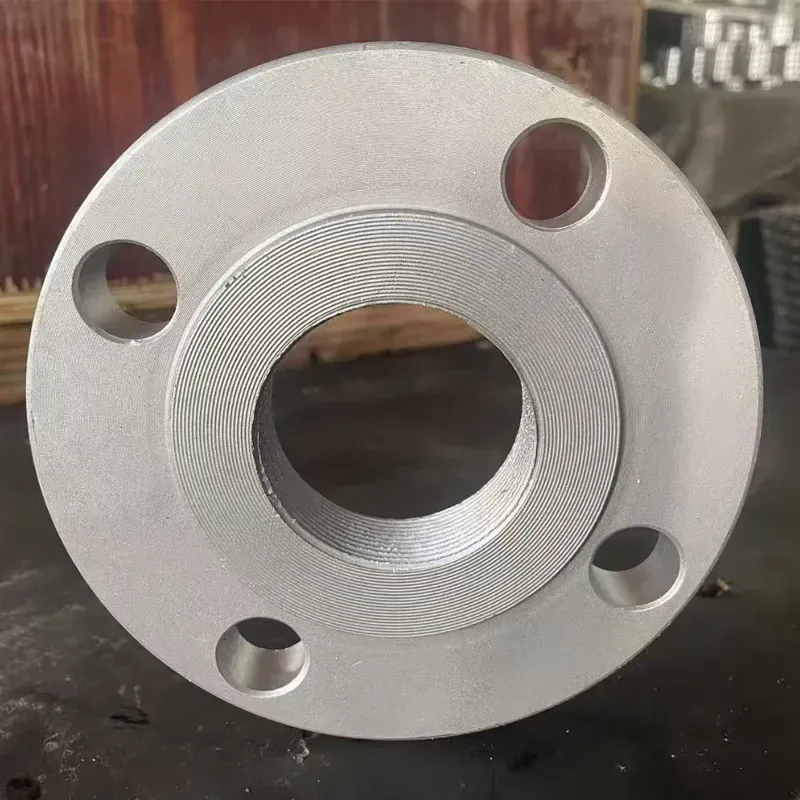
In the world of industrial and plumbing systems, a flange serves as a flat, circular plate with holes drilled around its perimeter. These holes are designed to align with corresponding holes on another flange or a mating surface, allowing them to be bolted together. A flange acts as a connection point, providing a stable and reliable interface between different components. For instance, in a pipeline system, multiple pipe sections can be joined using flanges. By sandwiching a gasket between two flanges and tightening the bolts, a seal is created, preventing leaks and ensuring the integrity of the system. Flanges come in various materials, such as steel, stainless steel, and cast iron, depending on the application requirements and the nature of the fluid or gas being transported.
Adjustable flanges offer a distinct advantage when it comes to flexibility in installation and alignment. These flanges are designed with features that allow for some degree of movement or adjustment. In scenarios where precise alignment of pipes or components is challenging due to irregularities in the installation site or slight variations in dimensions, an adjustable flange can be a game - changer. For example, in industrial settings where pipes need to be connected at different heights or angles, an adjustable flange can be manipulated to achieve the correct alignment. It may have slotted holes or a mechanism that enables it to pivot or slide, ensuring a proper fit and connection. This adjustability not only simplifies the installation process but also reduces the need for complex and time - consuming modifications to the surrounding infrastructure.
Angle flanges are specifically engineered to facilitate connections at right angles or other angular orientations. They have a L - shaped or angular profile, which allows pipes or equipment to be joined at a specific angle. In plumbing and HVAC systems, angle flanges are commonly used to change the direction of pipes. For instance, when a pipe needs to turn a corner to navigate around obstacles or to reach a specific location, an angle flange provides a seamless transition. In industrial applications, such as in the construction of machinery or the layout of complex piping networks, angle flanges enable the creation of intricate configurations. Their ability to maintain a secure connection while changing the flow direction makes them an indispensable part of many engineering designs.
In the realm of plumbing, angled toilet flanges play a vital role in ensuring the proper installation and functionality of toilets. These flanges are designed to accommodate the specific requirements of toilet installations, especially when the toilet needs to be positioned at an angle relative to the floor drain or the plumbing pipes. An angled toilet flange provides a stable base for the toilet and ensures a watertight seal between the toilet and the drainpipe. It helps prevent leaks and odors from escaping, maintaining a clean and hygienic bathroom environment. Proper installation of an angled toilet flange is crucial, as any misalignment or improper sealing can lead to costly plumbing issues down the line.
Backing flanges are often used in conjunction with other flanges to provide additional support and strength. They are typically placed on the backside of a primary flange, distributing the load and stress more evenly across the connection. In high - pressure applications, such as in oil and gas pipelines or industrial machinery, a backing flange can enhance the structural integrity of the joint. By adding an extra layer of support, it helps prevent the flange from deforming or failing under pressure. Additionally, backing flanges can also be used to protect the mating surface of the primary flange from damage, ensuring a longer lifespan and more reliable performance of the overall connection.
Selecting the appropriate flange depends on several factors. First, consider the type of fluid or gas being transported, as this will determine the material and pressure - rating requirements of the flange. For example, corrosive fluids may require stainless steel flanges, while high - pressure applications need flanges with a higher pressure class. Next, take into account the size and shape of the pipes or components to be connected. The flange's diameter, thickness, and bolt - hole pattern must match the mating parts. Additionally, the installation environment and any specific alignment or adjustment needs should also be considered. For complex installations, consulting with a professional engineer or a flange supplier can help ensure the right choice.
Regular maintenance of flanges is essential to ensure their continued performance. Inspect flanges regularly for signs of corrosion, leaks, or damage. Check the bolts and nuts for tightness and replace any that are loose or damaged. Clean the flange surfaces to remove dirt, debris, or any deposits that could affect the seal. If gaskets are used, replace them periodically according to the manufacturer's recommendations or when signs of wear or degradation are observed. In high - humidity or corrosive environments, additional protective measures, such as applying anti - corrosion coatings, may be necessary.
In some cases, flanges can be reused, but it depends on their condition and the nature of the application. Flanges that are in good condition, with no significant damage, corrosion, or deformation, may be suitable for reuse. However, it's important to thoroughly clean and inspect the flanges before reuse. Replace any damaged bolts, nuts, or gaskets. Additionally, if the flange has been used in a high - pressure or high - temperature application, it may be more prone to fatigue and should be carefully evaluated for continued use. In some industries, such as the food and pharmaceutical sectors, strict regulations may limit the reuse of flanges to ensure product safety and hygiene.
The main difference between adjustable flanges and regular flanges lies in their design and functionality. Regular flanges have fixed holes and a rigid structure, providing a straightforward connection. In contrast, adjustable flanges are equipped with features that allow for movement or adjustment. This could include slotted holes, pivot points, or sliding mechanisms. These features enable adjustable flanges to compensate for misalignments, variations in dimensions, or changes in the installation environment. While regular flanges are suitable for applications where precise alignment can be easily achieved, adjustable flanges offer greater flexibility and adaptability in more challenging installation scenarios.
When installing angled toilet flanges, proper alignment with the floor drain and the toilet base is crucial. Ensure that the flange is level and securely fastened to the floor. Use the appropriate bolts and gaskets to create a watertight seal. Pay attention to the orientation of the angled flange to ensure that the toilet will be positioned correctly. It's also important to follow local plumbing codes and regulations during installation. If necessary, consult a professional plumber to ensure that the installation is done correctly, as improper installation of an angled toilet flange can lead to leaks, odors, and other plumbing problems.

Tubes en acier au carbone sans soudure
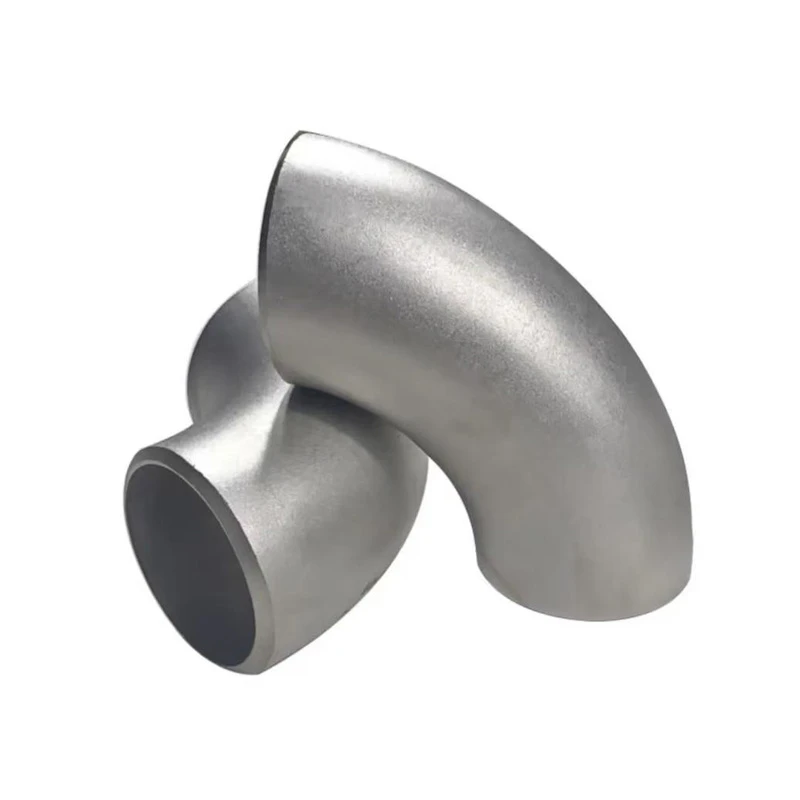
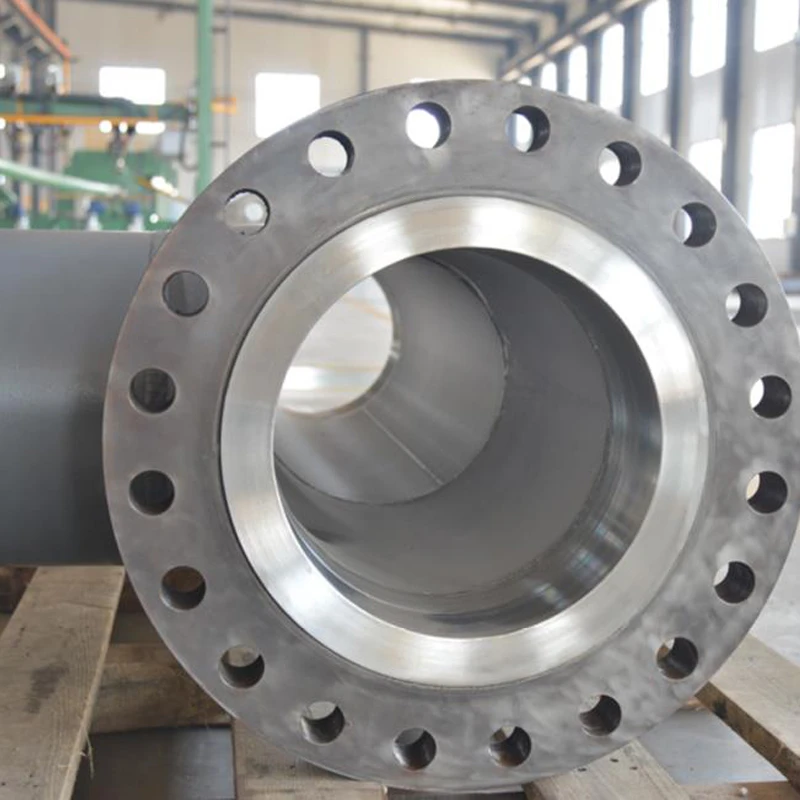
Produits préfabriqués en usine

Ultimate Guide to 4130 Tubing Strength Performance and Applications
Properties and Industrial Applications of 4130 steel tubing
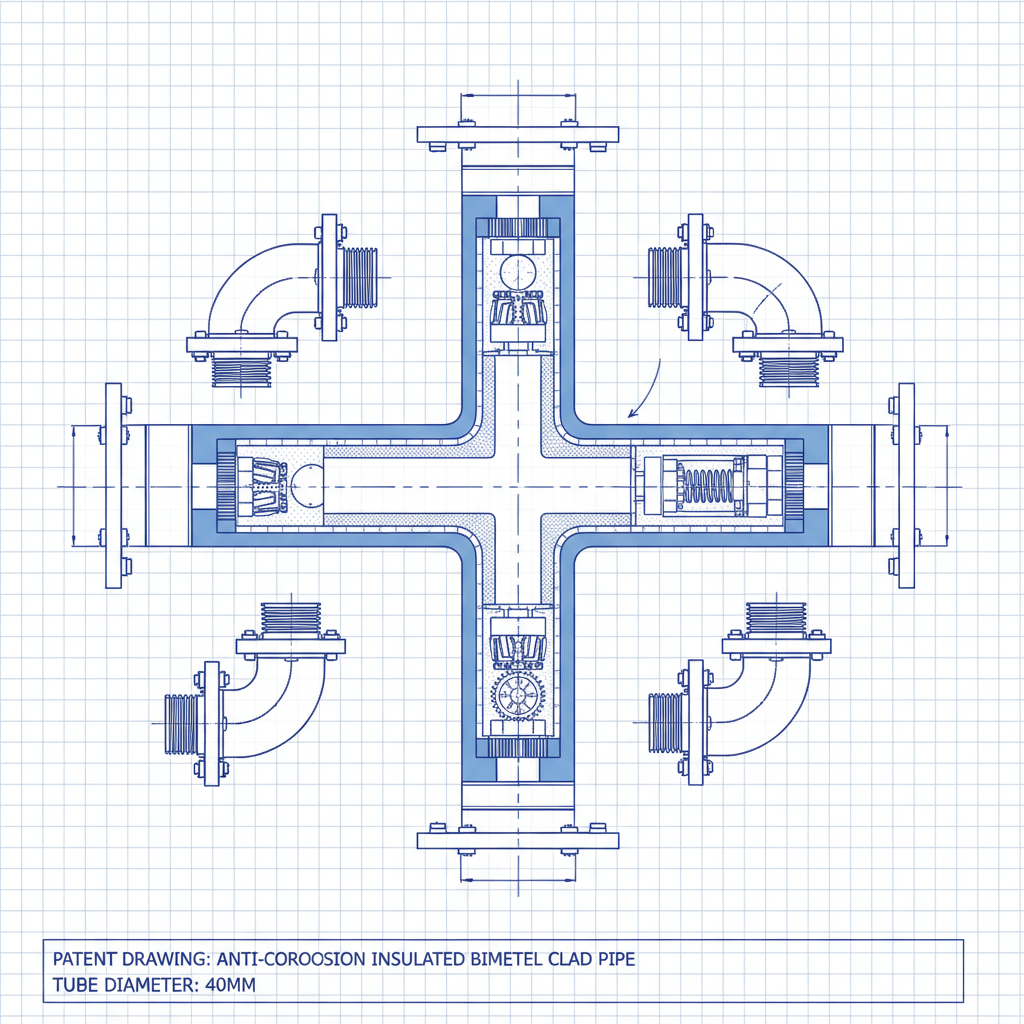
Comprehensive Guide to 40mm Steel Tube Applications and Material Selection
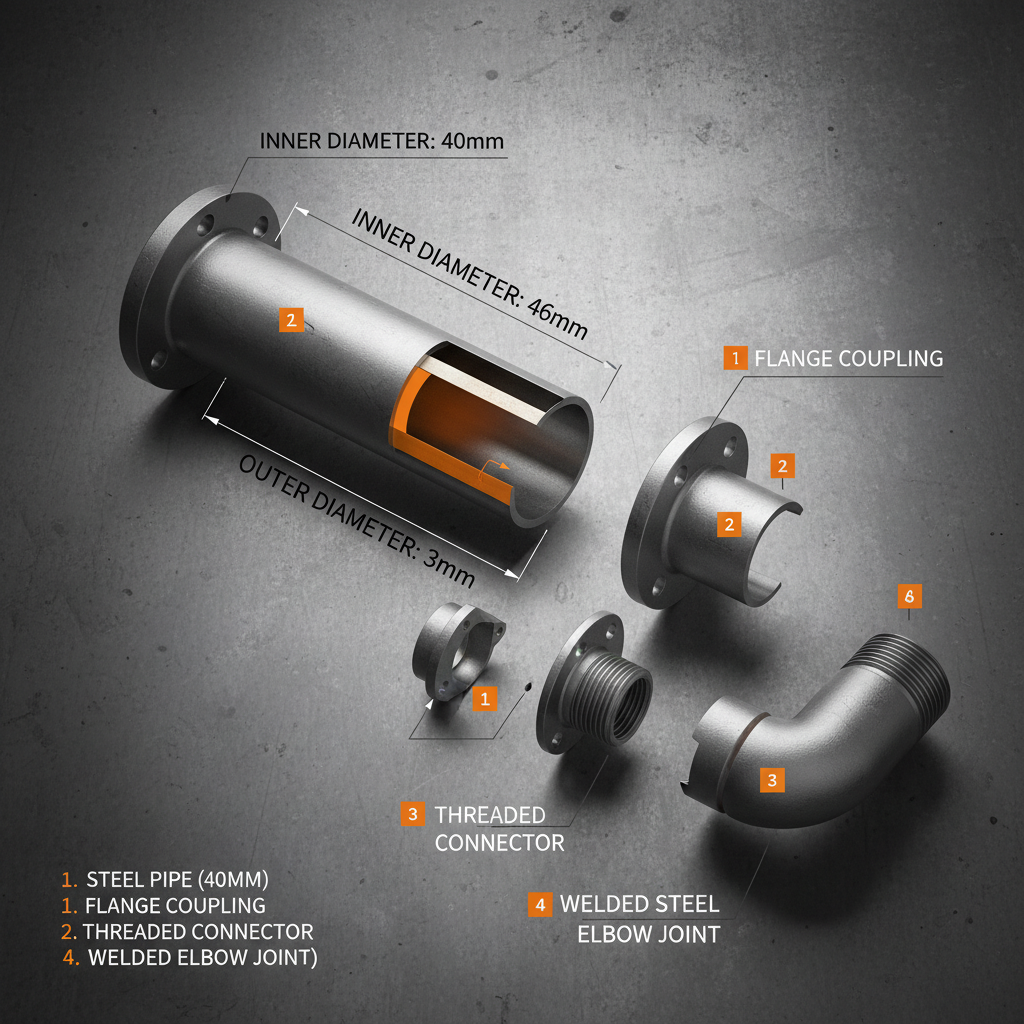
Comprehensive Guide to 40mm Steel Pipe Applications and Considerations
Comprehensive Guide to 40mm Metal Pipe Applications and Sourcing
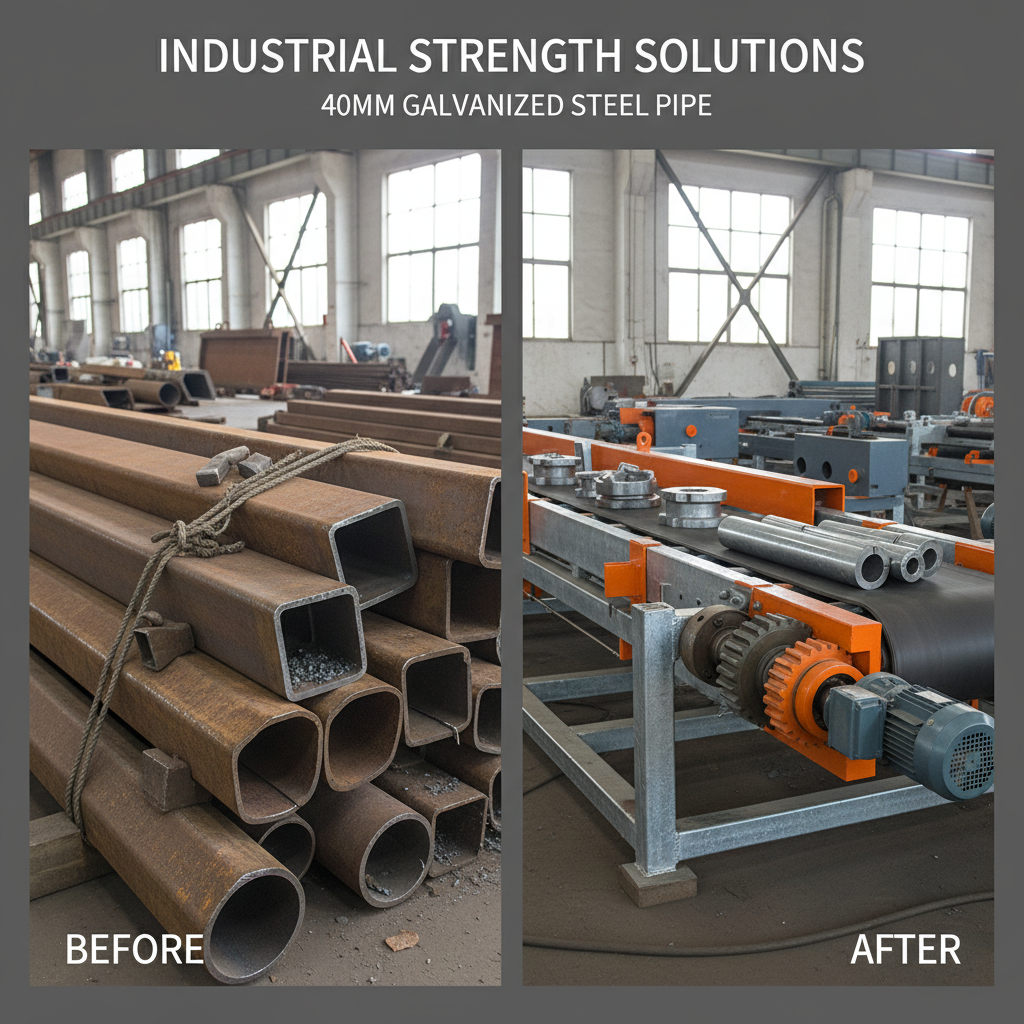
Comprehensive Guide to 40mm Galvanised Pipe Applications and Specifications