tel
Email
to top

Durable 3 1/2 Square Tubing for Industrial Applications | Expert Guide

Jan 01 2026
share:

Understanding 3 1/2 Square Tubing: A Veteran’s Perspective

When I first started working in the industrial equipment sector, steel tubing was always a core topic. Over the years, the 3 1/2 square tubing has stood out not just for its versatility but also for its reliability under pressure—pun intended. Oddly enough, it’s one of those materials that doesn’t get that much spotlight outside the trade, yet in practically every structural or mechanical project I’ve seen, it quietly does its job without fuss.

3 1/2 square tubing—sometimes referred to as 3.5-inch square tubing—is basically a hollow steel bar with a square cross-section, 3.5 inches on each side. Its wall thickness and alloy composition might vary, but what folks in the industry universally appreciate is its balance of strength and weight. It’s not too heavy to handle, yet it packs enough rigidity for frameworks, machinery guards, and even fencing applications.

I suppose the real art lies in understanding the trade-offs when specifying this tubing. For instance, you want something that’s durable enough to withstand stress but not so overbuilt that it turns your project into a bear to transport or weld. You know, many engineers I’ve worked with also like that it’s relatively straightforward to weld and fabricate. That makes field adjustments easier, which always helps when the gloves are off and the deadline approaches.

Material and Manufacturing Insights

The standard material tends to be ASTM A500 Grade B or C steel, which offers excellent strength with good machinability. Now, some suppliers offer galvanized coatings for corrosion resistance, which is neat if you’re installing outdoors or in a humid environment. From a practical standpoint, corrosion protection can increase the lifespan dramatically—say, from 10 to 20 years, maybe more depending on conditions.

One little anecdote: I once saw a client choose uncoated tubing for a coastal project to save some upfront costs. A year later, we had rust creeping in, turning the tubing brittle. Moral of the story? Never skimp on specs if your project involves moisture or salt air.

Typical 3 1/2 Square Tubing Specs
Specification Value
Outside Dimension (inch) 3.5 x 3.5
Wall Thickness (inch) 0.120 to 0.250
Material Grade ASTM A500 Grade B or C
Coating Options Hot-dip galvanized, Painted, Untreated
Common Lengths 20 to 40 feet (custom cut available)
Typical Weight (lbs/ft) 5.5 to 11.4

Vendor Comparison: What to Look For

Frankly, sourcing this kind of steel tubing can be a mixed bag. Some suppliers focus heavily on low cost and volume, while others prioritize customization and rapid turnaround. This table below sums up a few vendors I’ve worked with recently. The differences can be subtle, but they matter especially when you need customized cuts, certified testing, or rapid delivery:

3 1/2 Square Tubing Vendor Comparison
Vendor Price per ft Custom Cuts Testing Certifications Lead Time
SteelPro Supply $4.50 Yes ASTM & ISO 2 weeks
BulkMetals Direct $3.90 Limited ASTM only 3-4 weeks
Lion Pipeline $4.75 Yes ASTM, ISO, API 1 week

Oddly enough, I noticed that vendors who offer faster lead times and more certifications often price their tubing slightly higher. But frankly, that’s the kind of investment you want to make when your project specs demand reliability and traceability. And if you want to explore detailed product options and ordering, 3 1/2 square tubing is a solid place to start looking.

In real terms, the key takeaway I’ve found over the years is: choose the tubing that fits the environment and usage, not just the sticker price. Rust prevention, certifications, and customization can save headaches down the line. It’s like buying tools—you get what you pay for.

So, the next time you encounter a draw or spec sheet calling for 3 1/2 square tubing, don’t just check a box. Reflect on the project's real demands. Think strength, durability, and practicality. That’s the advice I keep close.

References:
  1. ASTM A500 standard specification for cold-formed welded and seamless carbon steel structural tubing
  2. Industry case studies on steel tubing corrosion and coating longevity
  3. Vendor product catalogs and certification documents
  • Mechanical Clad Steel Pipe

    Mechanical Clad Steel Pipe

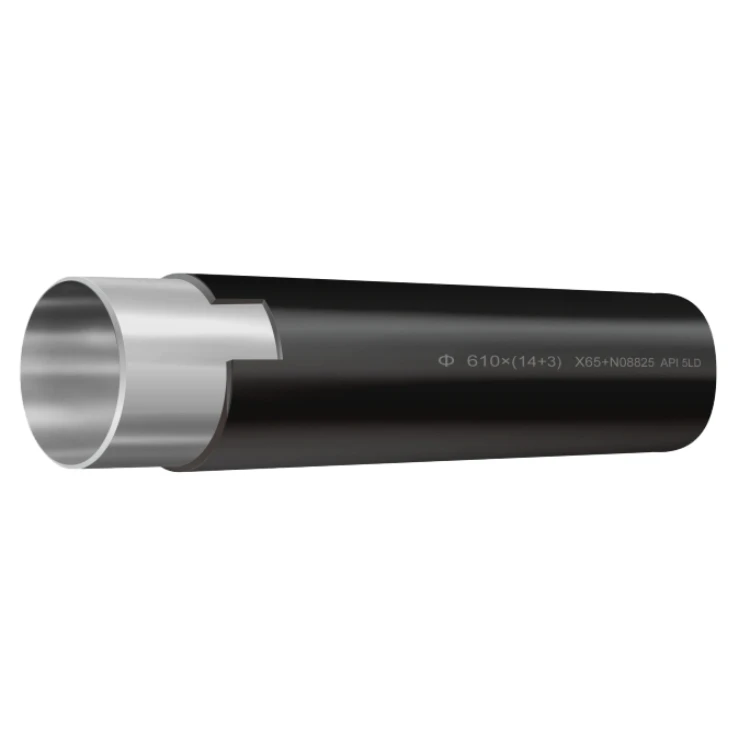
    Mechanical clad steel pipe (MCSP) is a kind of high-performance pipe, which is specially designed for demanding industrial applications. Combining the durability and strength of steel with advanced composite materials, MCSP provides enhanced corrosion resistance, high pressure and extreme temperatures.
    VIEW ALL
  • Laser Clad  Pipe

    Laser Clad Pipe

    Laser clad steel pipes are manufactured using laser cladding technology. This technology involves adding cladding material to the surface of ordinary steel pipe base material, using high-energy-density laser beams to fuse the cladding material with the steel pipe surface, forming a metallurgically bonded cladding layer. These pipes are generally used in compressed air energy storage projects as underground deep well transportation pipes or casings, as well as in oil, natural gas, and geothermal well extraction.
    VIEW ALL
  • Bend Pipe

    Bend Pipe

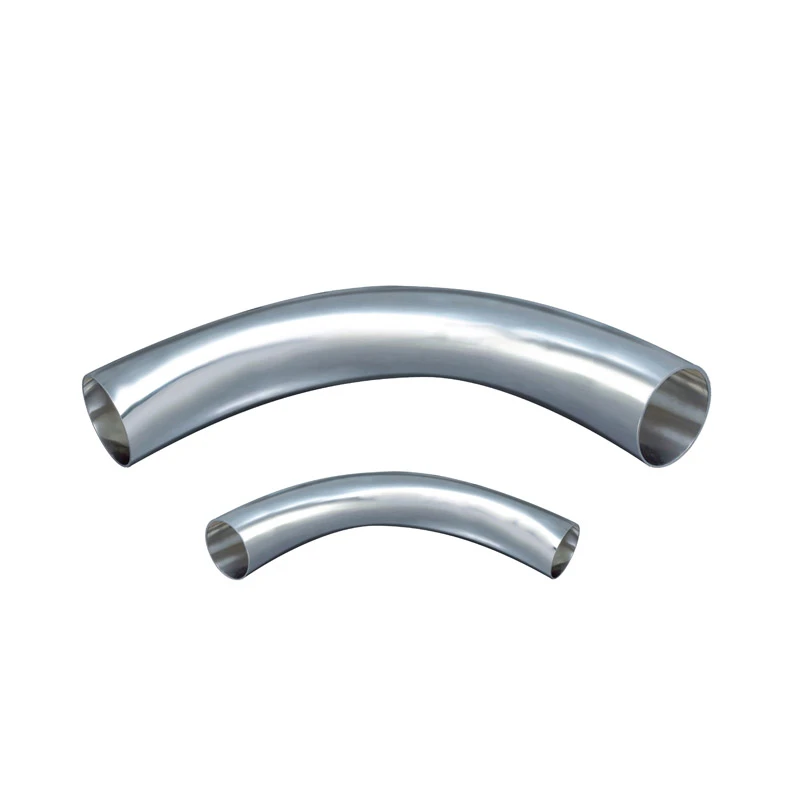
    Bend is a crucial pipe fitting used to change the direction of flow in a piping system. It allows for smooth transitions between sections of pipe, accommodating layout constraints, avoiding obstacles, and optimizing flow paths. Bends are designed to maintain the fluid's velocity and minimize pressure loss while providing the necessary angle of deviation. They are commonly used in various industries, including oil and gas, petrochemicals, water supply, and HVAC systems.
    VIEW ALL
To create value for customers!
Cangzhou Leo Technology Co., Ltd. is located in Mengcun County Economic Development Zone, Cangzhou City, Hebei Province. It is a specialized high-tech enterprise that integrates the research and development, production, and sales of composite pipes and fittings.
News
The company regards product quality as the life of the enterprise, establishes a sound quality management system in accordance with the requirements of industry and national standards, controls all aspects of input and output in the whole process, pays attention to every detail, and ensures that the product delivery pass rate is 100%.
Properties and Industrial Applications of 4130 steel tubing
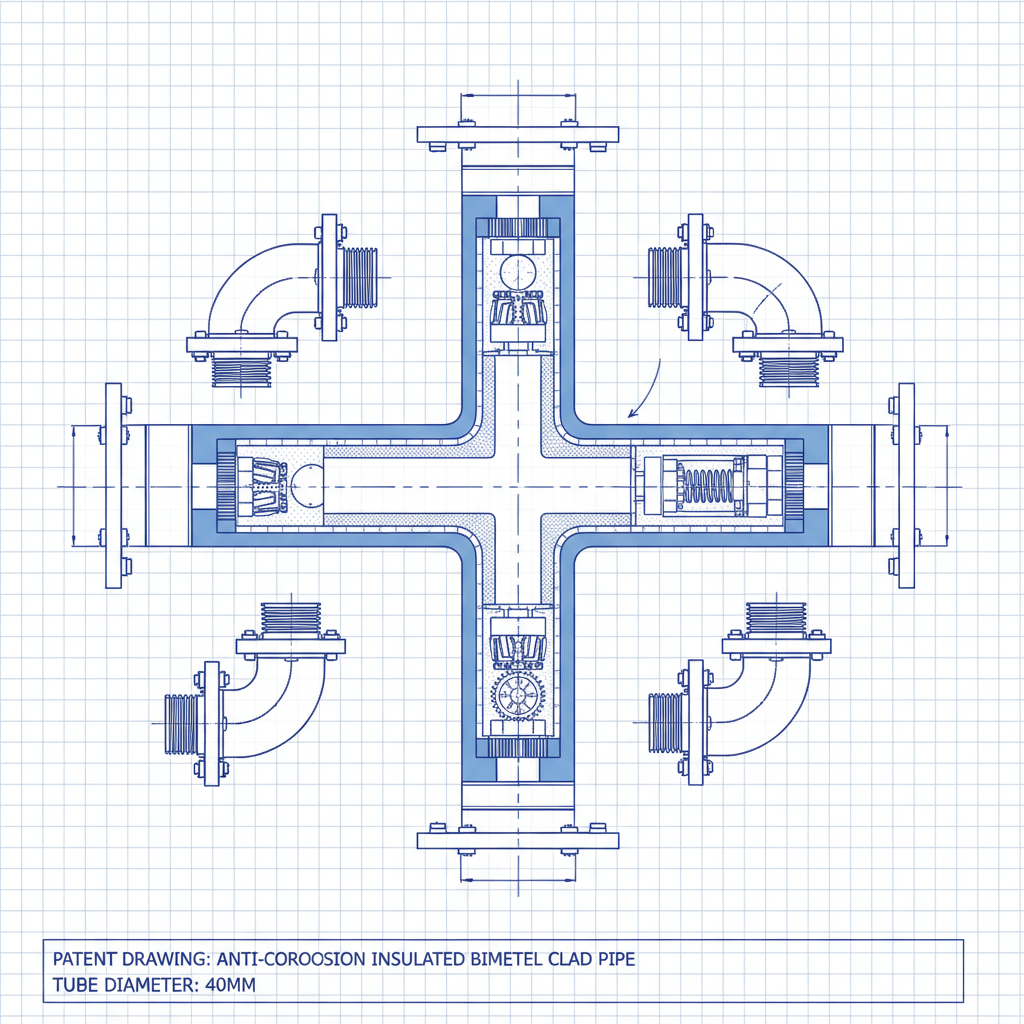
Properties and Industrial Applications of 4130 steel tubing

In the world of high-performance engineering, material selection is the foundation of safety and efficiency. 4130 steel tubing is widely recognized as the gold standard for applications requiring an exceptional strength-to-weight ratio. Known for its versatility and reliability, this chromium-molybdenum alloy is the preferred choice for everything from aircraft frames to professional roll cages. Understanding the nuances of this material allows engineers to optimize structural integrity without adding unnecessary bulk. In this comprehensive guide, we will explore why this specific alloy remains a top choice for critical industrial and aerospace components.
Comprehensive Guide to 40mm Steel Tube Applications and Material Selection
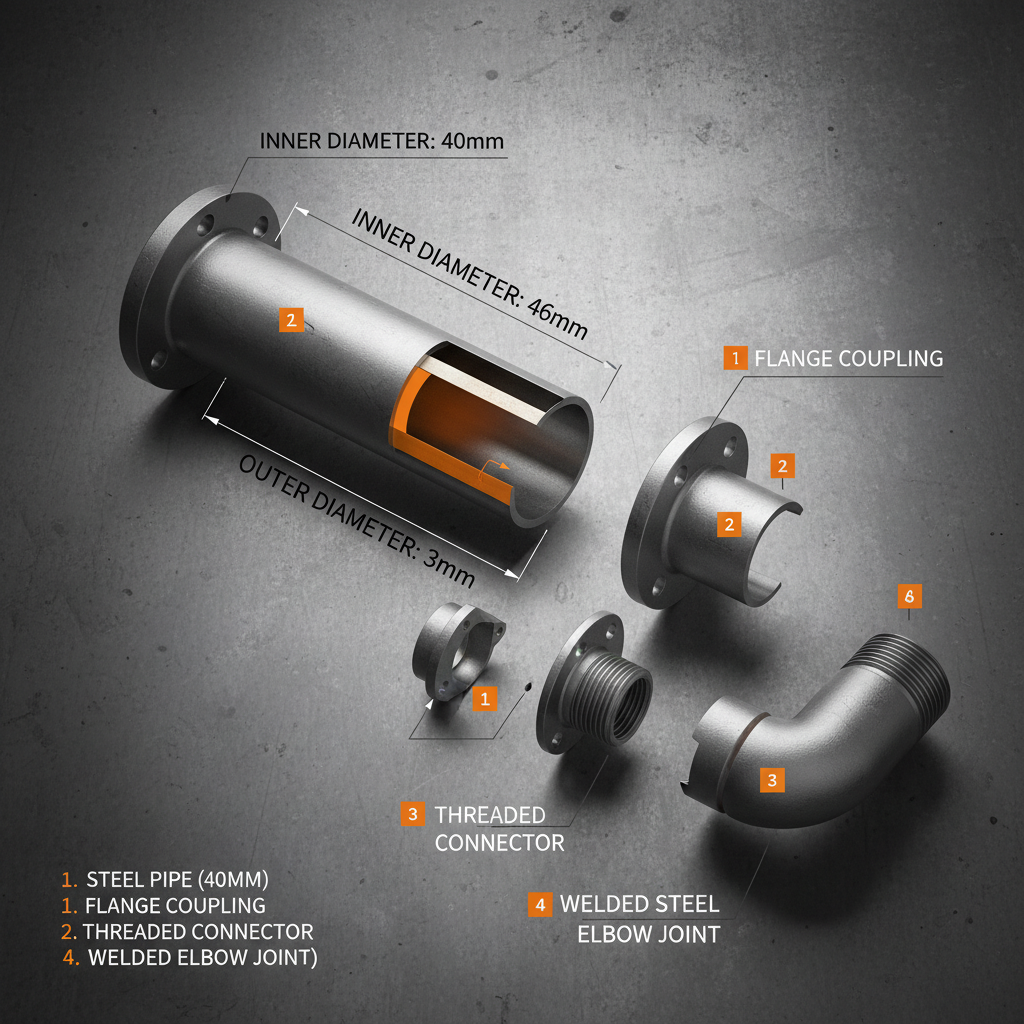
Comprehensive Guide to 40mm Steel Tube Applications and Material Selection

40mm steel tube is a versatile and widely used material in various industries, from construction and manufacturing to automotive and beyond. Its strength, durability, and cost-effectiveness make it an ideal choice for numerous applications. This article will delve into the characteristics, applications, benefits, and considerations when working with 40mm steel tube, providing a comprehensive overview for professionals and anyone interested in this essential material.
Comprehensive Guide to 40mm Steel Pipe Applications and Considerations
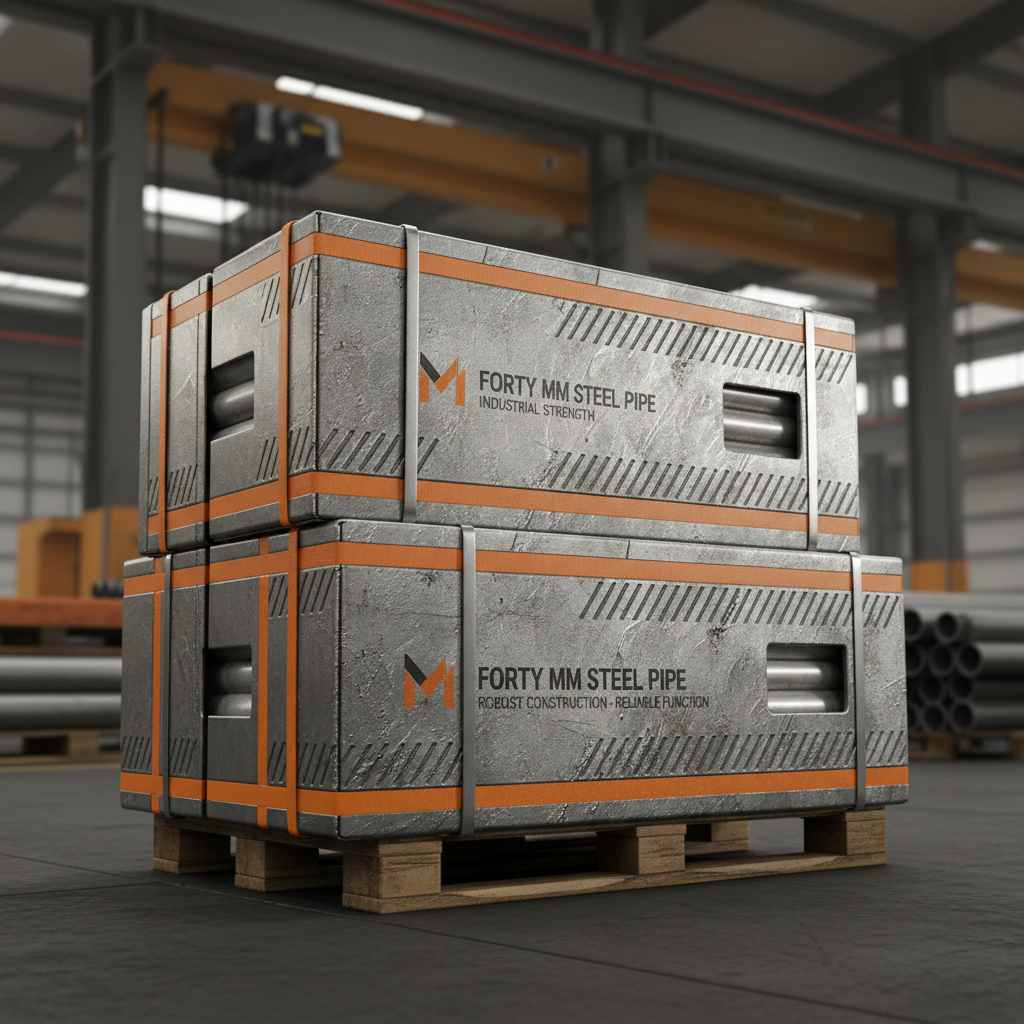
Comprehensive Guide to 40mm Steel Pipe Applications and Considerations

40mm steel pipe is a widely used material in various industries due to its strength, durability, and cost-effectiveness. From construction and infrastructure projects to industrial applications and fluid transportation, this pipe size offers a versatile solution. This article will delve into the properties, applications, standards, and key considerations when selecting 40mm steel pipe, helping you make informed decisions for your specific needs.
Comprehensive Guide to 40mm Metal Pipe Applications and Sourcing
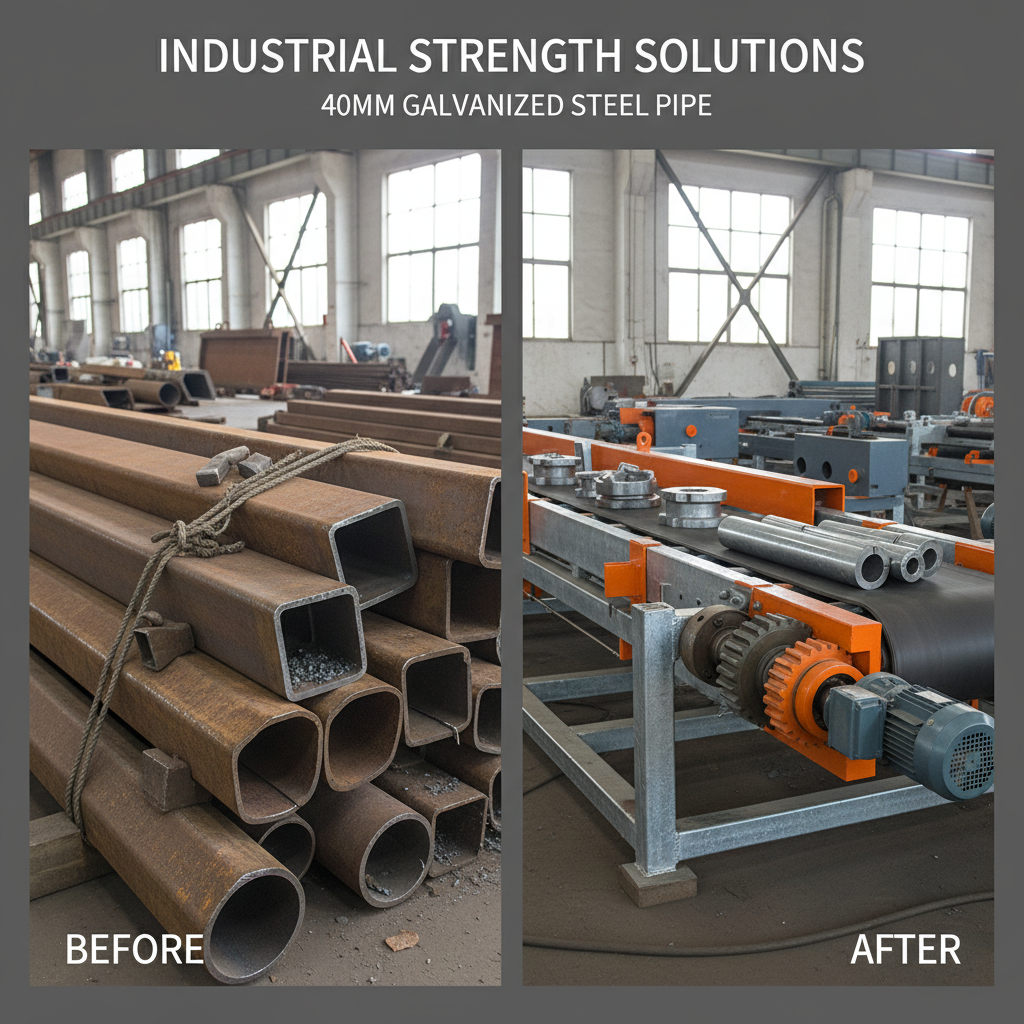
Comprehensive Guide to 40mm Metal Pipe Applications and Sourcing

40mm metal pipe is a crucial component in a wide array of industries, from construction and plumbing to industrial manufacturing and fluid transport. Its strength, durability, and versatility make it a preferred material for countless applications. This article will delve into the specifics of 40mm metal pipe, exploring its various types, common uses, benefits, and where to source high-quality piping solutions.
Comprehensive Guide to 40mm Galvanised Pipe Applications and Specifications
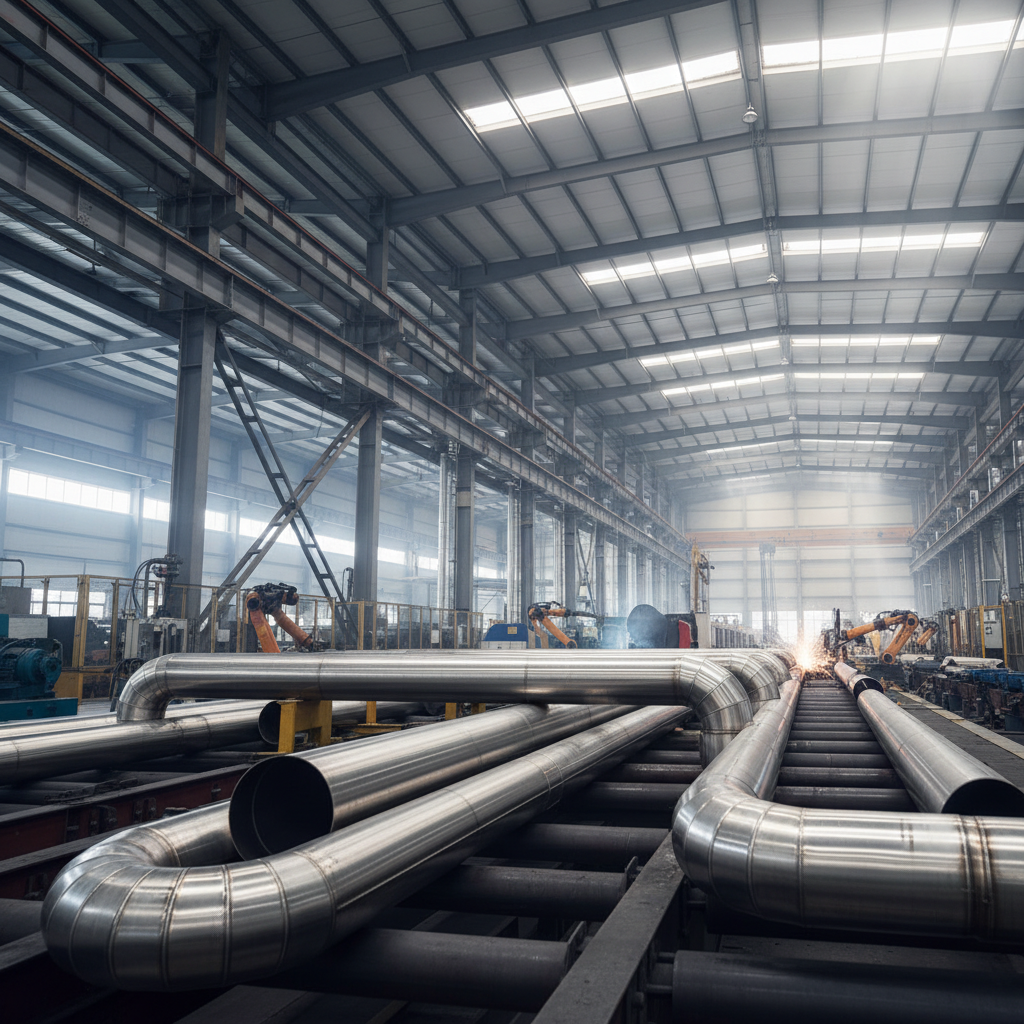
Comprehensive Guide to 40mm Galvanised Pipe Applications and Specifications

When planning a plumbing, structural, or industrial project, selecting the right piping material is crucial. 40mm galvanised pipe is a widely used option known for its strength, durability, and corrosion resistance. This article provides a detailed overview of 40mm galvanised pipes, exploring their applications, benefits, specifications, and considerations for optimal usage. We'll cover everything from what galvanisation is to how to choose the right pipe for your specific needs.
Comprehensive Guide to 409 Stainless Steel Exhaust Pipe Applications and Benefits

Comprehensive Guide to 409 Stainless Steel Exhaust Pipe Applications and Benefits

When selecting materials for exhaust systems, especially in industries demanding durability and corrosion resistance, 409 stainless steel exhaust pipe emerges as a leading solution. Known for its affordability and suitable performance in various applications, it’s a popular choice for automotive, truck, and industrial exhaust systems. This article delves into the properties, benefits, applications, and considerations when choosing 409 stainless steel exhaust pipe, providing valuable insights for engineers, purchasers, and anyone involved in exhaust system design and manufacturing. Understanding the nuances of this material is key to ensuring long-lasting and reliable exhaust solutions. 409 stainless steel is an austenitic stainless steel containing approximately 11.5% chromium. This chromium content provides excellent resistance to oxidation and corrosion, particularly in mildly corrosive environments. Unlike higher-grade stainless steels (like 304 or 316), 409 has a lower chromium content and typically includes titanium for stabilization. This stabilization prevents carbide precipitation during welding, enhancing its weldability and corrosion resistance in the heat-affected zone. It's often chosen for applications where cost-effectiveness is critical, and the extreme corrosion resistance of higher alloys isn't required.
tel email tel top

If you are interested in our products, you can choose to leave your information here, and we will be in touch with you shortly.