tel
Email
to top

A Detailed Guide to 3 8 Stainless Steel Tubing for Industrial Use

Jan 07 2026
share:

3 8 Stainless Steel Tubing is a key solution in the industry, specifically within many manufacturing, chemical, and energy sectors. This article explores how https://www.lion-pipeline.com supports professionals with durable, high-performance products, and explains why this product is an ideal choice for businesses in these sectors.

Table of Contents

3 8 Stainless Steel Tubing Overview

When considering reliable piping solutions, 3 8 Stainless Steel Tubing stands out for its outstanding strength and corrosion resistance. Frankly, it's one of those products engineers keep coming back to for precision systems, whether in fluid transfer or structural components.

  • It is a type of tubing crafted from high-grade stainless steel with an outer diameter of 3/8 inch, commonly used for its durability in harsh environments.
  • The tubing typically complies with ASTM A269/A270 standards and is available in grades such as 304 and 316 stainless steel.
Specification Details
Outer Diameter 3/8 inch (9.53 mm)
Material Grades 304, 316 Stainless Steel
Wall Thickness Varies (Typically 0.035 to 0.065 inch)
Length Custom lengths up to 24 feet available
Common Standards ASTM A269, A270

Benefits & Use Cases of 3 8 Stainless Steel Tubing

It's always interesting to see how 3 8 Stainless Steel Tubing is put to work — businesses in petrochemicals, pharmaceuticals, and food processing regard it almost like gold, given how it handles corrosive fluids and high pressure with ease. The truth? Its smooth surface prevents bacterial growth, which is vital for food-grade or medical applications.

  • Widely applied in hydraulic systems, instrumentation lines, and heat exchangers.
  • Offers excellent resistance to oxidation and chemical attack — a major edge in demanding environments.
  • The tubing’s consistent dimensioning allows for tight fittings, minimizing leaks and maintenance downtime.

Cost, Maintenance & User Experience

One thing many decision makers notice is the excellent return on investment when opting for 3 8 Stainless Steel Tubing. Sure, the upfront cost may be higher than alternatives like plastic or carbon steel, but longevity and low maintenance costs generally seal the deal. A few clients from chemical plants have shared that switching to stainless steel tubing cut their replacement cycles down by years — sometimes decades — which is a real win.

  • Resistant to corrosion and wear, reducing unexpected failures.
  • Requires minimal cleaning, often just routine inspection routines.
  • Most users report smoother installation processes thanks to consistent tolerances from trusted suppliers like Lion Pipeline.

Sustainability & Market Trends

Sustainability isn’t just a buzzword here; stainless steel tubing is fully recyclable, and many companies are leaning on that fact to future-proof their supply chains. Regulatory pressure also tends to favor materials that reduce contamination risks and environmental impact. Oddly enough, this demand has pushed prices up a bit recently, but it also stimulates investment in smarter manufacturing techniques, which aligns nicely with industry growth projections.

Vendor Price per Foot Material Grade Options Lead Time Customization
Lion Pipeline $12 304, 316 1–2 weeks Custom lengths & finishes
Competitor A $14 304 only 2–3 weeks Standard sizes only
Competitor B $10 304, 316 3–4 weeks Limited customization

Frequently Asked Questions about 3 8 Stainless Steel Tubing

What is 3 8 Stainless Steel Tubing and how does it work?
It’s a tube made from stainless steel with a diameter of three-eighths of an inch, used mainly for transferring liquids or gases. Thanks to stainless steel’s properties, it resists rust and corrosion, making it reliable for industrial pressure systems.
What are the main benefits of using 3 8 Stainless Steel Tubing in industrial applications?
Durability, resistance to harsh chemicals, minimal maintenance, and precise size tolerances are just a few benefits. These factors combine to reduce downtime and extend system life.
How does 3 8 Stainless Steel Tubing compare to traditional alternatives?
Compared to carbon steel or plastic pipes, it offers better corrosion resistance and strength. While the upfront cost can be higher, the reduced replacement frequency and failure risks often justify it.
What industries can benefit most from 3 8 Stainless Steel Tubing implementation?
Chemical processing, pharmaceuticals, food production, oil and gas, and aerospace industries are among the biggest users — basically anywhere performance and hygiene are critical.

Conclusion on 3 8 Stainless Steel Tubing from china

To sum up, 3 8 Stainless Steel Tubing delivers a compelling mix of durability, precision, and long-term cost-effectiveness. For B2B buyers looking to enhance the reliability of their fluid and gas transfer systems, opting for a trusted supplier like Lion Pipeline can make all the difference. It’s an investment that tends to pay dividends in performance and peace of mind.

Looking back, it’s clear that choosing the right tubing isn’t just about specs — it’s about matching material to mission. This kind of precision engineering isn’t that common, and anyone working closely with 3 8 Stainless Steel Tubing likely appreciates that subtle but critical difference.

References:
1. ASTM International - Standards for Stainless Steel Tubing
2. Industry Case Study, Chemical Plants (Anon.) 2023
3. Sustainability Reports, Metal Recycling Association 2024
  • Laser Clad  Pipe

    Laser Clad Pipe

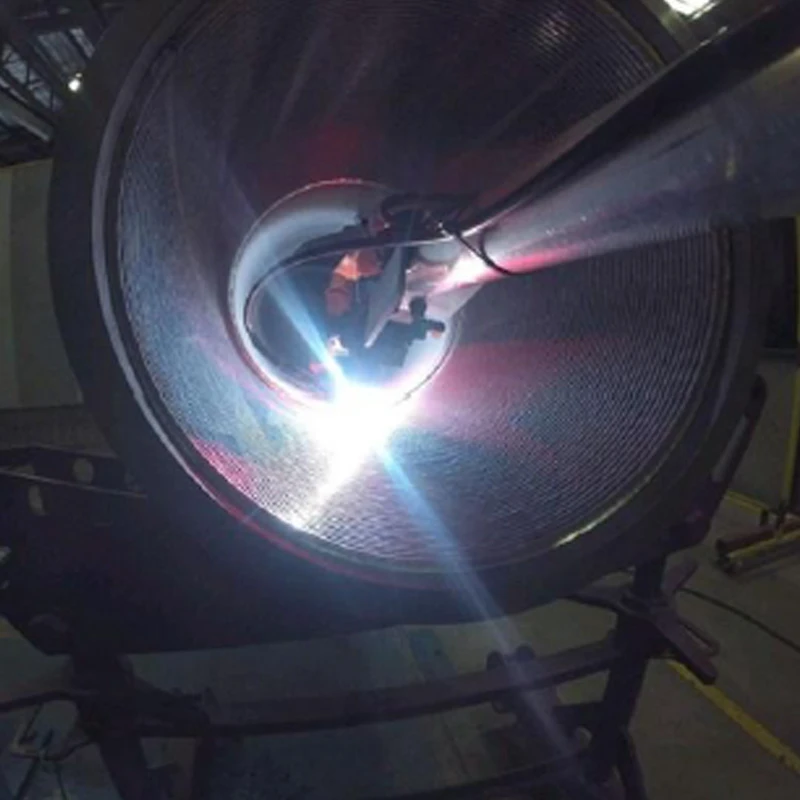
    Laser clad steel pipes are manufactured using laser cladding technology. This technology involves adding cladding material to the surface of ordinary steel pipe base material, using high-energy-density laser beams to fuse the cladding material with the steel pipe surface, forming a metallurgically bonded cladding layer. These pipes are generally used in compressed air energy storage projects as underground deep well transportation pipes or casings, as well as in oil, natural gas, and geothermal well extraction.
    VIEW ALL
  • Reducer

    Reducer

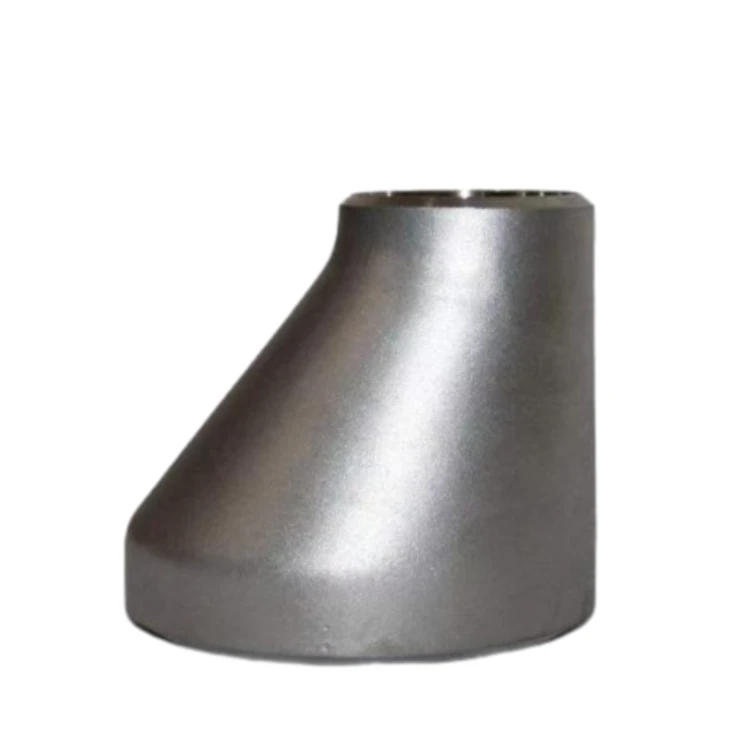
    Reducer is a pipe fitting used to connect pipes of different diameters, facilitating smooth transitions between varying flow capacities in piping systems. Available in concentric and eccentric designs, reducers help maintain optimal flow efficiency while minimizing pressure loss and turbulence.
    VIEW ALL
  • Anti Corrosion And Thermal Insulation Products
    Anti Corrosion And Thermal Insulation Products

    The anti-corrosion and thermal insulation products we focus on produce play a key role in the industrial pipeline system, especially the thermal insulation pipe fittings and steel pipes. Thermal insulation pipe fittings cover elbows, tees, reducers and pipe supports, with specifications ranging from DN15 to DN1800, and are made of carbon steel, alloy steel, stainless steel, bimetallic composite, nickel-based alloy and other materials.
    VIEW ALL
To create value for customers!
Cangzhou Leo Technology Co., Ltd. is located in Mengcun County Economic Development Zone, Cangzhou City, Hebei Province. It is a specialized high-tech enterprise that integrates the research and development, production, and sales of composite pipes and fittings.
News
The company regards product quality as the life of the enterprise, establishes a sound quality management system in accordance with the requirements of industry and national standards, controls all aspects of input and output in the whole process, pays attention to every detail, and ensures that the product delivery pass rate is 100%.
Ultimate Guide to 4130 Tubing Strength Performance and Applications
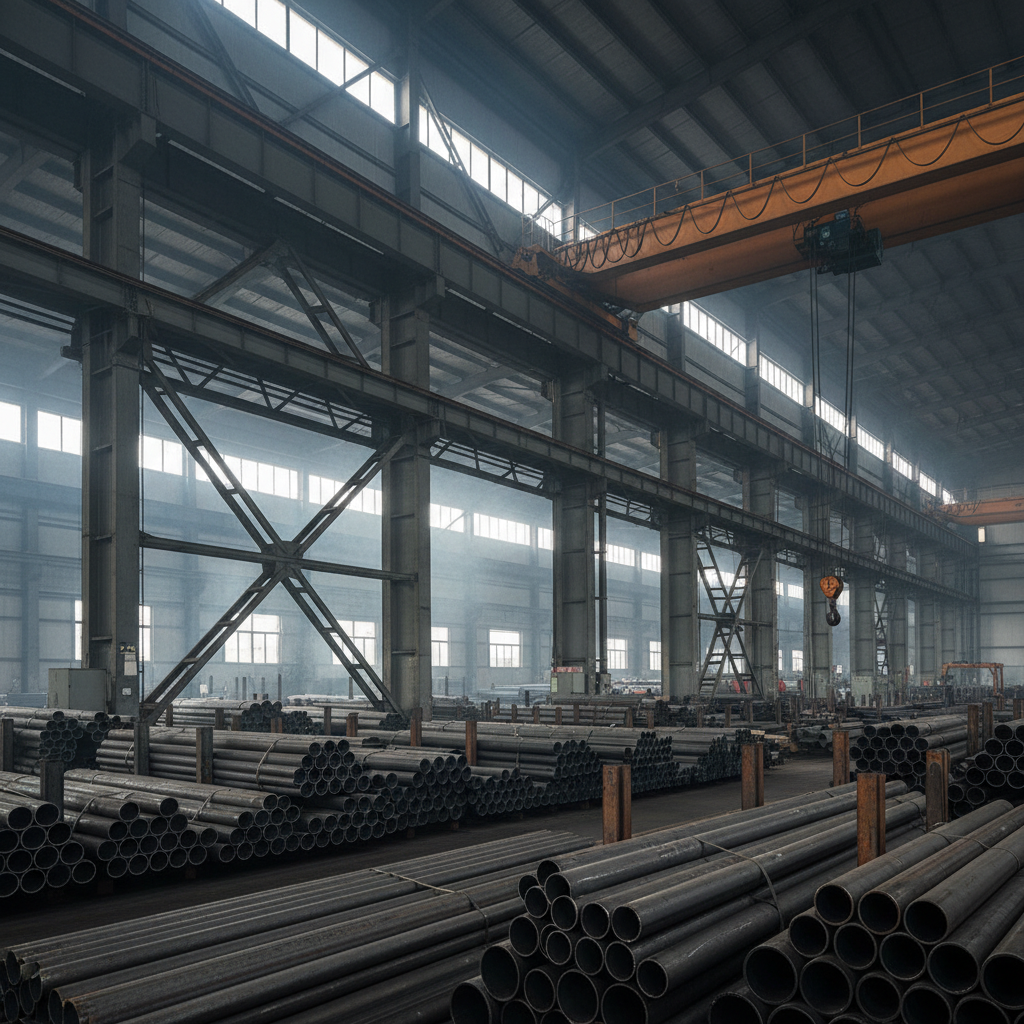
Ultimate Guide to 4130 Tubing Strength Performance and Applications

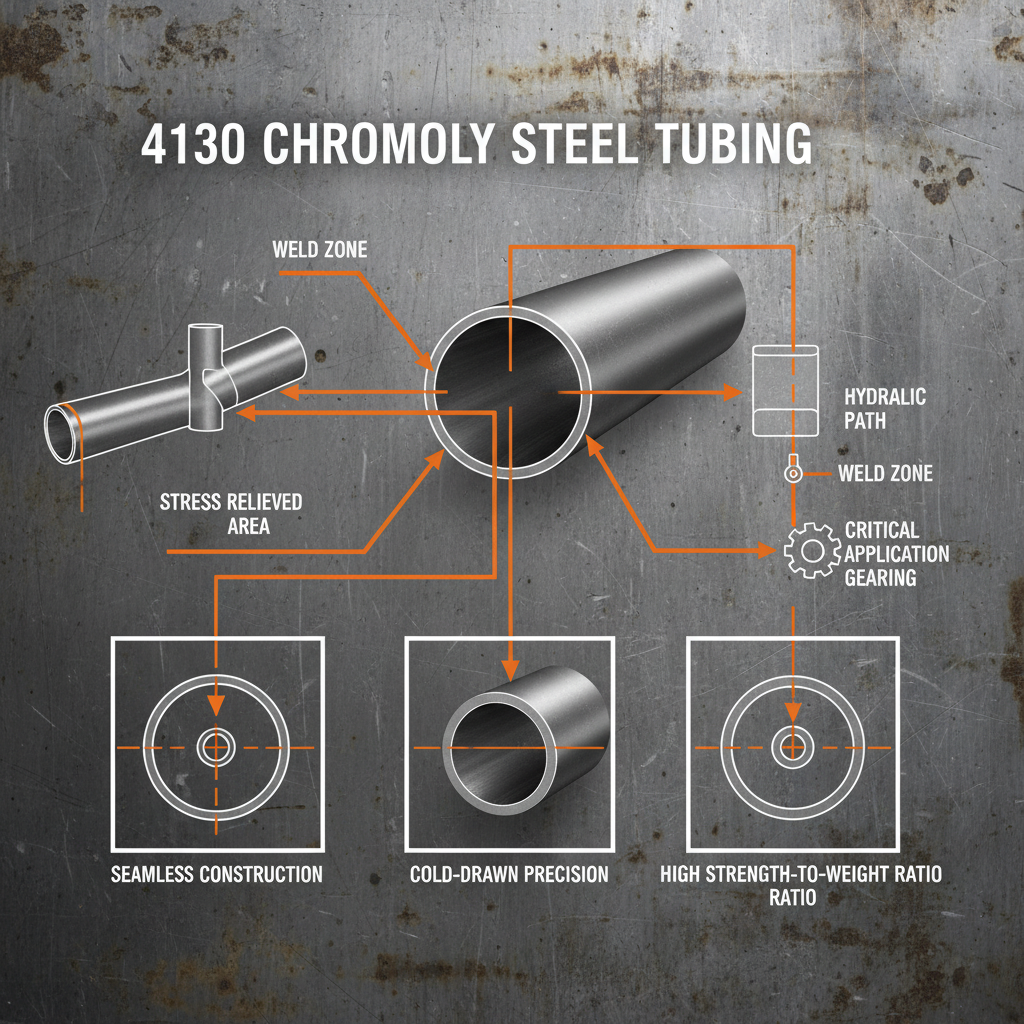
In the world of high-performance engineering, material selection is the foundation of safety and efficiency. 4130 tubing is widely regarded as the gold standard for applications requiring an exceptional strength-to-weight ratio. This chrome-molybdenum alloy steel is engineered to withstand extreme stress while remaining lightweight enough for aerospace and automotive use. Whether you are designing a roll cage, a bicycle frame, or a critical industrial component, understanding the nuances of this material is essential. In this comprehensive guide, we will explore why this specific alloy is preferred by engineers worldwide and how to choose the right specifications for your project.
Properties and Industrial Applications of 4130 steel tubing
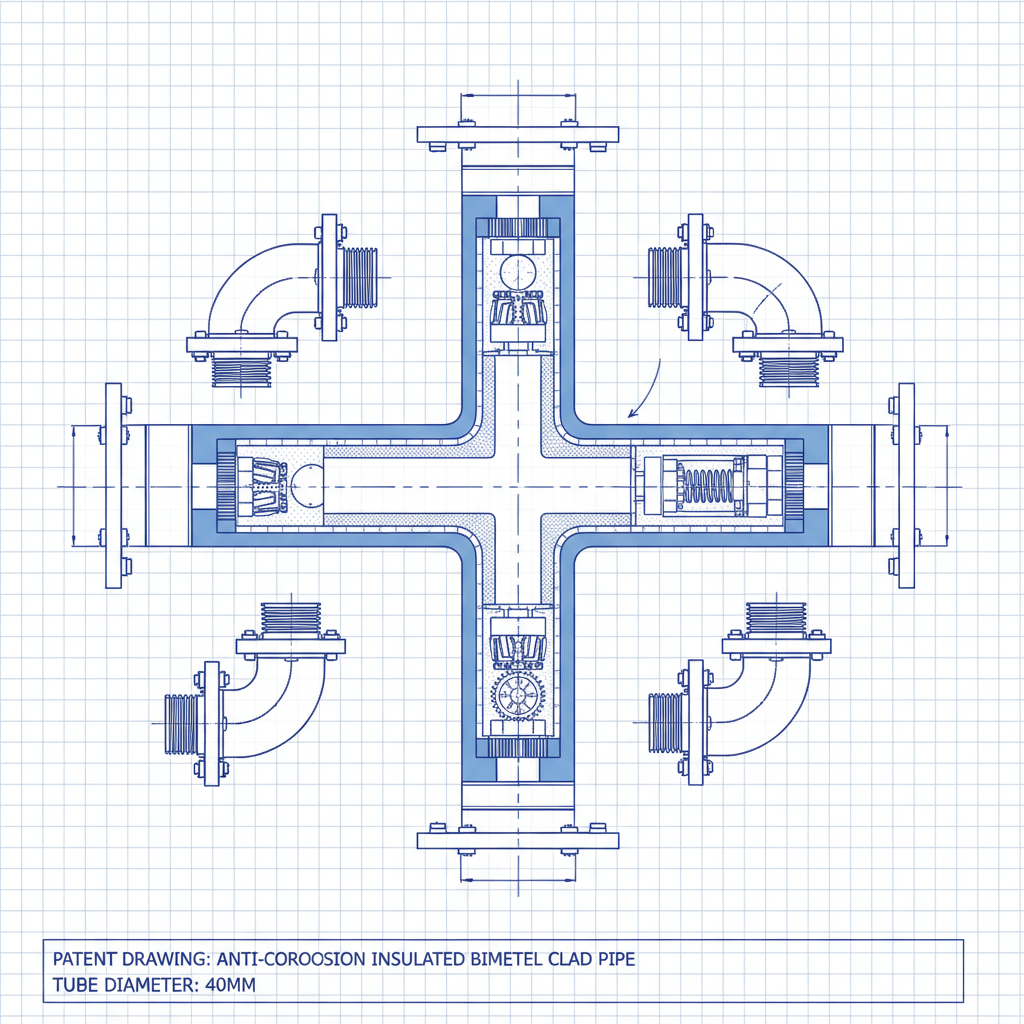
Properties and Industrial Applications of 4130 steel tubing

In the world of high-performance engineering, material selection is the foundation of safety and efficiency. 4130 steel tubing is widely recognized as the gold standard for applications requiring an exceptional strength-to-weight ratio. Known for its versatility and reliability, this chromium-molybdenum alloy is the preferred choice for everything from aircraft frames to professional roll cages. Understanding the nuances of this material allows engineers to optimize structural integrity without adding unnecessary bulk. In this comprehensive guide, we will explore why this specific alloy remains a top choice for critical industrial and aerospace components.
Comprehensive Guide to 40mm Steel Tube Applications and Material Selection
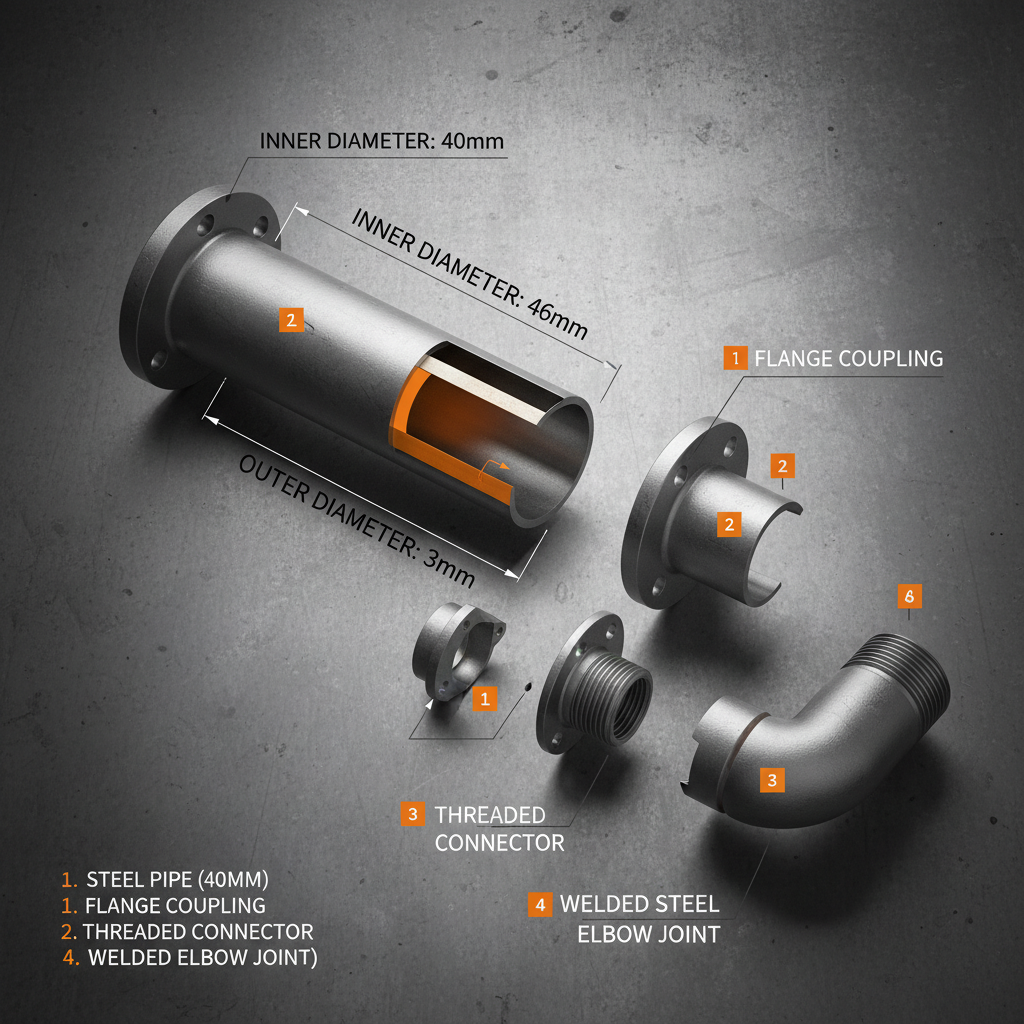
Comprehensive Guide to 40mm Steel Tube Applications and Material Selection

40mm steel tube is a versatile and widely used material in various industries, from construction and manufacturing to automotive and beyond. Its strength, durability, and cost-effectiveness make it an ideal choice for numerous applications. This article will delve into the characteristics, applications, benefits, and considerations when working with 40mm steel tube, providing a comprehensive overview for professionals and anyone interested in this essential material.
Comprehensive Guide to 40mm Steel Pipe Applications and Considerations
Comprehensive Guide to 40mm Steel Pipe Applications and Considerations

40mm steel pipe is a widely used material in various industries due to its strength, durability, and cost-effectiveness. From construction and infrastructure projects to industrial applications and fluid transportation, this pipe size offers a versatile solution. This article will delve into the properties, applications, standards, and key considerations when selecting 40mm steel pipe, helping you make informed decisions for your specific needs.
Comprehensive Guide to 40mm Metal Pipe Applications and Sourcing
Comprehensive Guide to 40mm Metal Pipe Applications and Sourcing

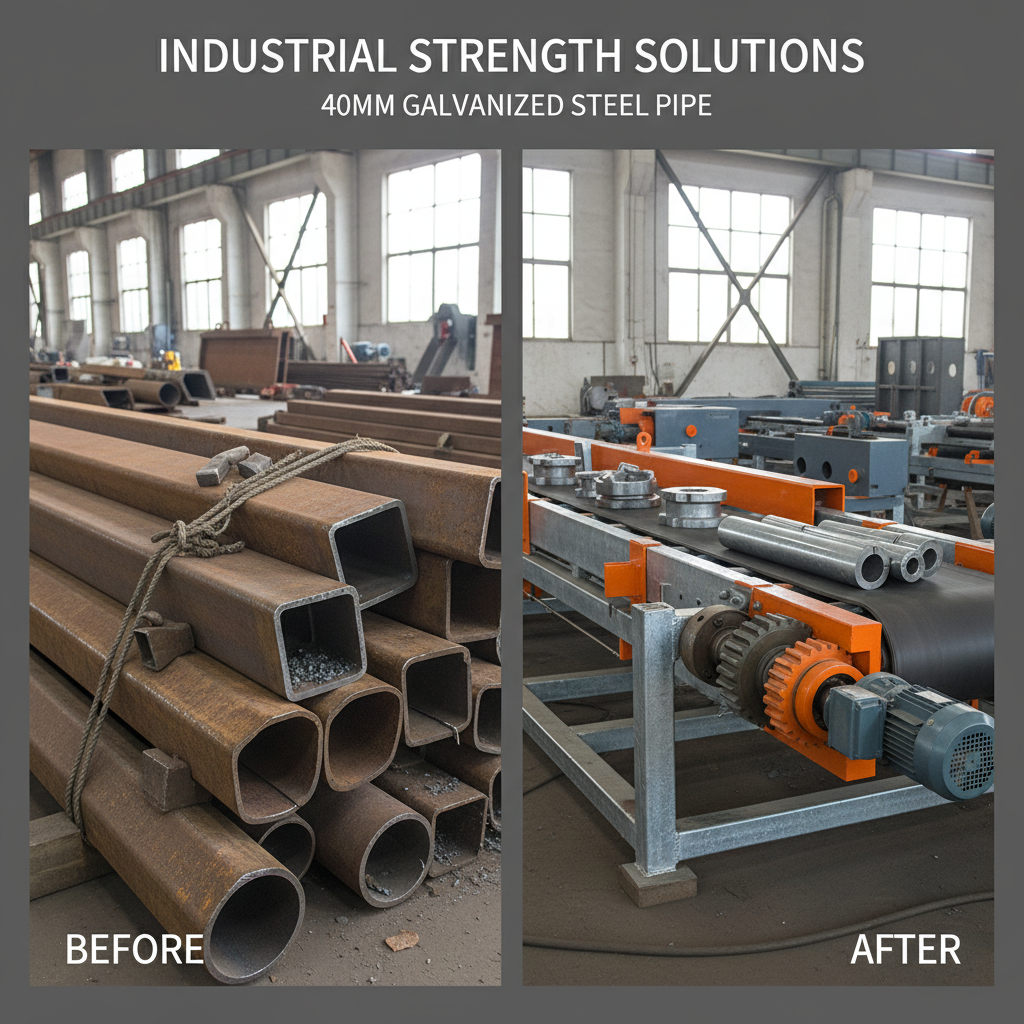
40mm metal pipe is a crucial component in a wide array of industries, from construction and plumbing to industrial manufacturing and fluid transport. Its strength, durability, and versatility make it a preferred material for countless applications. This article will delve into the specifics of 40mm metal pipe, exploring its various types, common uses, benefits, and where to source high-quality piping solutions.
Comprehensive Guide to 40mm Galvanised Pipe Applications and Specifications

Comprehensive Guide to 40mm Galvanised Pipe Applications and Specifications

When planning a plumbing, structural, or industrial project, selecting the right piping material is crucial. 40mm galvanised pipe is a widely used option known for its strength, durability, and corrosion resistance. This article provides a detailed overview of 40mm galvanised pipes, exploring their applications, benefits, specifications, and considerations for optimal usage. We'll cover everything from what galvanisation is to how to choose the right pipe for your specific needs.
tel email tel top

If you are interested in our products, you can choose to leave your information here, and we will be in touch with you shortly.