tel
Email
to top

3/4 Stainless Tubing Explained | Durable & Reliable Industrial Tubing

Jan 05 2026
share:

Understanding 3/4 Stainless Steel Tubing: Practical Insights from the Field

Having spent a few decades in the industrial equipment arena, it’s safe to say 3/4 stainless tubing isn’t just a random metal pipe—it’s a versatile workhorse. You see it everywhere from food-grade processing to chemical plants, and frankly, it’s no surprise. Stainless steel’s corrosion resistance, strength, and clean finish make it a favorite choice for many tough environments.

Now, when I first got into specifying tubing, the numbers 3/4 inch seemed straightforward—just a size, right? Oddly enough, sizes can be a bit more complex depending on the application. That “3/4” usually refers to the nominal pipe size, but the actual outside diameter and wall thickness vary by standards like ASTM A269 or A213. It matters because wrong specs can trip up welding, fitting, or flow rates in your system.

In real terms, 3/4 stainless tubing strikes a sweet spot between flexibility and durability. It’s small enough for precision tasks—think instrumentation lines or cooling circuits—but robust enough for moderate pressures in hydraulics. I often notice many engineers appreciate the balance it offers; it’s not overkill like larger diameters, yet won’t buckle under reasonable stress.

Key Specifications for 3/4 Stainless Tubing

Specification Details
Nominal Size 3/4 inch (19.05 mm)
Outside Diameter (OD) 0.875 inch (22.23 mm)
Wall Thickness Varies: 0.035" (Thin) to 0.120" (Heavy)
Material Grades 304, 316 (Common)
Length Standard 6m or custom cut lengths
Finish Polished, mill finish, or custom surface

A bit on materials: 304 stainless is the everyday staple, great for general use with excellent corrosion and temperature resistance. Then there’s 316 grade — my personal go-to when chloride exposure makes 304 sweat a bit (like offshore or some food processing lines). I once handled a project where the client switched from 304 to 316 midway because of unexpected saline exposure, and I gotta say, the peace of mind was worth the slight price bump.

Comparing Leading Vendor Offerings for 3/4 Stainless Tubing

Vendor Material Grades Custom Lengths Delivery Speed Pricing
Lion Pipeline 304, 316 Available 3-5 business days Competitive
SteelCo Tubes 304 only Limited 7-10 business days Moderate
MetalWorks 316 only Available 5-7 business days Higher

When picking a vendor, from what I've gathered and experienced, turnaround time and customization options often play bigger roles than just price. That’s because delays or wrong cuts in stainless tubing can create expensive downtime or tricky on-site fixes. So even if a supplier looks cheaper per foot, the “soft costs” may add up. Personally, I find that sourcing from a vendor like Lion Pipeline, which balances delivery speed and competitive pricing, really saves headaches.

One anecdote: A smaller client once needed custom 3/4 stainless tubing with a polished surface finish for a beverage line. Turns out their order got delayed by weeks elsewhere. With a quick pivot, they reached out to Lion Pipeline and got exactly what they needed in days—production stayed on schedule. I suppose these stories remind me that supplier relationships often mean as much as the specs themselves.

Testing and Quality Assurance

Stainless tubing destined for industrial use isn’t just sliced from a roll and sold off. Industry standards demand strict testing, like hydrostatic pressure tests, dimensional inspections, and often mill certification reports. 3/4 stainless tubing, particularly for food or pharma, might also be passivated or electropolished to enhance corrosion resistance and cleanliness. I always advise clients to look for suppliers that can provide these certifications upfront—it’s a solid trust signal.

As you explore the options, remember that stainless steel, especially in sizes like 3/4 inch, blends mechanical reliability with chemical resistance, and the best suppliers know the nuances there. It feels kind of like a marriage between chemistry and engineering—pretty neat.

For those who want to dig deeper, consider process variables (fluid type, temperature, pressure) carefully. And if you’re ever unsure about grades or finishes, reach out to trusted suppliers—they’re usually eager to help and prevent costly missteps.

In the end, 3/4 stainless tubing might seem like a small piece of the puzzle, but in an industrial system, it can be the difference between a smooth-running operation and a constant headache. Keep specs tight, suppliers trusted, and don’t underestimate the value of experience… there’s always a story lurking behind every pipe.

A small takeaway? Quality stainless steel tubing is a humble hero in many industrial tales.

  1. ASTM International standards on stainless pipe and tubing.
  2. Industry case studies on 3/4 stainless tubing applications.
  3. Supplier technical data sheets and customer testimonials.

  • Anti Corrosion And Thermal Insulation Products
    Anti Corrosion And Thermal Insulation Products
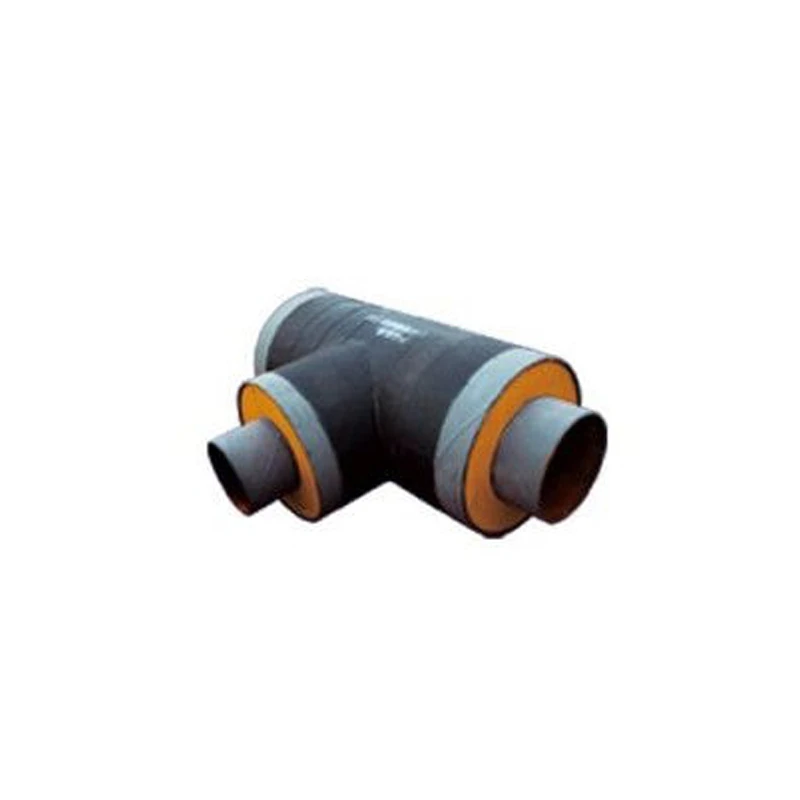
    The anti-corrosion and thermal insulation products we focus on produce play a key role in the industrial pipeline system, especially the thermal insulation pipe fittings and steel pipes. Thermal insulation pipe fittings cover elbows, tees, reducers and pipe supports, with specifications ranging from DN15 to DN1800, and are made of carbon steel, alloy steel, stainless steel, bimetallic composite, nickel-based alloy and other materials.
    VIEW ALL
  • Pipe Cap

    Pipe Cap

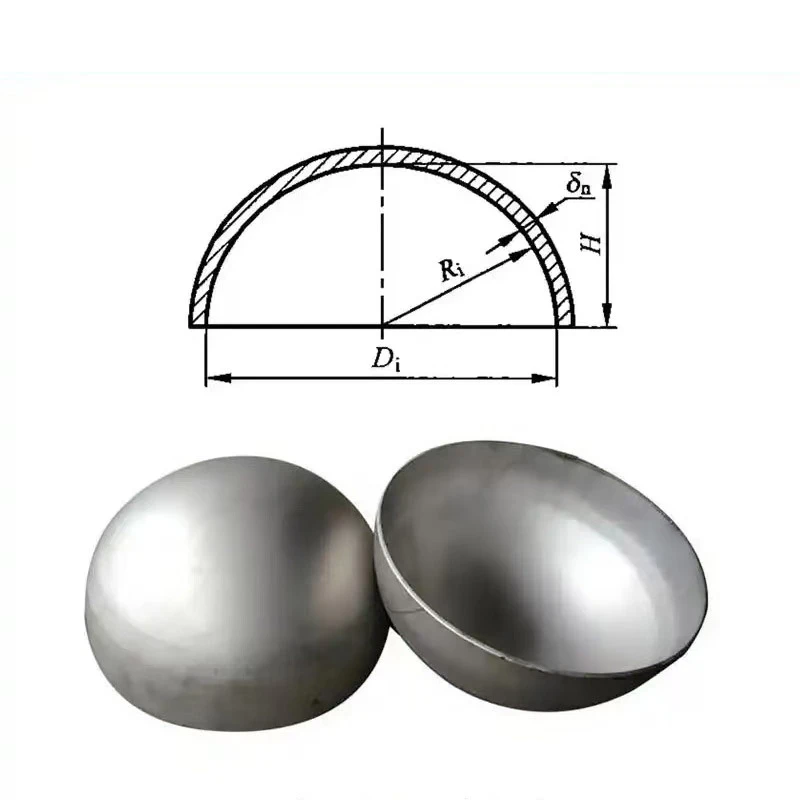
    Pipe caps come in different shapes, including round, square, and oval, and can be designed for both threaded and welded connections. They ensure the integrity of piping systems during transportation, storage, and installation by protecting the pipe ends from dirt, debris, and environmental factors. Durable and easy to install, pipe caps are critical for maintaining system efficiency and safety.
    VIEW ALL
  • Elbow

    Elbow

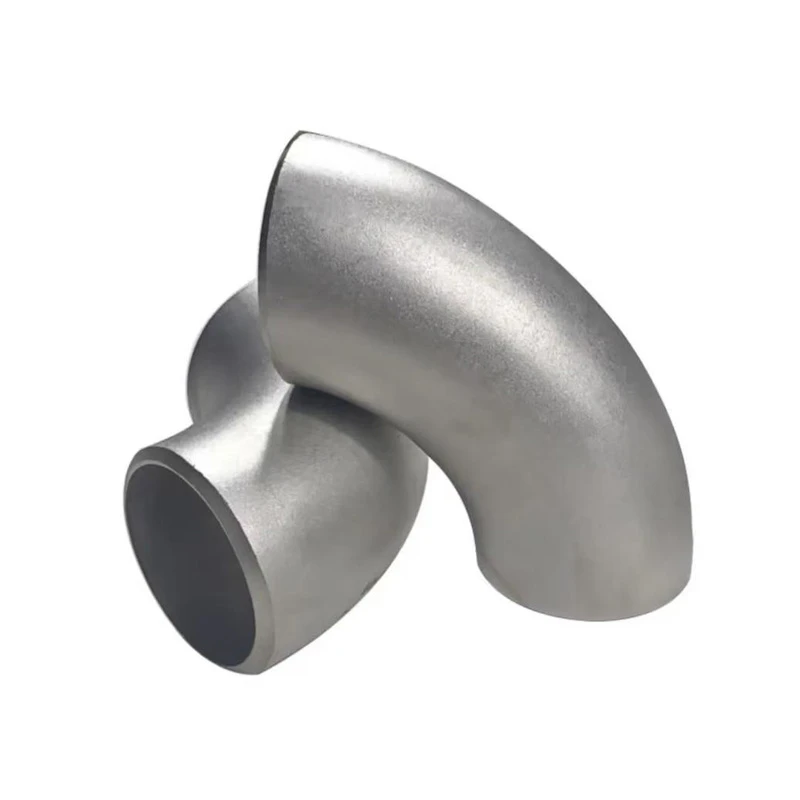
    Carbon Steel &stainless Steel Elbow Elbows are pipe fittings used to change the direction of pipelines in piping systems, commonly employed at pipeline bends. They are widely used in industries such as petroleum, chemical, and power. The common size range for elbows is DN15-DN2000, and typical angles include 45°, 90°, and 180°.
    VIEW ALL
To create value for customers!
Cangzhou Leo Technology Co., Ltd. is located in Mengcun County Economic Development Zone, Cangzhou City, Hebei Province. It is a specialized high-tech enterprise that integrates the research and development, production, and sales of composite pipes and fittings.
News
The company regards product quality as the life of the enterprise, establishes a sound quality management system in accordance with the requirements of industry and national standards, controls all aspects of input and output in the whole process, pays attention to every detail, and ensures that the product delivery pass rate is 100%.
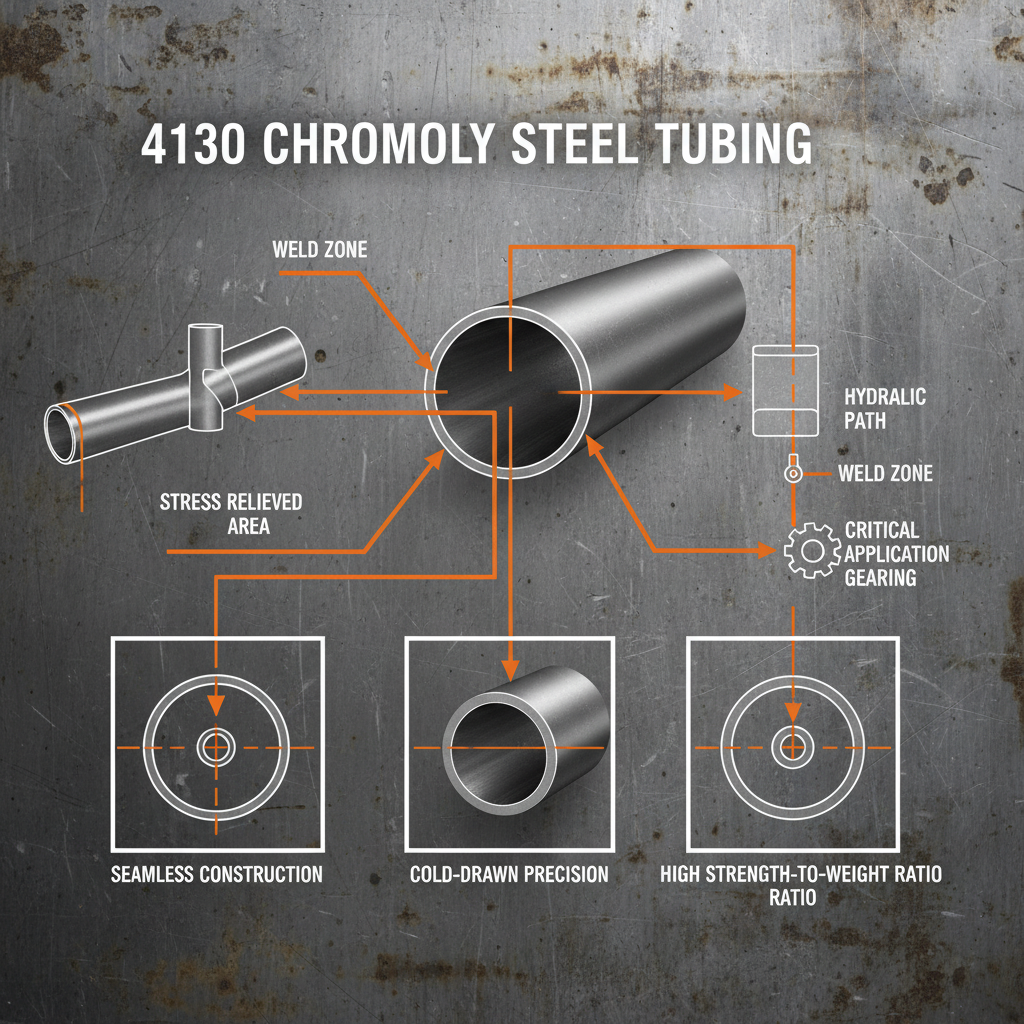
Ultimate Guide to 4130 Tubing Strength Performance and Applications
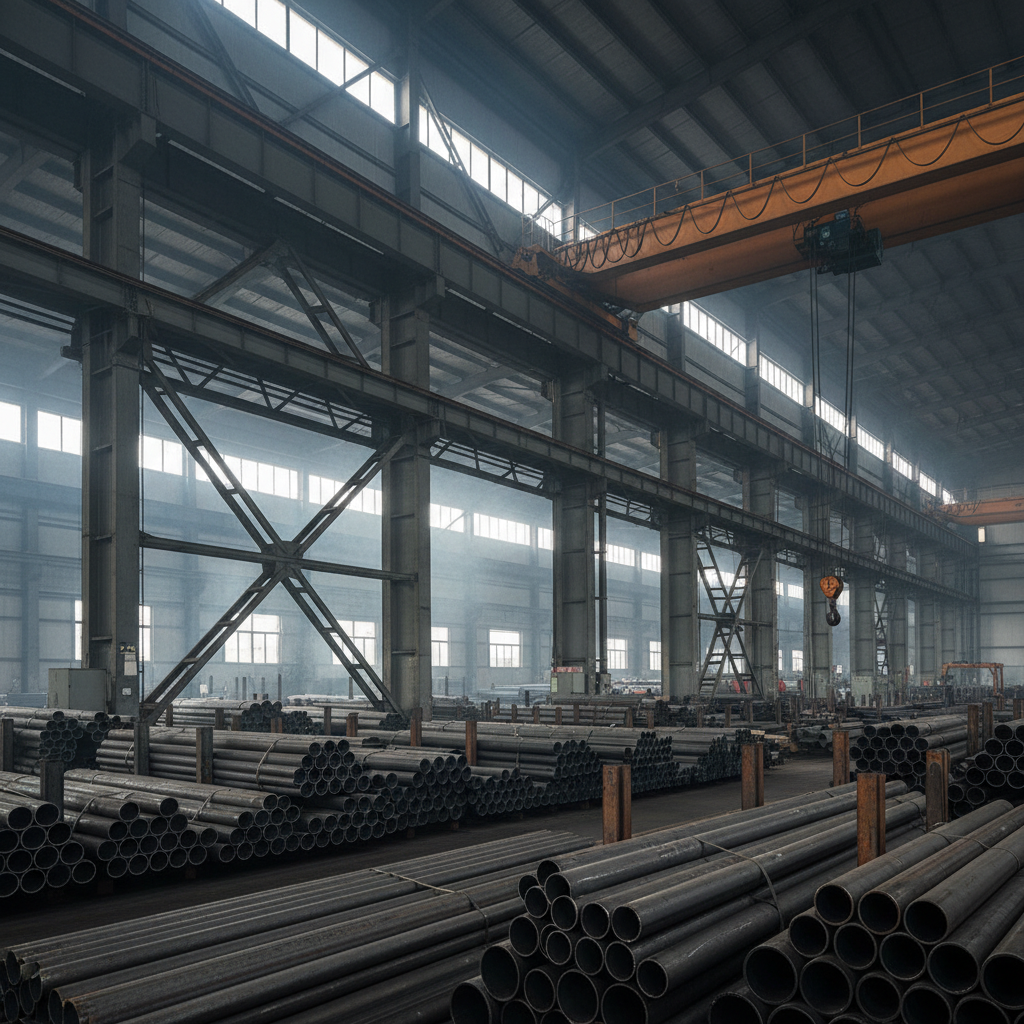
Ultimate Guide to 4130 Tubing Strength Performance and Applications

In the world of high-performance engineering, material selection is the foundation of safety and efficiency. 4130 tubing is widely regarded as the gold standard for applications requiring an exceptional strength-to-weight ratio. This chrome-molybdenum alloy steel is engineered to withstand extreme stress while remaining lightweight enough for aerospace and automotive use. Whether you are designing a roll cage, a bicycle frame, or a critical industrial component, understanding the nuances of this material is essential. In this comprehensive guide, we will explore why this specific alloy is preferred by engineers worldwide and how to choose the right specifications for your project.
Properties and Industrial Applications of 4130 steel tubing
Properties and Industrial Applications of 4130 steel tubing

In the world of high-performance engineering, material selection is the foundation of safety and efficiency. 4130 steel tubing is widely recognized as the gold standard for applications requiring an exceptional strength-to-weight ratio. Known for its versatility and reliability, this chromium-molybdenum alloy is the preferred choice for everything from aircraft frames to professional roll cages. Understanding the nuances of this material allows engineers to optimize structural integrity without adding unnecessary bulk. In this comprehensive guide, we will explore why this specific alloy remains a top choice for critical industrial and aerospace components.
Comprehensive Guide to 40mm Steel Tube Applications and Material Selection
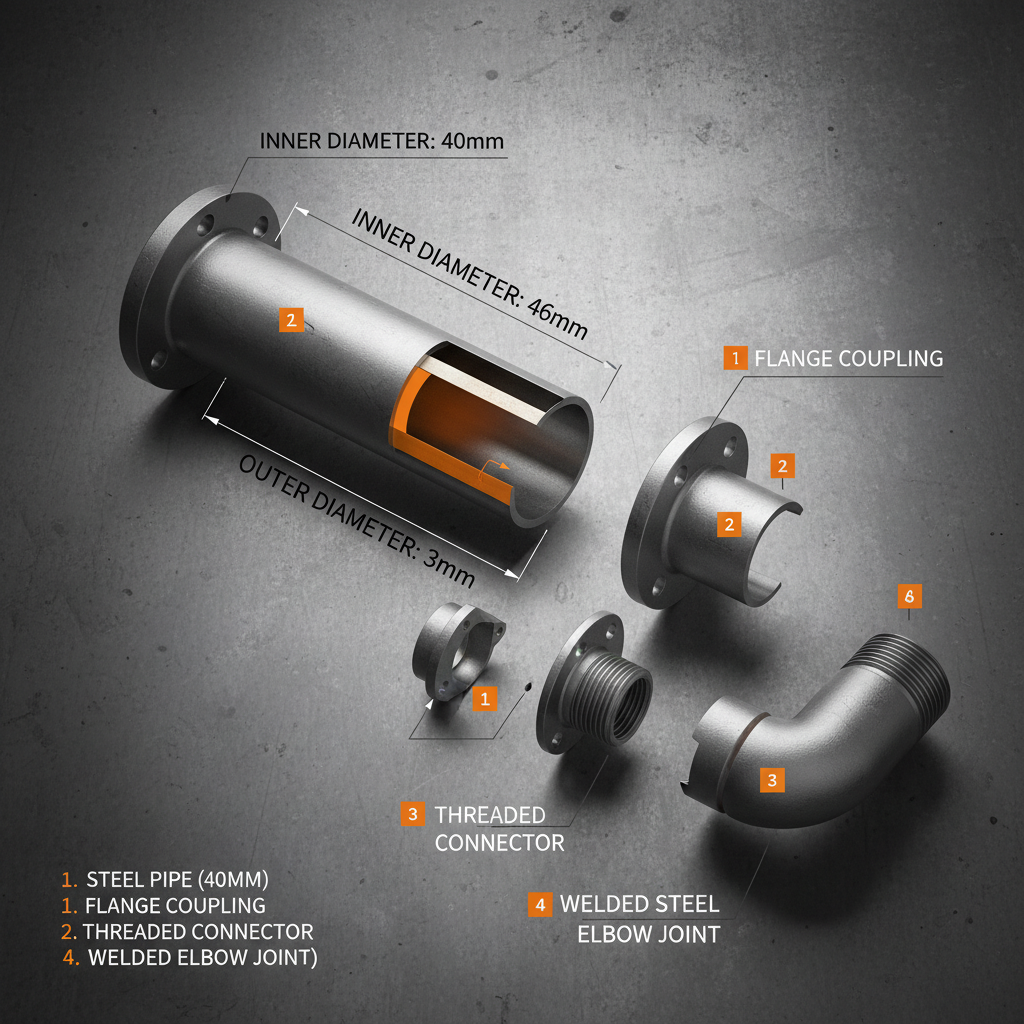
Comprehensive Guide to 40mm Steel Tube Applications and Material Selection

40mm steel tube is a versatile and widely used material in various industries, from construction and manufacturing to automotive and beyond. Its strength, durability, and cost-effectiveness make it an ideal choice for numerous applications. This article will delve into the characteristics, applications, benefits, and considerations when working with 40mm steel tube, providing a comprehensive overview for professionals and anyone interested in this essential material.
Comprehensive Guide to 40mm Steel Pipe Applications and Considerations
Comprehensive Guide to 40mm Steel Pipe Applications and Considerations

40mm steel pipe is a widely used material in various industries due to its strength, durability, and cost-effectiveness. From construction and infrastructure projects to industrial applications and fluid transportation, this pipe size offers a versatile solution. This article will delve into the properties, applications, standards, and key considerations when selecting 40mm steel pipe, helping you make informed decisions for your specific needs.
Comprehensive Guide to 40mm Metal Pipe Applications and Sourcing
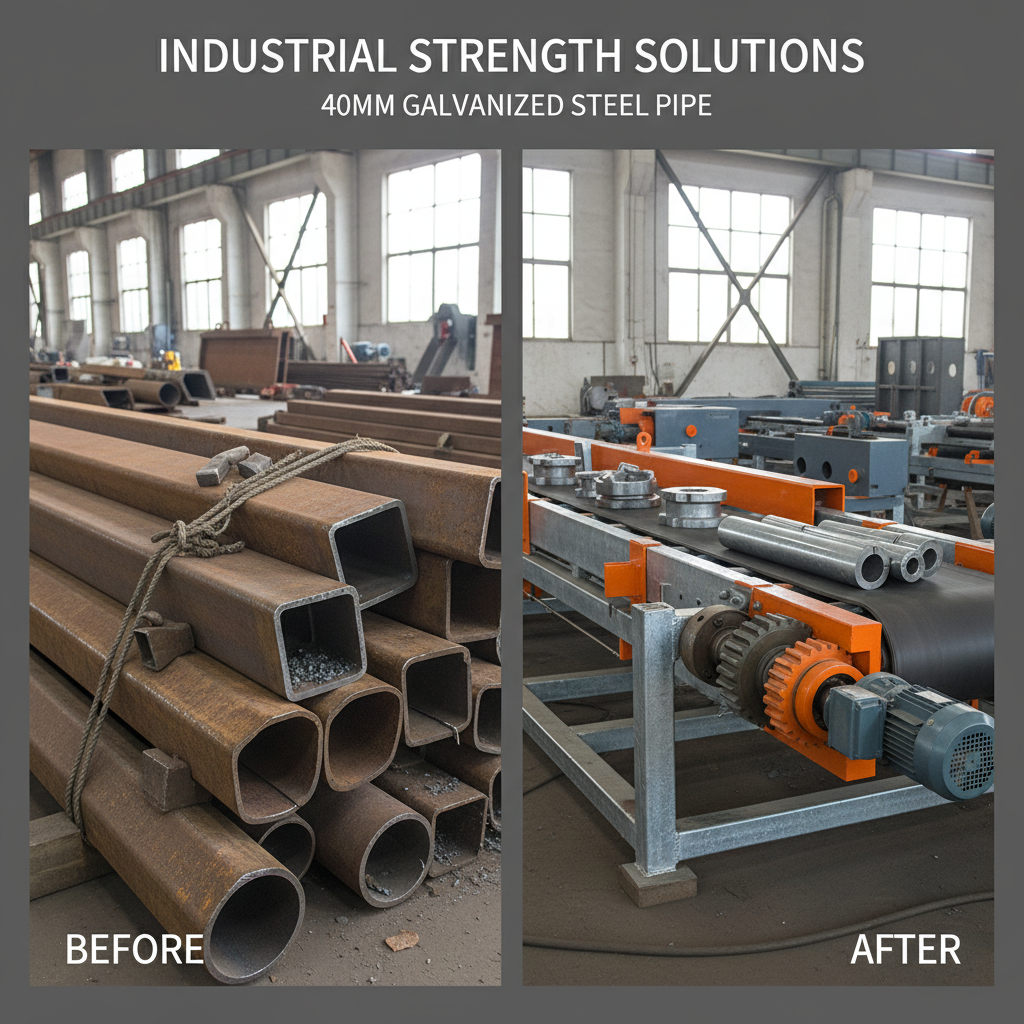
Comprehensive Guide to 40mm Metal Pipe Applications and Sourcing

40mm metal pipe is a crucial component in a wide array of industries, from construction and plumbing to industrial manufacturing and fluid transport. Its strength, durability, and versatility make it a preferred material for countless applications. This article will delve into the specifics of 40mm metal pipe, exploring its various types, common uses, benefits, and where to source high-quality piping solutions.
Comprehensive Guide to 40mm Galvanised Pipe Applications and Specifications

Comprehensive Guide to 40mm Galvanised Pipe Applications and Specifications

When planning a plumbing, structural, or industrial project, selecting the right piping material is crucial. 40mm galvanised pipe is a widely used option known for its strength, durability, and corrosion resistance. This article provides a detailed overview of 40mm galvanised pipes, exploring their applications, benefits, specifications, and considerations for optimal usage. We'll cover everything from what galvanisation is to how to choose the right pipe for your specific needs.
tel email tel top

If you are interested in our products, you can choose to leave your information here, and we will be in touch with you shortly.