When planning a plumbing, structural, or industrial project, selecting the right piping material is crucial. 40mm galvanised pipe is a widely used option known for its strength, durability, and corrosion resistance. This article provides a detailed overview of 40mm galvanised pipes, exploring their applications, benefits, specifications, and considerations for optimal usage. We'll cover everything from what galvanisation is to how to choose the right pipe for your specific needs.
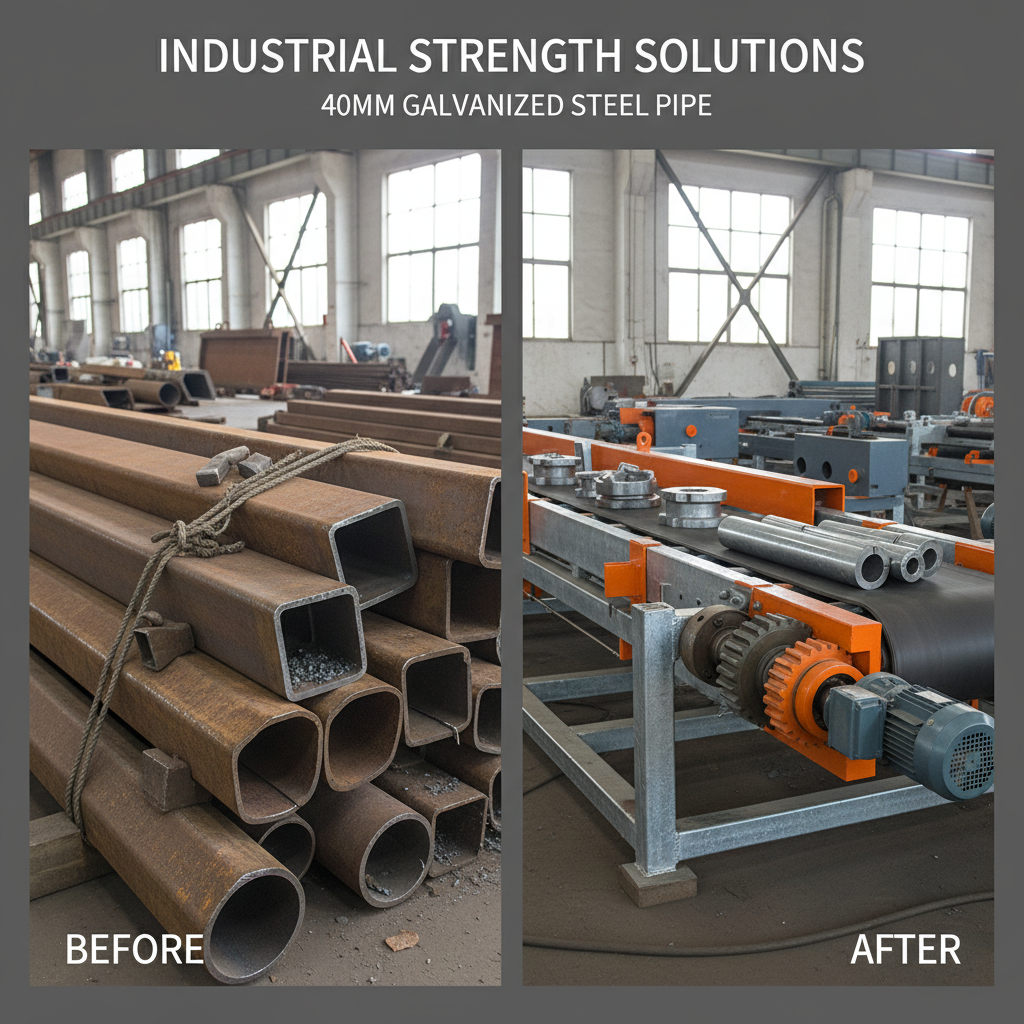
Galvanisation is the process of applying a protective zinc coating to steel or iron, preventing rusting. This is achieved through hot-dip galvanisation, electrogalvanisation, or other methods. The zinc coating acts as a barrier against corrosive elements, sacrificing itself to protect the underlying steel. This significantly extends the lifespan of the pipe, even in harsh environments. Without galvanisation, steel pipes would rapidly corrode, leading to leaks, structural failures, and costly repairs. This protective layer is particularly vital for outdoor applications and those exposed to moisture or chemicals.
Key Benefit: Galvanisation dramatically increases the lifespan of steel pipes by protecting them from rust and corrosion, reducing maintenance and replacement costs.
40mm galvanised pipe finds extensive use across various industries and applications. These include: plumbing systems for water supply, fire sprinkler systems, structural support for fencing and handrails, industrial pipelines for transporting fluids, and irrigation systems. Its robust nature makes it suitable for both high-pressure and gravity-fed applications. The 40mm diameter is a popular size, offering a balance between flow capacity and cost-effectiveness. It’s frequently used in both residential and commercial construction projects.
Key Application Areas:
• Plumbing & Water Supply
• Fire Sprinkler Systems
• Structural Support (Fencing, Handrails)
• Industrial Pipelines
• Irrigation Systems
Understanding the specifications of 40mm galvanised pipe is crucial for ensuring its suitability for a particular application. Key specifications include outside diameter, wall thickness, and material grade. Common standards governing galvanised steel pipes include ASTM A53 and BS EN 10255. These standards dictate the manufacturing process, material composition, and testing requirements. Wall thickness is classified by schedule numbers (e.g., Schedule 40, Schedule 80), with higher numbers indicating thicker walls and greater pressure resistance. Lion Pipeline provides pipes compliant with these industry standards.
Opting for 40mm galvanised pipe offers numerous advantages. These include its affordability compared to other materials like stainless steel or copper, its high tensile strength, its resistance to corrosion, and its relatively simple installation process using threaded connections. It's also readily available from suppliers globally, ensuring project timelines aren't delayed.
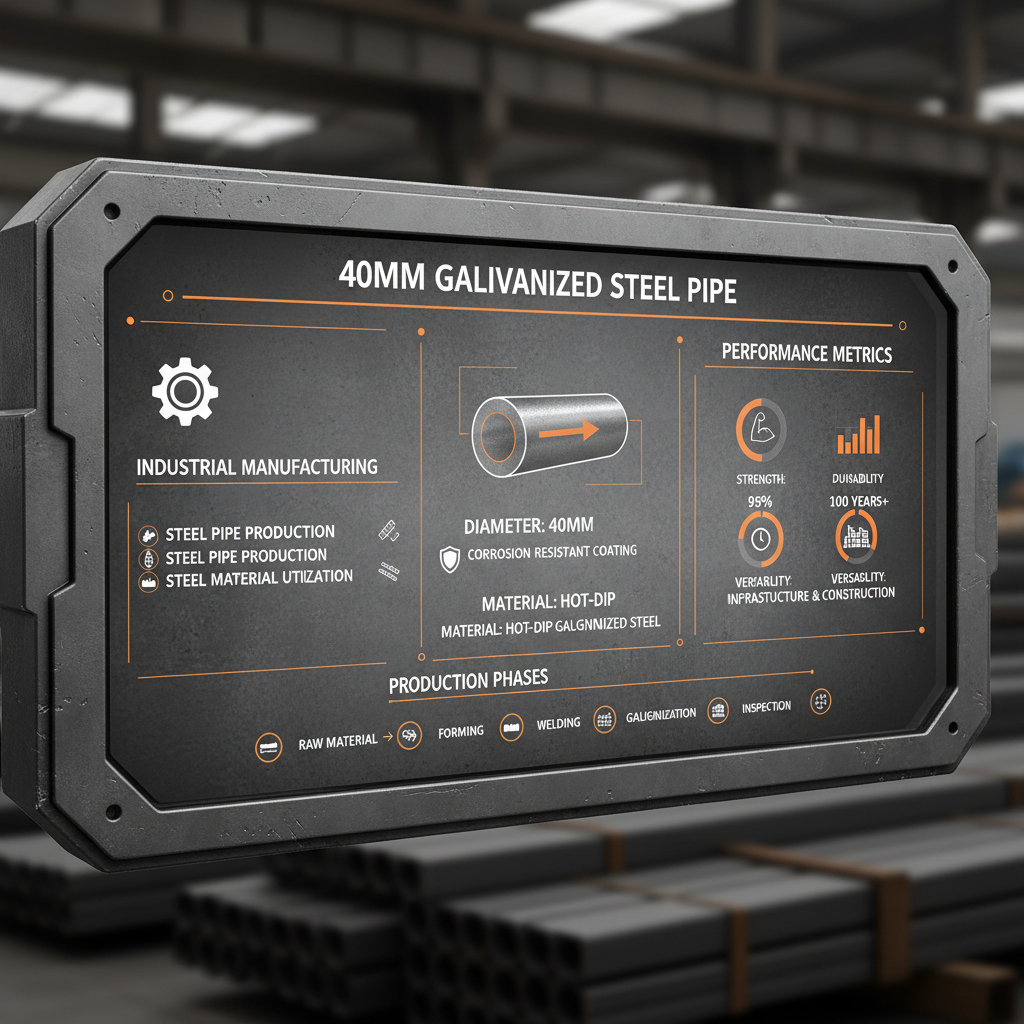
While highly durable, 40mm galvanised pipe does have certain considerations. The zinc coating can be damaged during cutting or welding, requiring re-galvanisation of affected areas. Also, galvanised pipes can, over time, develop a buildup of zinc scale which can affect water quality. Finally, in some highly acidic or alkaline environments, the galvanisation may degrade faster. Regular inspection and proper maintenance are vital to ensure long-term performance. Lion Pipeline can provide guidance on optimal usage for your specific application.
40mm galvanised pipe remains a popular and effective piping solution for a wide range of applications. Its combination of strength, durability, and corrosion resistance, coupled with its affordability, makes it a wise choice for many projects. By understanding its specifications, benefits, and considerations, you can ensure optimal performance and longevity. Invest in quality galvanised pipe from a trusted supplier like Lion Pipeline for a reliable and long-lasting solution.
The lifespan of 40mm galvanised pipe varies depending on the environment and exposure to corrosive elements. However, a properly installed and maintained galvanised pipe can last anywhere from 40 to 70 years or even longer. Factors that can affect lifespan include soil conditions (for buried pipes), exposure to salt spray (in coastal areas), and the pH level of the fluids being transported. Regular inspections and maintenance, such as applying protective coatings when necessary, can help extend the lifespan.
While historically used for potable water, there are concerns about the potential for lead leaching and zinc contamination, especially in older systems. Modern manufacturing processes have reduced these risks, but it’s crucial to check local plumbing codes and regulations. Many jurisdictions now require the use of lead-free materials for drinking water systems. Lion Pipeline offers alternative piping materials specifically designed for potable water applications, ensuring compliance with safety standards.
The most common method for connecting 40mm galvanised pipes is through threaded connections, using pipe fittings such as elbows, tees, and couplings. Proper threading and the use of pipe dope or Teflon tape are essential to ensure a leak-proof seal. Welding is also possible but requires skilled welders and precautions to avoid damaging the galvanisation. For larger diameter pipes, flanged connections may be preferred. It is imperative to follow industry best practices and local building codes for all connections.
Anti Corrosion And Thermal Insulation Products
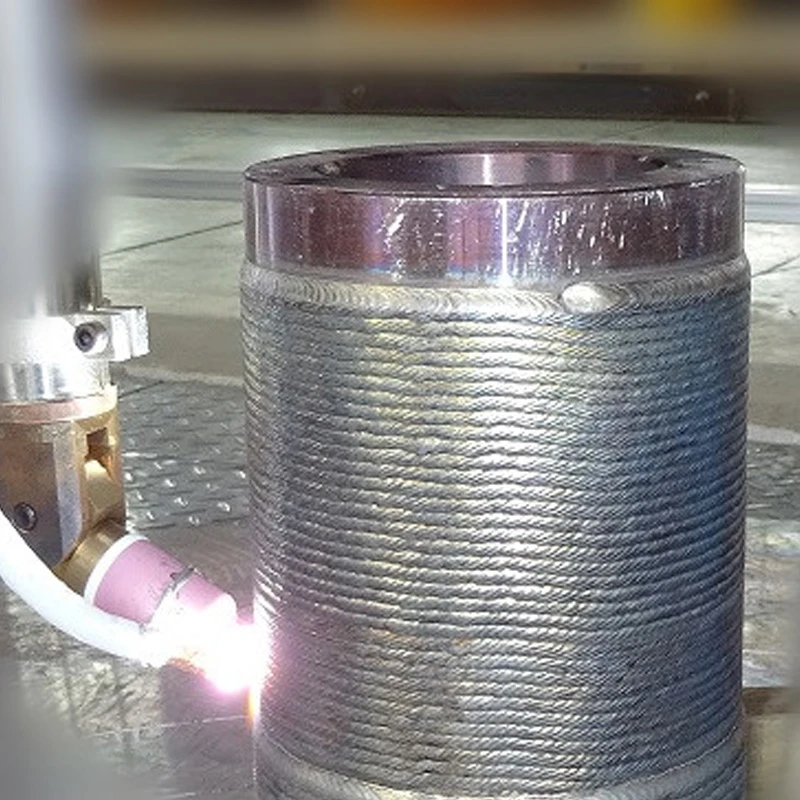
Overlay Welding Clad Steel Pipe
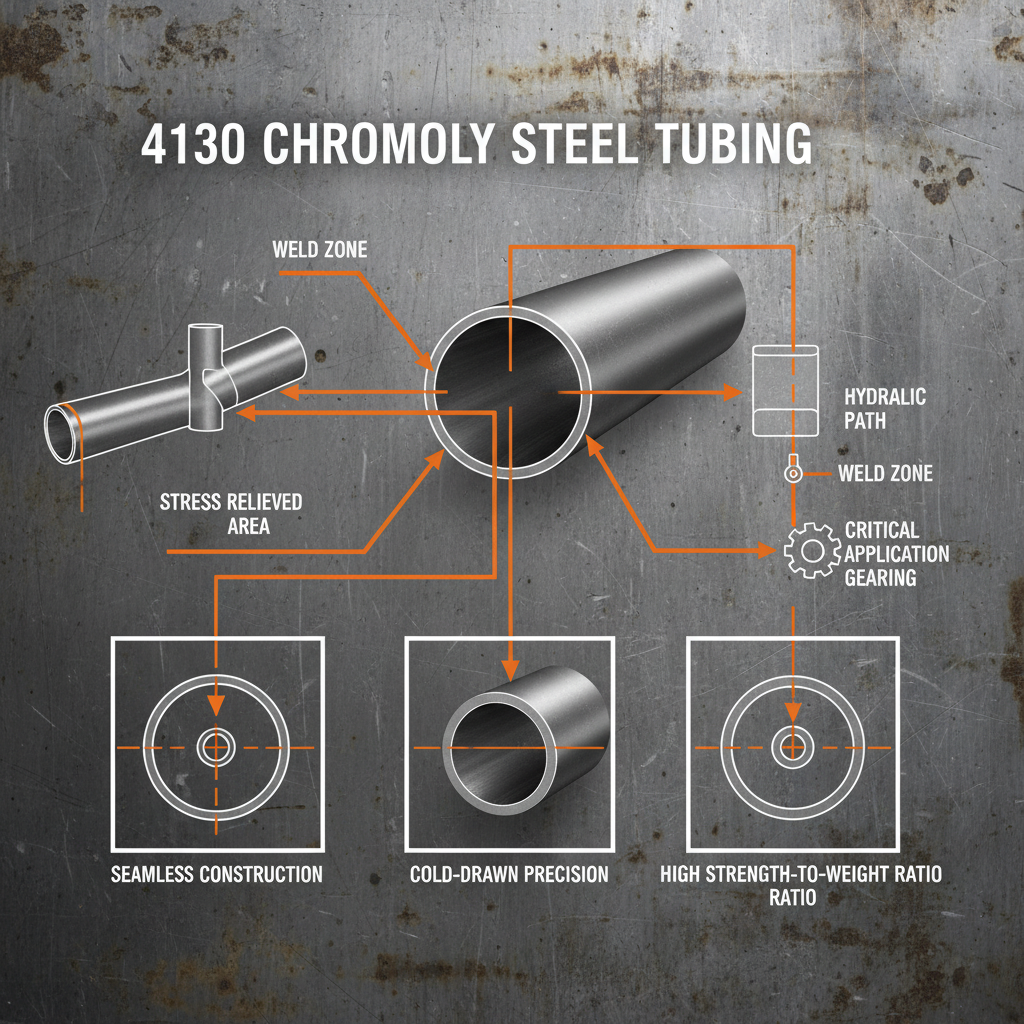
Ultimate Guide to 4130 Tubing Strength Performance and Applications
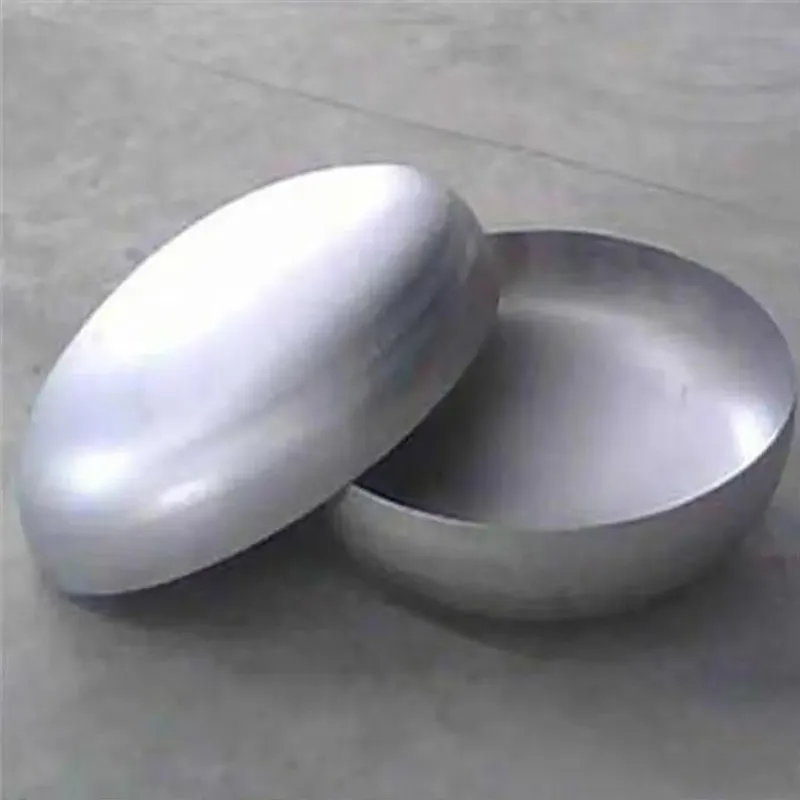
Pipe Cap-Cangzhou Lion Technology Co., Ltd.|Enhancing System Efficiency&Durability
Pipe Cap-Cangzhou Lion Technology Co., Ltd.|Enhancing System Efficiency&Durability
Pipe Cap-Cangzhou Lion Technology Co., Ltd.|Enhancing System Efficiency&Durability
Pipe Cap-Cangzhou Lion Technology Co., Ltd.|Enhancing System Efficiency&Durability
Pipe Cap-Cangzhou Lion Technology Co., Ltd.|Enhancing System Efficiency&Durability