tel
Email
to top

Carbon Seamless Steel Pipes – SA106, In-Stock, ISO Certified

Oct 27 2025
share:

Field Notes on carbon seamless steel pipes: specs, sourcing, and real-world performance

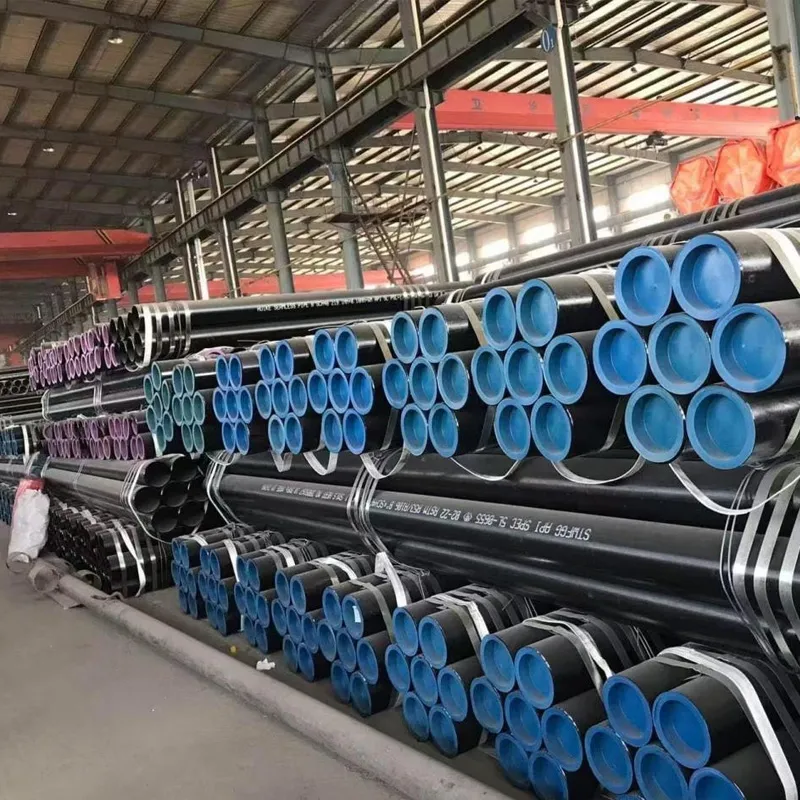
I’ve toured mills from Hebei to Houston, and, to be honest, the pipes that keep showing up on serious projects are the ones with zero weld seams. Actually, that uniform grain structure is what gives them the edge under pressure and heat. The set we’re looking at today comes from the Economic Development Zone of Mengcun county, Cangzhou city, Hebei province—an area where pipe manufacturing is practically a local dialect.
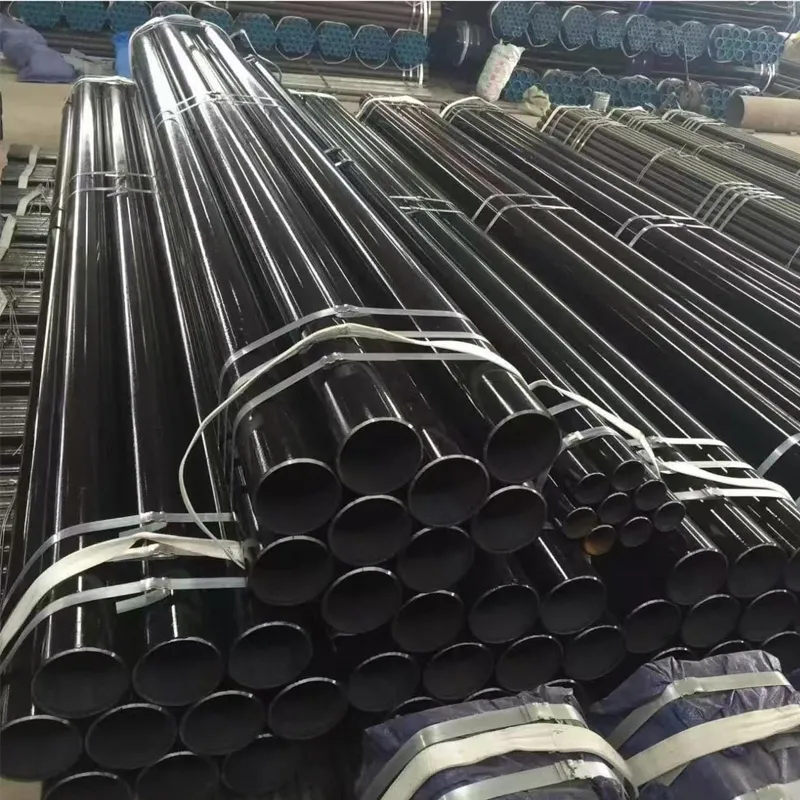
Carbon Seamless Steel Pipes – SA106, In-Stock, ISO Certified

What’s changing in the market

Three trends keep popping up: stricter compliance (API 5L/ISO 3183 and full UT/ET coverage), more customization (odd OD/WT combos and bespoke lengths), and traceability from billet to bundle via heat numbers and barcodes. Many customers say they’re also prioritizing sour-service readiness with NACE MR0175 compliance because, well, corrosion doesn’t negotiate.
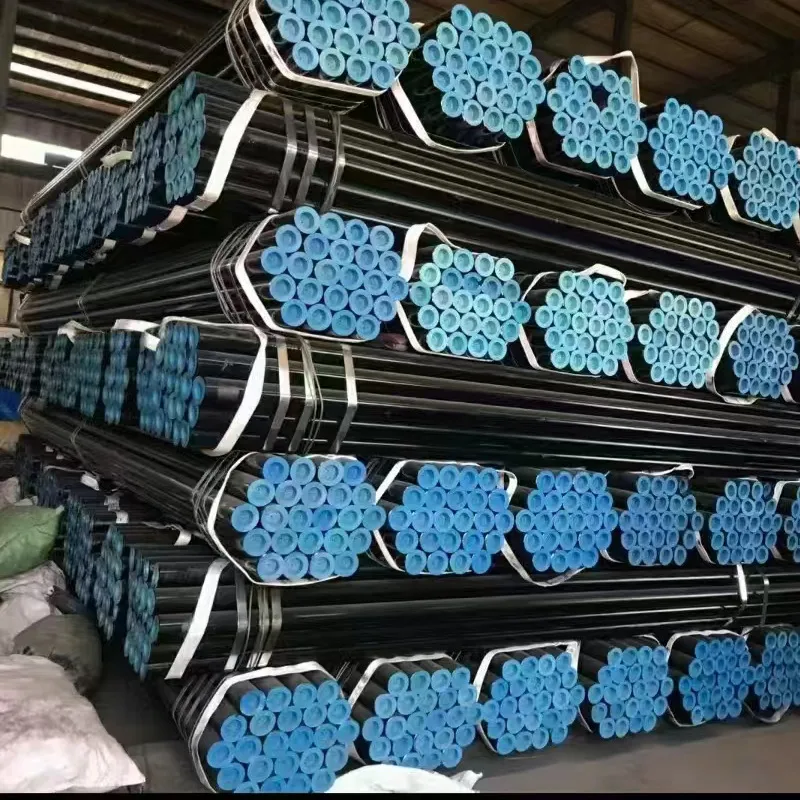
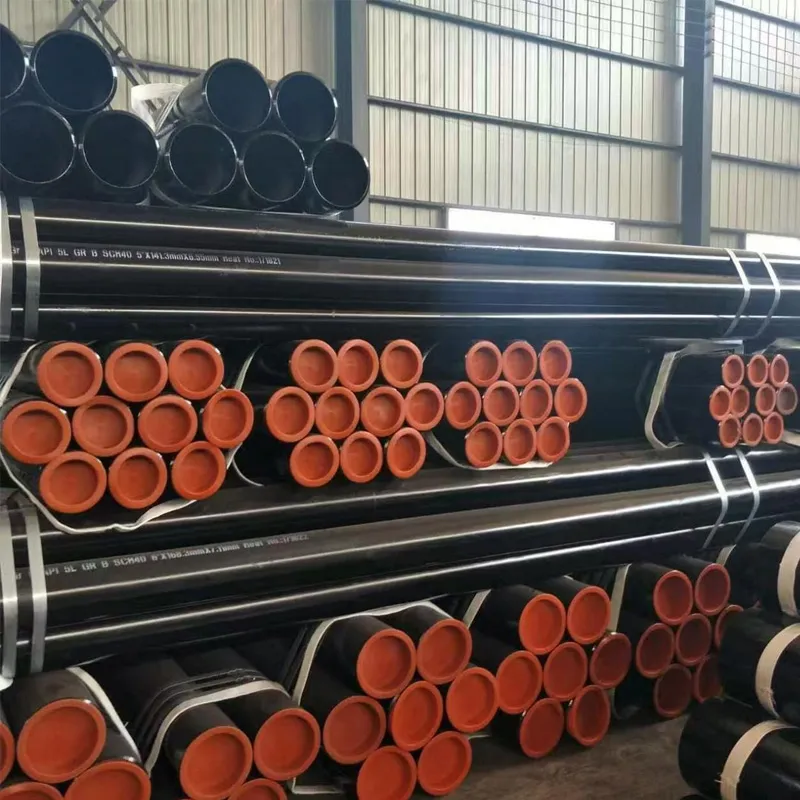
Carbon Seamless Steel Pipes – SA106, In-Stock, ISO Certified

Typical process flow (how the sausage—er, pipe—is made)

  • Materials: killed carbon steel billets (e.g., ASTM A106 Gr. B/C, API 5L Gr. B/X42–X70).
  • Heating and piercing: Mannesmann rotary piercing; elongation on mandrel mill.
  • Hot rolling and sizing: to target OD/WT; straightening and end-facing/beveling.
  • Heat treatment: normalizing or annealing depending on spec.
  • NDE and pressure testing: 100% ultrasonic/eddy current; hydrotest at ≈70% SMYS for ≥5 s (real-world may vary by order).
  • Coatings: black varnish, 3LPE/FBE on request; end caps and bundle tagging.
  • Documentation: MTC EN 10204 3.1, with heat number traceability.
Carbon Seamless Steel Pipes – SA106, In-Stock, ISO Certified

Specs at a glance

Parameter Typical Range Notes
OD 1/2"–24" (≈21.3–610 mm) ASME B36.10M
Wall Thickness SCH 10–XXS Custom WT on request
Length 5–12 m (R/L & D/R) Tighter length tolerances available
Grades A53/A106 Gr. B/C; API 5L B, X42–X70 NACE MR0175 options
Ends Plain, Beveled, Threaded API 5B threading if needed
Tensile Strength ≈415–760 MPa Varies by grade/heat treatment

Use cases? Oil and gas gathering lines, boiler tubes, construction columns, automotive components, and fluid transport. I guess the key advantage is uniformity—no weld discontinuities—so fewer inspection headaches down the line. Many site engineers mention lower leak rates and less fatigue cracking during thermal cycling.
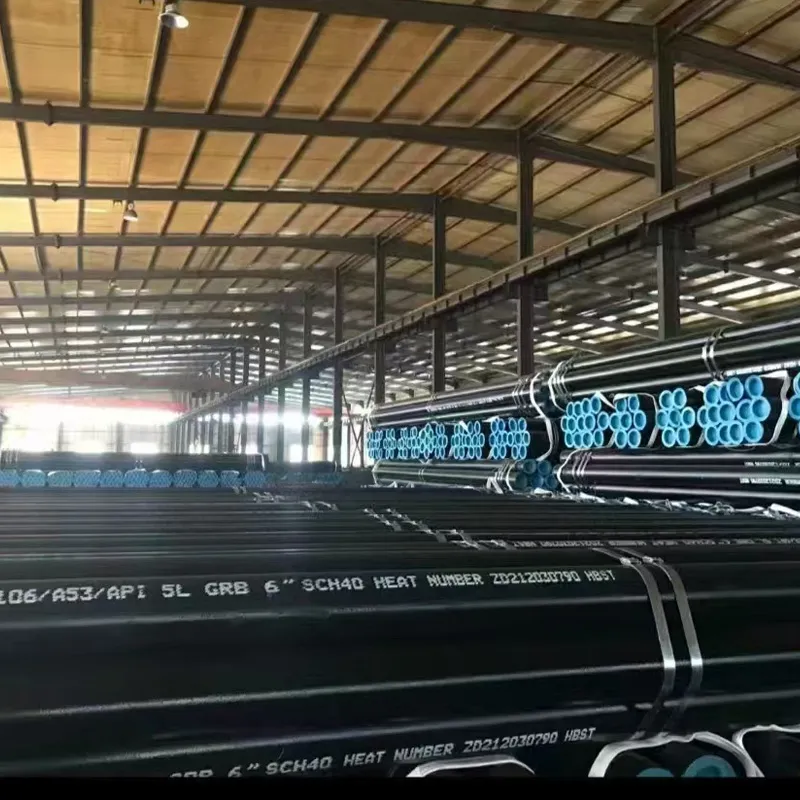
Carbon Seamless Steel Pipes – SA106, In-Stock, ISO Certified

Vendor snapshot (what buyers quietly compare)

Vendor Certifications Lead Time NDE Coverage Customization
Lion Pipeline (Hebei) ISO 9001; API 5L; MTC 3.1 around 2–4 weeks 100% UT/ET + Hydro OD/WT/length/coating
Vendor B (Global) ISO 9001/14001 5–7 weeks Selective UT, Hydro Standard sizes mainly
Vendor C (Regional) ISO 9001 3–6 weeks Spot checks Limited bespoke runs

Real-world testing: we saw Charpy impact values meeting PSL2 at -20°C on X52, and hydro tests holding without creep. Service life? Around 20–30 years in benign fluid service; add FBE/3LPE and proper cathodic protection and it stretches, of course, depending on soil chemistry.

Mini case studies

Oilfield gathering: 18 km of carbon seamless steel pipes (API 5L X52 PSL2) in abrasive multiphase service. After 18 months, inline UT showed minimal wall loss—operators credited better ovality control and smooth ID.

District cooling: A retrofit used A106 Gr. B with 3LPE. Commissioning team mentioned “surprisingly quiet” vibration profiles compared to welded alternatives.
Carbon Seamless Steel Pipes – SA106, In-Stock, ISO Certified

Buying notes and customization

Specify standards up front (ASTM A106/A53, API 5L PSL1/PSL2, ASME B36.10M), NACE if sour, lengths, end finish, coating, and test regimen (100% UT + hydro preferred). For skids, short cut lengths save time. For spools, bevel geometry matters more than people admit. And if you need carbon seamless steel pipes with odd WT for flow tuning, ask for mill sizing tolerances in writing.

Customer feedback

“Bundles arrived with clean bevels and consistent heat numbers—no chasing paperwork.” Another buyer noted fewer RT flags in tie-ins because machine geometry matched drawings “closer than expected.”

Standards and certifications

API 5L, ISO 3183, ASTM A106/A53, ASME B36.10M, ISO 9001, and optional NACE MR0175/ISO 15156 for H2S service. PMI and third-party inspection (BV/LR/TUV) are common on export lots.
Citations

  1. ASTM A106/A53 – Standard Specifications for Seamless Carbon Steel Pipe
  2. ASME B36.10M – Welded and Seamless Wrought Steel Pipe
  3. API 5L / ISO 3183 – Line Pipe Specification
  4. NACE MR0175 / ISO 15156 – Materials for H2S in Oil and Gas Production
  5. ISO 9001 – Quality Management Systems
  • Bend Pipe

    Bend Pipe

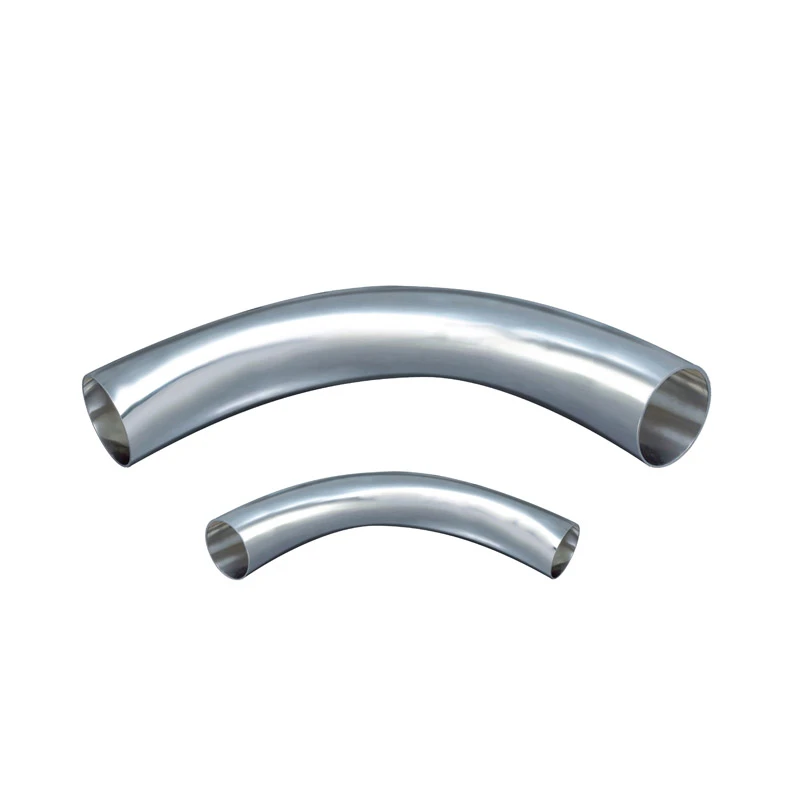
    Bend is a crucial pipe fitting used to change the direction of flow in a piping system. It allows for smooth transitions between sections of pipe, accommodating layout constraints, avoiding obstacles, and optimizing flow paths. Bends are designed to maintain the fluid's velocity and minimize pressure loss while providing the necessary angle of deviation. They are commonly used in various industries, including oil and gas, petrochemicals, water supply, and HVAC systems.
    VIEW ALL
  • Anti Corrosion And Thermal Insulation Products
    Anti Corrosion And Thermal Insulation Products
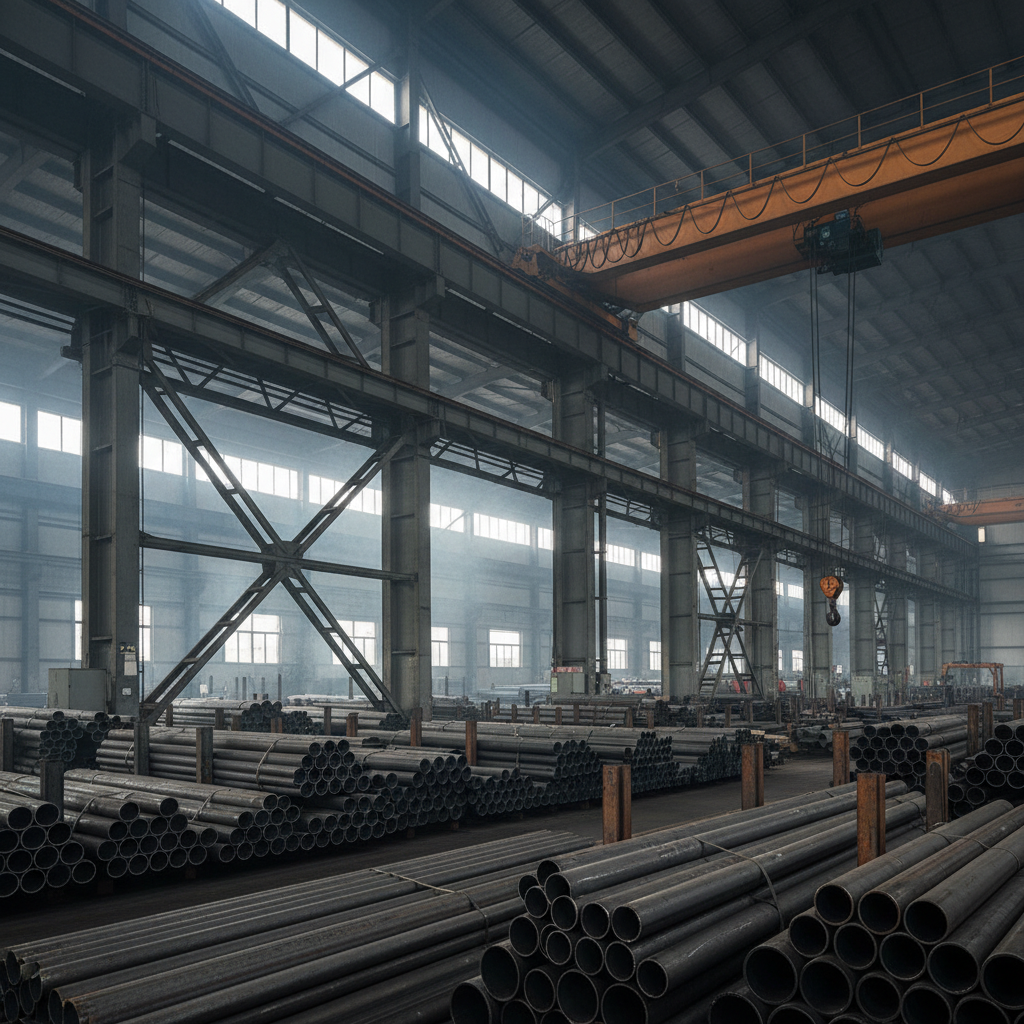
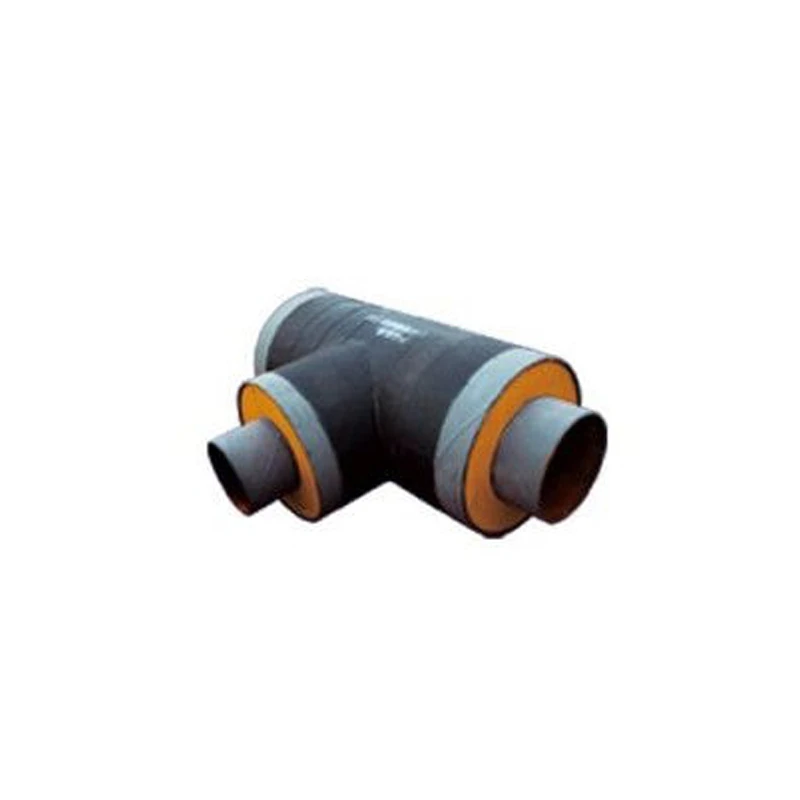
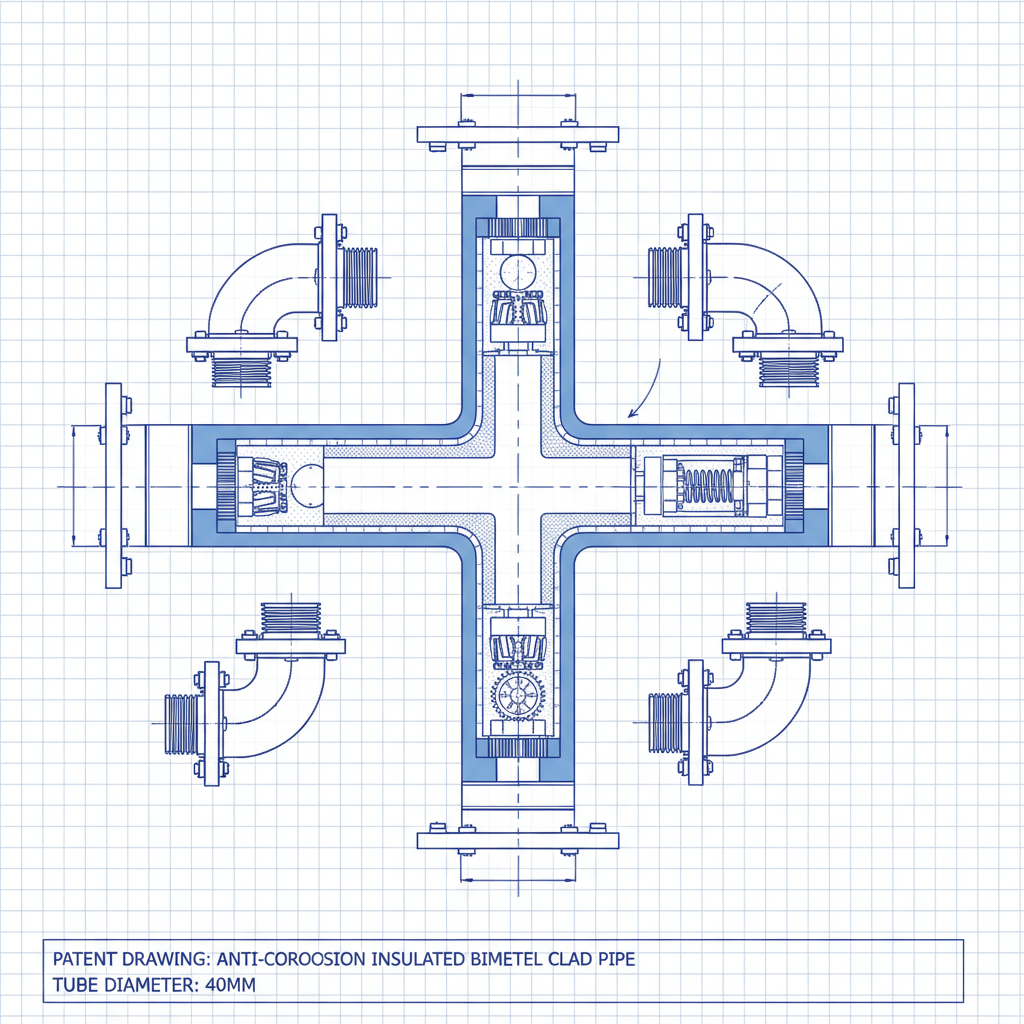
    The anti-corrosion and thermal insulation products we focus on produce play a key role in the industrial pipeline system, especially the thermal insulation pipe fittings and steel pipes. Thermal insulation pipe fittings cover elbows, tees, reducers and pipe supports, with specifications ranging from DN15 to DN1800, and are made of carbon steel, alloy steel, stainless steel, bimetallic composite, nickel-based alloy and other materials.
    VIEW ALL
  • Flange

    Flange

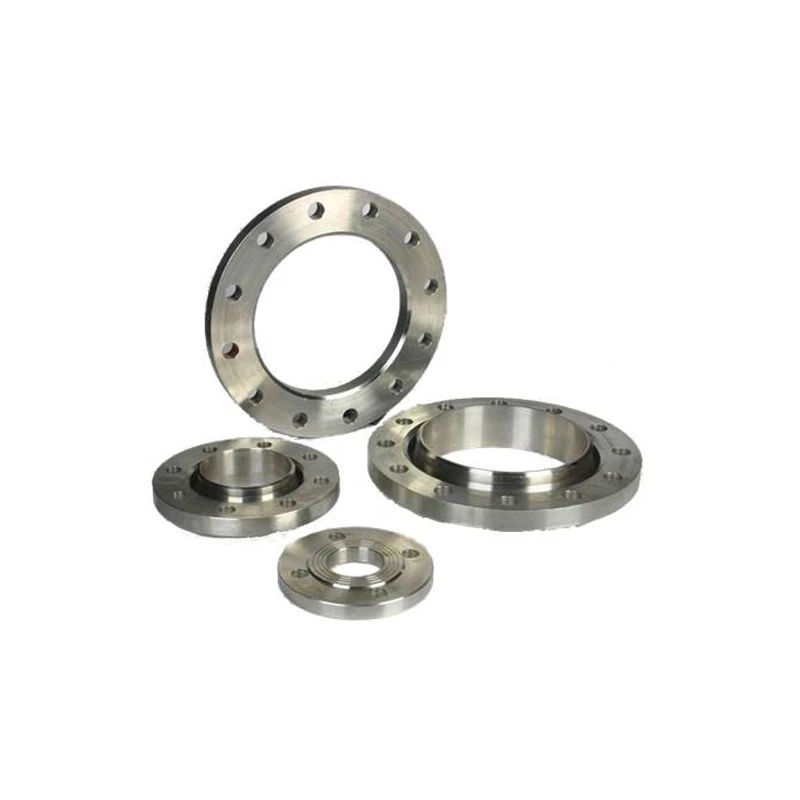
    Flange Product Introduction Flanges are used to connect pipes to pipes or pipes to equipment, ensuring a sealed and stable connection. They prevent fluid leakage and can withstand certain pressures and stresses, ensuring reliable connections. Flange nominal diameters range from DN15-DN2000 and beyond, covering various pipeline connection needs. Flanges primarily adhere to international standards such as ASME B16.5-2020, ASME B16.47-2020, and API 6A-2018.
    VIEW ALL
To create value for customers!
Cangzhou Leo Technology Co., Ltd. is located in Mengcun County Economic Development Zone, Cangzhou City, Hebei Province. It is a specialized high-tech enterprise that integrates the research and development, production, and sales of composite pipes and fittings.
News
The company regards product quality as the life of the enterprise, establishes a sound quality management system in accordance with the requirements of industry and national standards, controls all aspects of input and output in the whole process, pays attention to every detail, and ensures that the product delivery pass rate is 100%.
Properties and Industrial Applications of 4130 steel tubing
Properties and Industrial Applications of 4130 steel tubing

In the world of high-performance engineering, material selection is the foundation of safety and efficiency. 4130 steel tubing is widely recognized as the gold standard for applications requiring an exceptional strength-to-weight ratio. Known for its versatility and reliability, this chromium-molybdenum alloy is the preferred choice for everything from aircraft frames to professional roll cages. Understanding the nuances of this material allows engineers to optimize structural integrity without adding unnecessary bulk. In this comprehensive guide, we will explore why this specific alloy remains a top choice for critical industrial and aerospace components.
Comprehensive Guide to 40mm Steel Tube Applications and Material Selection
Comprehensive Guide to 40mm Steel Tube Applications and Material Selection

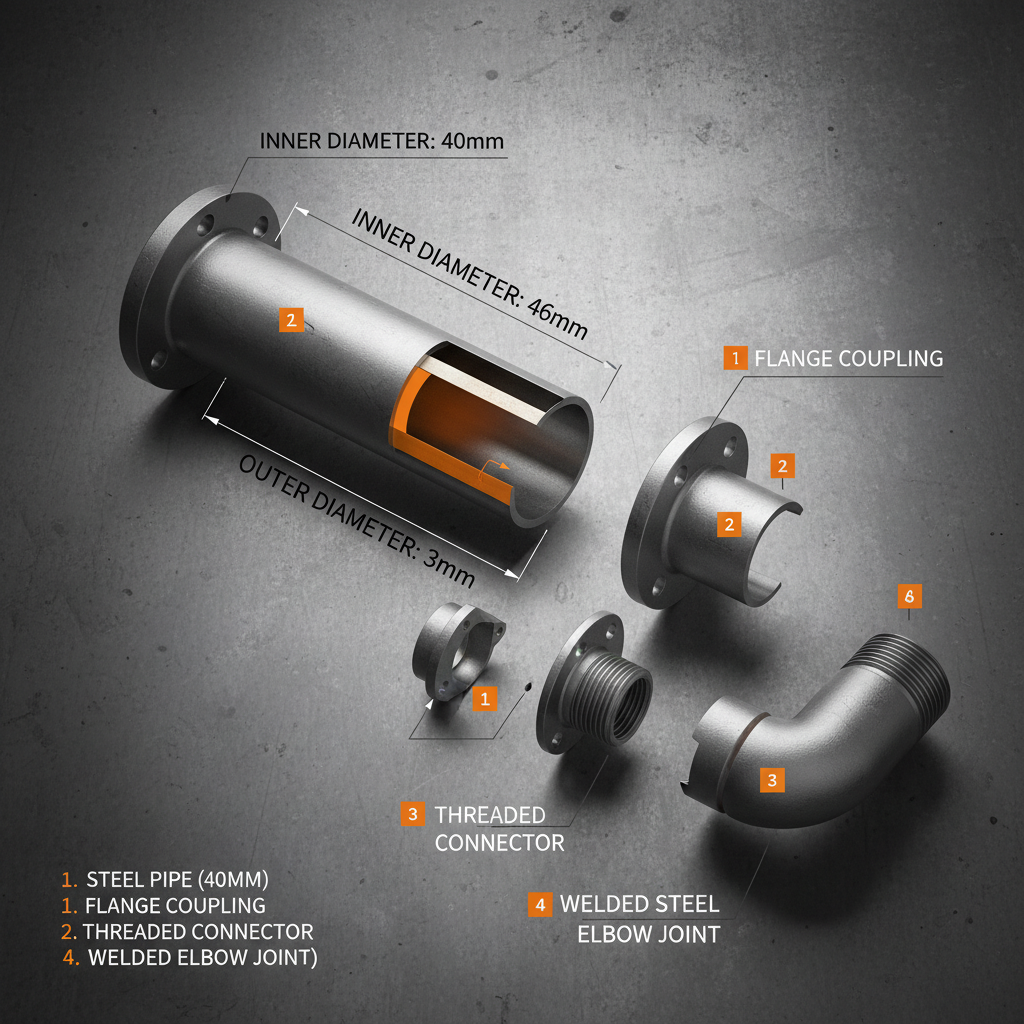
40mm steel tube is a versatile and widely used material in various industries, from construction and manufacturing to automotive and beyond. Its strength, durability, and cost-effectiveness make it an ideal choice for numerous applications. This article will delve into the characteristics, applications, benefits, and considerations when working with 40mm steel tube, providing a comprehensive overview for professionals and anyone interested in this essential material.
Comprehensive Guide to 40mm Steel Pipe Applications and Considerations
Comprehensive Guide to 40mm Steel Pipe Applications and Considerations

40mm steel pipe is a widely used material in various industries due to its strength, durability, and cost-effectiveness. From construction and infrastructure projects to industrial applications and fluid transportation, this pipe size offers a versatile solution. This article will delve into the properties, applications, standards, and key considerations when selecting 40mm steel pipe, helping you make informed decisions for your specific needs.
Comprehensive Guide to 40mm Metal Pipe Applications and Sourcing
Comprehensive Guide to 40mm Metal Pipe Applications and Sourcing

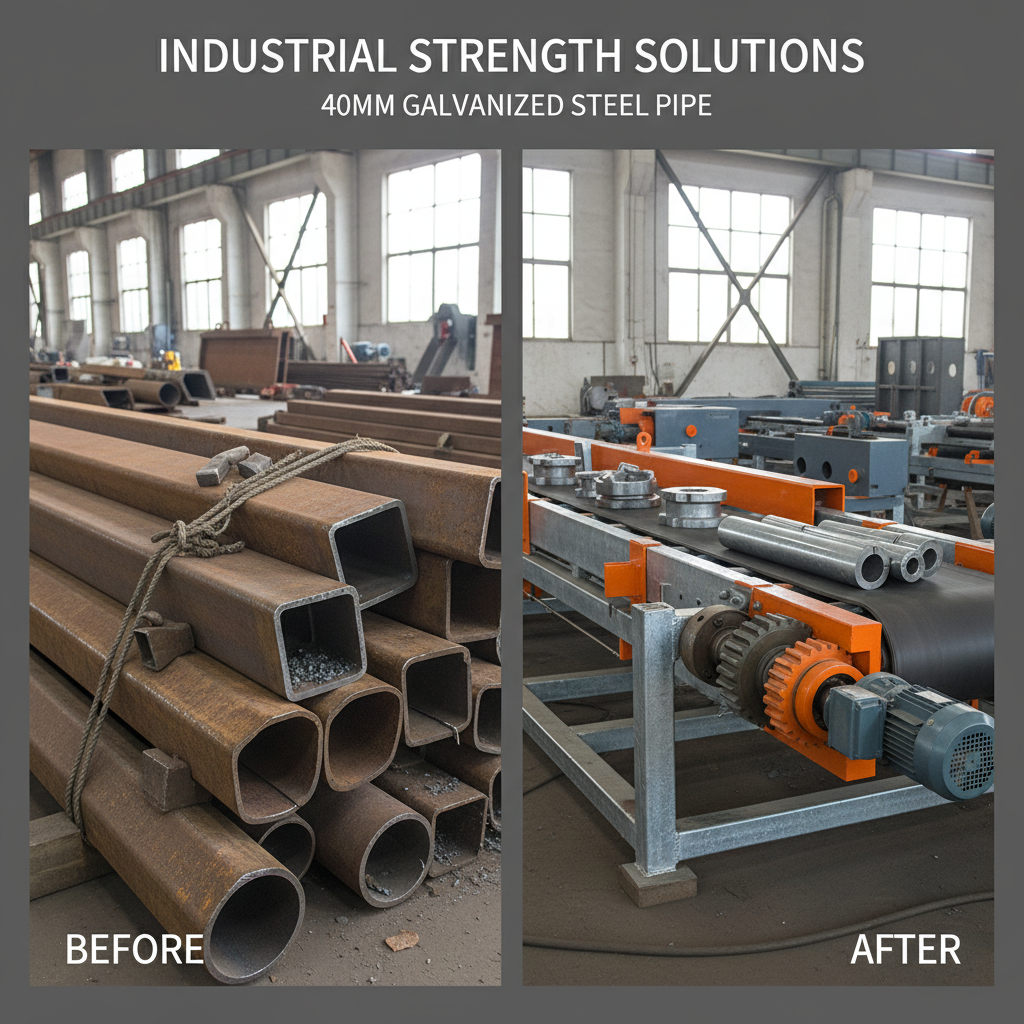
40mm metal pipe is a crucial component in a wide array of industries, from construction and plumbing to industrial manufacturing and fluid transport. Its strength, durability, and versatility make it a preferred material for countless applications. This article will delve into the specifics of 40mm metal pipe, exploring its various types, common uses, benefits, and where to source high-quality piping solutions.
Comprehensive Guide to 40mm Galvanised Pipe Applications and Specifications
Comprehensive Guide to 40mm Galvanised Pipe Applications and Specifications

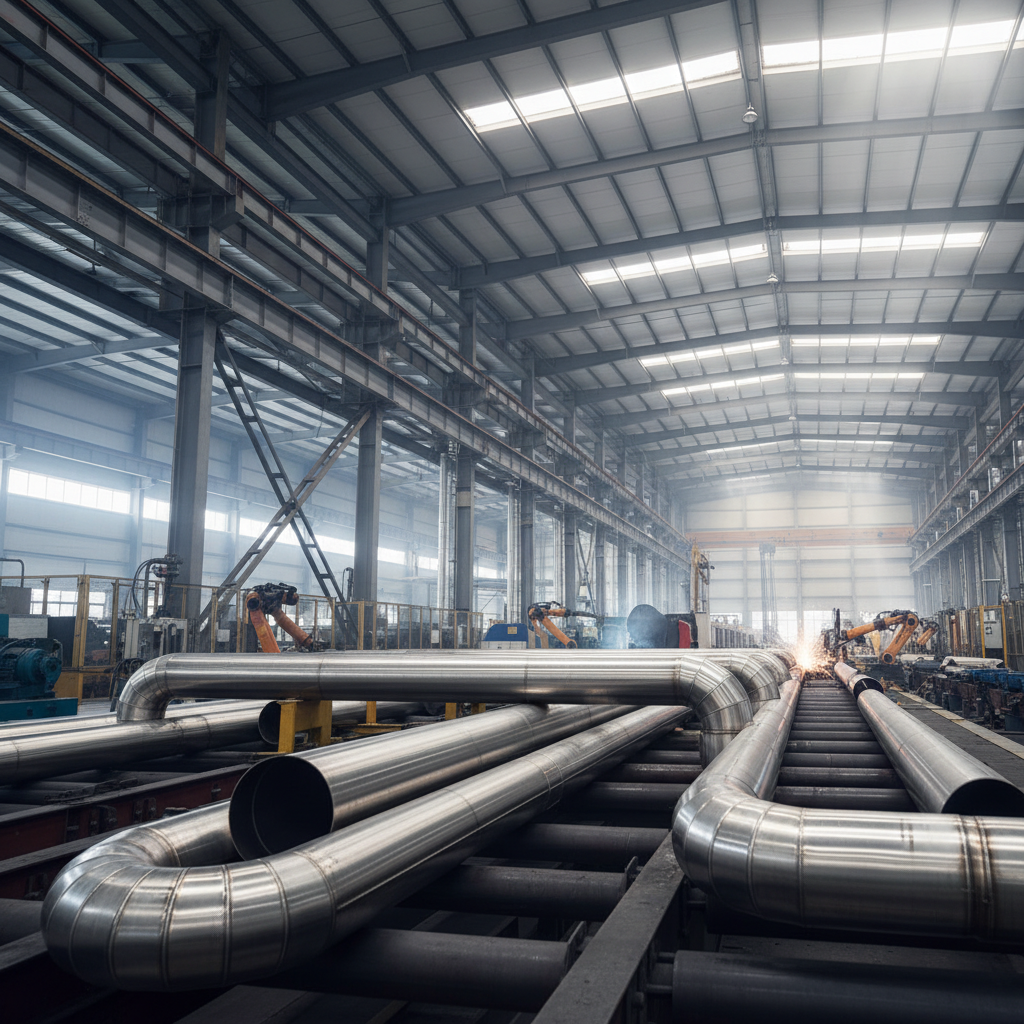
When planning a plumbing, structural, or industrial project, selecting the right piping material is crucial. 40mm galvanised pipe is a widely used option known for its strength, durability, and corrosion resistance. This article provides a detailed overview of 40mm galvanised pipes, exploring their applications, benefits, specifications, and considerations for optimal usage. We'll cover everything from what galvanisation is to how to choose the right pipe for your specific needs.
Comprehensive Guide to 409 Stainless Steel Exhaust Pipe Applications and Benefits

Comprehensive Guide to 409 Stainless Steel Exhaust Pipe Applications and Benefits

When selecting materials for exhaust systems, especially in industries demanding durability and corrosion resistance, 409 stainless steel exhaust pipe emerges as a leading solution. Known for its affordability and suitable performance in various applications, it’s a popular choice for automotive, truck, and industrial exhaust systems. This article delves into the properties, benefits, applications, and considerations when choosing 409 stainless steel exhaust pipe, providing valuable insights for engineers, purchasers, and anyone involved in exhaust system design and manufacturing. Understanding the nuances of this material is key to ensuring long-lasting and reliable exhaust solutions. 409 stainless steel is an austenitic stainless steel containing approximately 11.5% chromium. This chromium content provides excellent resistance to oxidation and corrosion, particularly in mildly corrosive environments. Unlike higher-grade stainless steels (like 304 or 316), 409 has a lower chromium content and typically includes titanium for stabilization. This stabilization prevents carbide precipitation during welding, enhancing its weldability and corrosion resistance in the heat-affected zone. It's often chosen for applications where cost-effectiveness is critical, and the extreme corrosion resistance of higher alloys isn't required.
tel email tel top

If you are interested in our products, you can choose to leave your information here, and we will be in touch with you shortly.