tel
Email
to top

Bending Stainless Tubing for Medical Devices

sep 09 2025
deel:

Bending stainless tubing is far more than a simple mechanical process, especially within the highly regulated and demanding medical device industry. It requires exceptional precision, material integrity, and process control to create components that meet stringent biocompatibility, sterility, and performance standards. From intricate surgical instruments and diagnostic equipment to complex fluid handling systems within life-support machines, the reliability of bendable stainless tubing is paramount. Achieving consistent, high-quality bends, including specialized forms like bending plat stainless, demands advanced manufacturing capabilities and deep metallurgical understanding.
 

Bending Stainless Tubing for Medical Devices


The Critical Role of Precision Bending Stainless in Medical Technology 


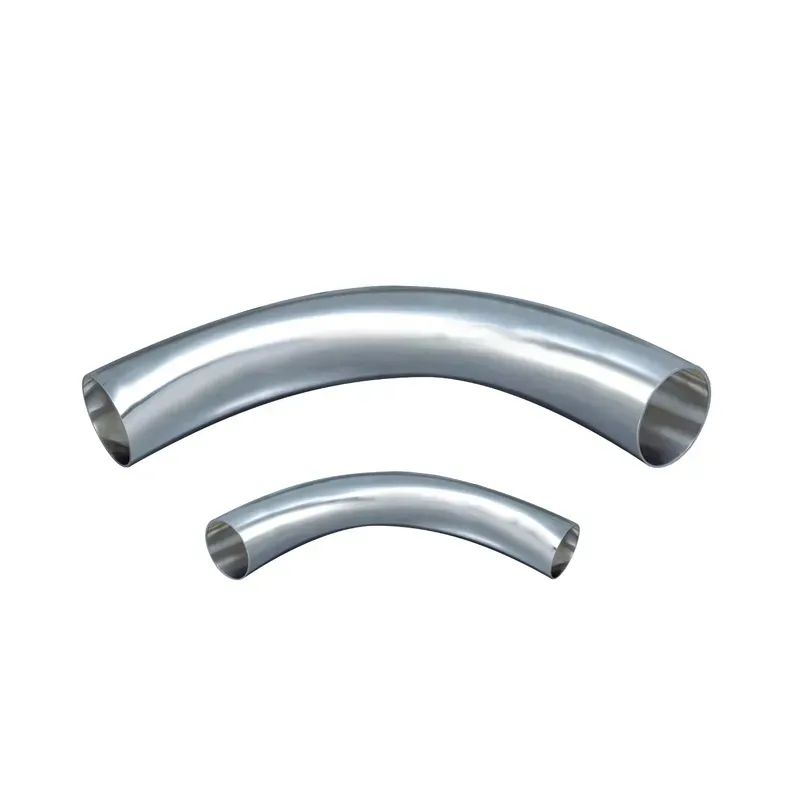
Medical devices rely on fluid pathways that are often complex and space-constrained. Tubing must navigate intricate assemblies without compromising flow characteristics, introducing contamination risks, or creating weak points. A bend is a crucial pipe fitting used to change the direction of flow in a piping system. In the medical context, this allows for smooth transitions between sections of pipe, accommodating layout constraints within compact devices, avoiding internal obstacles, and optimizing flow paths for blood, gases, saline, or other medical fluids. Medical-grade bends are designed to maintain the fluid's velocity and minimize pressure loss while providing the necessary angle of deviation, ensuring predictable device performance and patient safety. Imperfections like kinking, wall thinning, ovalization, or micro-cracks introduced during bending can become sites for bacterial growth, corrosion, or catastrophic failure – outcomes completely unacceptable in life-critical applications. This necessitates bending processes that preserve the tubing's internal diameter, wall thickness consistency, surface finish, and mechanical properties.


Advanced Techniques for Creating High-Quality Bendable Stainless Tubing 


Producing reliable bendable stainless tubing for medical devices starts long before the actual bending operation. It begins with selecting the appropriate stainless steel grade (commonly 304, 316, or 316L-VM for its superior corrosion resistance and biocompatibility) and ensuring the raw tubing meets exacting specifications for composition, surface finish, and dimensional tolerances. Precision bending itself leverages sophisticated methods:


  • Mandrel Bending:This is the gold standard for medical tubing requiring tight radii and minimal deformation. A precisely shaped mandrel rod is inserted into the tube during bending, supporting the inner wall to prevent collapsing or kinking. The combination of a pressure die, wiper die, and clamp die ensures smooth, controlled formation of the bend.
  • Rotary Draw Bending:Highly controllable and repeatable, this method is ideal for complex shapes and multiple bends on a single tube length. The tube is clamped and drawn around a rotating bend die, with the mandrel providing internal support.
  • Heat Induction Bending:For specific alloys or challenging geometries, localized and tightly controlled heat application can facilitate bending without compromising metallurgical properties. This requires extremely precise temperature management to avoid grain growth or sensitization.

Achieving the desired bending plat stainless configuration – essentially creating a flattened or specific profile within a bend section – demands even greater tooling precision and process control to avoid stress concentrations. Regardless of the method, maintaining the pristine internal surface finish of the tubing is critical to prevent bacterial adhesion and ensure cleanability or sterility.


FAQs about Medical Bending Stainless 


Why is bendable stainless tubing the preferred choice for critical medical fluid paths?


Stainless steel (especially 316L) offers unparalleled biocompatibility, exceptional corrosion resistance against bodily fluids and cleaning/steralizing agents, high strength-to-weight ratio, and the ability to be polished to a very smooth surface finish. Its inherent bendable stainless tubing characteristics, when processed correctly, allow for the creation of complex, reliable, and cleanable fluid pathways essential in medical devices.


How does the process of bending stainless tubing ensure it remains suitable for sterile medical applications?


Precision bending stainless techniques like mandrel bending, combined with stringent process controls (clean environment, dedicated tooling), prevent internal surface damage like scratches or kinks that could harbor bacteria. Post-bending processes like electro-polishing further enhance the surface smoothness and cleanability, ensuring the tubing meets sterility requirements.


What makes bending plat stainless configurations particularly challenging, and how is it achieved?


Bending plat stainless requires deforming the tube into a specific non-circular profile within the bend region. This concentrates stresses and risks compromising wall integrity or surface finish. Achieving it demands highly specialized, custom tooling designed for the exact geometry, coupled with extremely precise control over the bending force and mandrel support to prevent wrinkling, tearing, or excessive thinning.


Can you achieve complex, multi-plane bends in small-diameter bendable stainless tubing needed for miniature medical devices?


Yes, advanced CNC rotary draw benders, equipped with precise mandrels and sophisticated programming, are capable of producing intricate, multi-plane bends in very small diameter bendable stainless tubing with high repeatability. This is essential for components used in minimally invasive surgical tools, endoscopes, and implantable drug delivery systems.


What quality assurances are critical when sourcing bending stainless components for medical devices?


Key assurances include strict material certification (ASTM/ISO grades, traceability), dimensional verification (including wall thickness after bending), surface finish validation (Ra values), documentation of bending parameters and heat treatments, comprehensive non-destructive testing (visual, dye penetrant, potentially eddy current), and adherence to relevant quality standards (ISO 13485). Process validation reports are essential.


Bending stainless tubing for medical devices transcends simple fabrication; it's an exacting discipline demanding deep material science knowledge, precision engineering, and rigorous quality control. The transition from straight tube to a precisely formed bend or specialized bending plat stainless shape must preserve every critical property that makes stainless steel suitable for medical use: biocompatibility, corrosion resistance, strength, and a flawless internal surface. Companies like Cangzhou Lion Technology Co., Ltd. demonstrate how industrial-scale manufacturing prowess, backed by significant investment in advanced equipment like heavy-duty presses, precision thermal processing furnaces (±10°C control), and extensive additive manufacturing capabilities, can be effectively channeled to meet the high-volume, high-precision demands of the medical device industry. Their foundation in producing clad pipes for critical energy and chemical applications provides a robust platform of metallurgical expertise and quality systems essential for delivering reliable, large-scale quantities of bendable stainless tubing components that perform flawlessly in life-saving medical technologies.
  • Anti Corrosion And Thermal Insulation Products

    Anti-corrosie- en thermische isolatieproducten
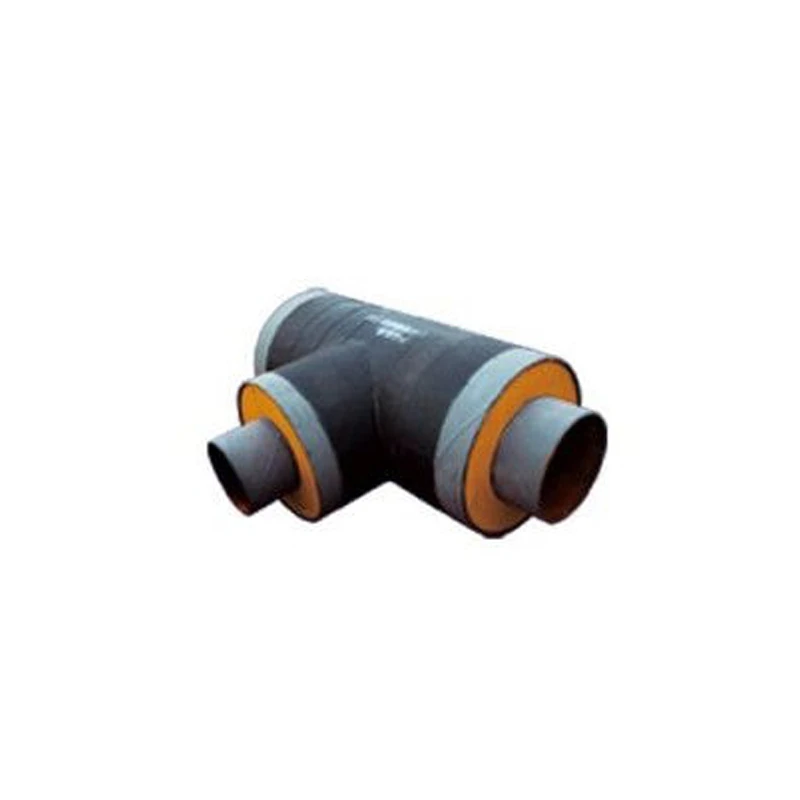
    De anti-corrosie- en thermische isolatieproducten waarop wij ons richten, spelen een belangrijke rol in het industriële pijpleidingsysteem, met name de thermische isolatiebuisfittingen en stalen buizen. Thermische isolatiebuisfittingen bestrijken ellebogen, T-stukken, reductiestukken en buissteunen, met specificaties variërend van DN15 tot DN1800, en zijn gemaakt van koolstofstaal, gelegeerd staal, roestvrij staal, bimetaalcomposiet, nikkelgebaseerde legering en andere materialen.
    BEKIJK ALLES
  • Factory Prefabricated Products

    Fabrieksmatig geprefabriceerde producten
    In de moderne industriële bouw hebben de kwaliteit en leveringsefficiëntie van pijpfittingen direct invloed op het succes of falen van het project. Met een geavanceerd productieconcept en sterke technische sterkte richten we ons op de fabrieksmatige prefabricatie van producten en bieden we allround pijpfittingoplossingen voor veel belangrijke sectoren, zoals de petrochemische industrie en de kolenchemische industrie.
    BEKIJK ALLES
  • Flange

    Flens

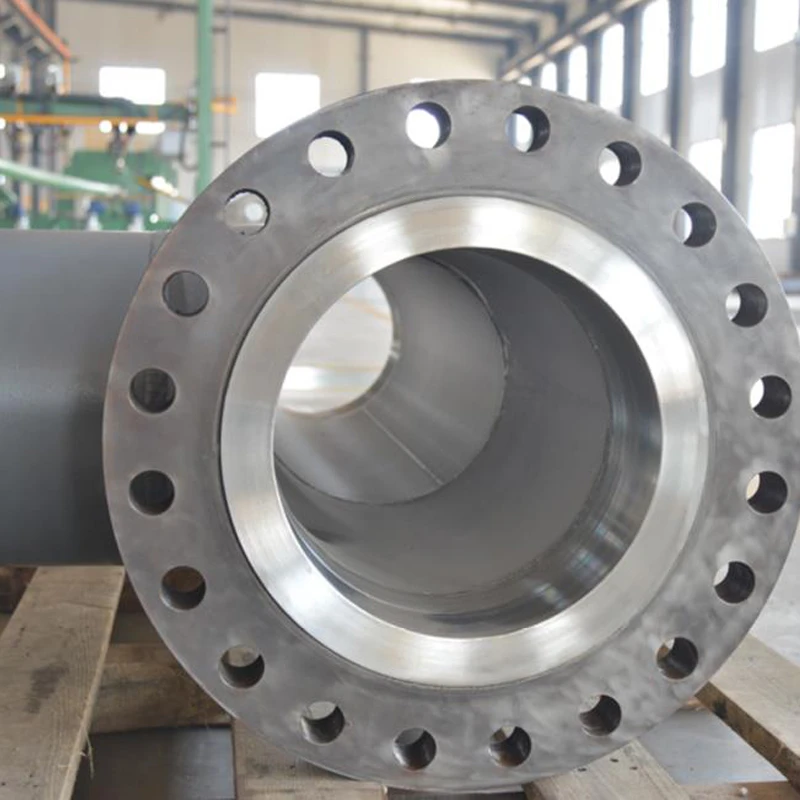
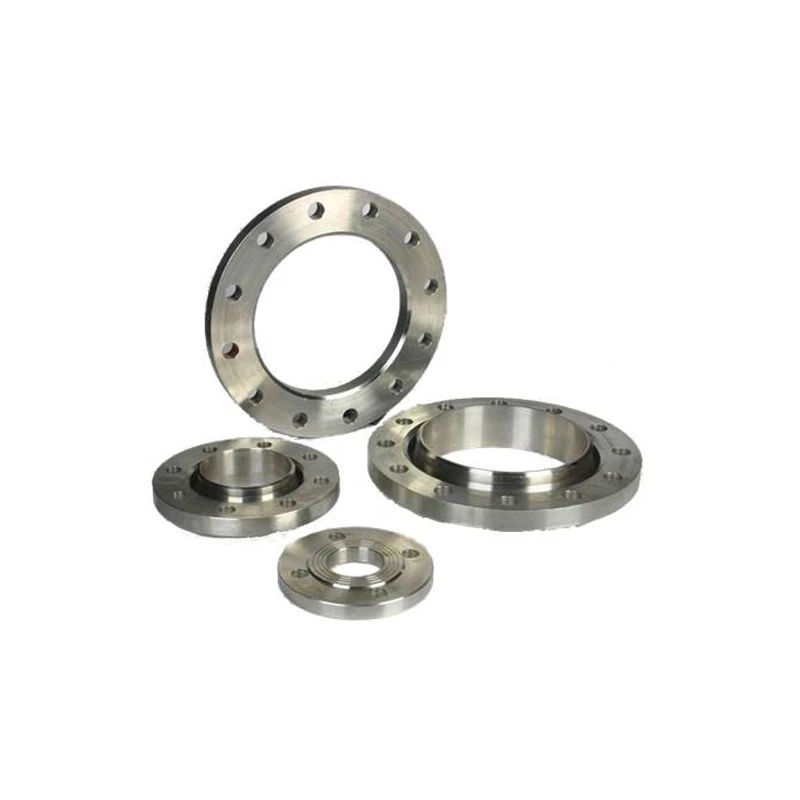
    Flens Productintroductie Flenzen worden gebruikt om pijpen aan pijpen of pijpen aan apparatuur te verbinden, wat zorgt voor een afgedichte en stabiele verbinding. Ze voorkomen vloeistoflekkage en kunnen bepaalde druk en spanningen weerstaan, wat zorgt voor betrouwbare verbindingen. De nominale diameters van flensen variëren van DN15-DN2000 en hoger, en dekken verschillende behoeften voor pijpleidingverbindingen. Flenzen voldoen voornamelijk aan internationale normen zoals ASME B16.5-2020, ASME B16.47-2020 en API 6A-2018.
    BEKIJK ALLES
Om waarde te creëren voor klanten!
Cangzhou Leo Technology Co., Ltd. is gevestigd in Mengcun County Economic Development Zone, Cangzhou City, provincie Hebei. Het is een gespecialiseerde hightechonderneming die onderzoek en ontwikkeling, productie en verkoop van samengestelde buizen en fittingen integreert.
Nieuws
Het bedrijf beschouwt productkwaliteit als de levensader van de onderneming en stelt een solide kwaliteitsmanagementsysteem op dat voldoet aan de eisen van de industriële en nationale normen. Het controleert alle aspecten van input en output in het gehele proces, besteedt aandacht aan elk detail en zorgt ervoor dat het slagingspercentage van de productlevering 100% is.
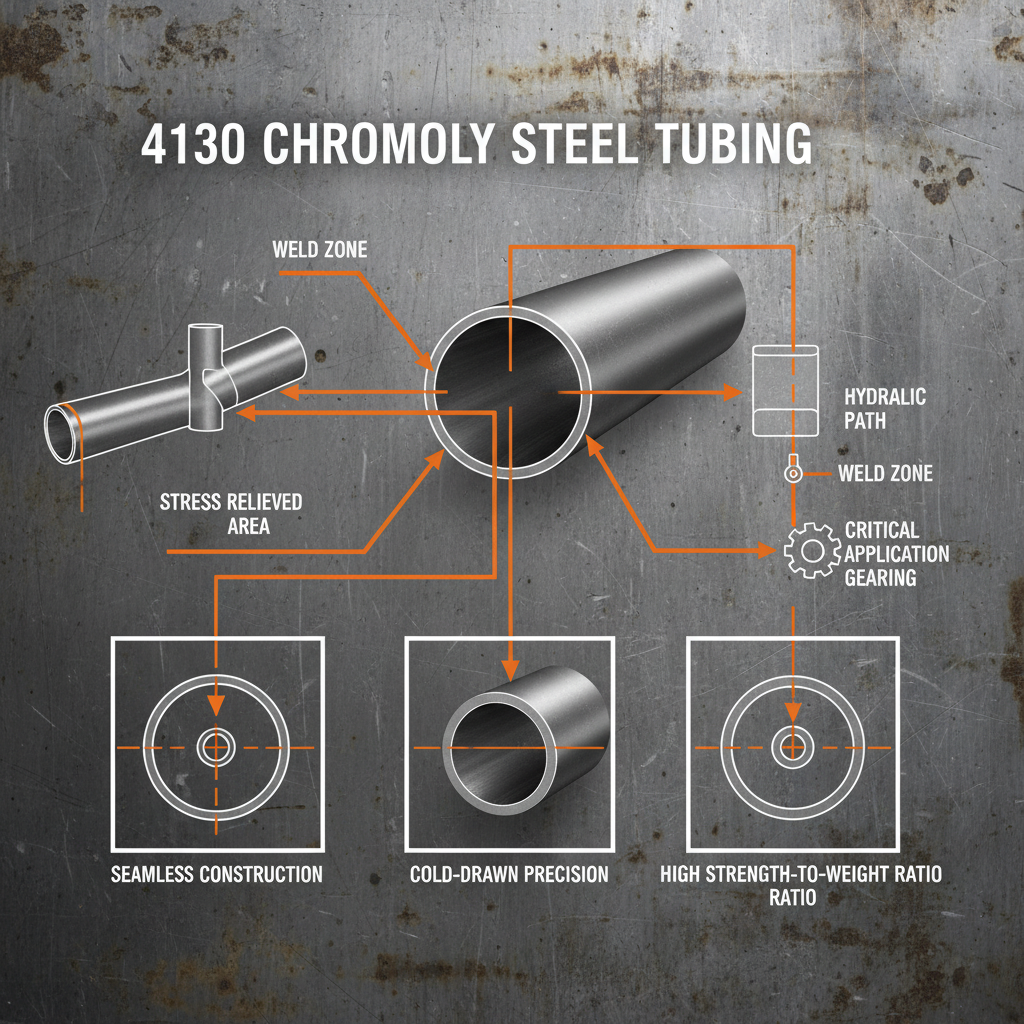
Ultimate Guide to 4130 Tubing Strength Performance and Applications
Ultimate Guide to 4130 Tubing Strength Performance and Applications

In the world of high-performance engineering, material selection is the foundation of safety and efficiency. 4130 tubing is widely regarded as the gold standard for applications requiring an exceptional strength-to-weight ratio. This chrome-molybdenum alloy steel is engineered to withstand extreme stress while remaining lightweight enough for aerospace and automotive use. Whether you are designing a roll cage, a bicycle frame, or a critical industrial component, understanding the nuances of this material is essential. In this comprehensive guide, we will explore why this specific alloy is preferred by engineers worldwide and how to choose the right specifications for your project.
Properties and Industrial Applications of 4130 steel tubing
Properties and Industrial Applications of 4130 steel tubing

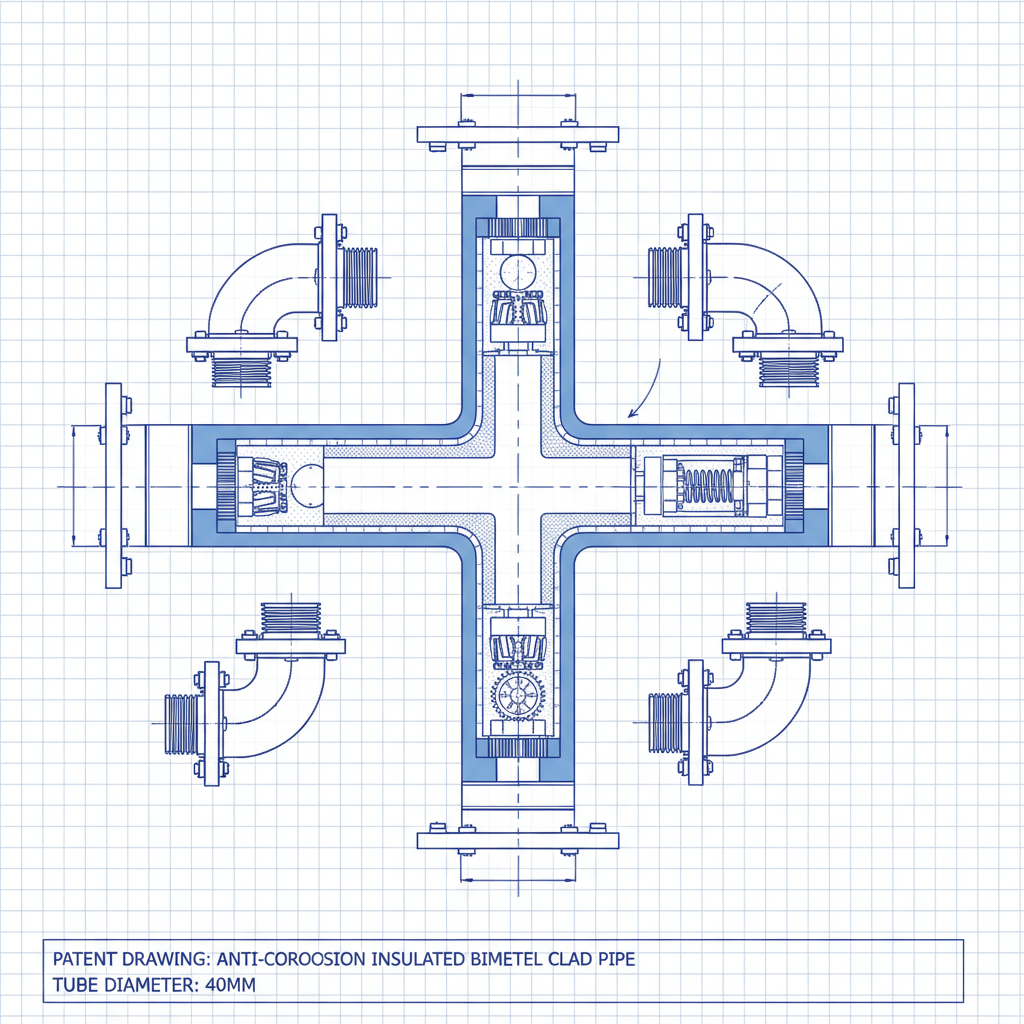
In the world of high-performance engineering, material selection is the foundation of safety and efficiency. 4130 steel tubing is widely recognized as the gold standard for applications requiring an exceptional strength-to-weight ratio. Known for its versatility and reliability, this chromium-molybdenum alloy is the preferred choice for everything from aircraft frames to professional roll cages. Understanding the nuances of this material allows engineers to optimize structural integrity without adding unnecessary bulk. In this comprehensive guide, we will explore why this specific alloy remains a top choice for critical industrial and aerospace components.
Comprehensive Guide to 40mm Steel Tube Applications and Material Selection
Comprehensive Guide to 40mm Steel Tube Applications and Material Selection

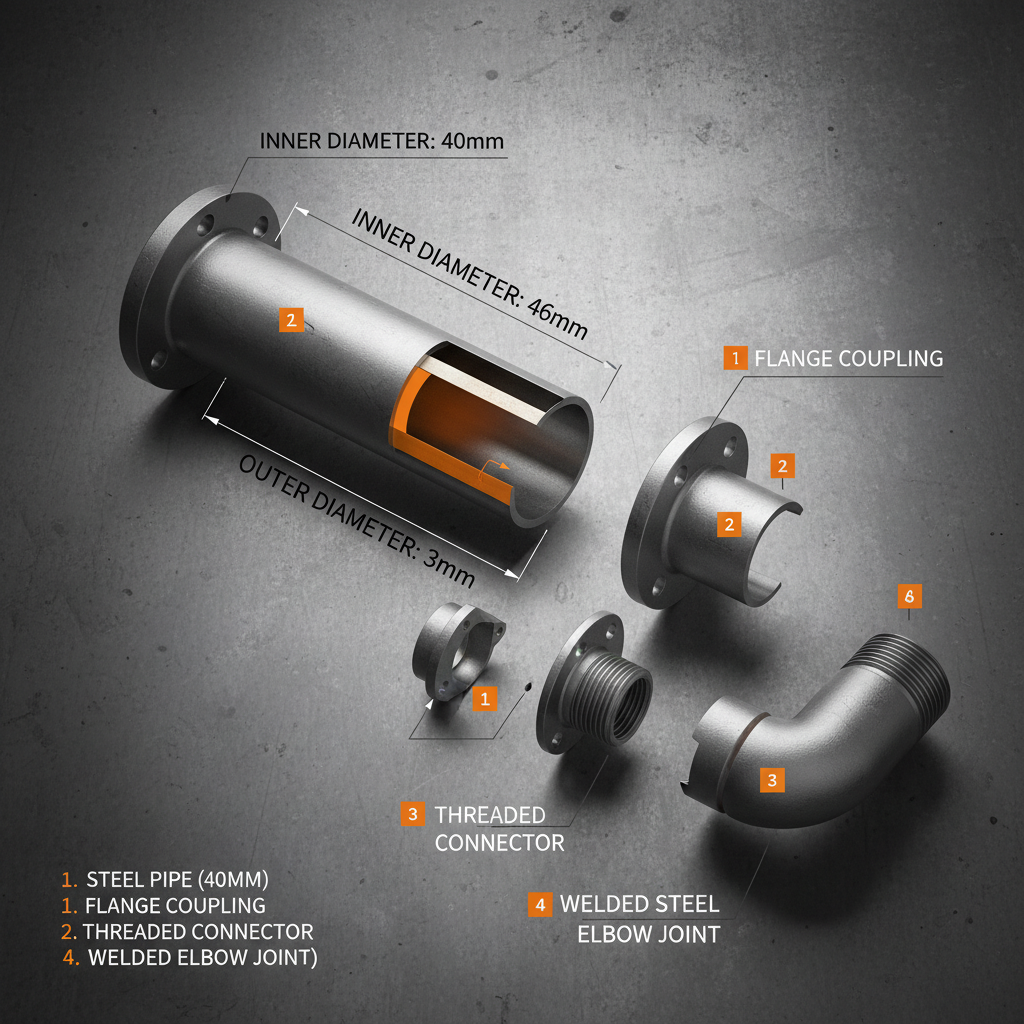
40mm steel tube is a versatile and widely used material in various industries, from construction and manufacturing to automotive and beyond. Its strength, durability, and cost-effectiveness make it an ideal choice for numerous applications. This article will delve into the characteristics, applications, benefits, and considerations when working with 40mm steel tube, providing a comprehensive overview for professionals and anyone interested in this essential material.
Comprehensive Guide to 40mm Steel Pipe Applications and Considerations
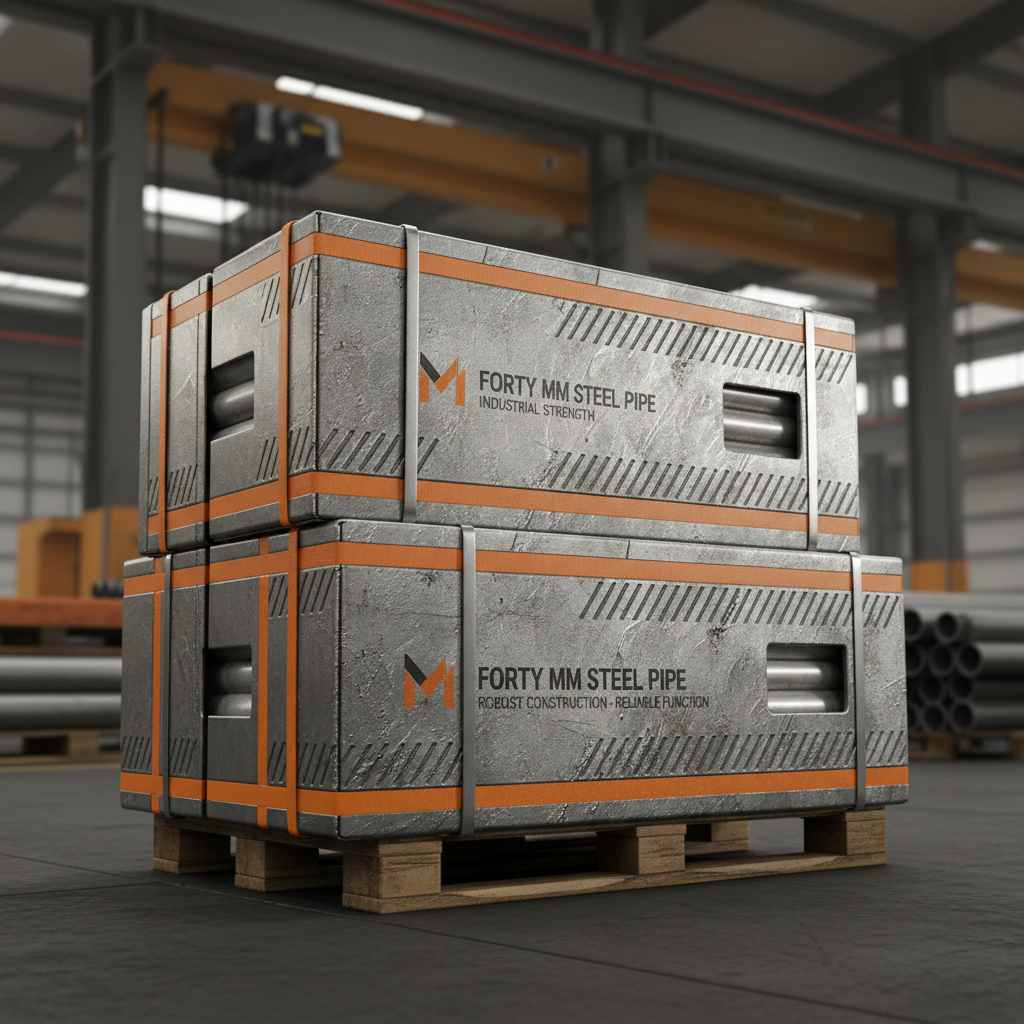
Comprehensive Guide to 40mm Steel Pipe Applications and Considerations

40mm steel pipe is a widely used material in various industries due to its strength, durability, and cost-effectiveness. From construction and infrastructure projects to industrial applications and fluid transportation, this pipe size offers a versatile solution. This article will delve into the properties, applications, standards, and key considerations when selecting 40mm steel pipe, helping you make informed decisions for your specific needs.
Comprehensive Guide to 40mm Metal Pipe Applications and Sourcing
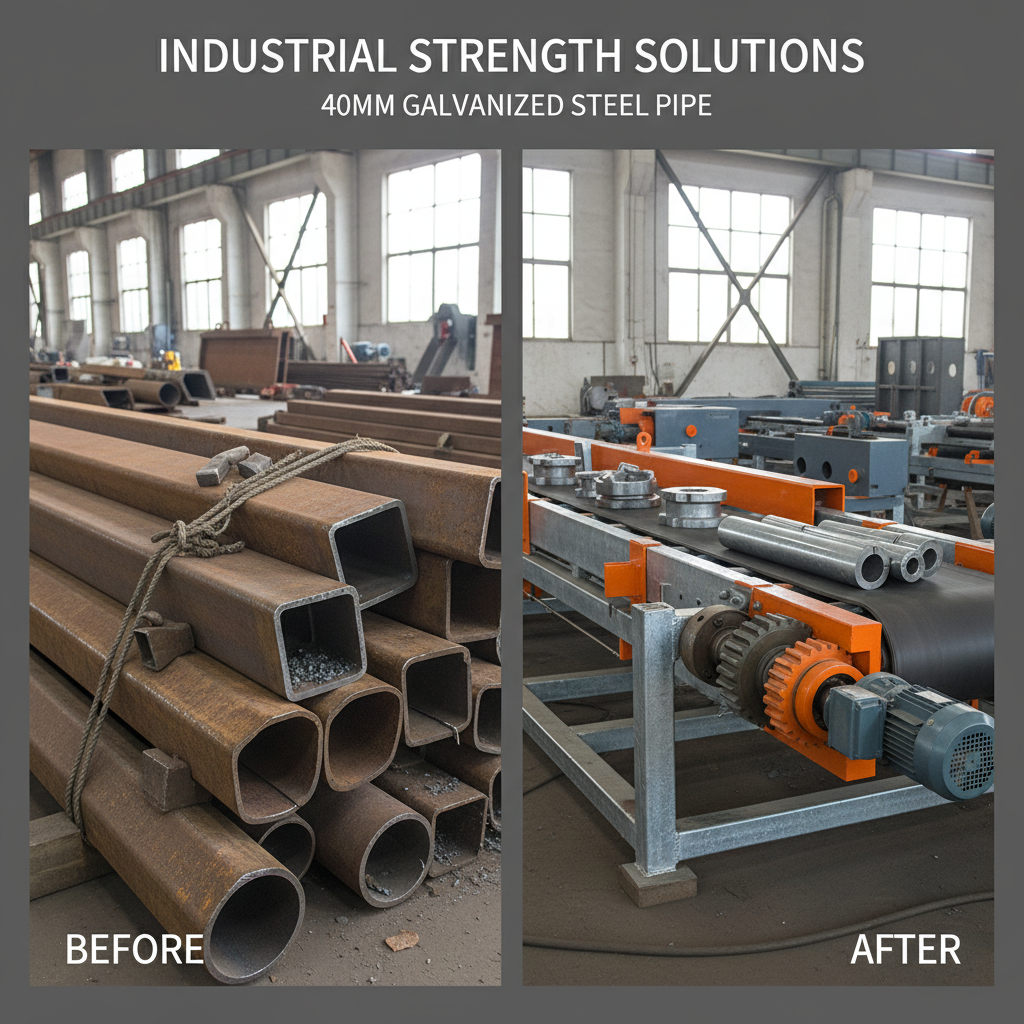
Comprehensive Guide to 40mm Metal Pipe Applications and Sourcing

40mm metal pipe is a crucial component in a wide array of industries, from construction and plumbing to industrial manufacturing and fluid transport. Its strength, durability, and versatility make it a preferred material for countless applications. This article will delve into the specifics of 40mm metal pipe, exploring its various types, common uses, benefits, and where to source high-quality piping solutions.
Comprehensive Guide to 40mm Galvanised Pipe Applications and Specifications

Comprehensive Guide to 40mm Galvanised Pipe Applications and Specifications

When planning a plumbing, structural, or industrial project, selecting the right piping material is crucial. 40mm galvanised pipe is a widely used option known for its strength, durability, and corrosion resistance. This article provides a detailed overview of 40mm galvanised pipes, exploring their applications, benefits, specifications, and considerations for optimal usage. We'll cover everything from what galvanisation is to how to choose the right pipe for your specific needs.
tel email tel top

Als u geïnteresseerd bent in onze producten, kunt u hier uw gegevens achterlaten. Wij nemen dan zo spoedig mogelijk contact met u op.