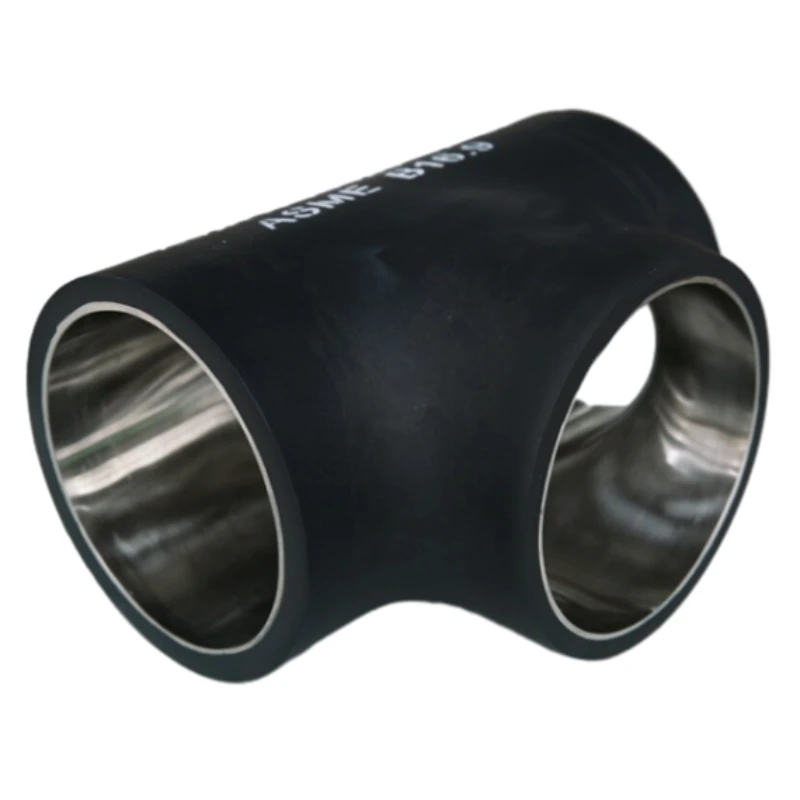
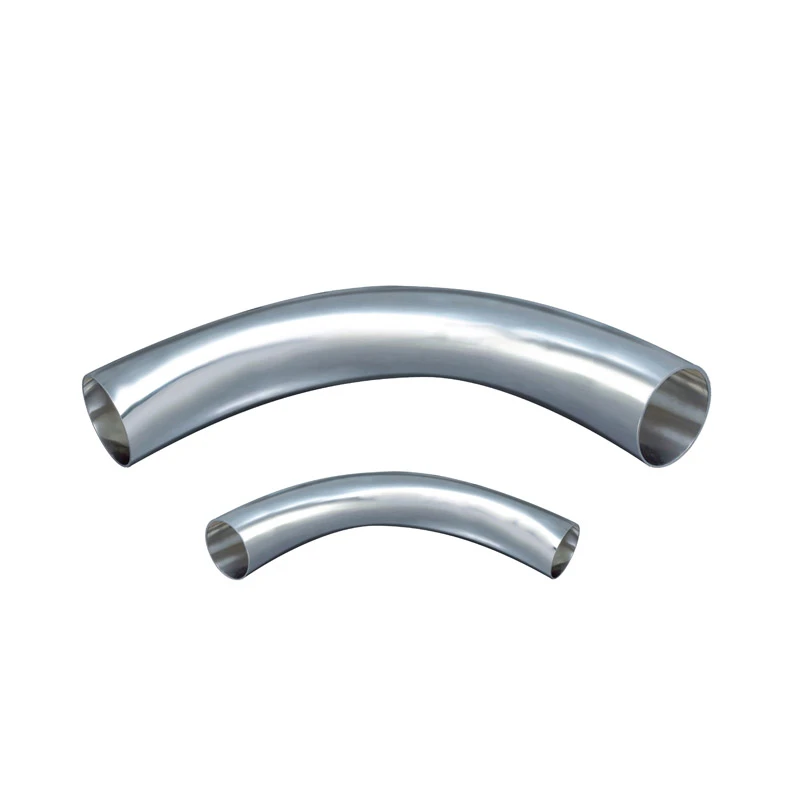
Bending stainless tubing is far more than a simple mechanical process, especially within the highly regulated and demanding medical device industry. It requires exceptional precision, material integrity, and process control to create components that meet stringent biocompatibility, sterility, and performance standards. From intricate surgical instruments and diagnostic equipment to complex fluid handling systems within life-support machines, the reliability of bendable stainless tubing is paramount. Achieving consistent, high-quality bends, including specialized forms like bending plat stainless, demands advanced manufacturing capabilities and deep metallurgical understanding.
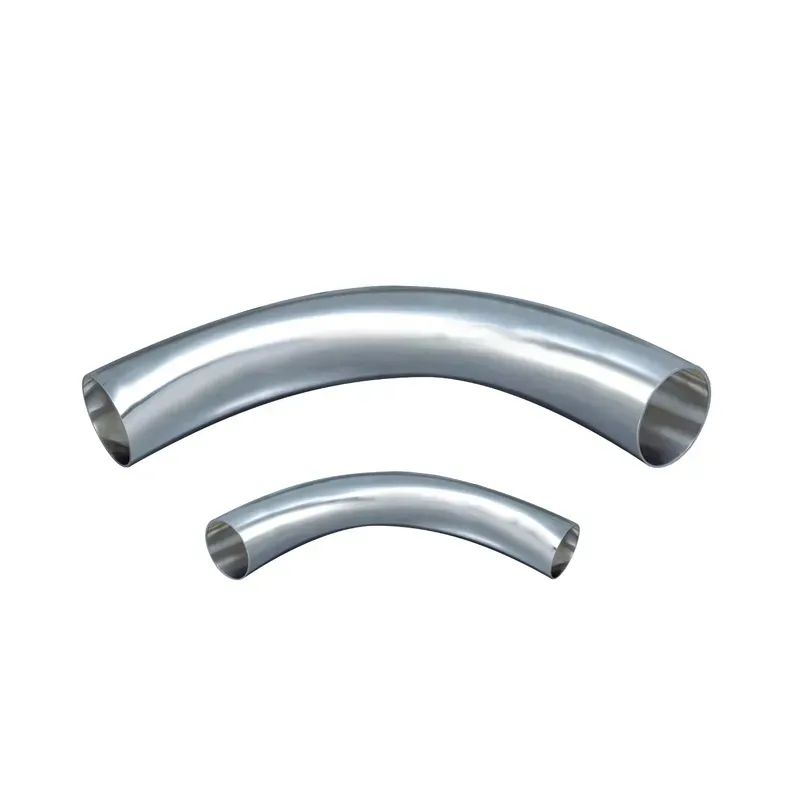
Medical devices rely on fluid pathways that are often complex and space-constrained. Tubing must navigate intricate assemblies without compromising flow characteristics, introducing contamination risks, or creating weak points. A bend is a crucial pipe fitting used to change the direction of flow in a piping system. In the medical context, this allows for smooth transitions between sections of pipe, accommodating layout constraints within compact devices, avoiding internal obstacles, and optimizing flow paths for blood, gases, saline, or other medical fluids. Medical-grade bends are designed to maintain the fluid's velocity and minimize pressure loss while providing the necessary angle of deviation, ensuring predictable device performance and patient safety. Imperfections like kinking, wall thinning, ovalization, or micro-cracks introduced during bending can become sites for bacterial growth, corrosion, or catastrophic failure – outcomes completely unacceptable in life-critical applications. This necessitates bending processes that preserve the tubing's internal diameter, wall thickness consistency, surface finish, and mechanical properties.
Producing reliable bendable stainless tubing for medical devices starts long before the actual bending operation. It begins with selecting the appropriate stainless steel grade (commonly 304, 316, or 316L-VM for its superior corrosion resistance and biocompatibility) and ensuring the raw tubing meets exacting specifications for composition, surface finish, and dimensional tolerances. Precision bending itself leverages sophisticated methods:
Achieving the desired bending plat stainless configuration – essentially creating a flattened or specific profile within a bend section – demands even greater tooling precision and process control to avoid stress concentrations. Regardless of the method, maintaining the pristine internal surface finish of the tubing is critical to prevent bacterial adhesion and ensure cleanability or sterility.
Stainless steel (especially 316L) offers unparalleled biocompatibility, exceptional corrosion resistance against bodily fluids and cleaning/steralizing agents, high strength-to-weight ratio, and the ability to be polished to a very smooth surface finish. Its inherent bendable stainless tubing characteristics, when processed correctly, allow for the creation of complex, reliable, and cleanable fluid pathways essential in medical devices.
Precision bending stainless techniques like mandrel bending, combined with stringent process controls (clean environment, dedicated tooling), prevent internal surface damage like scratches or kinks that could harbor bacteria. Post-bending processes like electro-polishing further enhance the surface smoothness and cleanability, ensuring the tubing meets sterility requirements.
Bending plat stainless requires deforming the tube into a specific non-circular profile within the bend region. This concentrates stresses and risks compromising wall integrity or surface finish. Achieving it demands highly specialized, custom tooling designed for the exact geometry, coupled with extremely precise control over the bending force and mandrel support to prevent wrinkling, tearing, or excessive thinning.
Yes, advanced CNC rotary draw benders, equipped with precise mandrels and sophisticated programming, are capable of producing intricate, multi-plane bends in very small diameter bendable stainless tubing with high repeatability. This is essential for components used in minimally invasive surgical tools, endoscopes, and implantable drug delivery systems.
Key assurances include strict material certification (ASTM/ISO grades, traceability), dimensional verification (including wall thickness after bending), surface finish validation (Ra values), documentation of bending parameters and heat treatments, comprehensive non-destructive testing (visual, dye penetrant, potentially eddy current), and adherence to relevant quality standards (ISO 13485). Process validation reports are essential.
Bending stainless tubing for medical devices transcends simple fabrication; it's an exacting discipline demanding deep material science knowledge, precision engineering, and rigorous quality control. The transition from straight tube to a precisely formed bend or specialized bending plat stainless shape must preserve every critical property that makes stainless steel suitable for medical use: biocompatibility, corrosion resistance, strength, and a flawless internal surface. Companies like Cangzhou Lion Technology Co., Ltd. demonstrate how industrial-scale manufacturing prowess, backed by significant investment in advanced equipment like heavy-duty presses, precision thermal processing furnaces (±10°C control), and extensive additive manufacturing capabilities, can be effectively channeled to meet the high-volume, high-precision demands of the medical device industry. Their foundation in producing clad pipes for critical energy and chemical applications provides a robust platform of metallurgical expertise and quality systems essential for delivering reliable, large-scale quantities of bendable stainless tubing components that perform flawlessly in life-saving medical technologies.
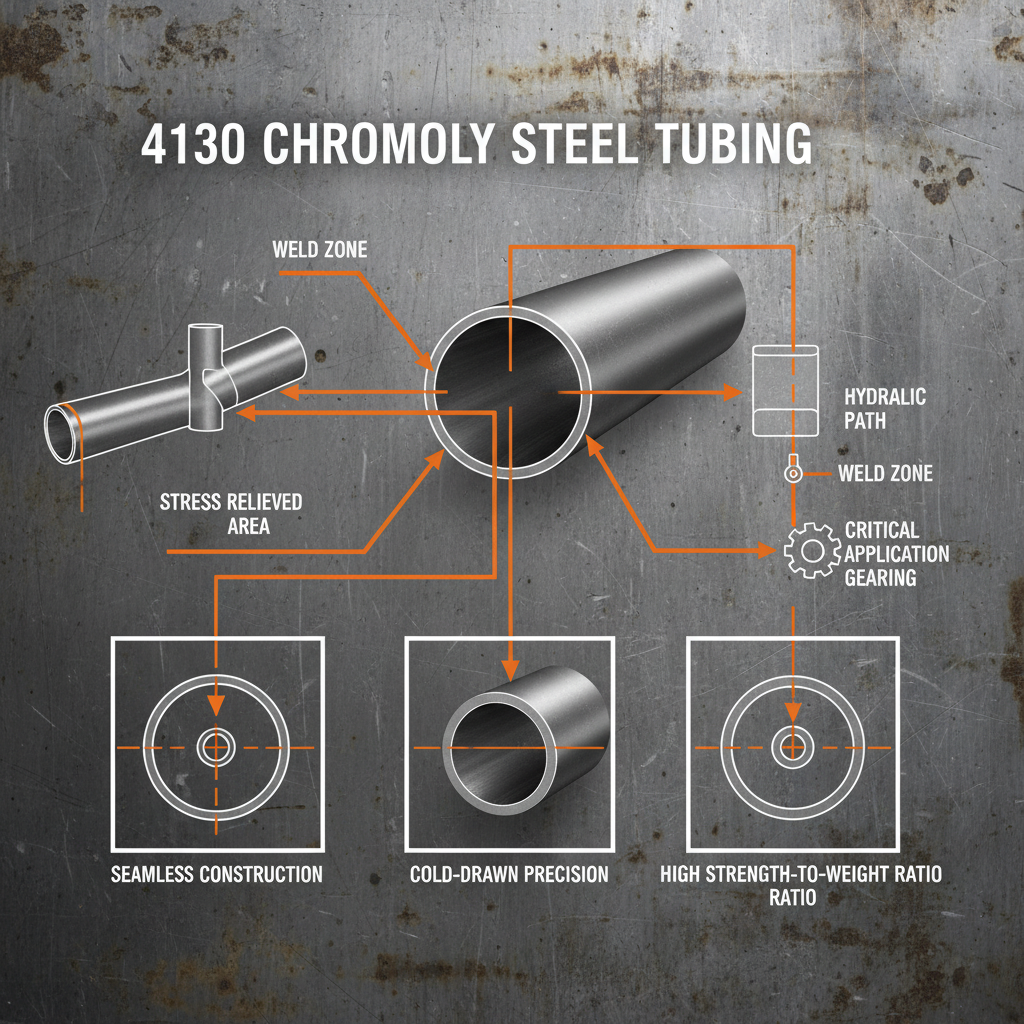
Ultimate Guide to 4130 Tubing Strength Performance and Applications

Properties and Industrial Applications of 4130 steel tubing
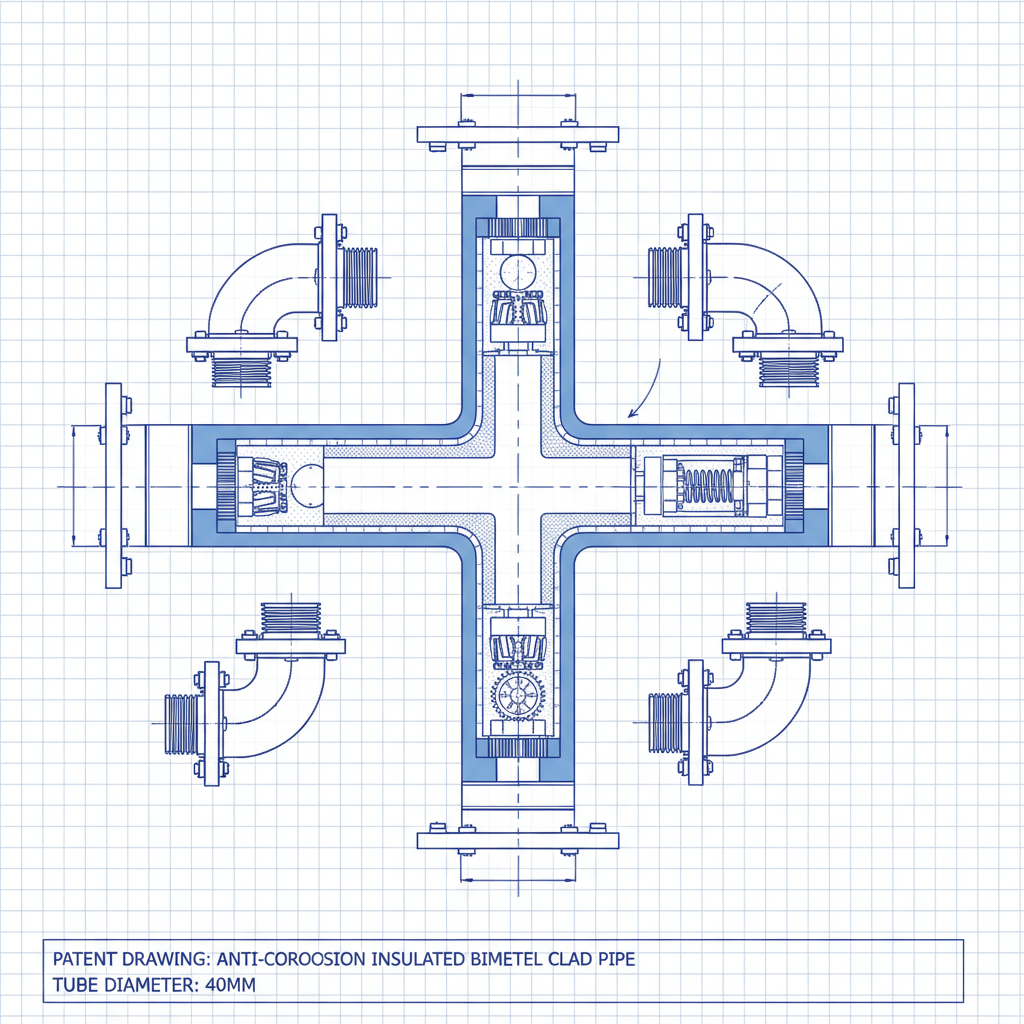
Comprehensive Guide to 40mm Steel Tube Applications and Material Selection
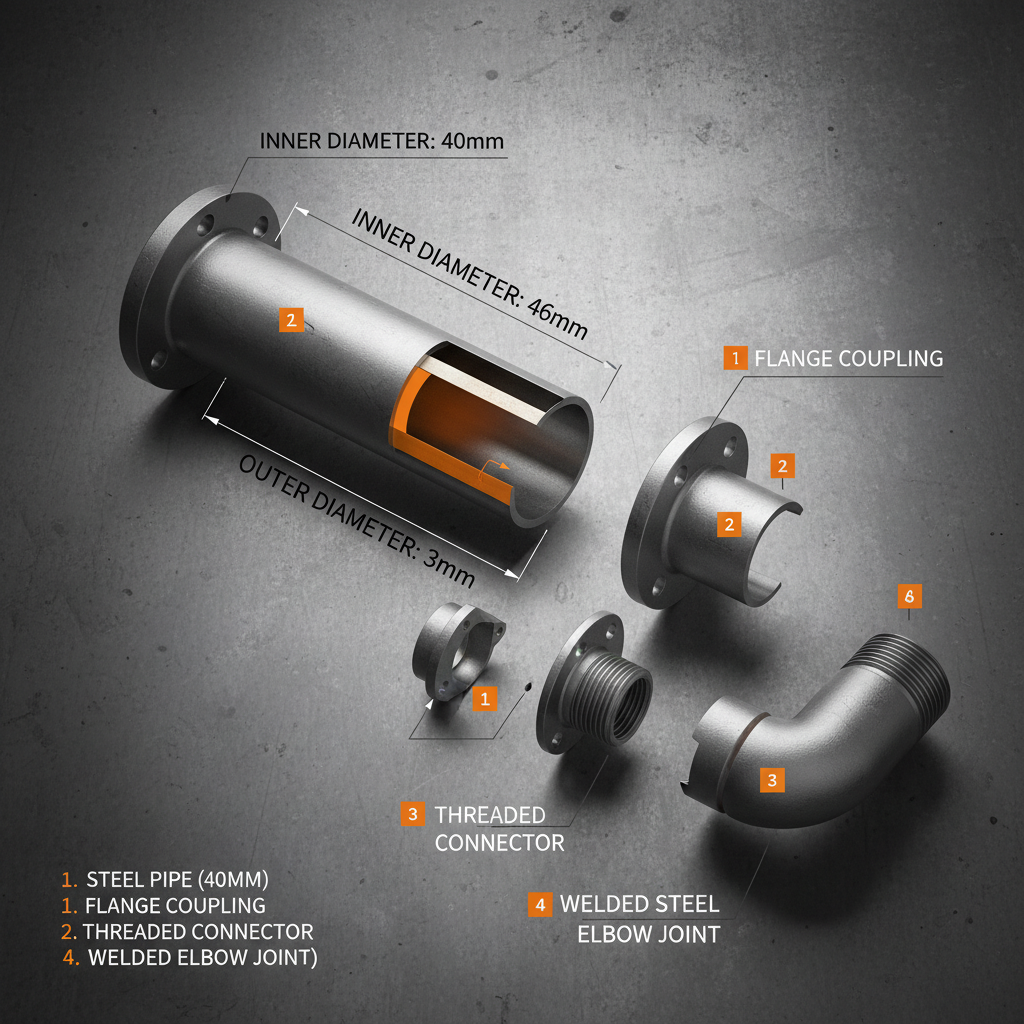
Comprehensive Guide to 40mm Steel Pipe Applications and Considerations
Comprehensive Guide to 40mm Metal Pipe Applications and Sourcing
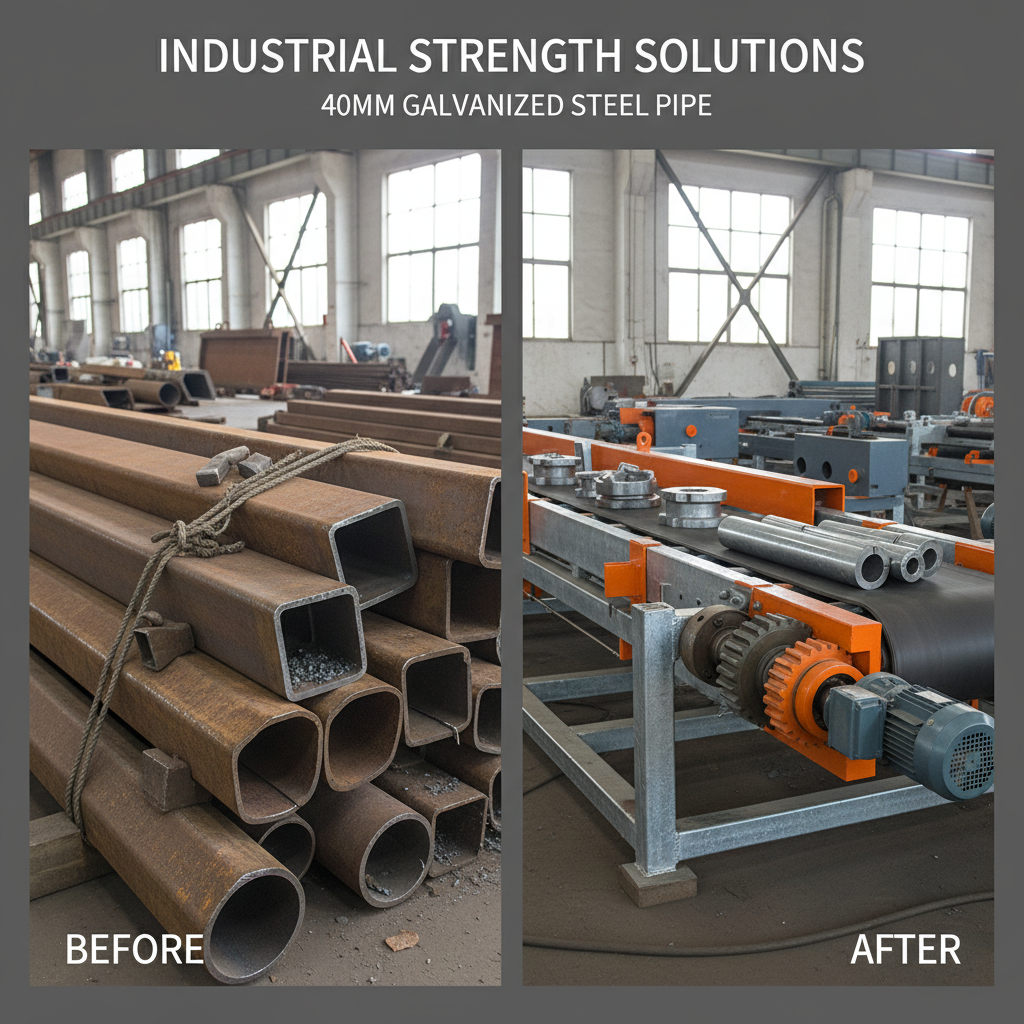
Comprehensive Guide to 40mm Galvanised Pipe Applications and Specifications