The world of industrial infrastructure relies heavily on components designed for secure and reliable connections – and at the heart of many of these systems lies the humble flange. A flange factory isn’t merely a manufacturing plant; it’s a critical link in the supply chain that supports industries ranging from oil and gas to water treatment and power generation. Understanding the processes, materials, and standards surrounding flange production is therefore vital for engineers, project managers, and anyone involved in maintaining the integrity of complex piping systems.
Globally, the demand for high-quality flanges is consistently high, driven by both new infrastructure projects and the ongoing need for maintenance and upgrades to existing facilities. The United Nations estimates that global infrastructure investment will need to reach trillions of dollars annually to meet sustainable development goals, and flanges will be indispensable components of this growth. The ISO standards governing flange manufacturing ensure interoperability and safety across international borders, but challenges remain in maintaining consistent quality control and addressing supply chain vulnerabilities.
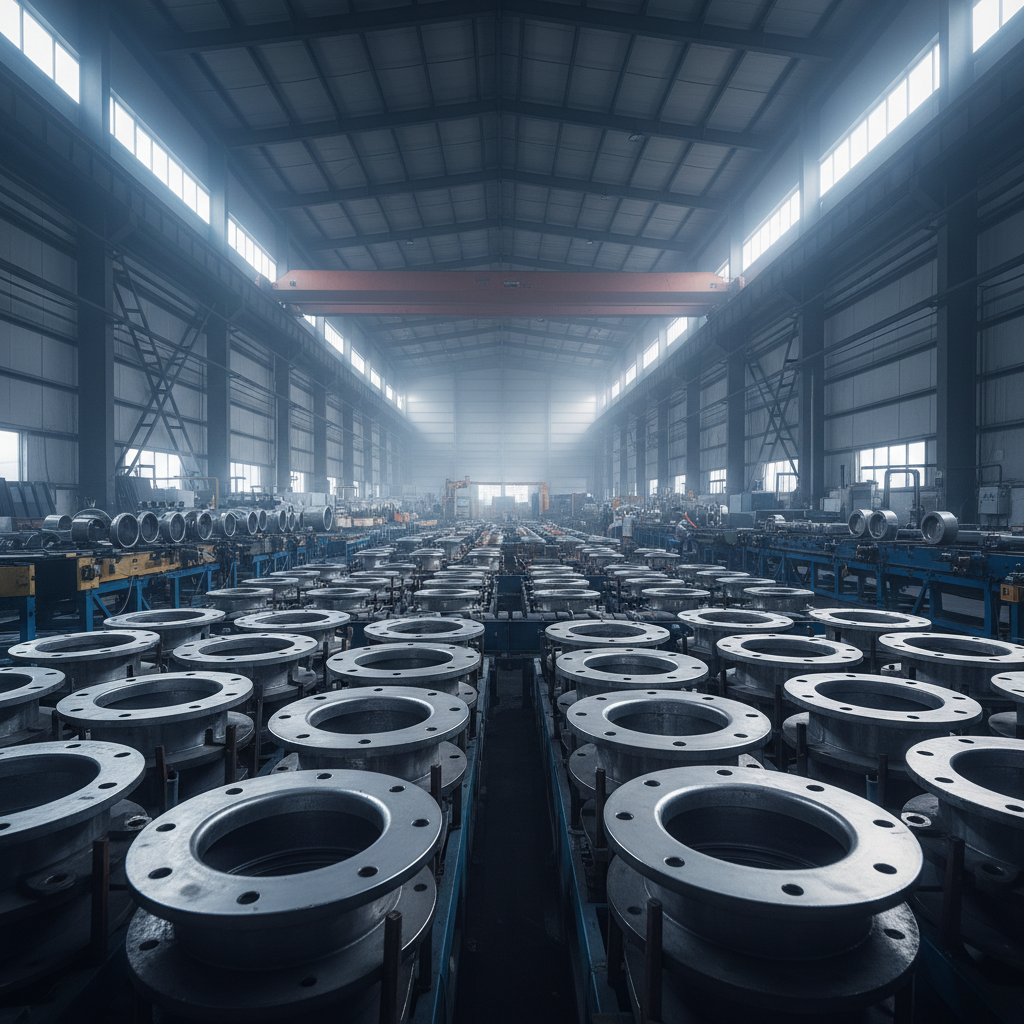
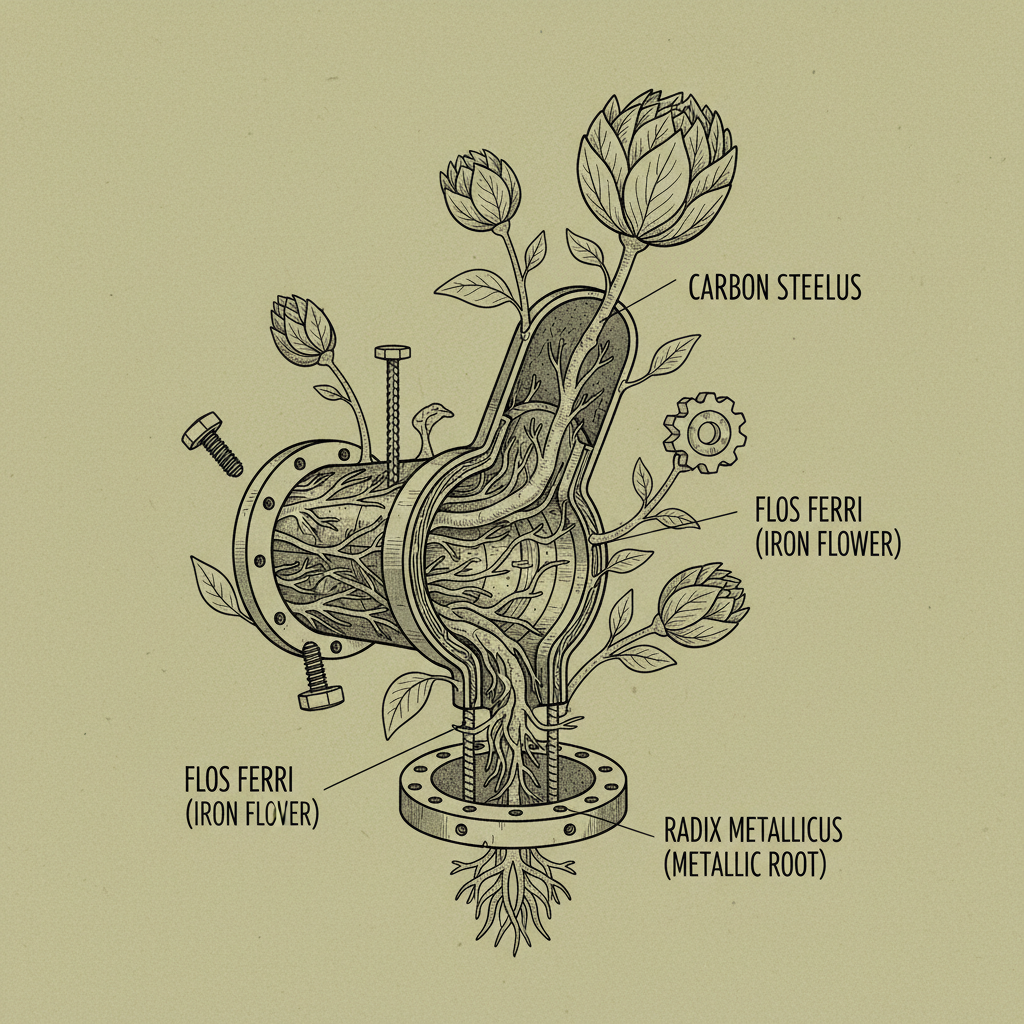
A flange factory specializes in the manufacturing of flanges – circular plates or rings that are bolted to the ends of pipes to allow for connections. These connections are essential for facilitating the flow of fluids, gases, or solids within industrial systems. Beyond simple joining, flanges enable easy disassembly for maintenance, inspection, or modification, making them a cornerstone of efficient and adaptable industrial operations.
The Importance of Flange Factories
A robust flange factory is the backbone of many essential industries. These factories don't simply produce parts; they contribute to the reliability and safety of systems transporting critical resources like oil, water, and gas. Ensuring a consistent supply of high-quality flanges is paramount to preventing costly downtime, environmental hazards, and potential safety risks.
The importance extends beyond industrial applications. Flanges also play a role in municipal water systems, power plants, and even specialized applications like pharmaceutical manufacturing. Without dependable flange factories, maintaining the infrastructure necessary for modern life would be significantly more challenging and expensive.
Defining a Flange Factory
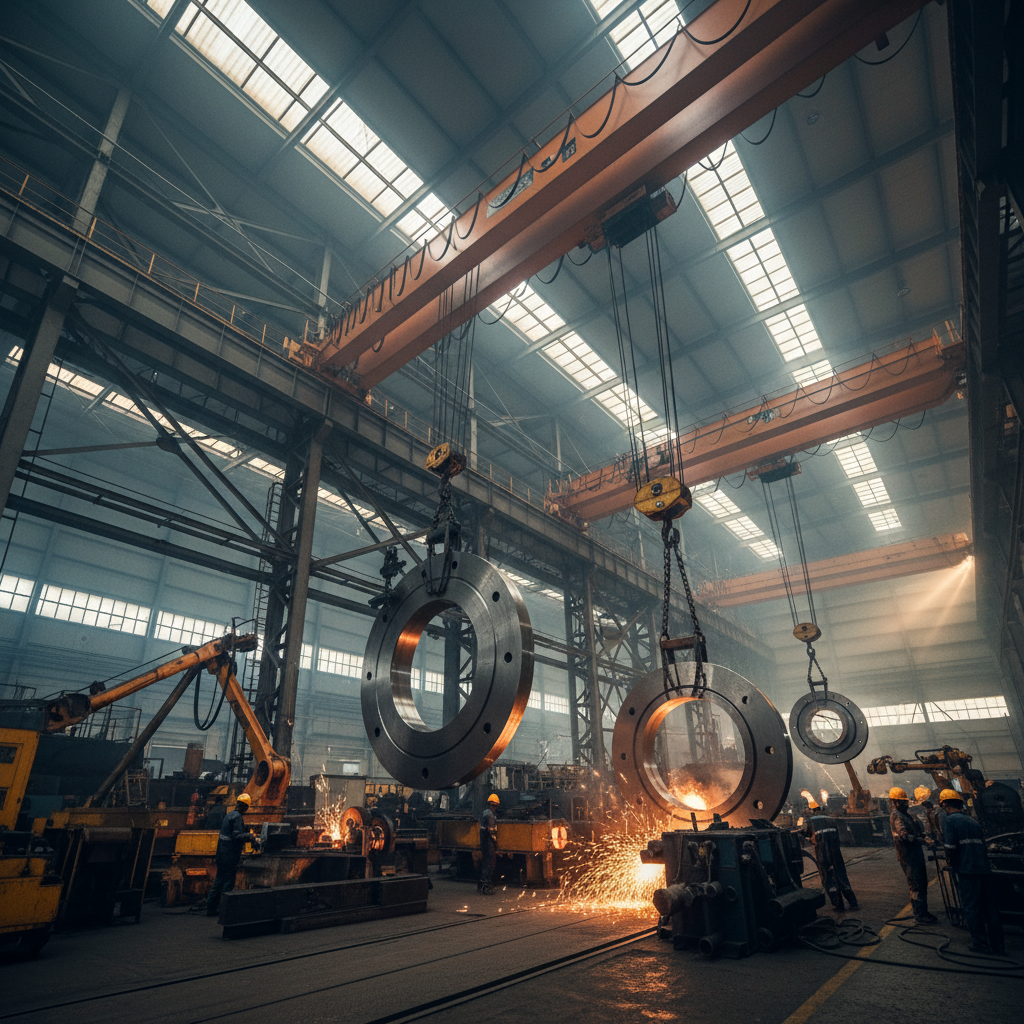
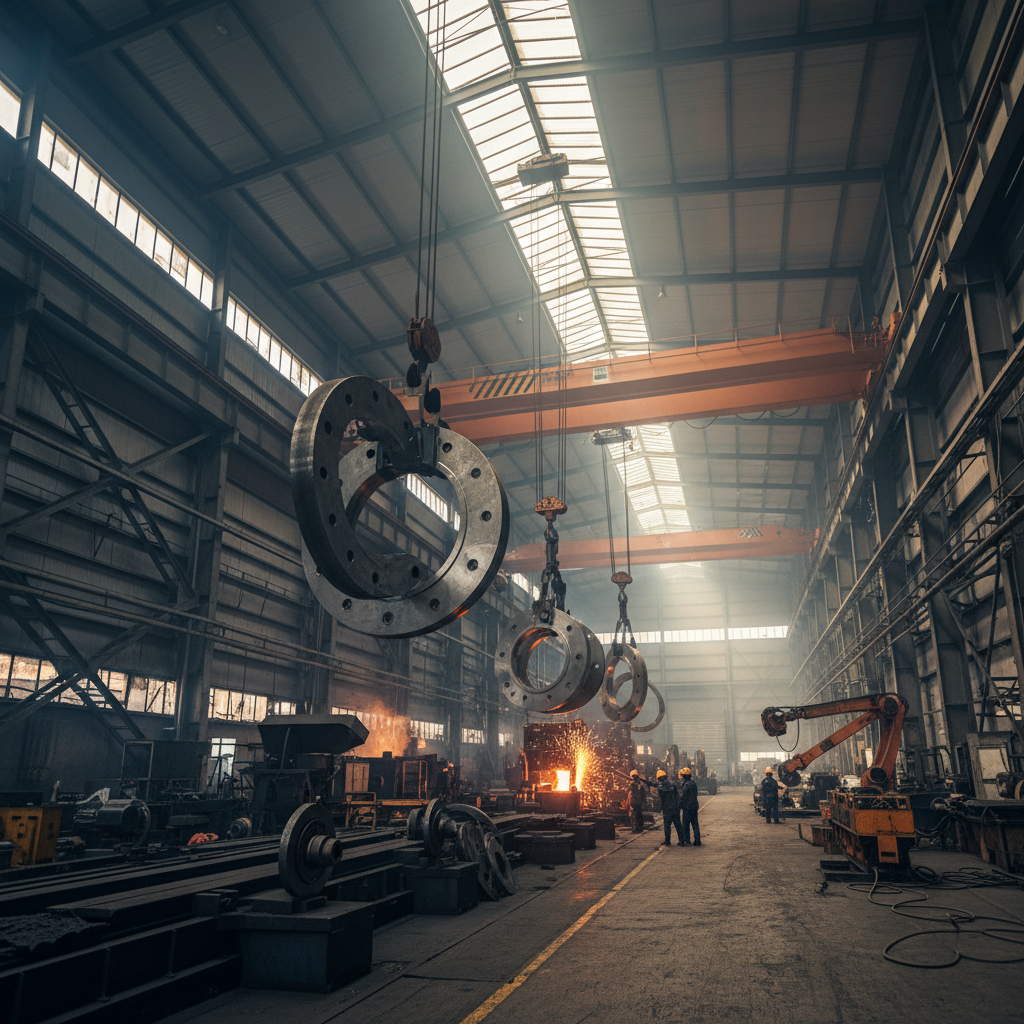
A flange factory is a specialized manufacturing facility dedicated to the production of flanges in various materials, sizes, and configurations. These factories typically employ a range of manufacturing processes, including forging, casting, machining, and welding, to create flanges that meet stringent industry standards. They cater to a diverse clientele, offering both standard and custom-designed flanges to suit specific application requirements.
The scope of a flange factory’s capabilities often extends beyond just manufacturing. Many provide supplementary services such as material testing, quality control, coating applications, and logistical support to ensure that customers receive a complete and reliable solution. A well-equipped flange factory will adhere to internationally recognized standards like ASME, ANSI, and DIN.
These facilities represent a crucial component of the broader manufacturing landscape, translating raw materials into essential components that enable the efficient operation of countless industries. The precision and quality control within a flange factory directly impact the integrity and safety of the systems they serve.
Key Components of a Flange Factory
Several core components define the capabilities and effectiveness of a flange factory. Firstly, a skilled workforce is crucial – from experienced engineers to highly trained machinists and welders. Secondly, state-of-the-art equipment, including forging presses, CNC machining centers, and automated welding systems, are fundamental to achieving the required precision and throughput.
Thirdly, robust quality control procedures are paramount. This includes rigorous material testing, dimensional inspections, and non-destructive testing methods like radiography and ultrasonic testing. Fourthly, effective supply chain management is vital to ensure a consistent supply of raw materials and timely delivery of finished products.
Finally, adherence to industry standards and certifications (like ISO 9001) is non-negotiable, providing customers with assurance of product quality and reliability. These components work in synergy to establish a flange factory as a dependable supplier.
Applications Across Industries
The applications of flanges, and therefore the output of a flange factory, are incredibly diverse. In the oil and gas industry, flanges are used extensively in pipelines, refineries, and offshore platforms, connecting sections of pipe and providing access points for maintenance. In the power generation sector, they are integral to steam and water piping systems within power plants.
The water and wastewater treatment industry relies heavily on flanges for connecting pumps, valves, and pipes in treatment facilities. Chemical processing plants utilize flanges to handle corrosive and hazardous materials. Furthermore, flanges can be found in the pulp and paper industry, food and beverage processing, and even the pharmaceutical industry, where hygiene and purity are critical.
Flange Application Breakdown by Industry
The Advantages of Utilizing a Flange Factory
Engaging a dedicated flange factory offers several key advantages. Primarily, it ensures access to specialized expertise and quality control, resulting in consistently reliable products that meet stringent industry standards. This is particularly crucial in high-risk applications where failure could have severe consequences.
Secondly, a flange factory can provide customized solutions, catering to specific project requirements that off-the-shelf components may not address. This flexibility can save time and money in the long run by eliminating the need for modifications or workarounds.
Future Trends in Flange Manufacturing
The future of flange manufacturing is being shaped by several emerging trends. Automation and robotics are becoming increasingly prevalent, enhancing efficiency and precision while reducing labor costs. The adoption of advanced materials, such as high-alloy steels and composite materials, is leading to the development of flanges with improved corrosion resistance and higher temperature capabilities.
Furthermore, digital technologies like 3D printing and additive manufacturing are beginning to offer new possibilities for creating complex flange designs and reducing material waste. Sustainability is also driving innovation, with a focus on developing more environmentally friendly manufacturing processes and utilizing recycled materials.
The integration of Industry 4.0 principles – including data analytics, predictive maintenance, and remote monitoring – promises to further optimize flange factory operations and enhance product lifecycle management.
Challenges and Innovative Solutions
Despite advancements, flange factories face ongoing challenges. Maintaining consistent quality across large production volumes can be difficult, and ensuring adherence to evolving industry standards requires continuous investment in testing and certification. Supply chain disruptions and material price fluctuations can also impact profitability.
Innovative solutions are emerging to address these challenges. Implementing robust quality management systems, adopting advanced inspection technologies (like automated visual inspection), and diversifying sourcing strategies can mitigate risks. Investing in employee training and development is crucial to maintain a skilled workforce capable of operating and maintaining advanced manufacturing equipment.
Furthermore, embracing digitalization and data analytics can provide valuable insights into process optimization and predictive maintenance, minimizing downtime and maximizing efficiency within the flange factory.
Summary of Flange Factory Challenges and Solutions
| Challenge |
Impact |
Solution |
Implementation Cost (1-10) |
| Quality Control Consistency |
Increased defect rates, potential safety hazards |
Automated inspection systems, statistical process control |
7 |
| Supply Chain Disruptions |
Material shortages, production delays |
Diversified sourcing, strategic inventory management |
5 |
| Evolving Industry Standards |
Compliance risks, potential product recalls |
Continuous training, updated certification processes |
6 |
| Skilled Labor Shortage |
Reduced productivity, increased errors |
Apprenticeship programs, competitive compensation |
8 |
| Material Price Volatility |
Decreased profit margins, unpredictable costs |
Long-term contracts, hedging strategies |
4 |
| Process Inefficiency |
Increased production time, higher operating costs |
Digitalization, data analytics, process optimization |
6 |
FAQS
Flange factories commonly handle a wide range of materials, including carbon steel, stainless steel (304, 316, etc.), alloy steels, and even specialized materials like duplex stainless steel and Inconel. The choice of material depends on the application’s requirements for corrosion resistance, temperature tolerance, and pressure handling capabilities. The specific material used directly affects the cost and lifespan of the flange.
Verify that the flange factory holds relevant certifications, such as ISO 9001 for quality management and certifications specific to pressure equipment like ASME or PED. Request documentation demonstrating compliance with the applicable standards for your specific application. Conducting a factory audit or requesting references from other clients is also a prudent step.
Lead times for custom flange orders can vary significantly depending on the complexity of the design, the material required, and the factory’s current workload. Generally, expect a lead time of 4-12 weeks for custom flanges. Providing a detailed specification and clear communication with the factory can help minimize delays.
Common flange facing types include Raised Face (RF), Flat Face (FF), and Ring Type Joint (RTJ). RF is the most common, providing good sealing characteristics. FF is used with flat-faced mating flanges. RTJ utilizes a metal ring gasket compressed between the flange faces for high-pressure, high-temperature applications. The correct facing is critical for a reliable seal.
A reputable flange factory will employ a multi-stage quality control process including material verification, dimensional inspection, non-destructive testing (NDT) like radiography, liquid penetrant testing, and hydrostatic testing. They should also maintain detailed records of all inspections and tests. Traceability of materials and manufacturing processes is essential.
Consider standard sizes and materials whenever possible, as these are typically less expensive than custom orders. Optimizing flange specifications to meet minimum requirements can also reduce costs. Establishing a long-term relationship with a reliable flange factory can often lead to volume discounts. However, never compromise on material quality or adherence to industry standards.
Conclusion
In conclusion, a flange factory plays a foundational role in numerous industries, supplying critical components that ensure the safe and efficient operation of complex systems. From material selection and manufacturing processes to quality control and adherence to industry standards, every aspect of a flange factory’s operation is vital to its success. Understanding these elements is paramount for engineers, project managers, and anyone involved in maintaining industrial infrastructure.
Looking ahead, the future of flange factories will be shaped by automation, advanced materials, and digital technologies. Embracing these innovations is essential to remain competitive and meet the evolving needs of the market. For reliable flange solutions and a trusted partner in your projects, visit our website today: www.lion-pipeline.com.