Different types of toilet flanges are essential components in any plumbing system, ensuring a secure and leak-proof connection between the toilet and the drainpipe. Understanding the nuances of these flanges—from their materials and designs to their specific applications—is crucial for plumbers, builders, and homeowners alike. The selection of the right flange directly impacts the longevity and performance of the toilet installation, preventing costly water damage and ensuring sanitary conditions. Globally, the demand for robust and reliable plumbing solutions is increasing, driven by urbanization, infrastructure development, and a growing focus on water conservation.
The importance of properly installed toilet flanges extends beyond mere functionality. Poorly fitted or incorrect flanges can lead to significant problems, including rocking toilets, wastewater leaks, and even structural damage to flooring. Regulations and building codes worldwide increasingly emphasize the need for certified plumbing components and skilled installation practices. This underscores the need for a comprehensive understanding of different types of toilet flanges and their correct usage. The prevalence of DIY home improvement projects also highlights the importance of accessible and informative resources for consumers.
Ultimately, choosing the right toilet flange isn’t just about compliance; it’s about investing in the long-term integrity of a building’s plumbing system. The variety available – encompassing materials like plastic, metal, and specialized composite options – allows for tailored solutions to address specific installation challenges and environmental conditions. From standard flanges to those designed for offset or concealed pipes, a diverse range exists to suit nearly any plumbing configuration.
The Importance of Different Types of Toilet Flanges
The integrity of a toilet’s connection to the drain system hinges on the quality and correct installation of the toilet flange. Choosing the appropriate flange isn’t simply a matter of convenience; it’s a critical aspect of preventing leaks, ensuring structural stability, and maintaining sanitary conditions. A robust flange prevents the toilet from rocking, which can damage the wax ring and lead to water damage. different types of toilet flanges are designed to accommodate various plumbing configurations and address specific installation challenges.
Ignoring the importance of proper flange selection can lead to expensive repairs and potential health hazards. A leaking toilet flange can cause mold growth, damage flooring, and contribute to unpleasant odors. Therefore, understanding the different types of toilet flanges available – and their respective strengths and weaknesses – is paramount for anyone involved in plumbing or home renovation.
Defining Different Types of Toilet Flanges
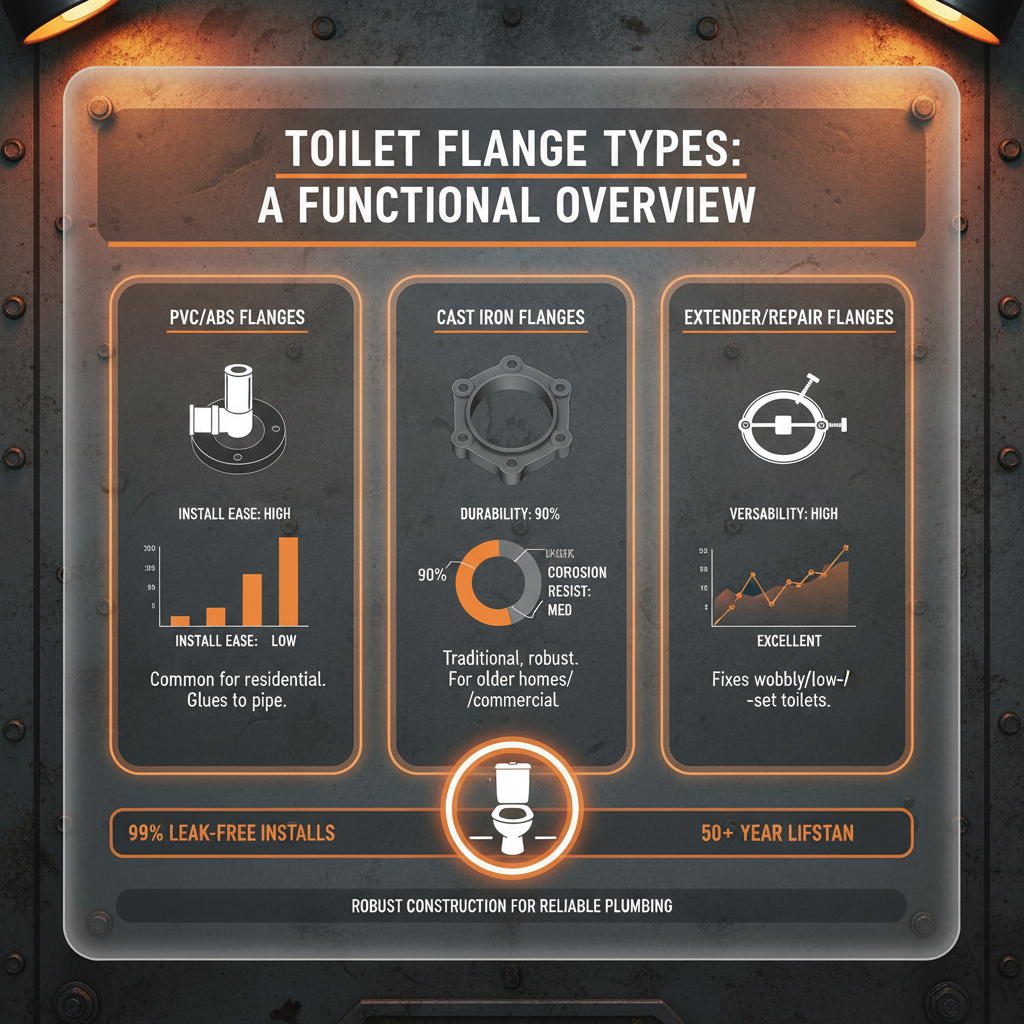
A toilet flange is the fitting that connects a toilet to the drainpipe, creating a watertight seal. Essentially, it’s the intermediary between the toilet bowl and the wastewater drainage system. Different types of toilet flanges vary in material, design, and intended application. Common types include standard flanges, offset flanges, repair flanges, and extension flanges. Standard flanges are the most common and are used for straightforward installations where the drainpipe is directly accessible.
Offset flanges are used when the drainpipe isn’t perfectly aligned with the toilet’s mounting holes. These flanges allow for a slight adjustment, simplifying installation in challenging spaces. Repair flanges are designed to replace damaged or corroded existing flanges without requiring extensive plumbing work. Extension flanges, on the other hand, are used when the flange is set too low relative to the finished floor, providing a raised surface for a secure seal.
The key purpose of each design is to provide a stable and leak-proof foundation for the toilet. These components are critical for modern sanitation systems and are integral to the functionality of both residential and commercial buildings. Correct selection directly influences the lifespan and efficiency of the entire plumbing network.
Key Characteristics of Toilet Flanges
Several key characteristics define the quality and suitability of different types of toilet flanges. These include the material composition (plastic, metal, composite), the flange diameter (typically 3" or 4"), the connection type (hub, flange, or slip), and the overall design (standard, offset, repair). The material significantly impacts the flange's durability and resistance to corrosion.
Another crucial factor is the flange’s ability to maintain a secure grip on the closet bolts. Loose bolts can compromise the seal and lead to instability. Furthermore, the flange should be compatible with the type of subfloor material (wood, concrete) and the wastewater pipe material (PVC, ABS). The mounting mechanism – whether using screws, adhesive, or a combination of both – also plays a vital role in the long-term performance of the installation.
Finally, the ease of installation is a key consideration. Some flanges are designed for quick and easy installation, while others require more specialized tools and expertise. Choosing a flange that aligns with the installer's skill level and the project's requirements can save time and ensure a successful outcome.
Durability and Material Considerations
The durability of different types of toilet flanges is significantly influenced by the material they're constructed from. Plastic flanges, typically made from PVC or ABS, are lightweight, corrosion-resistant, and relatively inexpensive. However, they may be less robust than metal options and prone to cracking under significant stress. Metal flanges, often made from cast iron or stainless steel, offer superior strength and durability, making them ideal for high-traffic areas or installations requiring a higher degree of reliability.
Composite flanges, combining the benefits of both plastic and metal, offer a balance of strength, corrosion resistance, and affordability. These often incorporate a metal ring embedded in a plastic body. Selecting the appropriate material depends on the specific application and environmental conditions. For example, in coastal areas with high salt content, stainless steel flanges are recommended to prevent corrosion.
Material Durability Ratings for different types of toilet flanges
Applications Across Industries
The applications of different types of toilet flanges extend far beyond residential bathrooms. In commercial settings, such as hotels, hospitals, and office buildings, where toilets experience high usage, durable metal or composite flanges are often preferred to withstand the demands of heavy traffic. Similarly, in industrial facilities, where exposure to harsh chemicals or corrosive environments is common, specialized flanges made from corrosion-resistant materials are essential.
In post-disaster relief operations, lightweight and easy-to-install plastic flanges are frequently used in temporary sanitation facilities. These provide a quick and cost-effective solution for providing essential hygiene services in emergency situations. Furthermore, in remote industrial zones or construction sites lacking permanent plumbing infrastructure, portable toilet systems utilizing specialized flanges are commonplace.
Advantages and Long-Term Value
Investing in high-quality different types of toilet flanges offers numerous long-term advantages. Beyond preventing leaks and water damage, a properly installed flange contributes to the overall structural integrity of the bathroom and minimizes the need for costly repairs. Choosing durable materials like stainless steel or robust composites extends the lifespan of the installation, reducing replacement frequency and saving money over time.
The peace of mind that comes with a secure and reliable plumbing system is also a significant benefit. Knowing that the toilet is firmly anchored and leak-free reduces stress and prevents potential hygiene issues. Furthermore, selecting eco-friendly flange materials and opting for water-efficient toilets contributes to sustainable building practices and reduces environmental impact.
Future Trends and Innovations
The future of different types of toilet flanges is likely to be shaped by advancements in materials science and manufacturing technology. Researchers are exploring new composite materials that offer enhanced strength, corrosion resistance, and sustainability. 3D printing technology is also emerging as a potential method for creating customized flanges tailored to specific installation requirements.
Smart flanges equipped with sensors that detect leaks or instability are another promising development. These sensors can provide early warnings of potential problems, allowing for proactive maintenance and preventing costly damage. Furthermore, a growing emphasis on water conservation is driving innovation in toilet designs, which may necessitate the development of new flange configurations to accommodate these changes.
Core Analysis Summary of Theme Seven
| Flange Type |
Typical Application |
Material Composition |
Installation Complexity (1-5) |
| Standard Flange |
Residential bathrooms with direct pipe alignment |
PVC, ABS, or Cast Iron |
2 |
| Offset Flange |
Installations with misaligned drainpipes |
PVC or ABS |
3 |
| Repair Flange |
Replacing damaged existing flanges |
PVC, ABS, or Metal |
3 |
| Extension Flange |
Raising the flange height to meet floor level |
PVC or ABS |
2 |
| Stainless Steel Flange |
High-traffic commercial bathrooms, corrosive environments |
Stainless Steel |
4 |
| Composite Flange |
Applications requiring both strength and corrosion resistance |
Metal ring embedded in plastic |
3 |
FAQS
PVC (Polyvinyl Chloride) and ABS (Acrylonitrile Butadiene Styrene) are both common plastic materials used for toilet flanges. PVC is generally more resistant to chemicals and is often preferred for drain lines, while ABS is known for its higher impact resistance. However, local plumbing codes may dictate which material is permitted. Generally, both are suitable for residential applications, but PVC is often considered the more reliable long-term option due to its durability and resistance to degradation.
You'll likely need an offset toilet flange if the drainpipe isn't perfectly centered with the toilet mounting holes. If you've installed the toilet and the closet bolts don't align with the flange, or if the toilet wobbles significantly, an offset flange can provide the necessary adjustment. Carefully measure the offset required and choose a flange that matches your specific needs. Incorrect installation can lead to leaks, so ensure proper alignment.
While small cracks can sometimes be temporarily patched, it's generally recommended to replace a cracked toilet flange rather than attempt a repair. Patches are often unreliable and can fail over time, leading to leaks and further damage. A repair flange offers a relatively easy and cost-effective solution for replacing a damaged flange without major plumbing work. Always consult a qualified plumber if you are unsure.
A toilet flange extender is used when the existing flange is set too low relative to the finished floor. This can happen during new construction or renovation. The extender raises the flange to the correct height, ensuring a proper seal with the wax ring and preventing rocking. It's crucial to choose an extender that's compatible with your existing flange and floor material.
Stainless steel toilet flanges offer superior durability and corrosion resistance compared to plastic or cast iron options. This makes them ideal for high-traffic commercial bathrooms, environments with high humidity, or areas exposed to harsh chemicals. While more expensive upfront, they offer a longer lifespan and reduce the risk of needing replacement, making them a cost-effective long-term investment.
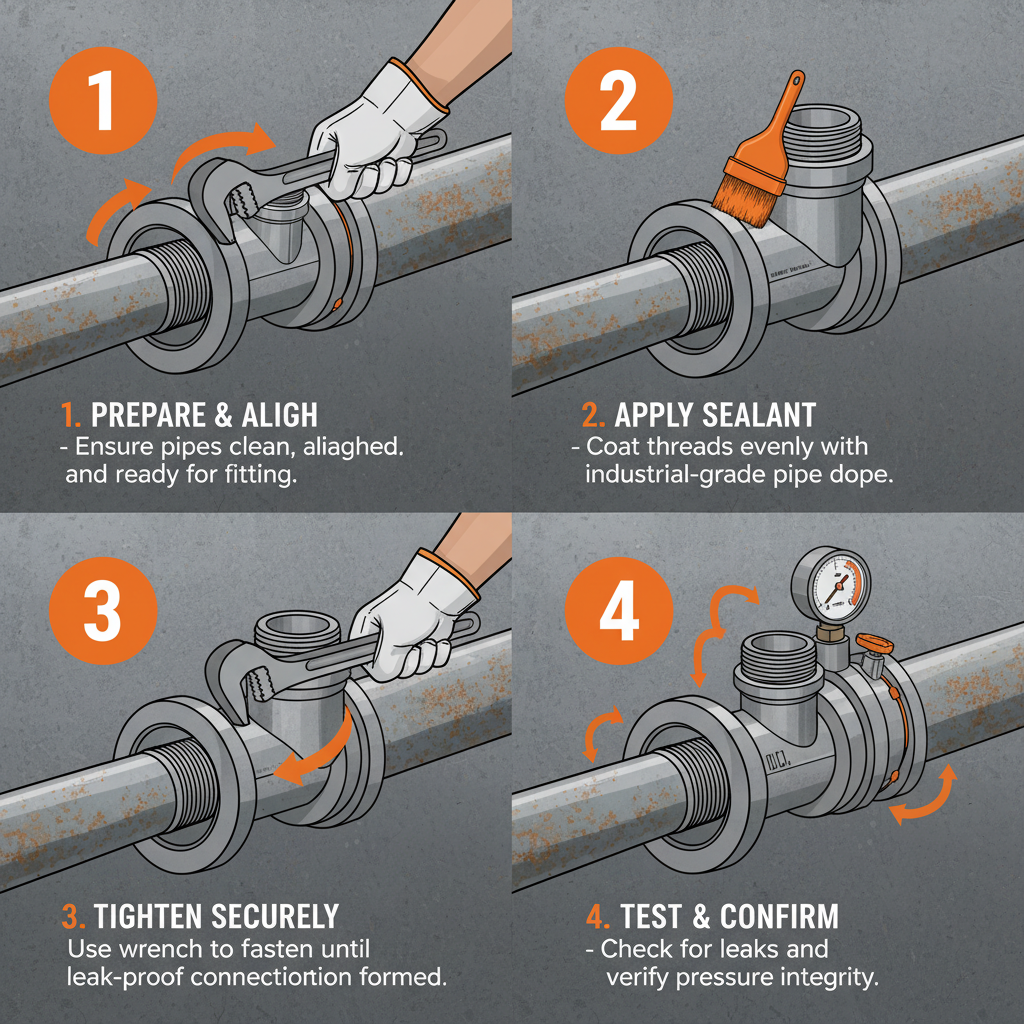
Proper sealing is critical to prevent leaks. Begin with a clean and level flange surface. Use a new wax ring with each installation, ensuring it's properly centered. Tighten the closet bolts evenly, but avoid over-tightening, which can crack the flange. Consider using a flange sealant around the base of the flange for added protection, especially on uneven floors. Regular inspection for leaks is recommended.
Conclusion
In conclusion, understanding different types of toilet flanges is crucial for ensuring a reliable and long-lasting plumbing system. From the foundational importance of a secure connection to the nuances of material selection and installation techniques, a well-informed approach is essential for both professionals and homeowners. By recognizing the specific needs of each application—whether residential, commercial, or emergency relief—the appropriate flange can be chosen to prevent leaks, maintain sanitation, and protect structural integrity.
Looking ahead, innovations in materials and smart technology promise even more robust and efficient flange designs. Embracing these advancements, along with adherence to best practices in installation, will contribute to a more sustainable and reliable plumbing infrastructure. For more information and a comprehensive selection of toilet flanges, visit our website: different types of toilet flanges.