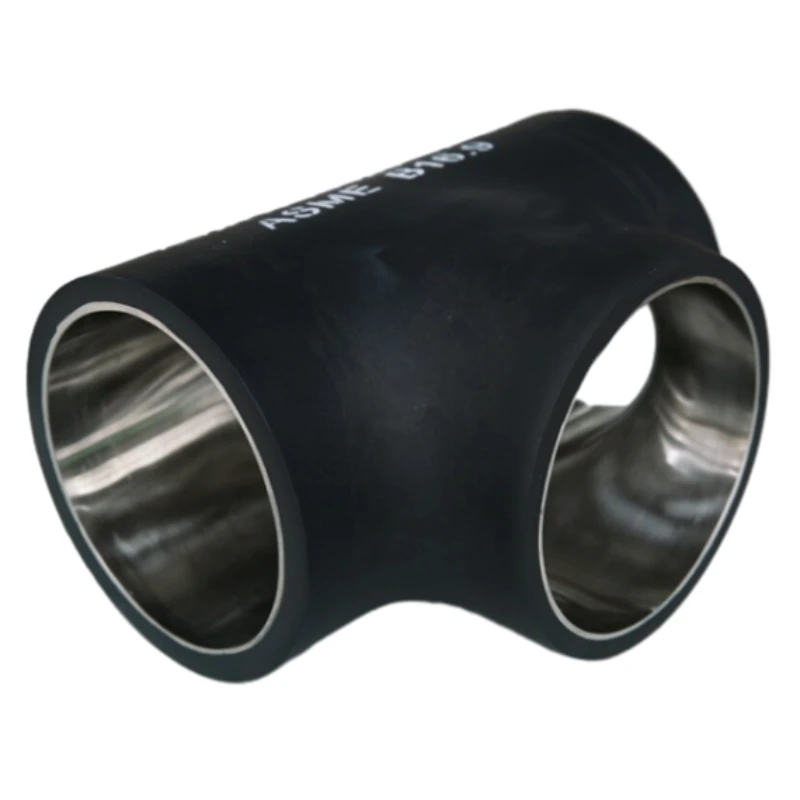
Having spent quite a few years working alongside engineers and plant managers in various industrial settings, I’ve developed a kind of appreciation for the humble steel tube pipe. Frankly, it’s one of those unsung heroes you don’t always notice—until you realize something’s leaking or the structure starts to bend in ways it shouldn’t. Once that happens, trust me, folks get interested real quick.
Steel tube pipes are the fundamental arteries in heavy machinery, pipelines, and conveyors. What’s interesting is that despite advances in materials science, steel — especially when formed into tubes and pipes — remains the go-to solution for strength and longevity. Weirdly enough, it’s both simple and complex at the same time. You want it to be lightweight enough to handle but tough enough to not buckle under pressure. The balance is fascinating.
There’s no magic fairy dust here, just good old fashioned metallurgy and precision manufacturing. Industrial-grade steel tubes are typically cold-rolled or hot-rolled, with varying strengths according to ASTM and ISO standards. For the uninitiated, ASTM A53 and A106 are commonly referenced standards that dictate chemical composition, tensile strength, and dimensional tolerances.
From my experience on the factory floor, the product design often revolves around the expected load and the environment. For example, pipes used in chemical plants usually get a special corrosion-resistant alloy treatment on top, or they’re clad with an additional coating. Others, like those in structural frameworks, prioritize dimensional accuracy and weldability.
Many engineers I know swear by the versatility of seamless versus welded steel tubes. Seamless tubes are slightly pricier but indispensable where high pressure and safety are non-negotiable. Welded tubes, meanwhile, can be customized more easily and come in thicker gauges, depending on need.
| Vendor | Product Range | Customization | Delivery Time | Typical Applications |
|---|---|---|---|---|
| Lion Pipeline | Seamless & Welded Steel Tubes, Coated Variants | High – tailored specifications accepted | 2–4 weeks | Oil & Gas, Construction, Pipeline Transport |
| SteelCo | Standard Grades, Limited Sizes | Low | 1–3 weeks | General Manufacturing, Structural Use |
| MetalForge | Special Alloys & Extra Thick Tubes | Medium | 3–5 weeks | Heavy Equipment, High Pressure Systems |
From dimensional tolerances to tensile strength, knowing the specs is crucial. Here's a quick rundown of typical steel tube pipe characteristics you’ll often evaluate:
| Property | Typical Value / Range | Notes |
|---|---|---|
| Outer Diameter (OD) | 10mm – 610mm | Varies by standard and application |
| Wall Thickness | 1mm – 40mm | Thicker for high pressure or structural uses |
| Tensile Strength | 350 – 700 MPa | Depends on grade and heat treatment |
| Length | Up to 12 meters standard | Custom cuts widely available |
| Material Grade | API 5L, ASTM A53, A106, EN 10210 | Choose according to industry use |
I recall a midsize refinery project where the customer opted to switch from generic steel tubes to ones provided by the vendor I linked earlier. The difference was night and day — fewer weld failures reported within the first year, and even some structural components were noticeably easier for the onsite team to work with thanks to the consistent thickness. This sort of reliability is gold in the industrial pipeline world where downtime costs... well, you know the story.
Steel tube pipe might not get the glam, but if you’re in the industry, you recognize how central it is for lasting success.
Thanks for sticking with me through this. If you’re in the market, do check out the range that steel tube pipe vendors can offer — the specs and customizations will surprise you.
References:
1. ASTM International Standards for Steel Pipe
2. Industry Case Insights, Refinery Pipeline Project, 2022
3. Lion Pipeline Product Catalog, 2024
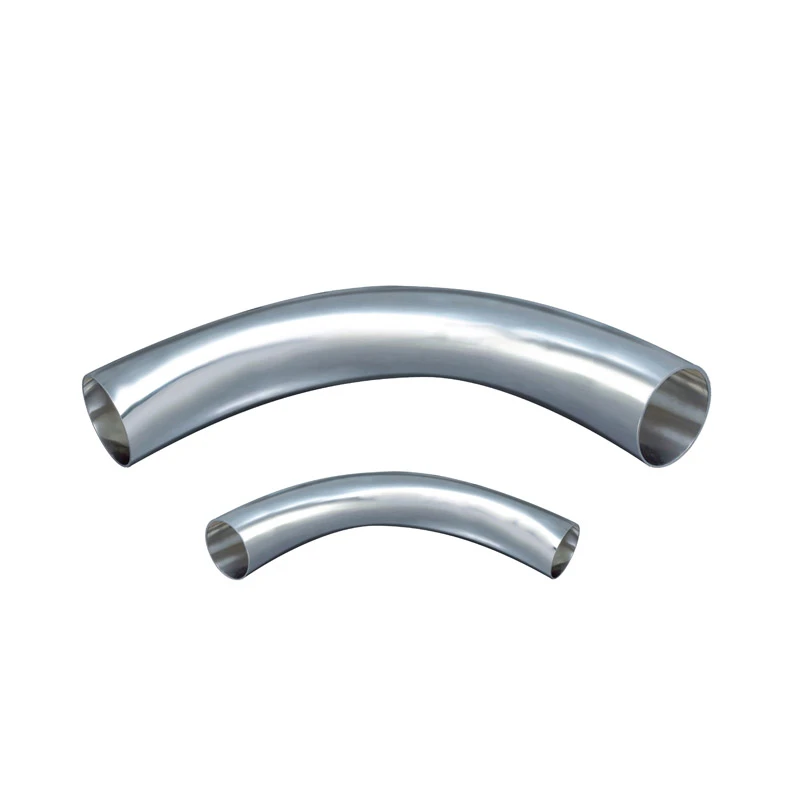
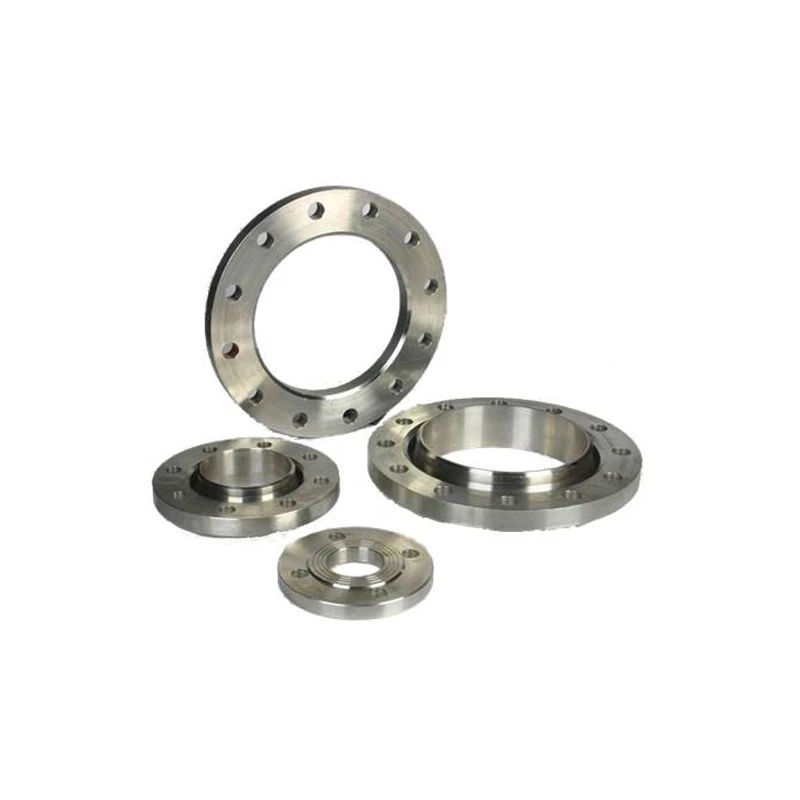
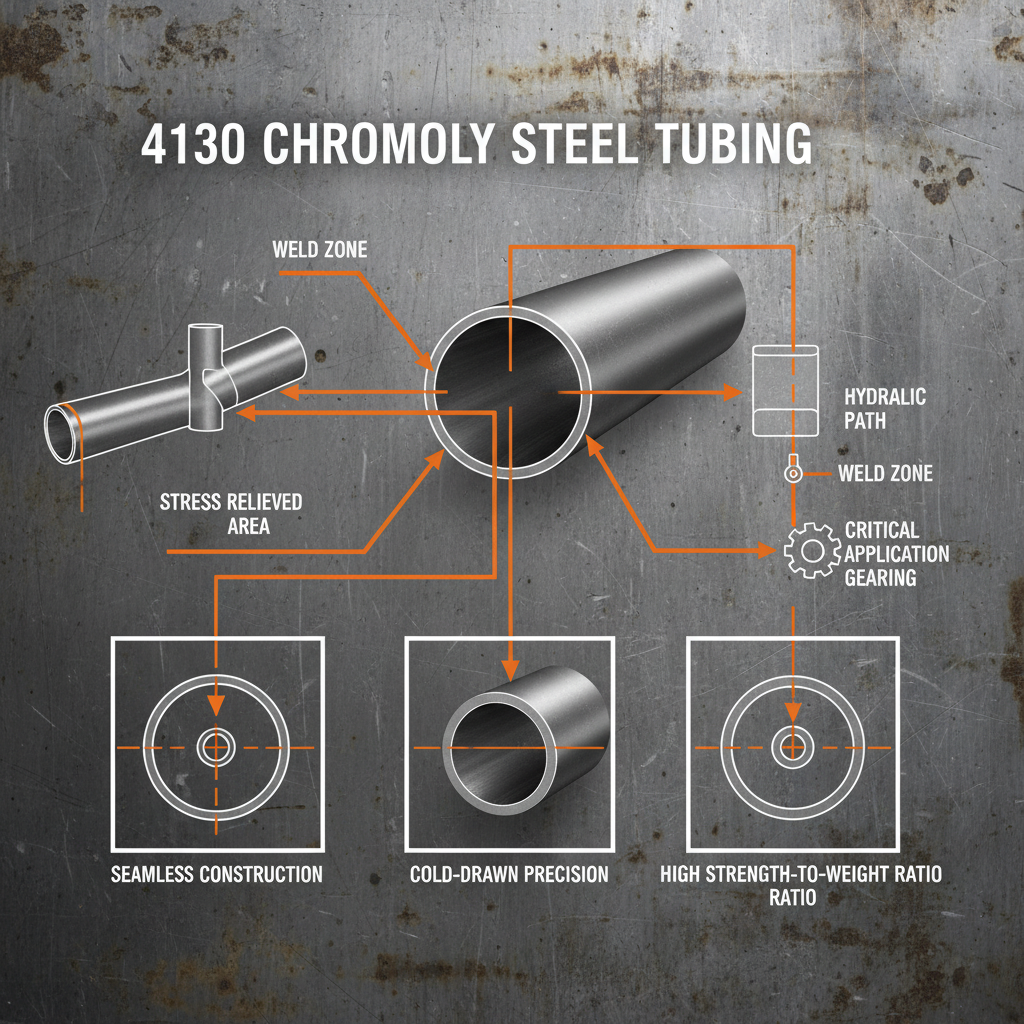
Ultimate Guide to 4130 Tubing Strength Performance and Applications
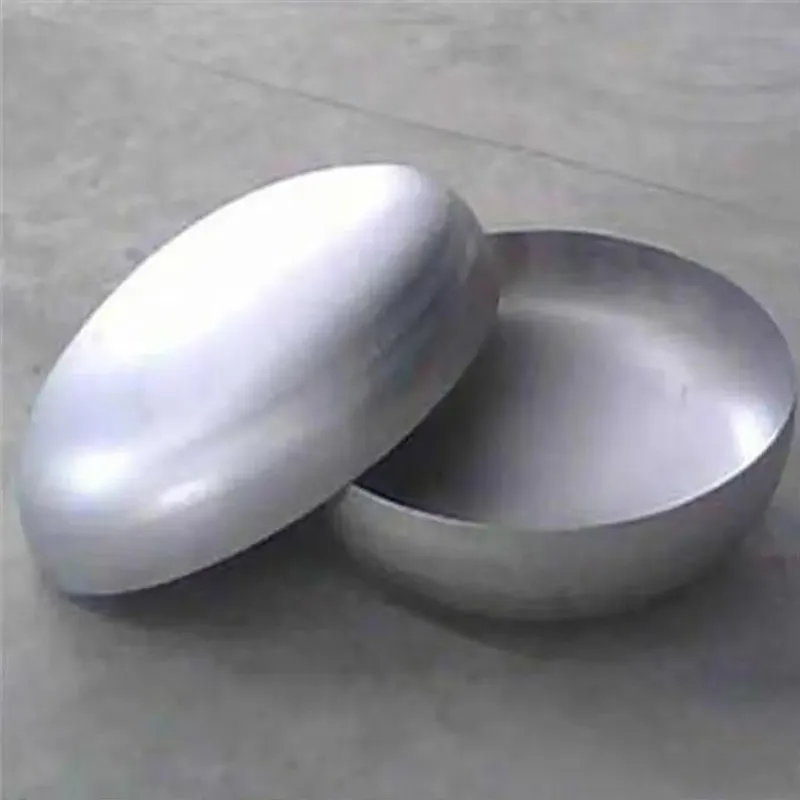
Pipe Cap-Cangzhou Lion Technology Co., Ltd.|Enhancing System Efficiency&Durability
Pipe Cap-Cangzhou Lion Technology Co., Ltd.|Enhancing System Efficiency&Durability
Pipe Cap-Cangzhou Lion Technology Co., Ltd.|Enhancing System Efficiency&Durability
Pipe Cap-Cangzhou Lion Technology Co., Ltd.|Enhancing System Efficiency&Durability
Pipe Cap-Cangzhou Lion Technology Co., Ltd.|Enhancing System Efficiency&Durability