If you’ve ever had to split, mix, or divert a line under real plant pressures, you already know a steel tee can either be the quiet hero or the source of your 3 a.m. shutdown. I’ve walked enough fabrication shops to see both. This piece focuses on Tee Pipe fittings coming out of the Economic Development Zone of Mengcun county, Cangzhou city, Hebei province—an area that, to be honest, has become a serious hub for heavy-wall and large-diameter fittings.
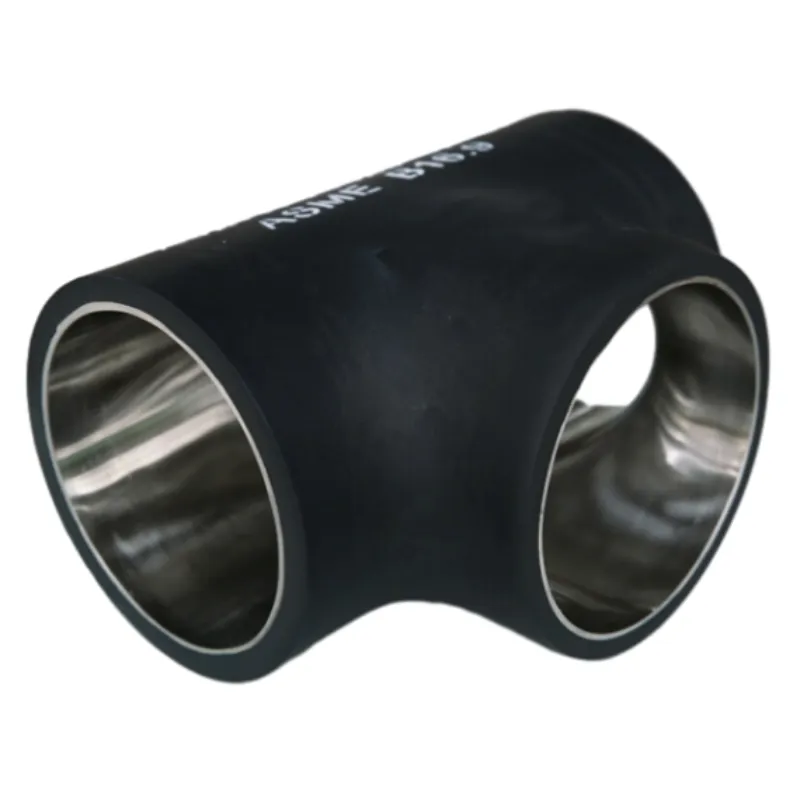
Project teams are pushing for shorter lead times and tighter NDE coverage—especially for sour-service gas, hydrogen blending pilots, and district heating revamps. Surprisingly, the demand for heavy-wall steel tee fittings in P91/P22 (and classic WPB) is still strong, but stainless and duplex are gaining ground in corrosive loops. Custom outlet transition radii and precision bevels? Those requests are becoming standard rather than special.
| Materials | Carbon steel (ASTM A234 WPB), Alloy (WP11/WP22/WP91), Stainless (ASTM A403 304/316), Duplex on request |
| Sizes | DN15–DN1200 (1/2"–48"), larger OD by segment forming ≈ possible |
| Standards | ASME B16.9, MSS SP-75 (high strength), EN 10253-2/-4 |
| Pressure Class | Sch 10–XXS; custom wall per design code |
| Ends | Butt-weld bevel per ASME B16.25; special bevels on request |
| Testing | 100% visual, PMI, UT/RT as specified, hydro test ≈1.5× design P |
| Finish | Oiled or pickled/passivated (SS); paint marking per PO |
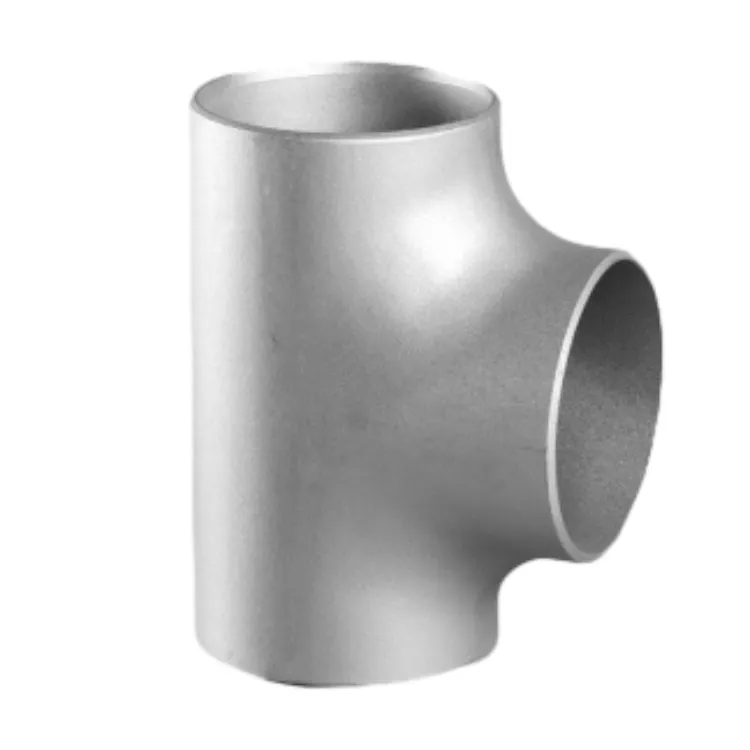
Materials are sourced to mill heat numbers, then hot-pressed or extruded, followed by heat treatment (N, Q&T as required). Beveling and machining align with B16.25. NDE includes UT/RT on weld seams or critical zones, hardness checks, and PMI. Hydrostatic testing is typical unless waived by code. Traceability lives on MTRs; service life in water or non-corrosive hydrocarbons often runs 20–30 years, though sour or cyclic service can be shorter without proper material selection and coatings.
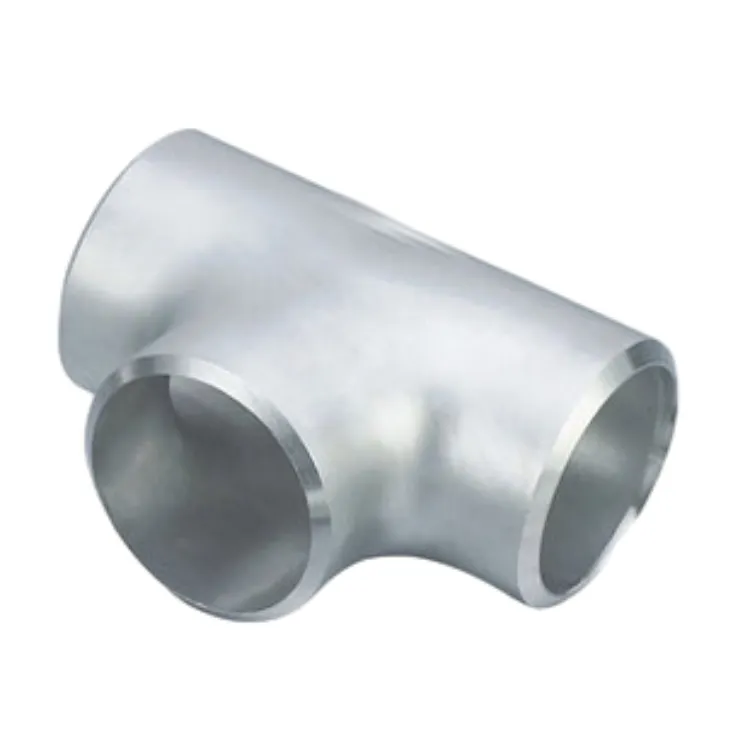
Actual field notes: one client reported a 14% downtime reduction after switching to heavier-wall steel tee fittings on a vibration-prone compressor discharge header. Another noted weld-fit consistency as the “quiet win.”
| Criteria | Lion Pipeline | Vendor A | Vendor B |
|---|---|---|---|
| Lead time | ≈ 2–5 weeks (stock/standard) | 4–8 weeks | 6–10 weeks |
| Certifications | ISO 9001; EN/ASME traceability | ISO 9001 | ISO 9001 |
| NDE coverage | UT/RT per PO; MPI on critical areas | UT basic | Visual + optional UT |
| Customization | Custom outlets, bevels, coatings | Limited | Moderate |
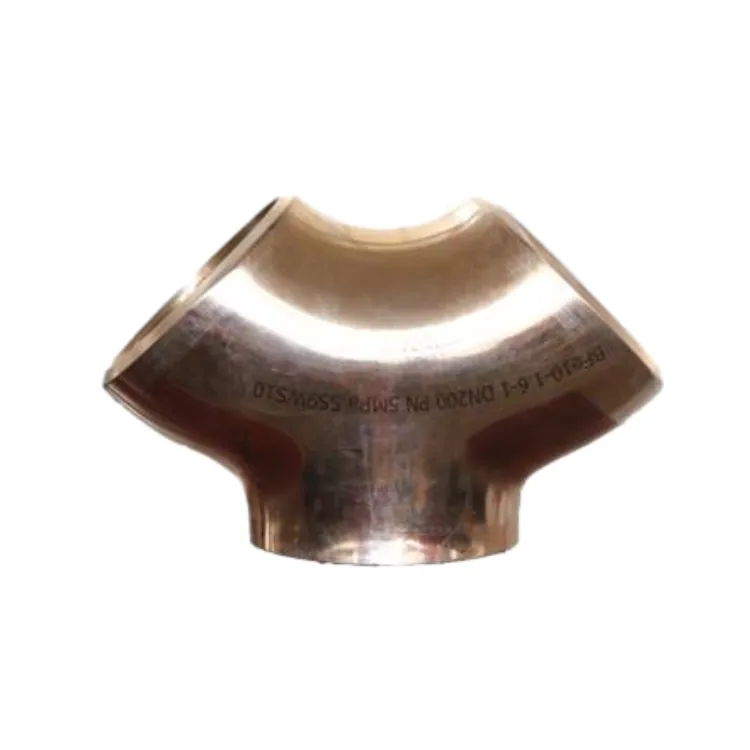
Typical lab data: hardness 165–190 HB (WPB), impact ≥27 J @ -20°C (when specified), hydro test held for 10–30 min. Docs include MTRs, heat charts, and NDE maps. Compliance referenced to ASME B16.9/MSS SP-75, with optional NACE MR0175/ISO 15156 for sour service. Factory QMS: ISO 9001.
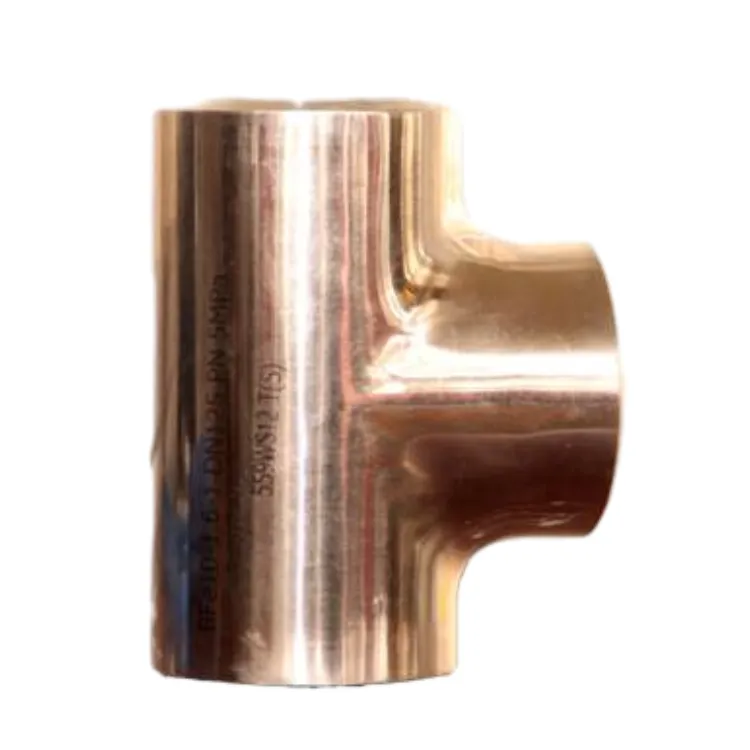
Bottom line: pick your steel tee by code compliance, NDE scope, and machining accuracy—price is important, but downtime is pricier.
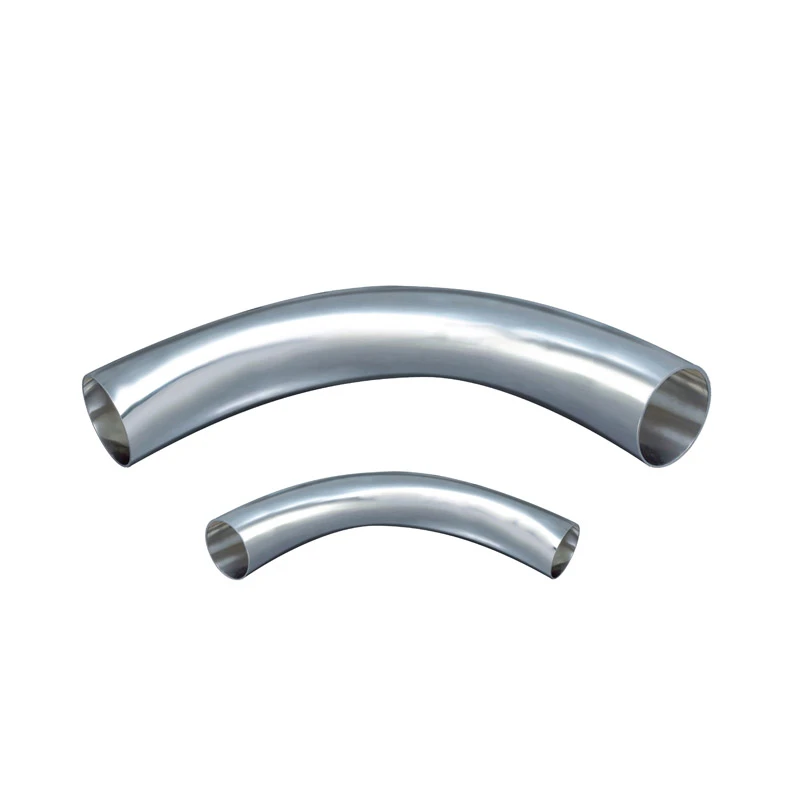
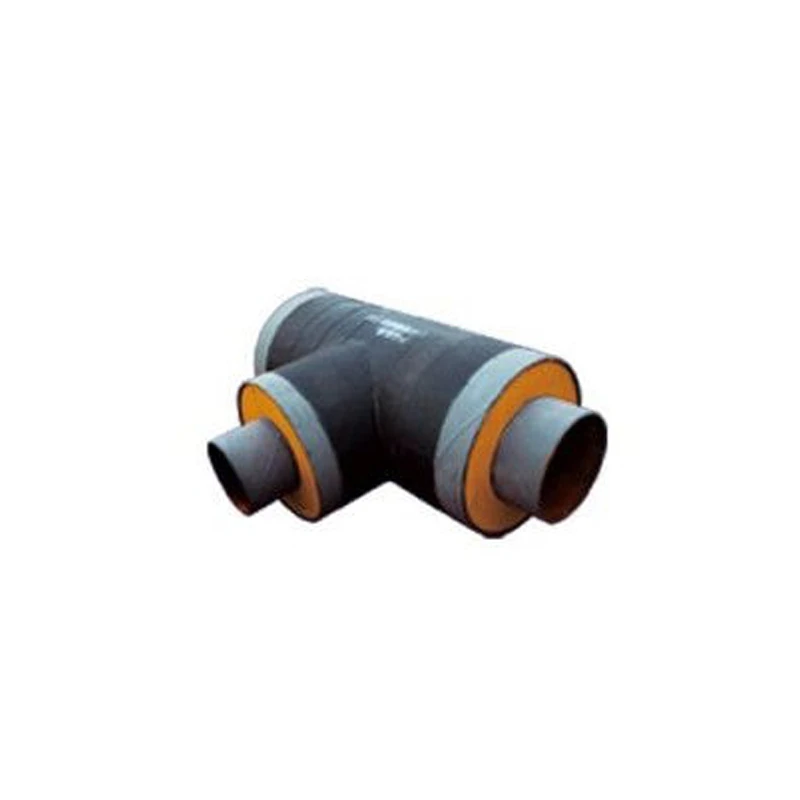
Anti Corrosion And Thermal Insulation Products
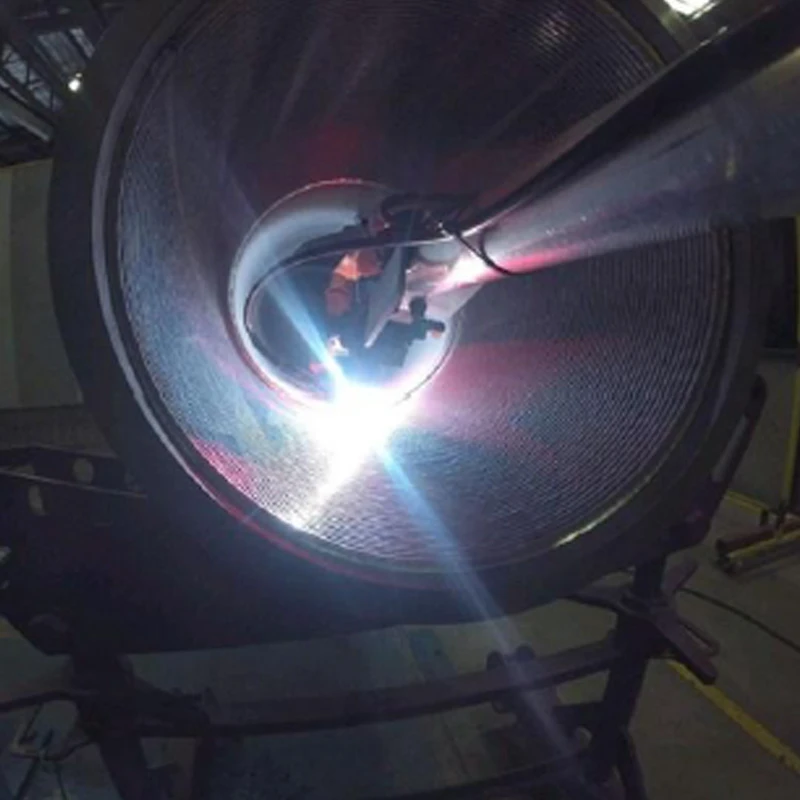

Ultimate Guide to 4130 Tubing Strength Performance and Applications
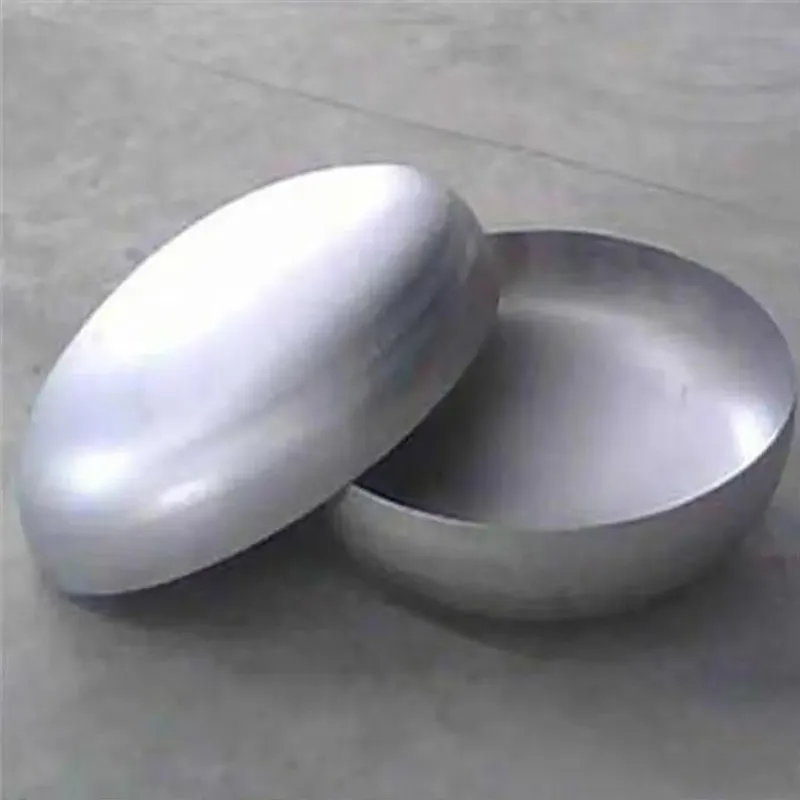
Pipe Cap-Cangzhou Lion Technology Co., Ltd.|Enhancing System Efficiency&Durability
Pipe Cap-Cangzhou Lion Technology Co., Ltd.|Enhancing System Efficiency&Durability
Pipe Cap-Cangzhou Lion Technology Co., Ltd.|Enhancing System Efficiency&Durability
Pipe Cap-Cangzhou Lion Technology Co., Ltd.|Enhancing System Efficiency&Durability
Pipe Cap-Cangzhou Lion Technology Co., Ltd.|Enhancing System Efficiency&Durability