If you’re actively browsing steel pipes for sale, here’s the thing: not all pipes are born equal. In the past 18 months I’ve toured mills in Hebei and coastal Zhejiang, and—honestly—the gap between commodity carbon steel and a modern overlay welding clad pipe is night and day. The latter, like Lion Pipeline’s unit out of the Economic Development Zone of Mengcun county, Cangzhou, is built for ugly service: corrosive, erosive, and cyclic loads all at once.
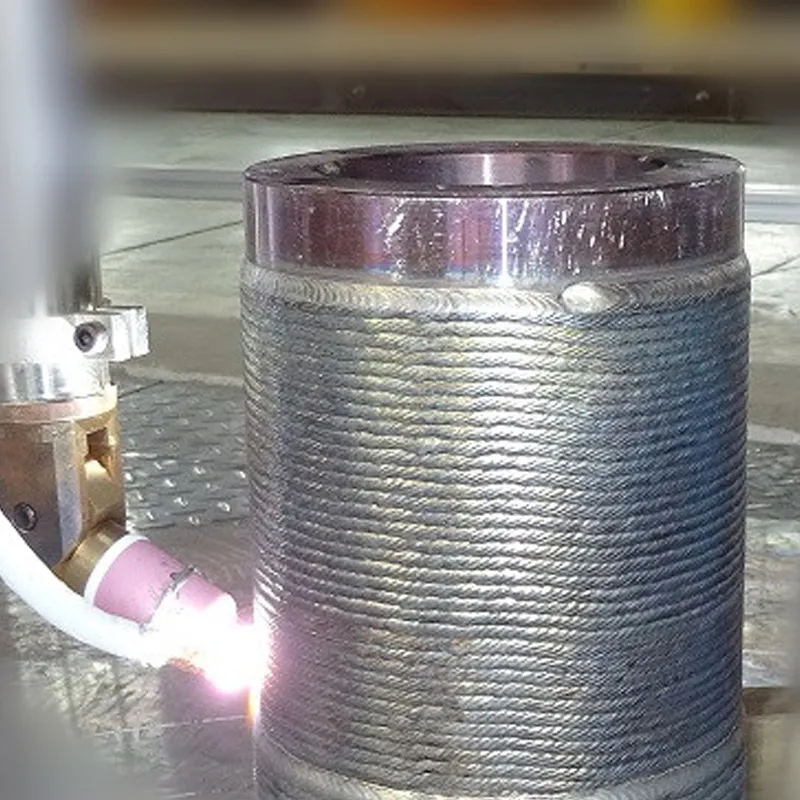
Three shifts I keep hearing from maintenance engineers: 1) move to hardfacing/overlay to tame wear in slurry lines; 2) sour-service compliance without the headaches of solid exotic alloys; 3) longer inspection intervals (because crews are thin). Overlay welding clad pipes hit that sweet spot—tough carbon steel core, corrosion-resistant overlay. Many customers say they’ve cut replacement cycles in half. It’s not magic; it’s metallurgy.
| Parameter | Typical value | Notes |
|---|---|---|
| Base steel | API 5L X52–X70 (or ASTM A106 Gr.B) | Seamless or LSAW per project |
| Overlay alloy | 316L, 2205, or Alloy 625 | SAW/GMAW overlay, chemistry verified (PMI) |
| OD range | ≈114–1420 mm | Real-world availability may vary |
| Wall / overlay thickness | 6–40 mm / 3–6 mm | Dual-layer on request |
| Hardness (overlay) | ≈220–320 HV | Alloy-dependent |
| Corrosion rate | ≤0.05 mm/y in 3.5% NaCl | Lab data; service varies |
| Standards | API 5L, ASME IX, NACE MR0175/ISO 15156 | WPS/PQR qualified |
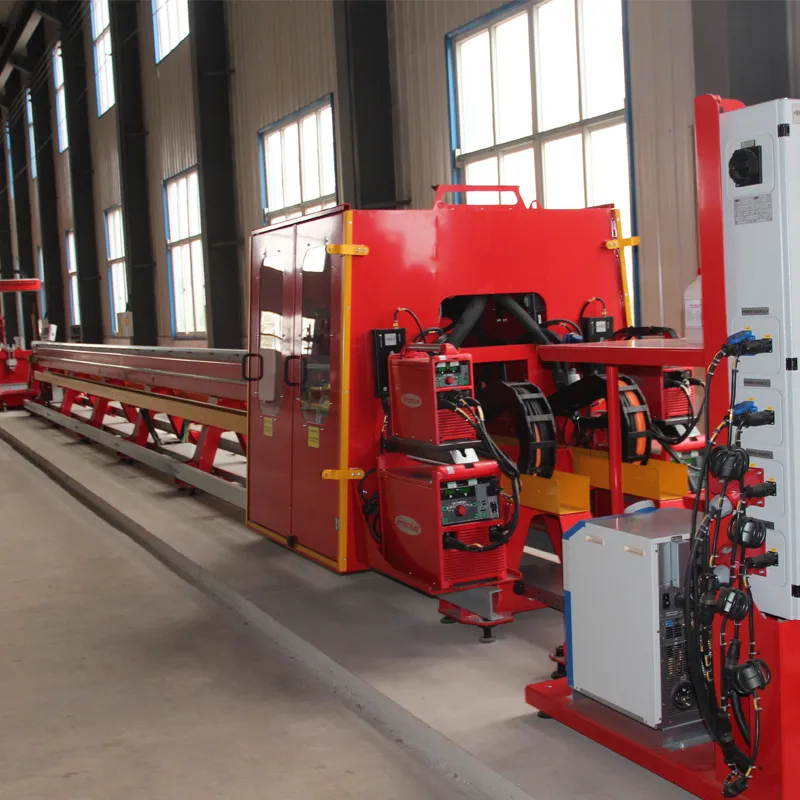
Expected service life? Often 2–5× carbon steel in abrasive, mildly sour environments; I’ve seen 10–15 years in well-run mining slurry lines.
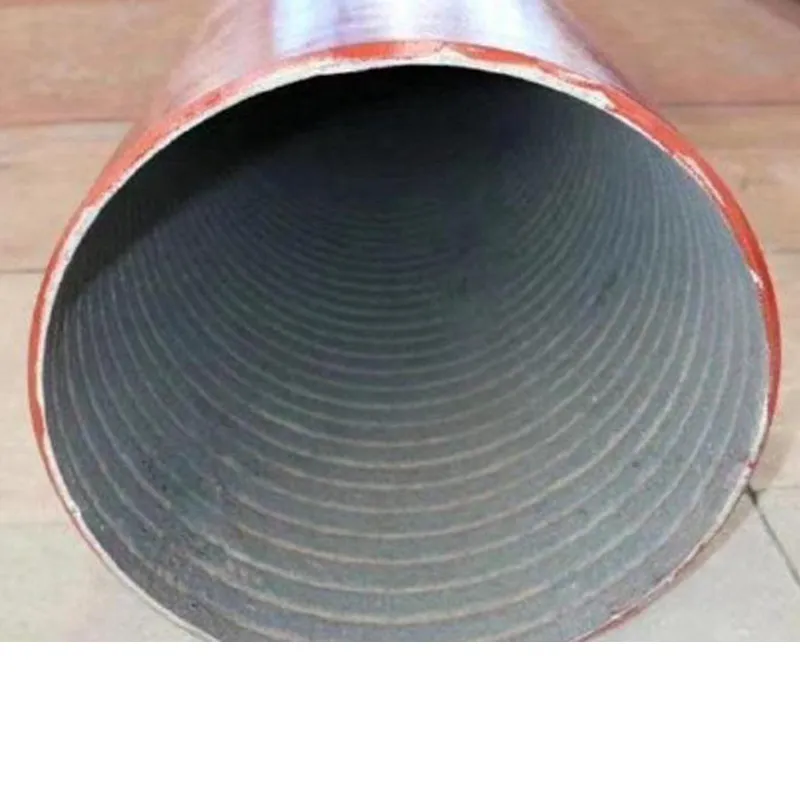
A reliability manager told me, “We swapped to overlay for elbows first—surprisingly, the straight runs followed once the data came in.” That’s typical: start with high-wear nodes, expand after inspection cycles validate it.
| Vendor | Certifications | NDE coverage | Lead time | Traceability |
|---|---|---|---|---|
| Lion Pipeline (Hebei) | ISO 9001; ASME IX WPS/PQR | 100% VT, UT/PT; hydro per API 5L | Around 3–8 weeks | Full heat/overlay chemistry trace |
| Generic import-only | Varies | Batch sampling | 8–12 weeks | Partial |
| Regional fabricator | ISO 9001 (typically) | Project-specific | 4–10 weeks | Good, depends on ERP |
Overlay alloy selection (316L/2205/625), double-layer builds for severe abrasion, bespoke bevels, spool fabrication, third-party witnessing (BV, DNV) and export crating. If you’re shortlisting steel pipes for sale, ask for overlay chemistry maps and interpass temp records—boring, yes, but they separate the real mills from the pretenders.
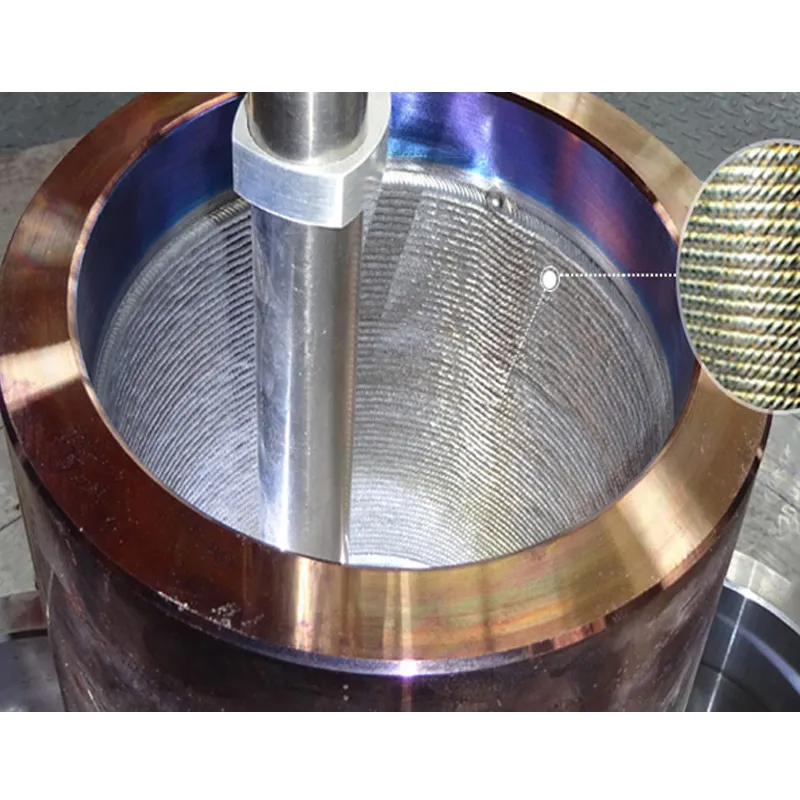
In short, if you’re weighing steel pipes for sale and your media is even mildly aggressive, an overlay welding clad pipe is usually the pragmatic choice—performance of “stainless where it counts,” cost structure of carbon steel where it doesn’t.
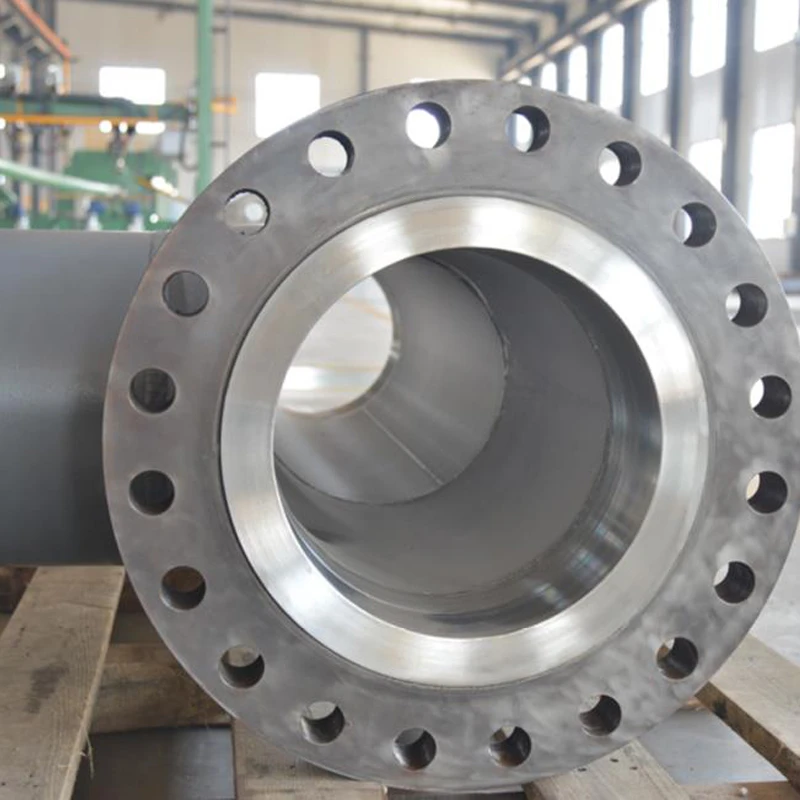
Factory Prefabricated Products
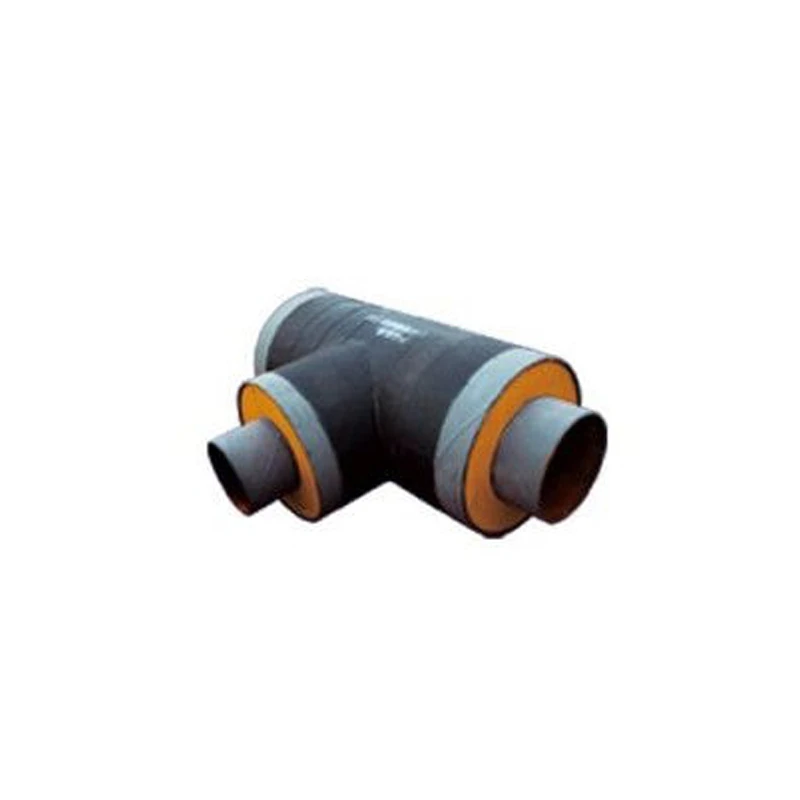
Anti Corrosion And Thermal Insulation Products
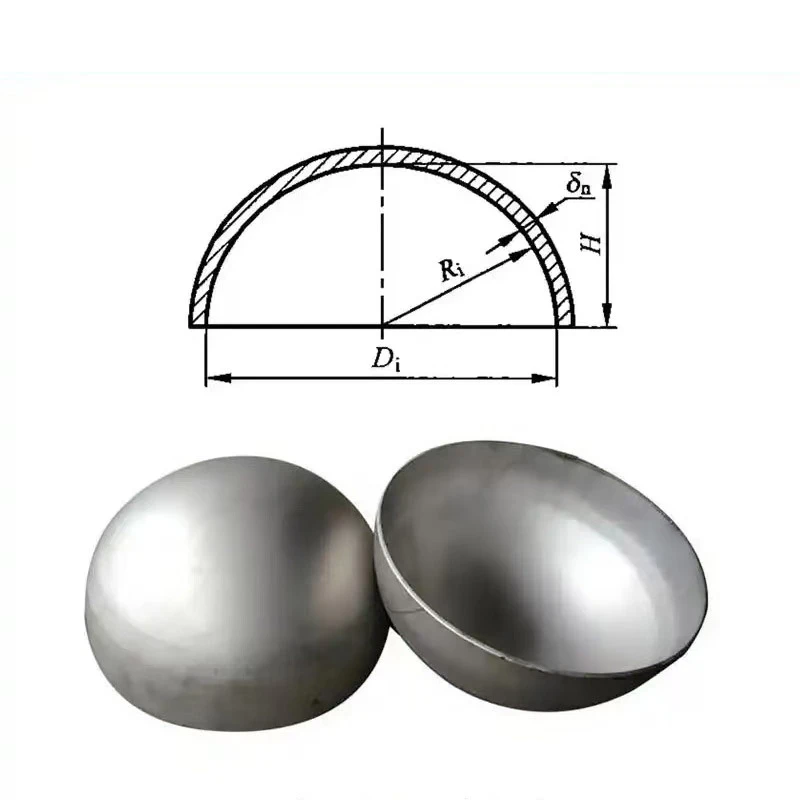
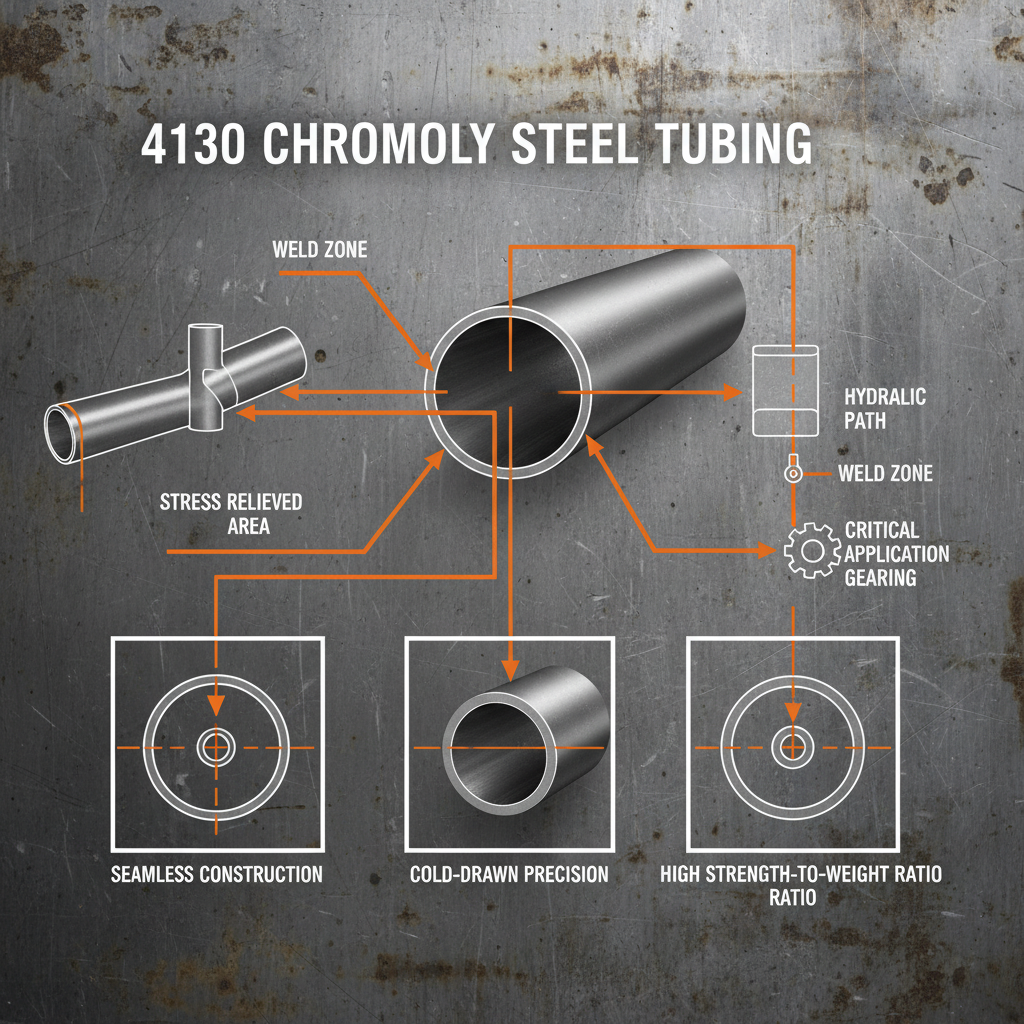
Ultimate Guide to 4130 Tubing Strength Performance and Applications
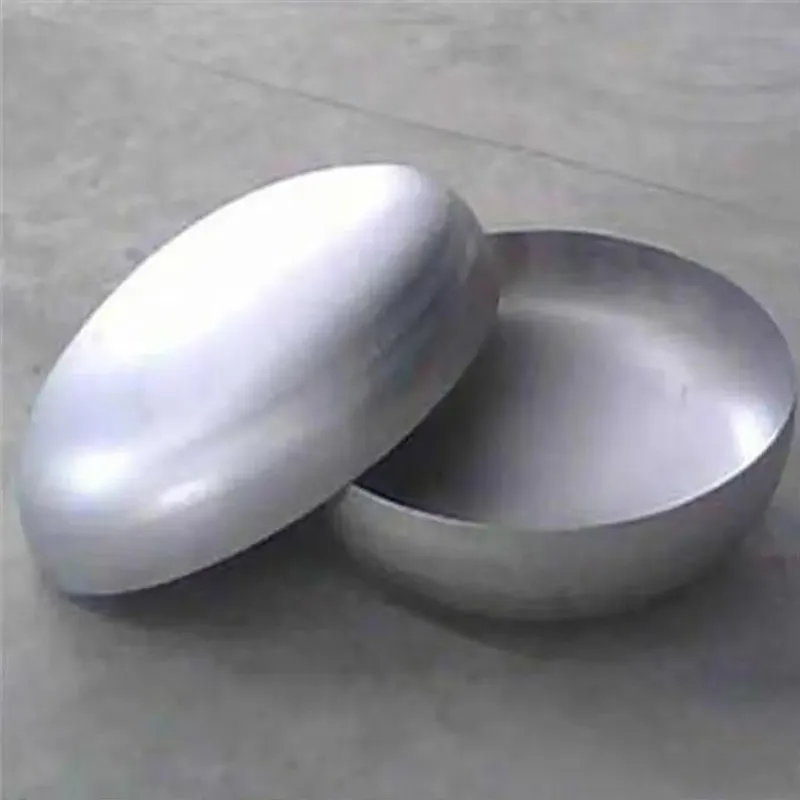
Pipe Cap-Cangzhou Lion Technology Co., Ltd.|Enhancing System Efficiency&Durability
Pipe Cap-Cangzhou Lion Technology Co., Ltd.|Enhancing System Efficiency&Durability
Pipe Cap-Cangzhou Lion Technology Co., Ltd.|Enhancing System Efficiency&Durability
Pipe Cap-Cangzhou Lion Technology Co., Ltd.|Enhancing System Efficiency&Durability
Pipe Cap-Cangzhou Lion Technology Co., Ltd.|Enhancing System Efficiency&Durability