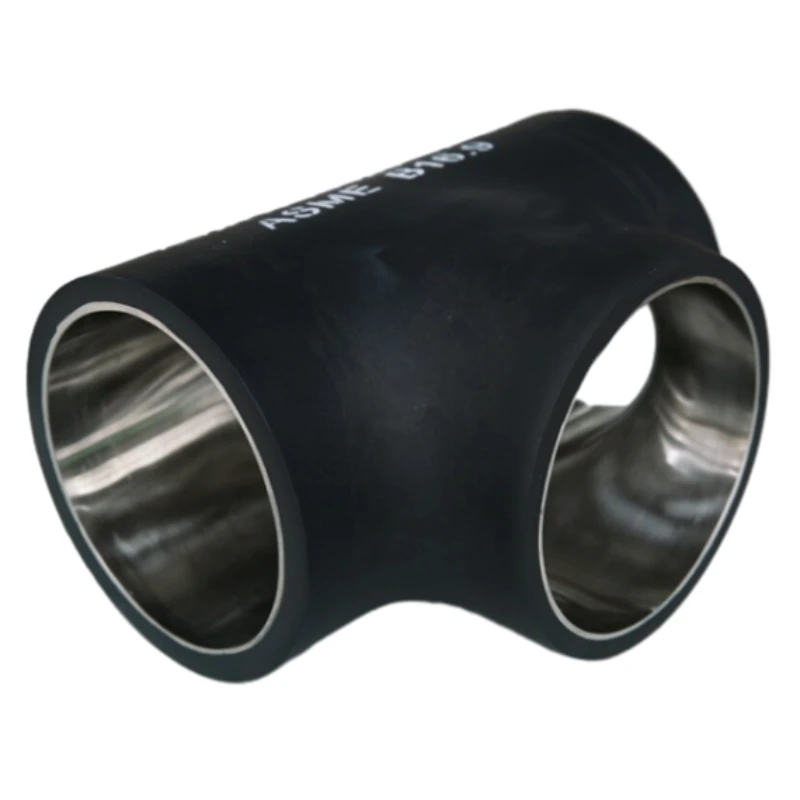
If you’re speccing a stainless steel bend for a new run or a tricky retrofit, here’s the short version: quality shows up in the radius, wall consistency, and documentation trail. Coming out of the Economic Development Zone of Mengcun county, Cangzhou, Hebei (a surprisingly busy elbow-and-bend cluster), the current production scene is efficient, pragmatic, and—actually—more traceable than it used to be.
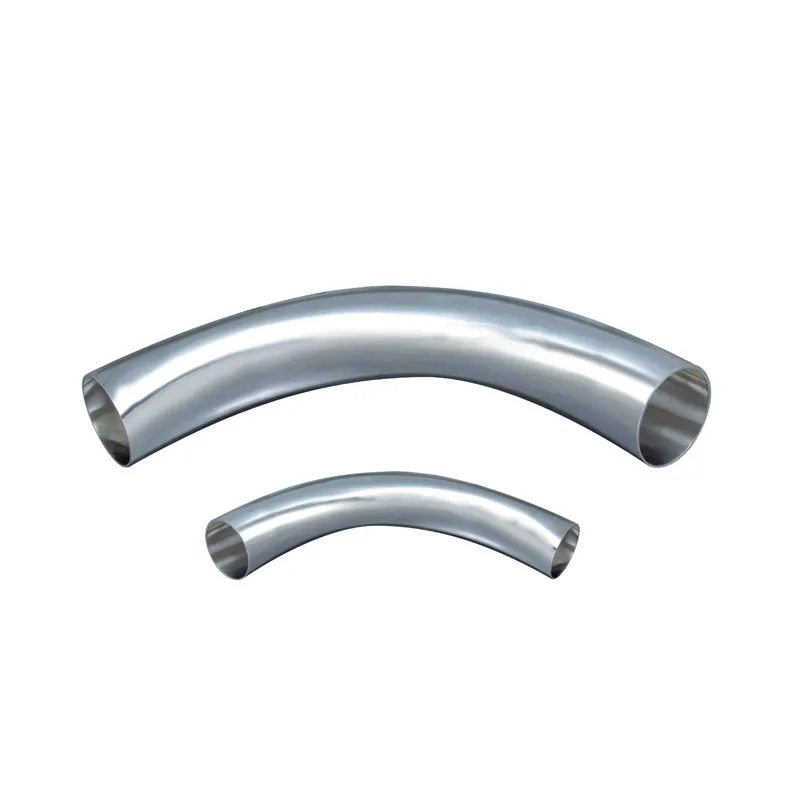
Three real trends: tighter tolerances for modular skids, push for lower ΔP in energy audits, and more paperwork—think MTR 3.1, PMI photos, and weld maps. Many customers say they prefer long-radius (stainless steel bend) to smooth out flow, even in water and HVAC, not just oil and gas. And yes, ESG is nudging more buyers toward longer service life over lowest upfront price.
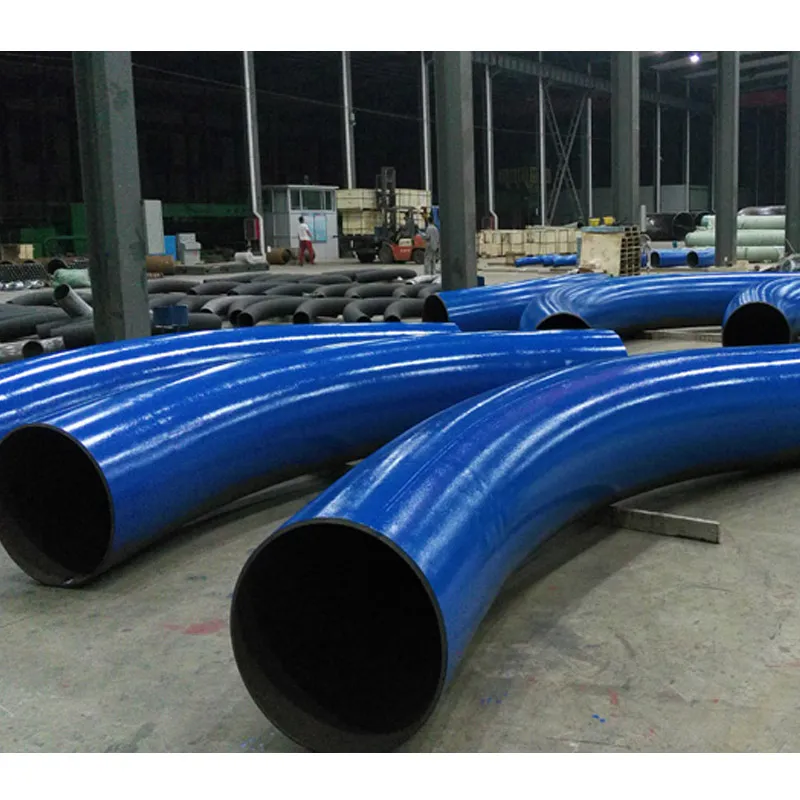
| Parameter | Typical Range/Notes |
|---|---|
| Grades | 304/304L, 316/316L; duplex on request (≈2205) |
| Sizes (NPS) | 1/2"–48" (larger by induction bending, around 60" possible) |
| Radius | SR (1D) / LR (1.5D) / custom 2D–10D |
| Angles | 15°, 22.5°, 30°, 45°, 60°, 90°, 180°, custom sweep |
| Standards | ASME B16.9, ASTM A403; process per ASME B31.3/31.1 design |
| Ends | Beveled (ASME B16.25), plain, grooved; polish Ra ≈0.8–3.2 μm |
| Pressure class | Matches pipe schedule (Sch10–XXS); real-world use may vary |
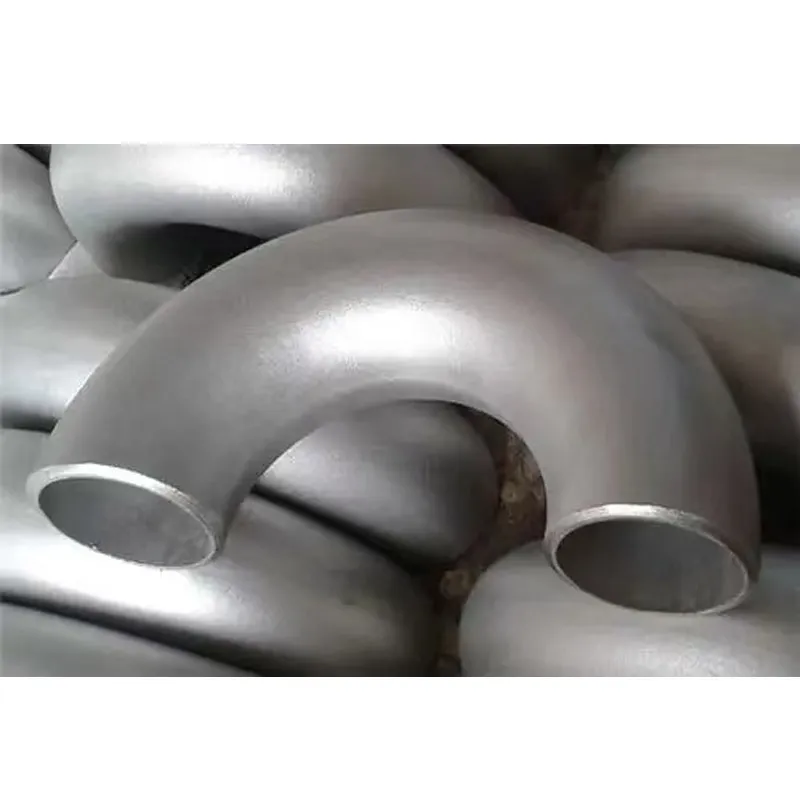
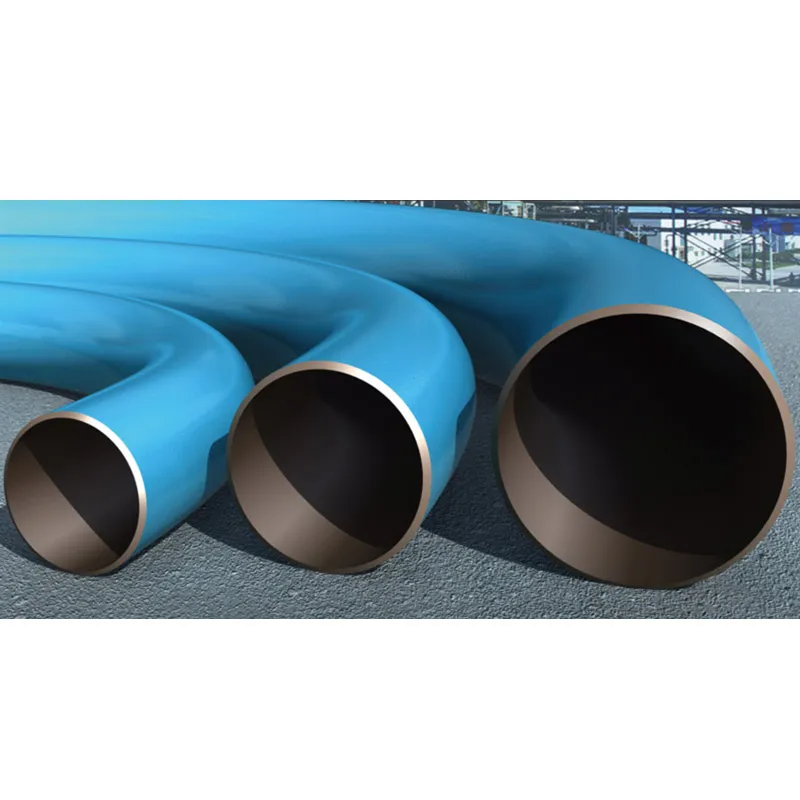
Oil & gas, petrochem, water supply, HVAC, food, pharma, and marine. Advantages: corrosion resistance, smooth ID for lower pressure drop, good weldability, and predictable QA. One plant engineer told me, “We swapped to LR stainless steel bend on a chilled water loop and shaved a couple of pumps off the BOM.” Not every day, but it happens.
| Vendor | Lead Time | Customization | Certs (typical) | Notes |
|---|---|---|---|---|
| Lion Pipeline (Hebei) | ≈10–25 days | Angles, 2D–10D radius, polish, bevel | ISO 9001; PED on request | Strong on large-radius induction bends |
| Global Distributor | Stock/expedite | Limited (mostly standard) | ISO 9001, 3.1 docs | Fast but pricier |
| Local Fabricator | Around 1–3 weeks | High, project-specific | Varies (check WPQR) | Great for odd angles |
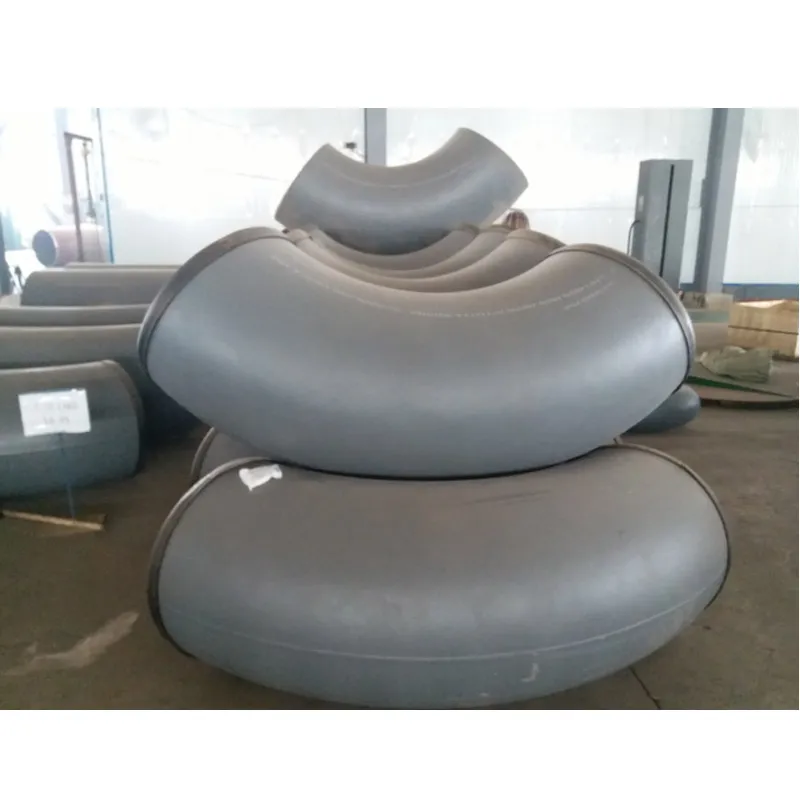
Customization: pick grade (316L near chlorides), radius (2D–10D), schedule, end prep, and surface finish. For hygienic loops, specify Ra ≤0.8 μm. For sour service, align with NACE MR0175/ISO 15156 and documented hardness.
Case A (refinery revamp): switching to LR stainless steel bend reduced calculated pressure drop ≈8–12% on a 10-bar hydrocarbon line; fewer vibration issues. Case B (desalination): 316L bends with pickled/passivated ID held up nicely; customer feedback was “no under-deposit surprises after first shutdown.”
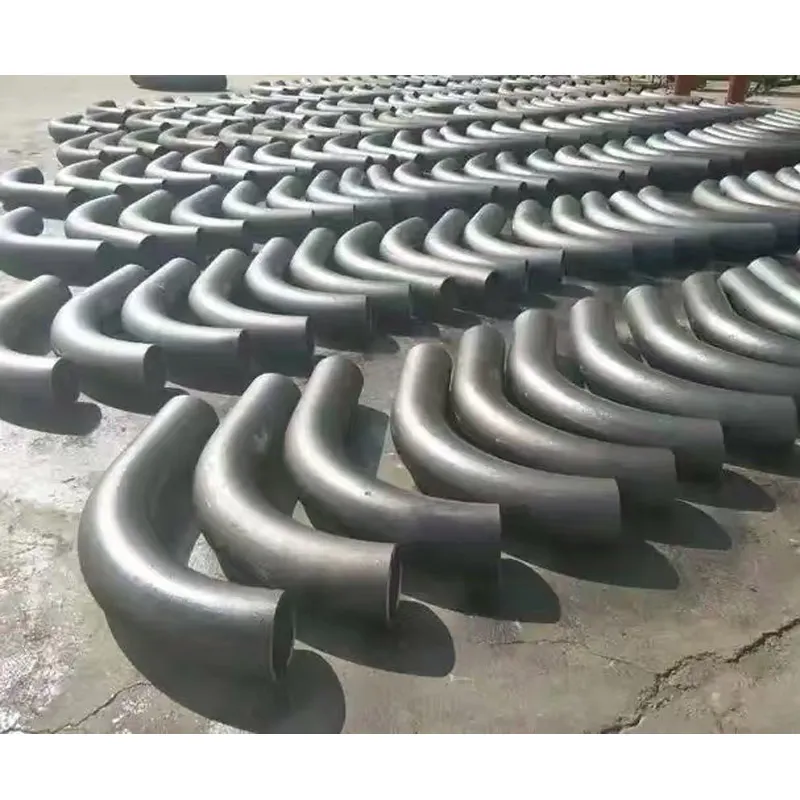
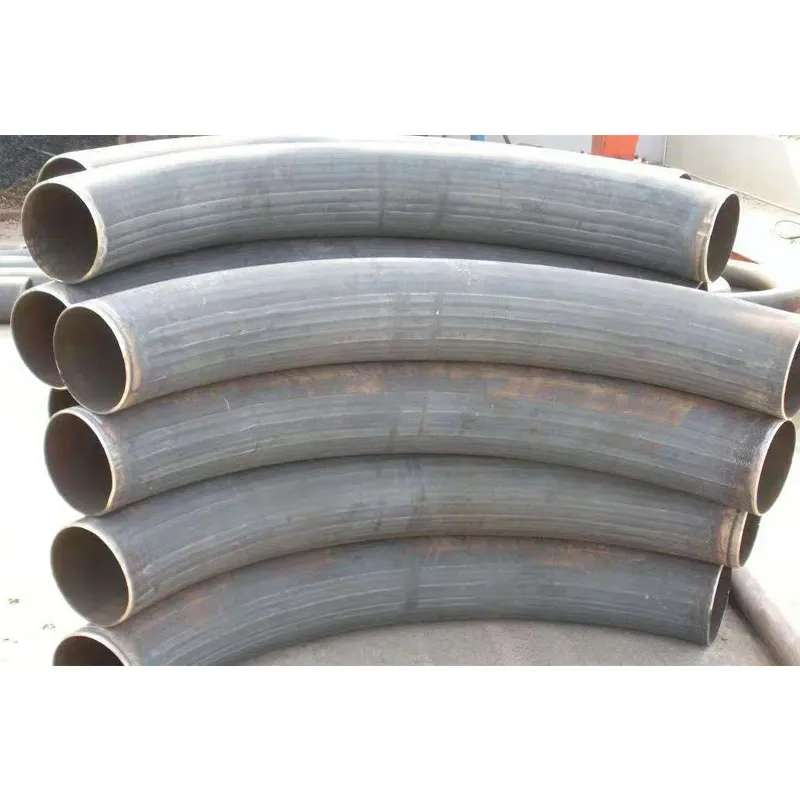
Final thought: in practice, a well-made stainless steel bend is quiet—no drama, no leaks, no pump complaints. That’s the goal.
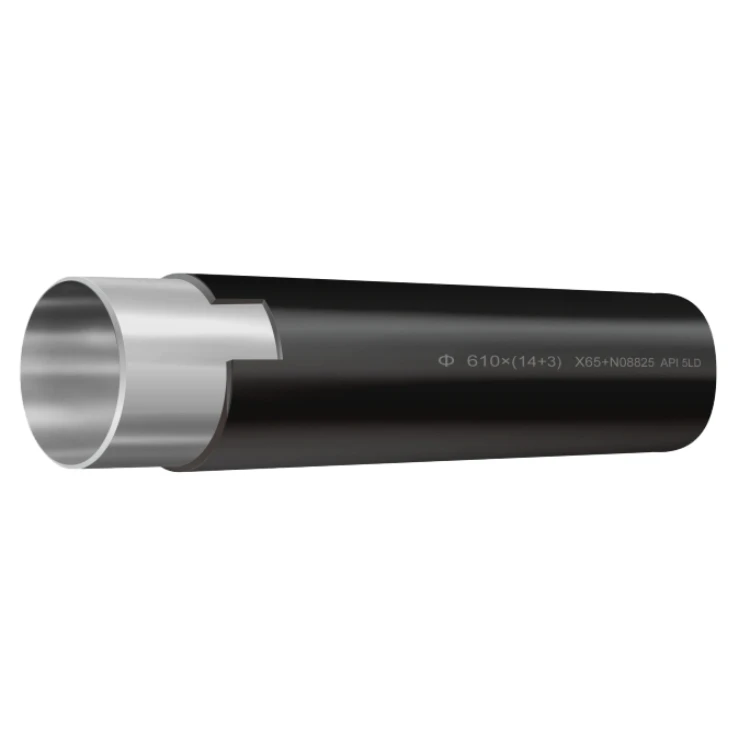
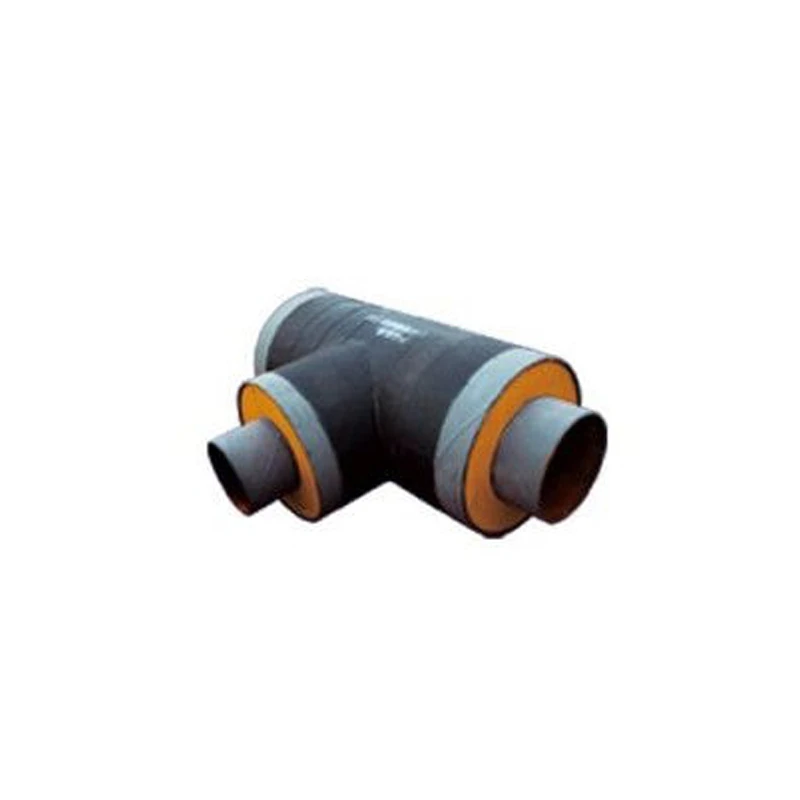
Anti Corrosion And Thermal Insulation Products
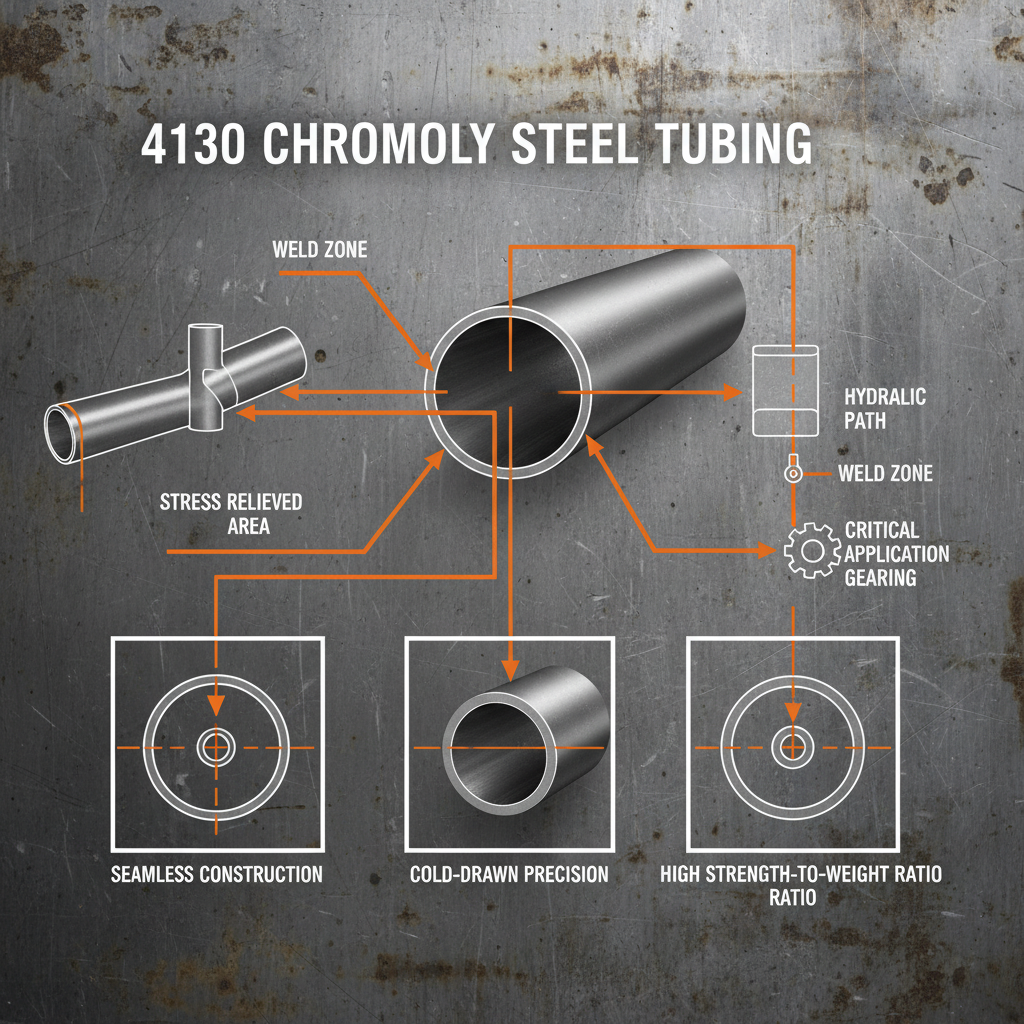
Ultimate Guide to 4130 Tubing Strength Performance and Applications
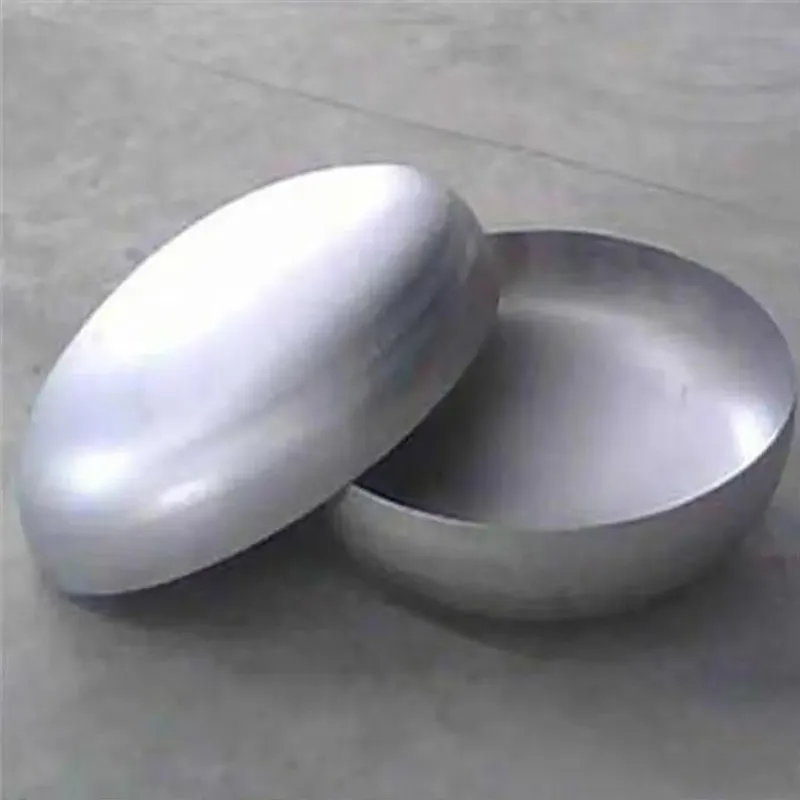
Pipe Cap-Cangzhou Lion Technology Co., Ltd.|Enhancing System Efficiency&Durability
Pipe Cap-Cangzhou Lion Technology Co., Ltd.|Enhancing System Efficiency&Durability
Pipe Cap-Cangzhou Lion Technology Co., Ltd.|Enhancing System Efficiency&Durability
Pipe Cap-Cangzhou Lion Technology Co., Ltd.|Enhancing System Efficiency&Durability
Pipe Cap-Cangzhou Lion Technology Co., Ltd.|Enhancing System Efficiency&Durability