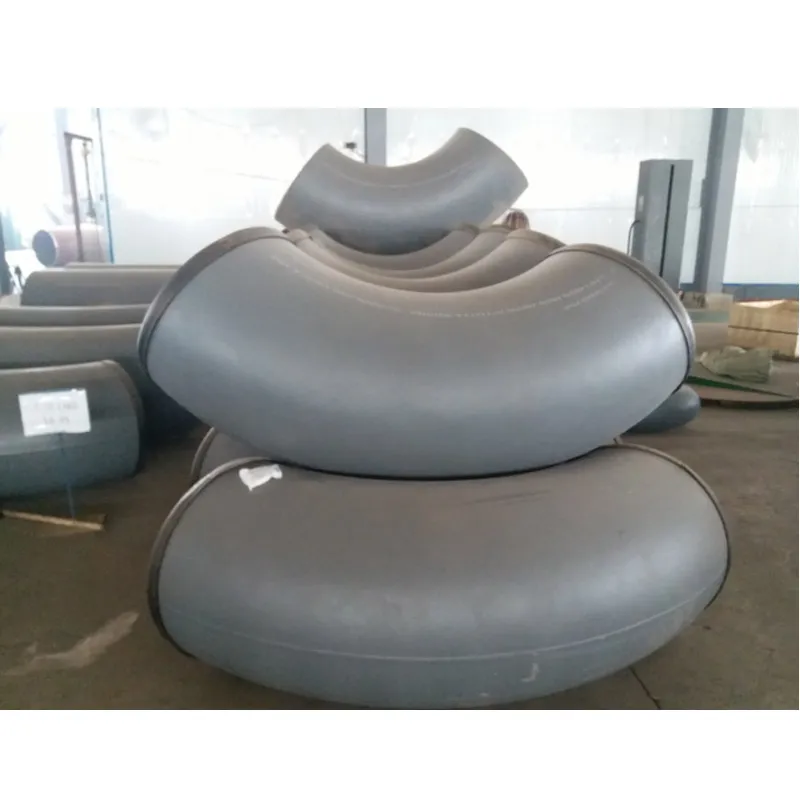
If you’ve spent time in plant rooms or on a crude unit deck at dawn (I certainly have), you know one quiet hero keeps flow smooth: the Stainless Steel Bend. It’s not glamorous, but it’s where pressure losses are won or lost, welders curse or celebrate, and commissioning deadlines make or break.
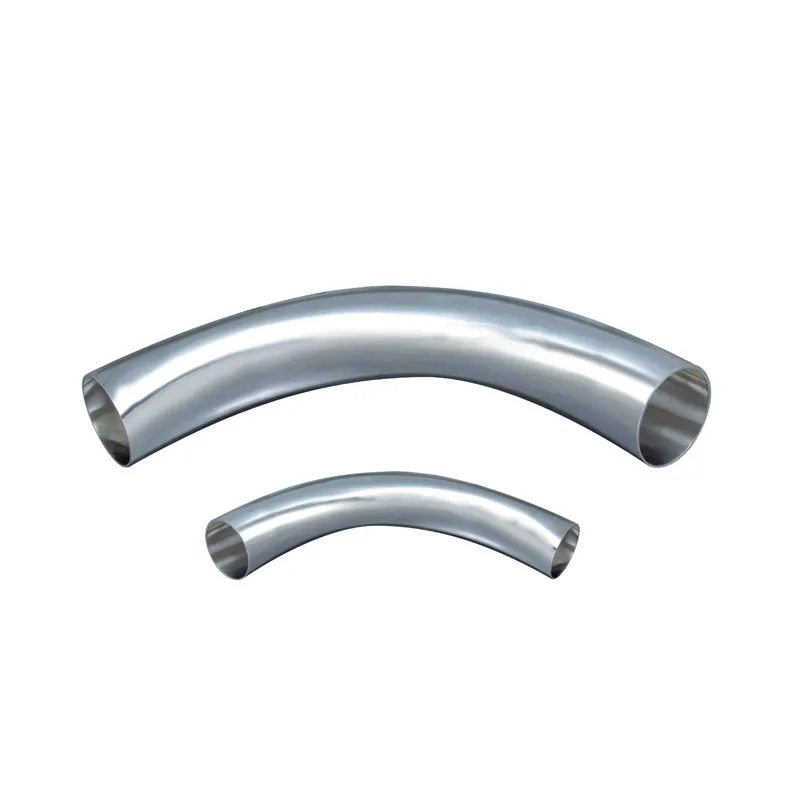
Three shifts I’m seeing on projects: longer-radius bends to cut turbulence (K-values dropping nicely), more hot-induction bending for large-bore pipe, and stricter PMI/traceability—especially where sour service or high chlorides lurk. Many customers say the payback from lower pump energy is real, even if procurement winces at the initial premium.
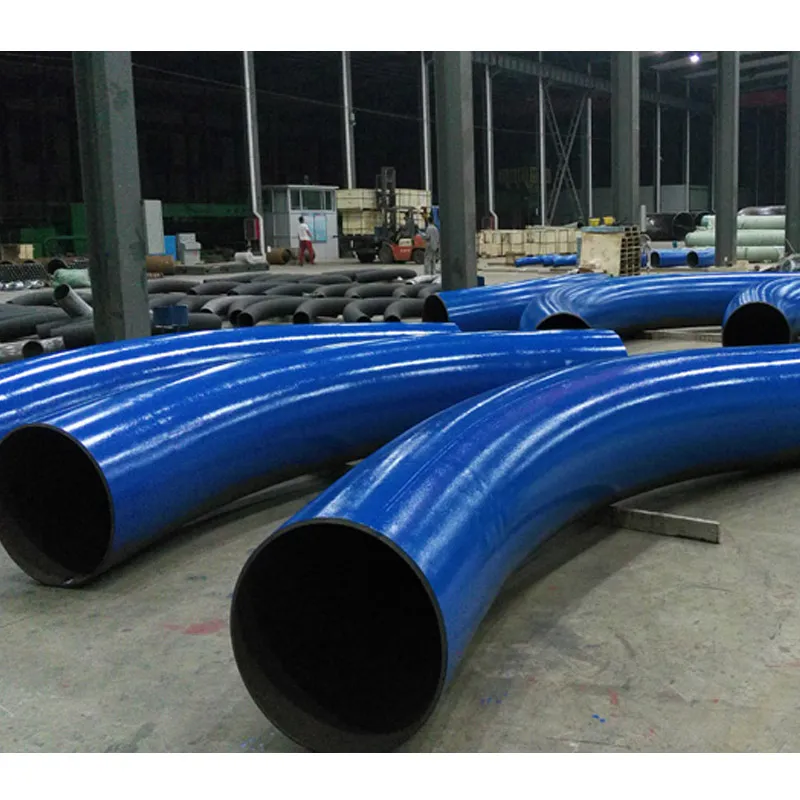
Bend Pipe, manufactured in the Economic Development Zone of Mengcun County, Cangzhou city, Hebei province—an area that, to be honest, punches above its weight in fittings. The local know‑how on induction bending is solid.
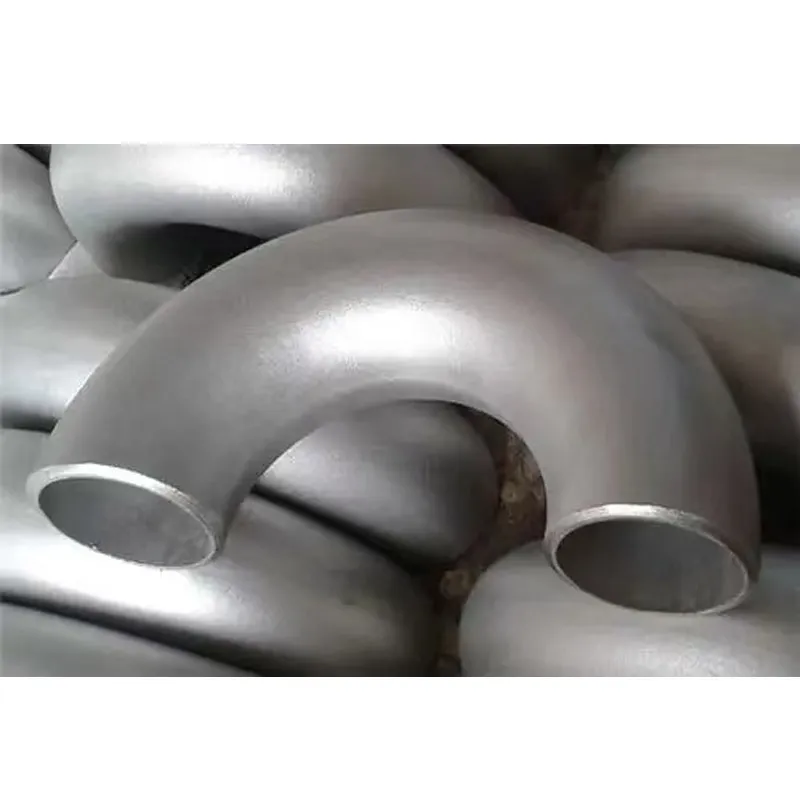
| Item | Spec (≈/range; real‑world use may vary) |
|---|---|
| Grades | 304/L, 316/L, 321, 347; duplex on request |
| Sizes | DN15–DN1200 (½"–48") |
| CLR (radius) | 1.5D, 3D, 5D, 7D, 10D; custom radii available |
| Schedules | SCH 10S–XXS |
| Standards | ASME B16.9, ASTM A403, EN 10253‑4; design to ASME B31.3 |
| Surface roughness | Ra ≈ 1.6–3.2 μm (post‑pickling) |
| Service life | 15–30+ years depending on chloride, temp, and velocity |
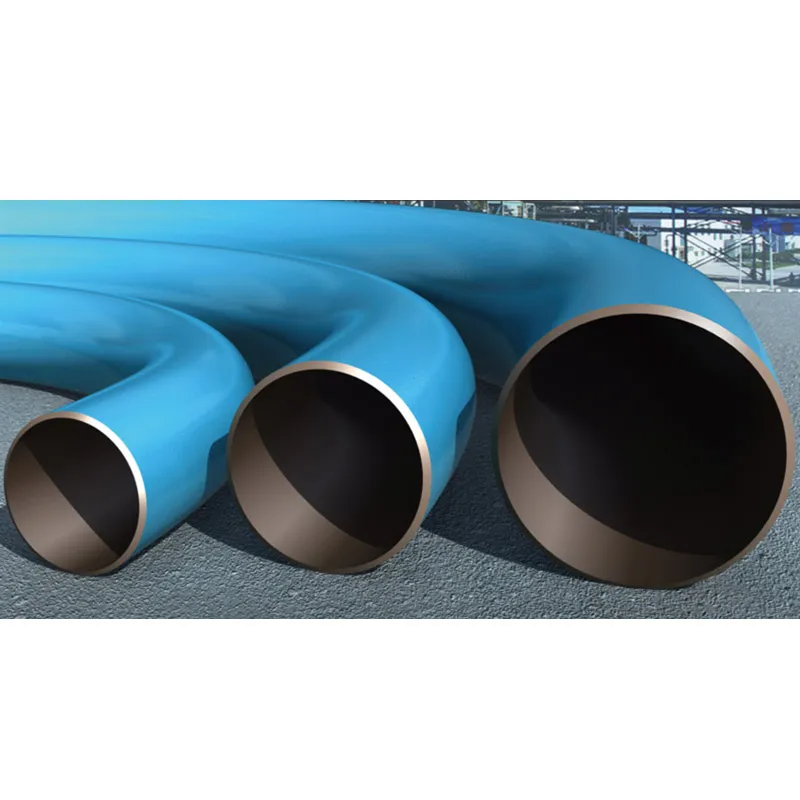
Oil & gas, petrochem, water, desal, HVAC, food & pharma. Longer‑radius Stainless Steel Bend options reduce pressure drop—our test on DN100, 5D bend at Re≈1×10⁵ showed ≈18% lower ΔP vs 1.5D elbow, same flow. Welders like the consistent bevel land; inspectors like the clean PMI stamps.
| Vendor | Certs | Lead Time | MOQ | Notes |
|---|---|---|---|---|
| Cangzhou manufacturer (Lion) | ISO 9001, PED option | 2–5 weeks | Flexible | Strong on custom radii/large bore |
| Regional stockist | ISO; mixed MTCs | Ex‑stock | Carton-level | Great for urgent, limited radius/spec |
| Offshore specialist | ISO + NORSOK exp. | 4–8 weeks | Project-based | Premium price, premium docs |
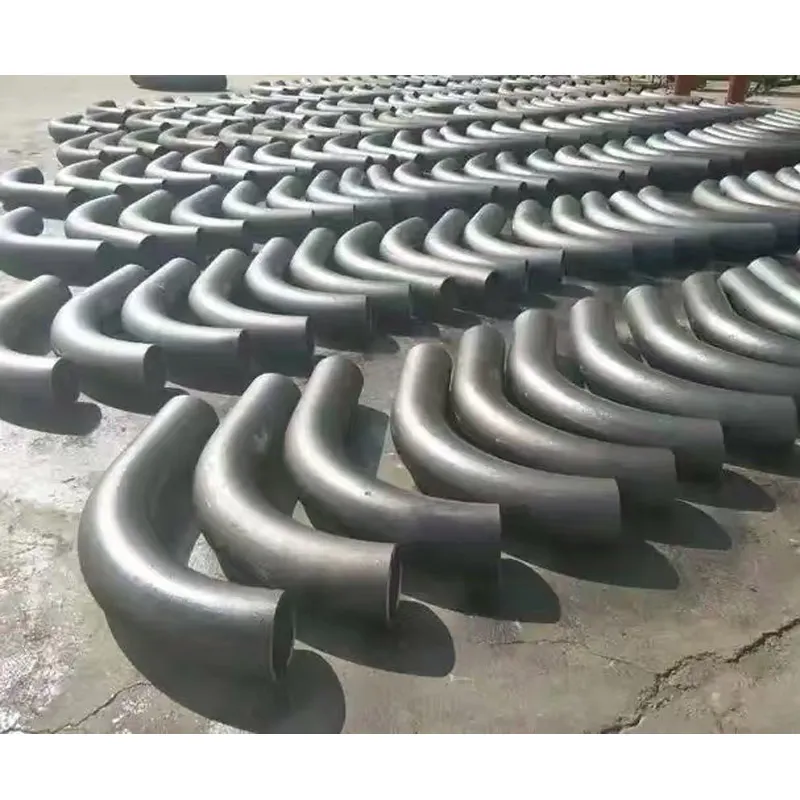
Custom CLR (say 6D to dodge a pump base), purge holes, extra-long tangents, or electropolish for bio/pharma lines. For sour service, spec low ferrite 316L and check to NACE MR0175 in the datasheets. I guess the best advice: lock ovality and wall‑thinning limits in your RFQ.
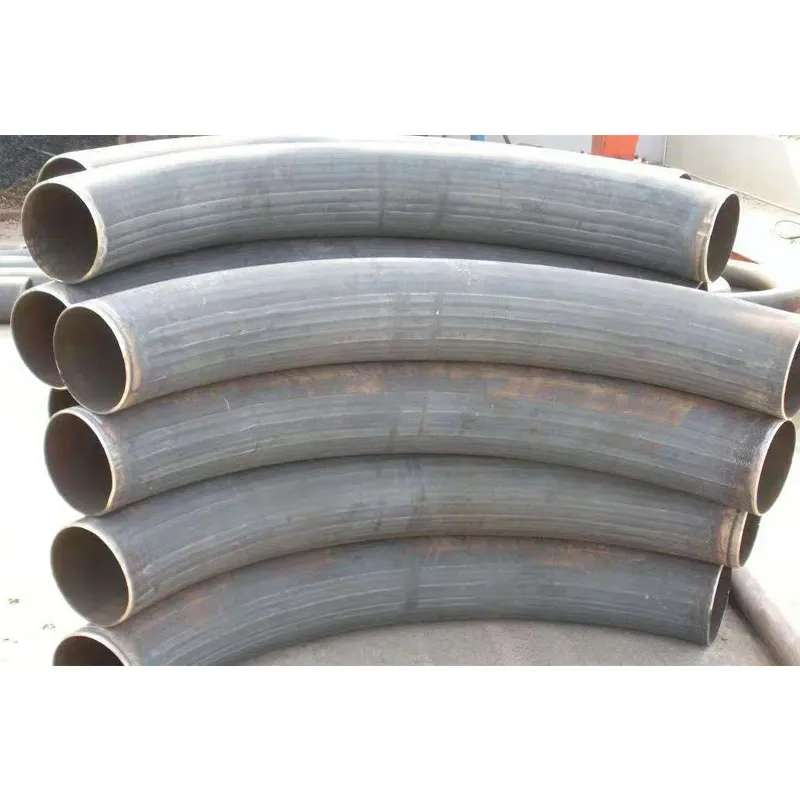
Standards followed: ASME B16.9 (dims), ASTM A403 (SS fittings), EN 10253‑4 (metric), design to ASME B31.3; optional NDT to ISO 9712. Typical K‑factor range for long‑radius Stainless Steel Bend: ≈0.2–0.5 vs ≈0.7–1.5 for short elbows, depending on Re and roughness. Customer feedback? Consistent—clean weld fit-up and traceability make audits easier.
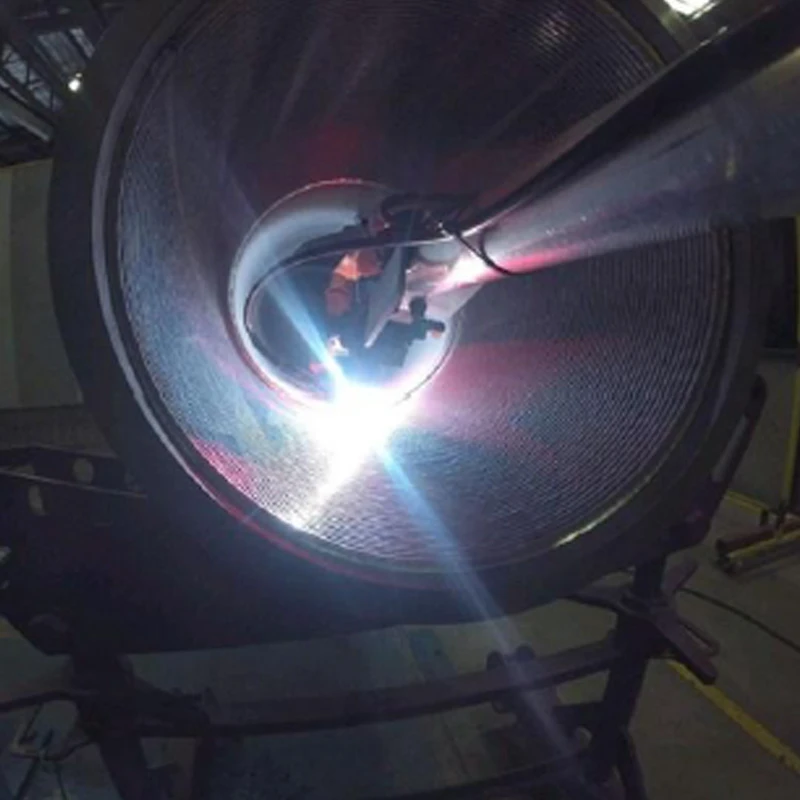
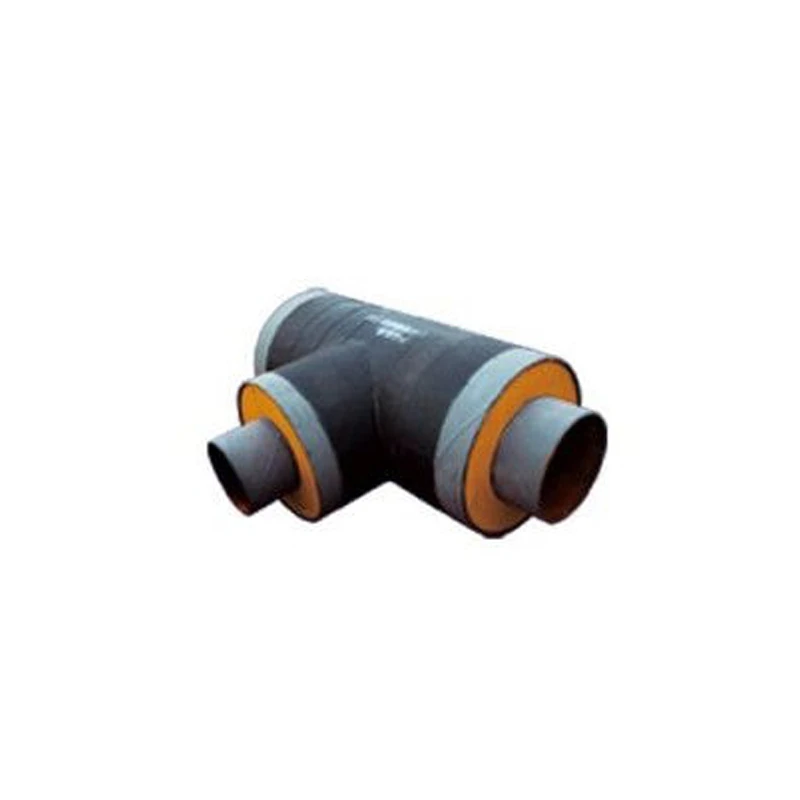
Anti Corrosion And Thermal Insulation Products
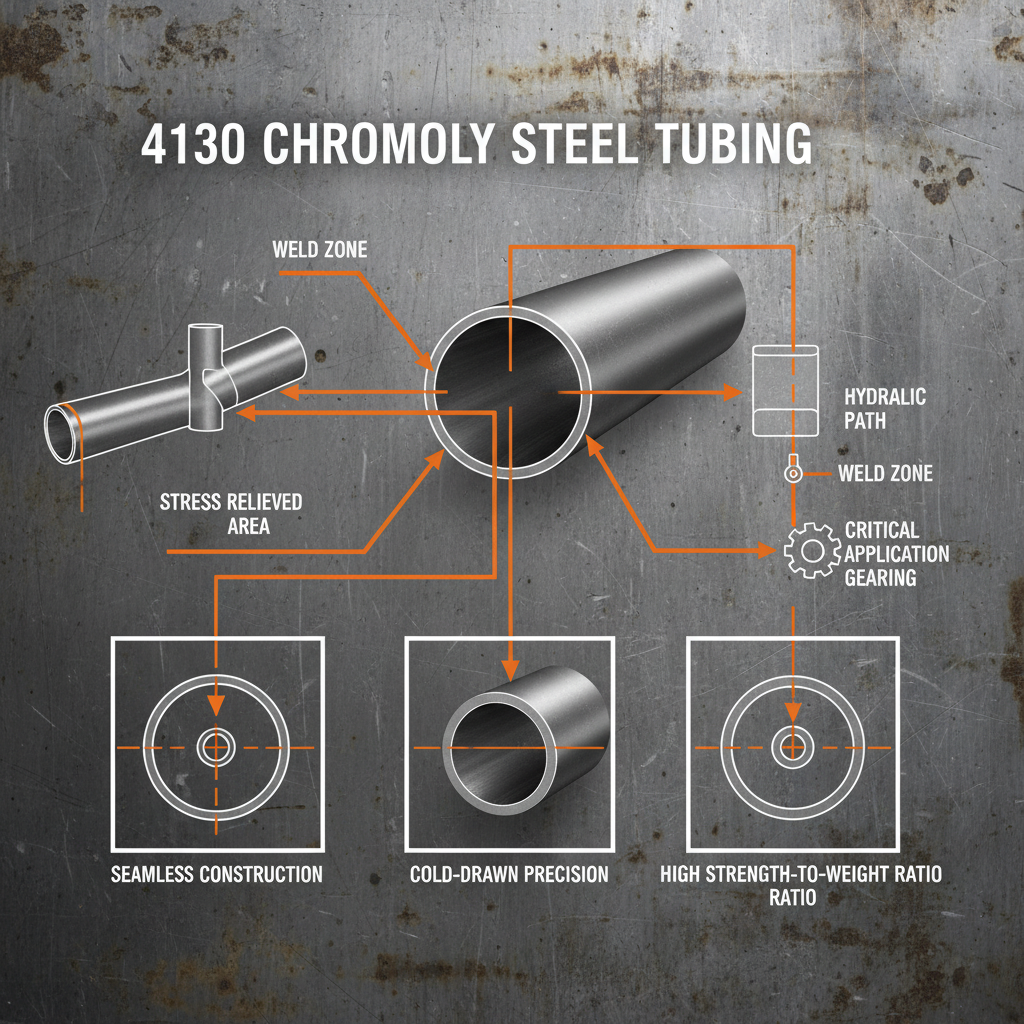
Ultimate Guide to 4130 Tubing Strength Performance and Applications
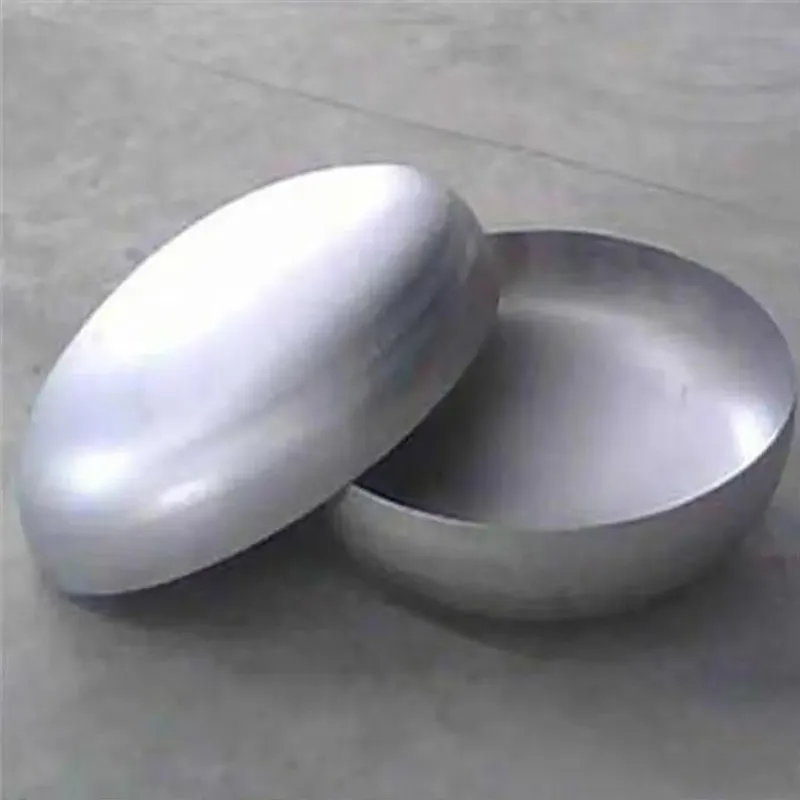
Pipe Cap-Cangzhou Lion Technology Co., Ltd.|Enhancing System Efficiency&Durability
Pipe Cap-Cangzhou Lion Technology Co., Ltd.|Enhancing System Efficiency&Durability
Pipe Cap-Cangzhou Lion Technology Co., Ltd.|Enhancing System Efficiency&Durability
Pipe Cap-Cangzhou Lion Technology Co., Ltd.|Enhancing System Efficiency&Durability
Pipe Cap-Cangzhou Lion Technology Co., Ltd.|Enhancing System Efficiency&Durability