Stainless Steel Bend is a key solution in the manufacturing industry, specifically within Fabricated metal products and Manufacturing of pipes and fittings. This article explores how Cangzhou Lion Technology Co., Ltd. supports professionals with durable, high-performance products, and explains why this product is an ideal choice for businesses in these sectors.
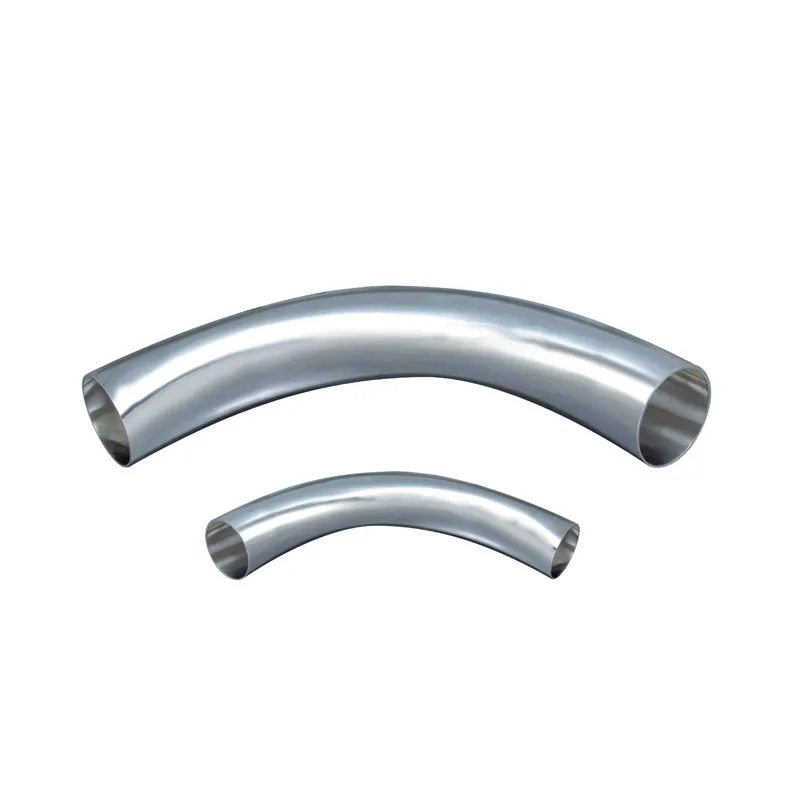
In fluid and gas networks, a Stainless Steel Bend redirects flow while maintaining cross-sectional integrity and minimizing pressure loss. Compared with sharp elbows, long-radius bends reduce turbulence and erosion, which is critical in hygienic, corrosive, or high-velocity lines. Typical specifications include OD from 1/2" to 60", wall schedules from SCH10 to SCH160, and radii from 1D to 5D (and custom). Standard bend angles include 15°, 30°, 45°, 60°, 90°, and 180°, produced via cold mandrel, hot-induction, or roll bending depending on diameter and wall thickness. Materials frequently specified are 304/304L, 316/316L, and 321 for elevated temperature or corrosive media—making 304 stainless bends a versatile, procurement-friendly choice for general industry.
Cangzhou Lion Technology Co., Ltd. manufactures to international standards such as ASTM A403 for stainless butt-weld fittings and aligns with piping codes in oil & gas, chemical processing, power generation, water treatment, and food & beverage. A recent upgrade at a midstream operator replaced multiple elbows with hot-induction 3D bends, cutting weld counts by 30% and improving piggability. From stainless exhaust tubing bends for heavy-duty OEMs to sanitary lines in beverage plants, Lion’s engineered bends are built for reliability, cleanability, and service life.
Across fabricated metal products, Stainless Steel Bend components are deployed anywhere flow quality and uptime matter: process skids, utility header lines, boiler feedwater, CIP loops, compressed air, and HVAC plenums. In exhaust and emissions systems, stainless exhaust tubing bends withstand thermal cycling and condensates better than alternatives, ensuring dimensional stability and lower system noise. In sanitary or corrosive production—dairy, brewery, pharma—316L bends minimize pitting risk and support consistent clean-in-place outcomes.
Cangzhou Lion Technology Co., Ltd. brings extensive bending expertise, from small-diameter sanitary spools to large-bore hot-induction bends for transmission pipelines. For OEMs specifying mild steel exhaust pipe bends in cost-sensitive platforms, Lion also supplies comparable carbon steel options—while helping engineering teams evaluate lifecycle advantages when upgrading to stainless.
Total cost of ownership for a Stainless Steel Bend reaches beyond unit price. Fewer welds mean lower fabrication labor and NDT costs. Smoother flow paths decrease energy consumption, and corrosion resistance extends service life, reducing unplanned downtime. In many projects, upgrading from painted carbon steel to stainless pays back through reduced maintenance and longer changeout intervals—especially where chlorides, acids, steam, or frequent washdowns are present.
Cangzhou Lion Technology Co., Ltd. supports users with clear MTRs, weld-end prep consistency, and packaging that protects bevels—accelerating onsite fit-up. Whether your spec calls for 304 stainless bends for utilities or higher-alloy bends for aggressive media, Lion streamlines procurement and installation to reduce overall project risk.
Manufacturing is moving toward lower emissions, higher efficiency, and traceable supply chains. Stainless steel aligns with these trends: it is highly recyclable, offers long service life, and minimizes repainting or chemical inhibitors common with carbon steel. In process industries, pressure on energy intensity and water stewardship favors long-radius bends that reduce pumping power and enable effective CIP, cutting both utilities and chemical consumption.
Cangzhou Lion Technology Co., Ltd. embraces forward-thinking manufacturing practices, emphasizing precise forming, material traceability, and quality assurance to deliver consistent bends with minimized rework and scrap. For B2B decision makers aiming to future-proof their networks, Lion’s portfolio—spanning stainless exhaust tubing bends, sanitary bends, and large-diameter induction bends—helps meet performance and sustainability KPIs simultaneously.
From utilities to hygienic processing and exhaust systems, a Stainless Steel Bend delivers cleaner flow, fewer welds, and longer life—key advantages for fabricated metal products and the manufacturing of pipes and fittings. Cangzhou Lion Technology Co., Ltd. combines material expertise, advanced bending processes, and dependable QA to reduce your lifecycle costs and installation risk. Ready to optimize your next project?

Ultimate Guide to 4130 Tubing Strength Performance and Applications
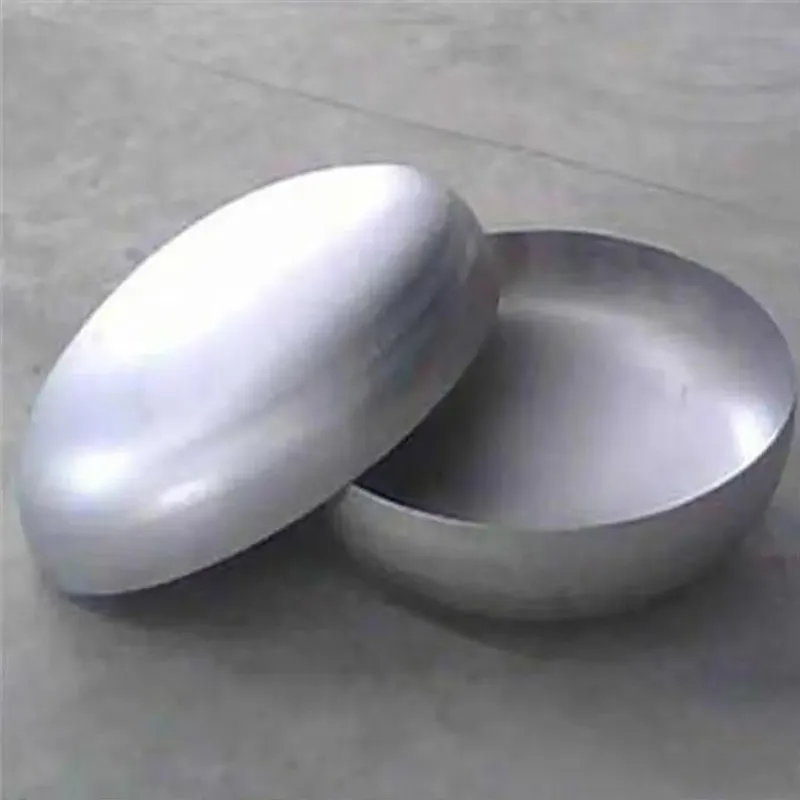
Pipe Cap-Cangzhou Lion Technology Co., Ltd.|Enhancing System Efficiency&Durability
Pipe Cap-Cangzhou Lion Technology Co., Ltd.|Enhancing System Efficiency&Durability
Pipe Cap-Cangzhou Lion Technology Co., Ltd.|Enhancing System Efficiency&Durability
Pipe Cap-Cangzhou Lion Technology Co., Ltd.|Enhancing System Efficiency&Durability
Pipe Cap-Cangzhou Lion Technology Co., Ltd.|Enhancing System Efficiency&Durability