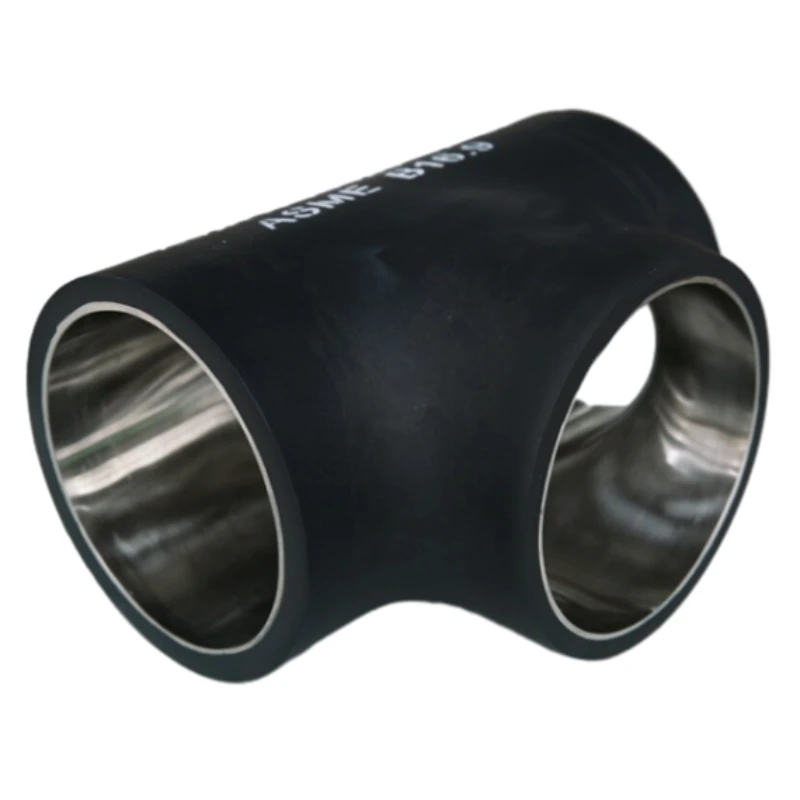
Having spent years mucking around with all kinds of industrial equipment, I can say there’s a genuine simplicity and reliability in the humble 2 inch diameter steel pipe that’s hard to beat. Whether it’s a sprawling pipeline project or a compact manufacturing setup, this size of pipe often feels like the perfect balance between manageability and versatility. Oddly enough, it’s not the flashiest piece of kit, but frankly, those who know pipelines appreciate its quiet workhorse status.
In real terms, a 2 inch steel pipe generally refers to the nominal diameter, and the actual outside diameter usually hovers around 2.375 inches. It’s widely used across sectors – from oil and gas transmission to water delivery, and even in structural frameworks. Usually, these pipes are made from carbon steel, which offers a dependable combo of strength, weldability, and cost-effectiveness. I recall a colleague once saying, “If you want durability without fuss, you pick carbon steel.” And he wasn’t wrong.
What doesn’t get talked about enough is the range of wall thickness options. Wall thickness directly influences pressure ratings and durability, so choosing the right schedule—like Schedule 40 or Schedule 80—is critical. Many engineers say you can’t overestimate how important adherence to standards is. Pipes aren’t just tubes; they’re carefully engineered components subjected to rigorous testing. Pressure tests, material certifications, and dimensional inspections come together to ensure you won’t run into trouble once you’ve got thousands of feet installed underground.
Here’s a quick rundown of typical specs for a 2 inch diameter steel pipe you might find on the market:
| Feature | Specification |
|---|---|
| Nominal Diameter | 2 inches |
| Outside Diameter | 2.375 inches (60.3 mm) |
| Wall Thickness (common) | Schedule 40: 0.154 in, Schedule 80: 0.218 in |
| Material Grade | ASTM A53 Grade B carbon steel |
| Typical Lengths | 21 ft to 24 ft sections |
| End Finish | Plain end or beveled |
When it comes to sourcing these pipes, there’s a noticeable difference between vendors. As you might guess, price, quality certification, delivery lead times, and customization options are the big players. I’ve worked with a handful, and it’s clear that going with big-name suppliers doesn’t always guarantee the smoothest experience — sometimes regional suppliers offer better flexibility with quick turnaround on cut-to-length orders or special coatings.
| Vendor | Certifications | Lead Time | Customization | Price Range |
|---|---|---|---|---|
| Lion Pipeline | ISO 9001, API 5L certified | 2-3 weeks | Cut-to-length, threading, coatings | Competitive |
| Regional Steel Co. | ASTM A53 certified | 1-2 weeks | Limited coatings | Moderate |
| Bulk Pipe Suppliers | ISO 9001 only | 4+ weeks | Standard lengths only | Lowest |
One thing I’ve noticed during projects is how often a small custom request—maybe a special coating for corrosion resistance or a slightly shorter section length—can save weeks of hassle on-site. It’s tempting to just grab standard pipe and think “it’ll do,” but this can cause headaches. Lion Pipeline, for example, is a vendor I’d point you to if you want that sort of tailored service without a hefty premium.
To wrap it up: The 2 inch diameter steel pipe is an old faithful in industrial piping — endlessly adaptable, pretty robust, and when chosen and ordered carefully, it really performs well under pressure. Frankly, if you’re in the business, it pays off to know the specs and match them to the job rather than just grabbing the first thing off the rack.
References:
1. ASTM International Standards for Steel Pipe
2. API 5L Pipeline Steel Specifications
3. Personal industry experience and supplier consultations
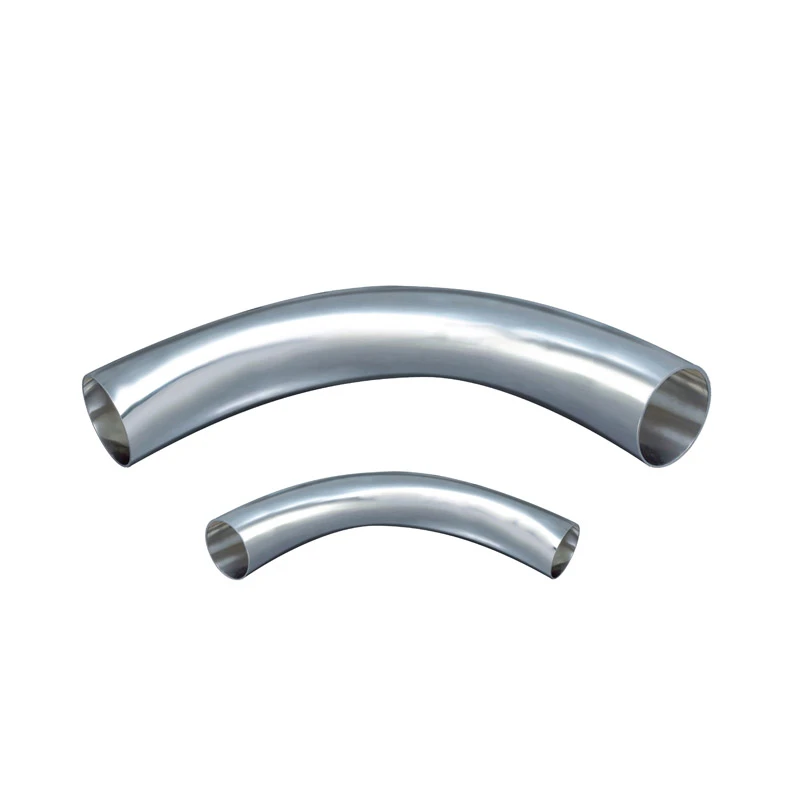
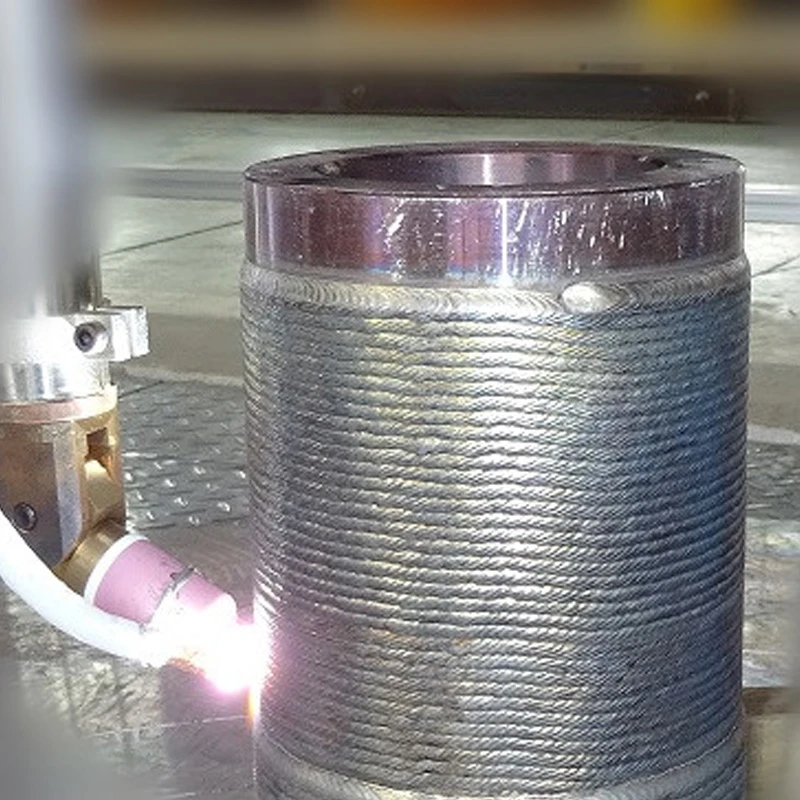
Overlay Welding Clad Steel Pipe

Ultimate Guide to 4130 Tubing Strength Performance and Applications
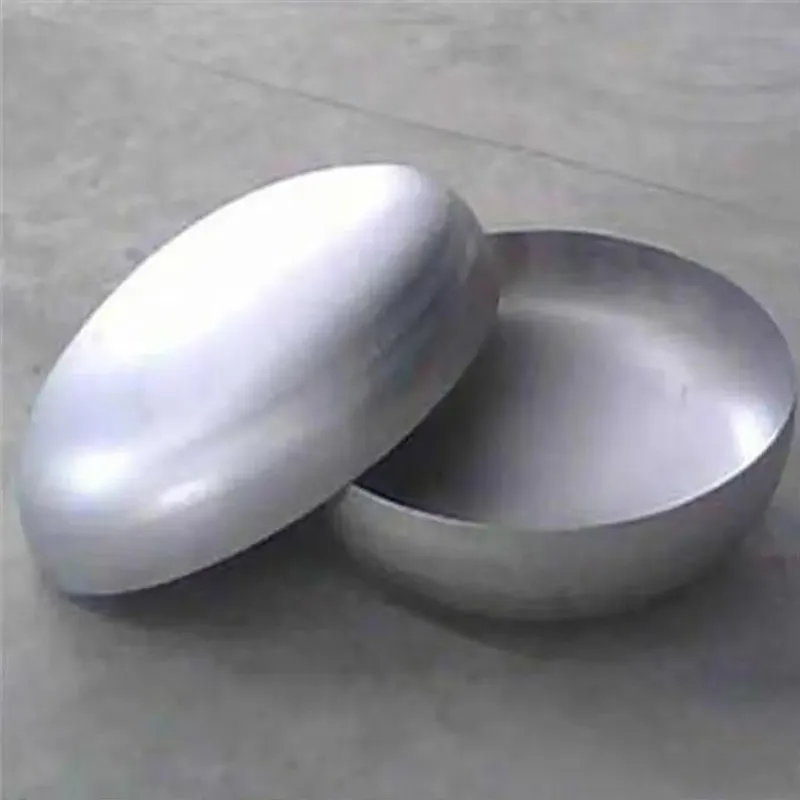
Pipe Cap-Cangzhou Lion Technology Co., Ltd.|Enhancing System Efficiency&Durability
Pipe Cap-Cangzhou Lion Technology Co., Ltd.|Enhancing System Efficiency&Durability
Pipe Cap-Cangzhou Lion Technology Co., Ltd.|Enhancing System Efficiency&Durability
Pipe Cap-Cangzhou Lion Technology Co., Ltd.|Enhancing System Efficiency&Durability
Pipe Cap-Cangzhou Lion Technology Co., Ltd.|Enhancing System Efficiency&Durability