Having spent a fair share of my career in the industrial equipment trenches, I’ve come to see that certain components—like the humble 2.25 od exhaust pipe—are surprisingly pivotal. On paper, a pipe is just a pipe. In real terms, however, its diameter, material, and build quality can affect efficiency and longevity of entire systems.
Oddly enough, 2.25 inch outer diameter (OD) exhaust pipes have carved out a reliable niche in engine exhaust systems, HVAC setups, and even some fluid transfer applications. That 2.25-inch size isn’t arbitrary—it strikes a balance between adequate gas flow and manageable installation size.
Now, materials matter. I’ve noticed that stainless steel variants especially cope better with heat stress and corrosive exhaust byproducts than mild steel ones, though they come with a price premium. Frankly, if the system runs near marine environments or harsh chemicals, splurging on stainless just pays off by extending pipe life.
Size and shape aside, testing standards also came up frequently during my projects. Most reliable pipes meet ASTM standards on dimensions and tensile strength, but I’ve learned that field testing—such as pressure and temperature cycling—is where the real assurance lies. You want to avoid surprises after installation.
One customer story comes to mind: a heavy equipment operator needing to replace the exhaust line on a diesel generator. The 2.25 od exhaust pipe from a trusted vendor performed so well under extreme heat and vibration that downtime dropped noticeably. Their engineers remarked on the consistent wall thickness and weld integrity — small details that made all the difference.
| Specification | Details |
|---|---|
| Outer Diameter (OD) | 2.25 inches (57.15 mm) |
| Wall Thickness | 0.065 - 0.120 inches (varies by use) |
| Material Options | Stainless Steel 304, Mild Steel, Aluminized Steel |
| Common Lengths | 2 ft, 3 ft, 6 ft cut sections or custom lengths |
| Standard Compliance | ASTM A999, ISO 9001 manufacturing |
| Surface Finish | Smooth inner bore, optional polished exterior |
There’s also a bit of customization typically possible—whether you want pre-bent sections, particular coatings, or welded flanges. It’s quite worth discussing with suppliers early on; many engineers underestimate how a tailored exhaust pipe can simplify overall assembly.
| Vendor | Material Options | Customization | Typical Lead Time | Price Range |
|---|---|---|---|---|
| Lion Pipeline | Stainless, Mild Steel | Custom cuts & bends available | 1-2 weeks | $$ |
| SteelWorks Inc. | Mild Steel, Aluminized | Limited customization | 2-3 weeks | $ |
| HeatFlow Solutions | Stainless Steel Only | Custom lengths, welded flanges | 2 weeks | $$$ |
From my experience, the tradeoff between price, quality, and lead time can’t be ignored. Sometimes it’s worth waiting a few extra days or spending a bit more to avoid headaches later—like premature corrosion or improper fit. Logistics and customer service often make or break the whole procurement experience.
In conclusion, the 2.25 od exhaust pipe—while it may seem like a small piece of the puzzle—is crucial in a range of industrial setups. Its versatility and performance hinge on appropriate material selection, compliant manufacturing, and a trusted supplier partner. You know, it’s often those “minor” parts that quietly keep everything running smoothly.
Hope this gives you a sense of why I pay attention when someone asks about a 2.25 od exhaust pipe. It’s more than a number — it’s a practical choice backed by years of field insight.
Stay curious, and always ask about the specs.
References:
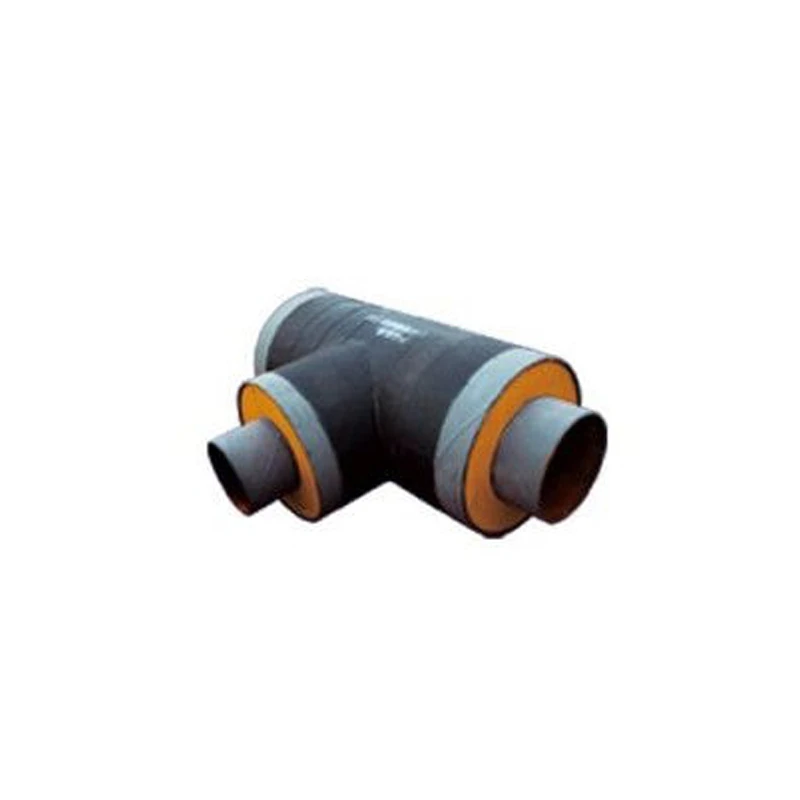
Anti Corrosion And Thermal Insulation Products
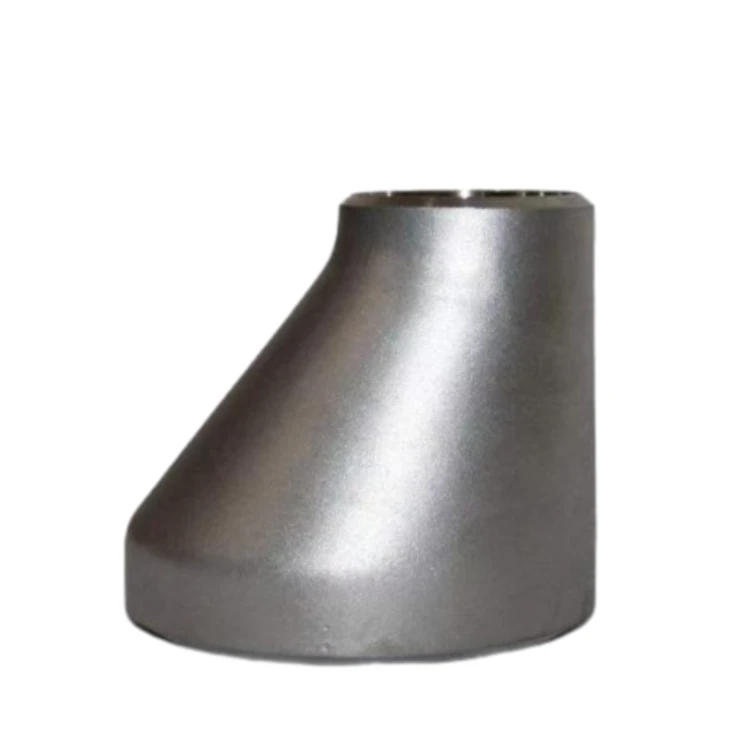
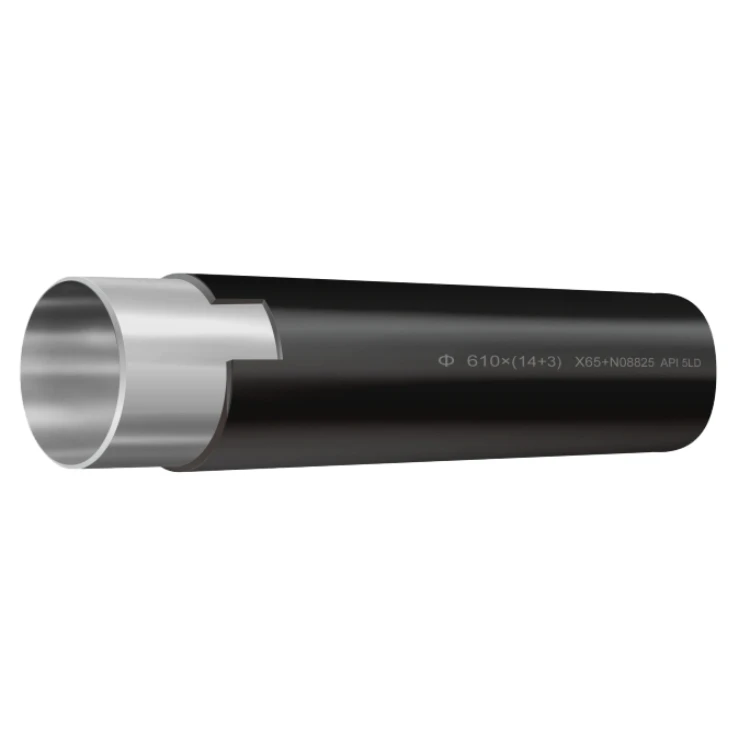
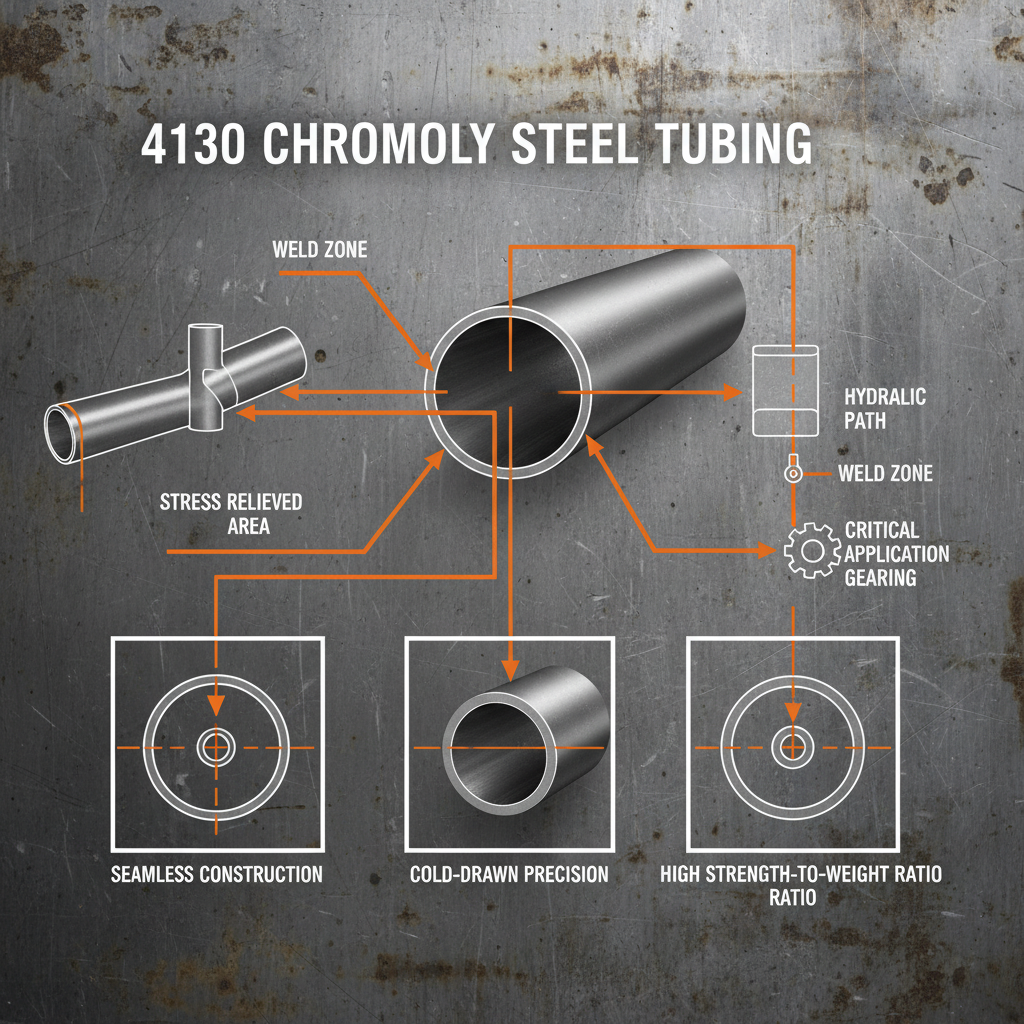
Ultimate Guide to 4130 Tubing Strength Performance and Applications
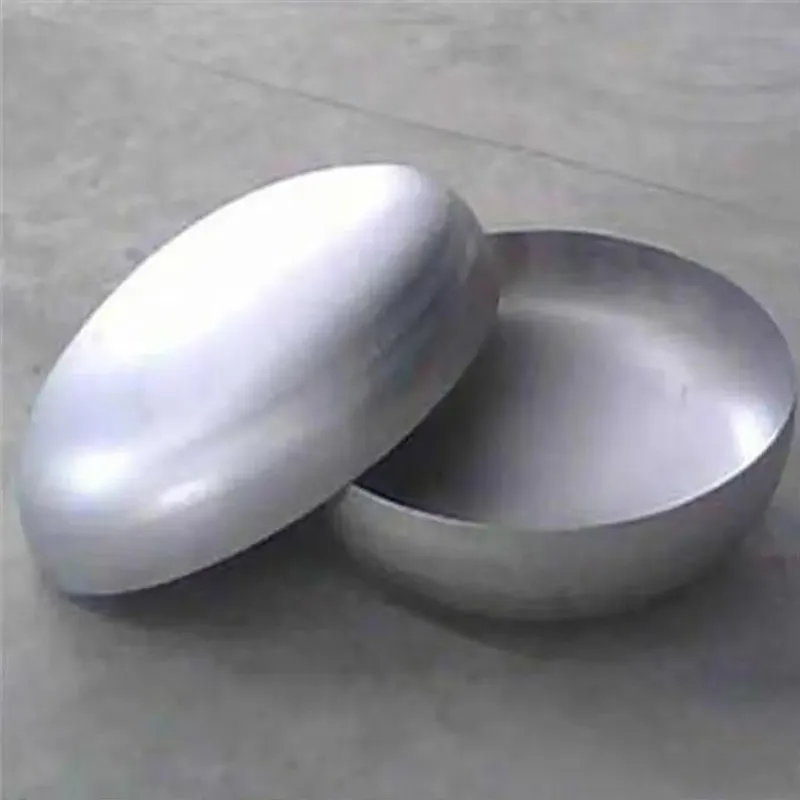
Pipe Cap-Cangzhou Lion Technology Co., Ltd.|Enhancing System Efficiency&Durability
Pipe Cap-Cangzhou Lion Technology Co., Ltd.|Enhancing System Efficiency&Durability
Pipe Cap-Cangzhou Lion Technology Co., Ltd.|Enhancing System Efficiency&Durability
Pipe Cap-Cangzhou Lion Technology Co., Ltd.|Enhancing System Efficiency&Durability
Pipe Cap-Cangzhou Lion Technology Co., Ltd.|Enhancing System Efficiency&Durability