tel
Email
to top

Precision Stainless Steel Bends: 304 & Exhaust Tubing

Sep 29 2025
share:

Industry Trends and Market Dynamics for Pipeline Bends

In the complex world of industrial piping systems, the integrity and efficiency of fluid and gas conveyance depend significantly on high-quality components. Among these, the stainless steel bend stands out as a critical element for altering pipeline direction while maintaining structural integrity and flow characteristics. The global market for industrial pipeline components, including bends, has witnessed robust growth, driven by burgeoning investments in infrastructure, petrochemical expansion, energy generation, and urban water supply and drainage projects. According to market analysts, the demand for specialized pipe fittings is projected to grow at a Compound Annual Growth Rate (CAGR) of over 5% through 2028, largely propelled by the inherent advantages of stainless steel in terms of corrosion resistance and longevity.

Current industry trends highlight a distinct shift towards materials that offer superior performance under demanding conditions. This has led to an increasing preference for specific alloys, with 304 stainless bends and 316L grades dominating the market due to their excellent balance of strength, ductility, and resistance to various corrosive media. Furthermore, the push for greater operational efficiency and reduced downtime in sectors like oil & gas and chemical processing has spurred innovation in manufacturing techniques, ensuring that bends meet increasingly stringent dimensional tolerances and material specifications. There's also a growing emphasis on sustainability, with manufacturers focusing on energy-efficient production processes and the recyclability of materials. The application spectrum for these bends is vast, ranging from intricate pharmaceutical systems requiring hygienic surfaces to heavy-duty stainless exhaust tubing bends designed to withstand high temperatures and corrosive gases in marine or industrial engine applications. Even in scenarios where cost is a primary driver, the long-term total cost of ownership often justifies the initial investment in superior materials, leading many to reconsider traditional mild steel exhaust pipe bends for stainless steel alternatives in critical applications.
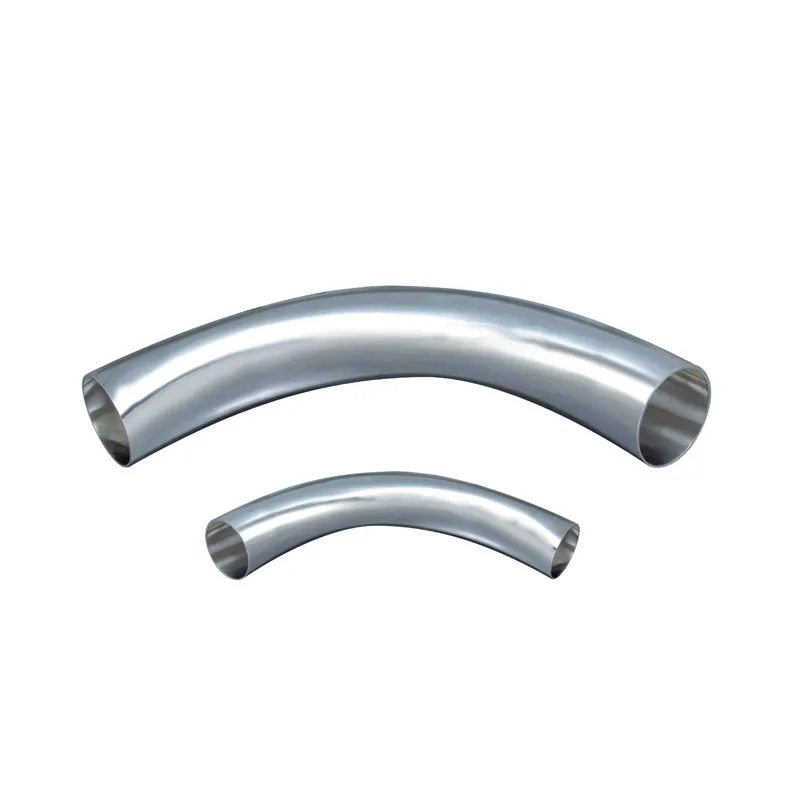
Precision Stainless Steel Bends: 304 & Exhaust Tubing

Detailed Manufacturing Process Flow of Stainless Steel Bends

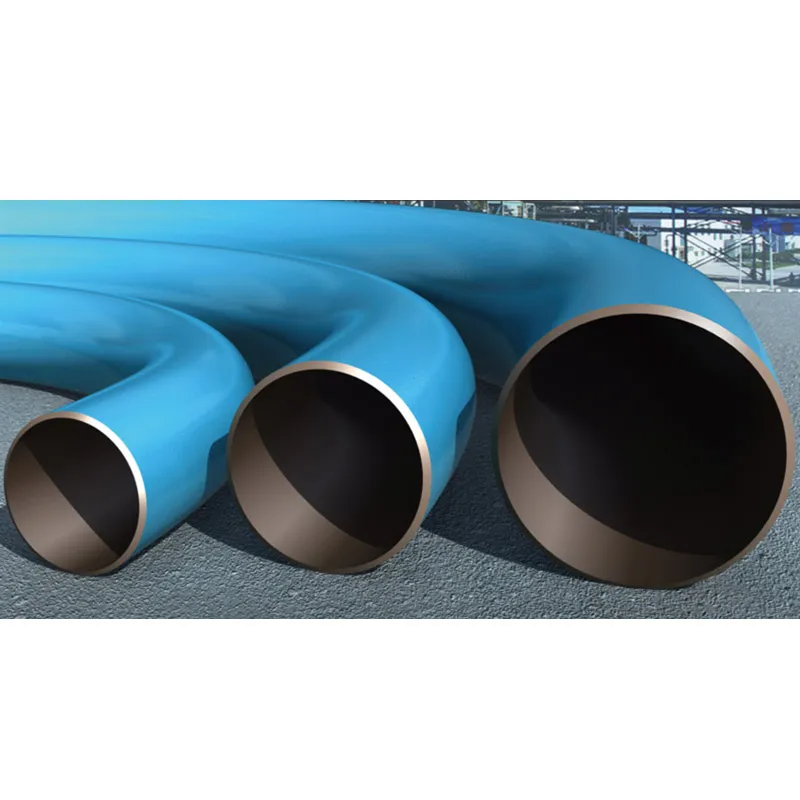
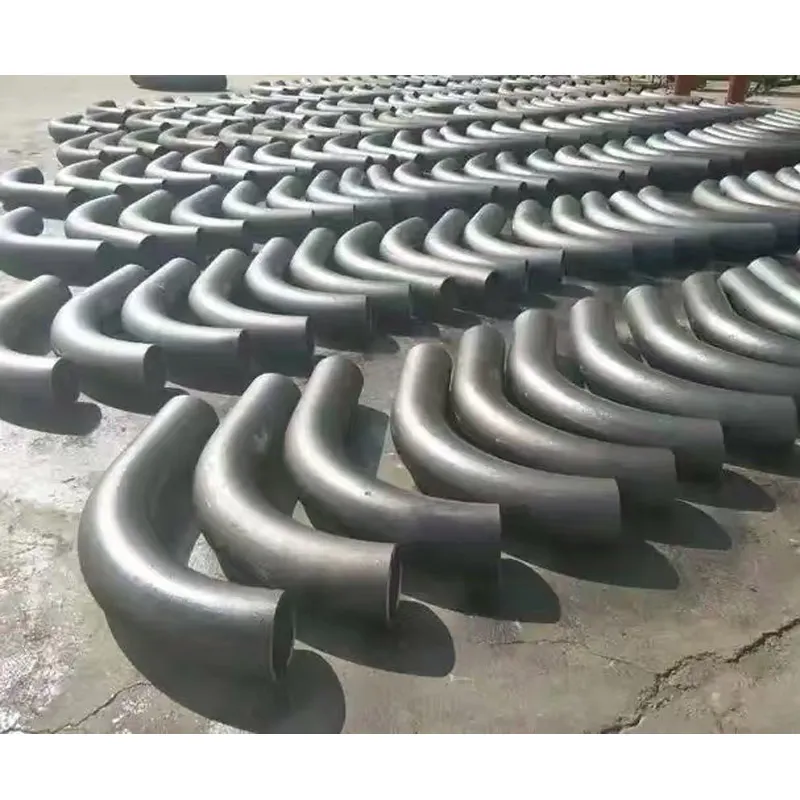
The production of a high-quality stainless steel bend is a sophisticated process that demands precision, specialized machinery, and adherence to rigorous quality control standards. The typical manufacturing journey involves several critical stages, ensuring the final product meets the demanding specifications of industries such as petrochemical, metallurgy, and water supply & drainage.

  1. Material Selection and Preparation: The process begins with selecting the appropriate raw material, typically seamless or welded stainless steel pipes of grades such as 304, 316L, 321, Duplex 2205, or Super Duplex 2507, depending on the application's specific requirements for corrosion resistance, temperature tolerance, and mechanical strength. Material certifications (MTCs) confirming chemical composition and mechanical properties are verified against ASTM A312 or A358 standards. The selected pipes are then cut to precise lengths.
  2. Forming/Bending Process: This is the core stage where the straight pipe is transformed into a bend. Common methods include:
    • Mandrel Bending: The pipe is externally clamped, and a mandrel is inserted into the pipe's bore to support its internal wall, preventing wrinkling and ovality as it is drawn around a bend die. This method is common for maintaining consistent cross-sectional integrity.
    • Rotary Draw Bending (RDB): Similar to mandrel bending, RDB uses a bend die, clamp die, and pressure die to form the bend while maintaining a constant radius. It's highly effective for precise, tight-radius bends.
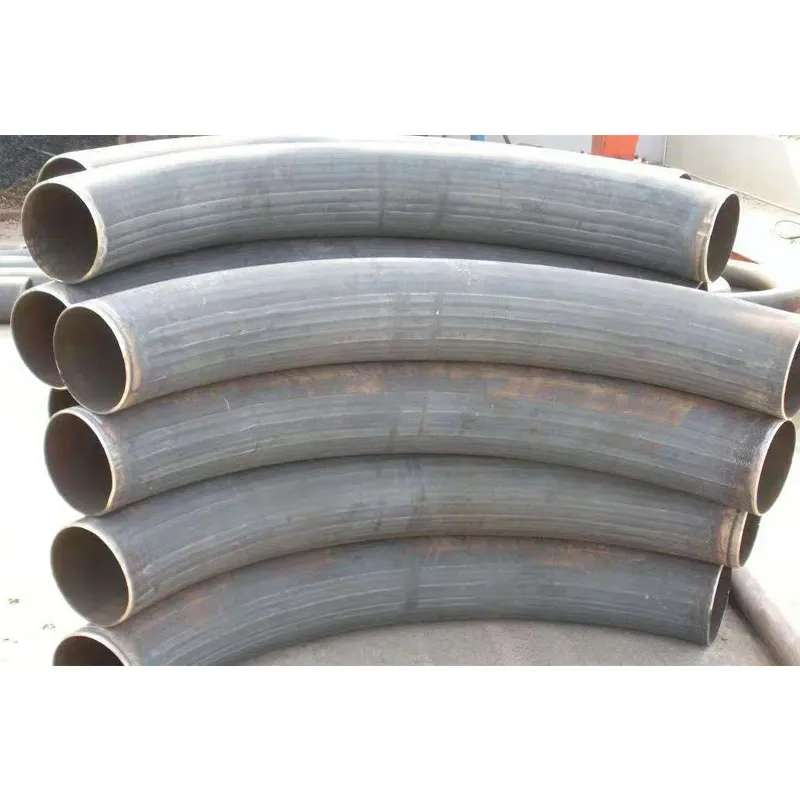
    • Induction Bending: This method involves heating a narrow band of the pipe using an induction coil while simultaneously applying a bending force. The localized heating and cooling produce a bend with excellent metallurgical properties and is suitable for large diameter, thick-walled pipes and tight radii, offering superior formability with reduced wall thinning or wrinkling compared to cold bending.
    • Cold Bending: For smaller diameters and less critical applications, pipes can be bent cold using hydraulic bending machines. However, this method can induce more stress and work hardening, sometimes requiring subsequent heat treatment.
  3. Heat Treatment (Annealing): Post-bending, especially for cold-formed bends or specific grades, the bends undergo solution annealing. This process involves heating the stainless steel to a high temperature (typically 1040-1120°C for austenitic grades) and then rapidly quenching it. Annealing relieves residual stresses induced during bending, restores the material's original microstructure, enhances corrosion resistance, and improves ductility. This is crucial for long service life, particularly in corrosive environments or under fluctuating thermal loads.
  4. Surface Treatment: After annealing, bends often undergo pickling and passivation. Pickling removes scale and oxides formed during heat treatment, while passivation restores the passive chromium oxide layer on the surface, which is vital for the stainless steel's corrosion resistance.
  5. Quality Control and Testing: Each stainless steel bend undergoes rigorous inspection to ensure compliance with international standards such as ASME B16.9, ASTM, ISO 9001, and ANSI B16.25.
    • Dimensional Inspection: Verification of bend radius, wall thickness (minimum wall thickness maintained as per standard), end bevels, and overall dimensions.
    • Non-Destructive Examination (NDE): Includes Visual Inspection, Magnetic Particle Testing (MPT), Liquid Penetrant Testing (LPT), Ultrasonic Testing (UT), and Radiographic Testing (RT) to detect surface or internal flaws.
    • Hydrostatic Testing: To confirm leak tightness and structural integrity under pressure.
    • Material Testing: PMI (Positive Material Identification) to confirm alloy grade, and mechanical tests (tensile, hardness) if required by the specification.
  6. Marking and Packaging: Finally, each bend is clearly marked with material grade, dimensions, heat number, and manufacturer's logo. They are then carefully packaged to prevent damage during transit.

The emphasis on these detailed steps ensures superior product performance, translating into advantages like energy saving through smooth internal surfaces, exceptional corrosion resistance, and significantly extended service life even in harsh operating environments.
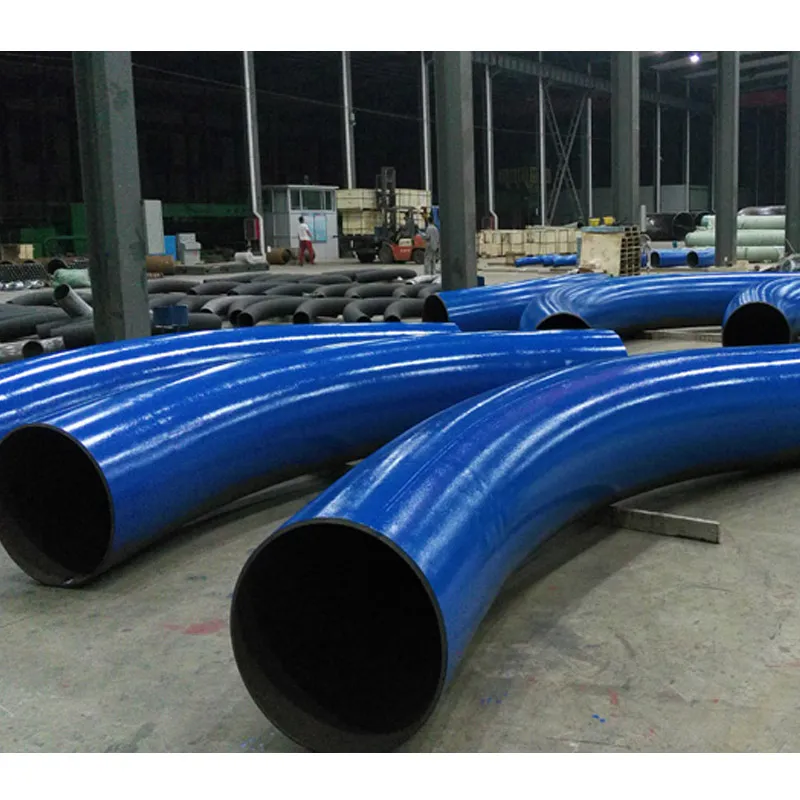
Precision Stainless Steel Bends: 304 & Exhaust Tubing

Technical Specifications and Material Versatility

Understanding the technical specifications of a stainless steel bend is paramount for engineers and procurement specialists to ensure optimal performance and system compatibility. These specifications encompass material grades, dimensional parameters, bend radii, and applicable industry standards. Lion Pipeline Products offers a comprehensive range of bends designed to meet the rigorous demands of various industrial sectors.

Key Material Grades and Their Properties:

  • 304 Stainless Steel: The most common austenitic stainless steel, offering excellent corrosion resistance in a wide range of atmospheric and chemical environments. It is highly formable and weldable, making 304 stainless bends a versatile choice for many applications, including food processing, dairy, and architectural.
  • 316/316L Stainless Steel: Contains molybdenum, which significantly enhances resistance to pitting and crevice corrosion in chloride-containing environments, such as marine and chemical processing. The 'L' grade denotes low carbon content, which improves weldability and minimizes carbide precipitation during welding, critical for preventing intergranular corrosion.
  • Duplex Stainless Steels (e.g., 2205): Characterized by a mixed microstructure of austenite and ferrite, offering superior strength and enhanced resistance to stress corrosion cracking compared to conventional austenitic grades. Ideal for demanding oil & gas, pulp & paper, and desalination plants.
  • Super Duplex Stainless Steels (e.g., 2507): Further enhanced with higher levels of chromium, molybdenum, and nitrogen, providing even greater strength and corrosion resistance, particularly in extremely aggressive environments.

Product Specification Table: Stainless Steel Pipe Bends

Parameter Specification Details Typical Range / Standard
Material Grades 304, 304L, 316, 316L, 321, 310S, Duplex 2205, Super Duplex 2507, etc. ASTM A403, ASTM A815, GB/T12459, EN10253
Outer Diameter (OD) NPS 1/2" to NPS 48" (DN15 to DN1200) 1/2" (21.3mm) - 48" (1219.2mm)
Wall Thickness Sch 5S to Sch XXS (or custom) 1.65mm to 50mm+
Bend Radius 1.5D, 3D, 5D, 7D, 10D (D=Nominal Pipe Diameter) or custom Typically 1.5D to 10D
Bending Angle 0-180 degrees (e.g., 30°, 45°, 60°, 90°, 180°) Customizable
Manufacturing Standard ASME B16.9, MSS SP-75, DIN, JIS, ISO Industry-specific compliance
Surface Finish Pickled, Passivated, Polished (e.g., Ra < 0.8µm for sanitary applications) As per application requirement

These detailed specifications ensure that each stainless steel bend is precisely engineered for its intended purpose, whether it's for high-pressure systems, corrosive chemical transport, or critical sanitary applications. The ability to specify precise dimensions and material grades ensures optimal system performance and longevity.
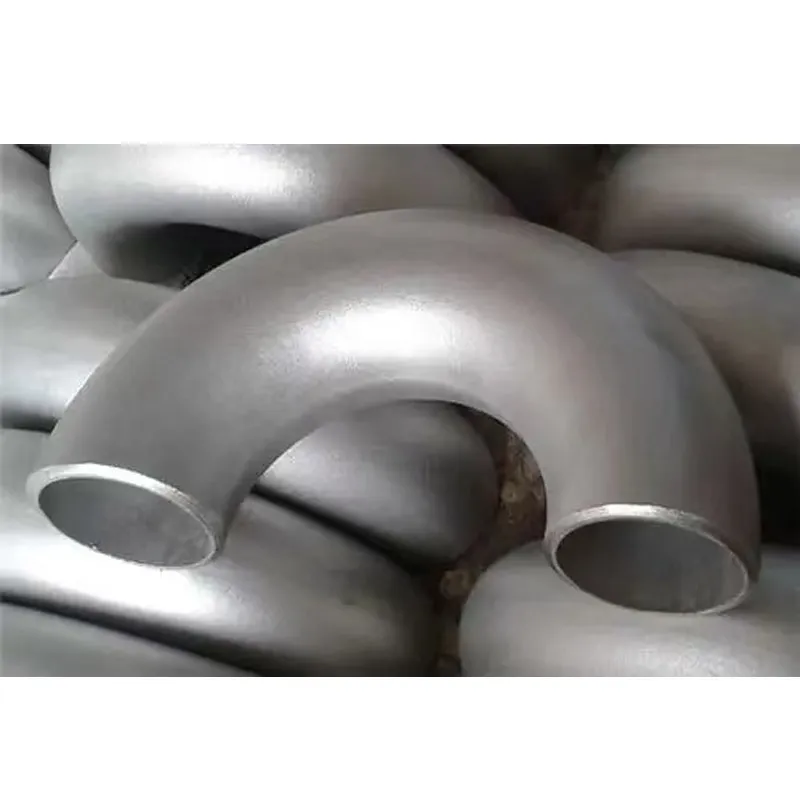
Precision Stainless Steel Bends: 304 &#038; Exhaust Tubing

Application Scenarios and Technical Advantages

The versatility and robust properties of stainless steel bend components make them indispensable across a multitude of industries. Their unique combination of technical advantages ensures reliable performance in the most challenging operational environments, directly contributing to system efficiency and safety.

Key Application Scenarios:

  • Petrochemical and Oil & Gas: Used extensively in refineries, offshore platforms, and pipelines for conveying crude oil, natural gas, and various chemicals. The bends must withstand high pressures, extreme temperatures, and corrosive media, with 316L stainless bends often preferred for their enhanced corrosion resistance.
  • Power Generation: In both conventional and nuclear power plants, stainless steel bends are critical for steam lines, cooling water systems, and exhaust systems, handling high-temperature and high-pressure fluids. This includes applications requiring robust stainless exhaust tubing bends for turbine outlets.
  • Water Treatment and Desalination: Essential for transporting potable water, wastewater, and saline solutions. The material's resistance to rust and biofouling ensures long-term integrity and hygienic conditions.
  • Food & Beverage and Pharmaceutical: Strict hygiene and non-contamination are paramount. Polished 304 stainless bends and 316L variants are chosen for their smooth surfaces, ease of cleaning, and inertness to product streams, meeting FDA and other sanitary standards.
  • Automotive and Heavy Machinery: Specifically for exhaust systems where high temperatures, vibrations, and corrosive gases are present. While some might use mild steel exhaust pipe bends, stainless steel offers significantly longer life and better performance.
  • Construction and Infrastructure: Used in structural applications, architectural designs, and various utility piping systems where durability and aesthetic appeal are desired.

Technical Advantages:

  • Superior Corrosion Resistance: The primary advantage. Stainless steel's passive chromium oxide layer provides exceptional resistance to oxidation, acidic, alkaline, and chloride-induced corrosion, extending service life significantly compared to carbon steel.
  • High-Temperature and High-Pressure Tolerance: Maintains mechanical strength and integrity under extreme thermal and pressure conditions, crucial for critical process lines.
  • Enhanced Durability and Longevity: Resistant to wear, tear, and fatigue, leading to reduced maintenance costs and fewer replacements over the lifespan of the system.
  • Excellent Hygiene Properties: Non-porous surfaces prevent bacterial growth and simplify cleaning, making them ideal for sanitary applications.
  • Optimized Flow Characteristics (Energy Saving): Precisely manufactured bends with smooth internal surfaces minimize turbulence and pressure drop, contributing to energy efficiency in fluid conveyance systems. This smooth flow also reduces wear on pumps and other inline equipment.
  • Recyclability: Stainless steel is 100% recyclable, aligning with modern environmental and sustainability goals.

These intrinsic qualities make stainless steel bend components a strategic choice for businesses seeking long-term reliability, operational efficiency, and compliance with stringent industry standards.
Precision Stainless Steel Bends: 304 &#038; Exhaust Tubing

Vendor Comparison and Customized Solutions

Selecting the right supplier for stainless steel bend products is a critical decision that impacts project timelines, costs, and the long-term performance of industrial systems. A thorough vendor comparison goes beyond price, encompassing quality, technical capabilities, and customer support. Furthermore, the ability to provide customized solutions is increasingly important for complex and specialized applications.

Key Criteria for Vendor Evaluation:

  • Quality Certifications: Look for ISO 9001, PED (Pressure Equipment Directive), and specific material certifications like ASTM, ASME, or EN. These validate manufacturing processes and material traceability.
  • Experience and Track Record: A supplier's years of service and portfolio of successful projects in relevant industries speak volumes about their expertise.
  • Technical Expertise and Customization: Assess the ability to handle complex specifications, offer various bending techniques (e.g., induction bending for large diameters), and provide tailored solutions for unique requirements.
  • Lead Time and Fulfillment: Timely delivery is crucial for project continuity. Evaluate standard lead times, expedited options, and logistical capabilities.
  • Pricing and Value: While cost is a factor, focus on the total cost of ownership, including product lifespan, maintenance, and reliability, rather than just the upfront price.
  • After-Sales Support: Availability of technical assistance, warranty provisions, and responsive customer service.

Vendor Comparison Matrix (Illustrative):

Feature/Criterion Lion Pipeline Products Competitor A Competitor B
Material Grades Offered Full range (304, 316L, Duplex, Super Duplex, etc.) Limited (mainly 304, 316L) Broad, but less specialty grades
Bending Techniques Induction, Mandrel, RDB, Cold Mandrel, Cold Induction (limited sizes), RDB
Certifications ISO 9001, PED, ASTM, ASME, API ISO 9001, ASTM ISO 9001, PED
Customization Capacity High (Custom radii, angles, ends, exotic materials) Moderate (Standard modifications only) Good (Custom radii, some materials)
Typical Lead Time (Standard) 2-4 Weeks 4-6 Weeks 3-5 Weeks
After-Sales Support Excellent (Dedicated tech support, warranty) Standard (Limited technical support) Good (Online resources)

Customized Solutions:

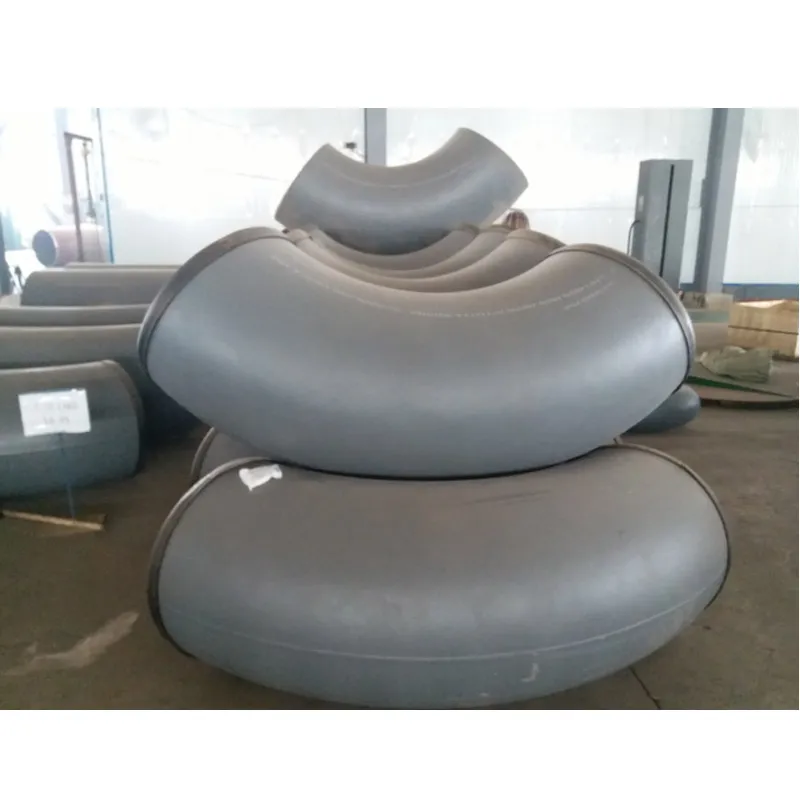
Many industrial projects require more than off-the-shelf components. Lion Pipeline Products excels in providing tailored stainless steel bend solutions to meet unique project specifications. This includes:

  • Bespoke Dimensions: Manufacturing bends with non-standard diameters, wall thicknesses, or specific bend radii (e.g., very tight 1.0D or extremely wide 20D bends).
  • Special Material Grades: Sourcing and fabricating bends from less common or highly specialized alloys for extreme environments (e.g., Inconel, Hastelloy, or high-performance Duplex grades).
  • Unique End Connections: Integrating custom end preparations such as specific bevels, flanges, or threaded connections directly onto the bend.
  • Advanced Surface Finishes: Providing ultra-smooth finishes (e.g., Ra < 0.4µm) for ultra-high purity (UHP) gas systems or pharmaceutical cleanrooms, which is essential for certain 304 stainless bends applications.
  • Combined Assemblies: Fabricating complex bend assemblies with multiple bends, transitions, and other fittings welded together to reduce on-site fabrication.

This capability for customization ensures that even the most intricate piping layouts can be realized with precision-engineered components, optimizing system performance and reducing installation complexities.
Precision Stainless Steel Bends: 304 &#038; Exhaust Tubing

Application Case Studies

Real-world applications demonstrate the tangible benefits and reliability of properly engineered stainless steel bend components. Lion Pipeline Products has a strong track record of providing high-performance solutions for diverse industrial challenges.

Case Study 1: Petrochemical Plant Expansion - High-Pressure Reactor Connections

A major petrochemical client was expanding its ethylene production facility, requiring critical high-pressure and high-temperature bends for connecting reactor vessels. The operating conditions involved corrosive catalysts and steam at over 400°C and 150 bar. Traditional carbon steel fittings suffered from rapid degradation and frequent maintenance. Lion Pipeline Products supplied custom 5D radius 316L stainless bends (Sch 80) manufactured via induction bending to ensure minimal wall thinning and optimal metallurgical integrity.

"The induction-bent 316L stainless steel bends provided by Lion Pipeline were instrumental in meeting our stringent process requirements. Their precision and material quality significantly reduced our risk of unplanned shutdowns and enhanced system safety. We observed a marked improvement in service life compared to our previous solutions." - Project Manager, Global Petrochemical Company.

Case Study 2: Dairy Processing Facility Upgrade - Sanitary Piping

A leading dairy producer needed to upgrade its pasteurization and bottling lines to meet evolving hygiene standards and increase production throughput. The challenge was to ensure smooth, crevice-free flow paths for milk and other dairy products, preventing bacterial buildup. Lion Pipeline provided seamless 304 stainless bends with an electropolished internal surface finish (Ra < 0.8µm) across various diameters, ensuring compliance with 3-A Sanitary Standards.

"The sanitary stainless steel bends from Lion Pipeline were flawless. Their smooth finish and precise dimensions were critical for maintaining product purity and simplifying our Clean-in-Place (CIP) processes. This upgrade has demonstrably improved our operational hygiene and reduced cleaning cycle times." - Operations Director, Major Dairy Producer.

Case Study 3: Marine Exhaust System for Offshore Drilling Rig

An offshore drilling contractor required custom exhaust pipe bends for its rig's auxiliary power units. These components needed to withstand continuous vibration, high temperatures (up to 600°C), and corrosive saltwater spray. Standard carbon steel or even mild steel exhaust pipe bends quickly succumbed to corrosion and fatigue. Lion Pipeline engineered and supplied specialized stainless exhaust tubing bends using 321H stainless steel (stabilized for high-temperature service) with reinforced wall thickness, specifically designed for marine environments.

"The 321H stainless steel exhaust bends performed exceptionally well under the extreme conditions of our offshore rig. We've seen a dramatic increase in component lifespan, virtually eliminating the need for frequent replacements that were common with previous materials. Lion Pipeline's expertise in high-temperature applications was invaluable." - Chief Engineer, Offshore Drilling Company.
Precision Stainless Steel Bends: 304 &#038; Exhaust Tubing

Trustworthiness, Support, and FAQ

At Lion Pipeline Products, we understand that selecting a supplier for critical components like stainless steel bend products is a decision founded on trust, reliability, and comprehensive support. Our commitment extends beyond delivering high-quality products to ensuring peace of mind through transparent processes, clear commitments, and robust customer service.

Lead Time and Fulfillment

  • Standard Lead Time: For common material grades (e.g., 304, 316L) and standard dimensions, our typical lead time ranges from 2 to 4 weeks, depending on order volume and specific bending requirements.
  • Custom & Specialty Orders: For highly customized bends, exotic materials, or large-diameter induction bends, lead times may range from 6 to 12 weeks, with specific timelines provided upon detailed inquiry.
  • Expedited Options: We offer expedited manufacturing and shipping solutions for urgent project requirements. Please contact our sales team to discuss accelerated delivery schedules.
  • Logistics and Shipping: We provide global shipping services, coordinating with reliable freight partners to ensure timely and secure delivery to your specified destination.

Warranty Commitments

Lion Pipeline Products stands behind the quality and integrity of every stainless steel bend we produce. All products are guaranteed to be free from defects in material and workmanship for a period of 12 months from the date of shipment, provided they are stored, installed, and used in accordance with industry best practices and specified design parameters. Our warranty covers replacement or repair of any non-conforming product.

Customer Support and After-Sales Service

Our commitment to our clients extends far beyond the sale. Lion Pipeline Products offers comprehensive technical support and after-sales service:

  • Technical Consultation: Our team of experienced engineers is available to provide expert advice on material selection, design optimization, and application-specific solutions for your pipeline projects.
  • Responsive Assistance: Dedicated customer service representatives are available during business hours to assist with inquiries, order tracking, and any post-delivery concerns.
  • Documentation and Certifications: We provide complete documentation packages, including Material Test Certificates (MTCs), inspection reports, and compliance certificates for all supplied products.
  • Feedback Mechanism: We actively solicit customer feedback to continuously improve our products and services.

Frequently Asked Questions (FAQ)

Q1: What is the primary advantage of a stainless steel bend over a carbon steel bend?

A1: The primary advantage is superior corrosion resistance, especially in harsh or aggressive environments. Stainless steel also offers better high-temperature performance and a longer service life, significantly reducing maintenance and replacement costs.

Q2: How do I choose the correct stainless steel grade for my application?

A2: The choice of grade depends on the operating environment (temperature, pressure, corrosive media), required mechanical strength, and regulatory standards. For general corrosion, 304 is often suitable. For chloride-rich environments, 316L is recommended. Our technical team can assist you in selecting the optimal grade.

Q3: Can Lion Pipeline Products manufacture custom bend radii or angles?

A3: Yes, customization is a core strength. We can produce stainless steel bend products with non-standard bend radii, angles, wall thicknesses, and end preparations to precisely match your project specifications. Please provide detailed drawings or requirements for a tailored quote.

Q4: What testing and certifications are provided with your bends?

A4: All our bends undergo rigorous quality control, including dimensional checks, NDE (UT, RT, PT, MT as required), and hydrostatic testing. We provide full Material Test Certificates (MTCs), ISO 9001, and compliance with relevant industry standards like ASME B16.9, ASTM, and PED.

Q5: What is the typical service life of a stainless steel bend?

A5: With proper material selection, installation, and maintenance, a stainless steel bend can have a service life spanning several decades, often outlasting the rest of the piping system, particularly when compared to mild steel exhaust pipe bends or similar less robust alternatives.
Precision Stainless Steel Bends: 304 &#038; Exhaust Tubing

For further information on our products or to discuss your specific requirements, please visit our website or contact our sales team directly.
References:

  1. American Society of Mechanical Engineers (ASME). ASME B16.9-2018: Factory-Made Wrought Buttwelding Fittings.
  2. ASTM International. ASTM A403/A403M-20: Standard Specification for Wrought Austenitic Stainless Steel Piping Fittings.
  3. International Organization for Standardization (ISO). ISO 9001:2015: Quality Management Systems – Requirements.
  4. NACE International. Corrosion Basics – An Introduction.
  5. Euro Inox. Stainless Steel in Practice: Properties, Selection, Applications.
  • Anti Corrosion And Thermal Insulation Products

    Anti Corrosion And Thermal Insulation Products

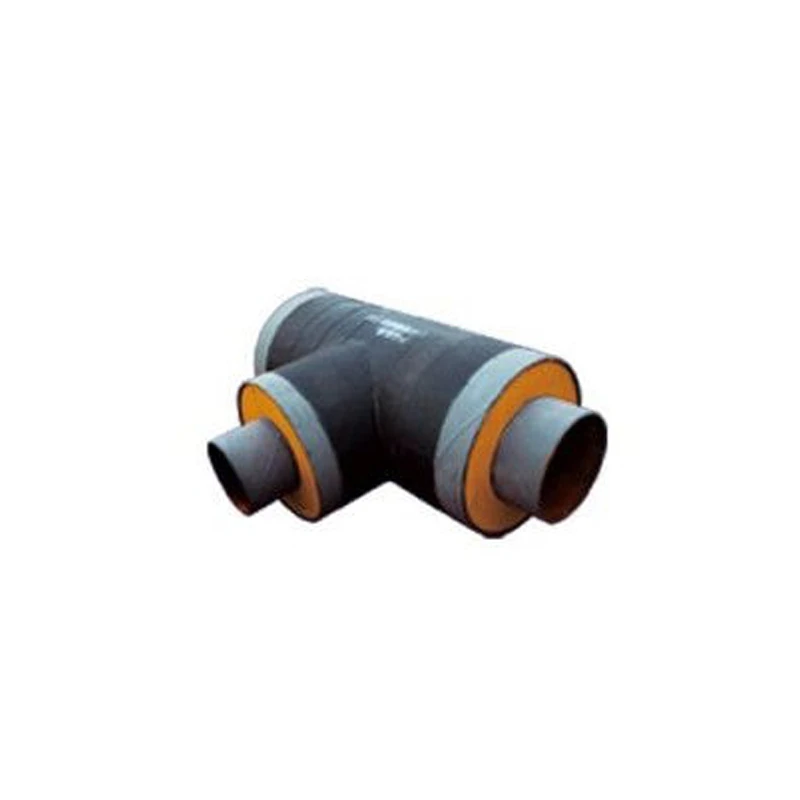
    The anti-corrosion and thermal insulation products we focus on produce play a key role in the industrial pipeline system, especially the thermal insulation pipe fittings and steel pipes. Thermal insulation pipe fittings cover elbows, tees, reducers and pipe supports, with specifications ranging from DN15 to DN1800, and are made of carbon steel, alloy steel, stainless steel, bimetallic composite, nickel-based alloy and other materials.
    VIEW ALL
  • Elbow

    Elbow

    Carbon Steel &stainless Steel Elbow Elbows are pipe fittings used to change the direction of pipelines in piping systems, commonly employed at pipeline bends. They are widely used in industries such as petroleum, chemical, and power. The common size range for elbows is DN15-DN2000, and typical angles include 45°, 90°, and 180°.
    VIEW ALL
  • Carbon Semless Steel Pipes

    Carbon Semless Steel Pipes

    Carbon Seamless Steel Pipes are made from high-quality carbon steel and manufactured without welded seams, offering exceptional strength, durability, and resistance to pressure. These pipes are ideal for a wide range of applications, including oil and gas pipelines, construction, automotive, and fluid transportation systems. The seamless design ensures uniformity, higher structural integrity, and improved performance under high pressure and temperature conditions.
    VIEW ALL
To create value for customers!
Cangzhou Leo Technology Co., Ltd. is located in Mengcun County Economic Development Zone, Cangzhou City, Hebei Province. It is a specialized high-tech enterprise that integrates the research and development, production, and sales of composite pipes and fittings.
News
The company regards product quality as the life of the enterprise, establishes a sound quality management system in accordance with the requirements of industry and national standards, controls all aspects of input and output in the whole process, pays attention to every detail, and ensures that the product delivery pass rate is 100%.
Comprehensive Guide to Steel Pipes and Fittings | Benefits & Global Applications

Comprehensive Guide to Steel Pipes and Fittings | Benefits & Global Applications

Steel Pipes and Fittings: Backbone of Global Infrastructure Steel pipes and fittings might sound lik
Understanding Welded Steel Pipe: Applications, Benefits, and Innovations

Understanding Welded Steel Pipe: Applications, Benefits, and Innovations

The Quiet Power of Welded Steel Pipe in Today's World If you’re here, you’re probably wo
The Essential Guide to Tube and Steel: Applications, Benefits, and Future Trends

The Essential Guide to Tube and Steel: Applications, Benefits, and Future Trends

Understanding Tube and Steel: Why It Matters in a Complex World If you haven’t given much thou
Thin Wall Steel Pipe – Lightweight Strength for Global Infrastructure Solutions

Thin Wall Steel Pipe – Lightweight Strength for Global Infrastructure Solutions

Understanding Thin Wall Steel Pipe: Why It Matters Globally The term “thin wall steel pipe&rdq
Thick Wall Steel Tubing: Durable Solutions for Global Pipelines and Infrastructure

Thick Wall Steel Tubing: Durable Solutions for Global Pipelines and Infrastructure

The Growing Importance of Thick Wall Steel Tubing: A Practical Overview Sometimes when you hear &ldq
Thick Wall Steel Pipe - Durable Industrial Piping for High-Pressure Applications

Thick Wall Steel Pipe - Durable Industrial Piping for High-Pressure Applications

Understanding Thick Wall Steel Pipe: What It Is and Why It Matters Globally If you’ve ever enc

Precision Stainless Steel Bends: 304 & Exhaust Tubing

Sep 08 2025
share:

Stainless steel bend, 304 stainless bends, stainless exhaust tubing bends, and mild steel exhaust pipe bends are key solutions in the manufacturing industry, specifically within Fabricated metal products and Manufacturing of pipes and fittings. This article explores how Cangzhou Lion Technology Co., Ltd. supports professionals with durable, high-performance products, and explains why these products are an ideal choice for businesses in these sectors.

Stainless steel bend, 304 stainless bends, stainless exhaust tubing bends, mild steel exhaust pipe bends from Cangzhou Lion Technology Co., Ltd.

Table of Contents

Stainless Steel Bend, 304 Stainless Bends, Stainless Exhaust Tubing Bends, Mild Steel Exhaust Pipe Bends Overview

In the demanding world of manufacturing, especially within Fabricated metal products and the Manufacturing of pipes and fittings, the need for precise and durable components is paramount. This is where the stainless steel bend, along with its specific variations like 304 stainless bends, stainless exhaust tubing bends, and mild steel exhaust pipe bends, plays a critical role. These pipe bends are essential for altering the direction of flow in piping systems, enabling complex layouts and optimal system performance. Technically, a stainless steel bend is formed through various processes such as hot bending, cold bending, or induction bending, ensuring a smooth transition without compromising material integrity. For instance, 304 stainless bends are favored for their excellent corrosion resistance and strength, making them ideal for aggressive environments. Mild steel exhaust pipe bends, while offering cost-effectiveness, are often chosen for applications where corrosion is less of a concern. Cangzhou Lion Technology Co., Ltd. stands as a reliable manufacturer, offering a comprehensive range of these bends crafted with precision and adherence to international standards.

Benefits & Use Cases of Stainless Steel Bends in Manufacturing of pipes and fittings

The applications for high-quality pipe bends are vast and varied within the Manufacturing of pipes and fittings sector. For corrosive environments, 304 stainless bends are indispensable in chemical processing, food and beverage, and pharmaceutical industries, ensuring hygienic and contamination-free fluid transport. Meanwhile, stainless exhaust tubing bends are critical components in high-performance automotive and industrial exhaust systems, designed to withstand extreme temperatures and vibrations while optimizing exhaust gas flow. Our mild steel exhaust pipe bends provide a robust and economical solution for less demanding exhaust applications. The key features of Cangzhou Lion Technology Co., Ltd.'s products include precise radii, consistent wall thickness, and superior surface finishes, which collectively reduce friction, minimize pressure drops, and extend the lifespan of piping systems. Our competitive advantage lies in our ability to produce custom bends to exact specifications, ensuring perfect fit and optimal performance for every client. Cangzhou Lion Technology Co., Ltd. demonstrates deep expertise in understanding specific industry needs, from standard stainless steel bend configurations to highly specialized designs.

Cost, Maintenance & User Experience

For B2B decision-makers in the Fabricated metal products sector, understanding the total cost of ownership (TCO) is crucial. While the initial investment in a high-quality stainless steel bend, especially 304 stainless bends, might be higher than mild steel exhaust pipe bends, the long-term ROI is significantly superior. Stainless steel offers exceptional durability, resisting corrosion, erosion, and extreme temperatures, thereby drastically reducing the need for frequent replacements and maintenance. This translates into minimal downtime, improved operational efficiency, and substantial savings over the lifespan of the system. Our customers in the Fabricated metal products and general manufacturing industries consistently report positive feedback regarding the longevity and reliable performance of our products. They highlight the ease of installation due to precise manufacturing and the robust nature of our stainless exhaust tubing bends and other offerings. This strong user experience underscores Cangzhou Lion Technology Co., Ltd.'s commitment to delivering not just a product, but a long-term, cost-effective solution.

Sustainability & Market Trends in manufacturing

The manufacturing industry is increasingly prioritizing sustainability and adherence to evolving environmental regulations. Cangzhou Lion Technology Co., Ltd. is at the forefront of this shift, producing pipe bends that not only meet stringent performance requirements but also contribute to a more sustainable future. Stainless steel, the primary material for many of our stainless steel bend products, is 100% recyclable, minimizing waste and resource depletion. Our manufacturing processes are designed for efficiency, reducing energy consumption and waste generation. Furthermore, the longevity of our 304 stainless bends and mild steel exhaust pipe bends means fewer replacements, further lessening environmental impact. Current market trends in manufacturing point towards an increasing demand for high-performance, compliant, and durable components. As industries evolve and regulations tighten, the demand for reliable stainless exhaust tubing bends and other pipe fittings that withstand harsh conditions will only grow. Cangzhou Lion Technology Co., Ltd. is positioned as a forward-thinking and eco-conscious partner, continuously innovating to meet these demands while upholding our commitment to quality and environmental stewardship.

Conclusion on Stainless Steel Bends from Cangzhou Lion Technology Co., Ltd.

In conclusion, the selection of appropriate pipe bends – whether a stainless steel bend for corrosion resistance, 304 stainless bends for specific industrial applications, stainless exhaust tubing bends for high-performance systems, or mild steel exhaust pipe bends for economical solutions – is critical for the success and longevity of projects in manufacturing, fabricated metal products, and the manufacturing of pipes and fittings. Cangzhou Lion Technology Co., Ltd. is dedicated to providing superior quality, precision-engineered products that deliver unparalleled durability, performance, and long-term value. Our commitment to innovation, customer satisfaction, and sustainable practices reinforces our reputation as a trusted leader in the industry. Equip your operations with the best in class. Partner with Cangzhou Lion Technology Co., Ltd. for pipe bends that ensure reliability and efficiency.

Contact us: email: sales@laiaokeji.com

Visit our website: https://www.lion-pipeline.com
  • Laser Clad  Pipe

    Laser Clad Pipe

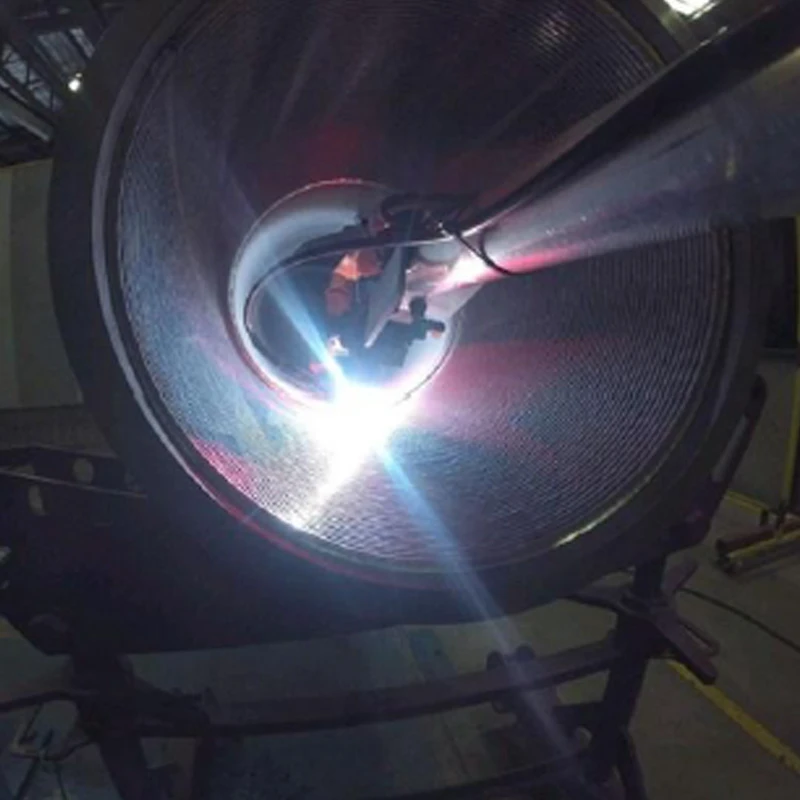
    Laser clad steel pipes are manufactured using laser cladding technology. This technology involves adding cladding material to the surface of ordinary steel pipe base material, using high-energy-density laser beams to fuse the cladding material with the steel pipe surface, forming a metallurgically bonded cladding layer. These pipes are generally used in compressed air energy storage projects as underground deep well transportation pipes or casings, as well as in oil, natural gas, and geothermal well extraction.
    VIEW ALL
  • Flange

    Flange

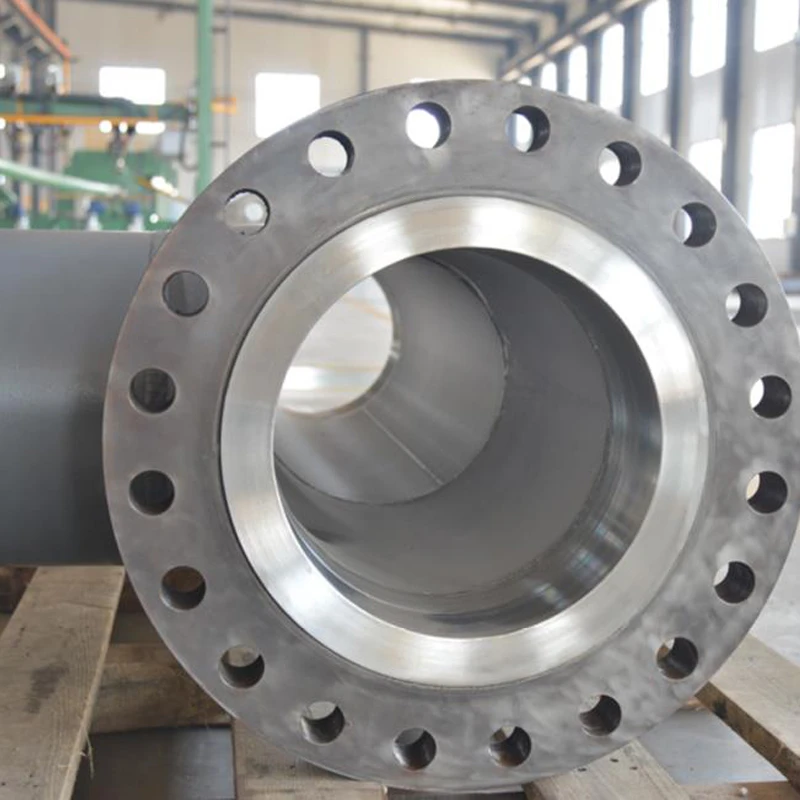
    Flange Product Introduction Flanges are used to connect pipes to pipes or pipes to equipment, ensuring a sealed and stable connection. They prevent fluid leakage and can withstand certain pressures and stresses, ensuring reliable connections. Flange nominal diameters range from DN15-DN2000 and beyond, covering various pipeline connection needs. Flanges primarily adhere to international standards such as ASME B16.5-2020, ASME B16.47-2020, and API 6A-2018.
    VIEW ALL
  • Pipe Cap

    Pipe Cap

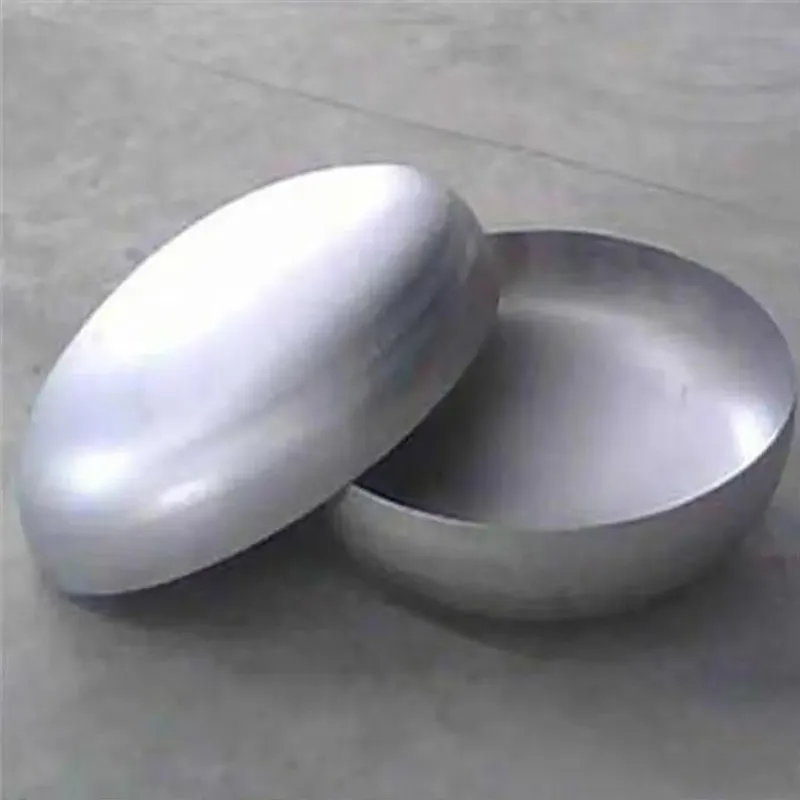
    Pipe caps come in different shapes, including round, square, and oval, and can be designed for both threaded and welded connections. They ensure the integrity of piping systems during transportation, storage, and installation by protecting the pipe ends from dirt, debris, and environmental factors. Durable and easy to install, pipe caps are critical for maintaining system efficiency and safety.
    VIEW ALL
To create value for customers!
Cangzhou Leo Technology Co., Ltd. is located in Mengcun County Economic Development Zone, Cangzhou City, Hebei Province. It is a specialized high-tech enterprise that integrates the research and development, production, and sales of composite pipes and fittings.
News
The company regards product quality as the life of the enterprise, establishes a sound quality management system in accordance with the requirements of industry and national standards, controls all aspects of input and output in the whole process, pays attention to every detail, and ensures that the product delivery pass rate is 100%.
Comprehensive Guide to Steel Pipes and Fittings | Benefits & Global Applications

Comprehensive Guide to Steel Pipes and Fittings | Benefits & Global Applications

Steel Pipes and Fittings: Backbone of Global Infrastructure Steel pipes and fittings might sound lik
Understanding Welded Steel Pipe: Applications, Benefits, and Innovations

Understanding Welded Steel Pipe: Applications, Benefits, and Innovations

The Quiet Power of Welded Steel Pipe in Today's World If you’re here, you’re probably wo
The Essential Guide to Tube and Steel: Applications, Benefits, and Future Trends

The Essential Guide to Tube and Steel: Applications, Benefits, and Future Trends

Understanding Tube and Steel: Why It Matters in a Complex World If you haven’t given much thou
Thin Wall Steel Pipe – Lightweight Strength for Global Infrastructure Solutions

Thin Wall Steel Pipe – Lightweight Strength for Global Infrastructure Solutions

Understanding Thin Wall Steel Pipe: Why It Matters Globally The term “thin wall steel pipe&rdq
Thick Wall Steel Tubing: Durable Solutions for Global Pipelines and Infrastructure

Thick Wall Steel Tubing: Durable Solutions for Global Pipelines and Infrastructure

The Growing Importance of Thick Wall Steel Tubing: A Practical Overview Sometimes when you hear &ldq
Thick Wall Steel Pipe - Durable Industrial Piping for High-Pressure Applications

Thick Wall Steel Pipe - Durable Industrial Piping for High-Pressure Applications

Understanding Thick Wall Steel Pipe: What It Is and Why It Matters Globally If you’ve ever enc
tel email tel top

If you are interested in our products, you can choose to leave your information here, and we will be in touch with you shortly.