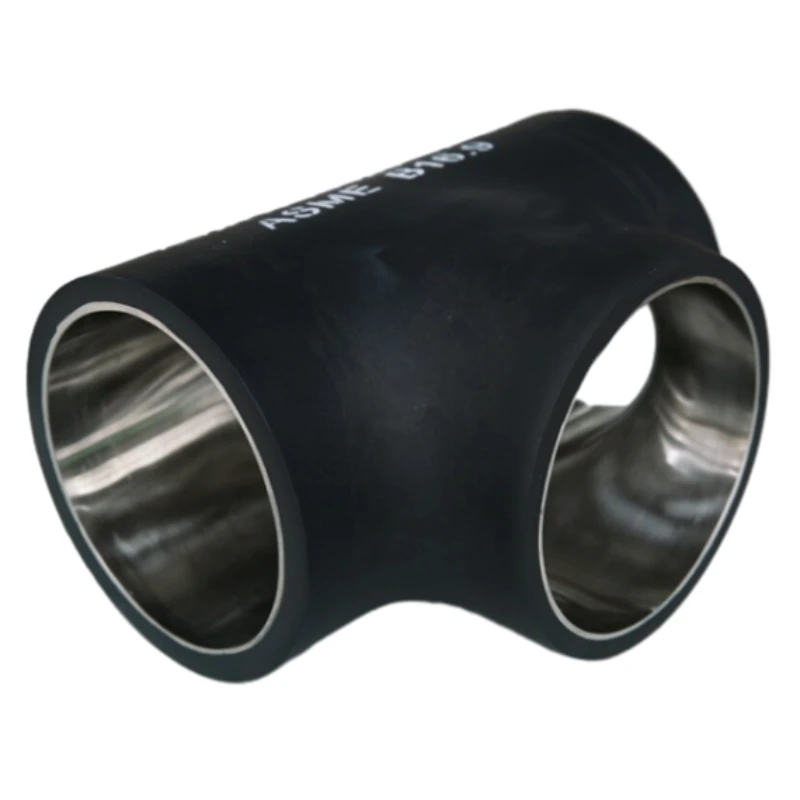
If you work in piping, you already know the humble carbon steel reducer quietly decides whether a system hums or howls. I was in Hebei recently—Economic Development Zone of Mengcun county, Cangzhou—and watched hot-formed reducers roll off the line, sparks and all. Honestly, the process looks simple from a distance, but the devil lives in tolerances and metallurgy.
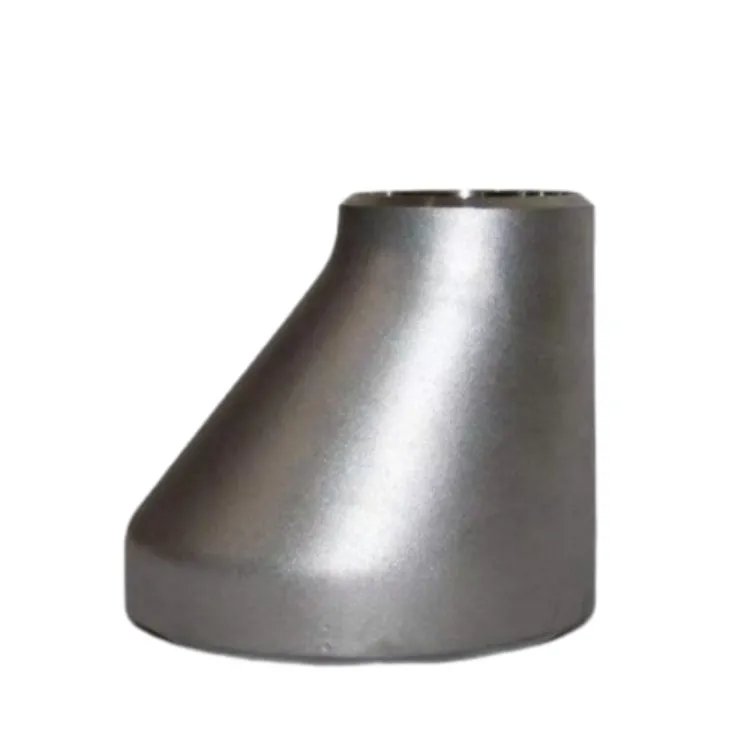
| Product | Reducer (concentric / eccentric) |
| Size range | NPS 1/2"–48" (DN15–1200), larger on request |
| Materials | ASTM A234 WPB/WPC, A420 WPL6 (LT), MSS SP-75 WPHY52/60/65 |
| Schedules | SCH 10–160, XXS; real-world availability ≈ project mix |
| Ends | Beveled per ASME B16.25, or plain |
| Standards | ASME B16.9, MSS SP-75; NACE MR0175/ISO 15156 (when specified) |
| Coatings | Shop primer, epoxy, FBE; bare metal for welding preferred |
| Operating window | -46°C to 425°C typical; pressure per line rating & material |
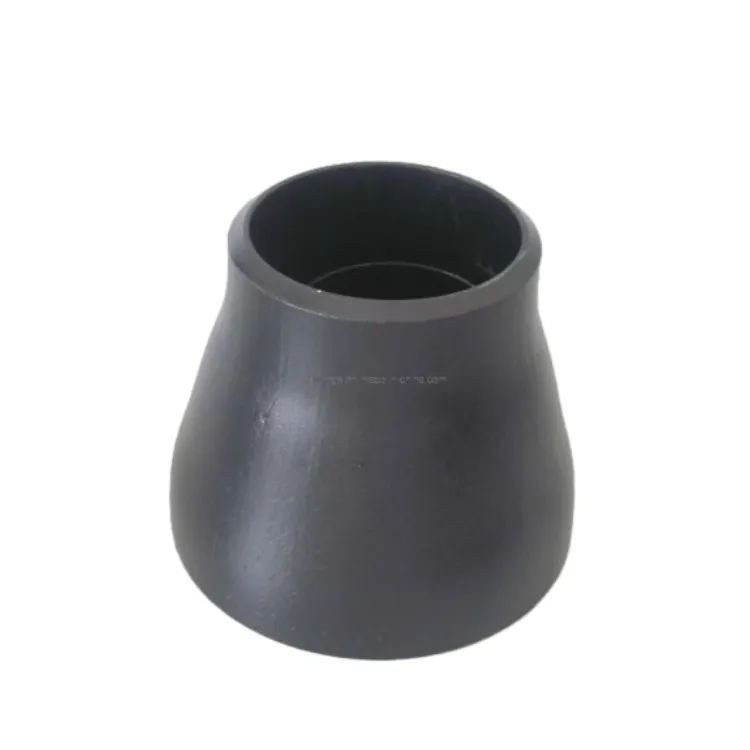
Material selection starts with killed fine-grain steel. Blanks are cut, hot-push formed or cold-pressed (larger sizes usually hot), then normalized. Beveling follows, with dimensional checks against ASME B16.9. NDT? Typically 100% visual, dimensional, and surface checks; UT or RT on weld seams if welded construction; PMI on critical lots. Hydrostatic proof tests are run per order requirements (some specs rely on type tests per MSS SP-75).
Typical test data I’ve seen: ovality maintained ≤1.5%, hardness for WPB ≈ HB 135–187, impact energy for WPL6 >27 J at -46°C. With decent corrosion allowance, a carbon steel reducer will last 20–30 years in water service; corrosive or cyclic service shortens that, as you’d expect.
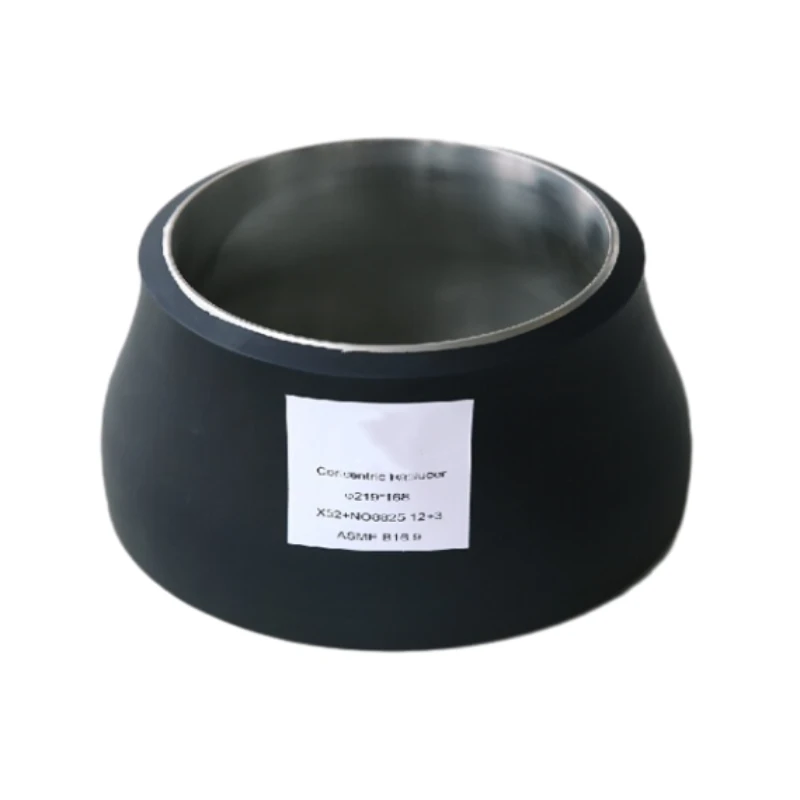
Advantages? A carbon steel reducer preserves velocity profile while stepping down diameter, cuts noise, and—when eccentric flat-top—keeps gases from collecting in horizontal runs.
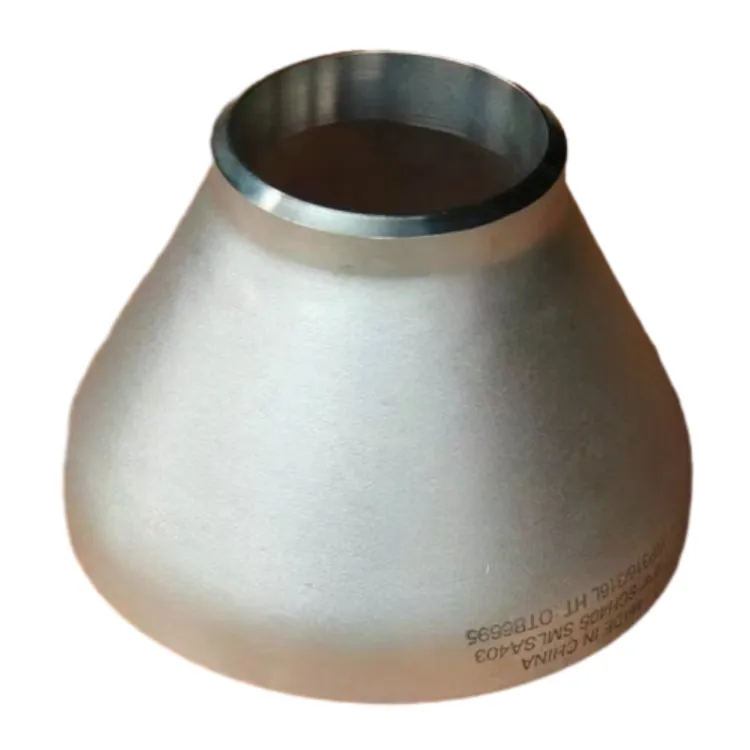
Common asks: bespoke end-bevels, tighter eccentric offsets, matched paint systems, and full EN10204 3.1/3.2 dossiers. Many customers say QR-coded MTRs saved days during commissioning. To be honest, once you’ve traced a heat number from melt to hydrotest on your phone, you don’t go back.
| Criteria | Lion Pipeline (Hebei) | Vendor A | Vendor B |
|---|---|---|---|
| Standards | ASME B16.9, MSS SP-75, ISO 9001 | ASME B16.9 | ASME B16.9, NACE on request |
| Lead time | ≈ 2–4 weeks common sizes | 4–6 weeks | 3–5 weeks |
| Traceability | QR-coded MTRs, heat-to-piece | Paper MTRs | Mixed |
| Third-party inspection | BV/TÜV/SGS available | On request | On request |
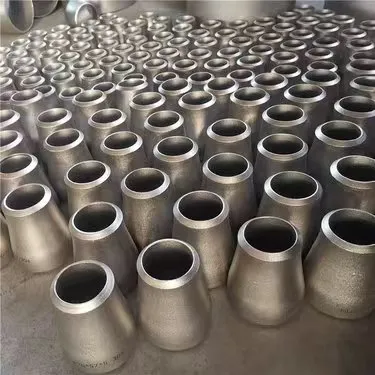
Origin: Economic Development Zone of Mengcun county, Cangzhou city, Hebei province. If you need concentric vs eccentric advice, send your P&ID and line list; real-world use may vary a bit from catalog promises.
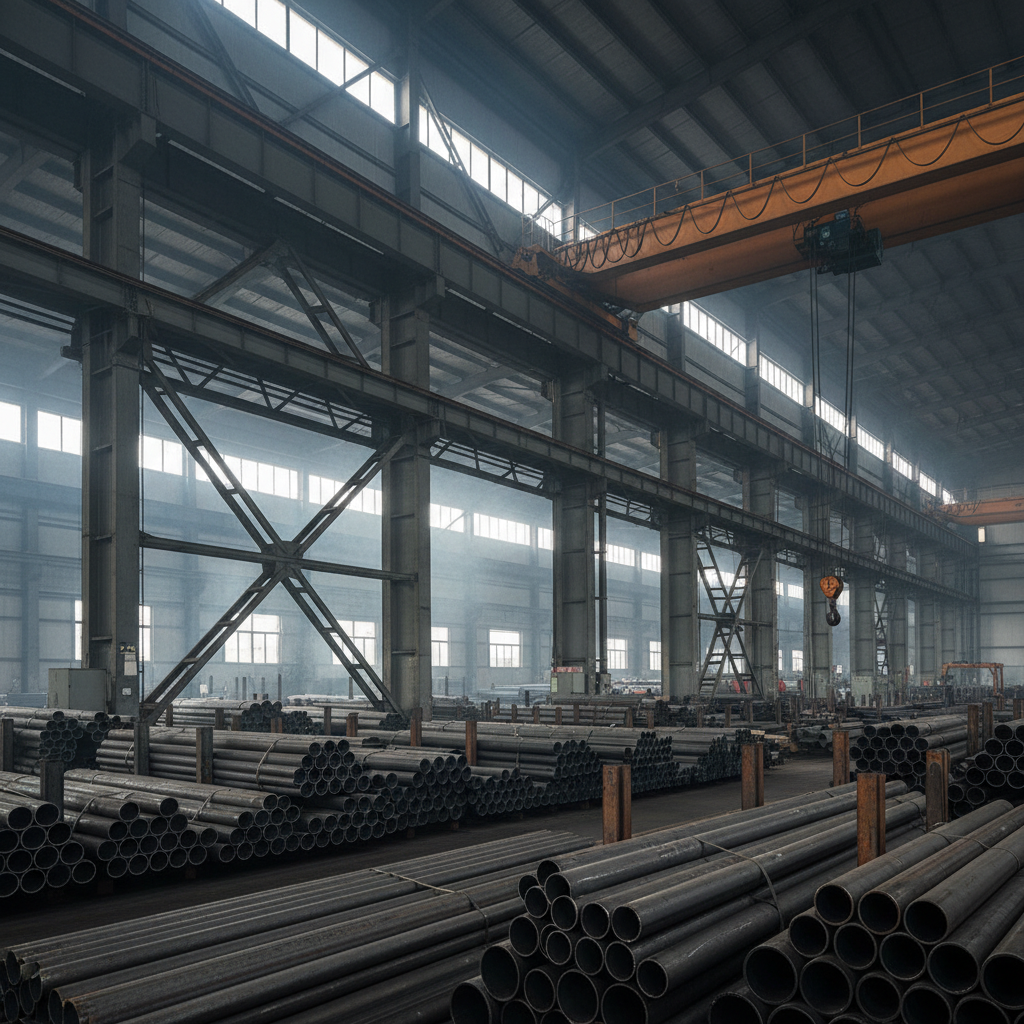
Properties and Industrial Applications of 4130 steel tubing
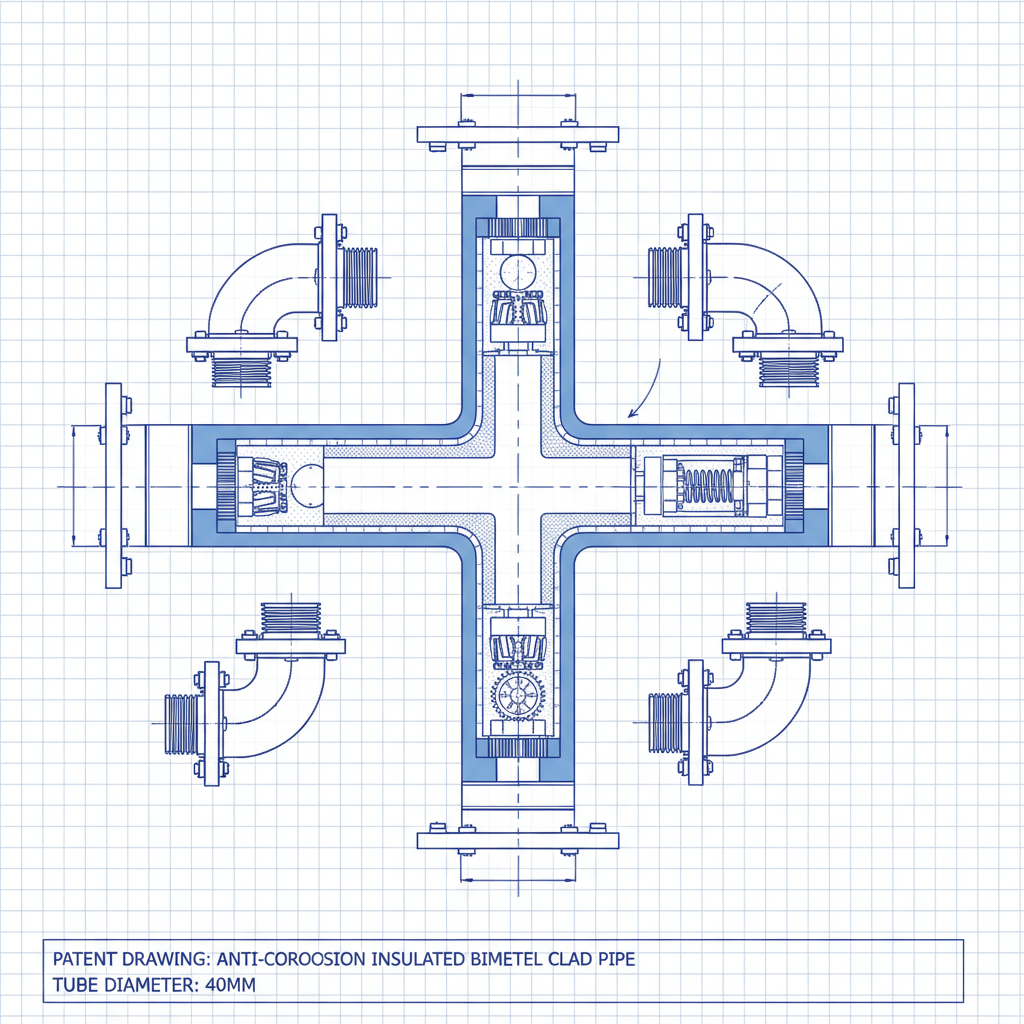
Comprehensive Guide to 40mm Steel Tube Applications and Material Selection
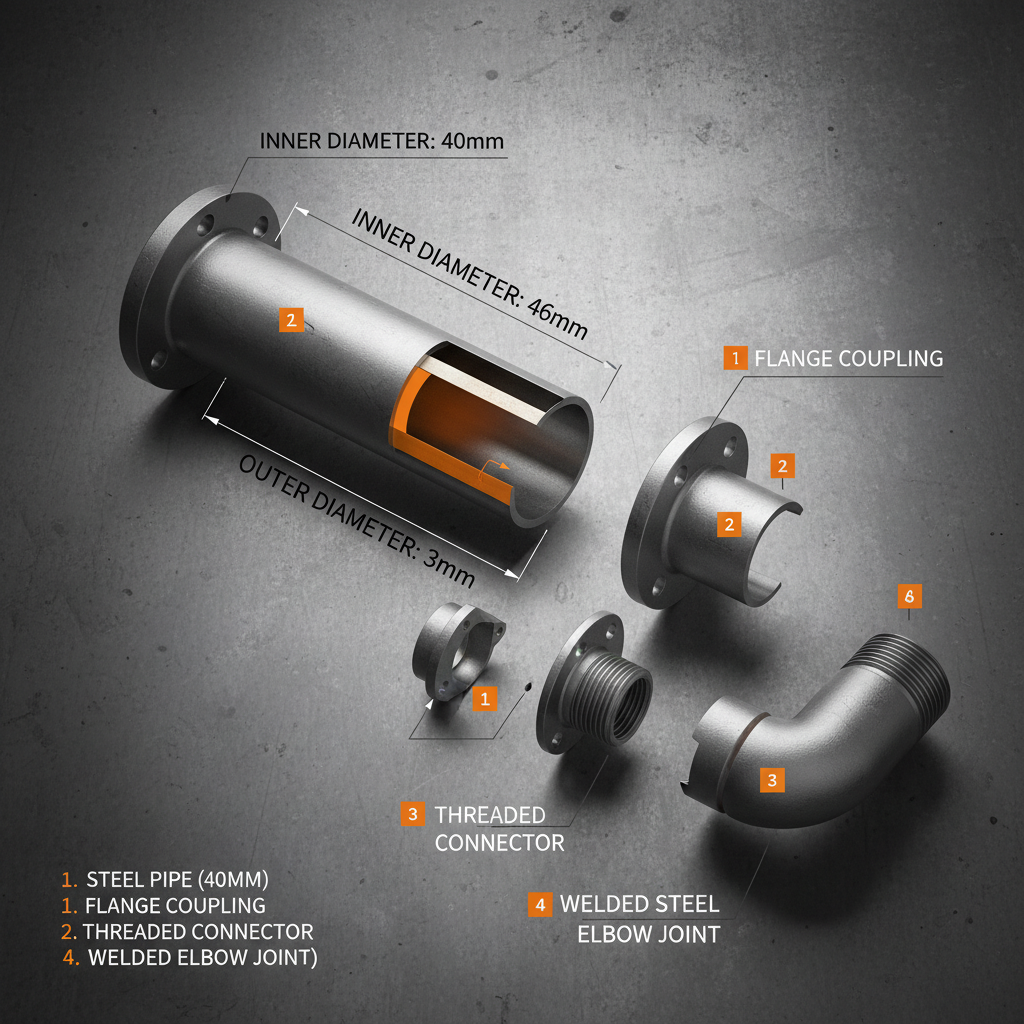
Comprehensive Guide to 40mm Steel Pipe Applications and Considerations
Comprehensive Guide to 40mm Metal Pipe Applications and Sourcing
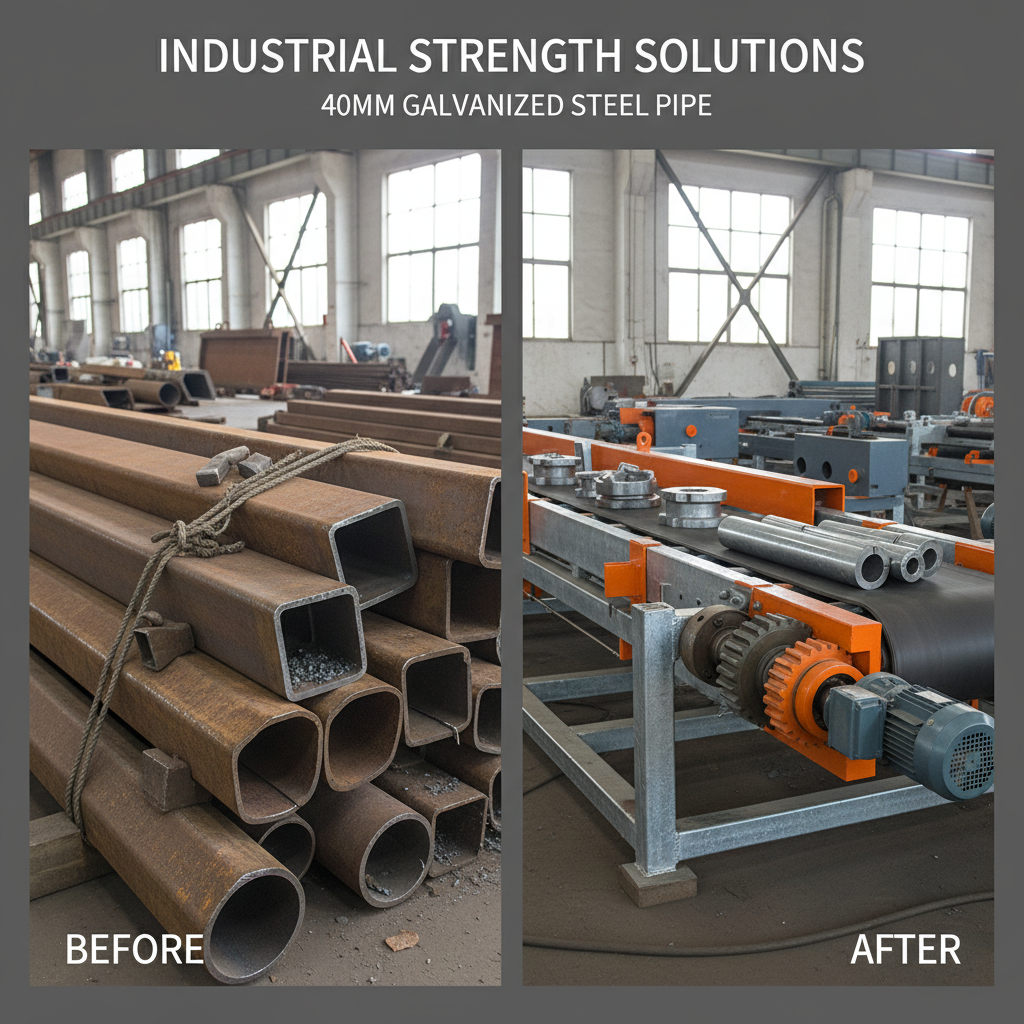
Comprehensive Guide to 40mm Galvanised Pipe Applications and Specifications
Comprehensive Guide to 409 Stainless Steel Exhaust Pipe Applications and Benefits