tel
Email
to top

Carbon Seamless Steel Pipes

Mar 17 2025
share:

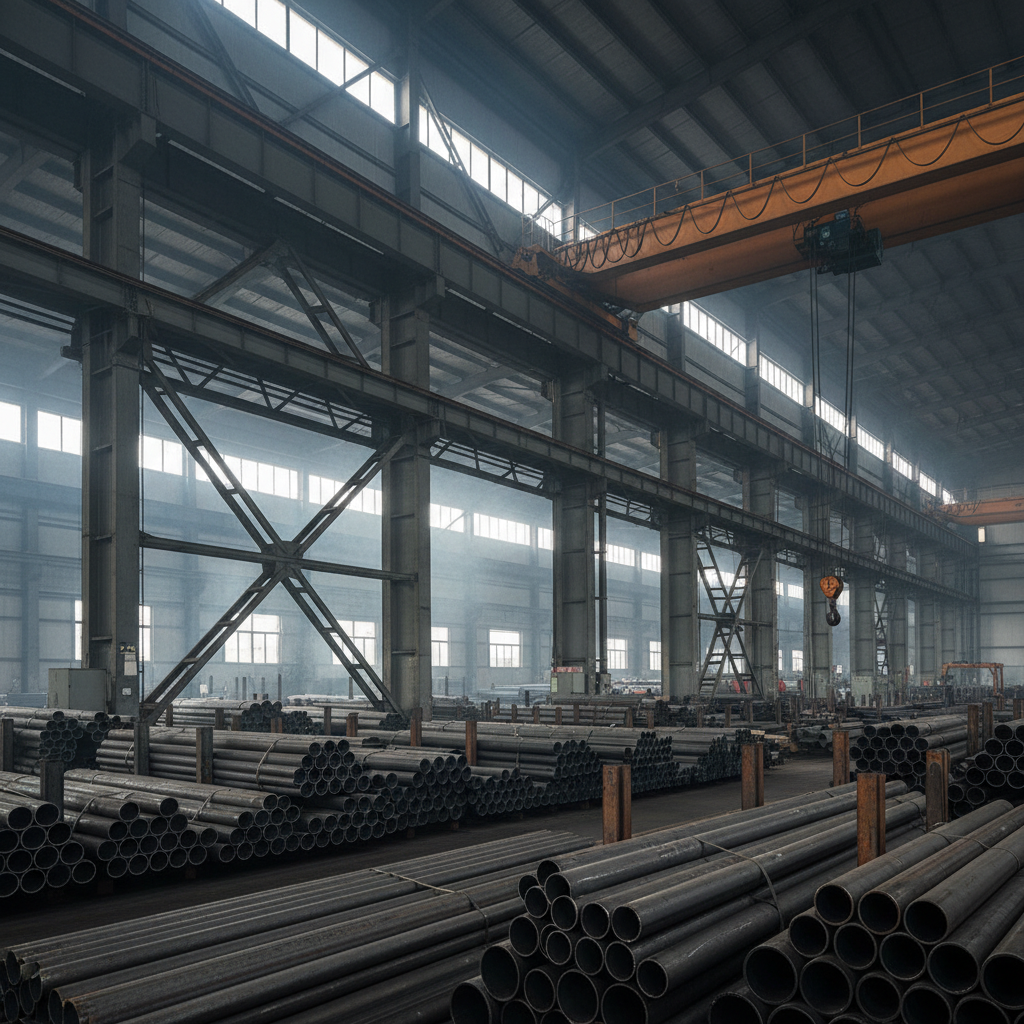
Carbon seamless steel pipe is a kind of welded pipe made of a whole piece of steel through piercing, hot rolling or cold drawing, which is widely used in petroleum, natural gas, chemical industry, boiler, construction and machinery manufacturing. Because of its seamless structure, it has higher strength, pressure resistance and good corrosion resistance.


Main Characteristics of Carbon Seamless Steel Pipe


High strength and high pressure resistance: because there are no welding points, the structural integrity of carbon seamless steel pipe is stronger and it can bear higher pressure and mechanical load.

Excellent corrosion resistance: the surface can be treated with anti-corrosion treatment, such as zinc plating and coating, to improve corrosion resistance.

Good processability: cold drawing, hot rolling, quenching and tempering can be carried out according to requirements to adapt to different application scenarios.

Uniform wall thickness: precise control technology is adopted in the production process to make the wall thickness uniform and ensure the stability of fluid transportation.

Excellent high temperature resistance: suitable for high temperature and high pressure environment, such as boilers and heat exchangers.


Production Technology of Carbon Seamless Steel Pipe


The production process of carbon seamless steel pipe mainly includes the following steps:

Raw material preparation: select high-quality carbon steel blank.

Perforation: Punching holes in the billet by a piercer to form a hollow tube.


Hot rolling: through high temperature rolling, the plasticity and toughness of pipes are improved.

Cold drawing: further processing at lower temperature to improve dimensional accuracy and surface finish.

Heat treatment: annealing, normalizing and quenching are carried out according to different uses to optimize mechanical properties.

Size finishing: including sizing, straightening, cutting and other processes to make it meet the specifications required by customers.

Surface treatment: antirust oil coating, phosphating treatment or zinc plating can be carried out to improve corrosion resistance.


Main Application Fields of Carbon Seamless Steel Pipe


Oil and natural gas: used to transport high-temperature and high-pressure media, such as oil well pipes and pipelines.

Boiler and heat exchanger: suitable for high temperature steam and heat energy transfer.

Machinery manufacturing: used to manufacture parts of automobiles and construction machinery, such as transmission shafts and bearing sleeves.

Building structure: used for supporting high-rise buildings, bridges and large steel structures.

Liquid transportation: such as water pipelines and chemical liquid pipelines.


Carbon seamless steel pipe plays an important role in various industries with its superior strength, pressure resistance and corrosion resistance. With the progress of technology and the growth of demand, it has a broad market prospect and will continue to play a key role in the industrial and engineering fields.

  • Tee Pipe

    Tee Pipe

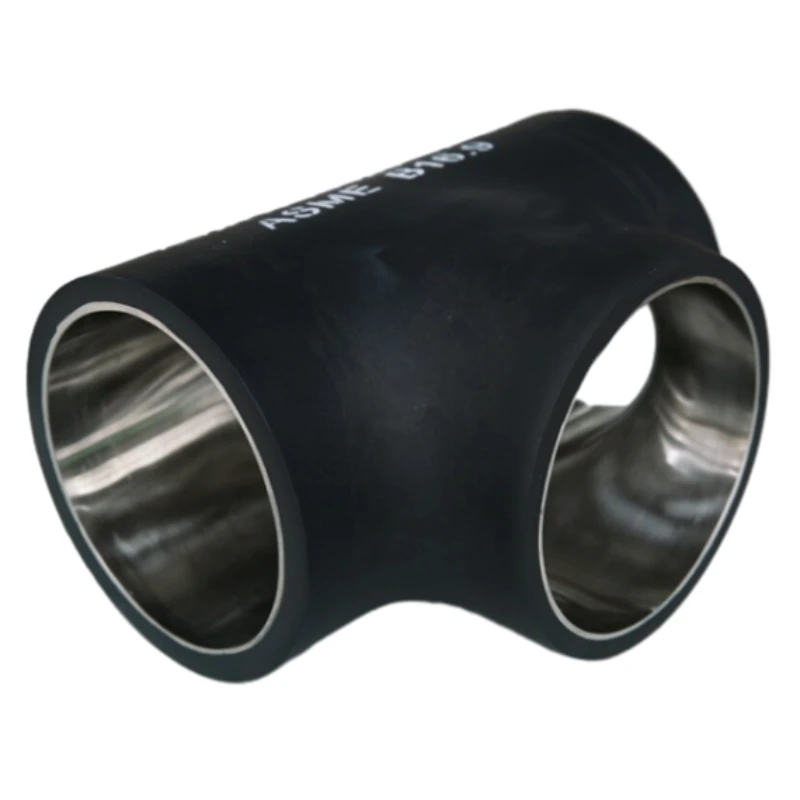
    Tee products are essential pipe fittings used to connect three sections of piping, forming a "T" shape. Available in various materials like carbon steel, stainless steel, and alloy steel, they are designed for use in systems requiring the diversion or junction of fluid flow.
    VIEW ALL
  • Carbon Semless Steel Pipes

    Carbon Semless Steel Pipes

    Carbon Seamless Steel Pipes are made from high-quality carbon steel and manufactured without welded seams, offering exceptional strength, durability, and resistance to pressure. These pipes are ideal for a wide range of applications, including oil and gas pipelines, construction, automotive, and fluid transportation systems. The seamless design ensures uniformity, higher structural integrity, and improved performance under high pressure and temperature conditions.
    VIEW ALL
  • Flange

    Flange

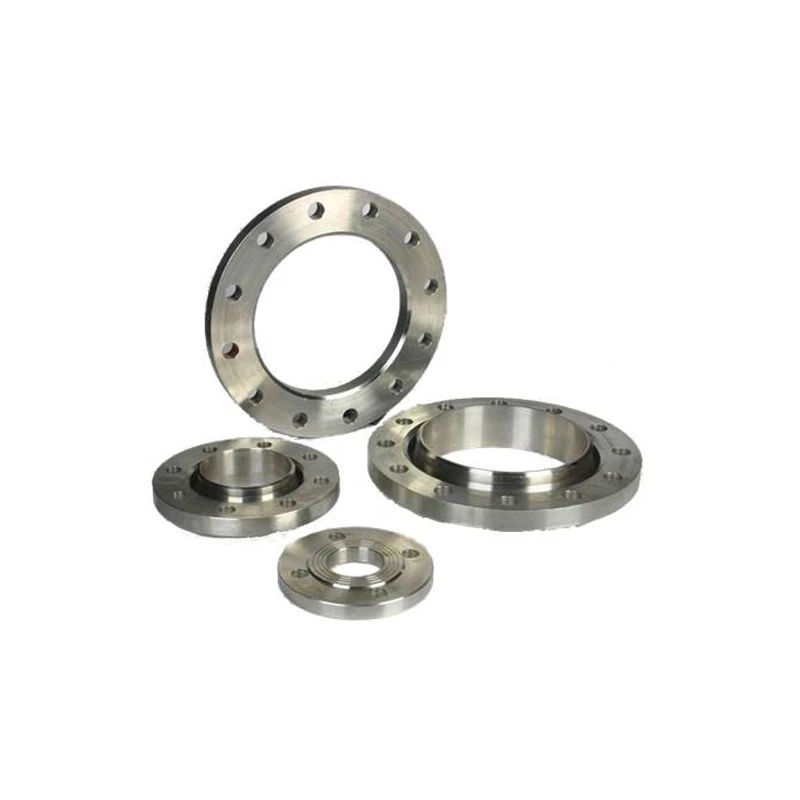
    Flange Product Introduction Flanges are used to connect pipes to pipes or pipes to equipment, ensuring a sealed and stable connection. They prevent fluid leakage and can withstand certain pressures and stresses, ensuring reliable connections. Flange nominal diameters range from DN15-DN2000 and beyond, covering various pipeline connection needs. Flanges primarily adhere to international standards such as ASME B16.5-2020, ASME B16.47-2020, and API 6A-2018.
    VIEW ALL
To create value for customers!
Cangzhou Leo Technology Co., Ltd. is located in Mengcun County Economic Development Zone, Cangzhou City, Hebei Province. It is a specialized high-tech enterprise that integrates the research and development, production, and sales of composite pipes and fittings.
News
The company regards product quality as the life of the enterprise, establishes a sound quality management system in accordance with the requirements of industry and national standards, controls all aspects of input and output in the whole process, pays attention to every detail, and ensures that the product delivery pass rate is 100%.
Properties and Industrial Applications of 4130 steel tubing
Properties and Industrial Applications of 4130 steel tubing

In the world of high-performance engineering, material selection is the foundation of safety and efficiency. 4130 steel tubing is widely recognized as the gold standard for applications requiring an exceptional strength-to-weight ratio. Known for its versatility and reliability, this chromium-molybdenum alloy is the preferred choice for everything from aircraft frames to professional roll cages. Understanding the nuances of this material allows engineers to optimize structural integrity without adding unnecessary bulk. In this comprehensive guide, we will explore why this specific alloy remains a top choice for critical industrial and aerospace components.
Comprehensive Guide to 40mm Steel Tube Applications and Material Selection
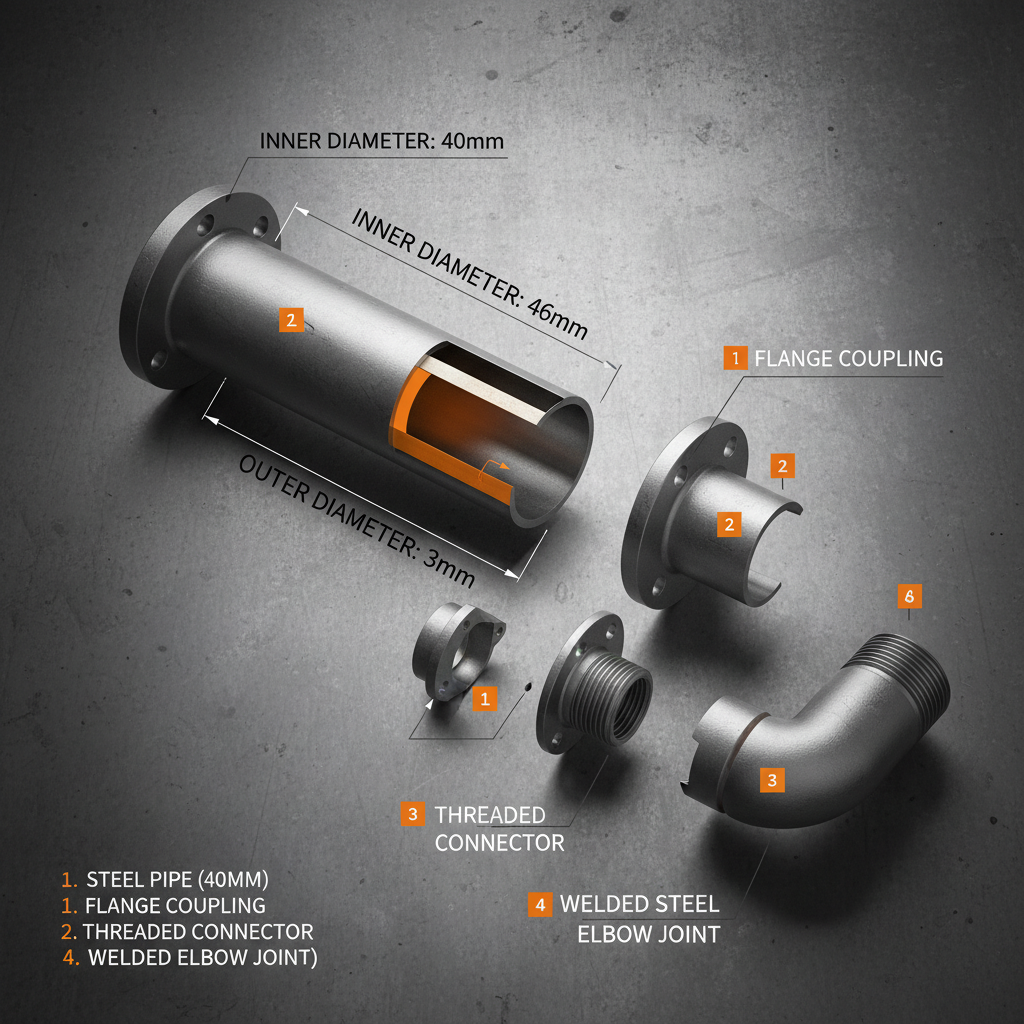
Comprehensive Guide to 40mm Steel Tube Applications and Material Selection

40mm steel tube is a versatile and widely used material in various industries, from construction and manufacturing to automotive and beyond. Its strength, durability, and cost-effectiveness make it an ideal choice for numerous applications. This article will delve into the characteristics, applications, benefits, and considerations when working with 40mm steel tube, providing a comprehensive overview for professionals and anyone interested in this essential material.
Comprehensive Guide to 40mm Steel Pipe Applications and Considerations
Comprehensive Guide to 40mm Steel Pipe Applications and Considerations

40mm steel pipe is a widely used material in various industries due to its strength, durability, and cost-effectiveness. From construction and infrastructure projects to industrial applications and fluid transportation, this pipe size offers a versatile solution. This article will delve into the properties, applications, standards, and key considerations when selecting 40mm steel pipe, helping you make informed decisions for your specific needs.
Comprehensive Guide to 40mm Metal Pipe Applications and Sourcing
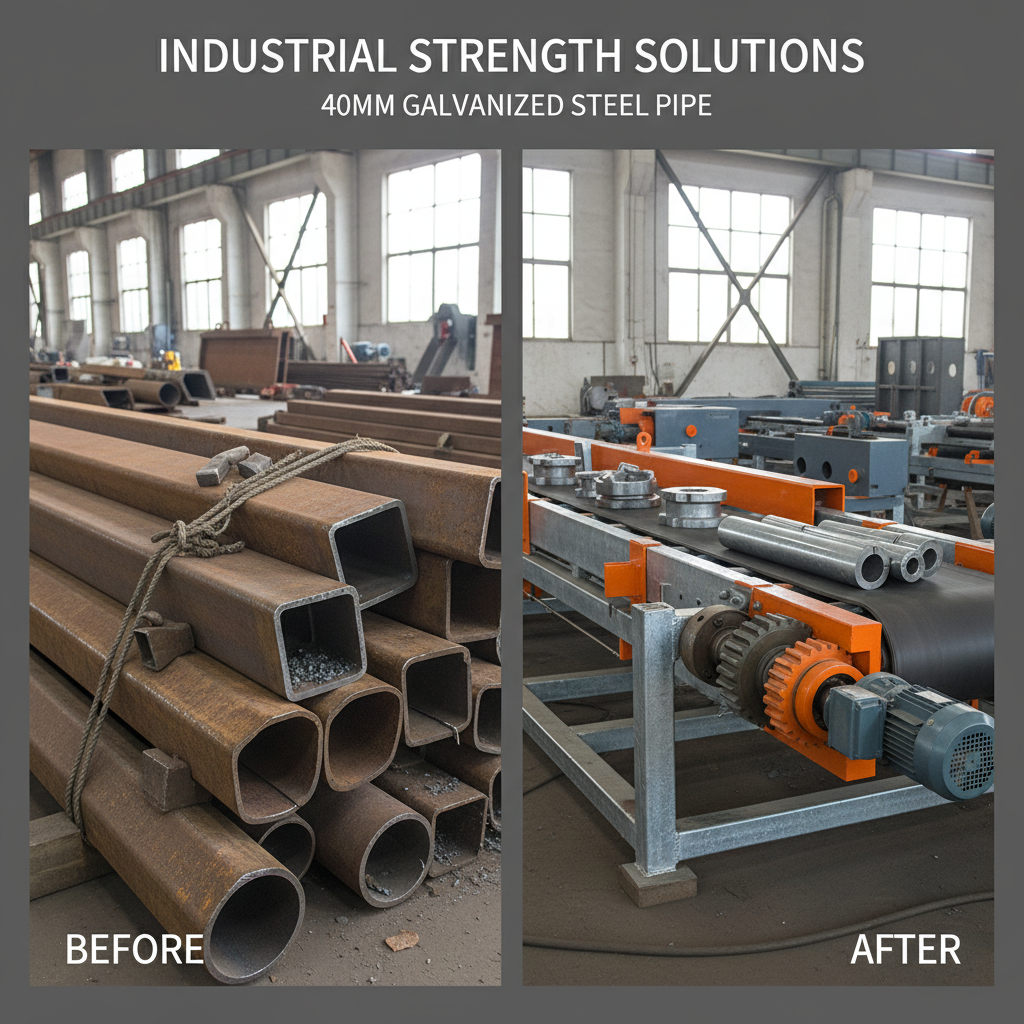
Comprehensive Guide to 40mm Metal Pipe Applications and Sourcing

40mm metal pipe is a crucial component in a wide array of industries, from construction and plumbing to industrial manufacturing and fluid transport. Its strength, durability, and versatility make it a preferred material for countless applications. This article will delve into the specifics of 40mm metal pipe, exploring its various types, common uses, benefits, and where to source high-quality piping solutions.
Comprehensive Guide to 40mm Galvanised Pipe Applications and Specifications
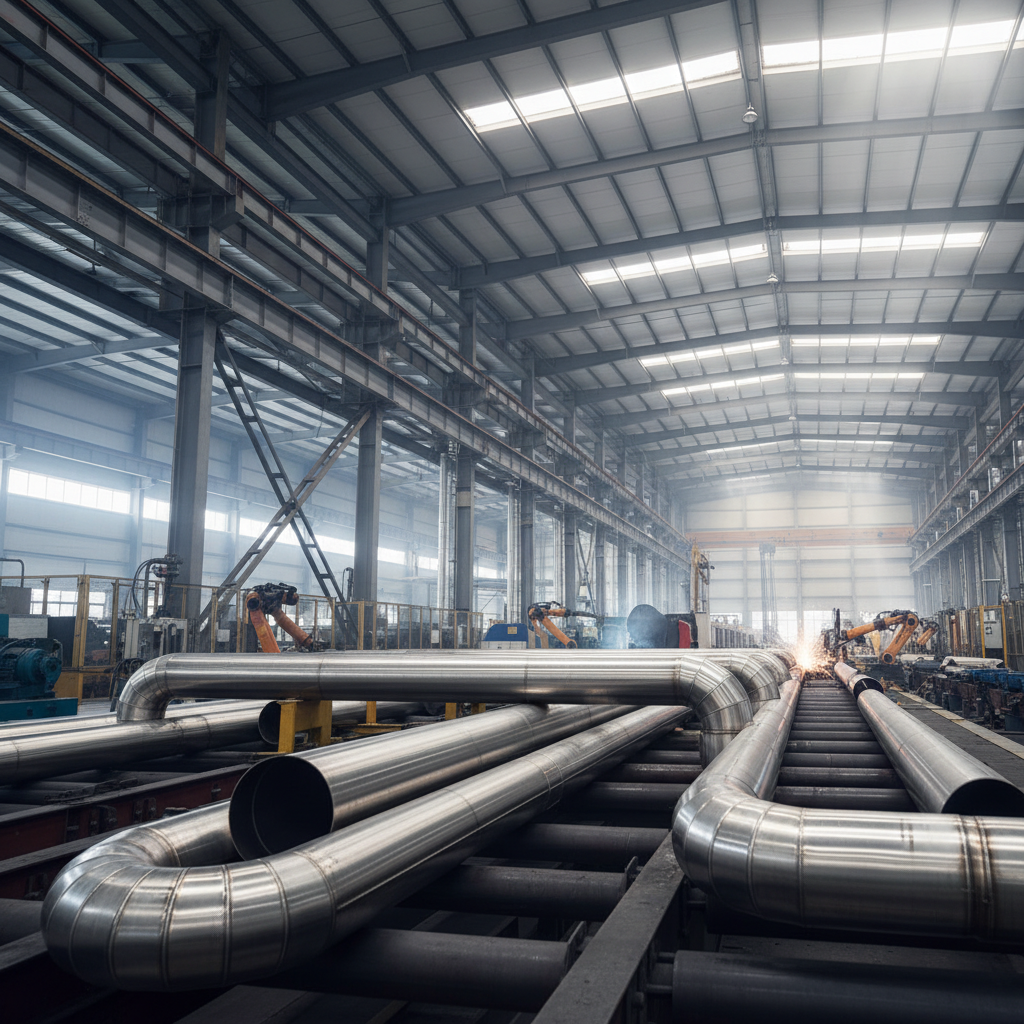
Comprehensive Guide to 40mm Galvanised Pipe Applications and Specifications

When planning a plumbing, structural, or industrial project, selecting the right piping material is crucial. 40mm galvanised pipe is a widely used option known for its strength, durability, and corrosion resistance. This article provides a detailed overview of 40mm galvanised pipes, exploring their applications, benefits, specifications, and considerations for optimal usage. We'll cover everything from what galvanisation is to how to choose the right pipe for your specific needs.
Comprehensive Guide to 409 Stainless Steel Exhaust Pipe Applications and Benefits

Comprehensive Guide to 409 Stainless Steel Exhaust Pipe Applications and Benefits

When selecting materials for exhaust systems, especially in industries demanding durability and corrosion resistance, 409 stainless steel exhaust pipe emerges as a leading solution. Known for its affordability and suitable performance in various applications, it’s a popular choice for automotive, truck, and industrial exhaust systems. This article delves into the properties, benefits, applications, and considerations when choosing 409 stainless steel exhaust pipe, providing valuable insights for engineers, purchasers, and anyone involved in exhaust system design and manufacturing. Understanding the nuances of this material is key to ensuring long-lasting and reliable exhaust solutions. 409 stainless steel is an austenitic stainless steel containing approximately 11.5% chromium. This chromium content provides excellent resistance to oxidation and corrosion, particularly in mildly corrosive environments. Unlike higher-grade stainless steels (like 304 or 316), 409 has a lower chromium content and typically includes titanium for stabilization. This stabilization prevents carbide precipitation during welding, enhancing its weldability and corrosion resistance in the heat-affected zone. It's often chosen for applications where cost-effectiveness is critical, and the extreme corrosion resistance of higher alloys isn't required.
tel email tel top

If you are interested in our products, you can choose to leave your information here, and we will be in touch with you shortly.